
Hear from Our Customers
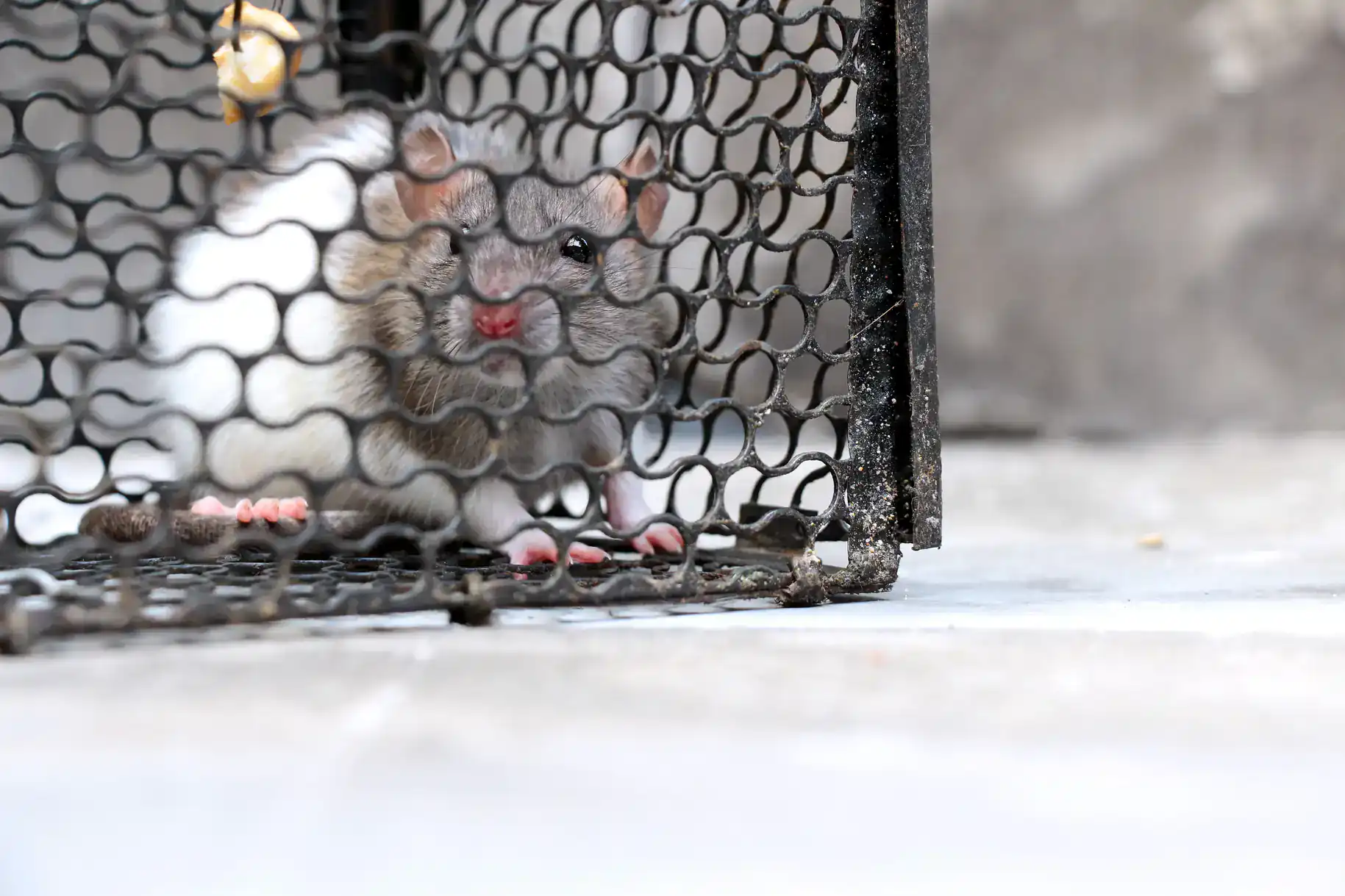
You stop hearing scratching in the walls at 2 a.m. You stop finding droppings behind the stove or inside a cabinet drawer. You stop wondering whether the snap trap you set three days ago did anything. That’s what rodent control in Woodside, NY actually looks like when it’s done right not a temporary fix, but a real one.
Here’s what most people don’t realize until it’s too late: in Woodside’s attached rowhouses and prewar brick buildings, a rodent problem rarely stays contained to one unit. Rats and mice move through shared wall voids, gaps around plumbing, and utility penetrations between properties. Your neighbor’s problem becomes yours. And if you’re within a block or two of Roosevelt Avenue where dozens of restaurants, food vendors, and late-night spots generate continuous food waste beneath the elevated 7 train you’re dealing with one of the most persistent rodent pressure corridors in western Queens. Treating the symptom without addressing the source just means you’ll be back at the hardware store in two weeks.
What you actually get from professional rodent removal in Woodside is a clear picture of how rodents are getting in, where they’re nesting, and what’s keeping them there followed by a plan that addresses all three. That’s the difference between a service call and a real solution.
We’ve been serving New York City since 1971, with over five decades of working in the specific building types, rodent species, and seasonal conditions that define neighborhoods like Woodside prewar attached rowhouses, mid-century co-ops, multi-family rentals, and the kind of dense urban blocks where one infestation can quietly spread to three properties before anyone notices.
Richard Kourbage Sr. founded our company. His sons Richard Jr. and Charles have been part of it since 1987 and 1989, respectively. We are a family that has been solving New York’s pest problems longer than most of our competitors have existed. We hold an A+ rating with the Better Business Bureau of New York State accredited since 1989 and apply only N.Y.S. Department of Environmental Conservation registered materials on every job. We’re fully licensed, bonded, and insured.
New York attorneys and real estate brokers refer clients to us regularly, including for properties in Queens. When professionals who deal with property issues across all five boroughs trust one company by name, that means something.
It starts with a phone call free, no commitment, no pressure. You describe what you’re seeing or hearing, and a knowledgeable person on the other end helps you understand what you’re likely dealing with and what the next steps look like before you spend a dollar. We take calls around the clock and can typically schedule an appointment within 48 hours, often the same day.
When one of our technicians arrives at your Woodside home or building, the first step is a thorough inspection not just the obvious spots, but the places rodents actually use: gaps around utility pipes, foundation cracks, basement entry points, wall voids in attached structures. In Woodside’s rowhouse blocks, this inspection extends to the exterior shared walls and any utility penetrations that connect your unit to adjacent properties. If there’s active construction nearby on Queens Boulevard, that gets factored in too excavation and demolition from new development consistently displaces established rodent colonies into surrounding residential blocks, and that context changes where we look and what we find.
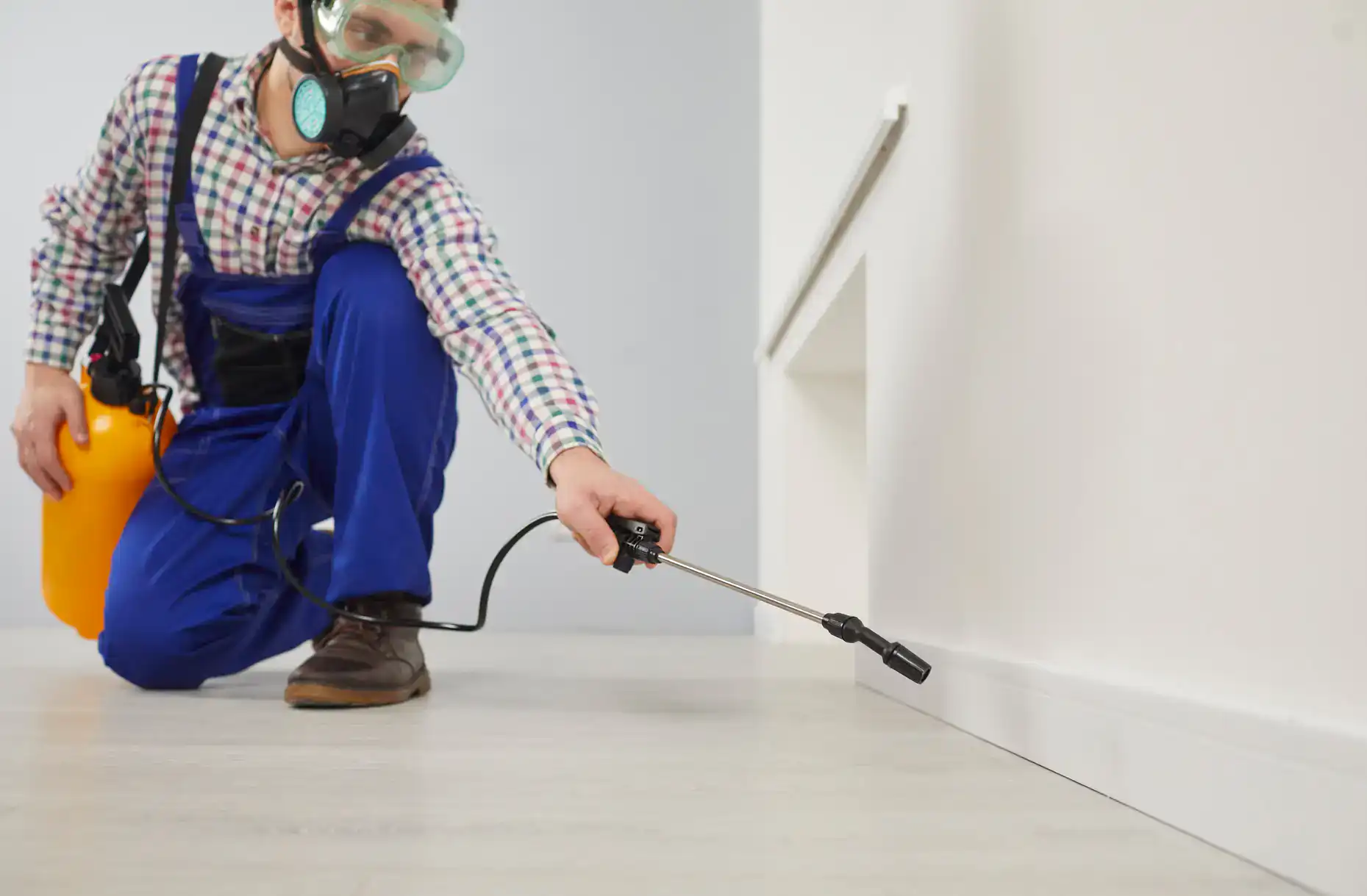
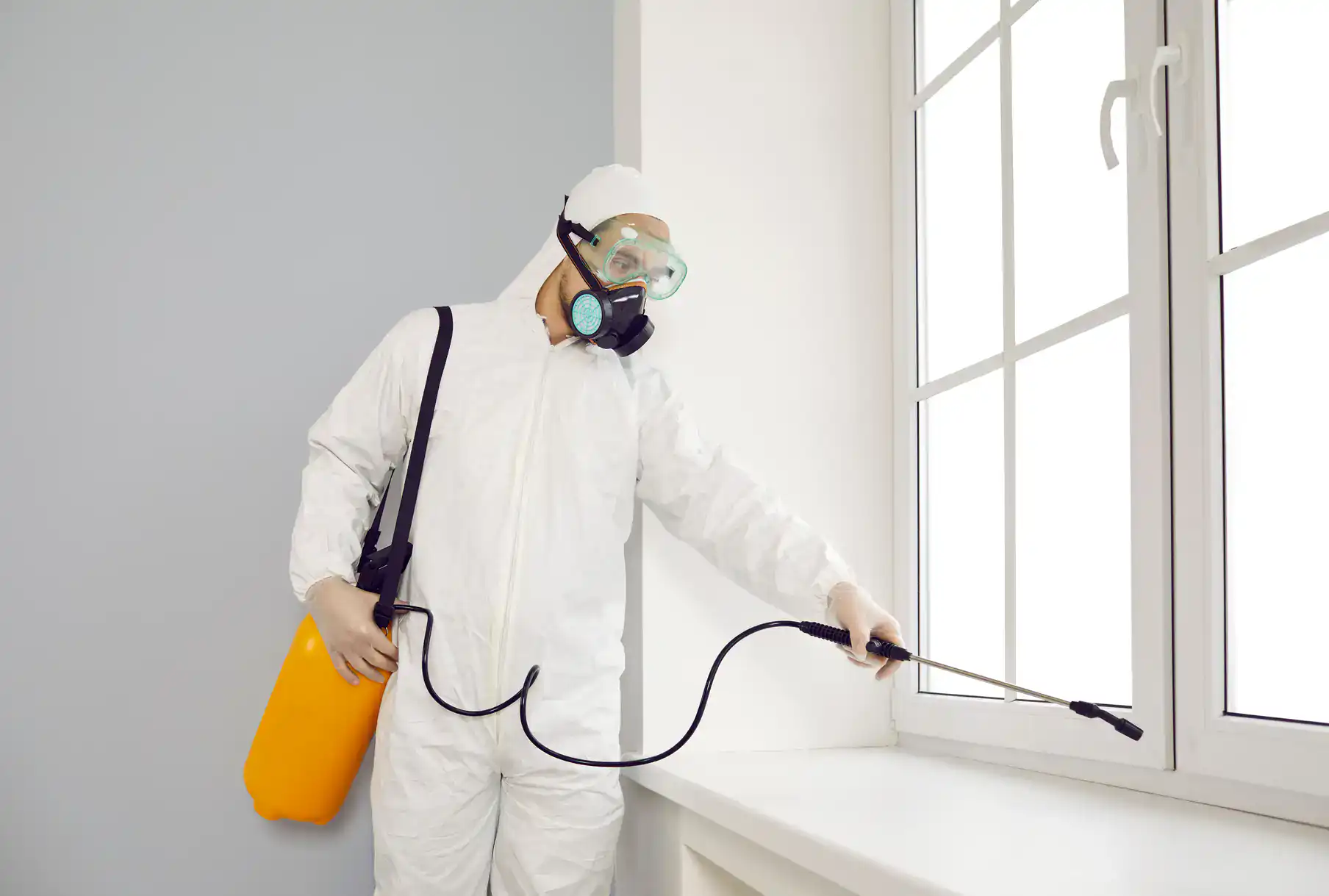
From there, treatment is applied using NYS DEC-registered materials, targeted to the specific species and entry points identified. Exclusion work sealing the gaps and penetrations that allow rodents to enter is addressed as part of the solution, not an afterthought. After the job, you’ll know exactly what was done, what to watch for, and what follow-up looks like if needed.
Ready to get started?
Woodside (ZIP code 11377) ranked as the second-highest ZIP code in Queens for rat complaints during the first half of 2021, with 180 complaints filed in just six months more than double the prior year. That number reflects what residents already know from experience: this neighborhood has structural rodent pressure, not a seasonal nuisance. The Roosevelt Avenue food corridor, the elevated 7 train infrastructure, aging prewar building stock, and the ongoing Queens Boulevard construction boom all contribute to a baseline rodent environment that doesn’t resolve on its own.
We offer rodent control services in Woodside for both residential and commercial properties. For homeowners in attached rowhouses, the focus is on identifying and sealing the shared-wall entry points and utility gaps that allow rodents to move laterally between units. For renters in co-op and apartment buildings, our technicians can assess what’s happening at the unit level and advise on what the building owner is responsible for under NYC Health Code Article 151. For restaurant and small business owners on or near Roosevelt Avenue, we provide commercial-grade rodent control and ongoing maintenance to keep you in compliance with NYC Department of Health requirements a health code violation is a business disruption no one can afford.
Every job we do uses NYS DEC-registered materials applied by a licensed, insured technician. The consultation is free. The quote is detailed and clear. And the work is backed by a company that has been doing this in New York City for over 50 years.
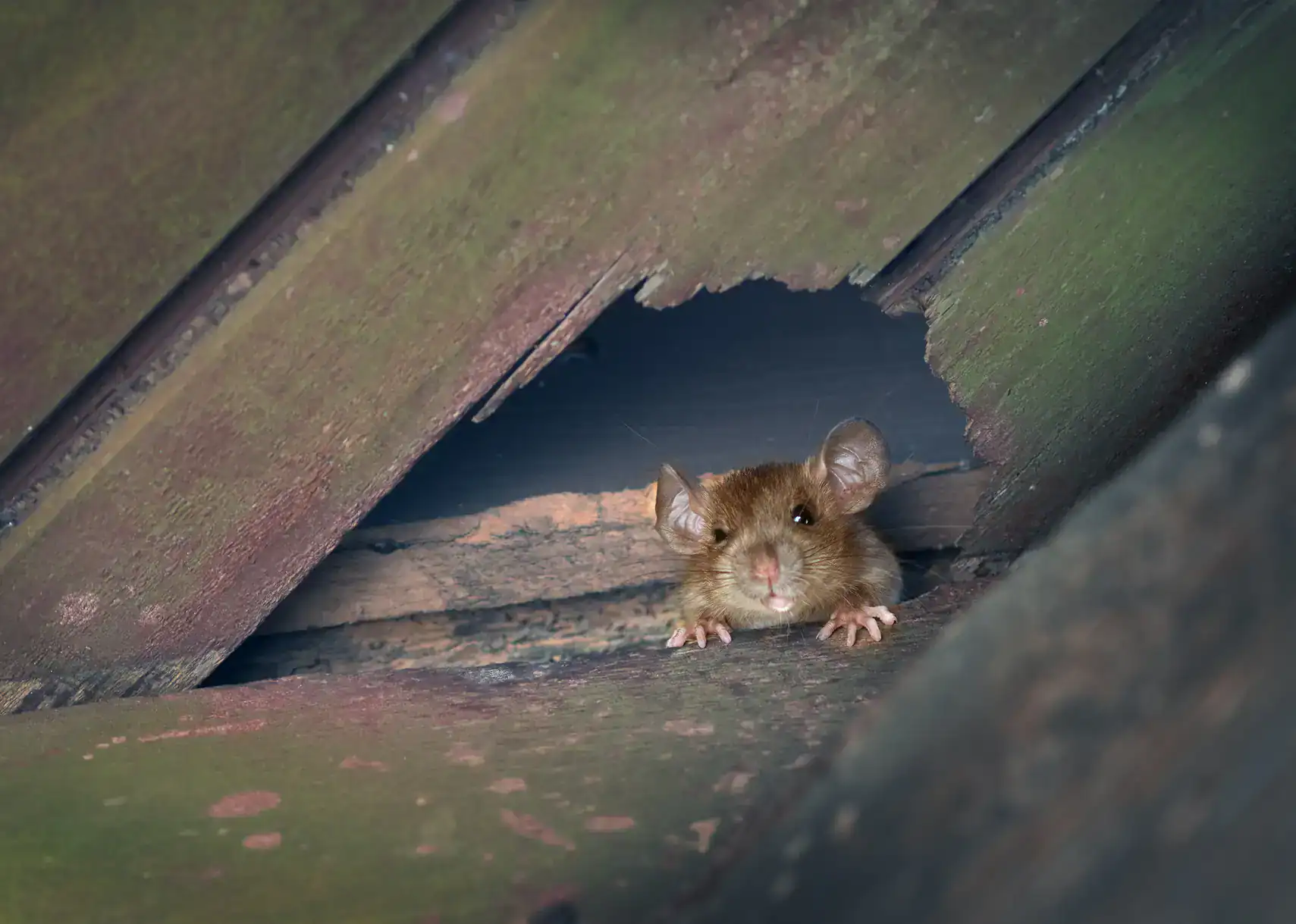
Woodside’s rodent pressure comes from a combination of factors that don’t exist in the same concentration anywhere else in western Queens. Roosevelt Avenue runs directly beneath the elevated 7 train tracks and is lined with Filipino restaurants, Korean BBQ spots, Irish pubs, Thai eateries, and dozens of other food-service businesses. That concentration of food waste creates a continuous food source that sustains large rodent populations year-round. Rats typically travel 100 to 150 feet from their nest in search of food which means rodents feeding on restaurant waste along Roosevelt Avenue are routinely colonizing the residential side streets within that radius.
On top of that, Woodside has been experiencing an active construction boom along Queens Boulevard, with multiple new residential buildings completed or under construction between 2022 and 2025. Excavation and demolition disturb established rodent colonies underground, pushing rats and mice into surrounding properties. The neighborhood’s prewar attached housing stock with shared walls, aging foundations, and older plumbing infrastructure gives those displaced rodents plenty of ways to get inside. It’s not one problem. It’s several problems layered on top of each other, and that’s why professional rodent control in Woodside requires a more thorough approach than a basic trap-and-bait service.
Yes, and this is one of the most common and frustrating dynamics in Woodside’s rowhouse blocks. Norway rats the dominant rodent species in New York City can enter through a hole the size of a quarter. House mice can squeeze through an opening the size of a pencil eraser. In attached rowhouses built in the 1920s through 1940s, shared walls often contain gaps around plumbing pipes, electrical conduit, and utility penetrations that connect one unit to the next. Once a rodent establishes a pathway, it uses it repeatedly.
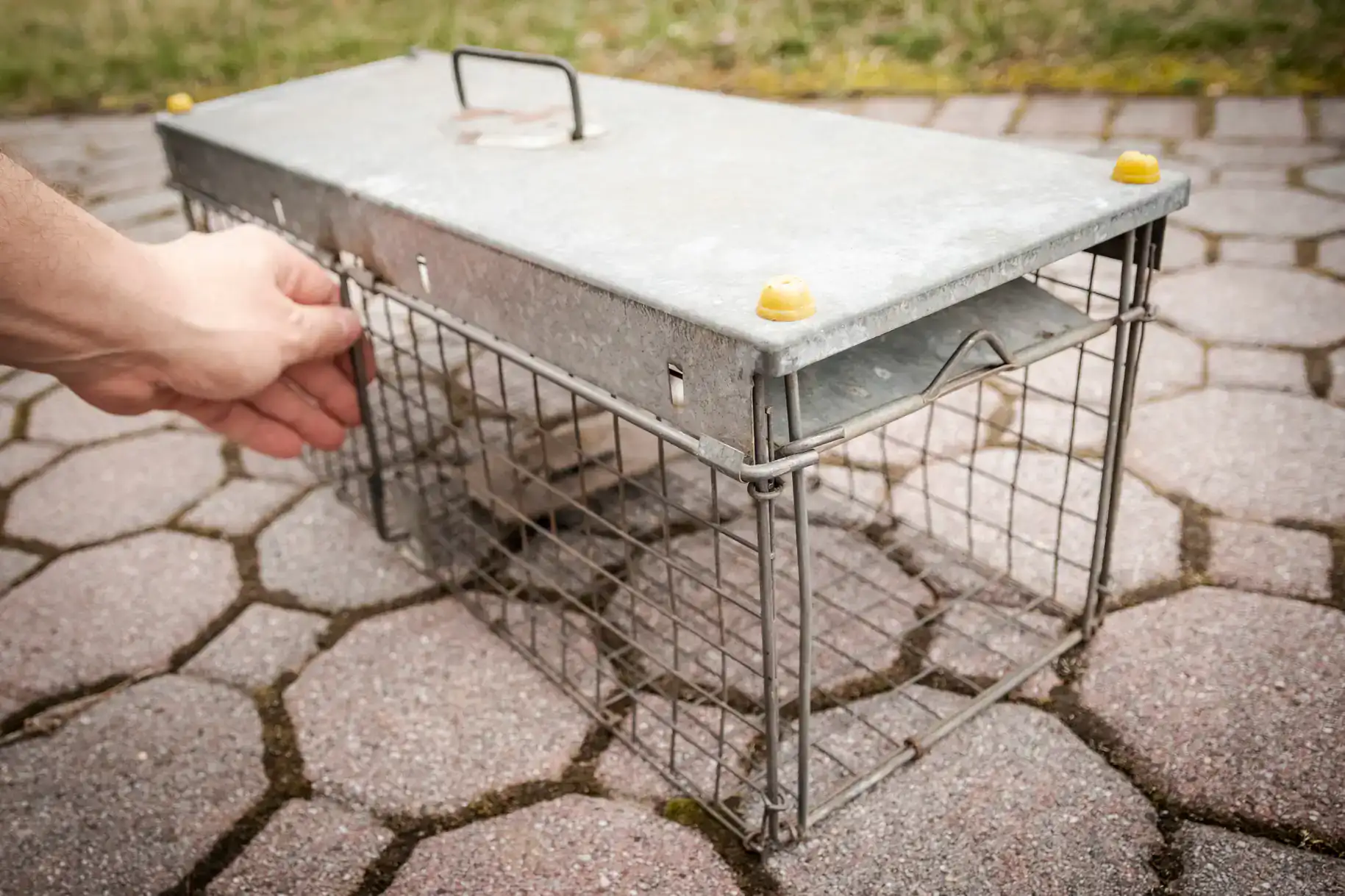
This is why DIY snap traps and hardware-store bait stations often fail in Woodside’s attached housing stock. You may catch or kill individual rodents on your side of the wall, but if the entry points and shared pathways aren’t identified and sealed, re-infestation from adjacent units or the exterior is nearly inevitable. Professional rodent removal in Woodside addresses this by inspecting not just the interior of your unit, but the exterior walls, foundation perimeter, and utility entry points that connect your property to neighboring structures. Exclusion physically sealing those points is what breaks the cycle.
It matters for treatment, and there are clear signs that distinguish the two. Norway rats the species most commonly found in Woodside and throughout NYC leave droppings that are roughly three-quarters of an inch long, blunt at both ends, and dark brown. You’ll often find them along walls, behind appliances, or near food storage areas. Rats are also more likely to burrow: if you’re seeing disturbed soil near your foundation or in a crawl space, that’s a rat sign. House mice leave smaller, rice-grain-sized droppings and tend to nest in wall voids, inside cabinets, or behind insulation.
The reason it matters for treatment is that rats and mice behave differently, respond to different bait and trap placements, and require different exclusion strategies. Rats are neophobic they’re suspicious of new objects placed in their environment, which means bait stations need to be positioned and timed carefully to be effective. Mice are curious and will investigate new objects more readily, but they cover less ground, so placement precision matters in a different way. A technician doing rodent pest control in Woodside will identify the species from the evidence before recommending a treatment approach, not after.
Under NYC Health Code Article 151, property owners including landlords of multi-family rental buildings are legally required to maintain their buildings free of rodents and other pests. This is not a suggestion. The NYC Department of Health and Mental Hygiene enforces this requirement and responds to 311 complaints with property inspections. If a building is found to have active rodent activity, the owner can receive a violation, a mandatory remediation order, and fines. The NYC Health Department’s Rat Information Portal tracks inspection outcomes by property address, so violations are a matter of public record.
For Woodside renters dealing with a landlord who is slow to respond, the 311 complaint process is the most direct path to triggering a formal inspection. For landlords and property managers in Woodside who want to stay ahead of complaints and code violations, a professional rodent control service with documented treatment records provides both the practical solution and the paper trail that demonstrates compliance. We have worked with New York property owners on health code compliance for over 50 years and are well known among New York attorneys who handle exactly these situations.
The fall-to-winter transition roughly September through December is consistently the most active period for rodent intrusion in Woodside and across New York City. As temperatures drop, Norway rats and house mice that have been living outdoors, in burrows, or beneath the elevated 7 train infrastructure along Roosevelt Avenue begin seeking warmth inside buildings. Rodent activity in building interiors increases by roughly 25% during winter months. In Woodside’s attached rowhouse blocks, once rodents find a way into one unit, they can move laterally through shared wall voids into adjacent units before anyone realizes what’s happening.
Spring and summer bring a different kind of rodent pressure increased outdoor activity, particularly in areas near Windmuller Park, Doughboy Park, and the community gardens in the neighborhood. The restaurant corridor along Roosevelt Avenue maintains elevated rodent pressure year-round because food waste is a constant, not a seasonal factor. The practical takeaway is that there’s no truly “off” season for rodent control in Woodside, but if you’re noticing signs of activity in the fall, acting quickly matters a small problem in October can become a well-established infestation by January.
Most homeowners in the NYC area spend between $180 and $610 for professional rodent pest control, depending on the size of the property, the severity of the infestation, and whether exclusion work is needed. Exclusion sealing the entry points that allow rodents to get in typically adds $200 to $600 on top of the initial treatment. For Woodside properties, exclusion is often the most important part of the job, especially in attached rowhouses where shared walls and aging utility penetrations create multiple entry pathways that traps and bait alone won’t address.
The most useful way to think about the cost is to compare it against the alternative. Repeated hardware-store trap-and-bait purchases add up quickly, and they don’t solve the underlying access problem. Rodents gnawing through electrical wiring which the National Pest Management Association links to up to 25% of unexplained house fires annually can cause damage that costs thousands to repair. And for Woodside property owners with rental units or commercial tenants, an NYC Health Department violation triggered by a 311 rodent complaint carries its own financial and legal consequences. A free phone consultation with us costs nothing and gives you a clear picture of what you’re dealing with before you commit to anything.
Useful Links
Other Services we provide in Woodside