
Hear from Our Customers
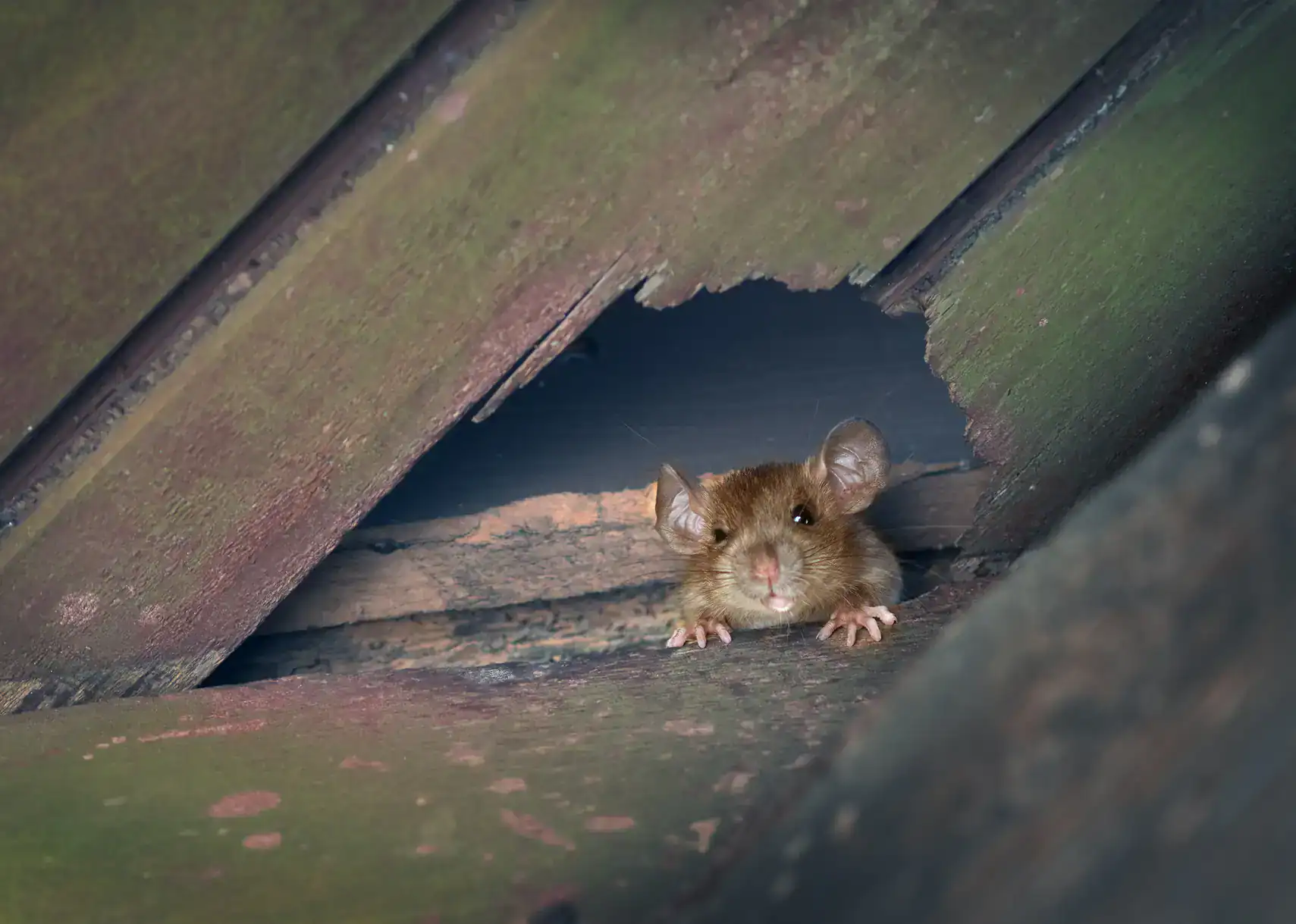
There’s a specific kind of dread that comes with opening your Breezy Point home after a long winter away. You flip on the lights, walk into the kitchen, and there it is — droppings on the counter, gnaw marks on the cabinet, nesting material tucked behind the water heater. It didn’t have to go this way. And if you work with us, it won’t happen again.
Rodent control in Breezy Point isn’t just about clearing out what’s already there. It’s about understanding why they got in to begin with. Your home sits at the edge of Gateway National Recreation Area — Fort Tilden to the east, the Breezy Point Tip to the west. That’s thousands of acres of undisturbed dune grass, tidal marsh, and wooded harborage where Norway rats and house mice thrive year-round. When temperatures drop and food sources thin out, the residential streets of the cooperative are the next logical stop. No amount of trapping addresses that if the entry points are still open.
The right rodent removal service in Breezy Point, NY ends with a home that’s actually sealed — not just treated. That means when you pull back onto Rockaway Point Boulevard next Memorial Day weekend, you’re walking into a clean house, not a cleanup job.
We’ve been operating out of Brooklyn since 1971. That’s the same era when many of the families now holding shares in the Breezy Point Cooperative first put down roots out here on the Rockaway Peninsula. We’re family-owned and operated, and we’ve maintained over 35 consecutive years of BBB accreditation at the highest rating — something you can look up yourself, not just a claim on a webpage.
Every technician who comes to your door holds a valid New York State DEC commercial pesticide applicator certification. That’s the specific license New York State requires for professional pesticide application — not a general “certified” claim, but the named credential issued by the NYS Department of Environmental Conservation. It means the person doing the work has passed the exam, logged the experience hours, and is legally authorized to do this job in New York.
We’ve served coastal Queens neighborhoods, including communities along the Rockaway Peninsula, and understand the specific conditions that come with barrier beach housing stock — salt air, moisture-driven structural deterioration, and the rodent pressure that comes with living adjacent to undeveloped federal parkland. This isn’t a company learning your neighborhood for the first time.
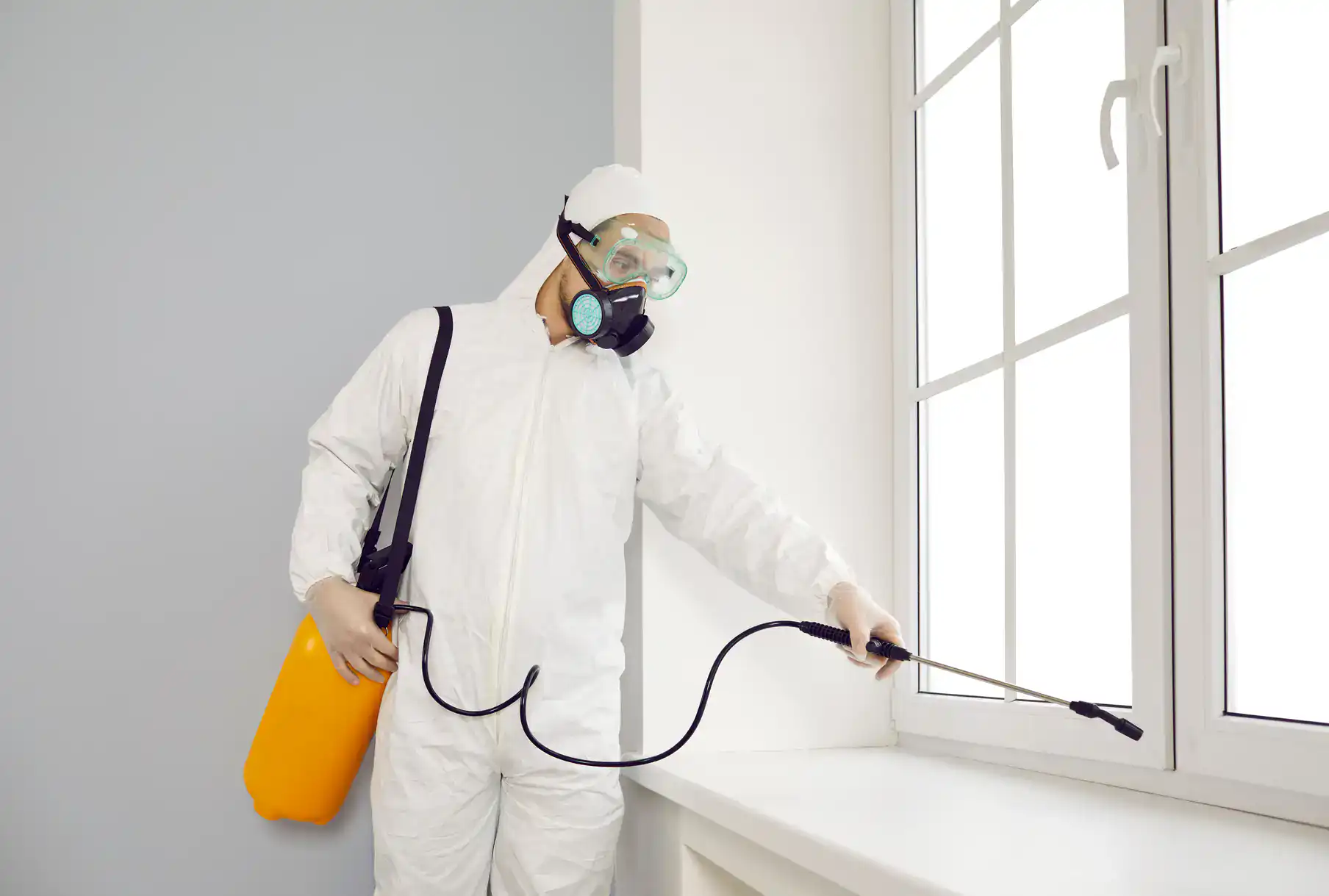
The first visit starts with a thorough inspection. We walk the property and look at it the way a rodent does — foundation gaps, utility penetrations, deteriorating sill plates, gaps around HVAC lines, and anywhere that decades of coastal weather or storm exposure have opened up the building envelope. In Breezy Point, that includes paying close attention to the mix of original bungalows and post-Sandy elevated rebuilds, which have meaningfully different vulnerability profiles. An older bungalow that’s been through multiple nor’easters has entry points that a newer elevated structure simply doesn’t have, and we adjust our inspection approach accordingly.
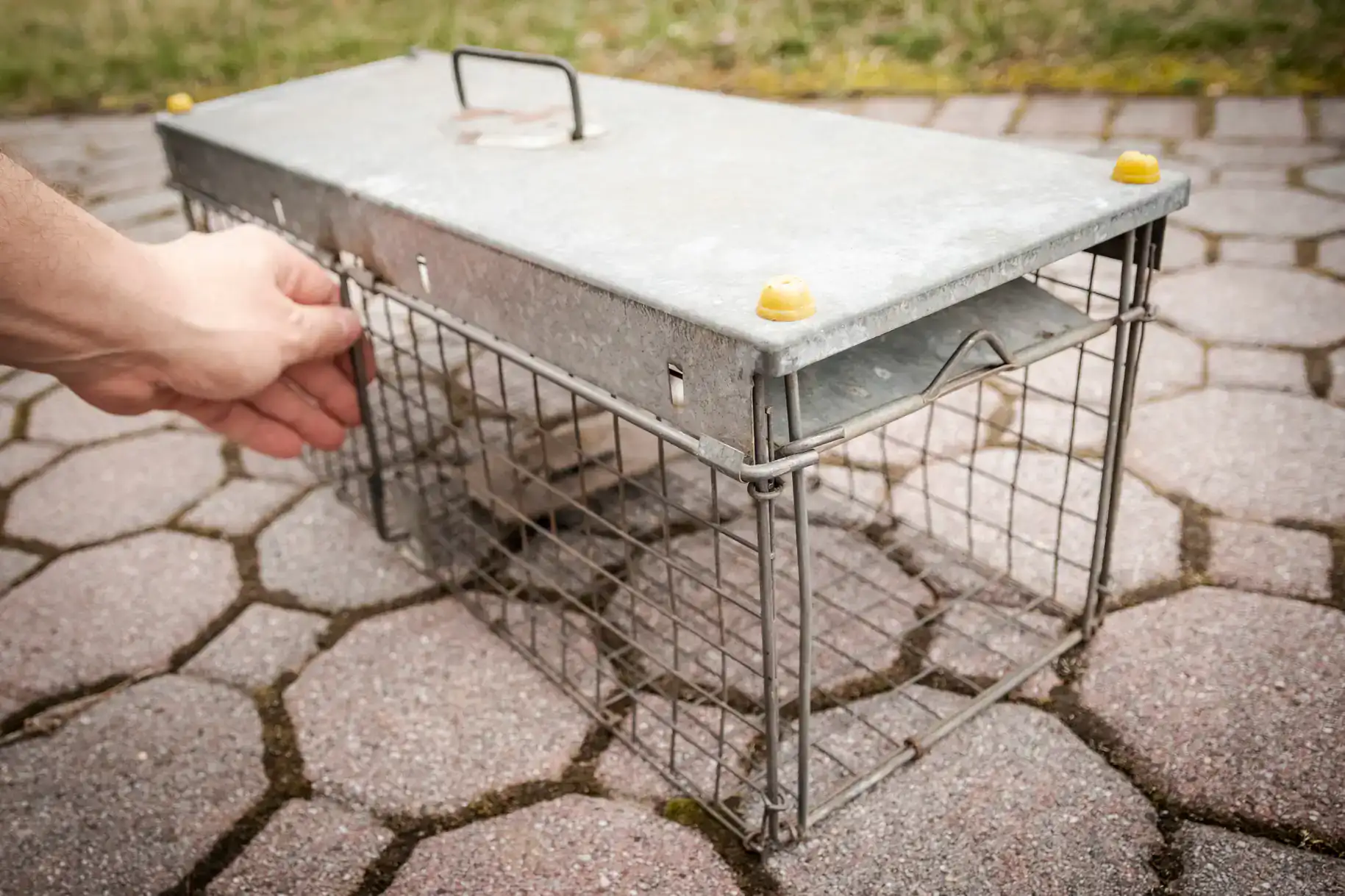
Once we’ve identified the entry points, treatment comes next. We use tamper-resistant bait stations placed in targeted locations — not broadcast spraying, not scatter-shot placement. In a cooperative community like Breezy Point where children play freely in car-free interior lanes and neighbors are in close proximity, targeted placement isn’t just a preference, it’s the professional standard. We select species-appropriate traps based on what’s actually present — Norway rats and house mice require different approaches.
The final step is exclusion: sealing the entry points with appropriate materials so the treated population can’t be replaced by new rodents coming in from the adjacent parkland or bay shoreline. For Breezy Point homeowners who close their homes for fall and winter, this step is the difference between a solved problem and an annual repeat. If your property is involved in ongoing elevation or construction work — still common throughout the cooperative more than a decade after Sandy — we also handle the pre-demolition rodent baiting required by NYC building code before any major construction begins.
Ready to get started?
Our rodent control service in Breezy Point, NY covers the full range of what a homeowner here actually needs — not a one-size-fits-all visit designed for a suburban single-family home elsewhere in Queens. We provide a complete inspection of the property, identify the rodent species present, apply EPA-regulated products in tamper-resistant bait stations, and seal the entry points that allowed access in the first place.
For Breezy Point homeowners managing properties in Rockaway Point, Roxbury, or Point Breeze, we provide written documentation of every treatment — what was applied, where, and why. That documentation matters here for more than one reason. The Breezy Point Cooperative’s board of directors governs community standards, and a professional treatment record is the appropriate response if a rodent concern is raised at the co-op level. It also satisfies NYC Health Code compliance requirements, which apply to all five boroughs including Queens.
We also provide pre-demolition rodent baiting for properties undergoing construction or elevation work — a service mandated by NYC building code and directly relevant in a community where rebuilding and foundation work have continued since Superstorm Sandy. If a neighboring property is under construction and you’re seeing increased rodent activity as a result, that’s a known pattern, and it’s addressable. We guarantee an appointment within 48 hours of your call, and same-day service is available in many cases — which matters when you’ve just arrived for the weekend and the problem can’t wait until Monday.
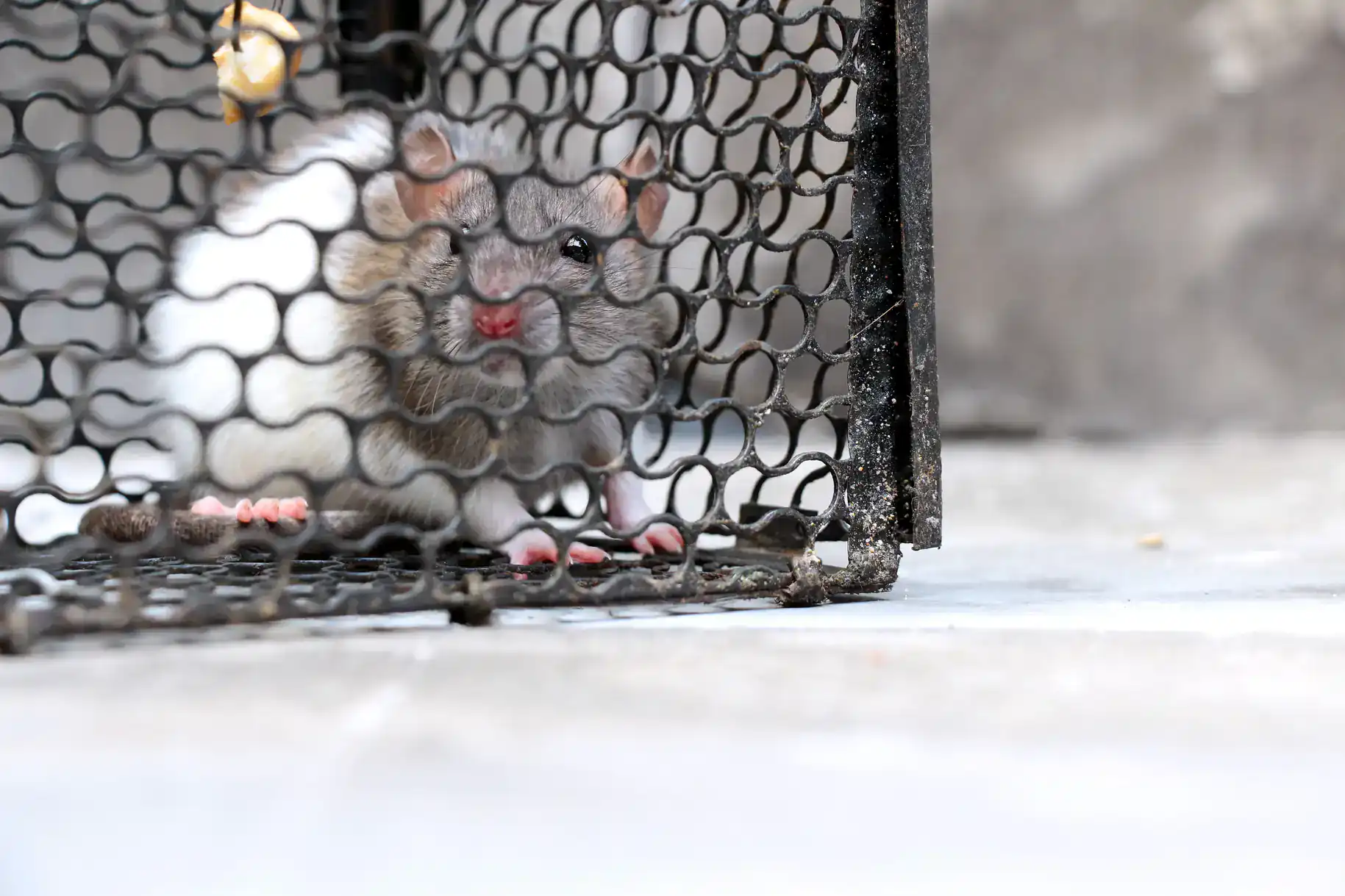
This is one of the most common situations Breezy Point homeowners face, and it has a straightforward explanation. When your home sits vacant through fall and winter, there’s no human activity to deter rodents from investigating. Norway rats and house mice are actively looking for warm, undisturbed harborage as temperatures drop, and a closed-up bungalow with even a small gap at a utility penetration or foundation crack is exactly what they’re looking for. By the time you return in late spring, what started as one or two rodents exploring has often become an established colony with nesting material, a food cache, and a well-worn path between your home and the adjacent parkland or bay shoreline.
The answer isn’t just treating what’s there when you arrive — it’s sealing the entry points before you leave in the fall. That’s what exclusion work does. Once the gaps are properly sealed with the right materials, rodents that are active along the Gateway National Recreation Area boundary or the bay-facing edges of the cooperative have no way into your home, regardless of how long it sits vacant. Treating without sealing means you’re solving this year’s problem but leaving next year’s wide open.
Yes, and the method of application is what makes the difference. Professional rodent control uses EPA-regulated rodenticides placed inside tamper-resistant bait stations — enclosed, lockable units that rodents can access but children and pets cannot. This is the industry standard precisely because it protects non-target animals and people from incidental contact. It’s a fundamentally different approach from store-bought snap traps or open bait blocks left in accessible locations.
In Breezy Point specifically, this matters more than it might in a standard urban neighborhood. The cooperative’s interior zones are largely car-free, and children play freely in the lanes and common areas between homes. Neighbors are in close proximity. Our targeted placement approach — bait stations positioned in specific, assessed locations rather than distributed broadly — is the right fit for a community with that kind of pedestrian-friendly, shared-space character. The products we use are approved by the EPA and applied according to label requirements. If you have specific concerns about a pet or a child’s access to treated areas, that’s a conversation to have directly with the technician during the inspection, and you’ll get a straight answer.
Construction and demolition are among the most reliable drivers of rodent displacement in any urban environment, and Breezy Point has had more than its share of both since Superstorm Sandy. When a foundation is disturbed, a home is elevated on piers, or a structure is demolished, the rodent colonies living in and around that site don’t disappear — they relocate. The nearest available structure with a viable entry point becomes the new harborage. If that happens to be your home, you’ll see a sudden and unexplained increase in rodent activity that has nothing to do with anything you’ve done differently.
This is a well-documented pattern, and it’s directly relevant in a community where Build It Back work and private reconstruction have continued across all three sections of the cooperative — Point Breeze, Rockaway Point, and Roxbury — for over a decade. If a neighboring property is actively under construction, it’s worth being proactive rather than reactive. NYC building code also requires pre-demolition rodent baiting before any major construction begins, which is a service we provide. If you’re the one doing the construction, that’s a legal requirement. If you’re the neighbor, knowing that requirement exists — and whether it was followed — is useful context.
Treatment and exclusion are two separate steps, and you need both if you want the problem to actually stay solved. Treatment addresses the rodents currently present — through bait stations, traps, or a combination of both, depending on the species and the severity of the infestation. Done correctly, treatment eliminates the existing population. But it does nothing about the gap in your foundation, the unsealed utility penetration, or the deteriorating sill plate that let them in to begin with.
Exclusion is the step that seals those entry points using appropriate materials — steel wool, hardware cloth, metal flashing, caulk — so that new rodents can’t follow the same path. For a Breezy Point home, exclusion is especially important because the source of rodent pressure isn’t going away. The undeveloped land along Gateway National Recreation Area, the bay-facing edges of the cooperative, and the tidal margins of Jamaica Bay are permanent habitat for Norway rats. Treating without excluding is like bailing out a boat without plugging the hole. The population you treat today will be replaced by next season if the entry points remain open. Our approach addresses both steps in sequence — treat first, then seal — because that’s the only way to get a result that holds.
A single mouse and an established infestation look different if you know what to look for. A single rodent moving through a space leaves minimal evidence — maybe one or two droppings in a corner, no nesting material, no gnaw marks on food packaging or structural materials. An established population leaves a much clearer trail: droppings concentrated in multiple locations, especially along walls and behind appliances; gnaw marks on wood, plastic, or food containers; nesting material (shredded paper, insulation, fabric) tucked into a dark, undisturbed corner; and grease marks along baseboards where rodents repeatedly travel the same path.
In a Breezy Point home that’s been closed for several months, you’re more likely to be dealing with an established infestation than a single stray. Rodents breed quickly — a house mouse can produce six to eight litters per year with up to a dozen pups per litter — and a home that’s been vacant since September gives a small founding population months to grow undisturbed. If you’re opening your home in late spring and finding any of the signs above, treat it as an infestation until proven otherwise. A professional inspection will tell you exactly what you’re dealing with, where the activity is concentrated, and what the entry points are.
Yes. We provide written documentation of every service — what was applied, where it was placed, and why those locations were chosen. That written record serves multiple purposes in a cooperative community like Breezy Point. If the co-op board raises a concern about a rodent issue on your property, a professional treatment record from a licensed exterminator is the appropriate and credible response. It shows that the problem was addressed by a qualified company using regulated products, not handled informally or left unresolved.
The same documentation also satisfies NYC Health Code compliance requirements, which apply throughout the five boroughs including Queens. If your property receives a notice related to a pest condition — whether initiated by a neighbor complaint, a co-op inspection, or a city agency referral — having a documented professional treatment on record puts you in a much stronger position. Every technician we send holds a valid New York State DEC commercial pesticide applicator certification, which means the documentation carries the weight of a credentialed professional’s record, not just a receipt from a service call. For homeowners in a cooperative where community standards and board accountability are part of daily life, that distinction matters.
Useful Links
Other Services we provide in Breezy Point