Hear from Our Customers
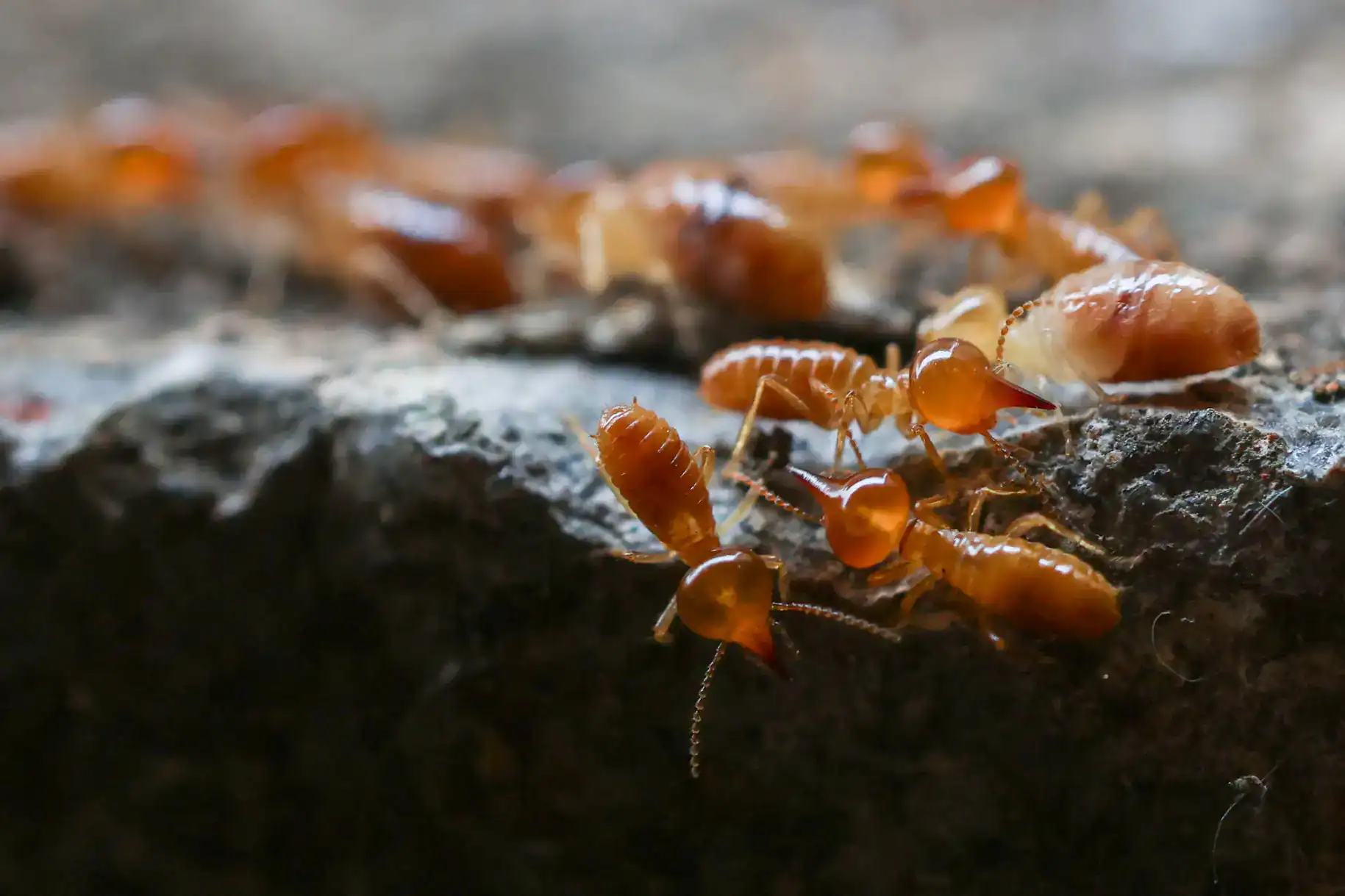
Most Holliswood homeowners don’t find out they have termites until something goes wrong a sagging floor during a renovation, swarmers showing up near a basement window in April, or a home inspector flagging damage right before a sale. By the time any of those things happen, the colony has usually been feeding for years.
Holliswood’s housing stock makes this especially worth paying attention to. The majority of homes here were built between 1940 and 1969 construction that predates modern termite barriers, with wood sill plates sitting close to masonry foundations and basement joists that have had decades to absorb moisture. Add in the wooded lots, mature trees, and organic-rich soil on the Harbor Hill Moraine, and you’ve got conditions that termite colonies actively seek out.
Then there’s Cunningham Park. Three hundred and fifty-eight acres of wooded public parkland sit directly on Holliswood’s northern border. Subterranean termite colonies can extend their foraging range up to 300 feet from the nest which means homes along the park’s edge aren’t just near a green space, they’re adjacent to a permanent termite habitat. Getting ahead of this with a professional inspection isn’t overcaution. For a home worth what yours is worth, it’s the obvious move.
We’ve been operating in the New York City market since 1976. That’s over 50 years of treating homes across Queens, Brooklyn, and the other boroughs including the older, single-family housing stock that defines neighborhoods like Holliswood. The Kourbage family Richard Sr., Richard Jr., and Charles have run this business across three generations, and our team carries more than 100 years of combined pest control experience.
What that means for you is practical: when one of our technicians walks into a 1955 Holliswood colonial, we’re not guessing at what we might find. We’ve seen these structures from the basement up, we know where termites establish in this type of construction, and we know how to assess the scope of what’s actually there without inflating it. Every material we use is registered with the New York State Department of Environmental Conservation safe for your landscaping, your trees, and your family. We hold a BBB A+ rating that dates back to 1989, and we answer the phone 24 hours a day, seven days a week.
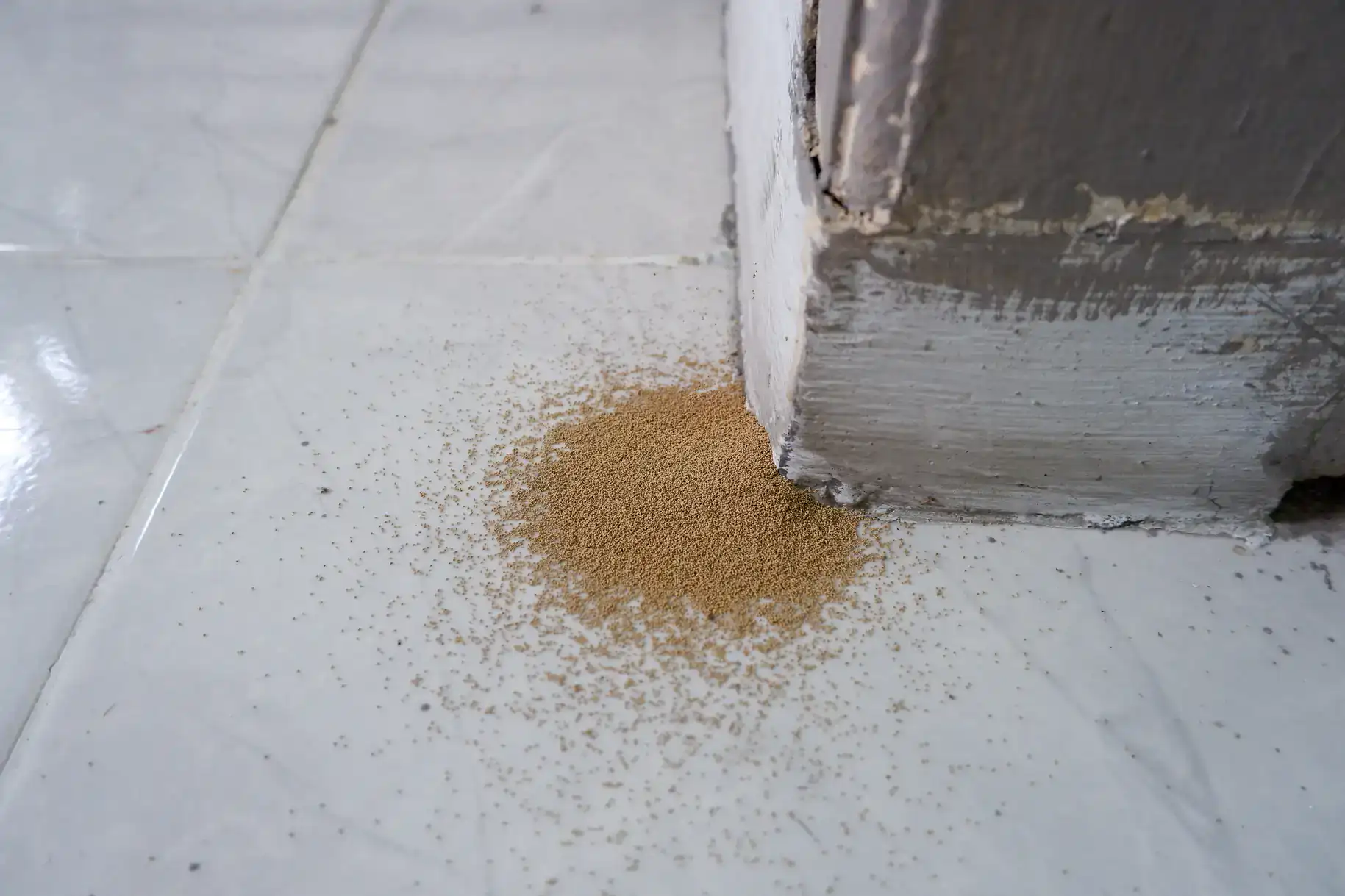
It starts with a free inspection. One of our technicians comes to your Holliswood property and does a thorough walkthrough basement, crawl spaces, foundation perimeter, any wood-to-soil contact points, and areas where moisture tends to collect. In older homes like those common to Holliswood, that includes checking basement joists, sill plates, window frames, and any wood framing near plumbing. If there’s activity, you’ll know exactly where it is and how extensive it appears to be.
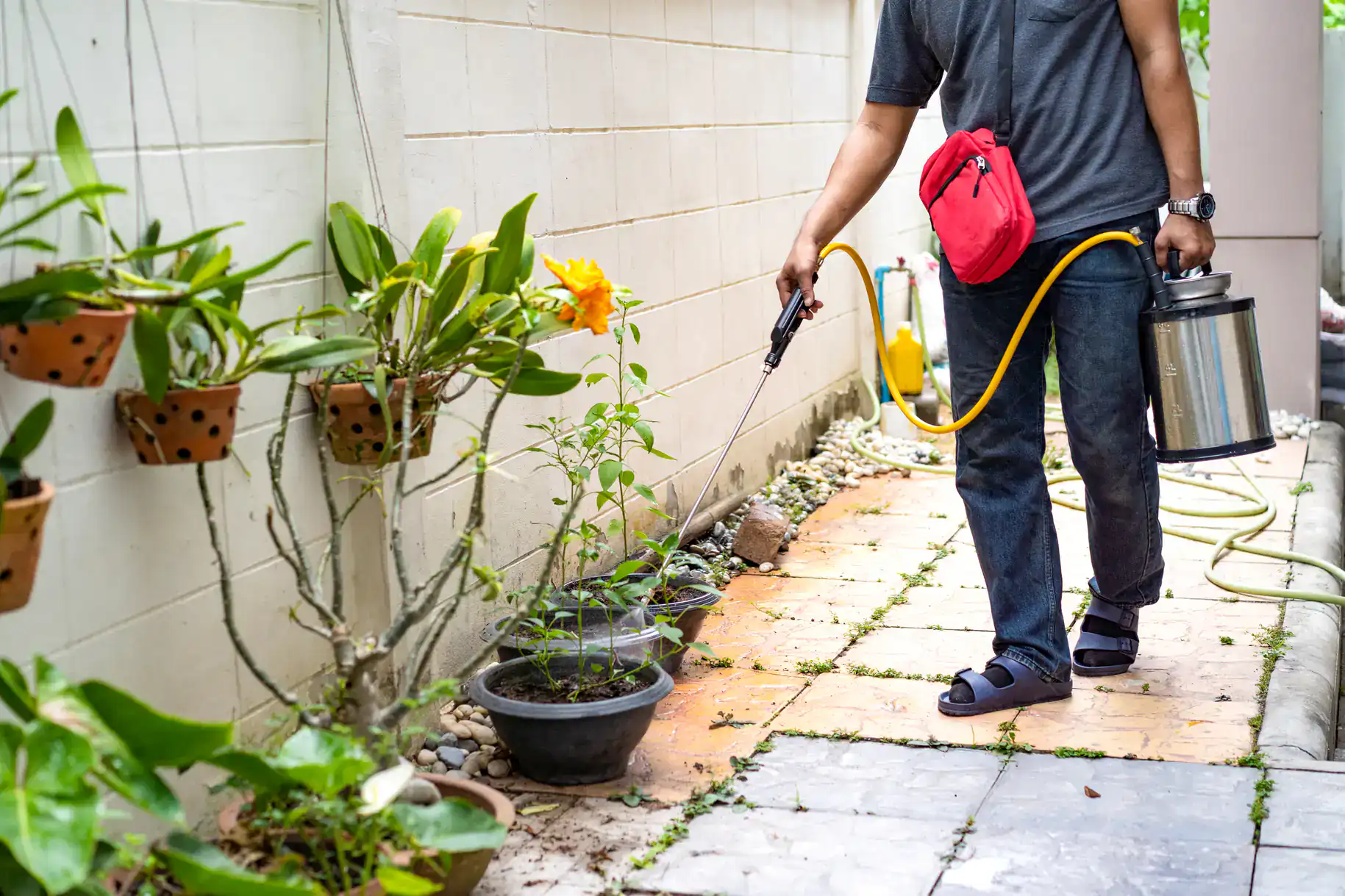
From there, treatment is matched to what’s actually found. For active subterranean termite infestations, we use termite baiting systems designed to reach the colony at its source not just the termites visible at the surface. Workers carry the bait back to the colony and share it with nestmates, including the queen. That’s what eliminates the infestation rather than just suppressing it temporarily. For homes where no active infestation is found, we offer monitoring and preventive treatment options to keep it that way.
If you’re buying or selling a home in Holliswood, we also provide Wood Destroying Organism (WDO) inspection reports the documentation that FHA and VA lenders require before closing. Given how active the real estate market is in this neighborhood, and how many homes here fall into the older construction category that triggers lender scrutiny, having that report ready from a credentialed, experienced company matters. Appointments are available within two business days, with same-day inspections frequently possible.
Ready to get started?
Our termite services in Holliswood cover the full range of what homeowners in this neighborhood actually need. That starts with termite identification and inspection confirming whether what you’re seeing is a termite problem or something else, like carpenter ants or powder post beetles, which are also common in older Queens homes with wooded lots. From there, services include subterranean termite eradication using baiting systems, liquid barrier treatments where appropriate, and treatment for related wood-destroying insects. WDO inspection reports for real estate transactions are also available.
For Holliswood specifically, the wooded lot conditions and proximity to Cunningham Park mean that ongoing monitoring is worth discussing after any initial treatment. A colony that’s been eliminated can be replaced by foraging activity from neighboring soil especially in park-adjacent properties and annual inspections catch that early. All treatments use only NYS DEC-registered materials, which is a meaningful detail for homeowners who’ve invested in mature landscaping and don’t want a treatment that damages what they’ve built around their home.
Termite damage averages around $3,000 to repair, and structural work can run $10,000 or more. Homeowner insurance almost never covers it. A free inspection from us costs you nothing and tells you exactly where you stand which is worth a lot more than finding out during a renovation or at closing.
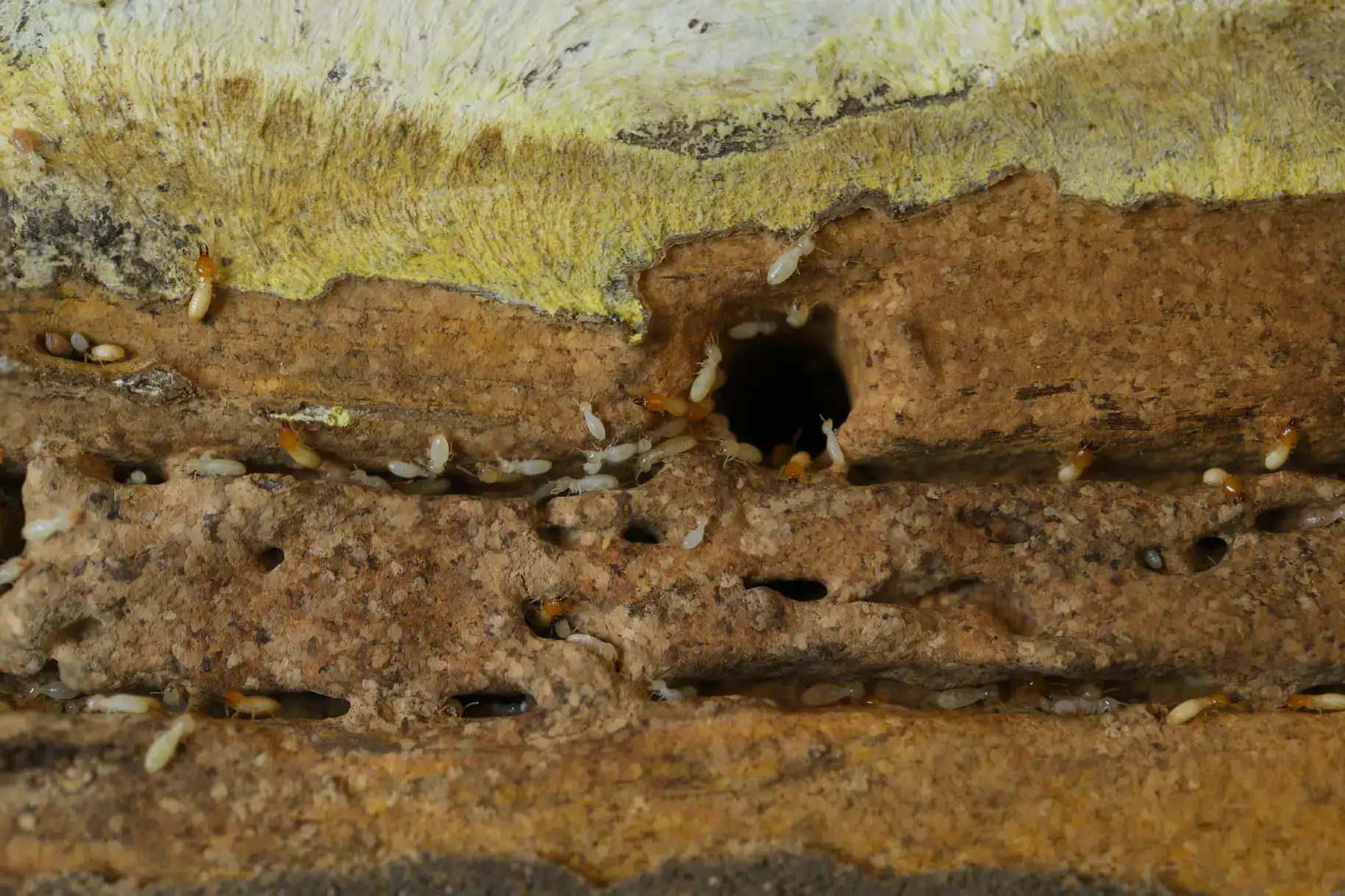
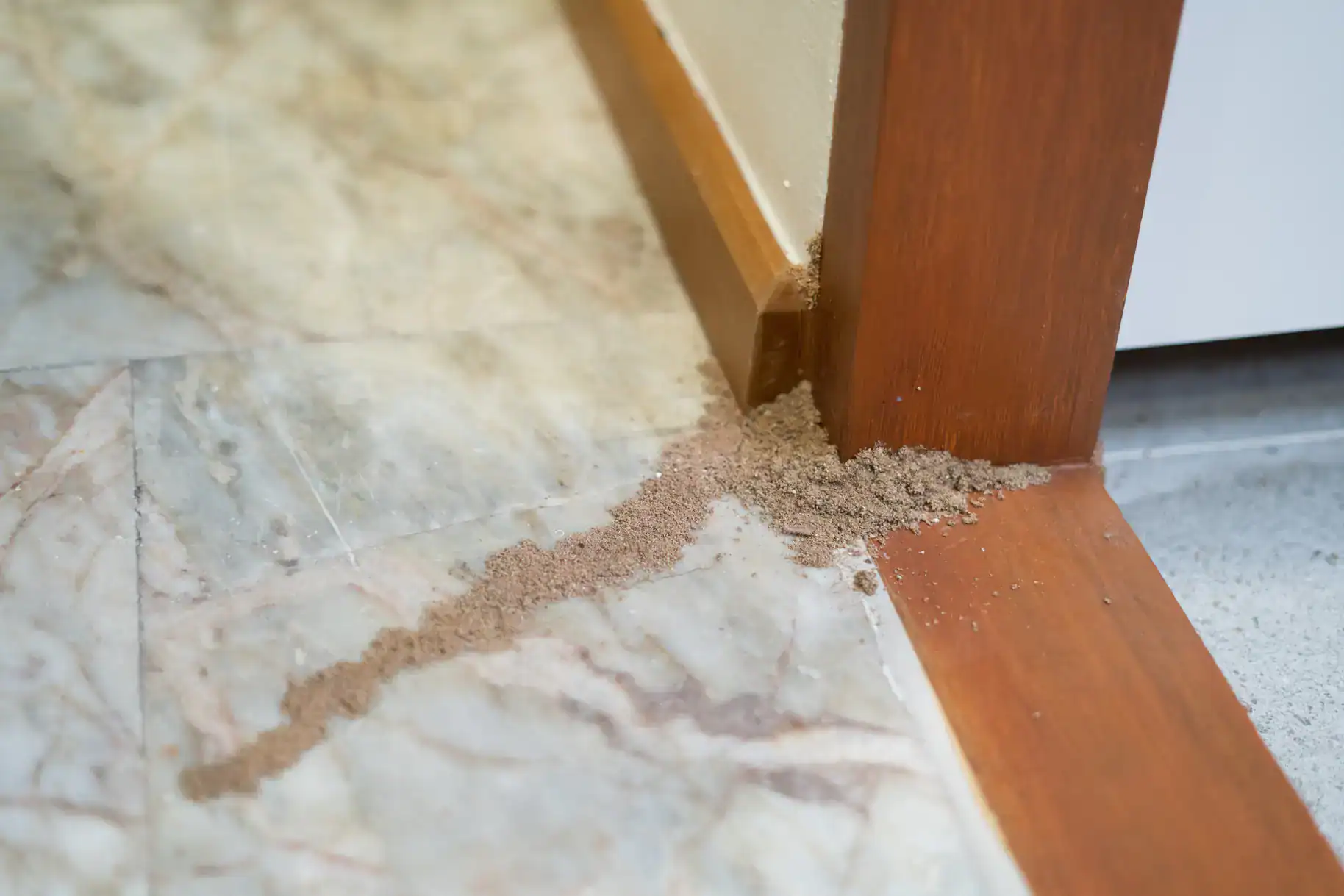
The most common signs in older Queens homes are swarmers winged termites that emerge in early spring, usually after a warm, rainy day and mud tubes running along foundation walls or basement joists. You might also notice wood that sounds hollow when tapped, floors that feel slightly soft underfoot, or paint that looks bubbled or uneven without an obvious cause. In Holliswood, swarm season typically peaks between March and May, and the wooded lot conditions here mean it’s more likely you’ll encounter swarmers than residents of more paved, urban neighborhoods.
What makes this tricky is that a colony can feed for five or more years before any of these signs appear. By the time you notice something, the damage is rarely new. If your home was built before 1970 and you’ve never had a professional termite inspection, that alone is a reason to schedule one not because something is necessarily wrong, but because you genuinely don’t know yet.
For a typical single-family home, initial termite treatment in the Queens area generally runs between $1,000 and $3,000 depending on the size of the structure, the extent of the infestation, and the treatment method used. Larger homes or those with more extensive activity can run higher. That range can feel significant until you compare it to what termite damage actually costs to repair structural work in an older Holliswood home can easily reach $10,000 or more.
The other thing worth knowing: homeowner insurance almost universally excludes termite damage. It’s classified as a maintenance issue, not a sudden loss. So the financial exposure falls entirely on you as the homeowner. For Holliswood residents with homes that represent substantial investments, the math on early treatment versus delayed action is pretty straightforward. We offer free inspections, so the first step costs you nothing.
Yes and the reason is specific to Holliswood’s geography. Cunningham Park, the 358-acre public parkland on Holliswood’s northern border, functions as a large, undisturbed reservoir of subterranean termite habitat. Eastern Subterranean Termite colonies can extend their foraging range 50 to 300 feet from the nest center, which means homes along the park’s southern edge are within reach of established park-based colonies. That’s not a hypothetical risk it’s a direct consequence of where those properties sit.
Beyond the park, Holliswood’s wooded lots, mature trees, wood mulch in landscaped yards, and organic-rich soil on the Harbor Hill Moraine all create favorable foraging conditions. Subterranean termites seek out exactly this kind of environment: moist soil, organic material, and wood in proximity to structure. The combination of park adjacency and older construction makes Holliswood one of the higher-risk residential areas in Queens for this type of infestation.
If the buyer is using FHA or VA financing, yes a Wood Destroying Organism (WDO) inspection report is required by the lender before closing. This is a formal inspection conducted by a licensed pest control professional that documents the presence or absence of termites, carpenter ants, powder post beetles, and other wood-destroying organisms. Without that report, the loan doesn’t close.
Even if the buyer is using conventional financing, a WDO inspection is commonly requested as part of the home inspection process especially for older homes. In Holliswood, where most of the housing stock dates to the 1940s through 1960s, buyers and their agents are well aware of the risk profile and frequently ask for it. Having the report ready before you list, or being able to turn it around quickly once you’re under contract, removes a common friction point in the transaction. We provide WDO inspection reports and can typically schedule within two business days.
Liquid barrier treatments involve applying a termiticide to the soil around and beneath the foundation, creating a treated zone that kills or repels termites that attempt to enter the structure. It’s effective at protecting the building perimeter, but it addresses the termites at the point of entry rather than targeting the colony itself.
Termite baiting systems work differently. Bait stations are installed in the soil around the property, and foraging workers find and consume the bait, then carry it back to the colony where it’s shared with nestmates including the queen. Because it targets the colony at its source, it can eliminate the infestation rather than just blocking access. For Holliswood homes where colonies may be established in the organic-rich moraine soil or foraging in from Cunningham Park, colony-targeted treatment addresses the actual problem. In practice, the right approach depends on what the inspection finds we assess each property individually and recommend treatment based on what’s actually there, not a one-size formula.
Treatment longevity depends on the method used. Liquid barrier treatments typically remain effective for five to ten years under normal conditions, though soil disturbance, heavy rainfall, and landscaping work can affect the treated zone over time. Baiting systems are monitored on an ongoing basis bait stations are checked periodically and replenished as needed, which also gives you ongoing visibility into whether foraging activity is occurring around the property.
For Holliswood homeowners, annual inspections make practical sense regardless of what treatment was previously done. The wooded lot conditions, proximity to Cunningham Park, and older construction types here mean the risk environment doesn’t disappear after one treatment it’s a persistent condition of where the property sits. An annual inspection catches new activity early, before it becomes a structural issue, and keeps you informed about the condition of your home year over year. Given that termite damage isn’t covered by homeowner insurance, staying ahead of it is genuinely the lower-cost path.
Useful Links
Other Services we provide in Holliswood