Hear from Our Customers
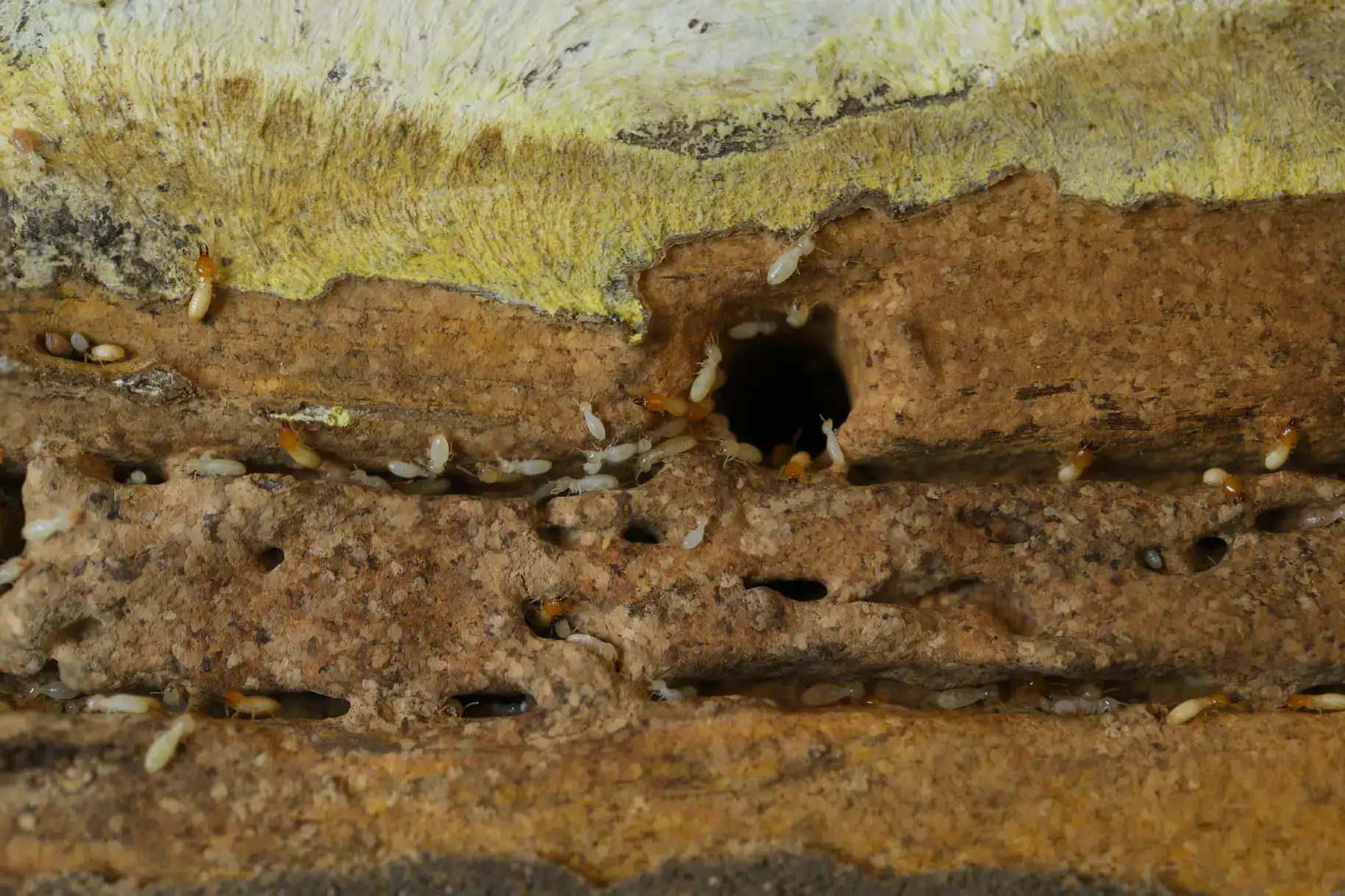
Termites don’t announce themselves. By the time you notice something a soft spot in the floor, a mud tube along the foundation wall, winged insects appearing near a window in April the colony has likely been feeding for years. In Inwood, that timeline tends to be longer than most homeowners expect, because the moist, low-elevation soils near Jamaica Bay give subterranean termites exactly what they need to stay active and hidden.
The older homes throughout Inwood compound that risk. Aging sill plates, deteriorating foundation seals, wood that’s been exposed to decades of coastal humidity these aren’t just cosmetic issues. They’re entry points. Once termites are in, they don’t stop. They feed around the clock, seven days a week, without any visible sign until the damage is already significant.
What early termite treatment actually saves you is the difference between a manageable inspection and a structural repair bill that insurance won’t touch. Standard homeowner’s policies in New York exclude termite damage it’s classified as a preventable maintenance issue, not a covered event. The average repair runs around $3,000, and structural work to joists or sill plates can push well past $10,000. A professional termite inspection and treatment costs a fraction of that and a properly applied liquid barrier lasts five to ten years.
We started Kingsway Exterminating in 1976 not as a franchise, not as a corporate venture, but as a family business built on showing up and doing the work right. Richard Kourbage Sr. founded the company, and his sons Richard Jr. and Charles have been running operations since the late 1980s. Between the three of us, we’ve been serving the NYC-Long Island corridor longer than most of our competitors have been in business.
Inwood sits right at the edge where Brooklyn ends and Nassau County begins. We’ve worked this corridor for decades, which means the technicians who come to your home aren’t learning your neighborhood they already know it. We know the South Shore soil conditions, the older housing stock throughout Inwood, and the high water table issues that affect how certain treatments can be applied in low-elevation communities like yours. Every technician holds valid NYS DEC certification. Every material we use is DEC-registered. We’ve maintained BBB accreditation since 1989 that’s 35-plus years of consistent accountability.
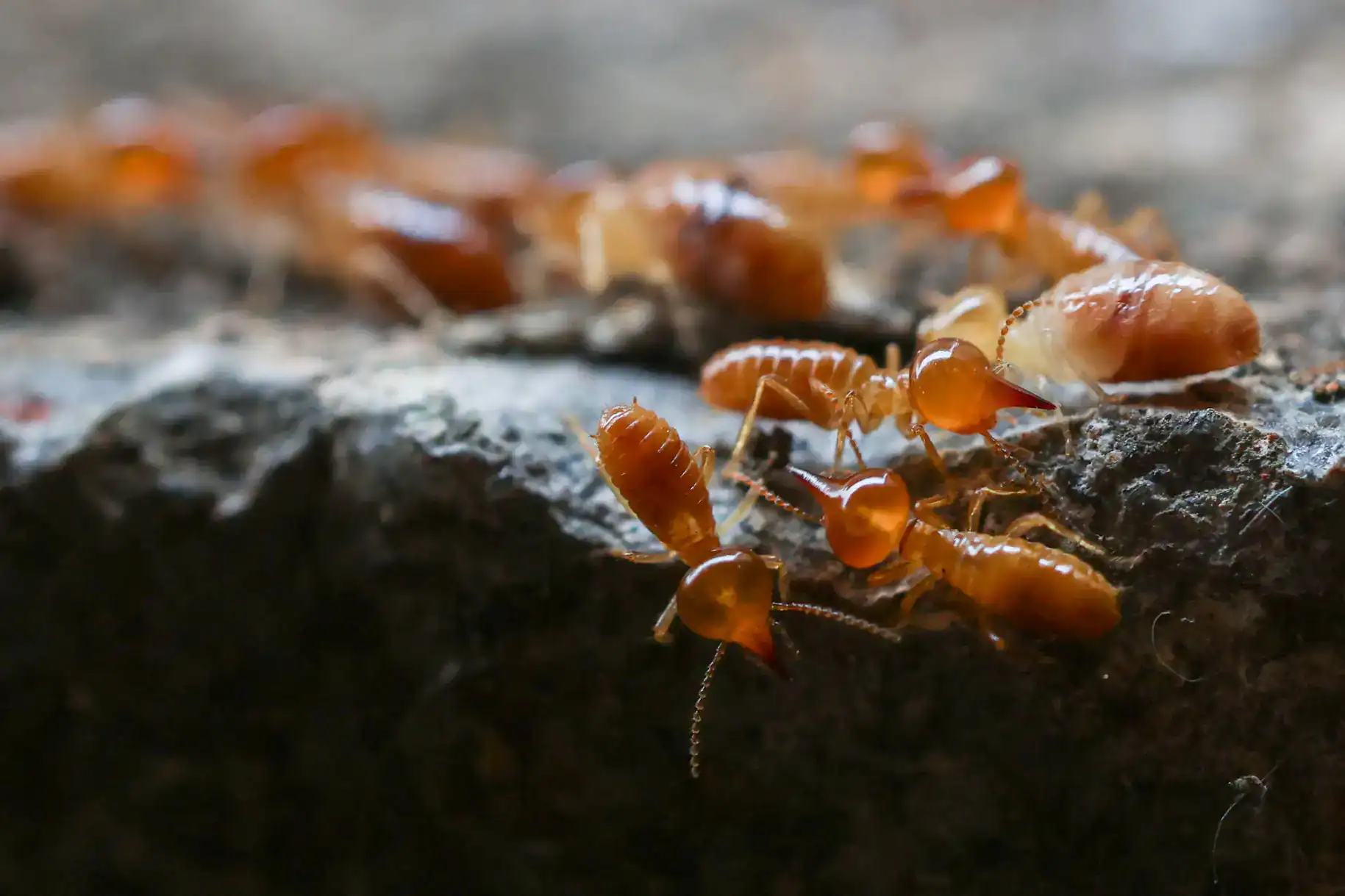
It starts with an inspection a real one, not a five-minute walkthrough. One of our technicians comes to your Inwood home and looks at the areas where termite activity is most likely to originate: the foundation perimeter, crawl spaces, basement sill plates, any point where wood meets soil or moisture. In South Shore Nassau County, that inspection also accounts for your property’s elevation and soil moisture levels, because high water table conditions in low-lying areas like Inwood affect which treatment methods are appropriate and where they can be safely applied. That’s not something a homeowner can assess on their own, and it’s not something a less experienced company will catch.
If we find termite activity or damage, we give you a clear explanation of what was discovered, where it is, and what the recommended treatment involves before any work begins. We use both liquid barrier treatments and termite baiting systems depending on what your property needs. Liquid treatments like Termidor create a treated zone in the soil around your foundation that termites can’t detect and carry back to the colony. Bait stations target the colony directly over time. In some cases, we use both together.
After treatment, you’re not left wondering what happened. We explain what was done, what to watch for, and what follow-up looks like. If you’re buying or selling a home in Inwood and need a Wood Destroying Organism report for your lender, we provide that documentation with the inspection formatted to meet the requirements FHA and VA lenders expect in Nassau County real estate transactions.
Ready to get started?
Subterranean termite control in Inwood isn’t a one-product situation. The Eastern Subterranean Termite the species that the Cornell Cooperative Extension of Nassau County identifies as the subject of more homeowner inquiries than any other insect in the county lives underground, travels through the soil, and enters your home through points of wood-to-soil contact or foundation gaps. Treating the surface does nothing. The colony has to be addressed at the source.
Our termite service covers the full scope of what Nassau County homes actually face: subterranean termite inspection and treatment, termite baiting system installation and monitoring, liquid barrier applications using NYS DEC-registered materials, and Wood Destroying Organism inspections for real estate transactions. We also handle carpenter ants and powder post beetles other wood-destroying organisms that frequently go misidentified in older Inwood homes and cause damage that compounds over time.
For Inwood properties specifically, our treatment planning takes into account the proximity to Jamaica Bay, the coastal soil moisture conditions, and the elevation of the structure relative to the water table. These factors affect both treatment method selection and application depth and they require a licensed applicator who knows Nassau County’s South Shore, not just a general pest control technician following a standard protocol. We assess every job individually, and no work begins until you understand exactly what’s being done and why.
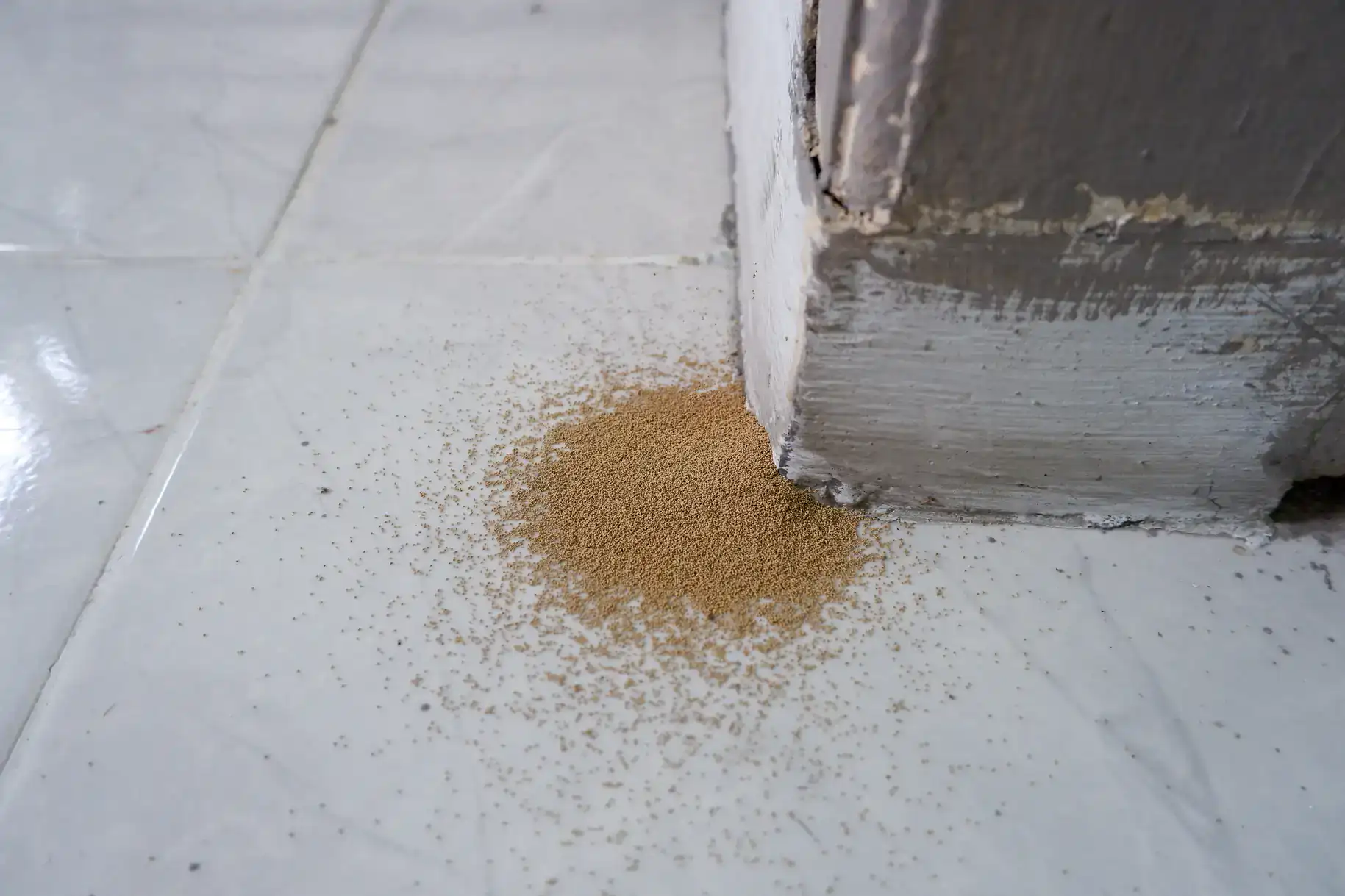
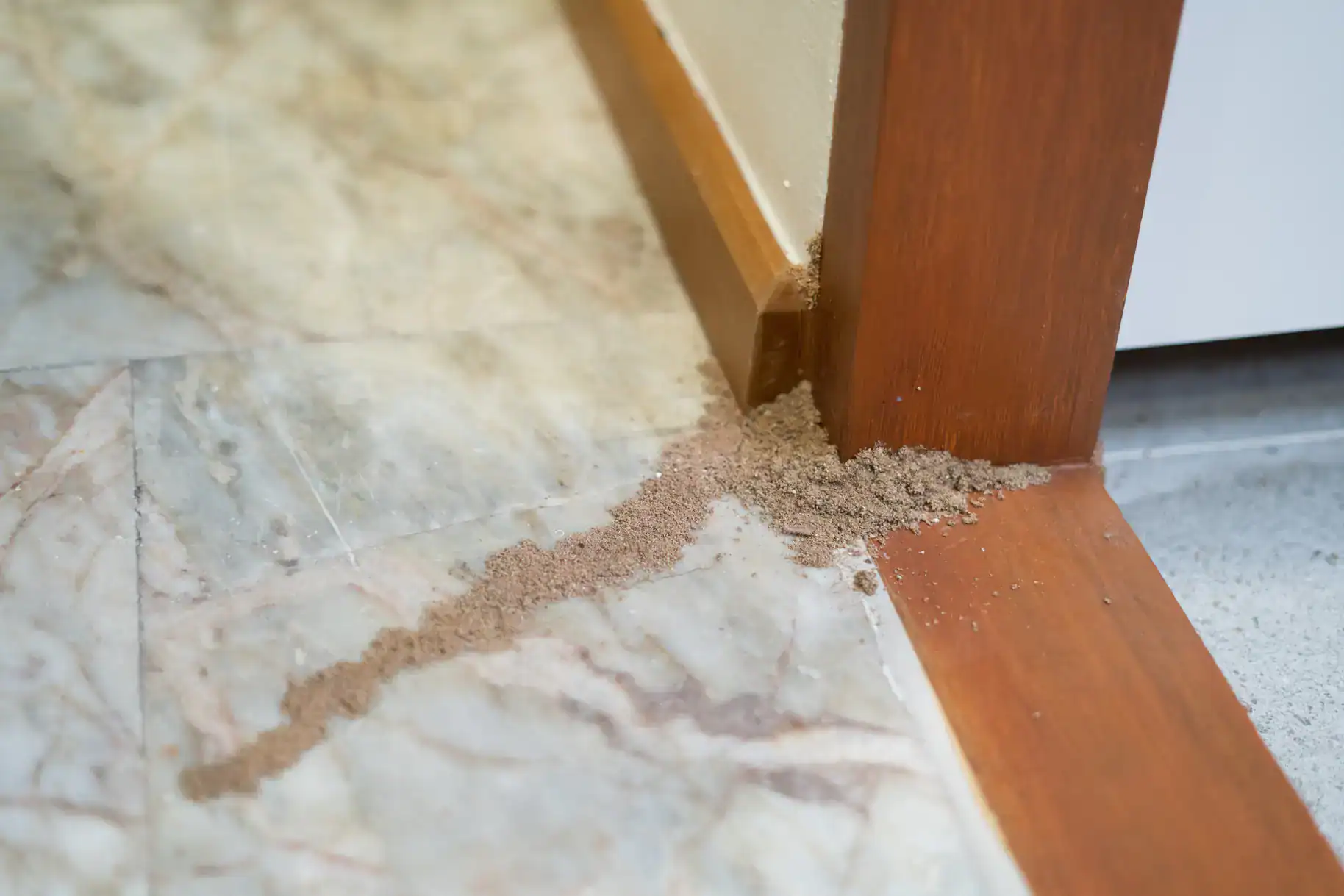
The most common signs are mud tubes along foundation walls or basement framing, wood that sounds hollow when you knock on it, small piles of what looks like sawdust near baseboards or window frames, and most visibly swarmers. In Nassau County, Eastern Subterranean Termites typically swarm between late March and May, with the peak usually hitting in April on warm, humid days after rain. If you see winged insects emerging from the soil or from cracks in your foundation during that window, that’s a colony signaling it’s established and reproducing.
What makes Inwood homes particularly worth inspecting is the combination of older housing stock and the coastal moisture conditions near Jamaica Bay. Termites in this area can be active for years inside a structure before the damage becomes visible. If you haven’t had a professional termite inspection in the last few years or ever that’s the most reliable way to know for certain what you’re dealing with.
Almost universally, no. Standard homeowner’s insurance policies in New York classify termite damage as a preventable maintenance issue, which means it falls outside covered perils. Whether you’re in Inwood or anywhere else in Nassau County, if termites damage your sill plates, floor joists, or structural framing, that repair bill comes entirely out of pocket.
This is one of the more important things to understand before you decide whether a professional inspection is worth the cost. The average termite repair in the U.S. runs around $3,000, and structural repairs in older homes the kind that make up a significant portion of Inwood’s housing stock can push well beyond that. A professional termite treatment is a fraction of that cost, and a liquid barrier treatment, properly applied, lasts five to ten years.
Swarm season in Nassau County runs from late March through May, with April being the peak. That’s when you’re most likely to see visible evidence winged termites emerging near windows, doors, or soil around the foundation. But the colony itself is active year-round. During winter, Eastern Subterranean Termites move deeper into the soil to stay warm and continue feeding inside heated structures. They don’t hibernate. They don’t slow down significantly inside a home with consistent interior temperatures.
For Inwood homeowners specifically, the moist soil conditions near Jamaica Bay mean the colony can maintain the humidity levels it needs even during drier periods. That makes year-round vigilance more relevant here than in drier, inland Nassau County communities. Spring is the most visible window, but a termite inspection in the fall or winter is just as valid and often catches activity that a homeowner would never notice on their own.
A Wood Destroying Organism inspection commonly called a WDO report is a professional assessment that identifies evidence of termites, carpenter ants, powder post beetles, and other wood-destroying pests in a property. It’s not the same as a general home inspection. A WDO report is conducted by a licensed pest control professional and produces documentation that lenders and real estate transactions require.
In Nassau County, FHA and VA mortgage lenders typically require a WDO inspection before approving financing on an older home. Given that Inwood has a significant stock of older single-family and two-family homes that change hands regularly, this comes up frequently in local real estate transactions. If you’re under contract on an Inwood property and your lender is asking for this report, we can schedule the inspection quickly and provide the documentation in the format your lender needs without disrupting your closing timeline.
Liquid barrier treatments the most common being Termidor, which uses fipronil as its active ingredient are applied to the soil around and beneath your foundation. Termites can’t detect the treated zone, so they pass through it, pick up the active ingredient, and carry it back to the colony. It’s a transfer effect that works on the colony, not just the individual insects you can see. A properly applied liquid treatment in Nassau County soil conditions typically lasts five to ten years.
Termite baiting systems work differently. Stations are installed in the soil around the perimeter of your property, and termites find the bait, feed on it, and share it with the colony gradually reducing the population over time. Bait systems require ongoing monitoring to stay effective, but they’re a strong option in situations where liquid treatment isn’t ideal, such as properties with high water table conditions near the foundation something that’s relevant in low-elevation Inwood homes near the bay. In some cases, we use both methods together for comprehensive coverage. The right approach depends on your specific property, which is why the inspection comes first.
The honest answer is that you should compare carefully and make the decision that makes sense for your home. What we bring that most competitors in this area don’t is depth over 50 years of continuous operation, more than 100 years of collective staff experience across our team, and a family ownership structure where the people whose name is on the business are still actively involved in how jobs are handled.
For Inwood specifically, that matters because termite treatment here isn’t generic. The South Shore soil conditions, the proximity to Jamaica Bay, the older housing stock, and the water table considerations that affect treatment application in low-elevation properties these are things that require real local experience, not just a pesticide license and a standard protocol. We’ve been working the Nassau County-Brooklyn corridor since 1976. The technicians who come to your home know this area. We also know that you’re making a financial decision that your insurance won’t back up, which is why every inspection comes with a clear explanation and a written estimate before any work begins.
Useful Links
Other Services we provide in Inwood