Hear from Our Customers
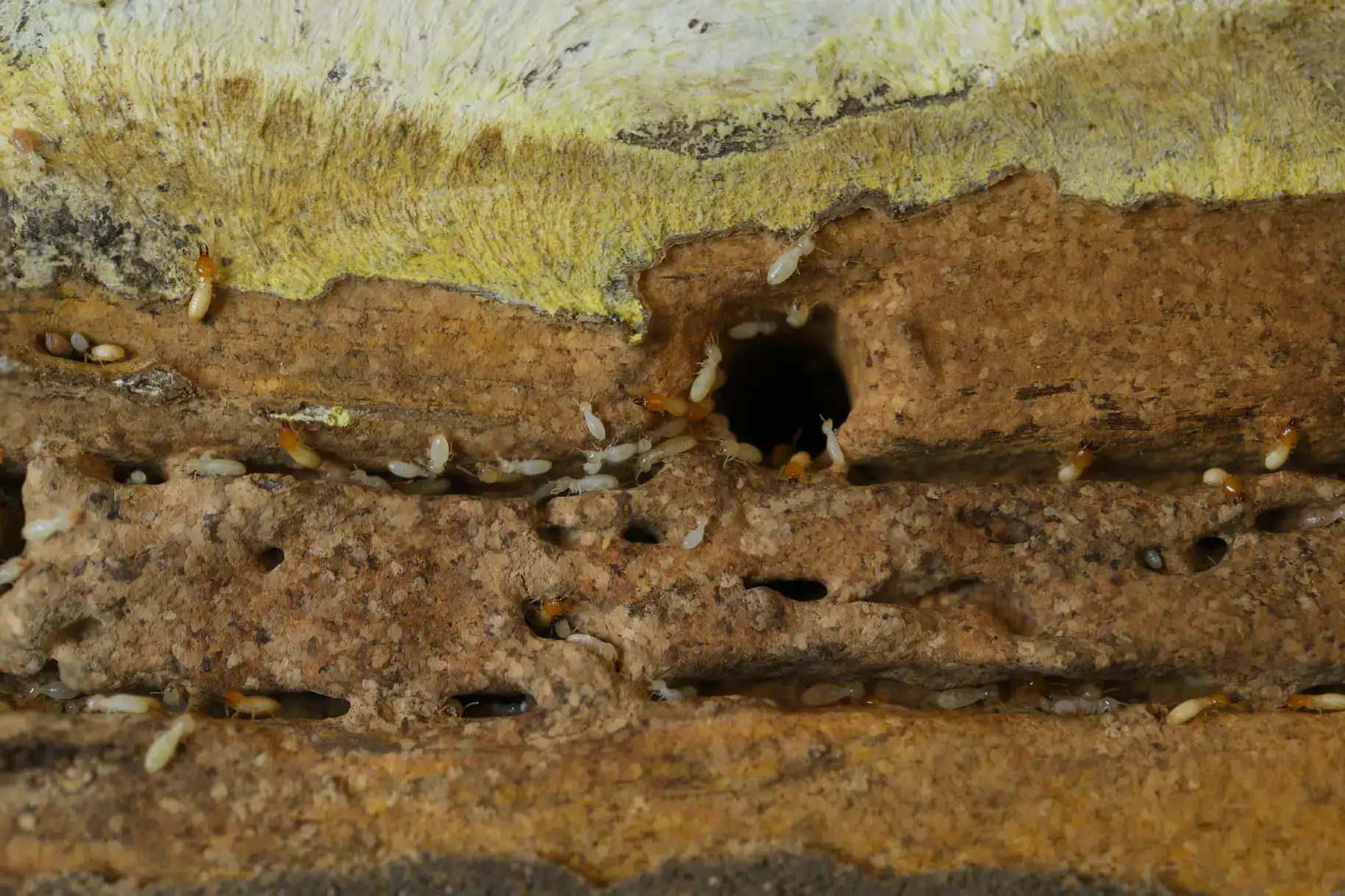
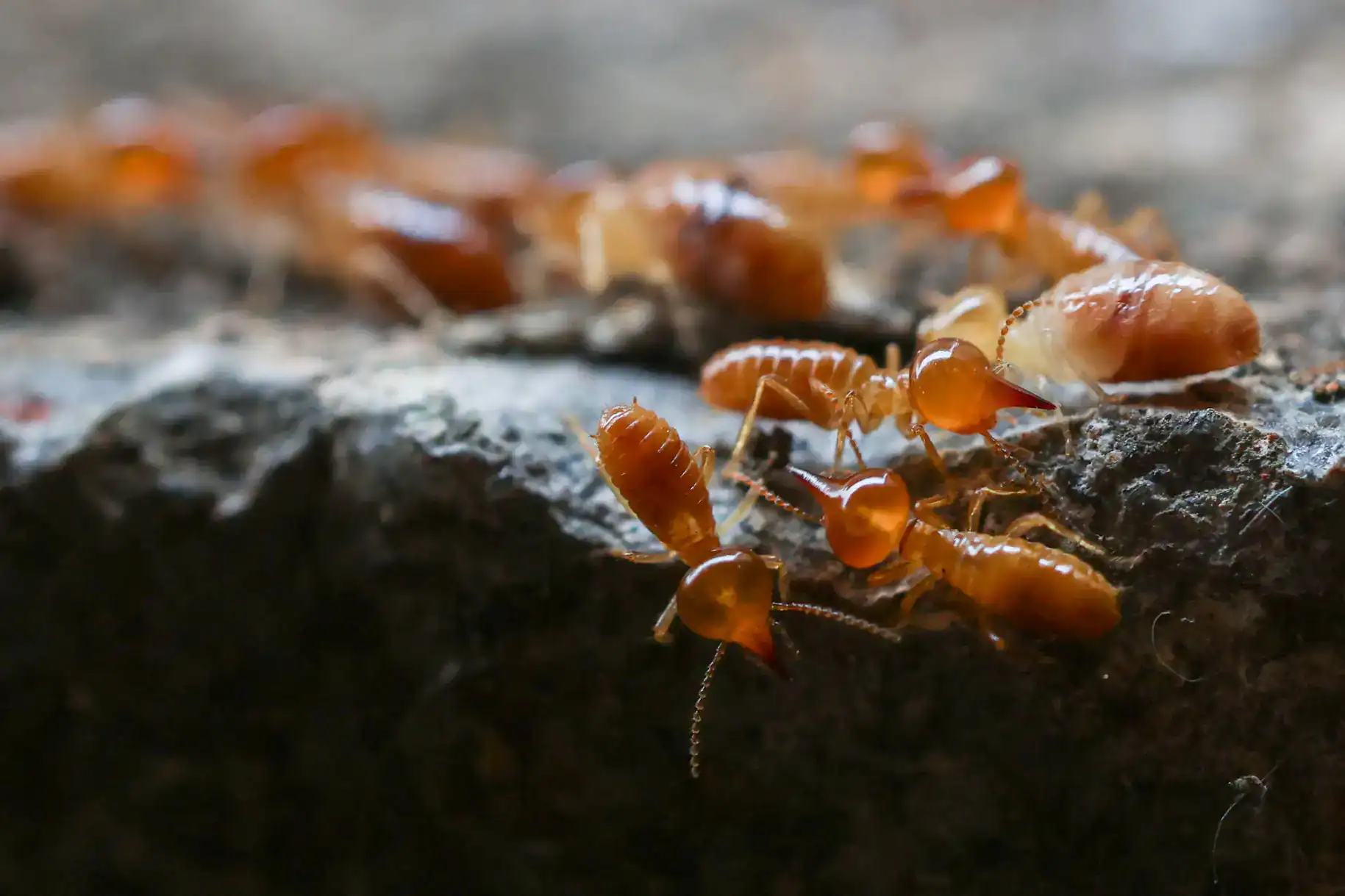
By the time you notice something a swarm near a window frame, wood that sounds hollow when you knock on it, paint that’s bubbling for no obvious reason the colony has likely been active for years. That’s how subterranean termites work. They don’t announce themselves. And in Midtown, where a pre-war apartment on the East Side or a recently converted office building in the Garment District can carry a price tag well into the millions, the financial stakes of a delayed response are real.
The average cost to repair termite damage runs around $3,000, and structural work can push well past $10,000. More importantly, documented termite damage can reduce a property’s value by roughly 20%. In a market where co-op boards review everything and buyers’ attorneys pull every record, that’s not a number you want attached to your unit.
Midtown’s underground environment steam pipes, water mains, subway infrastructure running beneath nearly every block creates persistent soil moisture that Eastern Subterranean Termite colonies thrive in year-round. This isn’t a seasonal problem that goes dormant in January. Getting a professional termite inspection in Midtown, NY isn’t just about peace of mind. It’s about protecting the investment you’ve already made.
We’ve been operating in New York City since 1971. Richard Kourbage Sr. founded Kingsway Exterminating Company, and his sons Richard Jr. and Charles have been part of operations since the late 1980s. Three generations. One company. And a name that’s been on every job in this city for over five decades.
That matters in a market like Midtown. When a Murray Hill co-op board asks for documentation, when a Hell’s Kitchen property manager needs to respond to an HPD notice, or when a buyer’s attorney needs a WDO report before a closing you need a company that understands how New York City actually works, not just how pest control works in general. We hold an A+ BBB accreditation going back to 1989, apply only NYS Department of Environmental Conservation registered materials, and have direct experience handling NYC Department of Health pest citations.
This isn’t a franchise. There’s no 1-800 number routing you to a call center. You get a company that has served Manhattan for decades and has the institutional knowledge to back it up.
It starts with a phone call, and we answer 24 hours a day. If you’ve spotted swarmers around a window frame, found mud tubes near a baseboard, or had a contractor open a wall and discover something unexpected during a renovation, same-day inspections are frequently available. In a market where a delayed closing can cost tens of thousands of dollars, that response time matters.
The inspection itself is a thorough assessment of your property foundation areas, wood structural elements, window and door frames, any area where termites are likely to establish a feeding site. In Midtown’s older pre-war buildings, that often means looking carefully at original wood subfloors, wood framing within masonry construction, and areas near plumbing where moisture has had decades to accumulate. For properties going through the office-to-residential conversion process and Midtown now accounts for more than half of all such conversions in Manhattan a pre-occupancy WDO inspection is increasingly standard, and we provide the formal documentation that lenders, co-op boards, and attorneys require.
If treatment is needed, we walk you through exactly what’s involved, what materials will be used, and what to expect during and after. Every termiticide we apply is registered with the NYS DEC. You’ll know what’s happening in your building, why, and what the outcome looks like no guesswork, no pressure.
Ready to get started?
Not every termite treatment approach works the same way in a Midtown high-rise or pre-war co-op as it does in a freestanding suburban home. Subterranean termites nest underground and travel up through foundation gaps, expansion joints, and utility penetrations and in Manhattan, that underground environment is uniquely complex. Our termite treatment in Midtown, NY accounts for that. Bait systems are designed to reach the colony at its source, not just address what’s visible at the surface. That colony-level approach matters in a neighborhood where the soil beneath your building is shared with subway tunnels, steam infrastructure, and utility lines that keep moisture levels consistently high.
For residential properties whether you’re in a Turtle Bay apartment, a Sutton Place townhouse, or a newly converted unit in the Hudson Yards corridor treatment is delivered with the safety requirements of a dense residential environment in mind. Every material we use is NYS DEC registered. We also provide termite inspections for property purchases, sales, and leases, with the written WDO reports that FHA and VA lenders require and that co-op boards increasingly request as part of the purchase approval process.
If your building has received an HPD violation related to pest activity, we have direct experience navigating NYC’s regulatory requirements and providing the remediation documentation needed to close out a violation. That’s a specific capability not every pest control company in Manhattan has it.
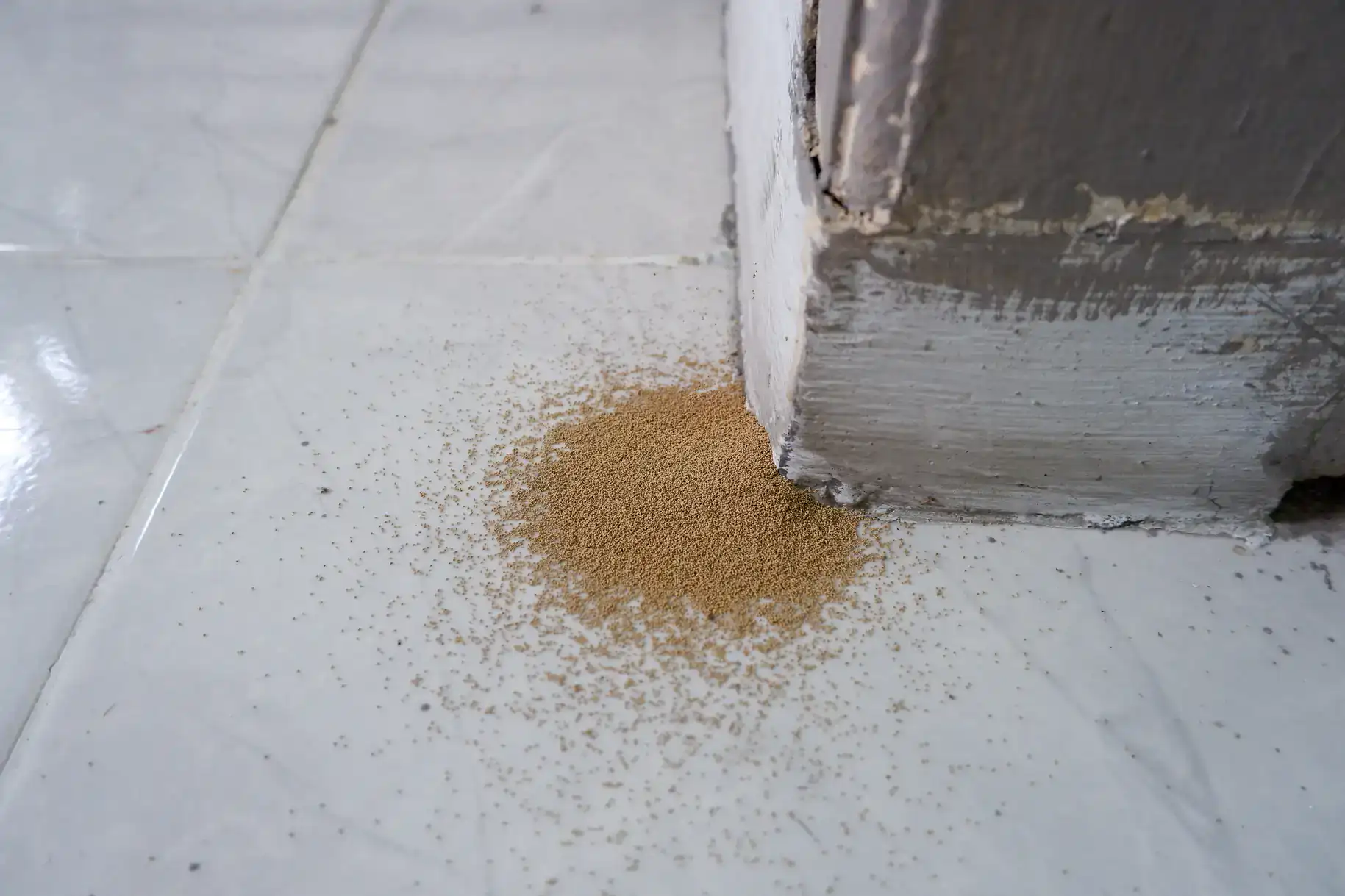
Yes, and it’s more common than most people expect. Eastern Subterranean Termites the dominant species in New York City nest underground and travel upward through any gap they can find: foundation cracks, expansion joints, spaces around utility pipes, even the thin seam where a concrete slab meets a masonry wall. In Midtown’s older pre-war buildings, those entry points are often plentiful. Original wood subfloors, aged wood framing within concrete and masonry construction, wood window surrounds these are exactly the conditions subterranean termites exploit.
The misconception is that high-rises are somehow immune because they’re not wood-frame structures. They’re not immune. Termites don’t need a wood-frame building they need wood somewhere inside one, and virtually every older Midtown building has it. The fact that Manhattan’s underground environment stays consistently moist year-round, thanks to the density of steam pipes, water mains, and subway infrastructure beneath the streets, means termite colonies here don’t go dormant the way they might in a colder, drier location. If you’re in a pre-war building in Murray Hill, Kips Bay, or Hell’s Kitchen, a professional termite inspection in Midtown, NY is worth doing especially if you’ve never had one.
The most visible sign is swarmers winged reproductive termites that emerge in spring, typically between March and May, usually after a warm day following rainfall. In Midtown, the urban heat island effect means soil temperatures can warm earlier than in outer-borough neighborhoods, which can push swarming activity to start sooner. If you see what looks like a small swarm of flying insects near a window, a baseboard, or around a light fixture, don’t assume they’re flying ants. Get an inspection.
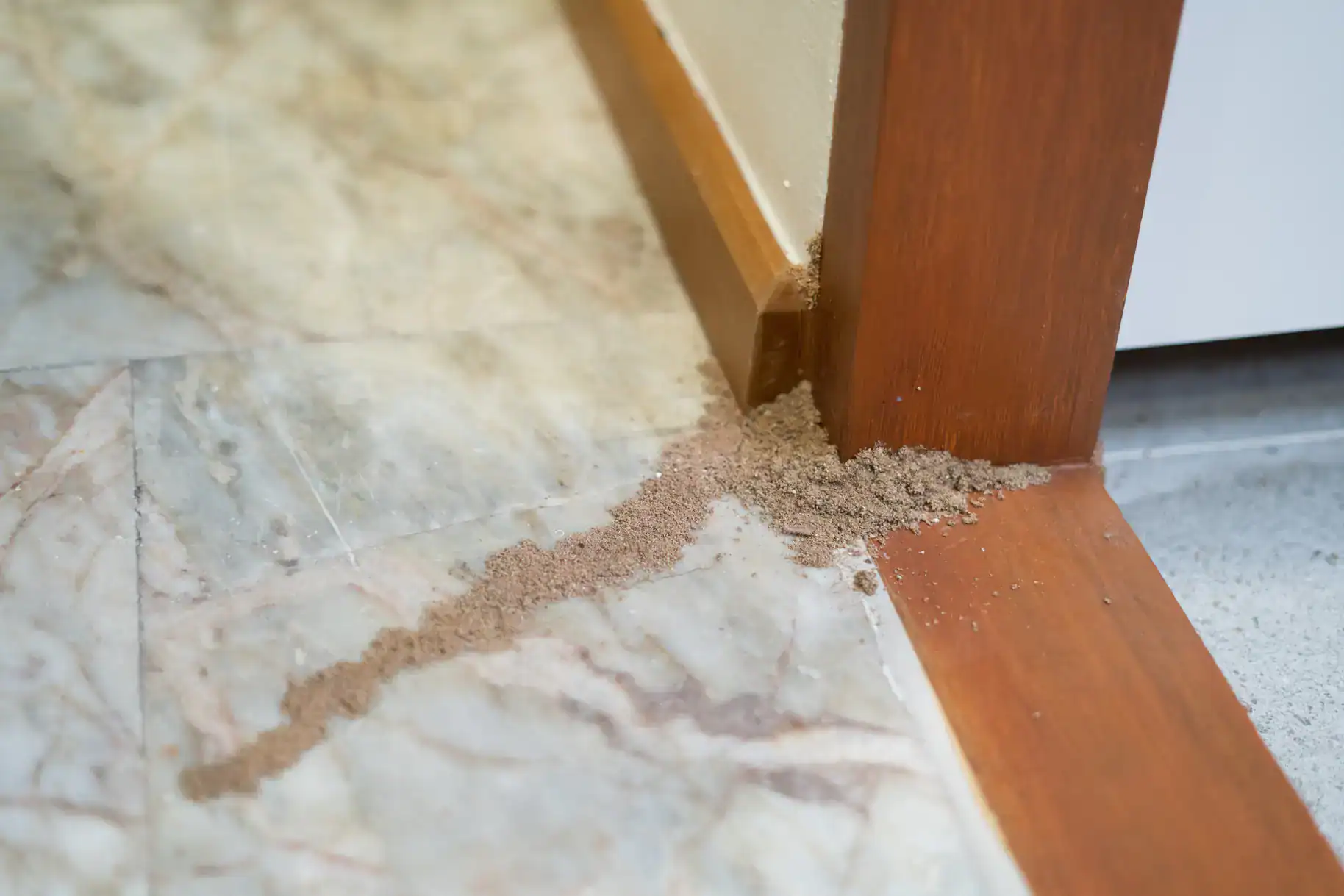
Beyond swarmers, the signs are often subtle: mud tubes along a foundation wall or baseboard (thin, pencil-width tunnels made of soil and debris), wood that sounds hollow when you tap it, paint that’s bubbling or peeling without an obvious moisture source, or doors and windows that have suddenly become harder to open. In older Midtown buildings, these signs are sometimes discovered during renovation when a contractor opens a wall or lifts a floor and finds damage that’s been progressing silently for years. If you’re in the middle of a renovation and something doesn’t look right, stop and call for a termite inspection before continuing. Catching it at that stage is significantly cheaper than addressing it after the walls go back up.
It depends on your financing and your co-op board, but increasingly the answer is yes. If you’re using FHA or VA financing to purchase a property in Manhattan, a WDO (Wood Destroying Organism) inspection report is typically required by the lender before closing. Even in conventional transactions, buyers’ attorneys and co-op boards in Midtown are requesting termite inspection documentation more frequently as part of the due diligence and board approval process particularly in older pre-war buildings where the risk is higher.
A WDO report is a formal written document produced by a licensed pest control professional that identifies the presence or absence of wood-destroying organisms termites, carpenter ants, powder post beetles and any visible damage they’ve caused. It’s not the same as a general home inspection. We provide WDO inspections for property purchases, sales, and leases in Midtown, with the formal documentation that lenders, attorneys, and co-op boards require. If you’re on a closing timeline, same-day and next-day inspections are frequently available. Given how much a delayed closing can cost in this market, having a company that can respond quickly and produce credentialed documentation is not a minor detail.
Treatment costs in Midtown, NY typically range from $1,000 to $3,000 for standard residential treatment, depending on the size of the property, the extent of the infestation, and the treatment method required. Properties with more significant infestations or larger square footage can run higher. An initial inspection is often available at low or no cost, with a detailed treatment proposal provided afterward.
The more relevant number for most Midtown property owners is what it costs not to treat. Structural work replacing damaged beams or subfloor sections can easily reach $10,000 or more. Most homeowner and property insurance policies do not cover termite damage, classifying it as a preventable maintenance issue. And in a market where documented termite damage can reduce a property’s value by roughly 20%, the financial risk of ignoring an infestation in a Midtown co-op or condominium is significant. Treatment, by comparison, is a straightforward investment. What you’re really paying for is a company with the credentials, the licensing, and the 50-year track record in New York City to do the job correctly the first time.
This is a reasonable concern in a building where you share walls, floors, and ceilings with other residents and where a co-op board may have strict requirements about what can be applied in common areas. The short answer is yes, when it’s done by a licensed professional using the right materials and methods.
We apply only termiticides registered with the New York State Department of Environmental Conservation. Every treatment is carried out by certified applicators following EPA safety protocols, with precision targeting that minimizes exposure to non-target areas. Before any treatment begins, you’ll be told exactly what’s being used, where it’s being applied, and what precautions to take including whether you need to be out of the unit during application and for how long. For buildings with children, pets, or residents with sensitivities, those details matter, and we address them directly rather than leaving you to figure it out after the fact. If your building management or co-op board needs documentation of the materials used and the application method, that documentation is available.
An HPD violation tied to a pest infestation including termites requires documented remediation. It’s not enough to treat the problem; you need written proof that the treatment was carried out by a licensed professional using approved materials, and that proof needs to be submitted in a format that satisfies HPD’s requirements. A lot of property managers and building owners in Midtown find out the hard way that not every pest control company understands this process.
We have direct experience handling NYC Department of Health and HPD pest citations. That means we know what the documentation needs to look like, what the remediation timeline expectations are, and how to communicate with building management and regulatory contacts on your behalf. For a Midtown building manager overseeing a large residential or mixed-use property particularly in a neighborhood like Hell’s Kitchen or Murray Hill where older building stock is common and HPD oversight is active having a pest control company that understands the regulatory side of the job is genuinely useful. Treating the termites is one part of it. Closing out the violation with the right paperwork is the other, and we handle both.
Useful Links
Other Services we provide in Midtown