Hear from Our Customers
Termites are the number-one pest inquiry in Nassau County and that’s not a coincidence. New Hyde Park’s housing stock tells you exactly why. The Cape Cods, colonials, and split-levels that line the streets off Jericho Turnpike and Lakeville Road were built between the 1920s and 1960s. Wood framing close to grade. Minimal moisture barriers. Decades of seasonal moisture cycles working on construction-grade lumber that was never meant to last this long unprotected.
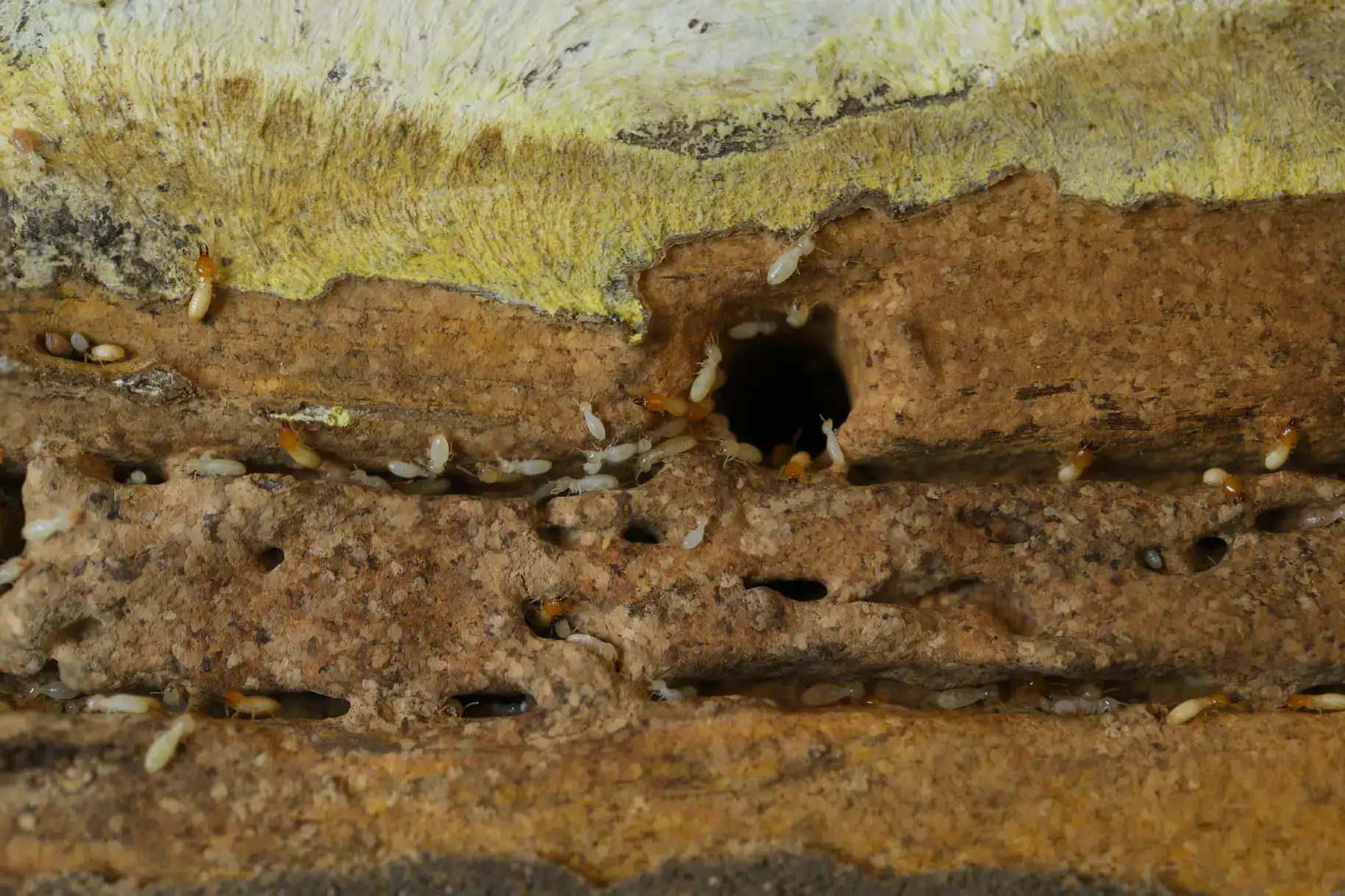
Eastern subterranean termites don’t need an invitation. They live underground, they feed around the clock, and they work quietly inside your walls for years before you notice anything. By the time swarmers appear in your basement in April or May, the colony is already well-established and has been for a while. Early detection matters more than any other factor because it stops the structural damage before it reaches your sill plates, floor joists, or support beams.
Here’s what changes when you get proper termite control in New Hyde Park: you protect a home worth close to $900,000 with no insurance coverage to fall back on if termites get there first. You get documentation that holds up when it matters most, whether that’s a real estate transaction, a renovation permit, or just peace of mind knowing what’s actually inside your walls. We stop the problem before it becomes expensive.
We’ve been operating in the New York metro and Long Island market since 1971. That’s over 50 years of treating the exact type of housing that defines New Hyde Park aging wood-frame construction, finished basements, attached garages, and all the additions that homeowners have tacked on over the decades. Our team carries more than 100 years of combined staff experience, and that depth shows up in how quickly a problem gets identified and how accurately it gets treated.
Richard Kourbage Sr. founded our company. His sons Richard Jr. and Charles have been part of it since the late 1980s. When you call Kingsway Exterminating, you’re dealing with a family whose name is attached to every job we take on not a rotating roster of technicians working under a national brand. That accountability matters in a community like New Hyde Park where homeowners have real stakes and expect straight answers.
We hold BBB A+ accreditation dating back to 1989 and apply only NYS Department of Environmental Conservation registered materials on every job. That’s not a marketing line it’s a compliance standard that protects your household and your neighbors.
We start with a thorough inspection of your property foundation perimeter, basement or crawl space, sill plates, subfloor framing, and any wood-to-soil contact points. In New Hyde Park’s older homes, that often includes inspecting around finished basements, attached garages, and the additions that many Cape Cods and colonials have accumulated over the years. These are the exact entry points Eastern subterranean termites exploit, and a good inspection doesn’t skip them.
If we find activity or damage, we’ll give you a clear explanation of what was found, where it is, and what your treatment options look like. No pressure, no vague recommendations. We offer both liquid barrier treatments which use materials like Termidor and remain effective for five to ten years and termite baiting systems, which target the colony at its source by allowing foraging workers to carry the active ingredient back underground. The right approach depends on your home’s construction, the extent of activity, and your long-term goals.
In New Hyde Park, spring is peak season. Subterranean termites swarm between late March and early June when soil temperatures climb toward 70°F, and that’s when most homeowners first notice the problem. We frequently have same-day inspections available, and we guarantee appointments within two business days. If you’re in the middle of a real estate transaction and need a formal WDO inspection report, we provide that documentation as well the kind Nassau County lenders and attorneys require before a deal closes.
Ready to get started?
Every termite control engagement starts with a professional inspection not a sales pitch. The technician who shows up has real experience with Nassau County housing, which means they know where to look in a 1950s New Hyde Park colonial that’s had two additions and a finished basement. That local familiarity shortens the inspection, improves the accuracy, and gets you to a clear answer faster.
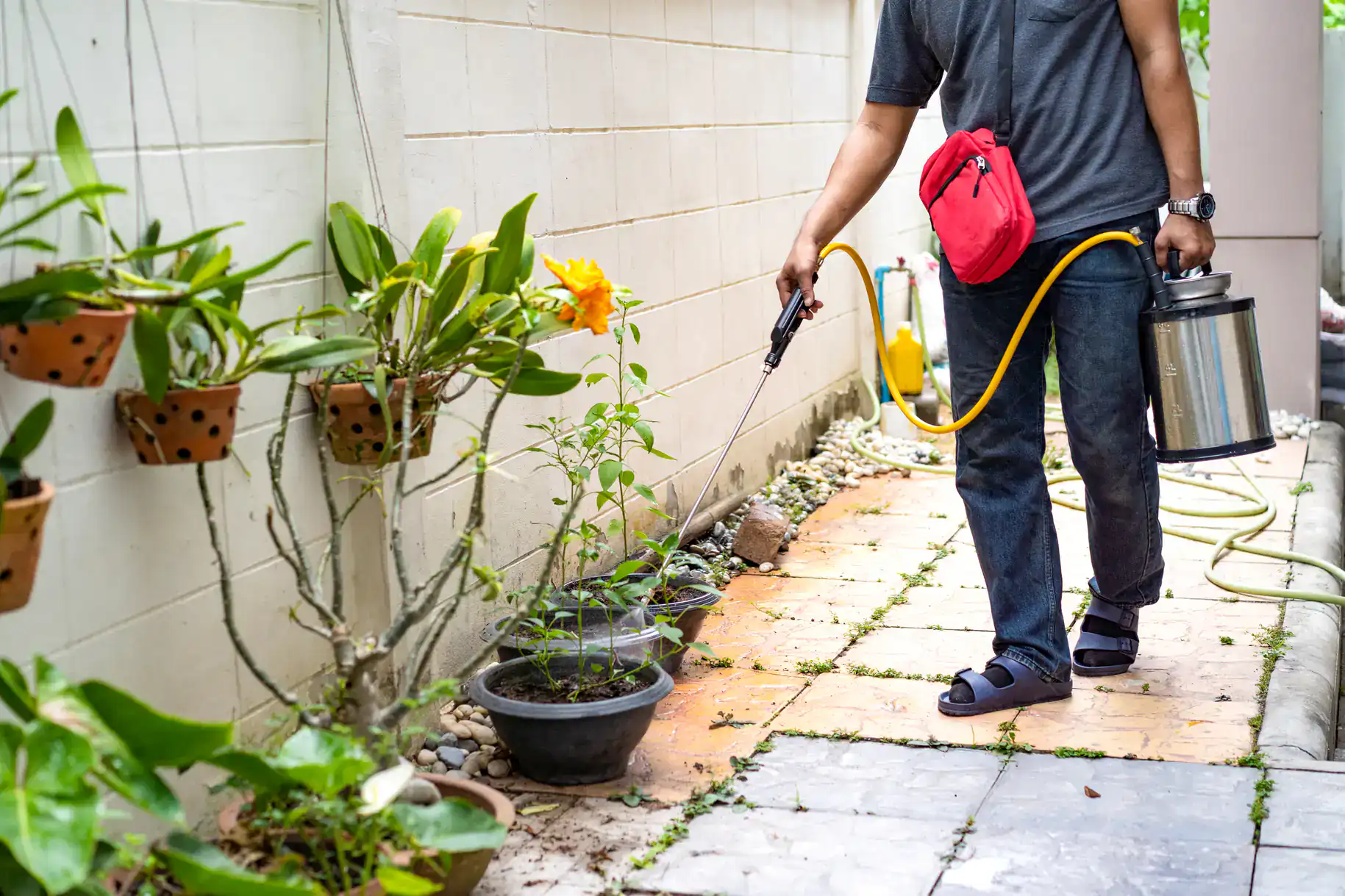
We match treatment to what’s actually found. For homes with active subterranean termite infestations, we apply NYS DEC registered liquid treatments to create a continuous barrier around the structure materials that remain effective for years and don’t require annual reapplication. For homeowners who want a colony-elimination approach rather than a perimeter barrier, our termite baiting system deploys stations around the property that foraging termites carry back to the colony, eliminating the source. Both approaches are available, and our recommendation is based on your specific situation not a preset package.
For New Hyde Park homeowners navigating a property sale or purchase, we provide formal Wood Destroying Organism inspection reports. Given that homes in this area regularly transact near or above $895,000, having credentialed documentation from a company with 50+ years of Nassau County experience carries real weight with lenders, attorneys, and the buyers or sellers sitting across the table from you. We’re reachable 24 hours a day, seven days a week, and appointments are available fast.
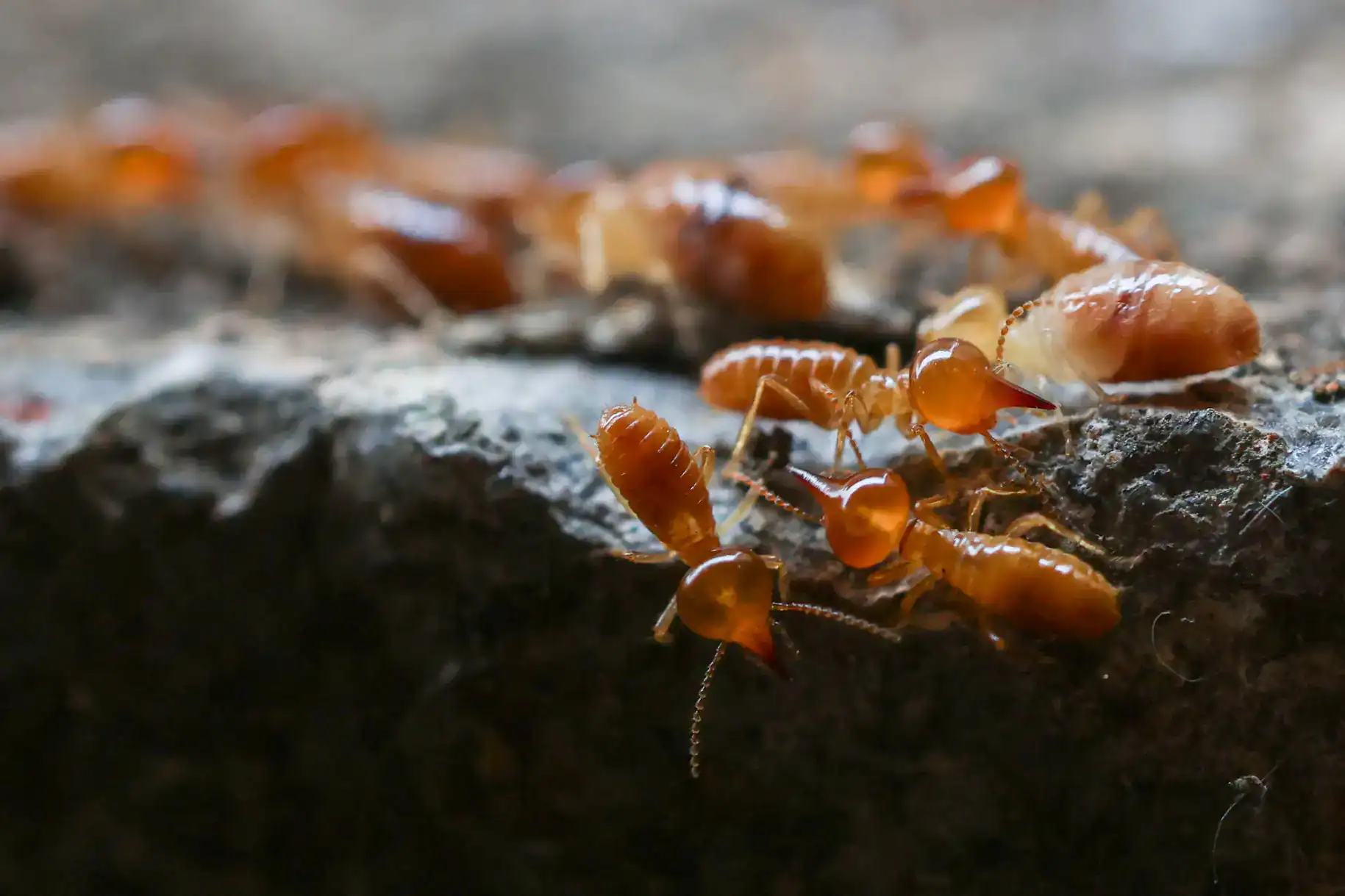
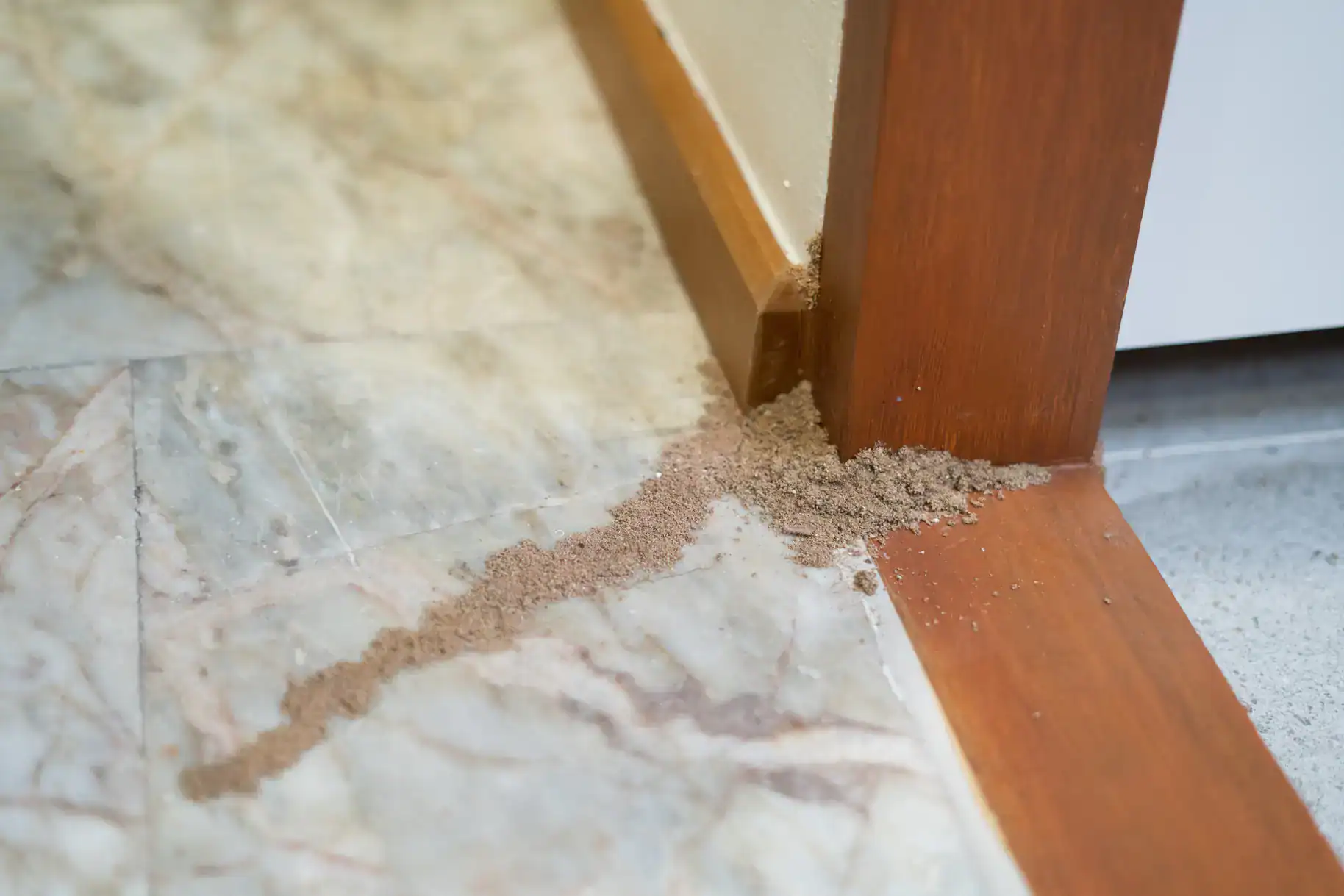
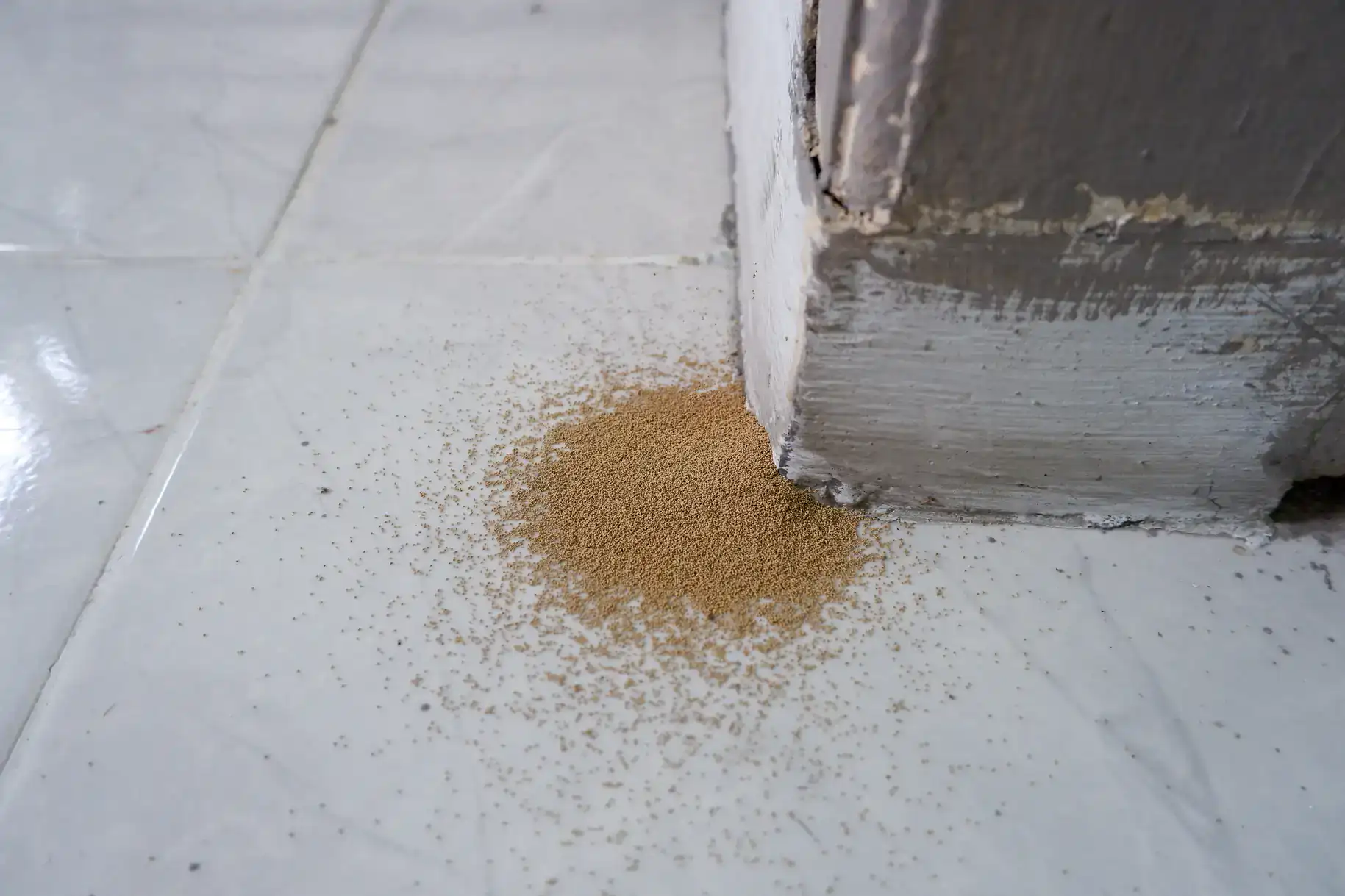
The honest answer is that most homeowners don’t know until something visible triggers the question and by that point, the colony has usually been active for years. The most common signs in New Hyde Park homes are swarmer termites appearing indoors in spring, typically between late March and early June. These are winged reproductive termites, and finding them inside your home means there’s an established colony nearby, not that one is just starting. Other signs include mud tubes running along foundation walls or basement framing, wood that sounds hollow when tapped, bubbling or uneven paint on baseboards, and small piles of what looks like sawdust near wood structures.
Because New Hyde Park’s housing stock is predominantly post-war construction Cape Cods, colonials, and split-levels built between the 1920s and 1960s the structural vulnerabilities that Eastern subterranean termites exploit are common here. Wood framing close to grade, older sill plates, and decades of moisture exposure create the conditions these insects prefer. If you’re seeing any of the signs above, or if you just haven’t had a professional inspection in several years, a thorough walkthrough of your basement, foundation perimeter, and subfloor framing is worth doing before the next swarm season arrives.
No and this is one of the most important things to understand before you discover a problem. Standard homeowner’s insurance policies in New York classify termite damage as a preventable maintenance issue, not a sudden or accidental loss. That means repairs to damaged sill plates, floor joists, support beams, or subfloor framing come entirely out of your pocket. The average termite repair bill runs around $3,000, and structural repairs can exceed $10,000 depending on how long the infestation went undetected.
In New Hyde Park, where the median home value sits near $895,000, that financial exposure is significant. You’re protecting a high-value asset with no insurance backstop if termites get ahead of you. Professional termite inspections and treatment aren’t optional maintenance they’re one of the most cost-effective forms of property protection available to a Nassau County homeowner. Getting ahead of a problem costs a fraction of what it costs to repair one that’s been quietly developing for years inside your walls.
Eastern subterranean termites in Nassau County typically swarm between late March and early June, with peak activity in April and May when soil temperatures reach around 70°F. This is when winged reproductive termites emerge from mature colonies to establish new ones, and it’s the most common trigger for homeowners calling a termite exterminator in New Hyde Park. Swarmers are often mistaken for flying ants the key difference is that termite swarmers have straight antennae, equal-length wings, and a thick waist, while flying ants have bent antennae and a pinched waist.
If you find swarmers inside your home, the most important thing to understand is what their presence means: it means an existing colony is large and mature enough to reproduce. That typically takes five or more years to reach. So swarmers aren’t the beginning of a problem they’re a signal that a problem has been developing for a while. Collect a few of the insects in a sealed bag if you can, note where you found them, and call for an inspection as soon as possible. We offer same-day inspections and guarantee appointments within two business days, which matters when you’re watching insects emerge from your basement wall on a Saturday morning.
Both are legitimate approaches, and the right one depends on your home’s construction and your specific situation. Liquid barrier treatments Termidor is the most widely used are applied around the perimeter of your foundation to create a continuous treated zone in the soil. Termites passing through this zone are affected and carry the active ingredient back to the colony. Liquid treatments are highly effective, work relatively quickly, and remain active in the soil for five to ten years. They’re often the preferred approach for homes with active infestations that need to be addressed quickly.
Termite baiting systems take a different approach. Bait stations are installed around the perimeter of your property, and foraging termites find the bait, feed on it, and carry it back to the colony. This eliminates the colony at its source rather than just blocking access to your structure. Baiting systems require ongoing monitoring but can be effective for homes where liquid treatment application is complicated by the construction finished basements, slab foundations, or complex landscaping, all of which are common in New Hyde Park’s older housing stock. We’ll walk you through which approach makes sense for your home based on what the inspection finds, not based on which option costs more.
If you’re financing the purchase with an FHA or VA loan, a Wood Destroying Organism inspection report is typically required by the lender it’s not optional. Even for conventional financing, most real estate attorneys in Nassau County will recommend one, particularly for older homes. Given that New Hyde Park’s housing stock is predominantly pre-1970 construction, and that Eastern subterranean termites are the top pest inquiry in Nassau County, the risk profile here is real enough that skipping a termite inspection on a pre-war or post-war home is a meaningful gamble.
A WDO inspection report documents whether active termite infestation, termite damage, or other wood-destroying organisms are present at the time of inspection. It’s the formal documentation that lenders, attorneys, and sellers expect to see before a transaction closes. When you’re buying a home in New Hyde Park that’s transacting near $900,000, the cost of a professional termite inspection is negligible compared to what undiscovered termite damage could cost you after closing. We provide WDO inspection reports and can schedule fast which matters when you’re working against a contract deadline.
This is one of the most common questions homeowners ask, and it’s a reasonable one especially in a densely residential community like New Hyde Park where homes sit close together, kids play in yards, and families share fences and property lines. We apply only materials registered by the New York State Department of Environmental Conservation. These materials are evaluated and approved under EPA safety protocols before they’re permitted for use, and they’re applied by our certified technicians who follow established application standards for residential properties.
For liquid barrier treatments, the active material is applied into the soil around your foundation not broadcast through your living space. Re-entry intervals are short, and our technician will walk you through any specific precautions before the job starts. For baiting systems, the bait is contained within tamper-resistant stations installed in the ground around your property’s perimeter, which limits any incidental contact. The materials used in professional termite control today are a significant improvement over what was used decades ago, and a licensed applicator using NYS DEC registered products in a residential setting is working within a tightly regulated framework designed to protect households exactly like yours.
Useful Links