Hear from Our Customers
Most Brooklyn residents don’t call a pest control company the first time they see something. They try the store-bought spray. They seal a gap. They wait. By the time they call, the problem is bigger than it looked and that’s not a judgment, it’s just how it usually goes in buildings where pests move freely through shared walls, utility chases, and basement spaces that connect to three other units.
When pest control is done right in a Brooklyn building, the difference isn’t just that you stop seeing bugs or rodents. It’s that the entry points are identified and addressed, the harborage areas inside the walls are treated, and the conditions that kept the cycle going are explained to you so you’re not starting over in six weeks. That’s what a real inspection and a real treatment plan actually produces.
Brooklyn’s housing stock makes this harder than it sounds. A 100-year-old brownstone in Park Slope or a pre-war walk-up in Crown Heights has decades of accumulated cracks, old plumbing penetrations, and shared infrastructure that gives pests more ways in than most people realize. Getting rid of them and keeping them gone means treating the building the way it actually works, not the way a generic checklist assumes it does.
We’ve been a licensed, family-owned pest control company in Brooklyn since 1976. That’s not a marketing line it means we’ve personally treated buildings in Bed-Stuy, Bay Ridge, Flatbush, Williamsburg, and everywhere in between for over five decades. We’ve seen what works in Brooklyn’s specific building types and what doesn’t.
Being family-owned in a borough like Brooklyn means something. There’s no corporate layer between you and the people accountable for the work. When you call, you’re reaching a business whose reputation is built entirely on what happens inside your home not on a franchise agreement or a national brand name.
We hold a New York State DEC commercial pesticide applicator license, carry full insurance, and have been operating under Kings County’s regulatory framework longer than most of the companies you’ll find on the first page of Google have existed.

It starts with a free inspection. One of our licensed technicians comes to your home and looks at the actual conditions not just where you’ve seen activity, but where pests are likely entering, harboraging, and moving through the structure. In Brooklyn’s attached row houses and multi-unit buildings, that means checking shared wall areas, basement access points, utility penetrations, and any moisture conditions that are attracting activity.
From there, you get a clear explanation of what we found and what treatment makes sense for your specific situation. There’s no pressure and no upsell. If it’s a German cockroach problem in a multi-unit brownstone, the treatment approach is different than if it’s a rodent entry issue in a semi-detached home in Bay Ridge. The plan is built around what’s actually happening in your building.
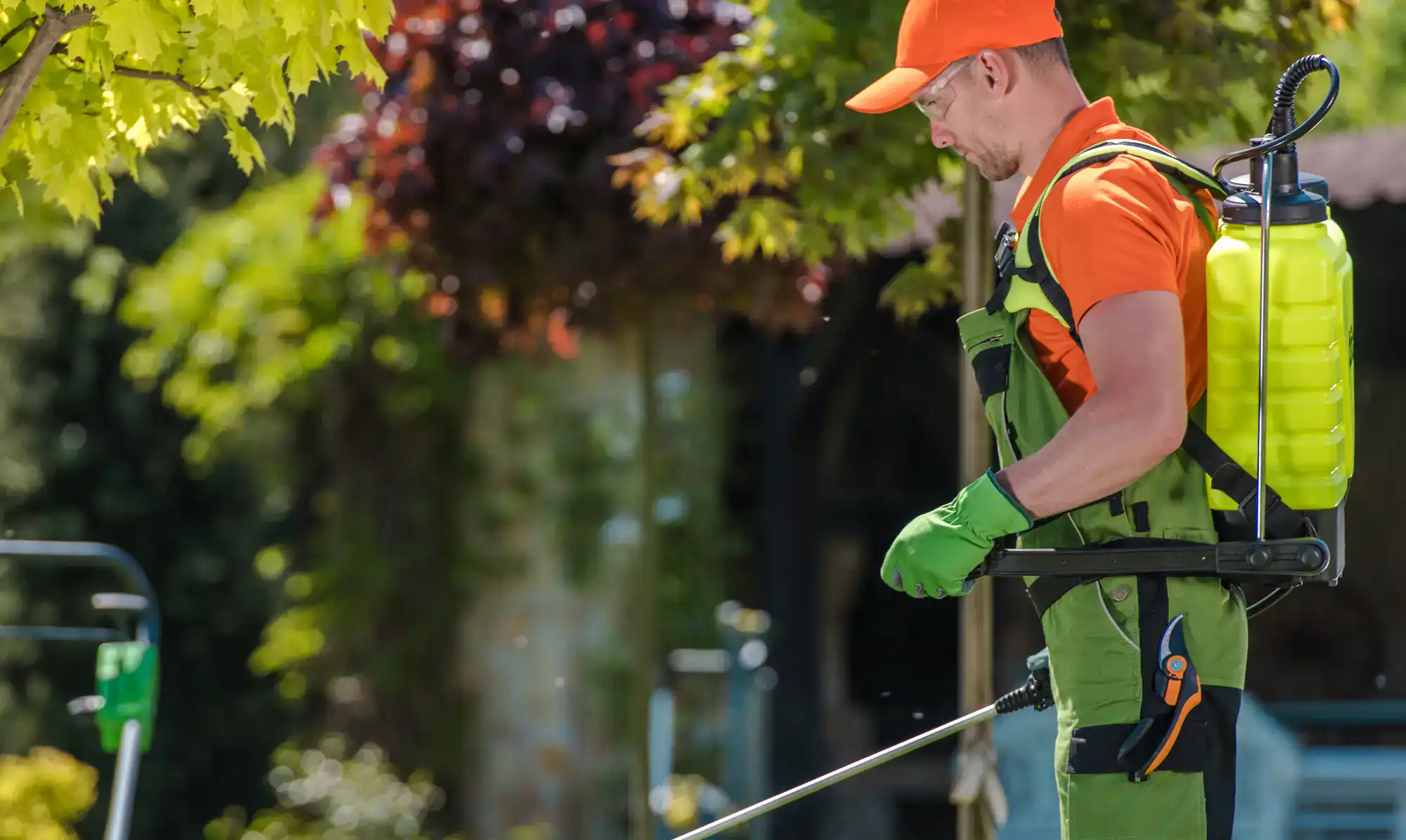
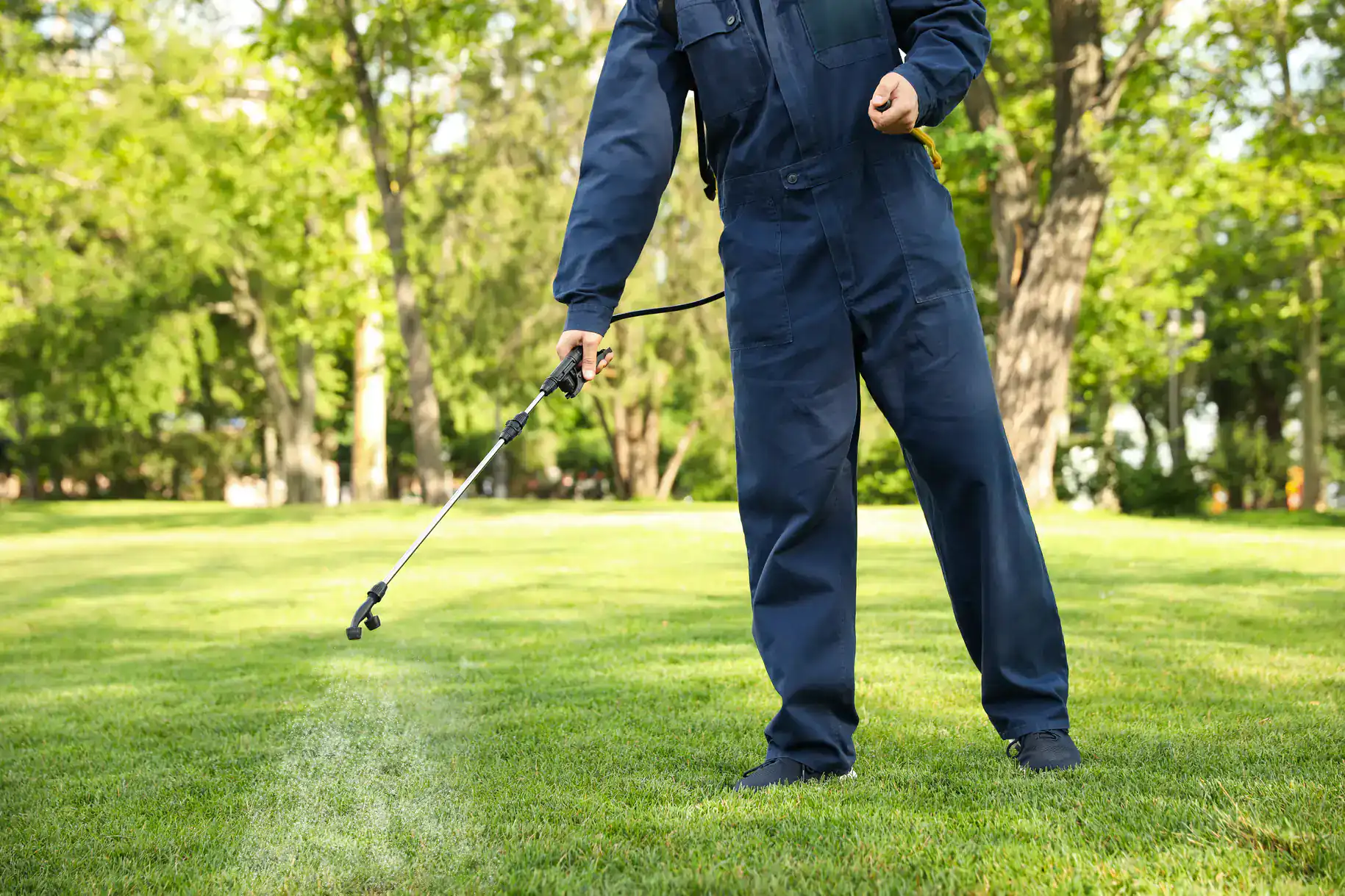
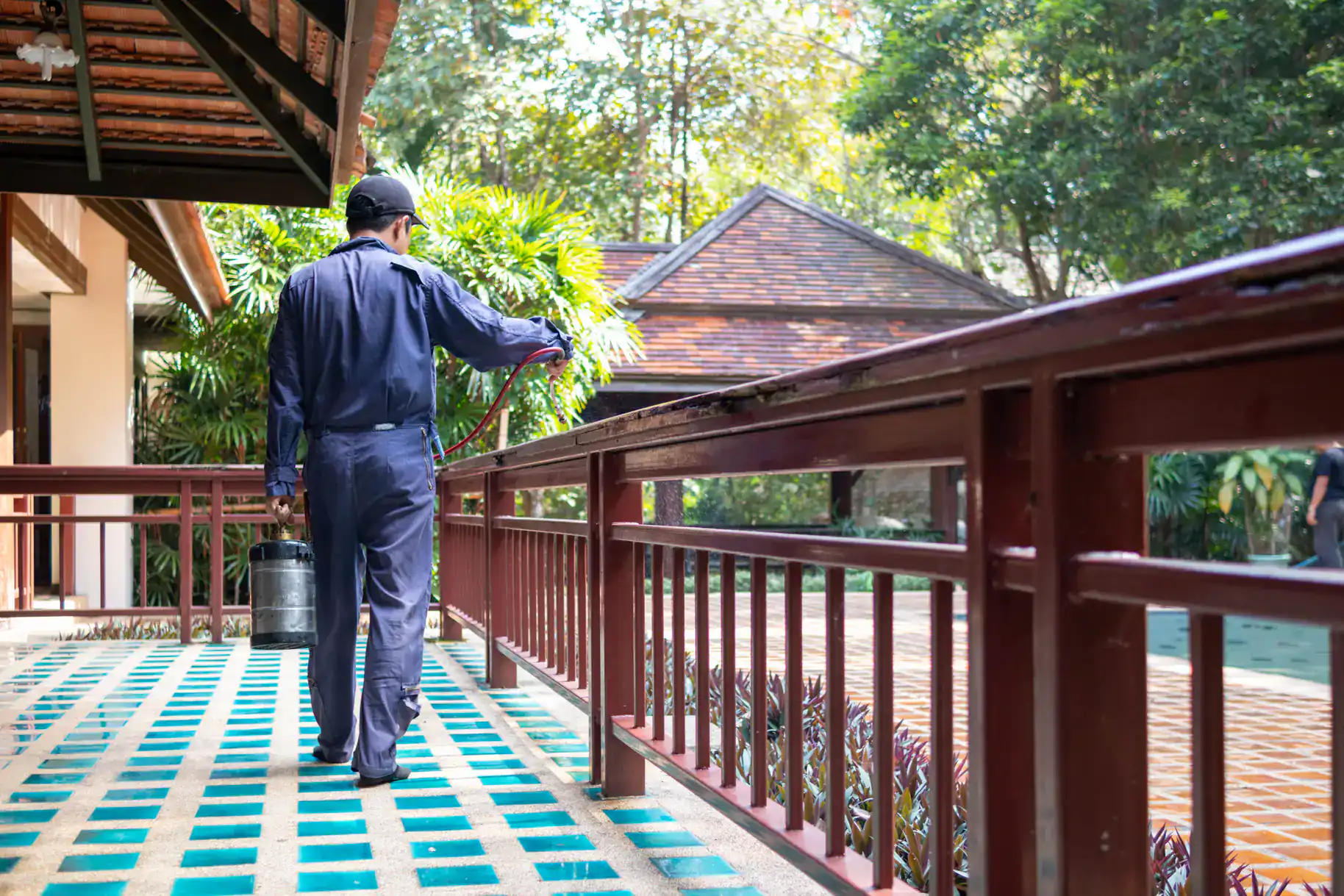
Treatment is performed using EPA-registered materials applied by a licensed applicator. Before anything is applied, you’ll know exactly what’s being used, where, and what you need to do to prepare including any steps for households with children or pets. Fall and winter are when Brooklyn sees the sharpest spike in rodent intrusions as temperatures drop, so if you’re calling during those months, timing works in your favor for getting ahead of a worsening problem.
Ready to get started?
We handle the full range of pest issues Brooklyn residents and property owners actually deal with not just the easy ones. That includes German cockroach infestations in multi-unit buildings, rodent control for homes in the NYC-designated Rat Mitigation Zone covering Bushwick, Bed-Stuy, and Prospect Heights, bed bug treatment using both heat and chemical methods, termite inspections and treatment for Brooklyn’s aging wooden building stock, and stinging insect removal, flea and mite treatment, and mosquito and tick control for properties near green space like Prospect Park or the wetlands along Jamaica Bay.
For home buyers and sellers in Brooklyn’s active real estate market where the median property value sits around $905,000 we also provide Wood-Destroying Insect (WDI) inspection reports required by FHA, VA, and conventional mortgage lenders. Only a licensed pest control professional can issue these, and having one ready can keep a closing on track.
If you’re a landlord or property manager in Brooklyn, NYC Health Code legally requires you to maintain pest-free conditions and engage a professional when needed. We work with building owners across Kings County to meet that requirement with documented, licensed service the kind that holds up if a 311 complaint triggers a Health Department inspection.

This is one of the most common frustrations in Brooklyn, and the answer almost always comes down to building structure. German cockroaches the small tan species you’re most likely seeing in your kitchen or bathroom don’t just live in your unit. They move through shared wall voids, under door gaps, and along plumbing chases that connect your apartment to neighboring units and common areas. If only your unit is treated, you’re removing part of the population while the rest continues to cycle back in from adjacent spaces.
Effective cockroach control in a Brooklyn multi-unit building requires treating the infestation as a building-level problem, not a single-unit problem. That means using rotating bait formulations and insect growth regulators in the harborage areas pests actually use inside wall voids, behind appliances, around plumbing penetrations not just spraying surfaces. It also means coordinating with building management or neighboring units where possible. A single visit that doesn’t address the building’s interconnected infrastructure is almost always a temporary fix at best.
One mouse is rarely just one mouse especially in Brooklyn’s row houses and brownstones, where rodents enter through foundation gaps, utility penetrations, and shared basement spaces that give them access to multiple units at once. If you’ve seen one, there’s a reasonable chance others are using the same entry points, even if you haven’t spotted them yet. Signs that the problem is more established include droppings in multiple locations, gnaw marks on food packaging or structural materials, and scratching sounds inside walls at night.
A licensed inspection is the only way to get a real answer. Our technicians will look at the actual entry points in your specific building not just where you saw activity and assess the scope of the infestation based on evidence, not guesswork. Brooklyn ZIP codes like 11238 (Prospect Heights) and 11216 (Crown Heights) have recorded the highest rodent complaint volumes in New York City, and the city formally designated parts of Brooklyn as a Rat Mitigation Zone in 2023. That context matters: in these neighborhoods especially, a rodent problem that looks minor on the surface often has more infrastructure behind it than it appears.
Yes when it’s done by a licensed applicator using EPA-registered materials applied according to label directions. The concern is legitimate and worth asking about directly, which is why we walk every customer through exactly what will be applied, where it will be applied, and what the preparation and re-entry requirements are for your specific household before any treatment begins. That includes specific guidance for homes with young children, pets, elderly family members, or anyone with respiratory sensitivities.
The materials used in a professional treatment are not the same as what you find in a hardware store spray can they’re selected for effectiveness at the target pest while minimizing unnecessary exposure to people and animals in the home. In Brooklyn’s dense apartment and brownstone environment, where treatments sometimes need to happen in shared building spaces as well as individual units, clear communication about what’s being used and when it’s safe to re-enter is a standard part of how we operate not an afterthought.
If you’re financing the purchase with an FHA or VA loan, a Wood-Destroying Insect inspection report is required by the lender and it can only be issued by a licensed pest control professional. Even for conventional financing, many lenders and real estate attorneys in Brooklyn request one as part of the transaction, particularly given the age of the borough’s housing stock. A brownstone or row house built in the early 1900s has decades of wooden structural elements floor joists, sills, subflooring that are susceptible to subterranean termite damage, especially in basement-level areas with moisture exposure from aging plumbing.
Getting a WDI inspection done early in the transaction process is almost always the right move in Brooklyn’s market. If an infestation or prior damage is found, you have time to address it before closing rather than scrambling at the last minute. We provide WDI inspection reports and clearance certificates for home buyers, sellers, real estate attorneys, and title companies throughout Kings County the complete, documented inspection that keeps your transaction moving.
There isn’t a bad time to call, but there are patterns worth knowing. Fall September through November is when Brooklyn sees the sharpest increase in rodent intrusions, as mice and rats move indoors ahead of dropping temperatures. If you’re in a row house or brownstone with any foundation gaps or utility penetrations, this is the window when those entry points get the most use. Getting an inspection and treatment done in early fall, before the full seasonal push begins, puts you ahead of the problem rather than reacting to it.
Spring is the critical window for termites subterranean termite swarmers emerge when soil temperatures rise, typically starting in March and peaking through May. Brooklyn’s aging brownstones and row houses with wooden structural elements are particularly vulnerable during this period. Bed bugs, on the other hand, have no seasonal cycle they’re active year-round wherever people are present, and Brooklyn’s high-turnover rental market and short-term rental density in neighborhoods like Williamsburg and Bed-Stuy means bed bug pressure stays consistent across all twelve months.
It depends on the pest, the severity, and the type of building and anyone who quotes you a firm number before seeing your specific situation is guessing. A one-time general pest treatment for a single-unit apartment is going to look very different from a building-coordinated cockroach program in a six-unit Crown Heights brownstone, or a heat treatment for bed bugs in a Williamsburg rental. The inspection is where the real pricing conversation happens, because that’s when the scope of the problem becomes clear.
What’s worth keeping in mind is that in Brooklyn’s dense, interconnected housing stock, delaying treatment almost always makes the problem and the cost larger. A rodent problem caught early, before it spreads to neighboring units or causes structural damage, is significantly less expensive to resolve than one that’s been active for months. We offer free inspections with no obligation, so you can get a clear picture of what you’re dealing with and what it will actually cost before you commit to anything.
Useful Links
Other Services we provide in Brooklyn