Hear from Our Customers
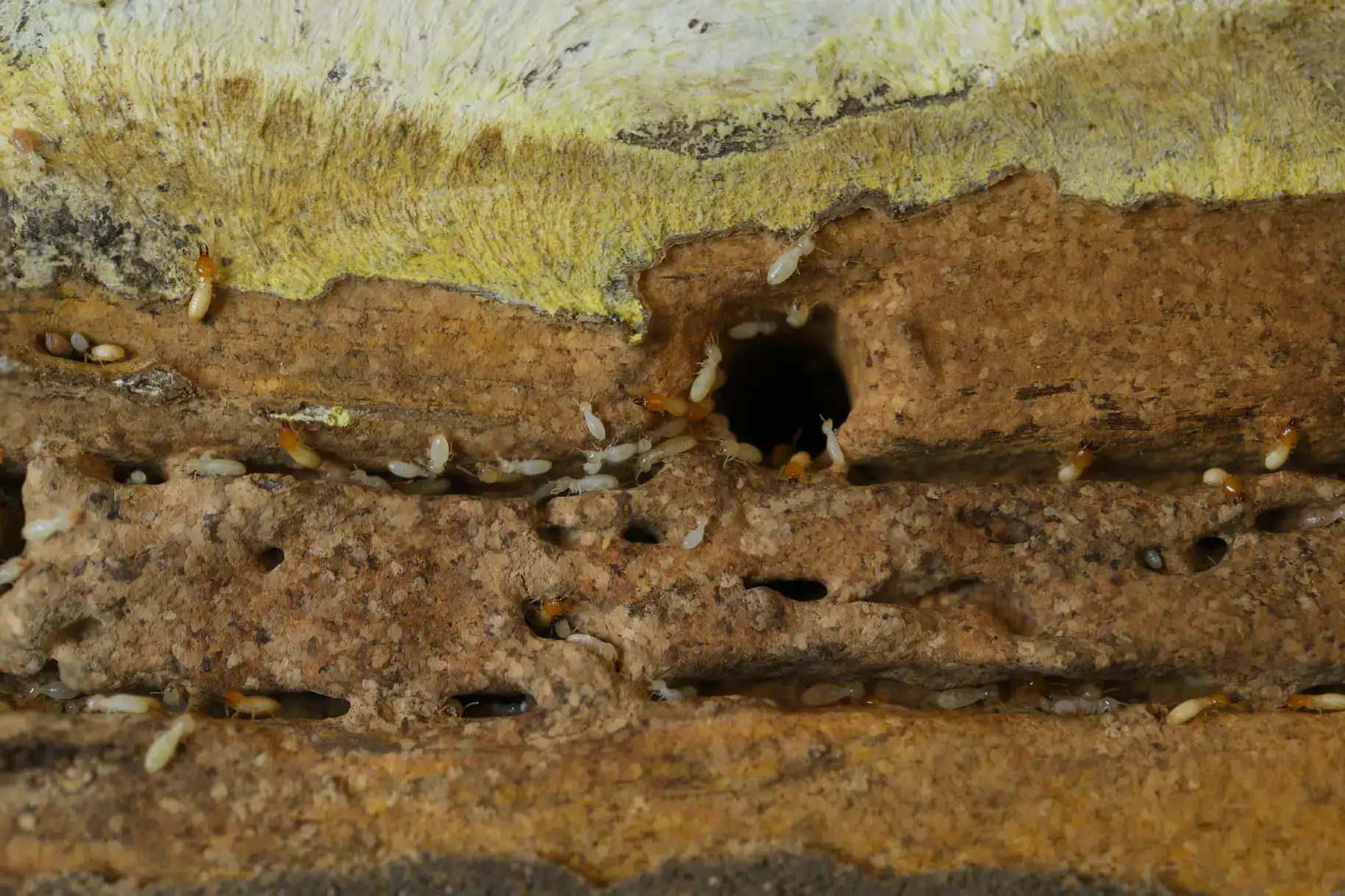
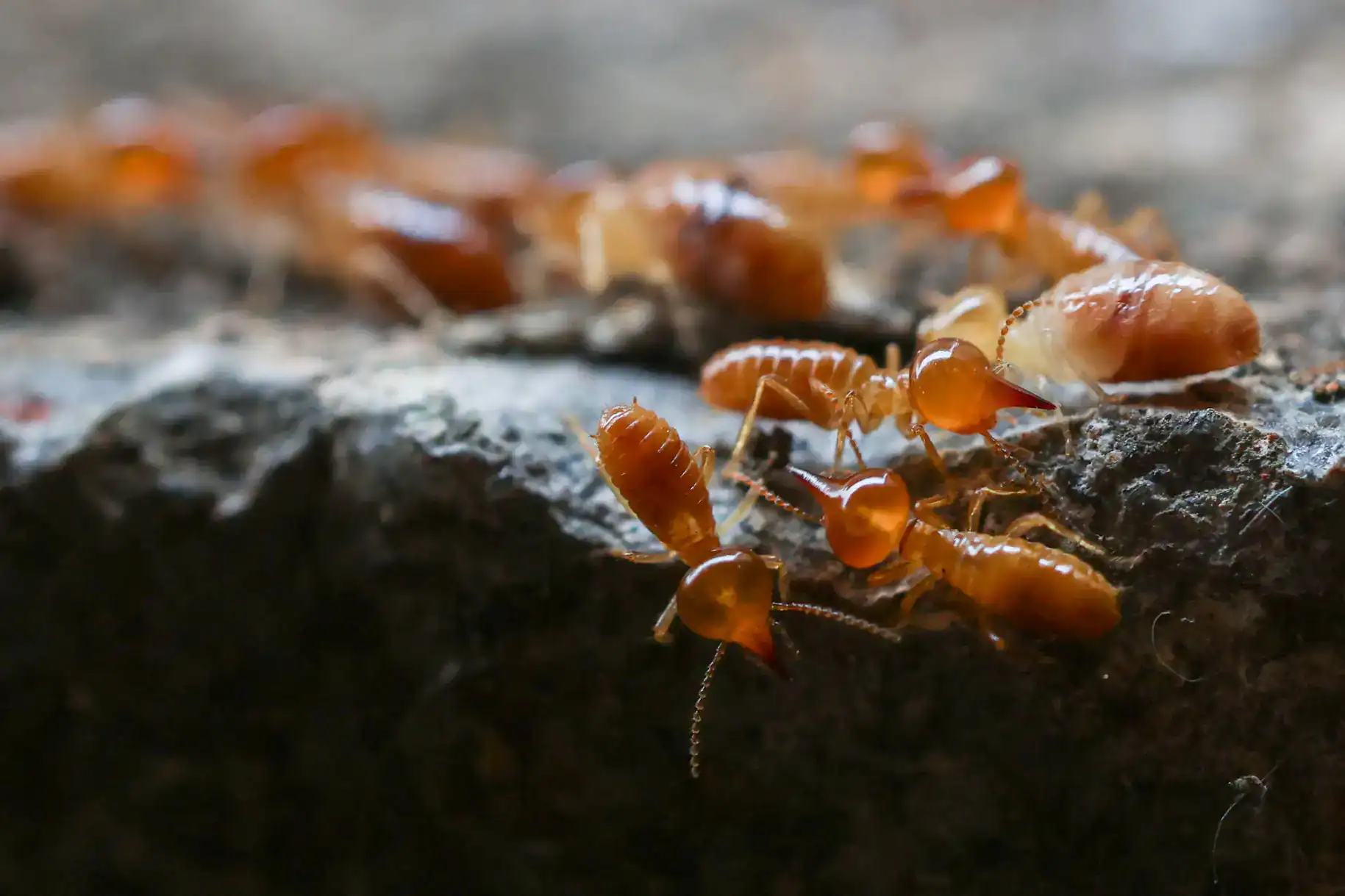
Brooklyn’s housing stock is some of the most termite-vulnerable in the country. Pre-war brownstones, century-old row houses, attached buildings sharing walls and foundations it’s an environment where a termite colony doesn’t just threaten your unit. It threatens your neighbor’s too. When we address the colony at its source rather than the surface symptoms, that lateral spread stops. The mud tubes, the hollow-sounding wood, the swarmers appearing near your windows every April those stop being your reality.
For brownstone owners in Park Slope, Crown Heights, or Bed-Stuy, the financial stakes are real. Most homeowner insurance policies don’t cover termite damage, which means every foot of compromised structural wood is coming out of your pocket. Proper termite treatment doesn’t just eliminate the infestation it protects the investment you’ve made in a property that, in many Brooklyn neighborhoods, is worth well over a million dollars.
And if you’re in the middle of a real estate transaction, the stakes are even more immediate. Lenders require Wood Destroying Organism reports before closing, and a missed or mishandled termite issue can collapse a deal. Getting the right inspection documented, credentialed, and fast is what keeps your timeline intact.
We’ve been headquartered at 2216 Flatbush Avenue in Brooklyn since 1976. That’s not a service area that’s home. Richard Kourbage Sr. built this company in Brooklyn, and his sons Richard Jr. and Charles run it today. When you call, you’re reaching people who have spent decades treating the specific building types that define Kings County brownstones, row houses, pre-war multi-families, and commercial blocks from Bay Ridge to Greenpoint.
Our team collectively brings over 100 years of combined pest control experience, and every technician is certified under New York State Department of Environmental Conservation requirements. We hold BBB A+ accreditation dating back to 1989 a track record you can verify independently, not just take our word for. That kind of longevity doesn’t happen by accident. It happens because we’re accountable to our community in a way that a national franchise never has to be.
It starts with a thorough termite inspection. One of our certified technicians comes to your Brooklyn property often same-day and does a full assessment of the structure. That means checking foundation contact points, subfloor areas, plumbing penetrations, and wall cavities where moisture tends to accumulate in older pre-war construction. In Brooklyn’s attached housing, we’re also evaluating how the infestation may be tracking laterally through shared walls or common foundation elements into neighboring units.
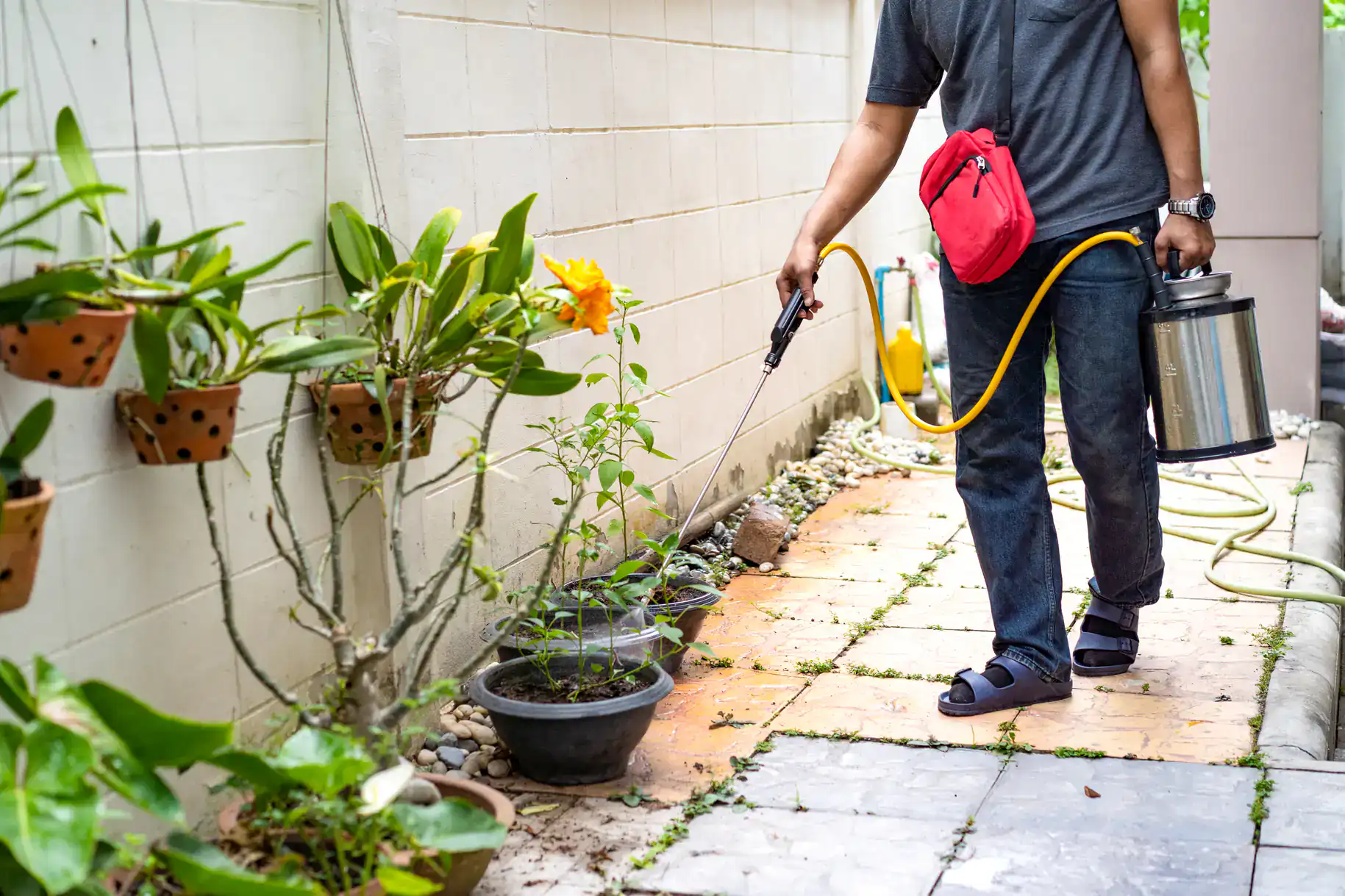
From there, you get a written treatment plan with specific methods outlined no verbal estimates, no vague assurances. The treatment approach depends on what we find. For active subterranean termite infestations, that typically means a liquid barrier treatment, a termite baiting system, or a combination of both. Baiting systems are particularly effective in Brooklyn’s row house environment because they target the colony underground rather than just the visible damage above it. Direct wood treatments using products like Bora-Care may also be used where structural wood is directly accessible.
Brooklyn’s peak termite swarm season runs from late March through May, when warm days following spring rain push Eastern Subterranean Termites to the surface. If you’re seeing swarmers near windows or door frames during that window, that’s your signal to act not wait. We answer the phone 24 hours a day and guarantee an appointment within two business days, with same-day inspections frequently available.
Ready to get started?
Termite control in Brooklyn isn’t one-size-fits-all, and we don’t treat it that way. Our service covers the full range of what Kings County properties actually need: termite inspections, subterranean termite eradication, termite baiting systems, direct wood treatment, and Wood Destroying Organism reports for real estate transactions. Carpenter ants and powder post beetles are treated under the same wood-destroying organism umbrella because in a pre-war Brooklyn brownstone, it’s rarely just one issue.
For property owners dealing with NYC Department of Health citations, we handle that too. Brooklyn’s thousands of restaurants, multi-family buildings, and commercial properties operate under DOHMH scrutiny, and a pest-related violation requires documented, licensed service to resolve. We provide the compliance records, license documentation, and service history that NYC inspectors require something most local exterminators don’t explicitly offer.
If you’re in a low-lying neighborhood like Red Hook, Canarsie, or Gerritsen Beach areas that sit in FEMA flood zones near Jamaica Bay moisture-related termite risk is elevated year-round, not just in spring. Flood-saturated wood is a primary termite attractant, and properties in these neighborhoods benefit from more frequent inspection cycles. Whether you own a single-family home in Marine Park, a brownstone in Bed-Stuy, or a multi-unit building in Flatbush, we build the treatment approach around what your specific Brooklyn property actually faces.
Yes and this is one of the most important things Brooklyn homeowners need to understand about termite infestations in attached housing. Eastern Subterranean Termites nest underground and access structures through foundation contact points, plumbing penetrations, and gaps as small as 1/32 of an inch. In a row of connected brownstones or row houses which is the dominant housing type across neighborhoods like Bed-Stuy, Carroll Gardens, and Williamsburg a colony can migrate laterally through shared walls, subfloor systems, and common foundation elements.
This means that even if your unit is treated, an untreated neighboring property can serve as a reinfection source. It also means that if your neighbor discovers termites, your building may already be at risk. The most effective treatments in Brooklyn’s attached housing environment are those that address the colony underground baiting systems and liquid barrier treatments rather than surface-level applications that only address what’s visible inside your walls. A thorough inspection that evaluates the full structural footprint, including shared elements, is the starting point for any real solution.
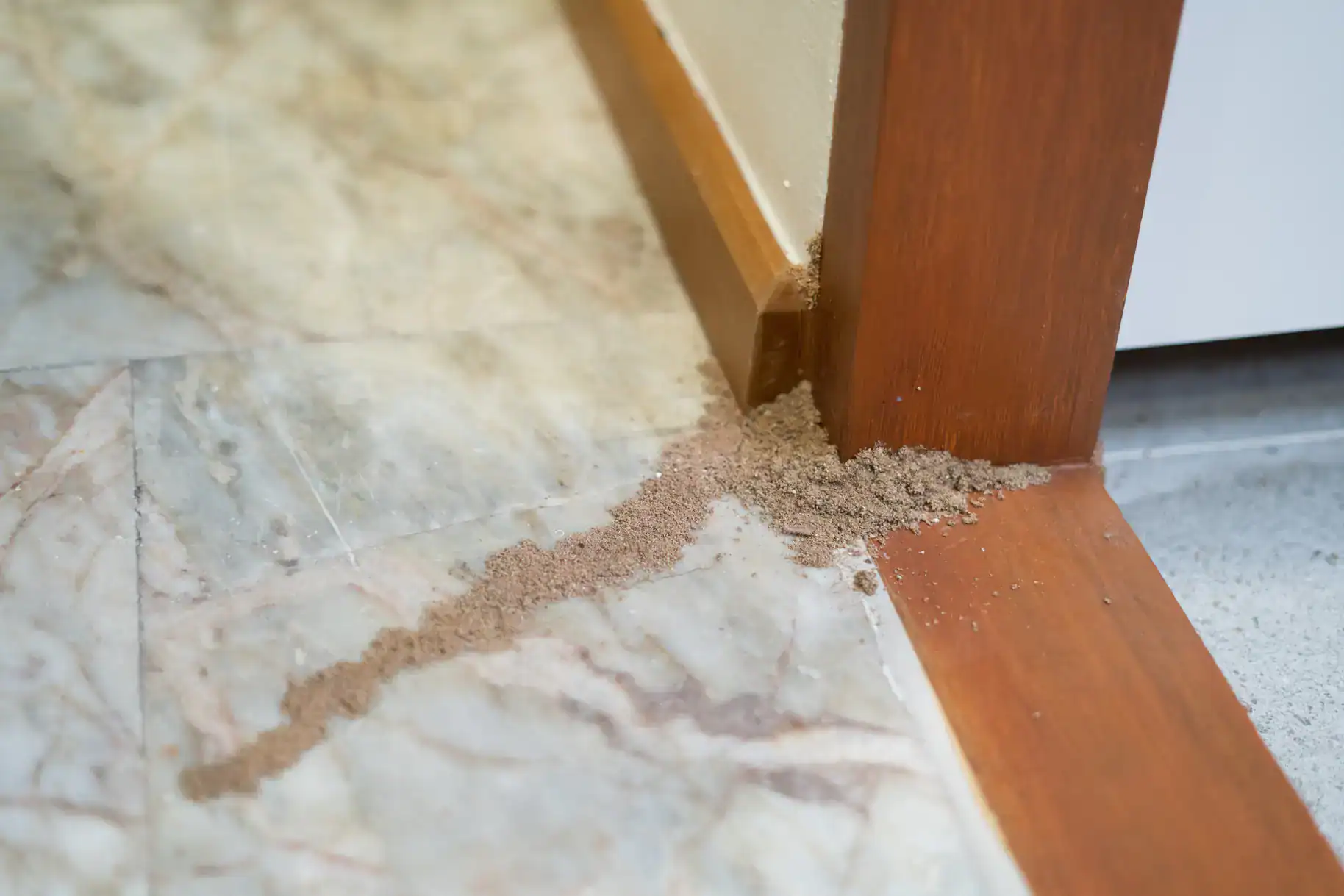
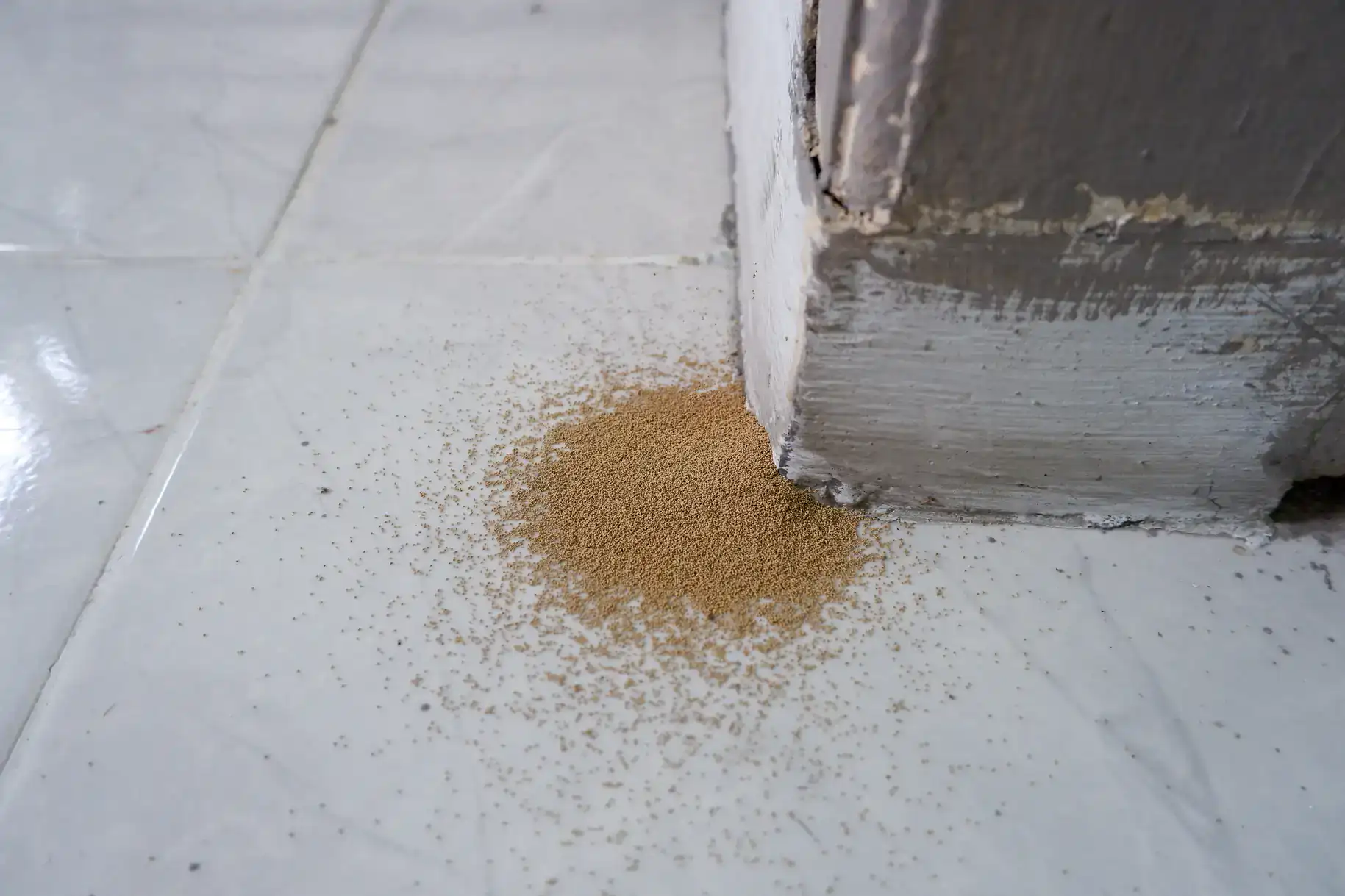
Most Brooklyn homeowners don’t find termites they find evidence of them, often long after the damage has started. The most common signs in pre-war brownstones and row houses include mud tubes running along foundation walls or basement joists, wood that sounds hollow when tapped, bubbling or uneven paint that mimics water damage, and small piles of what looks like fine sawdust near baseboards or window frames. In spring typically late March through May you may see swarmers: winged termites that emerge on warm, humid days following rain and are often mistaken for flying ants.
The tricky part in Brooklyn’s older building stock is that termite damage frequently hides behind finished surfaces. Walls, subfloors, and structural framing in pre-war construction can sustain significant damage before anything visible appears on the interior. Many homeowners in Brooklyn first discover termite activity during gut renovations tearing out a wall in a Crown Heights brownstone or replacing a subfloor in a Williamsburg row house and finding damage that’s been progressing for years. If you’re planning a renovation or have recently completed one and found anything suspicious, a professional termite inspection is worth doing before you close those walls back up.
The cost of termite treatment in Brooklyn depends on several factors: the size of the property, the severity of the infestation, the treatment method used, and the complexity of the building. In general, treatment for a Brooklyn brownstone or row house typically ranges from $1,500 to $5,000 or more. That range reflects the NYC premium for urban access, the complexity of older pre-war construction, and the fact that attached buildings sometimes require more extensive treatment to address shared structural elements.
What matters more than the upfront cost is understanding what you’re not paying for if you delay. Termites feed 24 hours a day, seven days a week. A colony of 250,000 a realistic size for a mature Eastern Subterranean Termite colony can consume 20 feet of structural 2×4 lumber in a single year. In a Brooklyn neighborhood where brownstones regularly sell for $1.5 million or more, structural damage can represent a 20% reduction in property value and homeowner’s insurance typically doesn’t cover it. The cost of treatment is almost always a fraction of the cost of repair. We provide free written estimates so you know exactly what you’re looking at before any commitment is made.
If you’re financing the purchase with an FHA or VA loan, a Wood Destroying Organism report is required before closing no exceptions. Conventional lenders increasingly request them as well, and Brooklyn real estate attorneys and co-op boards have made WDO reports a standard part of the transaction process, particularly for pre-war properties where termite risk is well understood. If you’re selling a brownstone in Park Slope or Brooklyn Heights and your buyer’s lender flags a termite requirement two weeks before closing, you need an inspection that’s fast, credentialed, and properly documented.
We provide WDO inspections with the documentation that lenders, attorneys, and co-op boards require. Our reports identify any evidence of wood-destroying organisms termites, carpenter ants, powder post beetles and document the findings in a format that satisfies standard mortgage requirements. With 24/7 phone availability and same-day inspections frequently available, we can work within the compressed timelines that Brooklyn real estate transactions often demand. If the inspection turns up an active infestation, we coordinate treatment and re-inspection quickly to keep your closing on track.
This is one of the most common questions Brooklyn families ask before scheduling treatment and it’s a fair one. Living in close quarters in a pre-war apartment or brownstone unit means that whatever gets applied in your home is in your family’s environment. We use only New York State Department of Environmental Conservation registered materials, applied by our certified technicians following EPA safety protocols. These aren’t experimental products they’re reviewed and approved by the state specifically for residential use.
Our treatments are targeted to the specific areas of infestation rather than broadcast throughout your living space. Before any work begins, your technician will walk you through exactly what’s being applied, where, and what precautions if any are needed for your household. In most cases, any preparation required is minimal and straightforward. If you have specific concerns about a child with sensitivities, a pet with health issues, or an immunocompromised family member, bring those up at the time of inspection. Our team will give you a direct, honest answer about what the treatment involves and what, if anything, you need to plan for.
It matters a lot, because the treatment for each is completely different. Every spring in Brooklyn, homeowners see winged insects emerging near windows, door frames, or from cracks in foundation walls and the two most common culprits are Eastern Subterranean Termite swarmers and carpenter ant reproductives. Visually, the key differences are in the wings and the body. Termites have two pairs of wings that are equal in length and a straight, uniform body with no visible waist. Carpenter ants have two pairs of wings where the front pair is noticeably larger, and they have a distinctly pinched waist.
Beyond the identification, the urgency level differs too. Termite swarmers are a direct signal that a mature colony is nearby swarmers only emerge from established colonies, which means the infestation has likely been active for several years before you ever saw a single swarmer. Carpenter ants, while also capable of causing structural damage in Brooklyn’s older wood-framed buildings, do not eat wood they excavate it for nesting. Both warrant professional attention, but the treatment approach is different. If you’re unsure what you’re seeing, one of our technicians can identify the species during a same-day inspection and give you a clear picture of what you’re actually dealing with before any decision is made.
Useful Links
Other Services we provide in Brooklyn