

Hear from Our Customers

You stop second-guessing every sound in the walls. You stop finding droppings near the basement utility area and wondering how bad it really is. When pest control is done right, you get your home back and that feeling is worth more than any treatment price tag.
College Point’s older housing stock plays a real role here. A home built in the 1940s or 1950s has decades of settling, aging pipe chases, and gaps around utility penetrations that a newer build simply doesn’t have. Those entry points are exactly where mice and cockroaches get in and where our experienced technicians know to look first, not last.
The Corporate Park on the southern end of the neighborhood adds a layer most College Point residents don’t think about until they’re dealing with it. Warehouses and distribution facilities sustain large rodent populations on their perimeters, and when temperatures drop in the fall, those rodents migrate. If your home sits near that industrial corridor, the pressure is structural it doesn’t go away on its own, and a box of traps from the hardware store isn’t going to hold the line.
We’ve been operating in the New York City metro area since 1971. That’s not a marketing line it means we’ve treated homes in College Point and every other Queens neighborhood through every season, every regulatory change, and every pest resistance shift the region has thrown at us. No identified competitor serving this area can match that track record.
We’re a family-owned business, licensed and registered with the New York State Department of Environmental Conservation. That registration isn’t automatic it requires passing category-specific exams, maintaining continuing education credits, and operating under state oversight. When you hire us, you’re hiring a company that’s accountable to more than just a Yelp review.
College Point residents know this neighborhood’s specific challenges the waterfront moisture, the industrial park pressure, the older homes with original plumbing and electrical runs that create pest highways. We know them too, because we’ve been here for five decades solving exactly these problems. Whether you’re on a residential block near Poppenhusen Avenue or closer to the waterfront at MacNeil Park, we understand what drives pest activity in your home.
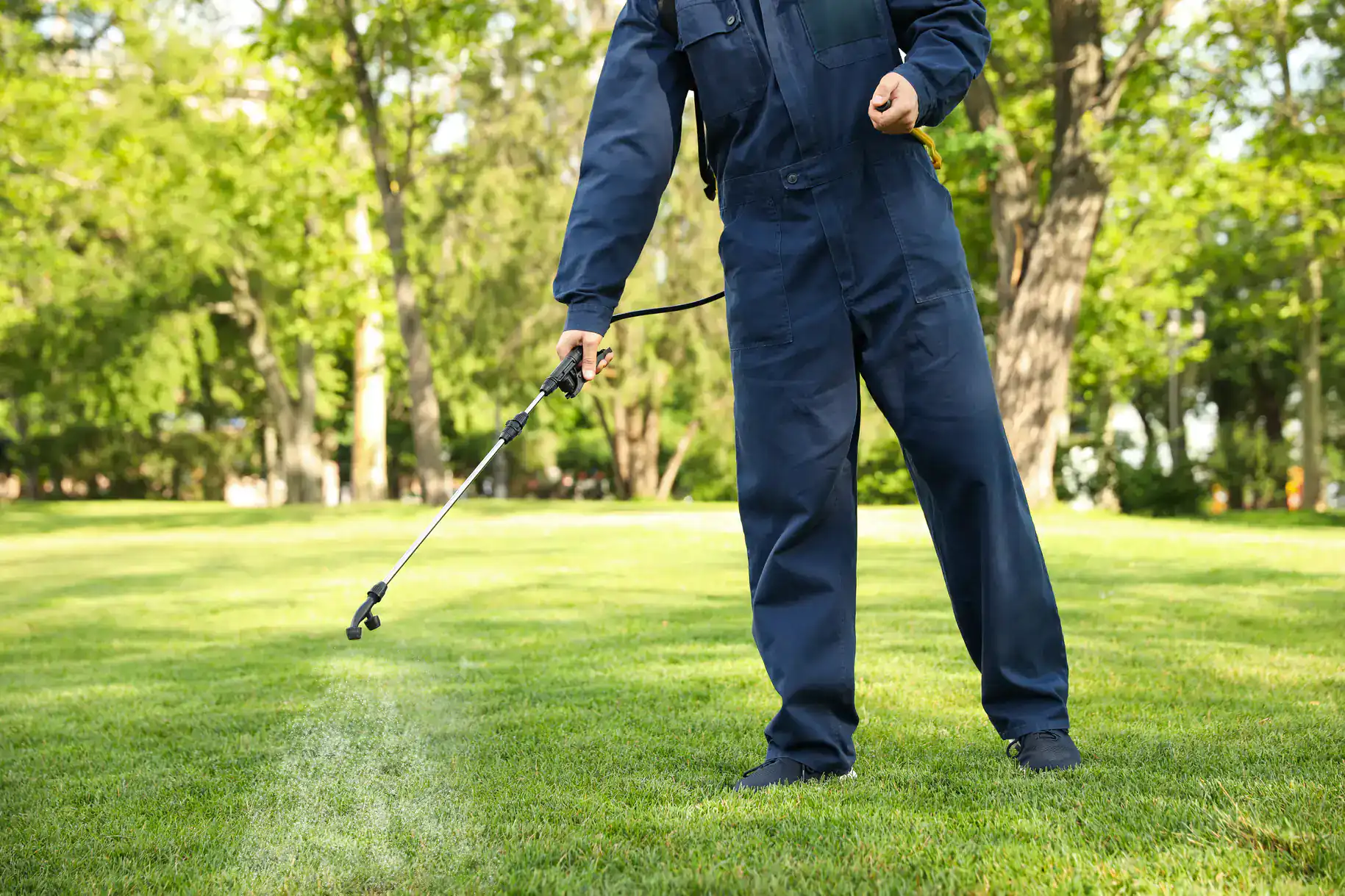
It starts with a free inspection. One of our licensed technicians comes to your home, walks the property, and looks at the places most homeowners never check foundation gaps, basement utility spaces, pipe chases, and the areas around exterior entry points. In College Point’s older homes, that inspection often turns up entry points that have been there for years without anyone noticing. We tell you what we find before we recommend anything.
From there, we put together a treatment plan based on what’s actually in your home not a one-size-fits-all package. If you’re dealing with rodents near the Corporate Park corridor, that’s a different protocol than a cockroach issue in a ground-floor kitchen or a bed bug situation in a second-floor bedroom. The treatment uses EPA-registered materials applied according to label directions, and we walk you through any preparation steps before we start what to move, how long to stay out, when it’s safe to bring pets back in.
Follow-up matters as much as the first visit. Pest pressure in College Point doesn’t disappear after one treatment, especially if you’re near the industrial park perimeter or dealing with moisture conditions from the waterfront side of the neighborhood. We schedule follow-up visits as part of the plan and stay in contact until the problem is resolved not just until the first treatment is done.
Ready to get started?
Rodent control is the most urgent call we get from College Point residents, and it makes sense given the neighborhood’s geography. The College Point Corporate Park home to over 200 businesses including warehouses and distribution operations generates the kind of food sources and harborage conditions that sustain rodent populations year-round. When fall arrives and temperatures drop, mice and rats move inward. We seal entry points, set targeted bait stations, and address the structural vulnerabilities that let them in not just the ones you can see.
Cockroach treatment is another high-demand service here, particularly in the older attached structures and ground-floor units where moisture from Flushing Bay and the East River shoreline keeps wall voids damp year-round. We also handle bed bugs both heat treatment and chemical treatment options depending on the situation as well as termite inspections and WDI reports for real estate transactions. With median home values around $700,000 in College Point, a termite clearance certificate for a mortgage closing isn’t a formality it’s a financial protection.
Seasonal services round out the picture. Mosquito and tick pressure near the waterfront parks MacNeil Park on the northwest tip, Powell’s Cove Park along the shoreline is real during the warmer months, and we offer targeted treatments for yards and outdoor spaces. Stinging insect removal, ant control for the older wood-frame homes in the neighborhood, and commercial pest management for businesses in the Corporate Park are all part of what we do. One call covers it.

The Corporate Park houses over 200 businesses warehouses, distribution facilities, light manufacturing operations, and food-adjacent companies. These types of operations generate the food sources and harborage conditions that sustain large rodent populations on their perimeters. Rats and mice don’t observe property lines.
When fall arrives and temperatures drop, rodents that have been living in and around those industrial properties start looking for warmth. Residential streets on the park’s southern fringe are the closest option. Homes with any gap in the foundation, an aging pipe chase, or an unsealed utility penetration become entry points. The problem isn’t random it’s predictable and seasonal, and it’s more pronounced in College Point than in purely residential Queens neighborhoods precisely because of that industrial adjacency. The solution isn’t just trapping it’s identifying and sealing every structural entry point so the next wave of rodents doesn’t follow the same path in.
One mouse or one cockroach is almost never actually one. By the time you see a pest in a living area, there’s usually an established population somewhere in the structure behind walls, in basement utility spaces, or in areas you don’t regularly access. The visible pest is the symptom, not the problem.
The clearest signs of an active infestation are droppings, gnaw marks, grease trails along baseboards, shed skins, or a musty odor in enclosed spaces. In College Point’s older homes many built before 1950 those signs often show up in basement utility areas, behind original lath-and-plaster walls, or near aging pipe runs that connect floors. A free inspection by a licensed technician will tell you definitively what you’re dealing with and how far it’s progressed. That’s a better starting point than guessing and it costs you nothing.
Every product we use is EPA-registered and applied strictly according to label directions. That’s not a vague reassurance it’s a legal and regulatory standard that licensed pest control operators in New York State are required to follow under NYSDEC registration requirements. We don’t use more product than the situation calls for, and we don’t apply anything in a way that creates unnecessary exposure risk.
Before any treatment, we walk you through exactly what preparation is needed what to move, which areas to keep clear, how long to stay out of treated spaces, and when it’s safe for kids and pets to return. For households with young children, elderly residents, or pets, we also explain our Integrated Pest Management approach, which prioritizes the least toxic, most targeted intervention appropriate for the specific pest and situation. If there’s a lower-risk option that will solve the problem, that’s what we recommend not the heaviest treatment available.
Three sides of College Point are surrounded by water Flushing Bay to the west, the East River to the north, and Powell’s Cove to the northeast. That waterfront exposure keeps moisture levels elevated around foundations and in the soil surrounding older homes, which directly affects pest activity in ways that inland Queens neighborhoods don’t experience to the same degree.
Moisture in wall voids and basement spaces creates ideal harborage conditions for cockroaches year-round not just in summer. It also contributes to the damp-wood conditions in older wood-frame homes that attract carpenter ants and, over time, termites. Homes that experienced basement flooding before the city’s infrastructure improvements were completed may have residual moisture conditions that are still attracting pests even after the flooding itself stopped. If your home had repeated water intrusion issues in recent years, a thorough inspection of the basement and lower-level wall voids is worth doing regardless of whether you’ve seen visible pest activity yet.
A termite inspection for a real estate transaction in New York State produces what’s called a WDI report a Wood-Destroying Insect inspection report. This document is required by most mortgage lenders, including FHA and VA loan programs, before a closing can proceed. Only a licensed pest control professional registered with the NYSDEC can legally issue this report in New York State.
The inspection covers the accessible areas of the structure foundation, basement, crawl spaces, attic if accessible, and any wood in contact with soil. In College Point, where a significant share of the housing stock was built before 1950, WDI inspections sometimes turn up evidence of past or active termite activity in original wood framing, floor joists, or basement sill plates that have never been treated. Finding that before the closing not after protects both the buyer and the transaction timeline. With home values in College Point averaging around $700,000, a clearance certificate isn’t a formality. It’s a real financial protection, and we can turn these reports around on a timeline that works with your closing schedule.
It depends on the pest and how established the infestation is, but for most residential situations in College Point, you should expect a treatment plan that spans two to four visits over several weeks not a single appointment and done. Pest control in older homes takes more time because the structural complexity gives pests more places to hide and more pathways to travel between spaces.
For rodents, the first visit addresses active entry points and sets targeted bait stations. Follow-up visits confirm that the population has been eliminated and check for any secondary entry points that weren’t visible on the first inspection. For cockroaches, gel bait treatments in older wall voids and cabinet spaces typically require a follow-up to assess activity levels and retreat if needed. Bed bugs are the most involved depending on the severity, treatment may require two visits with a waiting period between them. What we don’t do is declare the job done after one visit and leave you to figure out whether it worked. The follow-up is part of the plan, not an add-on.
Useful Links
Other Services we provide in College Point