
Hear from Our Customers
You stop waking up thinking about it. You stop checking the kitchen before you turn the light on. That’s what real pest control looks like not fewer sightings, not “we’ll check back in 30 days,” but actually gone.
In Corona, that’s harder to achieve than most companies will tell you. The neighborhood’s older housing stock pre-war buildings, attached row houses, aging plumbing gives cockroaches, mice, and other pests more places to hide and more ways to move between units than you’d find in newer construction. A treatment that only addresses what’s visible in your apartment isn’t a solution. It’s a delay.
Living along the eastern blocks near Flushing Meadows-Corona Park adds another layer. The park’s standing water features are documented mosquito breeding grounds, and wildlife from the park regularly moves into the surrounding residential streets. If your building sits near 111th Street or the park’s western edge, the pressure you’re dealing with isn’t just coming from inside it’s coming from outside too. Solving it means treating the full picture, not just what showed up on your kitchen floor last night.
We’ve been family-owned and operating in the New York City metro area since 1971. That’s not a marketing number it means we’ve spent over five decades treating the exact type of buildings that make up Corona: dense, multi-family, older construction where pests don’t stay in one unit and where a surface-level treatment rarely holds.
Brooklyn-based and built on NYC work, we bring that same experience directly to Corona. The attached row houses off Junction Boulevard, the apartment buildings near Corona Plaza, the older wood-frame homes in North Corona these aren’t unfamiliar territory. They’re the kind of buildings we’ve been working in since before most of our customers were born.
Every job is handled by our licensed, NYSDEC-registered technicians who know Queens County’s pest landscape including the termite risk in older wood structures that most Corona homeowners don’t think about until it’s too late. When you call, you get accountability, not a franchise ticket number.
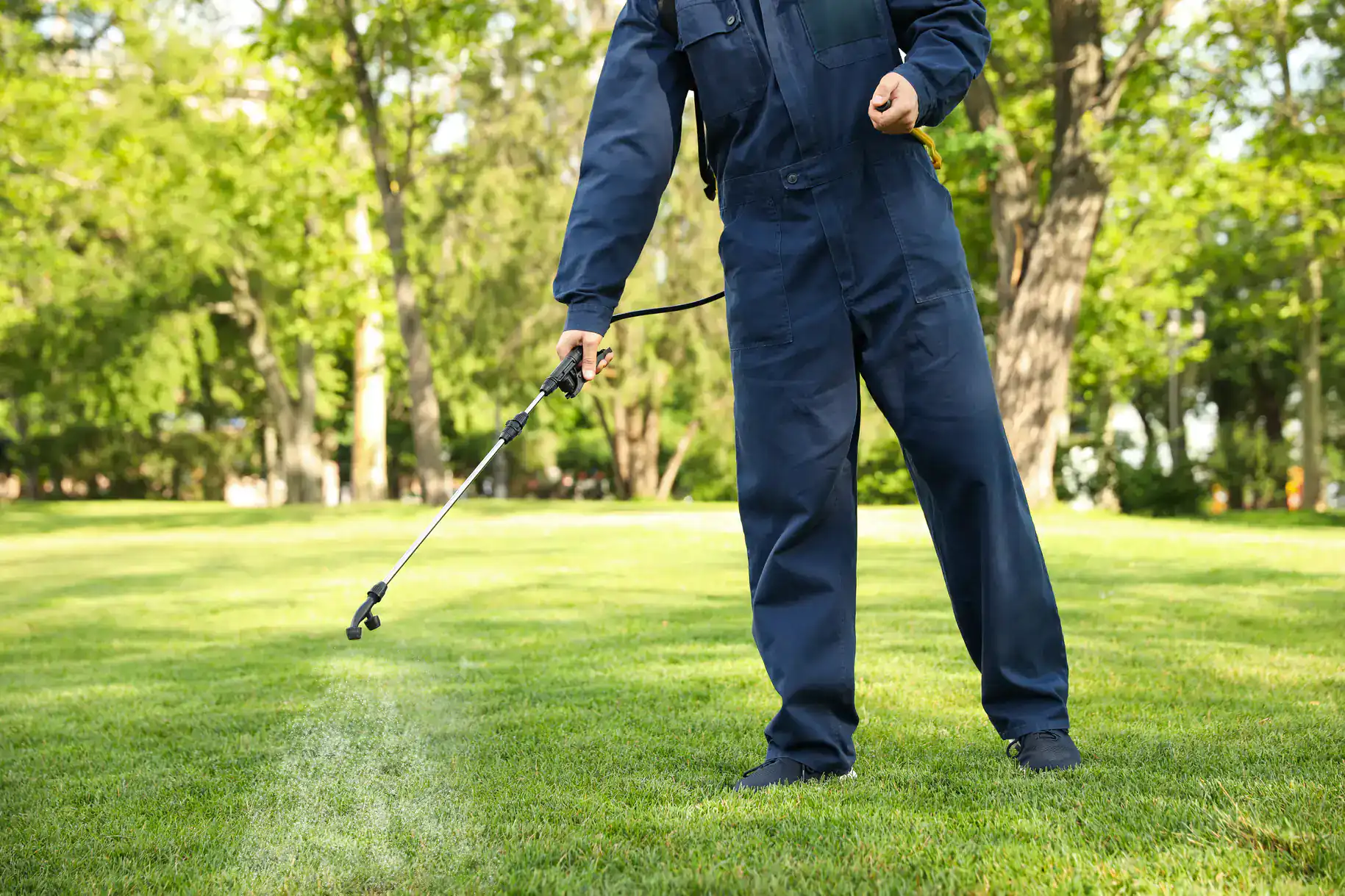
It starts with a free inspection. One of our licensed technicians comes to your home, walks the space, and actually looks behind appliances, inside wall voids, along baseboards, in the areas pests use to move through a building. In Corona’s older housing stock, that inspection often turns up more than the initial complaint. That’s not a sales tactic. It’s just what happens when you look carefully in buildings that have been standing for 80 or 100 years.
From there, you get a clear picture of what you’re dealing with and what treatment makes sense. We use Integrated Pest Management principles, which means the approach is targeted the right treatment for the specific pest and environment, using EPA-registered materials applied in ways that minimize exposure for the families and children living in the space. In a neighborhood where the average household has four or more people sharing a unit, that matters.
After treatment, you’ll know exactly what to expect: what was applied, how long to stay out if needed, and what follow-up looks like. If you’re in a multi-unit building and neighboring units are part of the problem which is common in Corona that gets addressed directly, not ignored. Seasonal timing matters too: spring is termite swarm season in Queens County, late summer is peak cockroach pressure, and fall is when mice start pushing indoors through the gaps in older foundations. We plan around all of it.
Ready to get started?
We handle the full range of pest problems that show up in Corona homes and buildings. Cockroach extermination including the German, American, and Pennsylvania wood cockroach species all documented in the 11368 ZIP code area is treated with a strategy that accounts for shared walls and building infrastructure, not just the unit in front of us. Bed bug treatment is available via both heat and chemical methods depending on the situation. Rodent control covers mice and rats, with entry point identification and exclusion work built into the process so the same gaps don’t keep letting them back in.
For homeowners and anyone involved in a real estate transaction in Corona, we issue WDI (Wood-Destroying Insect) inspection reports the termite clearance certificates required for FHA and VA mortgage closings. Queens County has a real subterranean termite population, and Corona’s older wood-frame homes are among the most vulnerable. Most people don’t find out until a transaction surfaces it. Getting ahead of it is always the better outcome.
Our full service menu also includes mosquito and tick control for properties near Flushing Meadows-Corona Park, wasp and stinging insect removal, flea and mite treatment, wildlife removal, and commercial pest control for businesses along Roosevelt Avenue and the surrounding corridors. If you’re a landlord managing an HPD cockroach or rodent violation classified as a Class C immediately hazardous condition under NYC’s Housing Maintenance Code our licensed documentation satisfies compliance requirements. One company, every pest, fully covered.
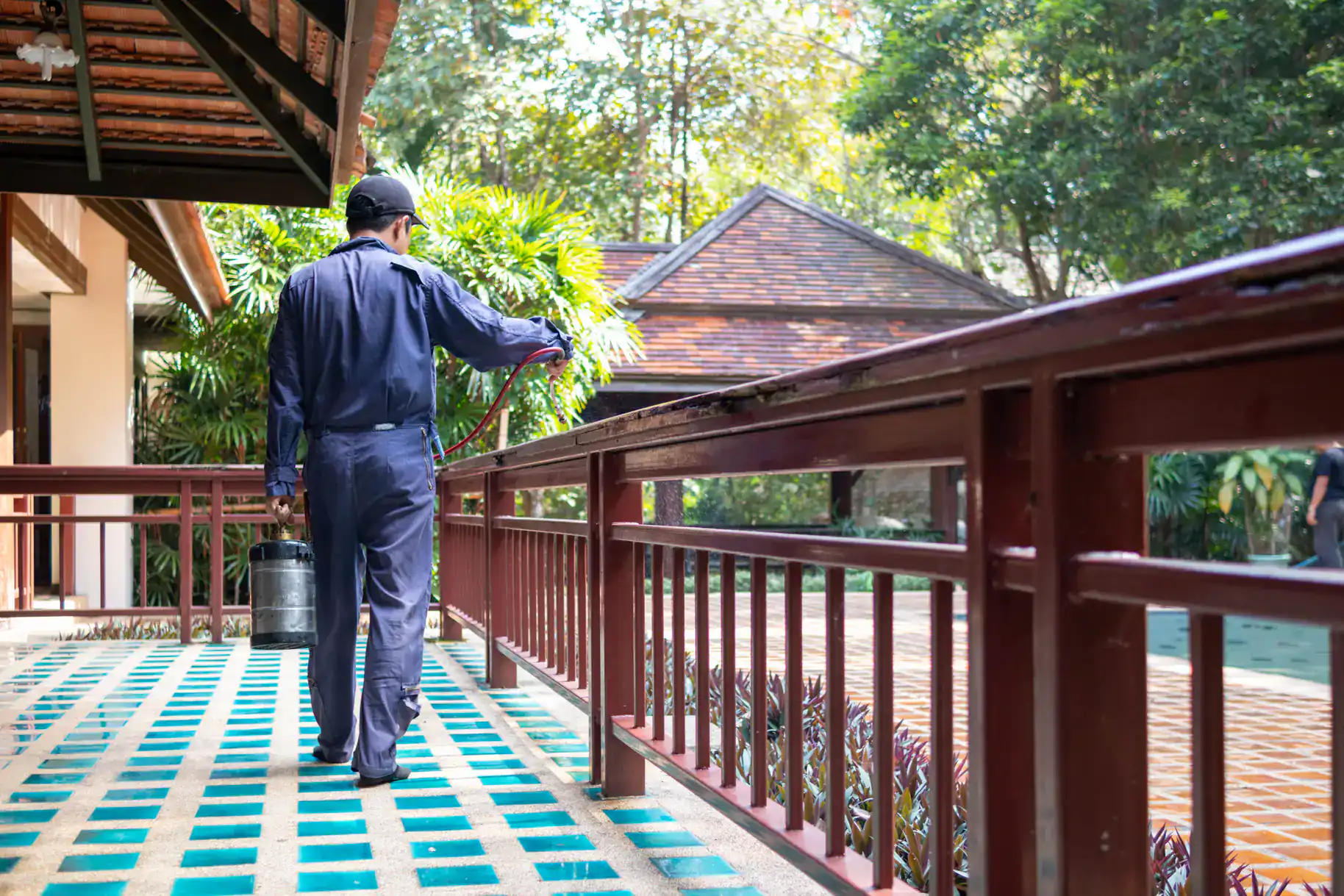
This is the most common frustration in Corona’s multi-family buildings, and the answer is almost always the same: the source wasn’t fully addressed. Cockroaches in attached row houses and apartment buildings don’t live in one unit they move through shared wall voids, plumbing chases, and building infrastructure. If a neighboring unit, a shared basement, or a building’s mechanical spaces weren’t treated as part of the job, the population simply relocates and rebuilds.
German cockroaches in particular are fast breeders. A visible infestation in your kitchen is often the surface expression of a much larger population living inside the walls. Effective treatment in Corona means inspecting and treating the harborage areas not just spraying surfaces and coordinating with building management when neighboring units are involved. Our approach accounts for how pests actually move through the type of buildings that define this neighborhood, which is why the results hold longer than a single-apartment spray-and-leave.
Under New York City’s Housing Maintenance Code, your landlord is legally required to maintain your building free of pests. A cockroach infestation is classified as a Class C violation immediately hazardous which means the landlord is required to respond within 24 hours of a complaint. Bed bug infestations carry similar legal obligations. If your landlord is ignoring the problem, you can file a complaint through 311 and HPD will send an inspector to assess the situation. If a violation is confirmed, the landlord receives a notice requiring licensed exterminator treatment and documentation.
The city process works, but it takes time. Many Corona tenants call a private, licensed exterminator directly because it’s faster and gives them more control over the outcome. Our NYSDEC-licensed technicians can also provide the documented treatment records that satisfy HPD compliance requirements which means if your landlord later needs to show proof of professional treatment to clear a violation, that paperwork exists. Knowing your rights and having a licensed company in your corner gives you real leverage in this process.
It’s a fair question, and it’s one that matters more in a dense neighborhood like Corona than in a suburban house with more square footage and ventilation. The short answer is yes when it’s done correctly. We use EPA-registered pesticides applied according to label directions, and our Integrated Pest Management approach means the least toxic effective treatment is used for each specific situation. You won’t get a blanket spray of everything just because it’s faster.
Before treatment, you’ll receive clear preparation instructions what to move, where to be, and how long to stay out of treated areas if any re-entry time applies. For most treatments in residential apartments, re-entry times are short and the products used are selected specifically for indoor residential use around families. If anyone in your household has respiratory sensitivities, allergies, or specific health concerns, let the technician know during the inspection. That information shapes which products and application methods are used. The goal is to solve the pest problem without creating a new one and that’s a standard we’ve held across NYC homes for over 50 years.
If you’re financing the purchase with an FHA or VA loan which is common in Corona’s working-class homebuyer market a Wood-Destroying Insect (WDI) inspection report is typically required by the lender before closing. Even for conventional loans, many buyers request one as part of due diligence, and sellers in Queens are increasingly expected to provide it. Only a licensed pest control professional can issue a WDI report in New York State, so this isn’t something a home inspector covers on their own.
Queens County has a documented subterranean termite population, and Corona’s older housing stock including century-old wood-frame row houses and attached homes is particularly vulnerable. Termites cause structural damage silently over years, and many homeowners have no idea until a transaction or a renovation surfaces it. Getting a WDI inspection before you list or before you close gives you a clear picture of what you’re dealing with and time to address it without the pressure of a closing deadline. We’re licensed to issue WDI reports and can typically schedule inspections on a timeline that works with your transaction.
For residents along the eastern blocks of Corona particularly near 111th Street and the streets bordering the park mosquito pressure is genuinely elevated compared to most Queens neighborhoods. Flushing Meadows-Corona Park covers nearly 900 acres and includes Meadow Lake and Willow Lake, both of which are documented mosquito breeding sites. Aedes mosquitoes are confirmed common in the area, and the season runs from late April through September. In 2024, NYC Health conducted aerial mosquito spraying in Queens specifically in response to a surge in West Nile Virus cases which tells you this isn’t just a nuisance issue.
Yes, it can be treated. Exterior barrier treatments applied to vegetation, fence lines, and shaded areas around your property significantly reduce the adult mosquito population resting near your home. For properties with standing water birdbaths, clogged gutters, planters that collect rainwater source reduction is part of the process too. We offer mosquito and tick control treatments timed to the season, with the first application typically in late April and follow-up treatments through the summer. If your yard or building exterior backs up to the park or sits on one of the adjacent residential blocks, a seasonal treatment program makes a real difference.
It depends on the pest, the severity, and the size of the space but here’s a realistic range. A standard cockroach or ant treatment for a Corona apartment typically falls in the $150–$300 range for an initial treatment. Bed bug treatment varies more widely based on the method: chemical treatments for a one-bedroom unit generally run $300–$500, while heat treatments which are more thorough and often preferred for severe infestations can range from $1,000–$2,500 depending on the size of the space. Rodent control programs, which include inspection, treatment, and exclusion work, typically start around $200–$400 for a residential unit.
We offer a free inspection, which means you know exactly what you’re dealing with before any money changes hands. That’s not a small thing in a neighborhood like Corona, where a lot of residents have already spent money on treatments that didn’t hold. The inspection gives you a real diagnosis, a clear treatment recommendation, and a straight answer on cost so you can make an informed decision. For landlords managing multiple units or dealing with an HPD violation, ask about multi-unit pricing. The cost of doing it right once is almost always less than the cost of doing it wrong twice.
Useful Links
Other Services we provide in Corona