Hear from Our Customers
If you’ve had a cockroach or rodent problem treated before and watched it come back within a few weeks, you already know the frustrating truth about pest control in Jackson Heights apartment buildings a single-unit treatment almost never holds. The German cockroaches living in your kitchen wall aren’t just yours. They’re moving through shared plumbing chases and wall voids that connect your unit to the one next door and the one below. Until that building-level dynamic gets addressed, the problem keeps cycling back.
That’s the reality of living in the 1920s cooperative garden apartment buildings that define this neighborhood. The same architectural detail that earned Jackson Heights its historic district designation the interconnected building design, the shared basement systems, the internal courtyards also creates the exact conditions that sustain pest populations across entire floors. Treating the symptom in one unit while leaving the source untouched isn’t pest control. It’s a temporary inconvenience for the pests.
What actually changes after a thorough, properly coordinated treatment is straightforward: you stop finding cockroaches in your kitchen at 2 a.m. You stop hearing mice in the walls when the temperature drops in October. You stop waking up with bites and wondering if it’s bed bugs again. That’s the outcome not a certificate on a wall, just a home that functions the way it should.
We’ve been operating in New York City since 1971. That’s more than five decades of treating the exact building types that define Jackson Heights pre-war elevator buildings, shared-wall co-ops, basement laundry systems, aging plumbing infrastructure, and all the pest dynamics that come with them. This isn’t a national franchise learning your neighborhood from a manual. We’re a family-owned Brooklyn company that has been inside buildings like yours for generations.
The pest pressure along Roosevelt Avenue, the rodent activity that spills out from the 74th Street food corridor into adjacent residential blocks, the bed bug risk that comes with the neighborhood’s high occupant turnover near the transit hub none of that is new to us. We’re licensed by the New York State DEC, fully insured, and the same team that picks up your call is the team that shows up.
Every technician working under the Kingsway name carries category-specific state certifications. That matters in Queens County, where the housing stock is old, the buildings are dense, and cutting corners on a treatment creates problems that outlast the warranty on a cheaper job.
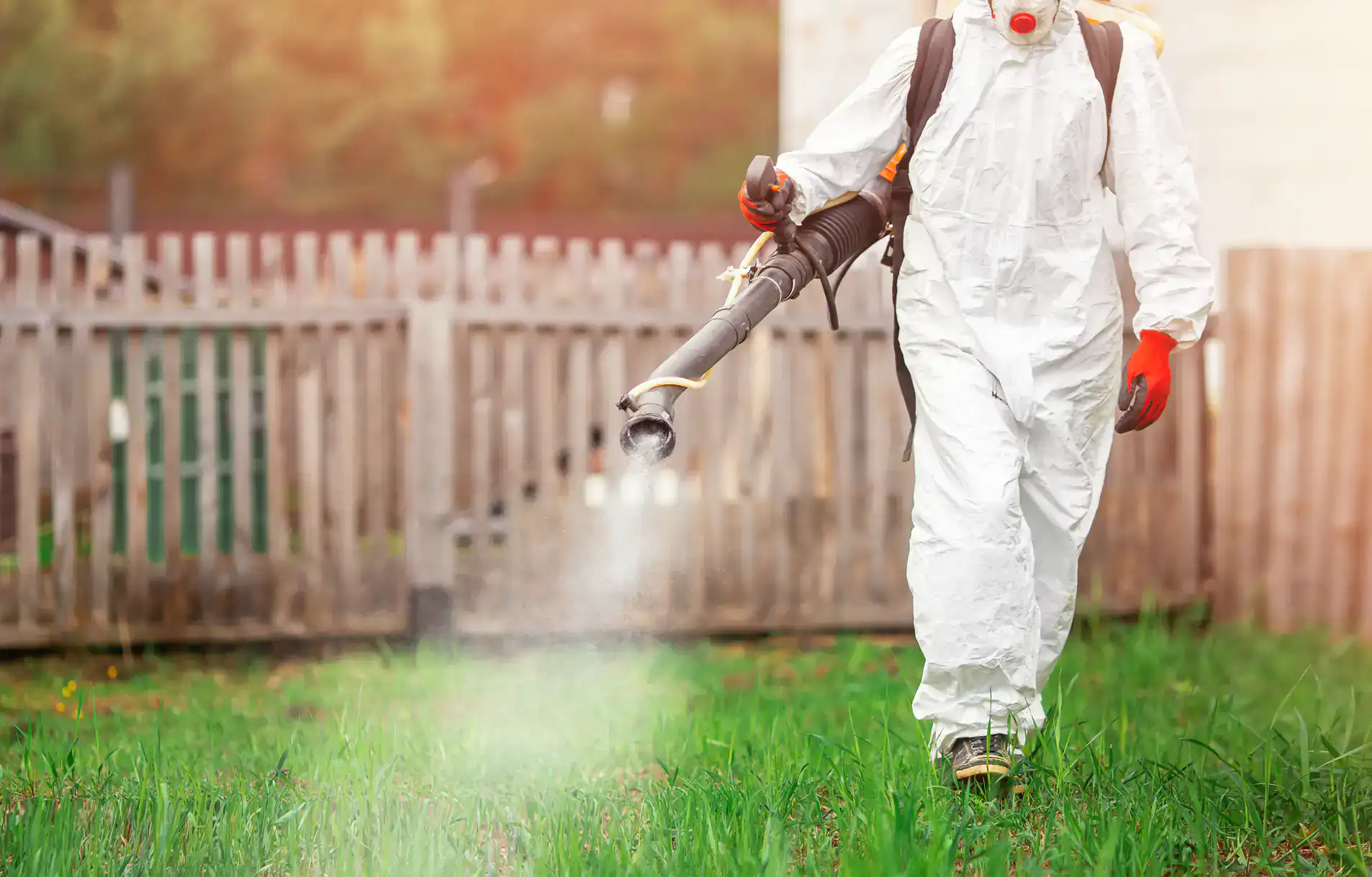
It starts with a free inspection no charge, no obligation. A licensed Kingsway technician comes to your unit, walks through the space, identifies what you’re dealing with, where it’s coming from, and whether the source is inside your unit or somewhere else in the building. In Jackson Heights, that last part matters more than most people realize. A cockroach problem originating in a shared basement or a neighboring unit requires a completely different approach than one that started in your kitchen.
Once the inspection is done, you get a clear picture of the treatment plan what’s being used, how it works, how long you’ll need to be out of the space if at all, and what to expect in the days following. For families with children or elderly residents in the building, we go through the safety specifics directly. Nothing gets applied until you understand what’s happening and why.
After treatment, we don’t just disappear. Follow-up is built into the process because in a building as dense as a Jackson Heights co-op, one visit often isn’t enough to confirm the infestation has been fully addressed. If something comes back within the service window, we come back too. The goal isn’t a completed invoice it’s a problem that stays solved.
Ready to get started?
The pest pressure in Jackson Heights isn’t one-dimensional. The food-service density along 74th Street and 37th Avenue drives Norway rat populations into adjacent residential blocks year-round. The neighborhood’s aging sewer infrastructure beneath streets that were laid in the 1920s creates harborage that sustains rodent activity even when individual buildings are treated. Fall is the most critical window when temperatures drop, mice and rats push hard into the building envelope through gaps in foundations that were never designed to modern exclusion standards.
Cockroach control in Jackson Heights almost always involves German cockroaches, which thrive in the warm, humid kitchen and bathroom environments of pre-war buildings and spread fast through shared wall voids. Bed bug treatment is a consistent service need here too, particularly in furnished rentals near the Jackson Heights–Roosevelt Avenue/74th Street transit hub, where high foot traffic and occupant turnover create ongoing introduction risk. We offer both heat and chemical treatment options, which matters in older buildings where heat treatment logistics require careful coordination.
Beyond those, we handle ants, termites, stinging insects, fleas, ticks, and mosquitoes the full range of what Queens County residents encounter through the seasons. If you’re buying or selling a co-op in the historic district, we also provide Wood-Destroying Insect inspection reports that satisfy FHA, VA, and conventional lender requirements. One company, every pest, fully licensed.
This is the most common frustration we hear from residents in Jackson Heights, and the answer almost always comes back to the same thing: the building wasn’t treated, only the unit. In a pre-war cooperative apartment building the kind that defines the Jackson Heights Historic District cockroaches move freely through shared plumbing chases, wall voids, and basement systems that connect dozens of units. Treating your kitchen without addressing what’s happening in the adjacent units or the shared basement is like bailing water without plugging the leak.
The other factor is treatment type. Over-the-counter sprays and foggers scatter cockroaches rather than eliminating colonies. They push the population deeper into the wall void, where they wait until the residue breaks down, then re-emerge. A properly applied professional treatment uses baits and targeted residuals that work with cockroach behavior rather than against it and it accounts for the building-level dynamics that make Jackson Heights apartments such a persistent challenge. If the problem keeps coming back, the treatment strategy needs to change, not just the product.
The most reliable way to confirm bed bugs is a physical inspection of your mattress seams, box spring, bed frame joints, and the baseboards near your bed. Bed bugs leave specific signs: small rust-colored stains on fabric, tiny shed skins, and the insects themselves which are flat, oval, and about the size of an apple seed when unfed. Bites alone aren’t a reliable indicator because reactions vary widely from person to person, and other insects like fleas or mites can produce similar-looking marks.
In Jackson Heights, bed bug introductions happen frequently in furnished rentals and buildings with high occupant turnover, particularly near the 74th Street transit hub. If you’ve recently moved, acquired used furniture, or had guests staying over, those are the most common introduction points. The faster you get a professional inspection, the better bed bug populations grow quickly in a dense apartment building, and what starts in one unit can spread to adjacent units within weeks through shared wall voids and electrical conduit pathways. A free inspection from a licensed exterminator will give you a definitive answer without guessing.
This is a completely reasonable concern, and it’s one we address directly before any treatment begins. The products we use are regulated by the NYSDEC and applied at concentrations that are specifically formulated for occupied residential environments they’re not the same as agricultural or industrial applications. That said, standard protocol for most treatments involves vacating the treated space for a defined period, typically two to four hours, and keeping children and pets away from treated surfaces until they’re fully dry.
In Jackson Heights, where apartments are often shared by multiple generations and where families may have elderly residents or young children at home, we go through the safety specifics in plain language before anything gets applied. If there are particular health concerns respiratory conditions, allergies, or sensitivities to specific chemical classes tell us before the inspection and we’ll factor that into the treatment plan. There are alternative application methods and products available that minimize exposure risk without compromising effectiveness, and we’ll walk you through the options rather than applying a one-size-fits-all approach.
Fall is the most critical period typically September through November when temperatures start dropping and mice and rats actively push into building interiors seeking warmth. In Jackson Heights, this pressure is compounded by the neighborhood’s food-service density. The restaurant and food retail corridors along 74th Street, 37th Avenue, and Roosevelt Avenue generate substantial food waste year-round, which sustains large outdoor rodent populations. When those populations feel the cold, they move toward buildings and the aging foundations of Jackson Heights’ 1920s-era apartment buildings offer more entry points than most residents realize.
That said, rodent activity in this neighborhood doesn’t fully stop in winter. Heated apartment buildings maintain conditions that support year-round activity indoors once rodents have established entry. The practical implication is that fall is the best time to invest in exclusion work sealing gaps in the building envelope, addressing utility penetrations, and treating active harborage before populations move fully indoors. Waiting until you see a mouse in your kitchen in January means the problem has already been established for weeks. If you’re in a building near the commercial corridors, fall prevention is worth taking seriously every year.
It depends on where the infestation is originating. Under New York City’s Housing Maintenance Code, landlords and co-op boards are legally responsible for maintaining buildings free of pests in common areas and for responding to tenant pest complaints. If the source of your problem is in a shared basement, a common wall void, or a neighboring unit, building management needs to be involved because treating your unit alone won’t resolve an infestation that’s entering from a shared space.
For residents of Jackson Heights’ cooperative apartment buildings, this is a practical reality of co-op living. The co-op board bears collective responsibility for the building envelope and common areas, which means a coordinated building-wide treatment program is often more effective and more cost-efficient than multiple individual unit treatments that keep failing. We have experience working directly with building management, co-op boards, and property managers in multi-family NYC buildings. If you need help communicating the scope of the problem to your building’s management, we can walk through what the inspection found and what a building-level response would involve.
The cost depends on what pest you’re dealing with, the size of your space, and the severity of the infestation. A standard cockroach or ant treatment for a one- or two-bedroom apartment in Jackson Heights typically runs in the range of $150 to $300 for an initial treatment. Rodent control which often involves both treatment and exclusion work to seal entry points generally runs higher, from $200 to $500 depending on the extent of the problem and how much exclusion work the building requires. Bed bug treatment is the most variable: chemical treatments for a single unit typically start around $300 to $500, while heat treatment for a larger space can run $1,000 to $2,000 or more.
The free inspection we offer before any paid service exists precisely so you’re not guessing at cost. You find out exactly what you’re dealing with, where it’s coming from, and what the treatment will involve before any money changes hands. In a neighborhood like Jackson Heights, where residents have often been burned by service providers who charged for a visit and delivered nothing lasting, that transparency matters. There are no surprise charges after the fact the price you’re quoted after the inspection is the price you pay.
Useful Links
Other Services we provide in Jackson Heights