Hear from Our Customers
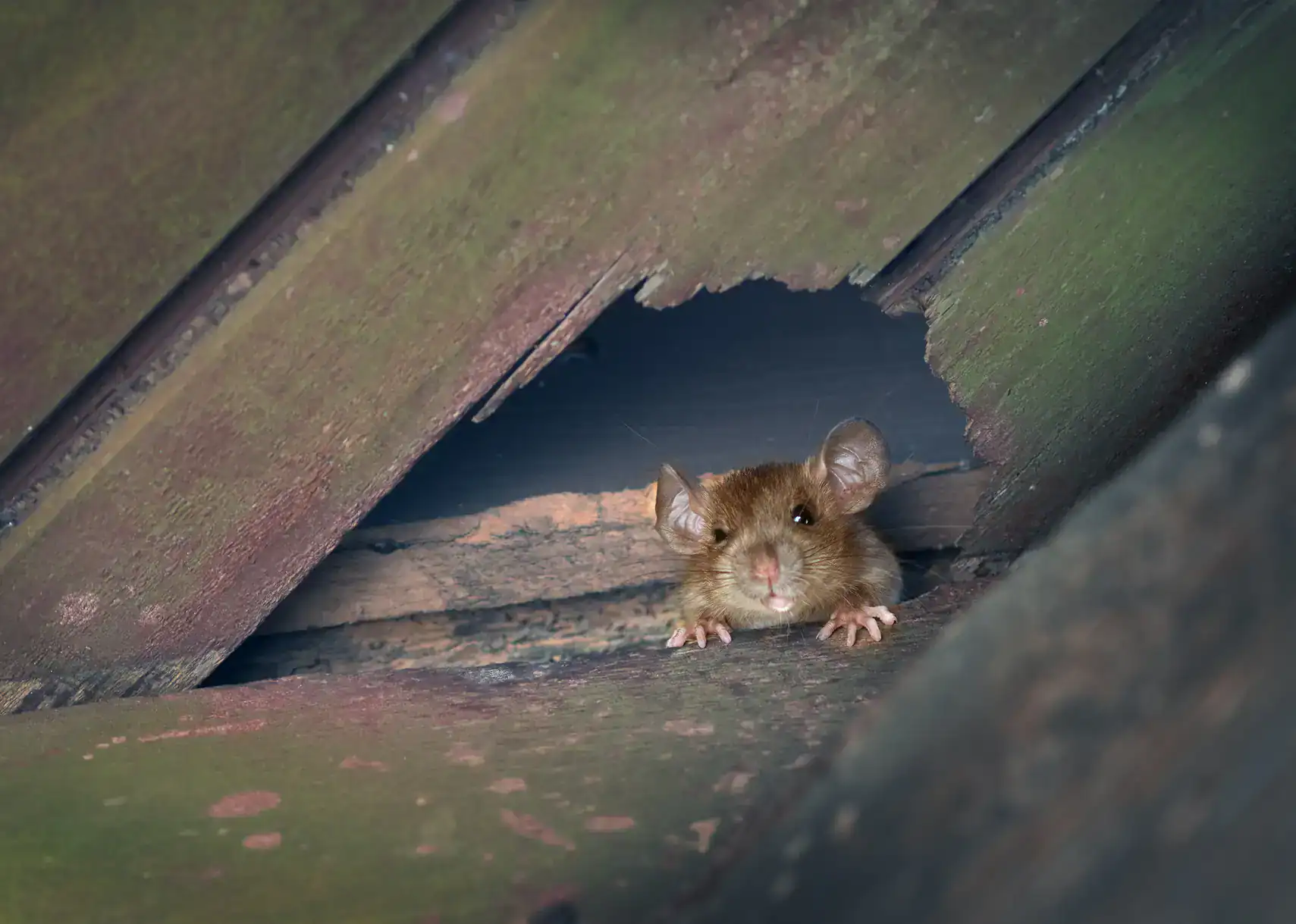
You stop finding droppings behind the stove. You stop hearing scratching in the walls at 2 a.m. You stop wondering whether the snap trap you set last week did anything. That’s what resolved rodent control actually feels like and it’s a different experience than spraying something and hoping for the best.
In Jackson Heights, the challenge isn’t just catching a mouse. It’s the fact that your building was constructed in the 1920s or 1930s, shares basement utility chases with neighboring units, and sits within half a mile of one of the busiest food-service corridors in Queens. Roosevelt Avenue sustains rodent populations year-round. The subway infrastructure running above and below it creates underground pathways that don’t close when the temperature drops. The pressure here is structural and continuous not seasonal.
That matters because it changes what effective rodent control looks like. It’s not a one-time bait station. It’s an inspection that identifies how they’re getting in, treatment that addresses active populations, and exclusion work that closes the entry points so the problem doesn’t reset in six weeks. When that process is done right, you get your home back and you keep it.
We’ve been operating across all five boroughs since 1976. That’s over 50 years of working inside New York City’s actual building stock pre-war co-ops, garden apartments, multi-family walk-ups, and everything in between. The kind of buildings that define Jackson Heights are exactly the kind of buildings we’ve been treating for decades.
We’re a second-generation, family-owned company. Richard Kourbage Sr. founded us, and his sons Richard Jr. and Charles have been part of the business since the late 1980s. There’s no corporate chain behind us, no franchise playbook being followed. When you call, you’re reaching people who have spent their careers learning how rodents move through New York City buildings specifically not buildings in general. In Jackson Heights, where the neighborhood’s dense housing stock and proximity to Roosevelt Avenue’s food service industry create year-round rodent pressure, that experience matters.
We hold an A+ rating with the Better Business Bureau of New York State, have maintained BBB accreditation since 1989, and apply only NYS Department of Environmental Conservation registered materials. Licensed, bonded, insured, and trusted by New York attorneys and real estate professionals who refer clients by name. That’s not a marketing line it’s a track record you can verify.
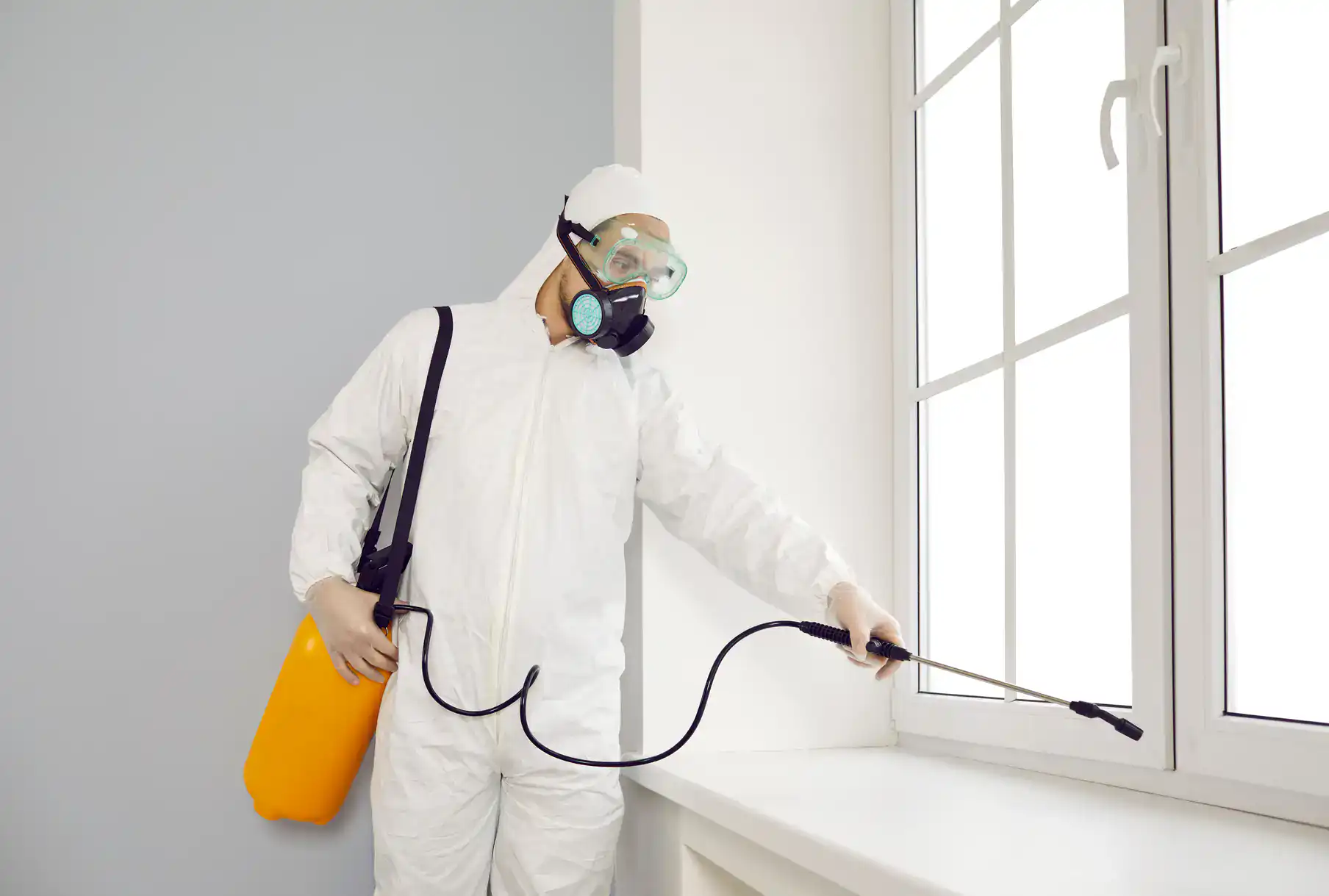
It starts with a phone consultation at no charge. You describe what you’re seeing droppings, sounds, gnaw marks, a sighting and a knowledgeable technician helps you understand what you’re likely dealing with before anyone sets foot in your home. No pressure, no obligation. Just information.
From there, a licensed technician comes out for an inspection. In Jackson Heights, that inspection goes beyond your individual unit. It looks at how your building is constructed where the pipe penetrations are, what the basement utility access looks like, whether there are gaps around door thresholds or foundation points that are common in buildings this age. Rodents don’t respect unit boundaries, and neither do we. If your building is a pre-war garden apartment near 37th Avenue or one of the cooperative buildings off Northern Boulevard, our technician knows what to look for in that specific type of structure.
Treatment follows the inspection targeted, using only NYSDEC-registered materials that are appropriate for residential environments where families and pets live. After treatment, exclusion work addresses the entry points identified during the inspection. That’s the part most operators skip, and it’s the reason most infestations come back. We don’t skip it. You’ll also get clear guidance on what to watch for going forward, because in a neighborhood with the food-service density of Roosevelt Avenue nearby, staying ahead of the problem matters.
Ready to get started?
Rodent control in Jackson Heights covers rats and mice the two species you’re most likely dealing with in this neighborhood. Norway rats are the dominant species in NYC’s sewer and subway infrastructure, and they move freely between the underground transit network and building basements through utility conduits and foundation gaps. House mice are the more common interior invader, able to enter through a hole no larger than a pencil eraser. Both require different treatment approaches, and both are part of what we address.
Every service we provide includes a professional inspection, targeted treatment using registered materials, and exclusion work to close the entry points that are letting rodents in. For multi-family buildings and cooperative structures which make up a significant portion of Jackson Heights housing we can work with property managers and co-op boards to assess building-wide conditions, not just individual units. If you’re a renter dealing with an unresponsive landlord, a licensed professional inspection also creates documentation that supports NYC Health Code complaint processes when needed.
Same-day service is available in many cases, and we guarantee an appointment within 48 hours. The initial consultation is free, and the estimate carries no obligation. For a neighborhood where rodent pressure comes from multiple directions at once aging building infrastructure, a dense food corridor, and active subway construction nearby having a company that’s been doing this in New York City since 1976 is the difference between a temporary fix and an actual solution.
The short answer is that the entry points were never closed. Most rodent treatments address the active population they bait or trap what’s already inside but don’t deal with how the rodents got in. In a Jackson Heights garden apartment or cooperative building, that means gaps around steam pipes, deteriorated door thresholds, cracks in aging foundation mortar, and shared basement utility chases that connect multiple units. Treat one unit without addressing those structural access points, and new rodents move in within weeks.
The longer answer involves the environment surrounding your building. Roosevelt Avenue’s food-service corridor sustains rodent populations year-round, and the subway infrastructure running through the neighborhood creates underground pathways that don’t freeze out in winter the way open ground does. Rodent pressure in Jackson Heights is continuous, not seasonal. Effective rodent control here means inspection, treatment, and exclusion in that order and in many cases, a maintenance relationship that keeps the building protected over time rather than a single service call.
Yes, it changes the approach significantly. Mice and rats behave differently, nest differently, and respond to different treatment methods. Mice are smaller, more exploratory, and tend to nest close to food sources inside walls near kitchens, behind appliances, inside cabinet voids. Droppings are small, roughly the size of a grain of rice. Rats are larger, more cautious of new objects, and tend to burrow in basement areas, along foundation walls, or in outdoor spaces near building perimeters. Rat droppings are noticeably larger, about the size of a raisin.
In Jackson Heights, both species are active. Norway rats are the dominant rat species in NYC and move through the sewer and subway infrastructure that runs directly through this neighborhood. House mice are the more common interior invader in apartment buildings. A professional inspection identifies which species you’re dealing with based on physical evidence droppings, gnaw marks, rub marks, burrow locations and treatment is built around that finding. Guessing wrong and applying the wrong approach wastes time and money, which is why the inspection step isn’t optional.
This is one of the most common questions we hear, and it’s the right one to ask. In a Jackson Heights apartment building where walls are shared and common areas connect multiple households, chemical safety isn’t just a personal concern it affects your neighbors too. We apply only New York State Department of Environmental Conservation registered pesticide materials. These products have been evaluated by state regulators for safety and efficacy, and they’re applied in a targeted, professional manner not broadcast-sprayed throughout a unit.
The application method matters as much as the product. Our licensed technicians place materials in specific locations based on where rodent activity has been identified not generically throughout the space. Bait stations used in rodent control are tamper-resistant and designed to prevent access by children and pets. If you have specific concerns about a child with sensitivities, a pet with a health condition, or a household member who is immunocompromised, share that during the consultation. We can adjust the approach. The goal is effective treatment that doesn’t create a new problem in the process of solving the original one.
It’s a real connection, not a stretch. Large-scale construction projects excavation, demolition, ground disturbance displace established rodent colonies. When underground burrow systems are disrupted, the rodents in them don’t disappear. They migrate outward into adjacent areas, looking for new harborage. LaGuardia Airport’s major Terminal C redevelopment, completed in 2024, represented one of the largest construction projects in the Queens area in recent years. Jackson Heights sits directly to the south of the airport, and the residential streets north of Northern Boulevard are within realistic migration distance of displaced rodent populations.
This doesn’t mean every mouse in your apartment came from the airport. But it does mean that if you’ve noticed an uptick in rodent activity over the past couple of years in the northern part of the neighborhood, construction displacement is a plausible contributing factor and it’s one that our technicians, familiar with Queens’ geography, will factor into the inspection and treatment plan. Ongoing infrastructure work at the airport means this isn’t necessarily a one-time event.
You have more options than most tenants realize. Under the NYC Health Code, property owners are required to maintain their premises free of conditions that attract or harbor rodents. The NYC Department of Health and Mental Hygiene conducts rodent inspections and can issue violations to property owners for active rodent signs and harborage conditions. You can file a complaint through NYC 311 online, by phone, or through the app and request a DOHMH inspection of your building.
Having documentation from a licensed pest control professional strengthens your complaint significantly. A written inspection report from a licensed exterminator that identifies active rodent signs, entry points, and harborage conditions gives the DOHMH inspector a clear record to work from and gives you a paper trail if the situation escalates to housing court. We’re fully licensed under the NYS DEC and can provide that documentation as part of the inspection process. If you’re a renter in a Jackson Heights building dealing with an unresponsive landlord, a professional inspection isn’t just about solving the problem directly it’s also about creating the record that compels someone else to solve it.
For a standard residential rodent service inspection, treatment, and basic exclusion you’re typically looking at somewhere in the range of $180 to $500 depending on the size of the space, the severity of the infestation, and what exclusion work is needed. More extensive exclusion work in an older building, where there are multiple entry points to seal, can add to that range. These are general figures, and an accurate estimate requires an actual inspection which we provide at no charge and with no obligation.
What’s worth factoring into that number is what the alternative costs. Repeated hardware-store trap purchases, multiple failed attempts, and months of an unresolved problem in a building where rodents are moving through shared infrastructure all add up in money, in time, and in the health risk that comes with an active infestation. The CDC documents over 35 diseases that rats and mice can spread to humans, and in a multi-family building, that risk isn’t contained to one unit. Getting it resolved correctly the first time, by a company that has been doing this in New York City since 1976, is a better investment than the cycle of temporary fixes. Call for a free estimate and you’ll know exactly what you’re looking at before you commit to anything.
Useful Links