Hear from Our Customers
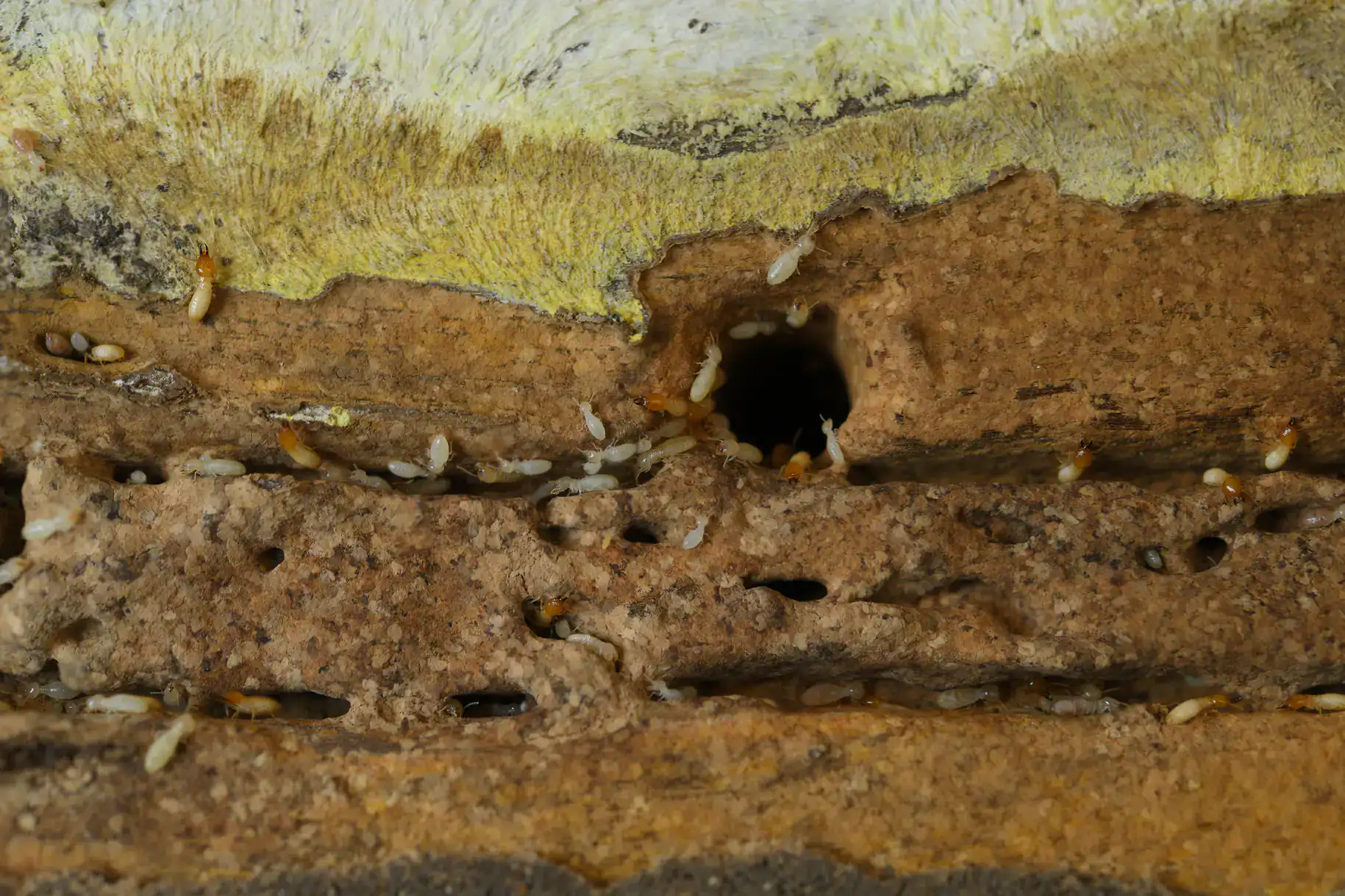
The ants you see foraging across your kitchen counter are a fraction of what’s actually there. The colony sometimes tens of thousands of individuals is living inside your walls, under your flooring, or in the shared foundation of your building. Spraying what you can see just pushes them deeper or redirects them to another unit. Real ant control in Jackson Heights means reaching the source.
Jackson Heights’ pre-war garden apartment buildings and co-op complexes were built in the 1910s and 1920s. Over a century of use has left foundations full of micro-cracks, aging mortar joints, and gaps around old plumbing all of which are prime entry points for pavement ants and odorous house ants. The interior courtyards that make these buildings architecturally beautiful also retain moisture and give colonies a sheltered place to establish themselves right against your building’s foundation. That’s a combination that no store-bought spray is designed to handle.
Once the colony is actually eliminated, the difference is noticeable fast. No more trails along the baseboards. No more ants appearing in the bathroom overnight. No more wondering if the treatment even worked. When the process is done right interior and exterior, initial cleanout plus follow-up visits you stop managing the problem and it actually goes away.
We’ve been a family-owned and operated business for over 50 years, serving every borough in New York City including the dense, pre-war apartment corridors of northwestern Queens and Jackson Heights. This isn’t a franchise. There’s no national call center routing your call to whoever’s available. When you call Kingsway, someone actually picks up, around the clock.
Our A+ rating with the Better Business Bureau of New York State isn’t something you maintain for five decades by accident. It comes from showing up, doing the work correctly, and not disappearing after the first visit. We’re fully licensed, bonded, and insured, and we use only NYS Department of Environmental Conservation-registered materials which matters especially in a neighborhood like Jackson Heights, where buildings are dense, families are close together, and food preparation is central to daily life.
Whether you’re in a co-op off Northern Boulevard, a row home near the Historic District, or a restaurant on Roosevelt Avenue, we’ve worked in buildings like yours. That familiarity with Jackson Heights’ specific housing stock and the neighborhood’s unique building challenges is what makes the difference.
It starts with a free estimate. Before anything is applied, one of our technicians assesses your specific situation the type of ant, where they’re entering, how established the infestation appears to be, and whether the activity is isolated to your unit or spreading through shared walls. In Jackson Heights’ attached buildings and multi-unit co-ops, that last question matters a lot.
The initial cleanout applies treatment both inside and outside your property. The materials we use are designed so that forager ants carry them back into the nest and share them with the colony including queens and satellite nests that a surface spray would never reach. This is the step that makes the difference between a temporary fix and actual elimination. For buildings near the interior courtyards along the Historic District blocks or ground-floor units adjacent to the commercial corridors on 37th Avenue, the exterior perimeter treatment is especially critical because the colony’s activity source is often outside the unit entirely.
After the initial cleanout, follow-up visits are scheduled weekly, every other week, or monthly depending on your situation. These aren’t just check-ins. They re-apply materials, confirm the colony is collapsing, and catch any satellite activity before it re-establishes. New York City’s multi-unit residential buildings require 48-hour advance written notice to residents before treatment, and we handle that coordination so you don’t have to navigate it alone.
Ready to get started?
We handle ant control for both residential and commercial properties throughout Jackson Heights and the surrounding Queens neighborhoods. On the residential side, that means apartments, co-ops, row homes, and multi-unit buildings including the century-old garden apartment complexes that make up a large portion of the neighborhood’s housing stock. Carpenter ants, odorous house ants, and pavement ants are the most common species in Jackson Heights, and each requires a slightly different approach depending on where they’re nesting and how they’re entering the structure.
On the commercial side, Jackson Heights has over 3,300 small businesses, and a significant portion of them are in food service restaurants and bakeries along Roosevelt Avenue, grocery stores on 74th Street, markets along 37th Avenue. Ant activity in a food service environment isn’t just a nuisance; it’s a health code issue. Our commercial ant pest control services in Jackson Heights include the documentation and licensed service records that business owners need when inspectors come through. For larger commercial projects, we can also issue Demolition Clearance Certificates a capability most local competitors don’t offer.
Maintenance scheduling is flexible weekly, every other week, or monthly with no long-term contract required to get started. Seniors receive a 10% discount, and every job begins with a free estimate so you know exactly what you’re looking at before committing to anything.
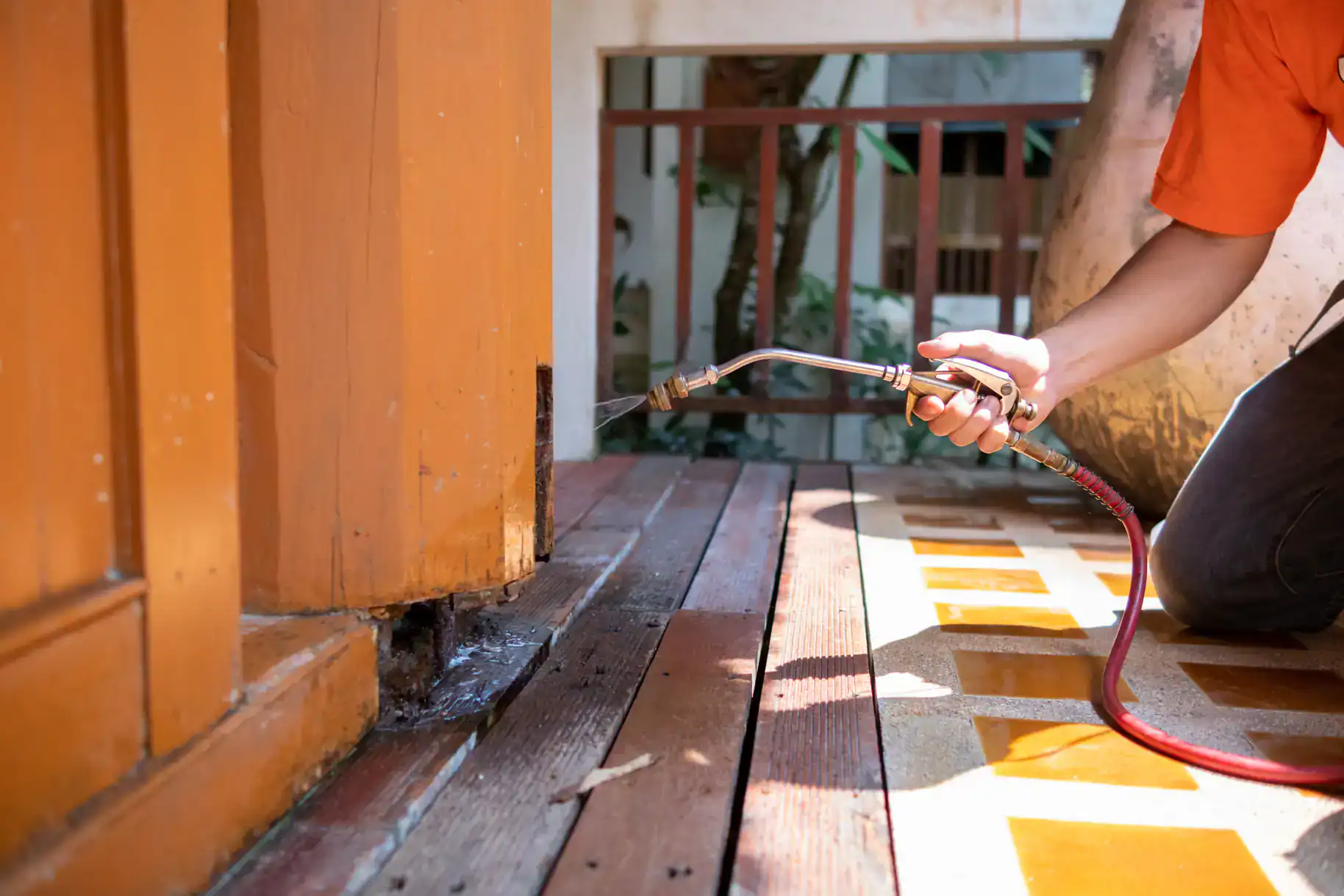
Store-bought sprays kill the forager ants you can see, but they don’t reach the colony. In Jackson Heights’ pre-war apartment buildings, ant colonies particularly odorous house ant super-colonies can contain tens of thousands of individuals spread across wall voids, plumbing chases, and shared foundation spaces. Killing the visible workers is like cutting the top off a weed. The root is still there, and it sends up new growth within days.
Professional ant control works differently. The materials we use are designed to be carried back to the nest by forager ants, where they’re shared with the rest of the colony including the queens. That’s what collapses the population at the source rather than just redirecting it. If you’ve sprayed multiple times and the ants keep returning, the colony is almost certainly established somewhere inside the building’s structure not just in your unit and it needs to be treated accordingly.
Yes, and in Jackson Heights specifically, this is one of the most common reasons infestations persist even after individual units are treated. The attached row homes, mid-rise co-ops, and garden apartment complexes that define the neighborhood all share walls, plumbing infrastructure, and foundation systems. Ant colonies especially odorous house ants exploit these shared spaces to establish satellite nests in adjacent units, on other floors, and throughout the building envelope.
This is why treating only one apartment rarely solves the problem long-term. A colony that originates in a ground-floor unit can spread through an entire Jackson Heights building within a single season if the exterior perimeter and shared foundation aren’t also addressed. Professional ant pest control needs to account for the building as a whole, not just the individual unit where you’re seeing activity. Our interior and exterior treatment approach is designed specifically for this kind of multi-unit, shared-wall environment.
The three most common ant species in Jackson Heights residential and commercial buildings are pavement ants, odorous house ants, and carpenter ants. Pavement ants are small, dark ants that nest in cracks in concrete foundations and sidewalks extremely common in a neighborhood with as much aging paved infrastructure as Jackson Heights. They enter buildings through foundation gaps and expansion joints, and they’re particularly active in spring when ground temperatures rise.
Odorous house ants are the ones that form those persistent trails across kitchen counters. They’re attracted to sugars and proteins, and their colonies can be enormous sometimes exceeding 100,000 individuals with multiple queens. Eliminating them requires getting the material to every queen, which is why transfer-based treatments are essential. Carpenter ants are the most structurally concerning. They don’t eat wood, but they excavate it to build galleries, and they’re strongly attracted to moisture-compromised wood. Given the documented flooding and sewer backup issues in parts of northern Jackson Heights, buildings with any history of water intrusion should be assessed for carpenter ant activity.
The initial treatment visit typically takes one to two hours for a standard residential unit, though larger apartments or ground-floor units with significant exterior perimeter work may take longer. For multi-unit buildings or commercial properties, timing depends on the scope how many units are involved, whether the exterior courtyard or foundation perimeter needs to be addressed, and how established the infestation is.
What matters more than the length of the first visit is what comes after it. A single treatment is rarely enough to fully eliminate an established colony in a Jackson Heights building. Follow-up visits scheduled weekly, every other week, or monthly depending on the severity are where the real progress gets confirmed and locked in. Under New York City regulations, multi-unit residential buildings (three or more units) require 48-hour written notice to residents before treatment. We handle this notification process and coordinate with building management or co-op boards so the logistics don’t fall entirely on you.
This is one of the most common concerns we hear, and it’s a reasonable one especially in a neighborhood where home cooking is central to daily life across the South Asian, Latin American, and Tibetan communities that make up much of Jackson Heights. The short answer is yes, when it’s done by a licensed professional using registered materials and applied correctly.
We use only NYS Department of Environmental Conservation-registered pesticide materials, applied by technicians who hold state-mandated Commercial Pesticide Applicator or Technician Certifications. These certifications require passing DEC exams and demonstrate that the applicator knows exactly where, how, and in what quantities materials should be used including in kitchens, around food preparation surfaces, and in homes with children. After treatment, your technician will give you specific re-entry guidance for your unit. In most residential applications, re-entry is permitted within a few hours once surfaces have dried. Professional-grade treatment means controlled and targeted application, not blanket spraying.
Yes, and commercial ant control is a significant part of what we handle in Jackson Heights. The neighborhood has over 3,300 small businesses, with a large concentration in food service along Roosevelt Avenue, 37th Avenue, and 74th Street. For restaurant operators and food retailers, ant activity isn’t just an inconvenience it’s a direct threat to health code compliance and business reputation.
Our commercial ant control services include the licensed service documentation that business owners need when the Department of Health comes through for an inspection. Every treatment is performed by a NYS DEC-certified technician, and we can provide the paper trail that demonstrates professional, compliant pest management. For larger commercial projects or properties undergoing renovation, we also issue Demolition Clearance Certificates a specialized service that most local competitors aren’t equipped to provide. Flexible maintenance scheduling is available for commercial accounts, and the process starts with a free estimate so you know what you’re working with before committing to anything.
Useful Links