
Hear from Our Customers
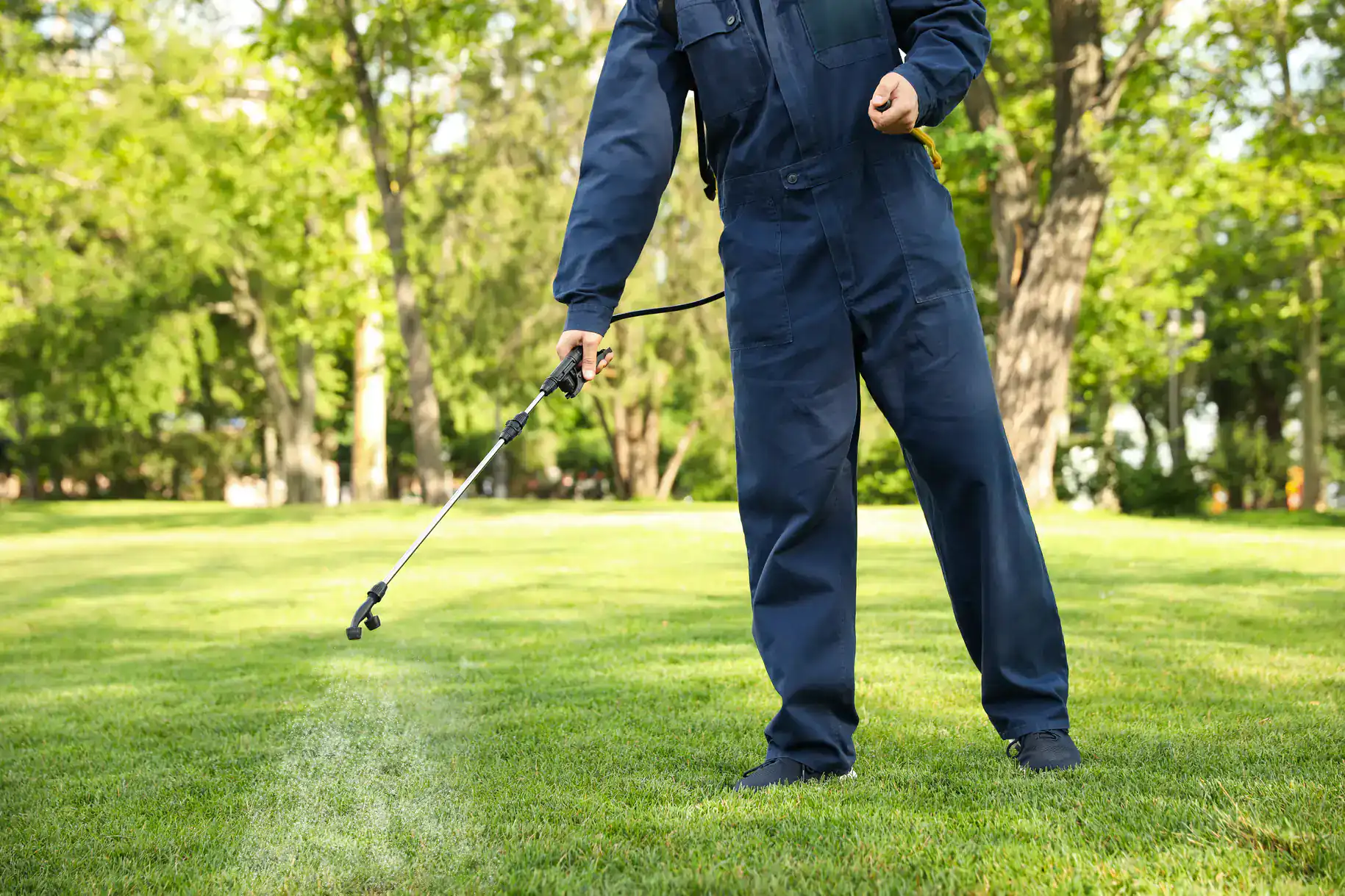
You stop second-guessing every sound behind the wall. You stop wondering if the treatment actually worked or just pushed things around. When pest control is done right with a real inspection, the right treatment for your specific building, and a follow-up to confirm it held you get your home back. That’s the outcome. Not a spray and a handshake.
Tribeca’s loft buildings are a different animal. Most of them started as 19th-century industrial warehouses cast iron, original masonry, freight elevator shafts that were sealed up when the building converted in the ’70s or ’80s. Those voids don’t show up on any blueprint. But cockroaches, mice, and other pests find them fast. A technician who doesn’t know what to look for in that kind of structure will miss the source entirely and treat the symptoms instead.
Your building’s proximity to Canal Street and the Chinatown corridor adds another layer. That border creates consistent pressure rodents and cockroaches don’t stop at Broadway. If you’re in a loft on the eastern side of Tribeca, you’re dealing with migration pressure that doesn’t go away on its own. The right pest control approach accounts for that. A surface-level treatment doesn’t.
We were founded in Brooklyn in 1971. That’s more than five decades of continuous work in New York City through every era of pesticide regulation, every building type, and every pest pressure this city has thrown at us. We’re not a national chain. We’re a family-owned business with a Brooklyn area code and a client list that runs from Flatbush to Lower Manhattan, including the converted loft buildings along Hudson Street, the cast-iron structures near North Moore Street, and the mixed-use buildings sitting at the edge of the Financial District.
We know what Tribeca’s building stock looks like from the inside, and we know what hides in it. That field experience built over 50 years working in this specific neighborhood and across the city is what separates a real inspection from a routine visit. We’re NYSDEC-licensed, fully insured, and we’ll give you a straight answer about what’s in your home and what it takes to fix it.

It starts with a free inspection. Before anything is applied, one of our licensed technicians walks your space not just the baseboards, but the areas that actually matter in a building like yours. Pipe chases. Wall voids. The areas around original structural elements that haven’t been opened since the conversion. In a Tribeca loft, that inspection phase is where the real work begins, because the source of the problem is almost never where you first noticed it.
Once we know what we’re dealing with, we put together a treatment plan that fits your building, your pest pressure, and your household. If you have young children or pets and in a neighborhood like Tribeca, where PS 150 Tribeca Learning Center serves a community of families that matters to us. We use EPA-registered materials applied by licensed professionals, and we’ll tell you exactly what’s being used, where, and when it’s safe to re-enter. No vague reassurances.
After treatment, we follow up. That’s not a courtesy call it’s how we confirm the problem is resolved and not just temporarily suppressed. If something isn’t right, we come back. That’s how it works.
Ready to get started?
We handle the full range of pest problems that show up in Tribeca’s residential and commercial buildings. Cockroaches, mice, rats, bed bugs, termites, ants, wasps, fleas if it’s causing a problem in your home or building, we treat it. And because we’ve been working in Tribeca and across NYC for over 50 years, we don’t approach a Tribeca loft the same way we’d approach a suburban ranch house. The building type, the pest pressure, and the treatment strategy are different here.
For property owners and buyers in Tribeca, we also issue WDI inspection reports the wood-destroying insect certification that lenders, attorneys, and title companies require for real estate transactions. In a neighborhood where median sale prices run around $5 million, that document isn’t a formality. It’s a critical piece of the closing process, and it has to come from a NYSDEC-licensed professional. We’ve handled these for Tribeca transactions before, and we understand the timelines that closings demand.
If you’re dealing with an active infestation, a recurring problem that another company couldn’t resolve, or a real estate transaction that needs pest clearance documentation, we can help. We answer around the clock and can typically schedule within 24 hours because a pest problem in a 10007 or 10013 zip code doesn’t wait for a convenient window.

The short answer is that most treatments address where you see the pest, not where it’s actually living. In a Tribeca loft especially one in a converted 19th-century warehouse the real harborage is usually inside the building’s structure: wall voids left over from the industrial conversion, pipe chases running between floors, gaps around original freight elevator infrastructure. These spaces were never designed to be pest-proof, and they weren’t sealed with pest exclusion in mind when the building was converted in the ’70s or ’80s.
If a technician comes in and treats the visible areas without identifying what’s behind the walls, the problem comes back. It always does. The population you’re seeing is the tip of it. A proper inspection in a Tribeca building means looking at the structure itself not just the kitchen and the bathroom. That’s where recurring problems get resolved instead of temporarily reduced.
In New York State, pest control companies must hold a business registration with the Department of Environmental Conservation, and the individual technicians applying pesticides must hold category-specific applicator licenses Category 7a for general pest control, Category 7b for termite work. These aren’t optional. They’re legal requirements, and they exist because pesticide application in a residential building carries real risk if it’s done wrong.
You can ask any provider for their NYSDEC registration number before they set foot in your home. A legitimate company will give it to you without hesitation. This matters especially in Tribeca, where some buildings fall within the NYC Landmarks Preservation Commission’s historic district protections meaning exterior exclusion work on your building may have additional regulatory considerations. A licensed, experienced operator knows how to navigate that. An unlicensed one doesn’t, and you’re the one who bears the consequence.
Cockroaches and rodents are the two most consistent problems in Tribeca, and the neighborhood’s geography explains a lot of it. The eastern edge of Tribeca sits along Broadway and Canal Street directly adjacent to Chinatown, which is one of the highest-density food-service corridors in New York City. That kind of commercial density creates a persistent pest reservoir that migrates into neighboring residential buildings through shared utility infrastructure and subway corridors. If you’re in a loft on the eastern side of Tribeca, you’re dealing with external pressure that doesn’t stop.
Bed bugs are also a significant and growing concern, particularly for Tribeca residents who travel frequently. Bed bug populations can double every 16 days under the right conditions, and introduction from hotels or vacation rentals is the most common source. Termites are less visible but worth taking seriously Tribeca’s older buildings contain original structural timbers that have been in place for over a century, and termite damage is silent until it becomes expensive.
If you’re buying or selling a property in Tribeca and there’s a mortgage involved, there’s a good chance your lender or attorney will require a WDI inspection report a wood-destroying insect certification issued by a NYSDEC-licensed pest control professional. FHA and VA loans require it by default. Many conventional lenders and real estate attorneys request it as a standard part of due diligence, especially for older buildings.
In Tribeca, where you’re often dealing with buildings that have original structural timbers dating back to the 1800s, a WDI inspection isn’t just a paperwork requirement it’s a legitimate financial protection. Termite damage costs U.S. homeowners an estimated $5 billion per year, and it doesn’t announce itself. A certified inspection before closing is the only way to know what you’re actually buying. We’re licensed to issue these reports in New York State and have experience with the documentation timelines that Tribeca closings typically require.
Yes when it’s done by a licensed professional using EPA-registered materials and an IPM-based approach. The key phrase there is “licensed professional.” The products used in a properly executed treatment are applied at label-specified rates, in targeted locations, by someone who has been trained and tested on exactly this question. That’s a very different situation from an over-the-counter product applied without guidance in a space where a toddler plays on the floor every day.
We’ll tell you specifically what’s being applied in your home, where it’s going, and when it’s safe to re-enter with children and pets present. We don’t give you a generic window and leave. If your household has specific sensitivities a child with allergies, a pet with a health condition tell us before the appointment. We can adjust the treatment approach accordingly. The goal is to solve the pest problem without creating a new one.
It depends on what you’re dealing with and the size of your space and in Tribeca, where loft apartments routinely run 2,000 to 4,000 square feet with complex structural layouts, that matters more than it would in a standard apartment building. A one-time general pest treatment for a residential loft typically runs in the range of $150 to $400 depending on scope. Bed bug treatment which often requires multiple visits and may involve heat treatment generally runs $500 to $1,500 or more depending on the extent of the infestation and the square footage involved. Termite treatment and WDI inspections are priced separately based on the structure.
What’s worth understanding is that the cost of a professional treatment is almost always less than the cost of a problem that wasn’t resolved the first time. In a Tribeca building where one unit’s infestation can migrate through shared walls and utility runs to neighboring units, getting it right the first time isn’t just about your home it affects your neighbors too. We provide free inspections with no obligation, so you know exactly what you’re dealing with and what it will cost before you commit to anything.
Useful Links
Other Services we provide in Tribeca