
Hear from Our Customers
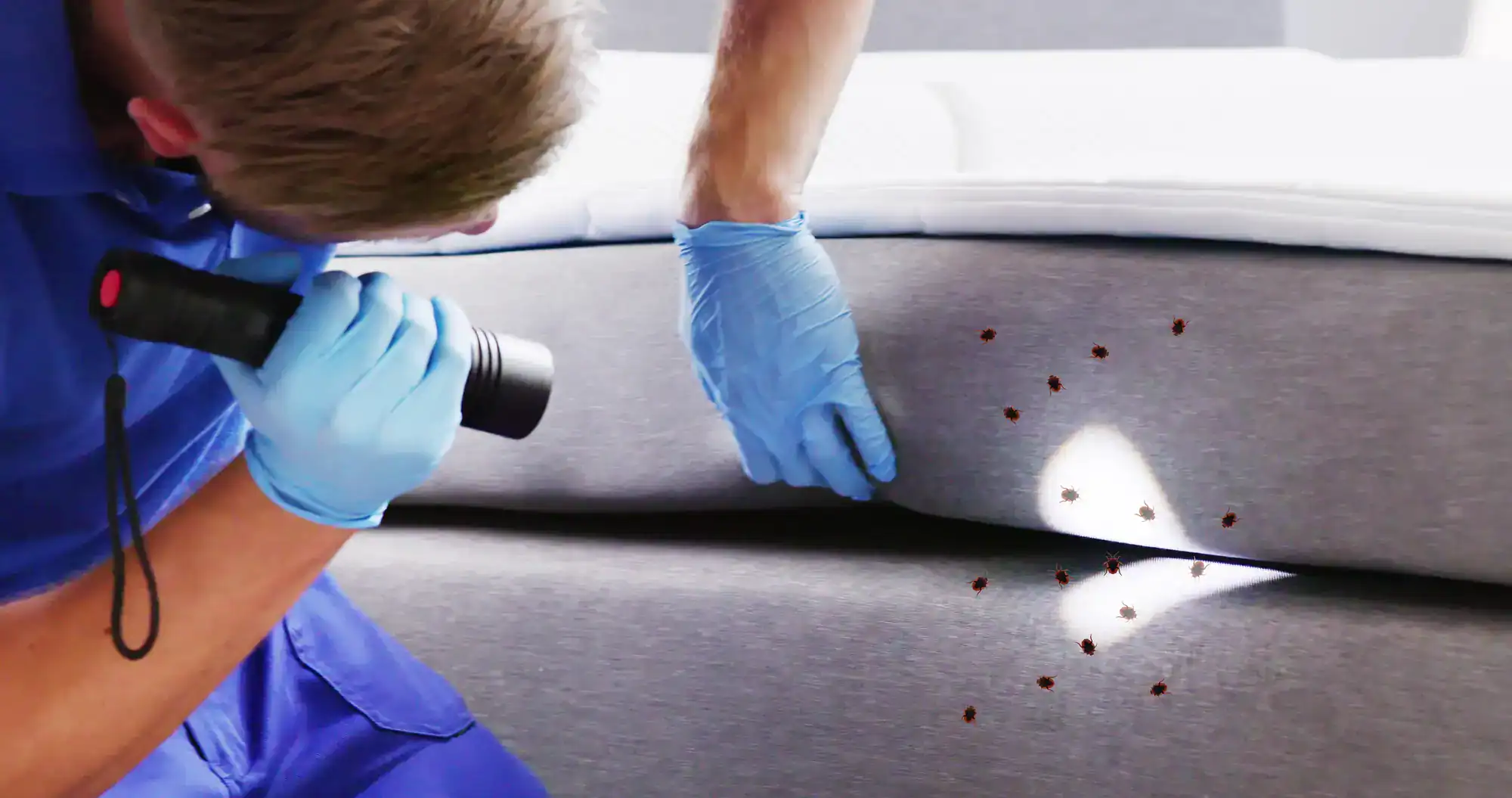
When you find bed bugs in your apartment, the first thing that goes is your sense of safety in your own home. You start checking the sheets before you get in. You wake up at 3am convinced something’s crawling on you. That’s not sustainable and it’s exactly what effective bed bug treatment in Flatbush is designed to end.
Here’s what most Flatbush residents don’t realize until it’s too late: in a pre-war building along Church Avenue, Nostrand Avenue, or Flatbush Avenue itself, bed bugs don’t stay in one room. The lath-and-plaster walls, the shared building systems, the gaps that have been expanding for a century they give bed bugs a highway between units. Treating one room isn’t enough. Understanding how the building works is half the job.
The other thing worth knowing is that your situation isn’t unusual or embarrassing. Dense, older housing stock is exactly the environment bed bugs thrive in. It has nothing to do with how you keep your home. The families, renters, and property owners we serve across central Brooklyn deal with this regularly and most of them wish they’d called sooner rather than trying to manage it on their own first.
Kingsway Exterminating Company has operated out of 2216 Flatbush Avenue for over 40 years. That’s not a marketing detail it means our technicians drive the same streets you do, know the building types in this neighborhood, and understand the specific challenges that come with treating a 1930s walk-up near The Junction versus a large Victorian home in Ditmas Park. Those are two completely different jobs, and experience is what makes the difference.
We’re family-owned, BBB-accredited since 1989, and fully licensed, bonded, and insured under New York State DEC requirements. Our team collectively brings over 100 years of pest control experience to every job. When you call us, you’re not getting a call center or a franchised crew dispatched from Long Island. You’re getting a local company with real roots in central Brooklyn and a straightforward approach no upselling, no inflated scopes, no pressure.
It starts with a phone call one that gets answered, any time of day or night. When you reach out, you’ll speak with someone who can assess your situation, answer your questions, and get an inspection on the calendar. We offer same-day inspections and guarantee an appointment within two business days, because in a building where neighbors share walls, waiting a week isn’t an option.
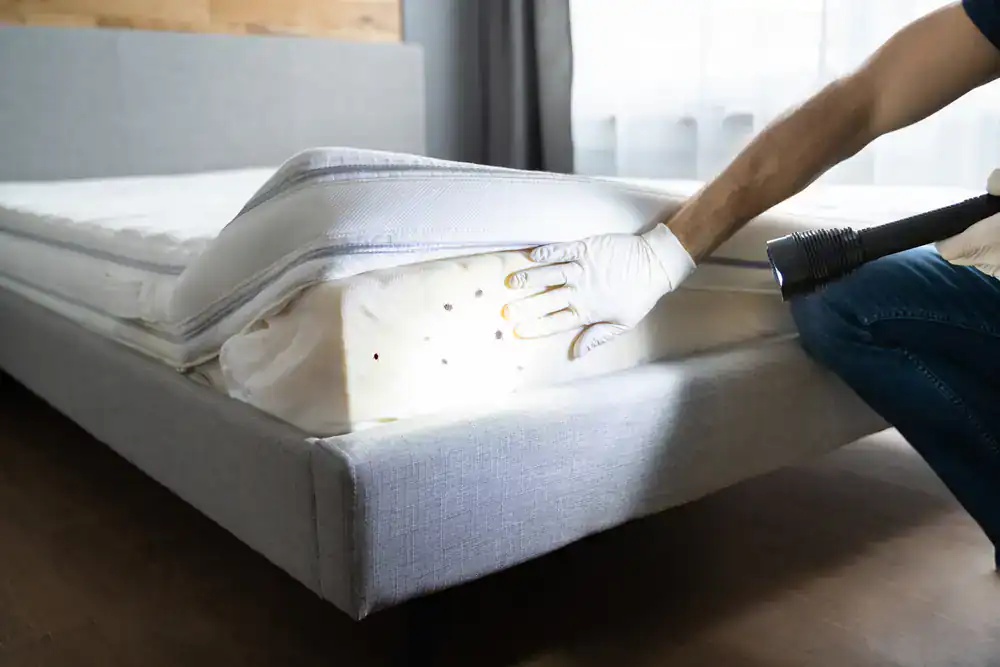
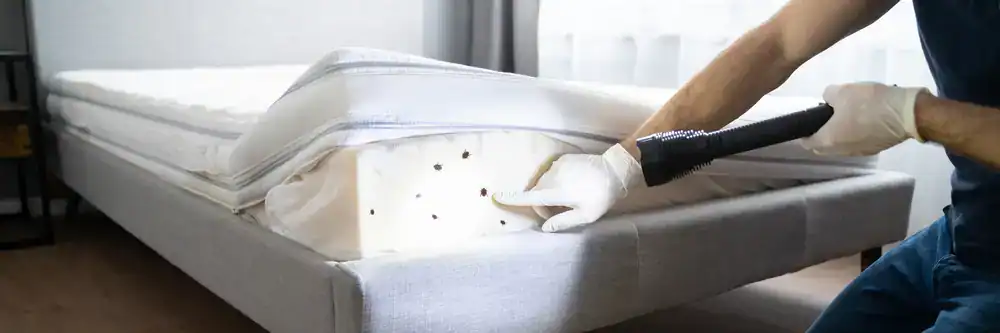
During the inspection, a certified bed bug specialist will assess your unit thoroughly not just the bedroom, but every area where bed bugs are known to hide, travel, and reproduce. In Flatbush’s older building stock, that means checking baseboards, wall voids, furniture joints, and any structural gaps that have developed over decades of building age. If you’re in a multi-unit building and there’s reason to believe the infestation has spread, we’ll talk through what a building-wide approach looks like and what your rights are as a tenant under NYC’s Housing Maintenance Code.
Treatment is planned around what your specific situation actually needs. After the work is done, we’ll walk you through exactly what was treated, what to watch for, and whether follow-up visits are warranted. If you need documentation for an HPD complaint, a landlord dispute, or a NYC Department of Health clearance we can provide that too. The process is transparent from start to finish.
Ready to get started?
Every bed bug job starts with a free estimate no obligation, no pressure, no surprise number handed to you after the fact. Before any treatment begins, you’ll know what the inspection found, what the recommended approach is, and what it’s going to cost. For a Flatbush renter managing a household budget, that transparency matters.
Treatment methods are matched to the property type and severity of the infestation. The large Victorian homes in Prospect Park South, Fiske Terrace, and Beverly Square some of which are protected under the Fiske Terrace-Midwood Park Historic District require a different approach than a studio apartment near Brooklyn College. Our certified specialists are trained in bed bug biology specifically, not just general pest control, which means we know how to address an infestation in a 100-year-old building with original woodwork and extensive wall voids, not just a modern unit.
For landlords and property managers in Flatbush, we also help with NYC regulatory compliance. Under Local Law 69 of 2017, multi-unit building owners are required to file annual Bedbug Annual Reports with HPD each December. Under the Housing Maintenance Code, bed bugs are a Class B violation landlords have 30 days to remediate after an HPD Notice of Violation, or face fines of $10 to $125 per day. We issue NYC Department of Health clearance certificates and handle health code violation documentation, which means we can help you get into compliance quickly and stay there.
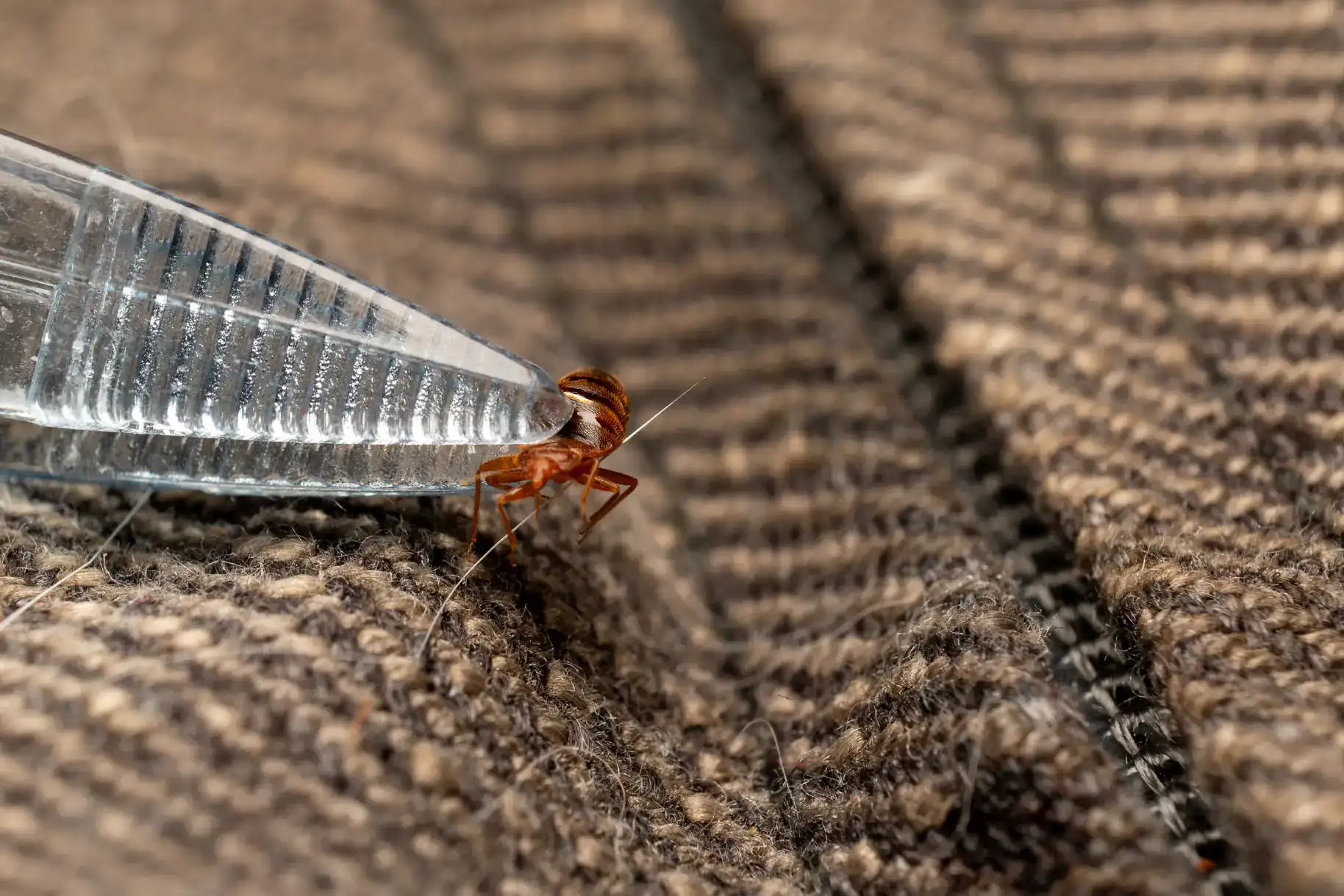
This is the most common concern we hear from renters in multi-unit buildings, and it’s a fair one. In Flatbush’s pre-war apartment buildings the kind lining Flatbush Avenue, Church Avenue, and Nostrand Avenue shared walls, plumbing risers, and structural gaps create real pathways for bed bugs to move between units. Treating only your apartment while adjacent units remain infested can result in re-infestation, and any honest exterminator will tell you that.
The right approach in a building like that starts with a thorough inspection that accounts for the building’s layout, not just your unit. We’ll assess whether there’s evidence of spread, discuss what a coordinated multi-unit treatment would involve, and help you understand what your landlord is legally required to do under NYC’s Housing Maintenance Code. If your landlord isn’t cooperating, we can provide documentation that supports an HPD complaint. The goal is a lasting result not a temporary fix that leaves the source of the problem untouched.
For a standard apartment in Flatbush, professional bed bug treatment typically runs between $1,000 and $2,500. More severe infestations particularly in larger units, multi-room row houses, or the older Victorian homes in Ditmas Park and Prospect Park South can run $4,000 or more depending on the scope of work and number of visits required. These aren’t arbitrary numbers; they reflect the actual labor, materials, and follow-up involved in doing the job properly.
What we can tell you is that every job at Kingsway starts with a free estimate. You’ll know the number before any work begins, and there’s no upsell pressure. The estimate reflects what your situation actually needs, nothing more. Acting sooner rather than later also tends to keep costs lower, since a contained early-stage infestation is significantly less expensive to treat than one that’s spread across multiple rooms or units.
Under New York City’s Housing Maintenance Code, bed bugs are classified as a Class B violation a hazardous condition that your landlord is legally required to remediate within 30 days of receiving an HPD Notice of Violation. If your landlord has received an NOV and hasn’t taken action within that window, they’re in violation and subject to fines. Under Local Law 69 of 2017, landlords of buildings with three or more units are also required to file annual Bedbug Annual Reports with HPD every December and disclose the building’s bed bug history to tenants at lease signing or renewal.
Brick Underground has reported on specific cases in Flatbush where landlords filed inaccurate bed bug reports with HPD while tenants were actively dealing with active infestations. If you suspect your landlord isn’t being truthful or isn’t acting in good faith, a professional inspection with documented findings gives you something concrete to bring to HPD. We can provide that documentation. Knowing your rights in this situation is the first step and having an independent inspection report to back you up is what actually moves things forward.
Yes when it’s done correctly. We use environmentally friendly treatment methods and will walk you through exactly what preparation is needed before we arrive, how long you and your family should stay out of the treated areas, and what the space will look and feel like when you return. There’s no guesswork, and there’s no vague reassurance we give you specific, clear instructions so you know exactly what to expect.
For families in Flatbush with young children or pets, this is usually the first question asked, and it should be. The safety of your household isn’t a secondary concern it’s part of how the treatment is planned. If there are specific sensitivities or health considerations in your home, tell us when you call. We’ll factor that into the approach. The goal is to eliminate the infestation without creating a new set of problems for the people living in the space.
Most bed bug infestations require more than one visit to fully resolve. The number of visits depends on the severity of the infestation, the size and type of the property, and whether the source of the problem has been properly identified and addressed. In Flatbush’s older apartment buildings where wall voids, original plaster, and structural gaps give bed bugs more places to hide thorough treatment often involves follow-up visits to confirm the infestation has been fully eliminated.
Bed bugs reproduce quickly. A single female can lay 200 to 250 eggs in her lifetime, with eggs hatching in as few as six days. That’s why follow-up matters it’s not a sign that the first treatment failed, it’s part of a responsible approach that accounts for the full life cycle. We’ll give you a realistic picture of what your situation requires after the inspection, not a number pulled from a brochure.
Bed bugs are active year-round indoors they don’t follow an outdoor seasonal pattern the way mosquitoes or ants do. That said, there are times in Flatbush when introduction risk is meaningfully higher. Late August and September, when Brooklyn College students move into off-campus housing near The Junction, is one of them. Secondhand furniture mattresses, bed frames, couches picked up curbside or through local buy/sell groups is one of the most common ways bed bugs enter a home, and that kind of turnover spikes at the start of every semester.
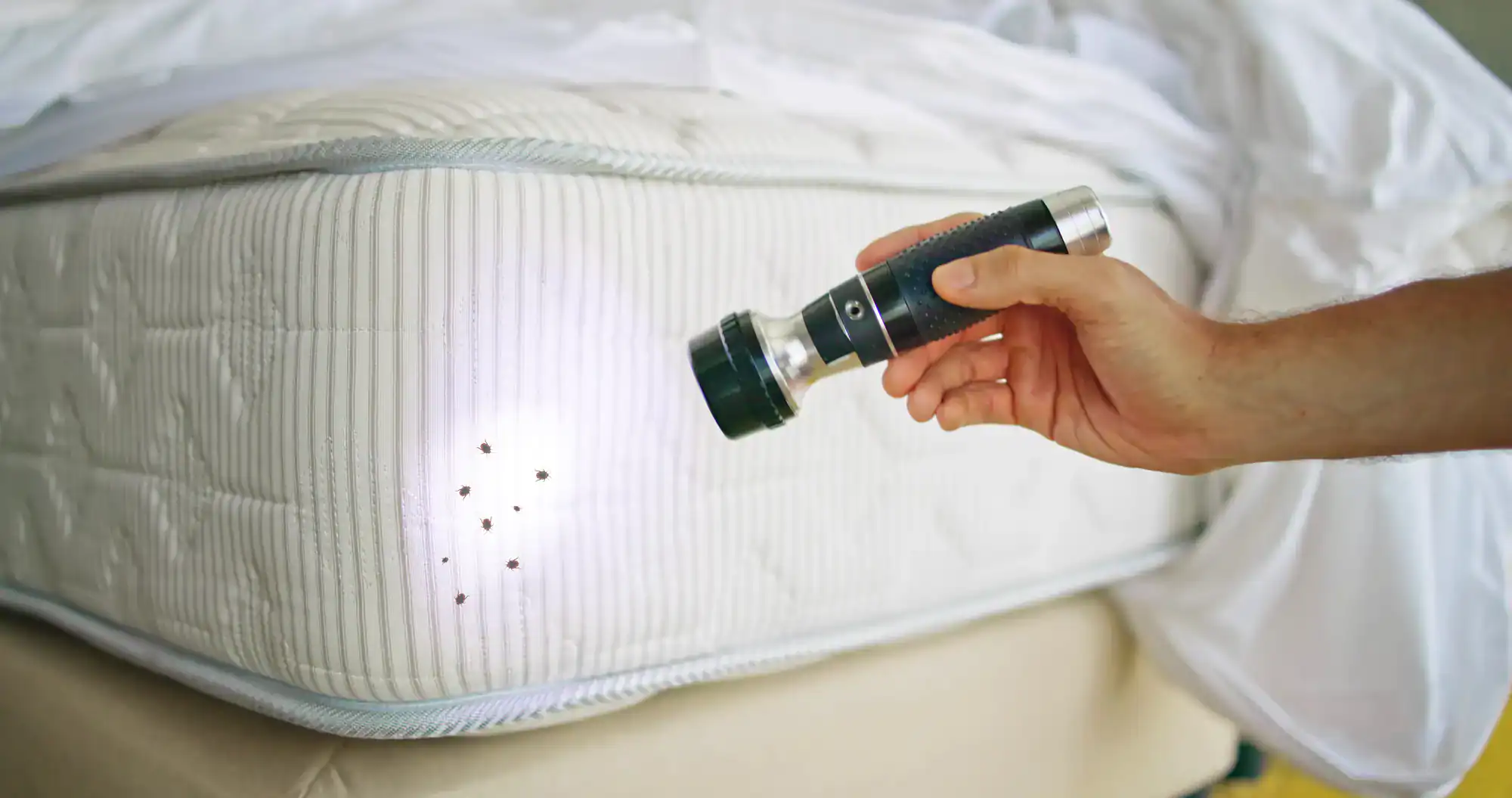
Summer travel is another factor. Flatbush has a large Caribbean community with strong cultural ties to travel, and hotel stays are among the most consistent routes for bed bug introduction. Post-holiday travel in January tends to produce a secondary spike in calls as well. The practical takeaway is that there’s no truly “off-season” for bed bugs in a dense urban neighborhood like Flatbush but if you’ve recently moved, traveled, or brought secondhand furniture into your home and you’re noticing bites or small dark spots on your mattress seams, those are signs worth taking seriously sooner rather than later.
Useful Links
Other Services we provide in Flatbush