Hear from Our Customers
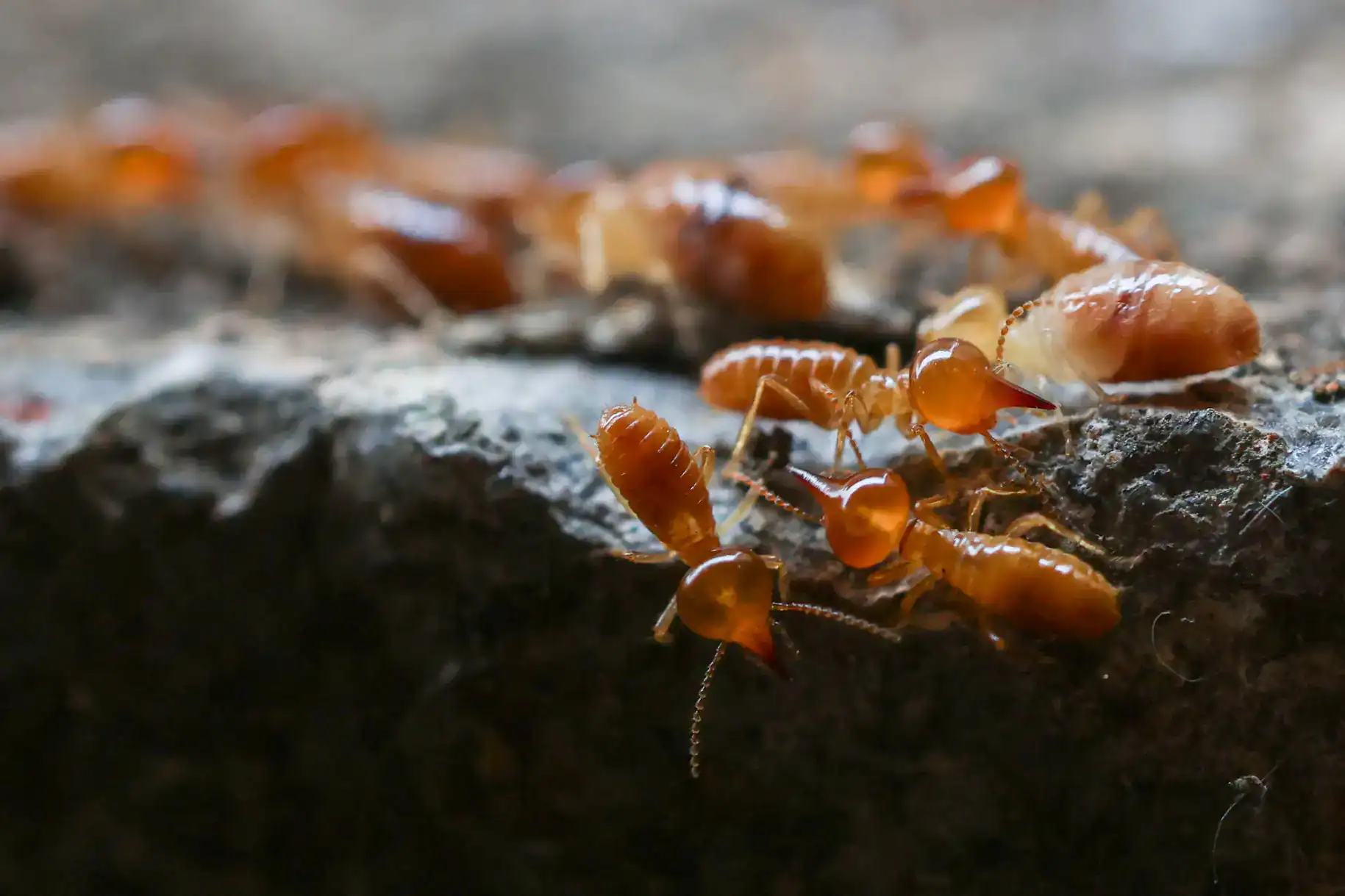
The hard truth about termites in Flatbush is that most homeowners don’t know they have them until the damage is already done. Eastern Subterranean Termites feed around the clock, stay hidden inside walls and floor systems, and can work through a building’s structural lumber for years before anything visible shows up. By the time you see a mud tube near your foundation or find swarmers on your windowsill in March, the colony has likely been active for a long time.
That matters especially in this neighborhood. The Victorian wood-frame homes in Ditmas Park and Prospect Park South were built between 1899 and 1914 with original, untreated lumber the exact material subterranean termites target first. These homes weren’t constructed with chemical barriers or pressure-treated wood. The foundation sills, floor joists, and porch framing in many of these Flatbush houses have never had any protection against wood-destroying insects. That’s just the reality of what a century-old structure faces in Brooklyn’s soil.
For owners of multi-family buildings and prewar apartment houses along Flatbush Avenue or Church Avenue, the risk compounds differently. Termites spread laterally through shared soil beneath attached buildings, which means a colony under one unit can quietly migrate to the next. Getting ahead of it with a real inspection, a real treatment plan, and a company that understands how Brooklyn buildings are connected is the difference between a manageable situation and a structural repair bill your insurance won’t cover.
Kingsway Exterminating Company has been operating out of 2216 Flatbush Avenue since 1971. That’s not a service area on a map that’s our actual address. When you call about a termite problem in Ditmas Park or a suspected infestation in a three-family home near Cortelyou Road, you’re calling a company whose office is on the same street where you live.
Richard Kourbage Sr. founded our business over 50 years ago. His sons Richard Jr. and Charles joined in the late 1980s and have been running operations ever since. That kind of continuity means the people making decisions here have a personal stake in every job not a quarterly earnings target. We hold a BBB A+ rating that dates back to 1989, and every material we apply is registered with the New York State Department of Environmental Conservation. Our staff carries over 100 years of combined pest control experience, and a significant portion of that experience has been spent treating exactly the kind of buildings Flatbush is built from.
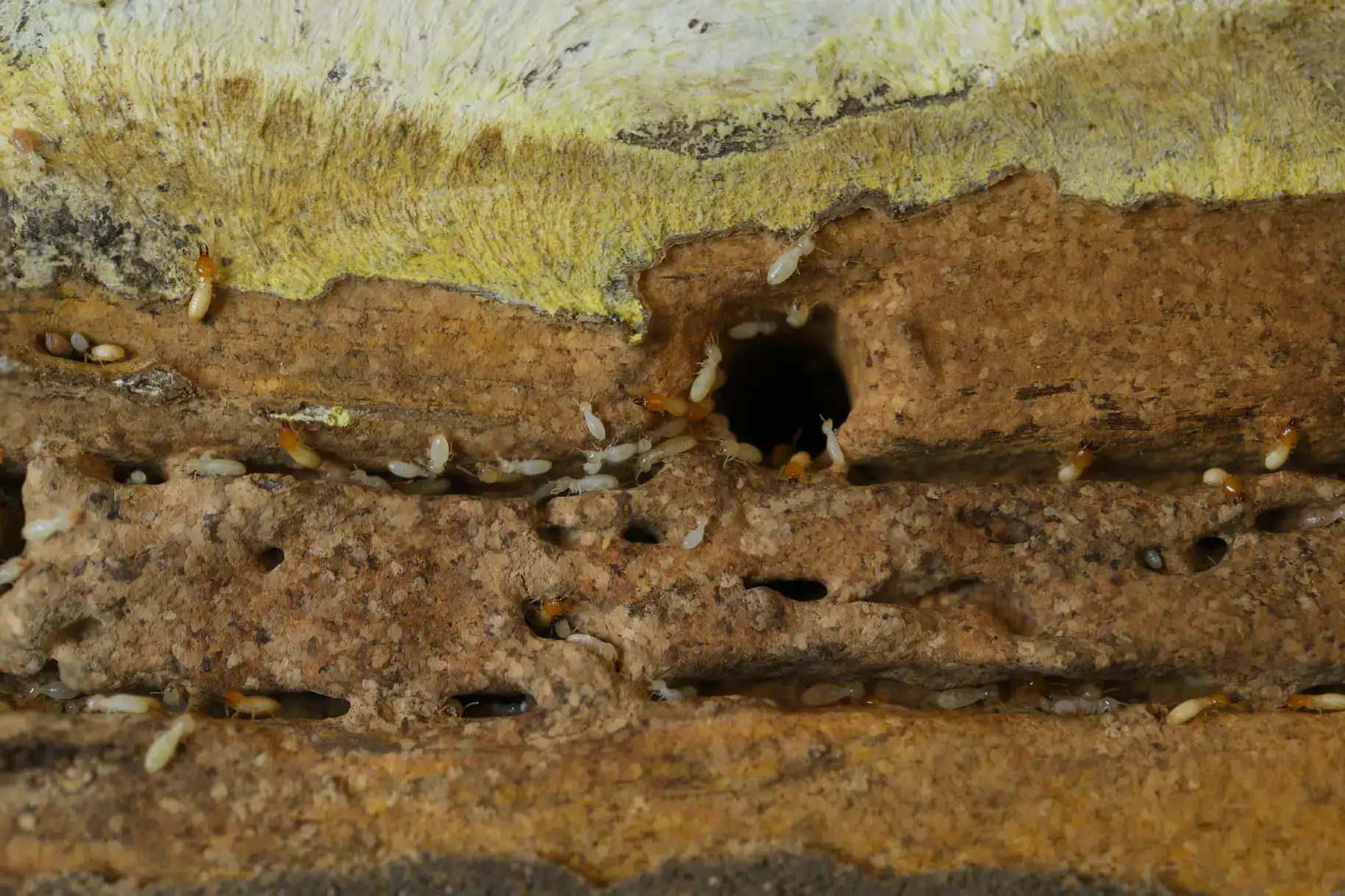
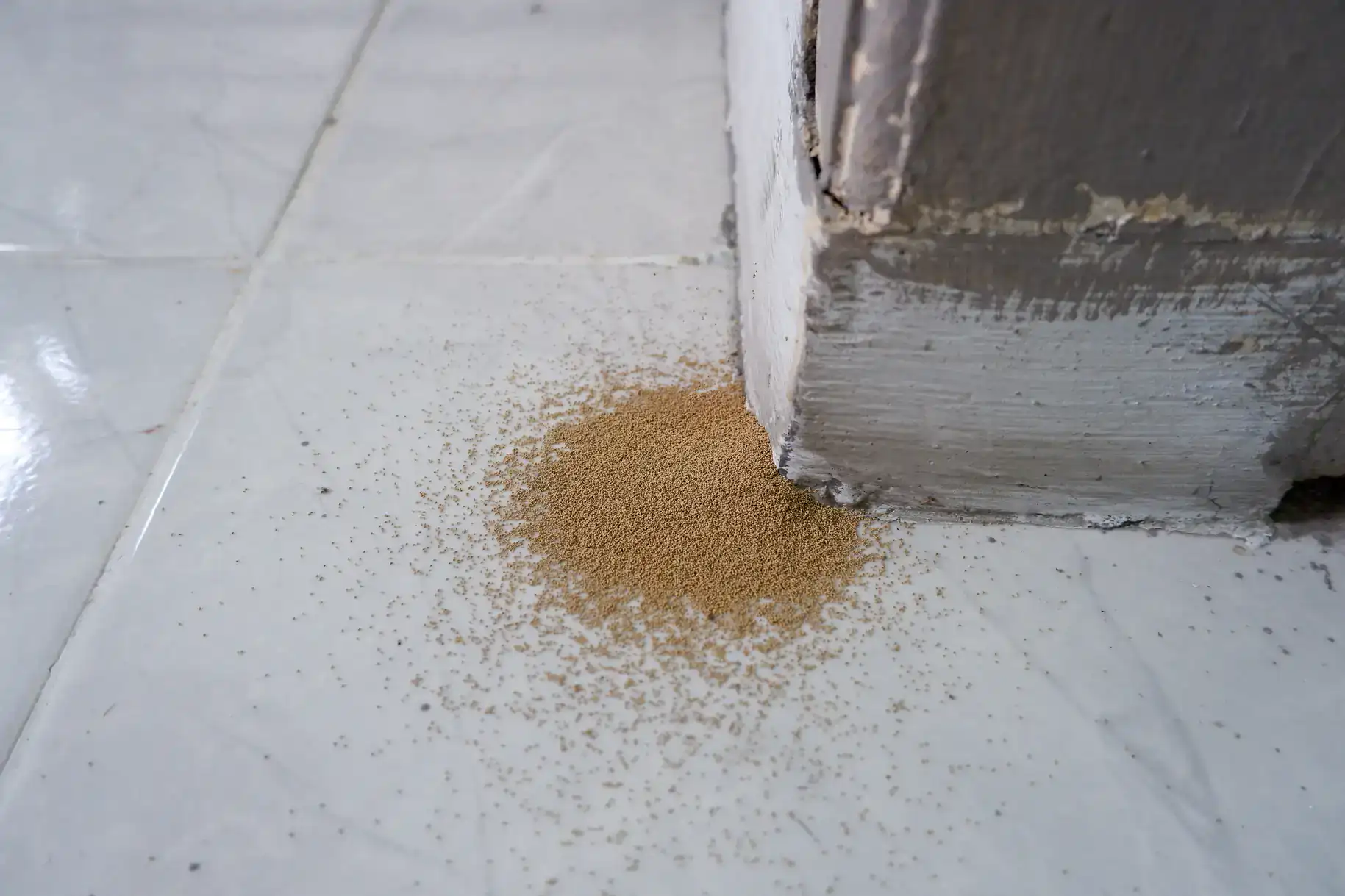
It starts with a thorough inspection not a quick walkthrough, but a real assessment of your foundation perimeter, basement structural members, crawl spaces, and any wood that’s at or near soil grade. In Flatbush’s older housing stock, that means checking original sill plates, porch framing, and floor systems that in many cases haven’t been touched since the home was built. We’re looking for active mud tubes, termite galleries, frass, swarm evidence, and any moisture conditions that make your structure more attractive to a colony.
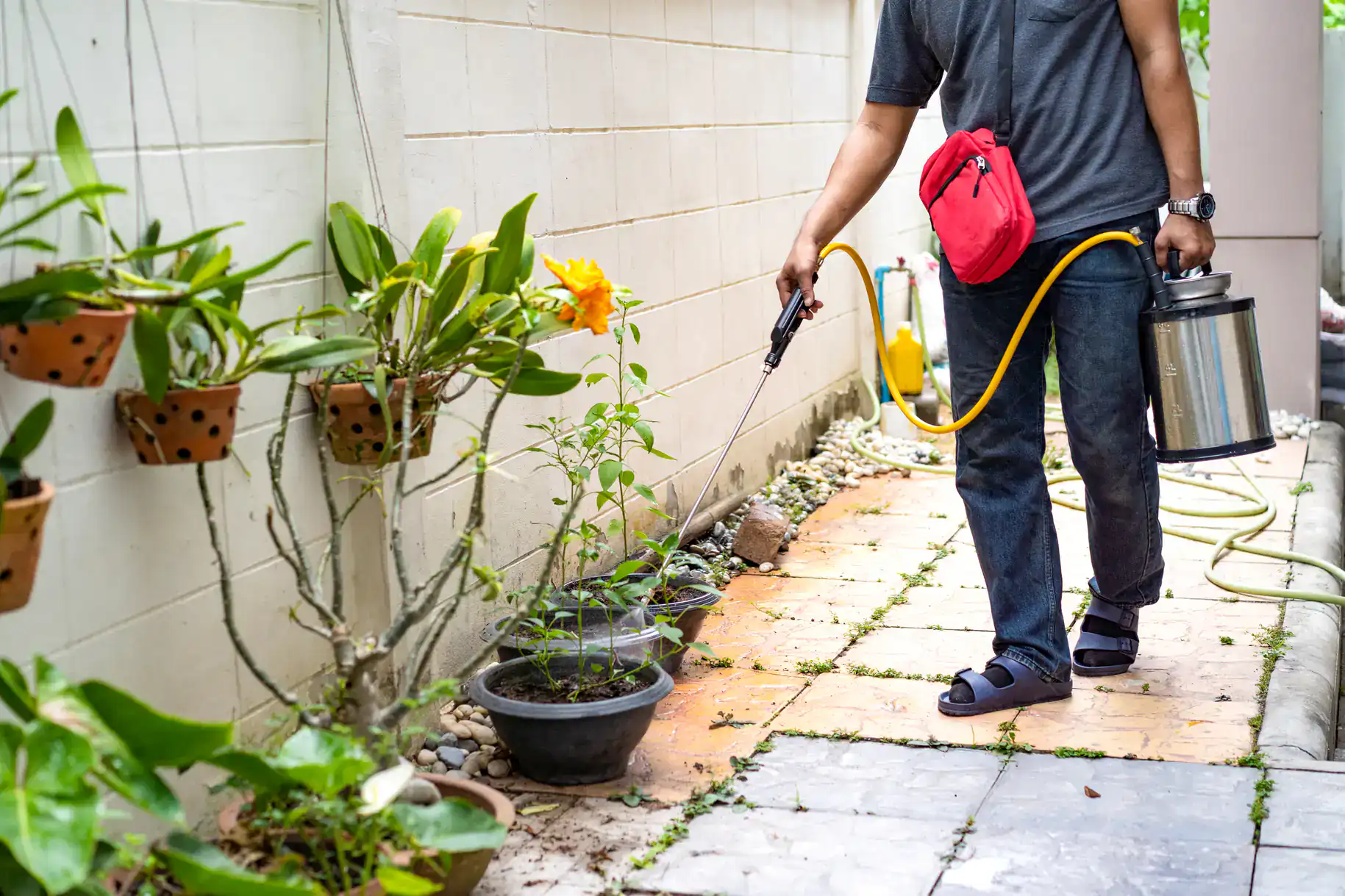
Once we know what we’re dealing with, we walk you through the findings and the options. Depending on what the inspection reveals, treatment may involve a liquid termiticide barrier applied to the soil around your foundation, a bait and monitoring station system, or a combination of both. For attached or semi-attached homes which make up a large portion of Flatbush’s residential blocks we account for the lateral spread risk and treat accordingly. We use only NYS DEC registered materials, and we explain exactly what’s being applied and why before we start anything.
If you’re dealing with a property transaction and need a Wood Destroying Organism report for your lender, we handle that too. FHA and VA loans require WDO documentation before closing, and with Flatbush’s active market for Victorian homes, that need comes up regularly. We can schedule inspections quickly and produce the documentation your attorney or lender needs without holding up your timeline. After treatment, we don’t disappear follow-up and monitoring are part of how we make sure the problem stays solved.
Ready to get started?
Termite control in Flatbush isn’t a single product applied the same way to every building. The landmarked Victorian homes of Ditmas Park have different structural profiles than a prewar six-unit on Flatbush Avenue, and both are different from a two-family brick home on a side street near Beverly Road. What we bring to every job is the experience to read the building, identify the actual entry points and risk zones, and apply a treatment approach that fits the structure not just a standard protocol.
For single-family and two-family homes, treatment typically involves a liquid termiticide barrier around the foundation combined with targeted interior treatment where active infestation is found. For larger multi-family buildings and attached structures, we build in lateral spread protection and can provide the documentation building owners need for NYC Housing Maintenance Code compliance or HPD violation resolution. If your property has received a pest-related citation and you need professional treatment records to close it out, we know exactly what that process requires.
For homeowners in Flatbush’s historic districts where any structural repair triggered by termite damage may require review by the NYC Landmarks Preservation Commission catching the problem before it causes damage isn’t just financially smart, it avoids a regulatory process that can be slow and expensive. Early detection and treatment is always the right move here. A free inspection costs you nothing. Waiting can cost you significantly more than that.
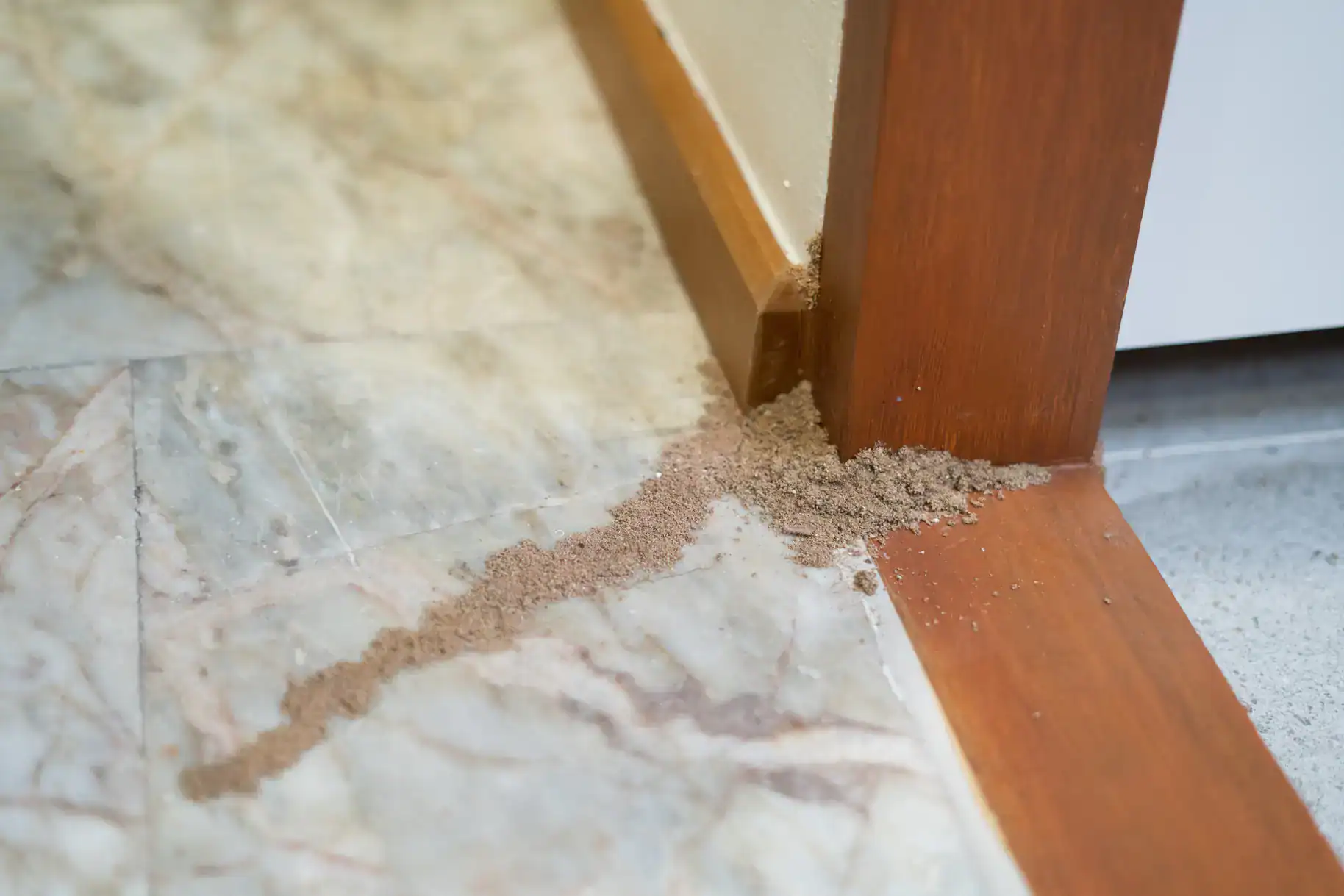
The most common signs are mud tubes running along your foundation walls or basement framing, hollow-sounding wood when you knock on floor joists or door frames, discarded wings near windowsills or light fixtures in early spring, and small piles of frass that look like sawdust near wood structures. In Flatbush’s older homes especially the wood-frame Victorians in Ditmas Park and Prospect Park South these signs often appear in basements, crawl spaces, and around porch framing first, because that’s where original untreated lumber meets soil-grade conditions.
The challenge is that termites work from the inside out. By the time visible damage appears on the surface, the structural wood behind it has often been compromised for months or years. If you’re seeing any of these signs, or if you’re doing renovation work and opening up walls or floors in a pre-1940 home in Flatbush, that’s the right time to call for a professional inspection not after you’ve confirmed the damage is extensive.
In almost all cases, no. Standard homeowner’s insurance policies in New York and across the country classify termite damage as a preventable maintenance issue, not a sudden or accidental loss. That means the cost of treatment and any resulting structural repairs comes entirely out of pocket. For Flatbush homeowners, that financial exposure is real: the average termite damage repair runs around $3,000, and structural repairs involving floor joists, foundation sills, or load-bearing members can reach $10,000 or more.
This is one of the main reasons annual inspections make financial sense, especially in a neighborhood with Flatbush’s housing age profile. Catching an active infestation early before it reaches structural wood keeps the treatment cost manageable and avoids the far larger repair bills that come from delayed action. A professional inspection is a small investment compared to what it protects.
A Wood Destroying Organism (WDO) report is a formal inspection document produced by a licensed pest control operator that identifies any evidence of termites, other wood-destroying insects, or wood decay in a property. It’s required by FHA and VA lenders before a mortgage can close, and many conventional lenders and real estate attorneys request one as part of due diligence on older properties.
In Flatbush, this comes up frequently particularly in the Victorian sub-districts where buyers are purchasing century-old wood-frame homes and financing them through FHA or conventional loans. If you’re under contract and your lender is asking for a WDO report, or if you’re selling and want to get ahead of any potential inspection findings, we can schedule the inspection quickly and produce the documentation your closing requires. Don’t let a missing termite report hold up your transaction it’s one of the more straightforward items to check off the list when you work with a company that knows what lenders actually need.
Yes, and this is one of the more underappreciated risks in Flatbush’s dense residential environment. Eastern Subterranean Termites nest underground and travel through the soil, which means a colony established beneath one unit of an attached or semi-attached building can migrate laterally through shared soil to reach adjacent units or neighboring properties. In a neighborhood where two-family homes, prewar apartment buildings, and attached rowhouses sit on continuous foundation lines, that lateral spread is a documented and ongoing risk.
For building owners and property managers, this means that treating only the unit where activity was first discovered often isn’t enough. A thorough inspection needs to assess the full foundation perimeter and the soil conditions around all connected structures. It’s also worth noting that under New York City’s Housing Maintenance Code, landlords are legally required to maintain pest-free conditions in rental units so a termite problem that spreads to a tenant’s unit isn’t just a structural issue, it’s a compliance one.
Termite swarm season in Brooklyn peaks in early spring typically March through May following warm days with rain. This is when reproductive termites (swarmers) emerge to establish new colonies, and it’s often the first visible sign homeowners notice: winged insects near windows, light fixtures, or basement entry points. Finding swarmers inside your home is a strong indicator that an active colony is already established nearby, not that one is just arriving.
That said, termites are active year-round underground, and the swarm is just one window into what’s happening. Many Flatbush homeowners discover infestations during summer renovation projects when walls or floors are opened up, or during fall real estate transactions when inspections are required. The honest answer is that the best time to schedule an inspection is before you have a reason to panic annually for homes in high-risk areas, and immediately if you see any signs of activity or are preparing to buy, sell, or renovate.
The cost of termite treatment in Flatbush depends on the size of the building, the extent of the infestation, the treatment method used, and the type of structure being treated. For a typical single-family or two-family home, liquid termiticide barrier treatments generally range from a few hundred dollars for a minor localized treatment to $1,500 or more for a full perimeter application on a larger property. Bait and monitoring station systems are typically priced similarly, with ongoing monitoring factored in. Larger multi-family buildings and prewar apartment houses are priced based on linear footage and access.
What significantly affects total cost in Flatbush specifically is the age and construction of the building. The large Victorian wood-frame homes in Ditmas Park and Prospect Park South often have more complex foundation perimeters, deeper basements, and more structural wood to protect than a standard two-family home which can affect the scope of treatment needed. The most accurate way to know what you’re looking at is to get a free inspection first. We provide written estimates before any work begins, so you know exactly what’s involved and what it costs before you commit to anything.
Useful Links
Other Services we provide in Flatbush