Hear from Our Customers
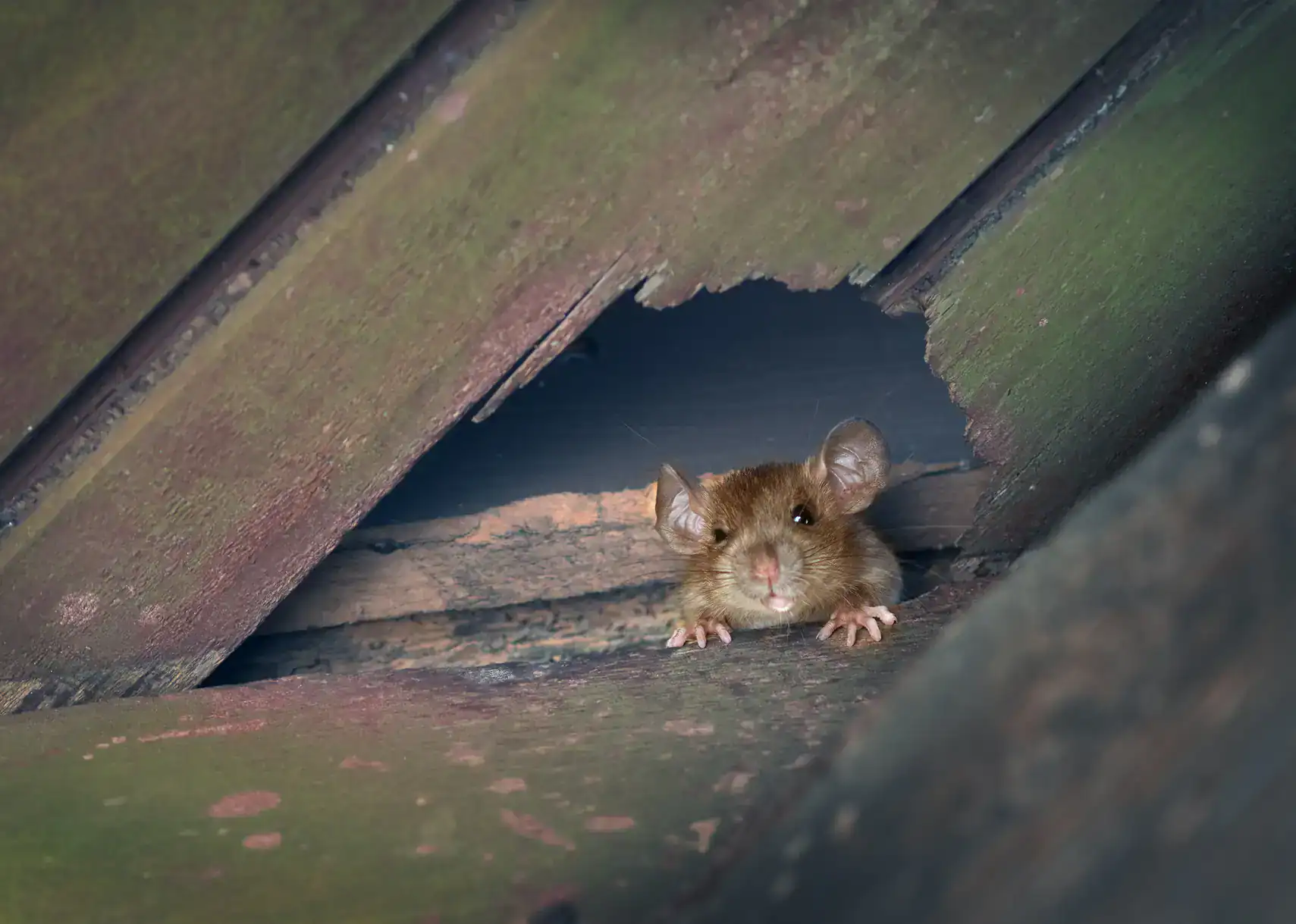
Most rodent jobs in Flatbush fail for one reason: someone treated the inside and left every entry point wide open. You got rid of what was in there, and two weeks later you were back to square one. That’s not a treatment problem it’s a scope problem. Real rodent control means finding where they’re getting in, sealing it, and then addressing what’s already inside. When that happens, the scratching in the walls stops. The droppings disappear. You stop dreading the kitchen at night.
Flatbush has a specific set of conditions that keep rodent pressure high year-round. The commercial corridors along Nostrand Avenue and Flatbush Avenue the bodegas, the Caribbean restaurants, the grocery stores sustain large exterior rat populations that push into adjacent residential buildings constantly. If you live within a few blocks of those corridors, no interior-only treatment is going to hold long-term. You need the perimeter addressed too.
The Victorian homes in Ditmas Park and Prospect Park South are some of the most beautiful in Brooklyn. They’re also 80 to 120 years old, which means aging foundations, old pipe penetrations, and gaps that have been patched over for generations. Mice need a hole the size of a pencil eraser. Rats need a quarter. In a century-old Flatbush home, those openings are everywhere and finding them takes someone who knows what to look for.
Kingsway Exterminating Company is located at 2216 Flatbush Avenue in Marine Park literally on the same road that runs through the heart of this neighborhood. Richard Kourbage Sr. founded our company in 1971, and his sons Richard Jr. and Charles have been running it alongside him since the late 1980s. This is a second-generation family business, and the people answering your call have a personal stake in the outcome of every job.
Over 50 years of working in Flatbush means our technicians have been inside the prewar apartment buildings off Church Avenue, the attached row houses near Newkirk Plaza, and the freestanding Victorians that line the streets of Prospect Park South. We’ve seen every version of this problem that Flatbush can produce. We hold an A+ rating with the Better Business Bureau accredited since 1989 and we apply only NYS Department of Environmental Conservation registered materials on every job. That’s not a marketing line. It’s a licensing requirement, and it matters when someone is working inside your home.
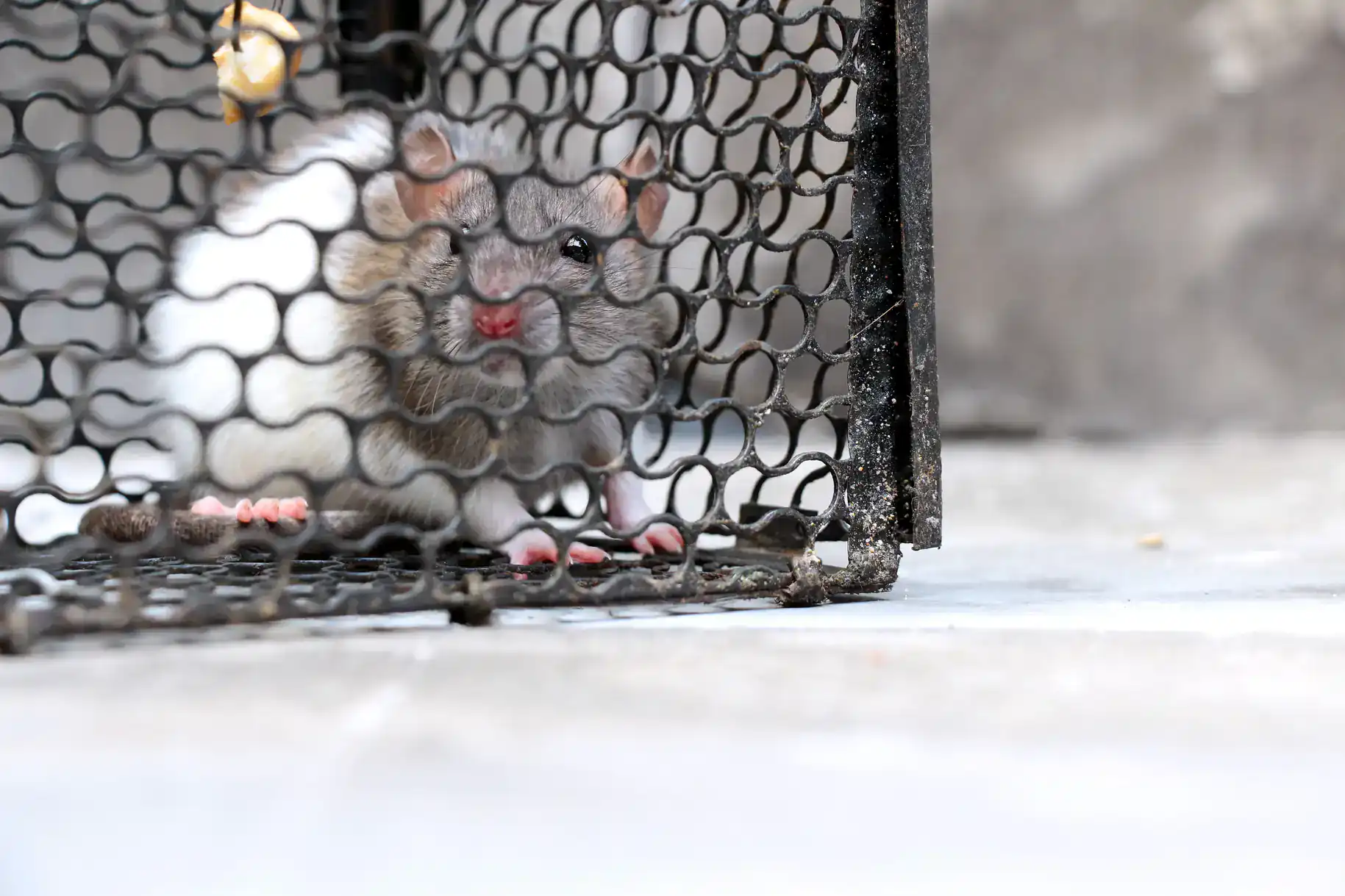
It starts with a thorough inspection. Before anything is treated or sealed, one of our technicians walks the property to understand what you’re actually dealing with what species, how they’re getting in, where they’re nesting, and how far the activity has spread. In Flatbush’s multi-family buildings and attached row houses, this step is especially important because rodents move through shared walls, basement utility penetrations, and common areas. Treating one unit without understanding the building’s full picture is how infestations keep coming back.
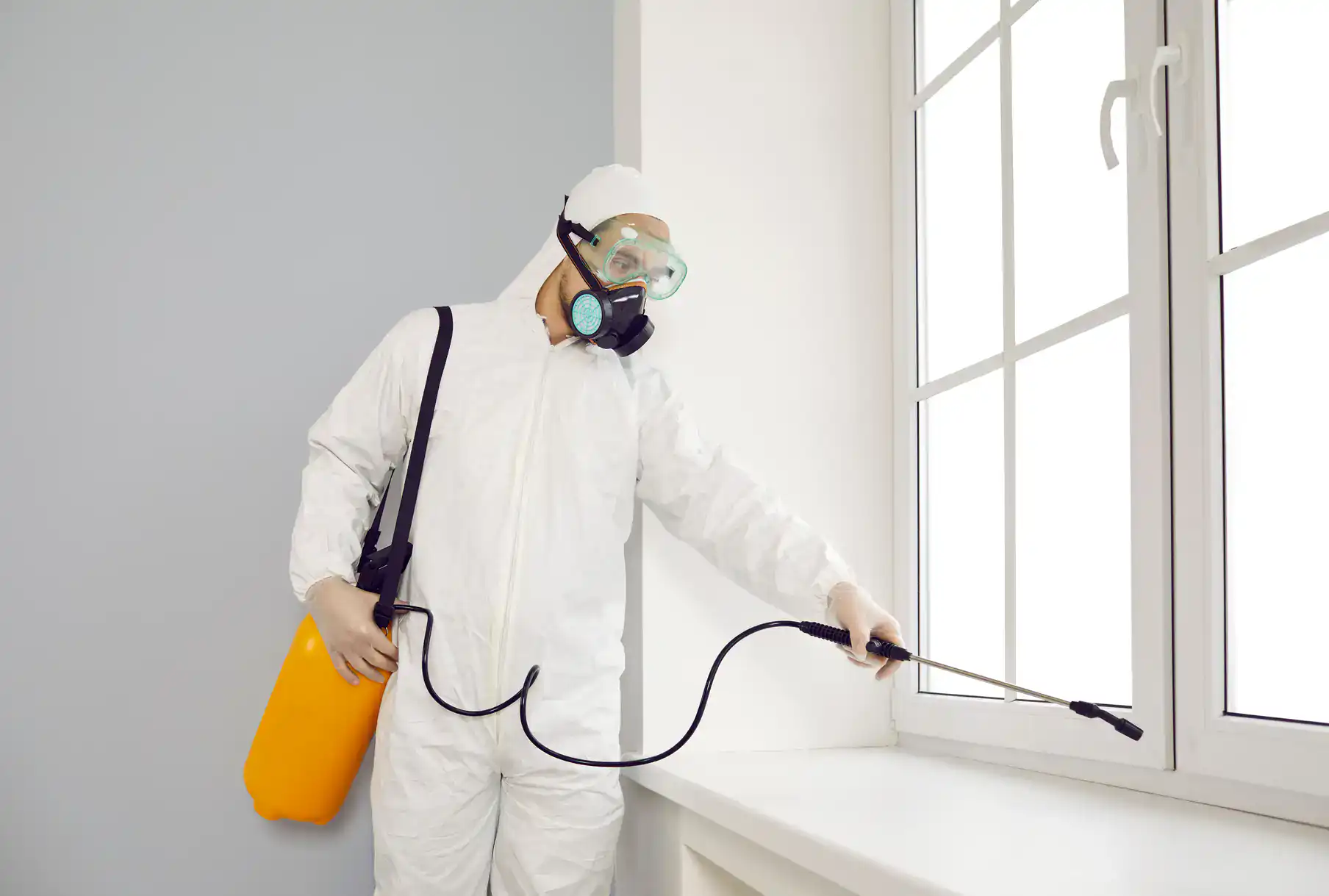
Once the inspection is done, you get a clear picture of what needs to happen. Treatment targets active rodent populations using NYS DEC-registered materials applied by a licensed technician not the same traps you’ve already tried from the hardware store. Alongside treatment, exclusion work identifies and seals the specific entry points rodents are using to access your home. For Flatbush properties near the Flatbush Avenue construction corridor where NYC DOT’s ongoing reconstruction has been displacing rat colonies since 2025 that exterior sealing work is especially critical right now.
After the initial service, we walk you through what to expect in the days that follow and whether follow-up visits are needed based on the severity of the infestation. You’re not left guessing. If you’re in a multi-unit building and the activity is coming from shared spaces, our team can work with your building management directly. The goal isn’t just to solve today’s problem it’s to make sure it doesn’t come back next month.
Ready to get started?
Our rodent control services cover both rats and mice Norway rats, roof rats, house mice across residential homes, apartment buildings, and commercial properties throughout Flatbush. Every service includes a full property inspection, targeted treatment using NYS DEC-registered materials, and a professional assessment of entry points. Exclusion work physically sealing the gaps, cracks, and penetrations rodents use to enter is available as part of a comprehensive service plan and is strongly recommended for any property with recurring activity.
For Flatbush homeowners in the Victorian Flatbush sub-neighborhoods Ditmas Park, Prospect Park South, Fiske Terrace, Midwood Park exclusion work is often the most important part of the job. These homes are stunning, but their age means entry point vulnerabilities that newer construction simply doesn’t have. Our technicians are trained to inspect these specific building types and identify the access points that are easy to miss if you don’t know what you’re looking for.
For multi-family building managers and landlords, we can provide service documentation that supports NYC Health Department compliance and 311 complaint responses. New York City’s Local Law 55 requires building owners to address rodent infestations in residential buildings and having a licensed, insured pest management company on record is part of meeting that obligation. We are fully licensed, bonded, and insured, and every technician is working under NYS DEC compliance on every visit.
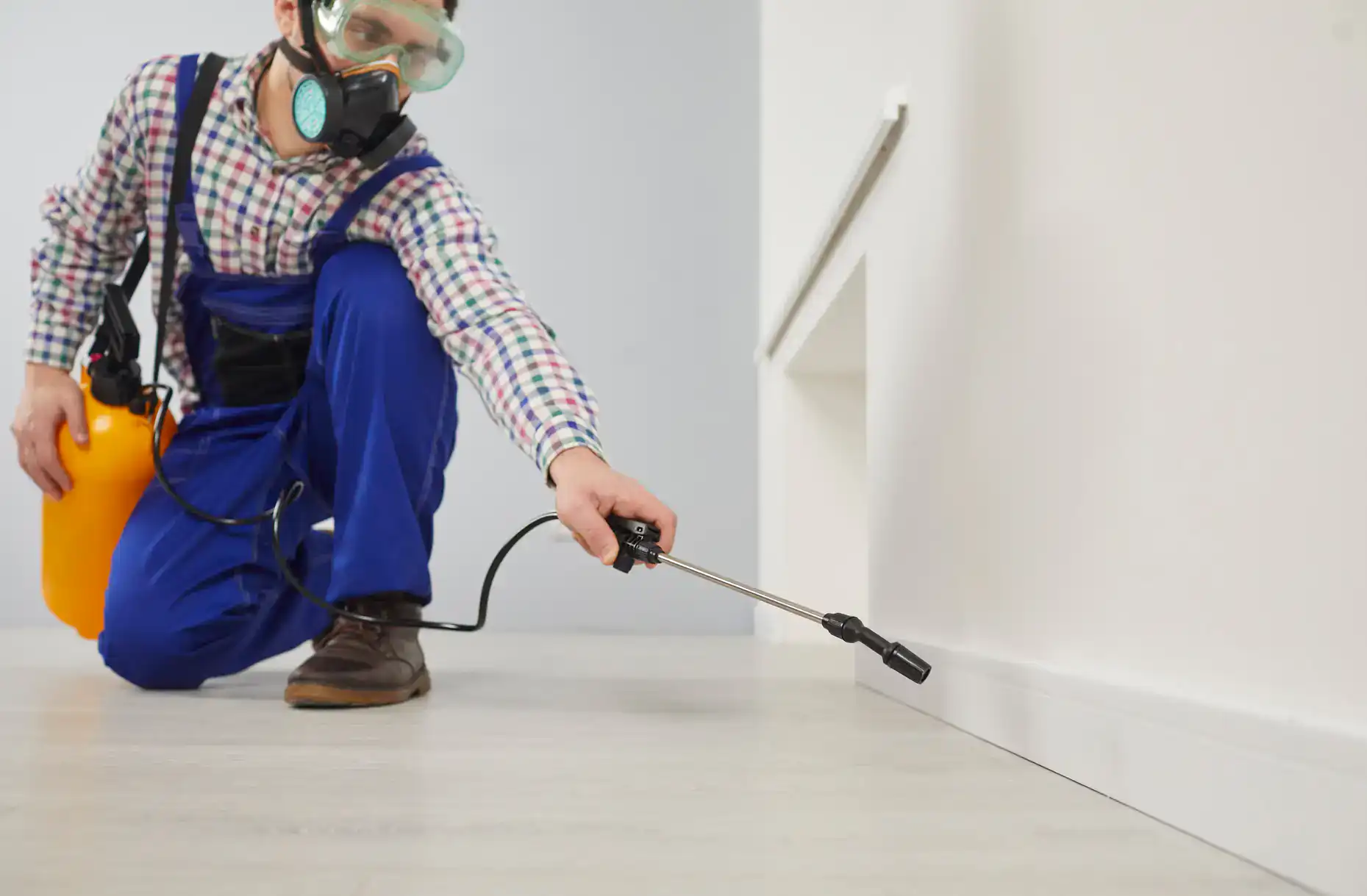
This is one of the most common frustrations in Flatbush, and the answer almost always comes back to entry points. Treating what’s inside the apartment eliminates the mice that are already there but if the gaps, cracks, and penetrations they used to get in are still open, new mice will follow the same path. In Flatbush’s prewar apartment buildings, those entry points are often in places most people never think to check: around steam radiator pipes, behind kitchen appliances where utility lines come through the wall, in the gap between the floor and the baseboard near the building’s exterior wall, or through shared walls with neighboring units.
In a multi-unit building, the problem is compounded by the fact that rodents move freely through the structure. If your neighbor’s unit has active infestation and the shared wall has any penetrations, treating your unit alone won’t hold. A proper inspection needs to look at the full picture not just your four walls. That’s what separates a lasting fix from a temporary one.
Very likely, yes at least in part. The commercial food corridors along Flatbush Avenue and Nostrand Avenue sustain large exterior Norway rat populations that consistently pressure adjacent residential buildings in the neighborhood. Food waste from restaurants, bodegas, and grocery stores is the primary driver of exterior rat activity in dense urban neighborhoods like Flatbush. Rats don’t stay put they forage outward from those food sources, and the nearest residential building with an accessible entry point becomes their next harborage site.
This is why interior-only treatment has limits if you’re living close to those corridors. The exterior population keeps replenishing the interior one. A comprehensive approach includes exterior inspection to identify how rats are accessing your building’s perimeter foundation gaps, utility penetrations, basement window frames, drain covers and sealing those points so the pressure from the commercial corridor can’t translate into an indoor infestation. If you’re within a few blocks of Flatbush Avenue or Nostrand Avenue, that exterior work isn’t optional. It’s the part that makes the treatment stick.
The short answer is: through a lot of places that are easy to miss. The Victorian and early 20th-century homes in Ditmas Park, Prospect Park South, and the other Flatbush Malls sub-neighborhoods are architecturally remarkable but they’re also 80 to 120 years old, and that age creates entry point vulnerabilities that newer construction doesn’t have. Foundations settle and crack. Mortar between brick deteriorates. Pipe penetrations that were sealed decades ago have gaps around them now. Wood framing around basement windows and door sills has shifted or softened. Mice can fit through a hole the size of a pencil eraser. Rats need a gap about the size of a quarter.
The challenge with these homes is that the entry points are often in places that require a trained eye to find inside wall voids, beneath the subfloor near the foundation, behind finished basement walls, or in the crawl space where the structure meets the ground. A technician who knows Victorian-era construction knows where to look. A hardware store trap set in the middle of the kitchen floor does not address any of this. If you’ve been dealing with recurring rodent activity in one of these homes, the missing piece is almost certainly a thorough inspection focused on the building envelope, not just what’s visible inside.
Yes, and this is a real and current issue for Flatbush residents. NYC DOT’s major Flatbush Avenue reconstruction project which has been installing center-running bus lanes and rebuilding the corridor since 2025 involves significant excavation and underground utility work. When construction disturbs the ground infrastructure that established rat colonies depend on, those colonies don’t disappear. They relocate. And the nearest warm, accessible structure with a food source becomes their next target.
If you live along or near Flatbush Avenue and you’ve noticed an uptick in rodent activity in 2025 or 2026, construction displacement is a plausible contributing factor. This doesn’t mean the problem is temporary or will resolve on its own when construction ends once rats establish a new harborage inside a building, they stay. The time to act is before the infestation becomes fully established, not after. If you’re seeing signs of activity droppings, gnaw marks, sounds in the walls at night call sooner rather than later.
Under New York City law, it’s the landlord’s responsibility. NYC’s Local Law 55 and the NYC Health Code require building owners to maintain their properties in a rodent-free condition and to address infestations when they occur. If you report a rodent problem to your landlord and they don’t act, you can file a complaint through NYC 311, which routes to the NYC Department of Health and Mental Hygiene for inspection. A building owner who receives a Health Department notice is required to hire a licensed pest management professional when appropriate and failure to comply can result in fines and violations.
That said, the legal responsibility and the practical reality don’t always line up quickly. If your landlord is slow to act and you’re living with an active infestation, you have options. We can provide professional service documentation that supports your 311 complaint and demonstrates the scope of the problem. For building managers and property owners in Flatbush who want to stay ahead of Health Department violations, we also work directly with building management to address infestations across multiple units and common areas not just individual apartments.
For most residential rodent control jobs in the NYC metro area, homeowners typically spend somewhere between $180 and $610 for treatment, depending on the size of the property, the severity of the infestation, and what’s involved. If exclusion work physically sealing entry points is part of the job, that can add another $200 to $600 depending on how many access points need to be addressed and what materials are required.
For Flatbush specifically, the age and construction type of the building matters. A Victorian freestanding home in Ditmas Park with a deteriorating foundation and multiple pipe penetrations is going to require more thorough exclusion work than a newer single-family home. A multi-unit apartment building with shared walls and a basement utility room is a different scope than a ground-floor condo. The best way to get an accurate number is to start with a free phone consultation we offer that before any commitment so you understand what you’re actually dealing with before anyone shows up. There’s no obligation, and it’s a better starting point than guessing based on a general price range.
Useful Links
Other Services we provide in Flatbush