
Hear from Our Customers
Bed bugs don’t care how clean your home is. They hitchhike on luggage, on secondhand furniture, on clothing and with JFK International Airport sitting right across the Belt Parkway, South Jamaica residents are exposed to one of the highest-traffic bed bug introduction points in the entire city. Airport workers, hotel employees, returning travelers the transmission vectors here are real and specific, and they affect this neighborhood in ways that simply don’t apply to most of Queens.
Once treatment is done correctly, the difference is immediate. You stop waking up to check your sheets. You stop second-guessing the couch. You stop worrying about whether the bugs have spread to your kids’ room or your elderly parent’s bedroom down the hall. That’s what a proper bed bug treatment actually delivers not just a sprayed apartment, but the confidence that the problem is handled.
For residents in multi-unit buildings like Rochdale Village or the South Jamaica Houses, the stakes are even higher. A single untreated unit can re-infest an entire floor. When treatment is thorough, licensed, and followed through correctly, you’re not just protecting your unit you’re protecting your neighbors, and yourself from a problem that keeps coming back.
Kingsway Exterminating has been operating in New York City for more than four decades. We’re family-owned, BBB A+ accredited since 1989, and fully licensed, bonded, and insured under New York State Department of Environmental Conservation requirements which is exactly what NYC law requires for any legitimate bed bug treatment in a multiple dwelling.
What gets mentioned most in our reviews isn’t the fastest thing to say, but it matters: customers specifically call out that we didn’t try to make the problem sound worse than it was. In a neighborhood like South Jamaica where budgets are real and trust is earned through honesty, not advertising that’s the kind of reputation that actually means something.
We serve all of Queens, including the residential corridors throughout South Jamaica and the surrounding communities of St. Albans, Springfield Gardens, and South Ozone Park. If you’re in this part of the borough, you’re in our territory, and we know what the housing stock here actually looks like.
It starts with a thorough inspection. Before anything gets treated, we need to know what we’re actually dealing with where the infestation is, how far it’s spread, and what type of property we’re working in. That last part matters more than most people realize. A one-family house in South Jamaica requires a different approach than a cooperative unit in Rochdale Village or a floor in the South Jamaica Houses. The treatment plan follows the infestation, not a one-size template.
Once we’ve assessed the situation, we walk you through what treatment involves, what it will cost, and what you need to do to prepare. Preparation is real there are specific steps that make treatment significantly more effective, and we explain them clearly before we ever start. For households with children, elderly residents, or pets, we also cover exactly what to expect from our environmentally friendly treatment options so nobody is caught off guard.
After treatment, we schedule follow-up visits to confirm the infestation is eliminated. Under NYC’s Housing Maintenance Code, if your landlord received an HPD Notice of Violation for bed bugs, the treatment must be performed by a NYSDEC-licensed professional and follow-up documentation is part of satisfying that requirement. We handle the compliance side too, including Department of Health clearance certificates when needed, so you’re not left figuring out the paperwork on your own.
Ready to get started?
Every job starts with a free estimate. You call, describe what you’re seeing, and we give you a real answer about what treatment will involve and what it will cost before you commit to anything. There’s no pressure, no vague pricing, and no inflated scope designed to run up your bill. If the problem is minor, we tell you that. If it’s more involved, we explain exactly why.
Treatment options include conventional chemical treatment and heat treatment, depending on the property type, infestation severity, and your household’s specific needs. Heat treatment is particularly effective in South Jamaica’s older housing stock the 1940s and 1950s-era construction common throughout the neighborhood has more wall voids, baseboard gaps, and structural hiding places than newer builds, and heat reaches areas that chemical treatment alone can sometimes miss. We’re certified bed bug specialists, not general exterminators who added bed bugs to a service menu, and that distinction shows in how thoroughly a job gets done.
For landlords and property managers dealing with HPD enforcement, we issue NYC Department of Health clearance certificates and can help resolve health code violations tied to bed bug complaints. If you manage units in any of South Jamaica’s multi-family buildings whether that’s a private rental or a cooperative unit in Cedar Manor we understand the compliance requirements and handle them as part of the job.
Yes, and this is one of the most common concerns we hear from residents in South Jamaica’s multi-unit buildings and for good reason. Bed bugs can move through shared walls, along electrical conduits, through plumbing chases, and across shared hallways. In a building like Rochdale Village or the South Jamaica Houses, where hundreds of units share common infrastructure, a single untreated infestation is a real risk to adjacent apartments.
This is why treatment in a multi-unit setting needs to account for more than just the affected unit. A thorough inspection should evaluate adjacent units directly above, below, and to either side to determine whether the infestation has already spread. If your landlord or cooperative board is only treating one unit and calling it done, that’s often not enough. We assess the full scope and recommend a plan that actually addresses the building-level risk, not just the surface-level complaint.
Under New York City’s Housing Maintenance Code, the property owner of a multiple dwelling is legally responsible for addressing bed bug infestations. That means your landlord or in the case of a cooperative like Rochdale Village, the cooperative board is required to arrange and pay for treatment by a NYSDEC-licensed professional. You, as the tenant, are generally not responsible for the cost of extermination in a rental unit.
If you report a bed bug infestation to your landlord and they fail to respond within a reasonable timeframe, you can file a complaint through 311. That triggers an HPD inspection, and if bugs are confirmed, HPD issues a Notice of Violation that legally requires the owner to remediate the problem. The key is documenting everything when you reported it, how, and what response (if any) you received. If you’re unsure where you stand, calling us for an inspection first gives you documented confirmation of the infestation, which strengthens your position significantly.
Heat treatment is not only safe for older homes it’s often the most effective option for them. South Jamaica’s housing stock includes a significant number of one- and two-family houses built between the 1940s and 1960s. That construction era means more gaps in baseboards, more voids behind aging walls, and more structural hiding spots where bed bugs can harbor and survive a chemical-only treatment. Heat penetrates all of those spaces in a way that sprays sometimes can’t.
The process involves raising the interior temperature of the treated space to a level that kills bed bugs at every life stage eggs included and holding it there long enough to be effective throughout the structure. For households with children, elderly family members, or pets, heat treatment is also a strong option from a safety standpoint because it doesn’t leave chemical residue behind. We walk every household through what to expect before treatment begins, including what items need to be removed or protected, so there are no surprises on the day of service.
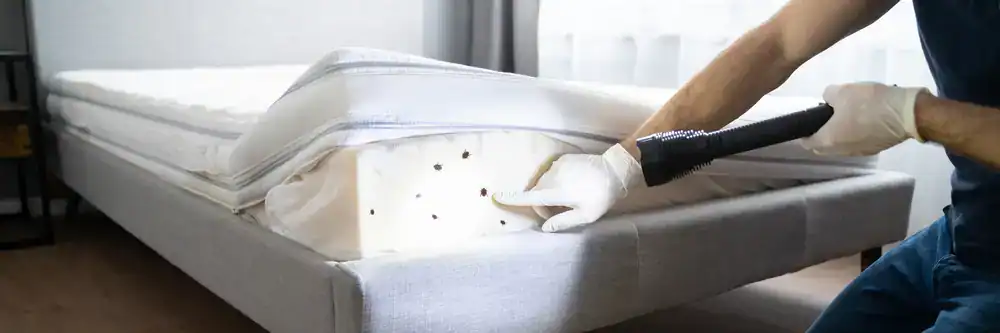
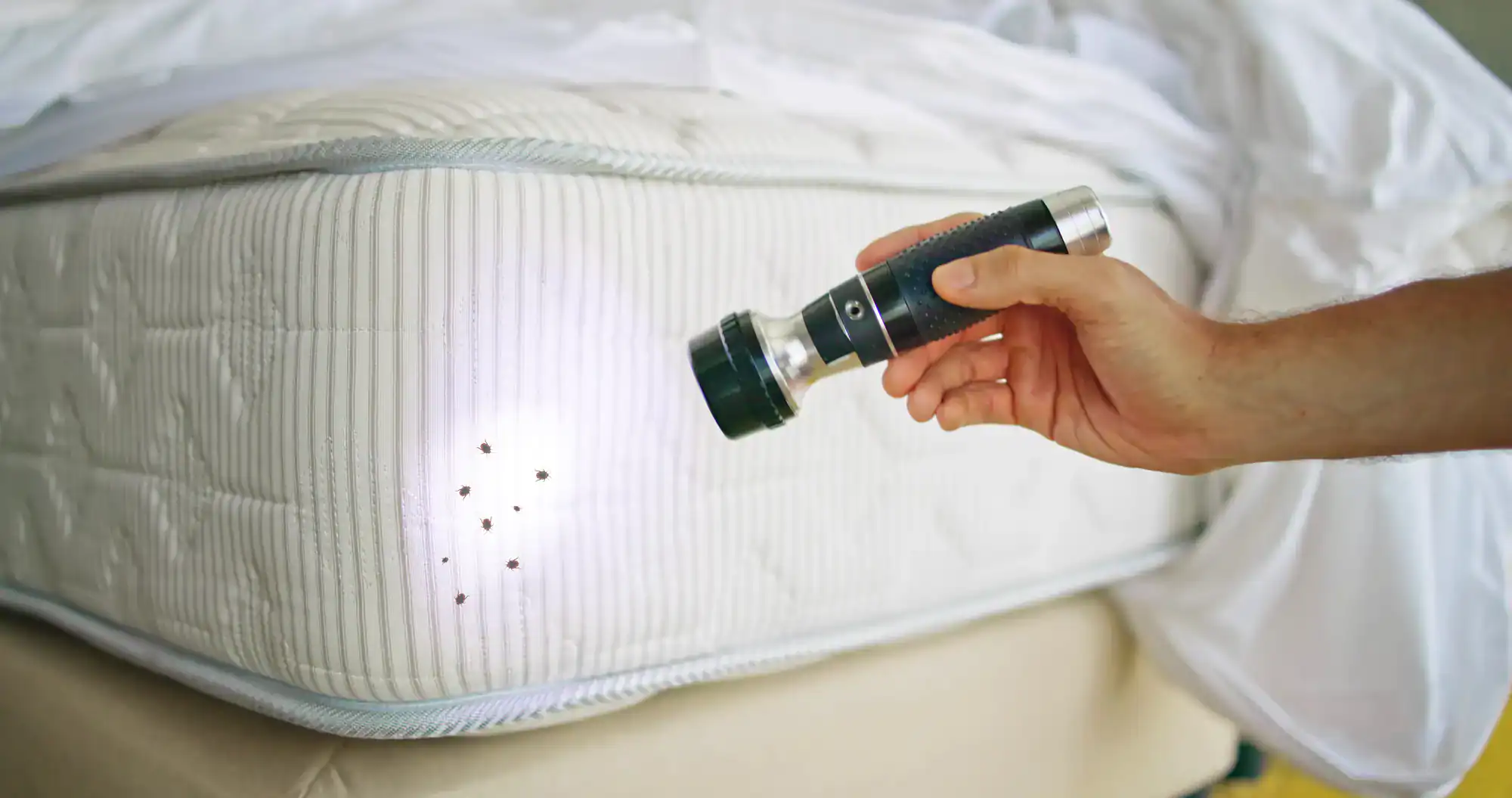
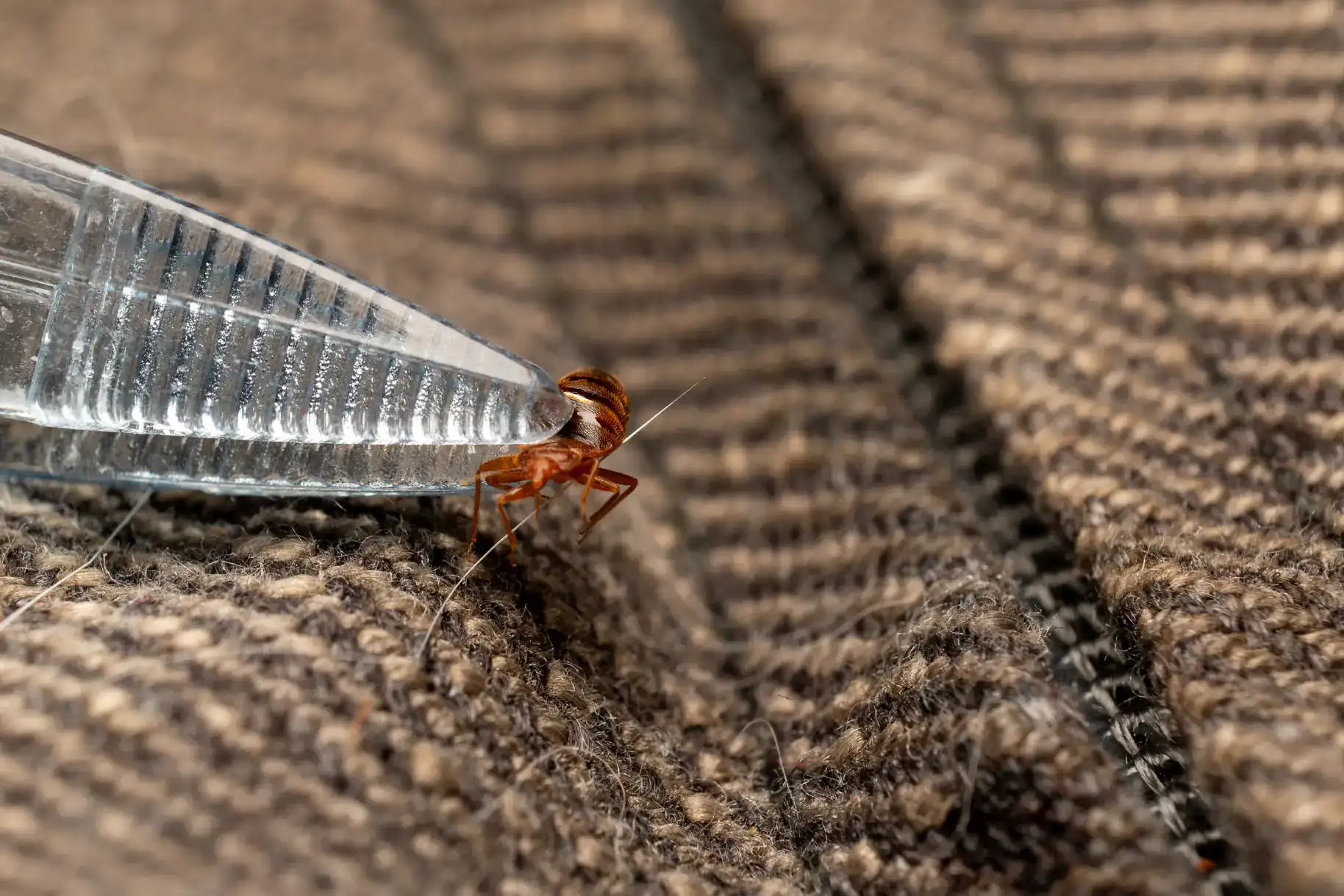
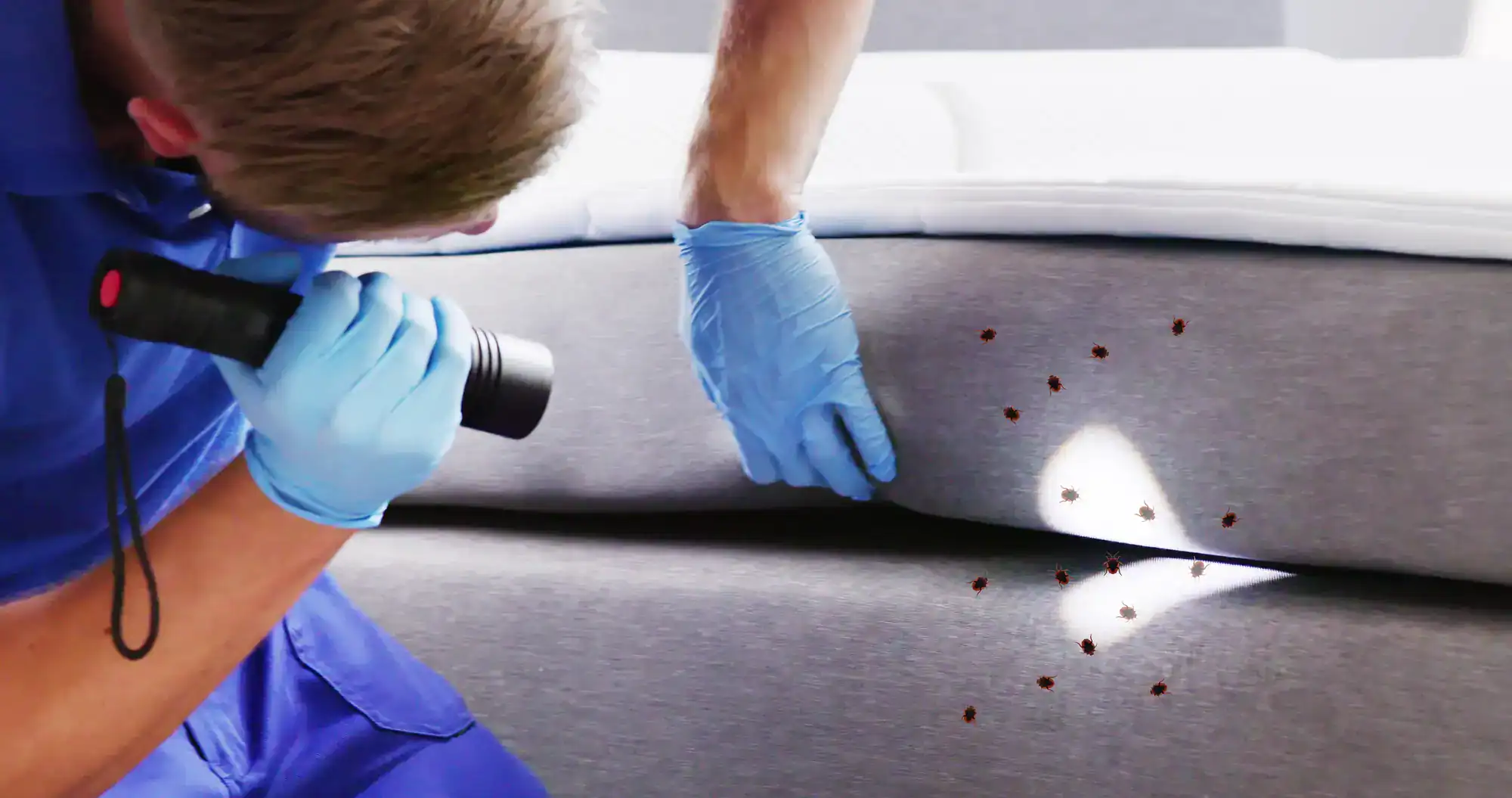
Bites alone aren’t enough to confirm a bed bug infestation reactions vary widely from person to person, and some people show no marks at all even after repeated exposure. The more reliable signs are physical evidence in the bed and surrounding area: small rust-colored stains on your sheets or mattress seams, tiny dark spots (which are bed bug droppings) along baseboards or behind headboards, shed skins in the folds of your mattress, or in more advanced infestations a faint musty odor in the room.
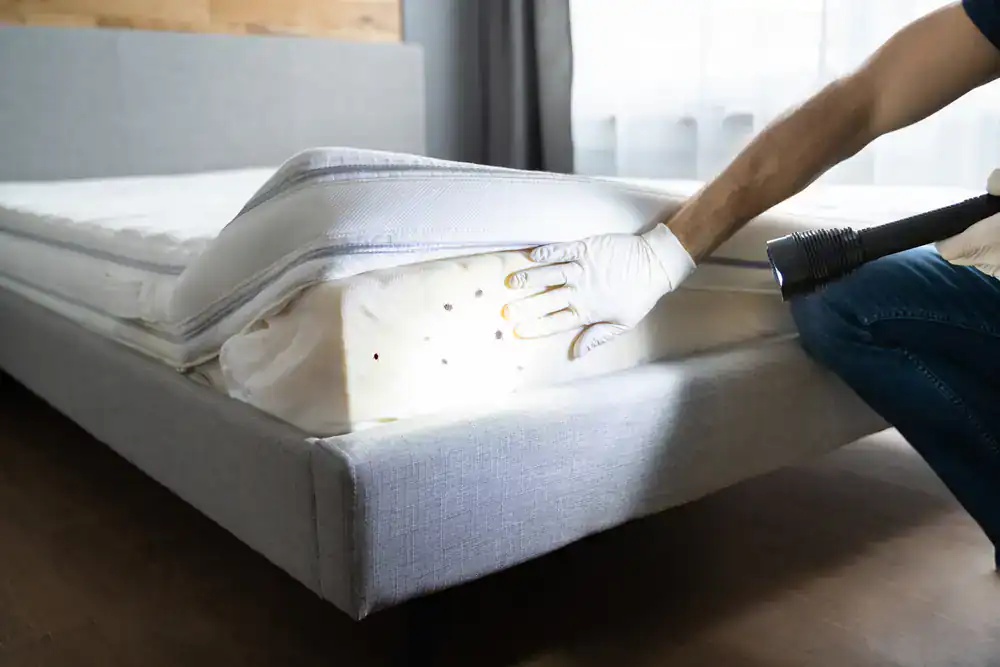
If you’re seeing bites but can’t find physical evidence, a professional inspection is the fastest way to get a definitive answer. We check the areas bed bugs actually hide not just the mattress surface, but the box spring, the bed frame, behind outlet covers, inside nightstand drawers, along the baseboard where it meets the floor, and in any upholstered furniture nearby. An accurate inspection is the foundation of a treatment plan that actually works, which is why we do it before recommending anything.
The honest answer is that cost depends on the size of the infestation, the type of property, and what treatment method is appropriate. For a standard residential case a single unit or one- to two-family home with a contained infestation professional treatment typically runs between $1,000 and $2,500. More severe infestations, or situations involving multiple units in a building, can run higher, sometimes in the $4,000 to $6,000 range depending on scope.
What affects that number most is how early you catch it. A small infestation treated quickly costs significantly less than one that’s been spreading for months through a multi-room home or into adjacent units. The other thing worth knowing: you almost certainly do not need to throw out your furniture. That’s one of the most common misconceptions, and it’s an expensive one. A proper treatment plan addresses the infestation in place. We provide a free estimate before any work begins so you know exactly what you’re looking at before making any decisions.
This is a very real and very specific risk for South Jamaica residents. JFK International Airport is one of the busiest international airports in the world, and it sits directly south of the neighborhood across the Belt Parkway. The hotels clustered in and around the Jamaica and South Jamaica area serve a constant flow of international travelers, and many residents work in the airport’s transportation, hospitality, and logistics sectors industries with documented elevated bed bug exposure risk.
Bed bugs are expert hitchhikers. They hide in the seams of luggage, in clothing folds, and in soft goods and they can survive in a suitcase through an entire international trip. When that luggage comes home and sits on a bed or in a closet, the bugs have a direct path into your living space. The same risk applies to secondhand furniture and clothing purchased from thrift stores or online marketplaces. If you’ve recently traveled, stayed in a hotel, or brought secondhand items into your home and are now seeing signs of an infestation, those are the first things to mention when you call. It helps us narrow down the source and build a more targeted treatment plan from the start.
Useful Links