Hear from Our Customers
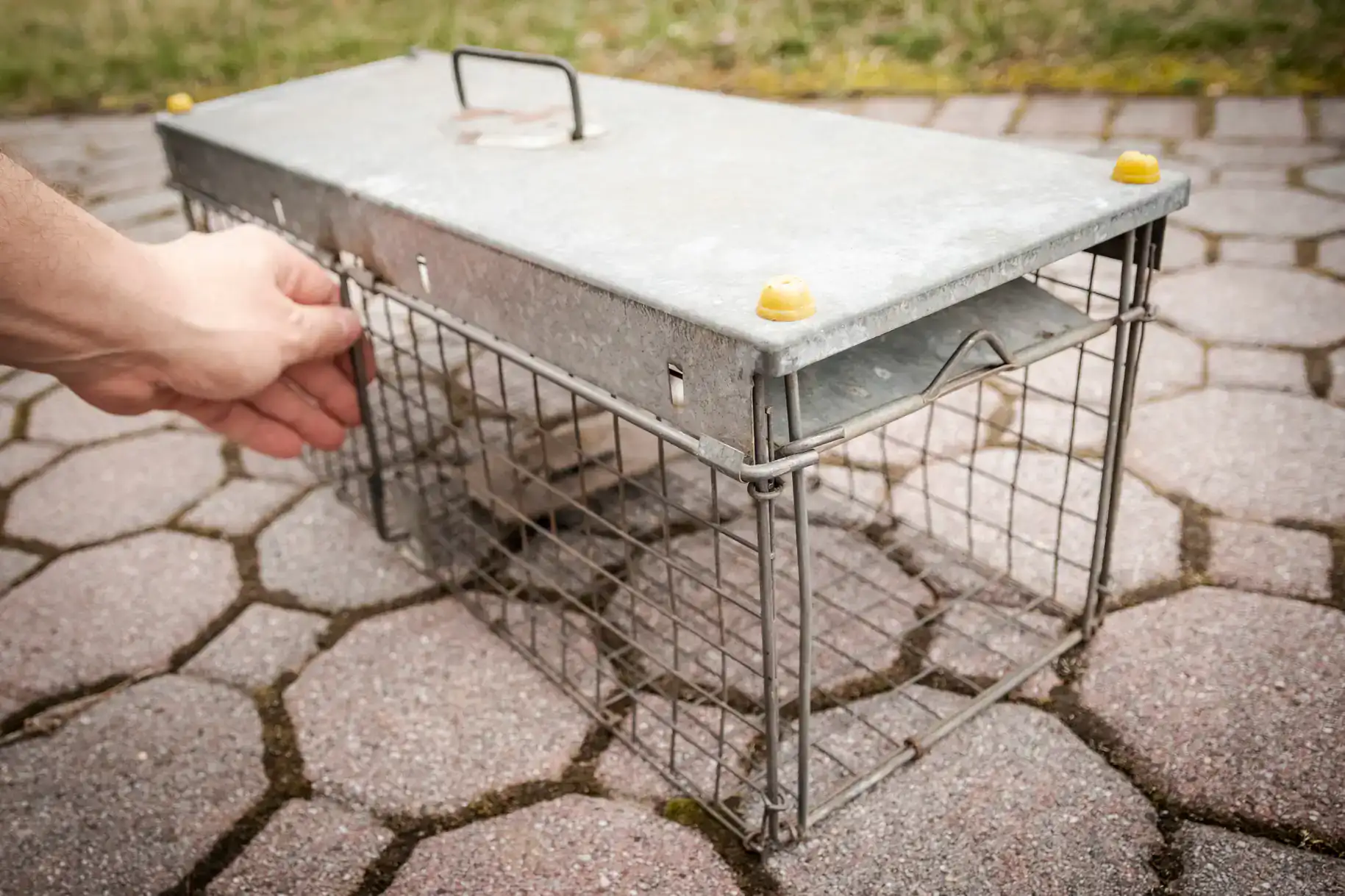
You stop finding droppings in the kitchen. You stop hearing scratching in the walls at 2 AM. Your kids aren’t sharing a home with something that carries leptospirosis or salmonella. That’s what rodent removal in South Jamaica, NY actually looks like when it’s done right not just a reduction, but a resolution.
South Jamaica’s housing stock is one of the biggest factors here. Most homes in this neighborhood were built between 1940 and 1969, and older brick rowhouses and attached two-families accumulate decades of foundation cracks, deteriorated pipe penetrations, and settled masonry gaps. Those aren’t just cosmetic issues they’re open invitations. A rat needs a hole the size of a quarter. A mouse needs the size of a pencil eraser. Professional inspection finds what you’ve already missed.
Then there’s the pressure from outside your walls. The commercial density along Jamaica Avenue restaurants, bodegas, food markets generates rat activity that extends directly into the residential blocks of South Jamaica. Norway rats travel 100 to 150 feet from their nest daily. The ones feeding on commercial waste a block away could be nesting under your porch right now. Sealing your home without addressing that external pressure is only half the job.
We’ve been handling rodent infestations across New York City since 1971. That’s not a tagline it’s a track record. Founded by Richard Kourbage Sr. and now run by his sons Richard Jr. and Charles, Kingsway Exterminating has been family-owned and continuously operating for over five decades. No rebrands. No franchise buyouts. The same family, the same standards.
We’re based in Marine Park, Brooklyn connected directly to South Jamaica via Linden Boulevard, the same road that runs along the southern edge of this neighborhood. We hold an A+ BBB rating, have been BBB-accredited since 1989, and apply only NYS Department of Environmental Conservation registered pesticide materials. Fully licensed, bonded, and insured.
We’ve also built a reputation that extends beyond homeowners. New York attorneys and real estate brokers actively refer us for health code citation work and property transaction inspections the kind of trust that doesn’t come from a Google ad. It comes from decades of showing up and doing the job correctly in neighborhoods like South Jamaica, where the older housing stock demands precision and experience.
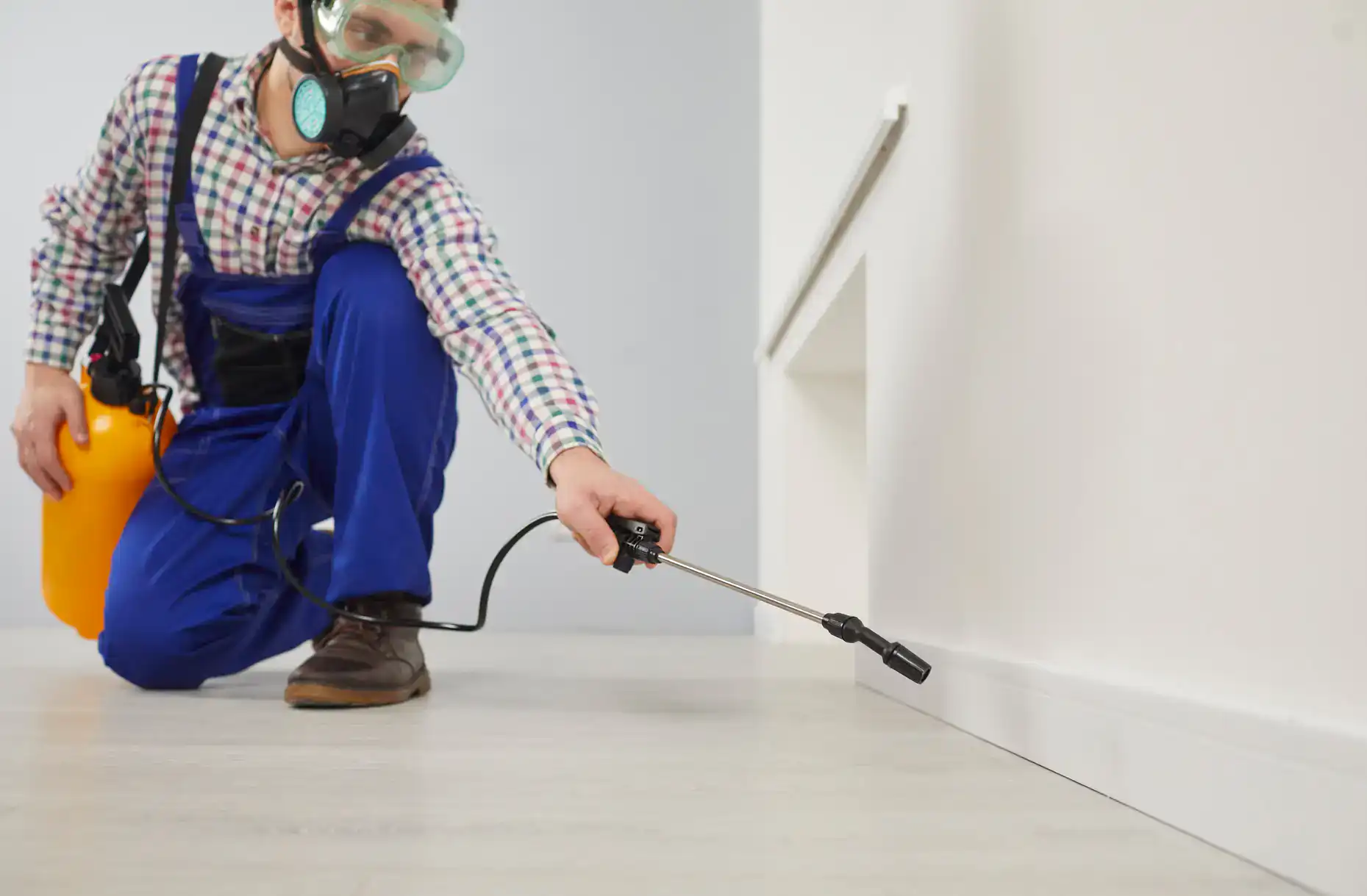
The first thing we do is inspect not just set traps and leave. Our technician walks both the interior and exterior of your home, looking at foundation walls, utility penetrations, rooflines, garage doors, and every gap that a South Jamaica rowhouse has accumulated over decades of use. In homes near Baisley Pond Park or along the blocks adjacent to active construction on Merrick Boulevard or Guy R. Brewer Boulevard, that inspection also accounts for external pressure points areas where displaced rodent colonies or park-border activity are actively pushing rodents toward residential properties.
Once the entry points are identified, exclusion comes next. That means sealing those points with professional-grade materials steel mesh, metal flashing, door sweeps, and foam sealant matched to the specific type of opening. This is the step most DIY attempts skip entirely, and it’s the reason rodent problems come back after hardware store traps seem to work for a few weeks.
After exclusion, we apply targeted treatment to handle the existing population through tamper-resistant bait stations, interior trapping, and placement strategies based on the actual rodent activity found during the inspection. You’ll also get clear guidance on what to expect in the days after treatment, what signs indicate the process is working, and when follow-up may be needed. No mystery, no vague timelines.
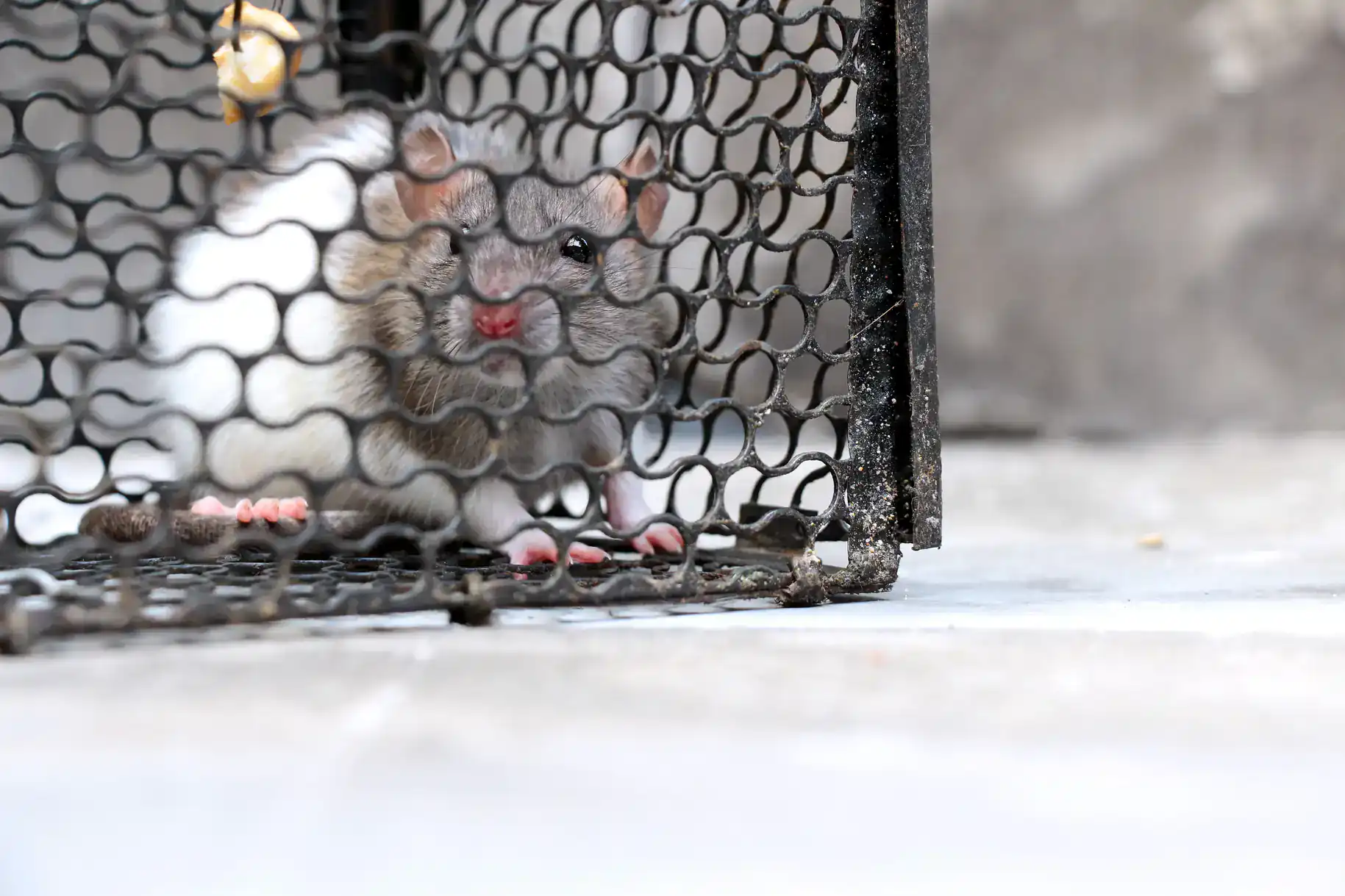
Ready to get started?
Our rodent control services cover the full scope inspection, exclusion, and treatment. For South Jamaica homeowners, that means a technician who understands the specific building profile of this neighborhood: pre-war brick construction, shared walls in attached rowhouses, aging utility conduits, and the kind of basement and crawl space conditions that are common in homes built before 1960. These aren’t generic observations they’re the actual conditions that determine where rodents enter and how treatment gets applied.
For property owners managing multi-family buildings, our services also address the compliance side. Under NYC Housing Maintenance Code §27-2017.4, the presence of mice or rats in any room of a dwelling unit or common area constitutes an immediately hazardous violation one that must be corrected within 21 days of notice. NYC Local Law 55 requires annual pest inspection and remediation in buildings with three or more units. We provide the professional documentation that satisfies those requirements, which matters whether you’re managing a two-family on 109th Avenue or dealing with a violation notice on a larger rental property.
Every service uses only NYS DEC-registered pesticide materials, applied by our certified technicians. We offer free phone consultations at no charge, estimates are free, and we’re reachable 24 hours a day with same-day service available in many cases and a guaranteed appointment within 48 hours.
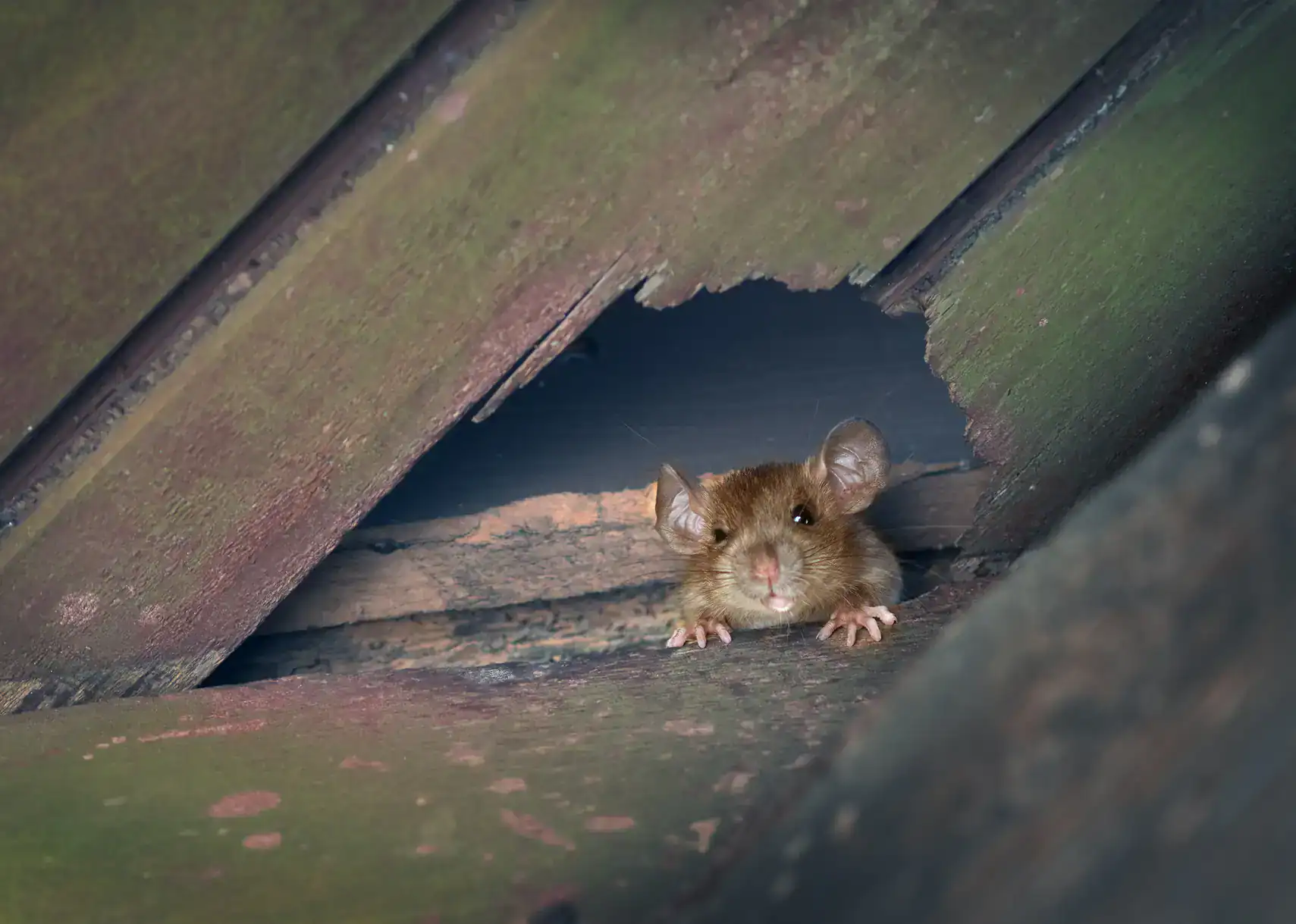
Traps catch individual mice they don’t stop more from coming in. If your home has an active entry point, you can trap indefinitely and the problem won’t resolve. This is especially common in South Jamaica’s older housing stock, where homes built in the 1940s, 50s, and 60s have had decades to develop foundation cracks, deteriorated pipe collars, and gaps around utility lines that are nearly impossible to spot without a trained eye.
The other factor is external pressure. If you’re within a few blocks of the Jamaica Avenue commercial corridor, there’s a sustained food source nearby that keeps local rodent populations large and active. Traps inside your home address the symptom. A professional inspection that identifies and seals every viable entry point combined with exterior bait station placement addresses the actual problem. That’s the difference between managing an infestation and ending it.
Yes, and it’s one of the more underappreciated drivers of rodent activity in South Jamaica right now. The Jamaica Neighborhood Plan the largest rezoning in New York City in over 20 years covers 230 blocks across the broader Jamaica and South Jamaica area. When construction equipment breaks ground, it collapses established rodent tunnels and destroys nesting sites. Those colonies don’t disappear they migrate, and the nearest available shelter is usually a residential home.
If you’re within a few blocks of active development along Merrick Boulevard, Guy R. Brewer Boulevard, or Linden Boulevard, your risk is elevated specifically because of this displacement effect. The practical response isn’t to wait and see it’s to get a professional inspection and exclusion work done before displaced colonies find their way in. Preventive rodent control is significantly less disruptive and less expensive than treating an active infestation after it’s already established.
It does change the approach, and the signs are fairly distinct once you know what to look for. Mouse droppings are small about the size of a grain of rice and typically found in cabinets, along baseboards, or near food sources. Rat droppings are much larger, roughly the size of an olive pit, and you’re more likely to find them near wall voids, under sinks, or along the perimeter of a basement. Gnaw marks are another indicator: rats leave larger, rougher marks; mice leave smaller, cleaner ones.
In South Jamaica, Norway rats are the dominant species large, burrowing rodents that are highly intelligent and demonstrate what pest professionals call neophobia, meaning a rat that encounters and avoids a trap once will continue to avoid similar traps indefinitely. That’s a big part of why standard hardware store traps fail against rats specifically. Treatment for Norway rats requires targeted bait station placement, exclusion of burrow access points, and a different strategy than you’d use for a mouse problem. A proper inspection identifies which species you’re dealing with before any treatment begins.
Under New York City law, yes. NYC Housing Maintenance Code §27-2017.4 classifies the presence of mice or rats in any room of a dwelling unit or common area of a multiple dwelling as an immediately hazardous violation. That means your landlord is legally required to correct the condition within 21 days of receiving a notice of violation. If they fail to act, the city can order emergency repairs at the landlord’s expense, and civil penalties apply.
NYC Local Law 55 goes further it requires building owners to annually inspect and remediate pest infestations in all units and common areas of buildings with three or more units. If you’re a renter in South Jamaica and your landlord has ignored a rodent complaint, you can file a complaint with the NYC Department of Housing Preservation and Development (HPD). If you’re a property owner who has received a violation notice and need professional remediation with proper documentation to satisfy HPD requirements, that’s exactly the kind of work we handle including the paperwork that demonstrates compliance.
The timeline depends on the severity of the infestation and whether exclusion work is completed alongside treatment. For a moderate infestation in a single-family or two-family home, you’ll typically see a significant reduction in activity within the first week after treatment. Full resolution meaning no new signs of activity usually follows within two to four weeks, assuming entry points have been properly sealed.
The “will it come back” question is really about whether exclusion was part of the job. If a technician treats the existing population without sealing the entry points those rodents used, the answer is yes more will come in, especially in South Jamaica where external pressure from the Jamaica Avenue corridor and Baisley Pond Park means the rodent population in the surrounding area is persistent. When exclusion is done correctly steel mesh, metal flashing, sealed pipe penetrations re-entry becomes extremely difficult. That’s the version of rodent control that actually holds.
We apply only NYS Department of Environmental Conservation registered pesticide materials products that have been reviewed and approved by New York State regulators for both efficacy and safety. Professional application is also fundamentally different from what most homeowners do with over-the-counter products: our technicians place materials in targeted locations inside wall voids, within tamper-resistant bait stations, in areas inaccessible to children and pets rather than applying broadly throughout living spaces.
In South Jamaica’s multi-generational households, where it’s common to have young children and elderly family members under the same roof, this matters. The risk profile of a professionally applied, targeted treatment is significantly lower than the accumulated risk of an untreated rodent infestation which includes airborne particles from dried rodent droppings, contaminated food surfaces, and the indirect disease transmission that comes from fleas and ticks feeding on infected rodents. Your technician will walk you through exactly what was applied, where it was placed, and any precautions specific to your household before leaving the job.
Useful Links