
Hear from Our Customers
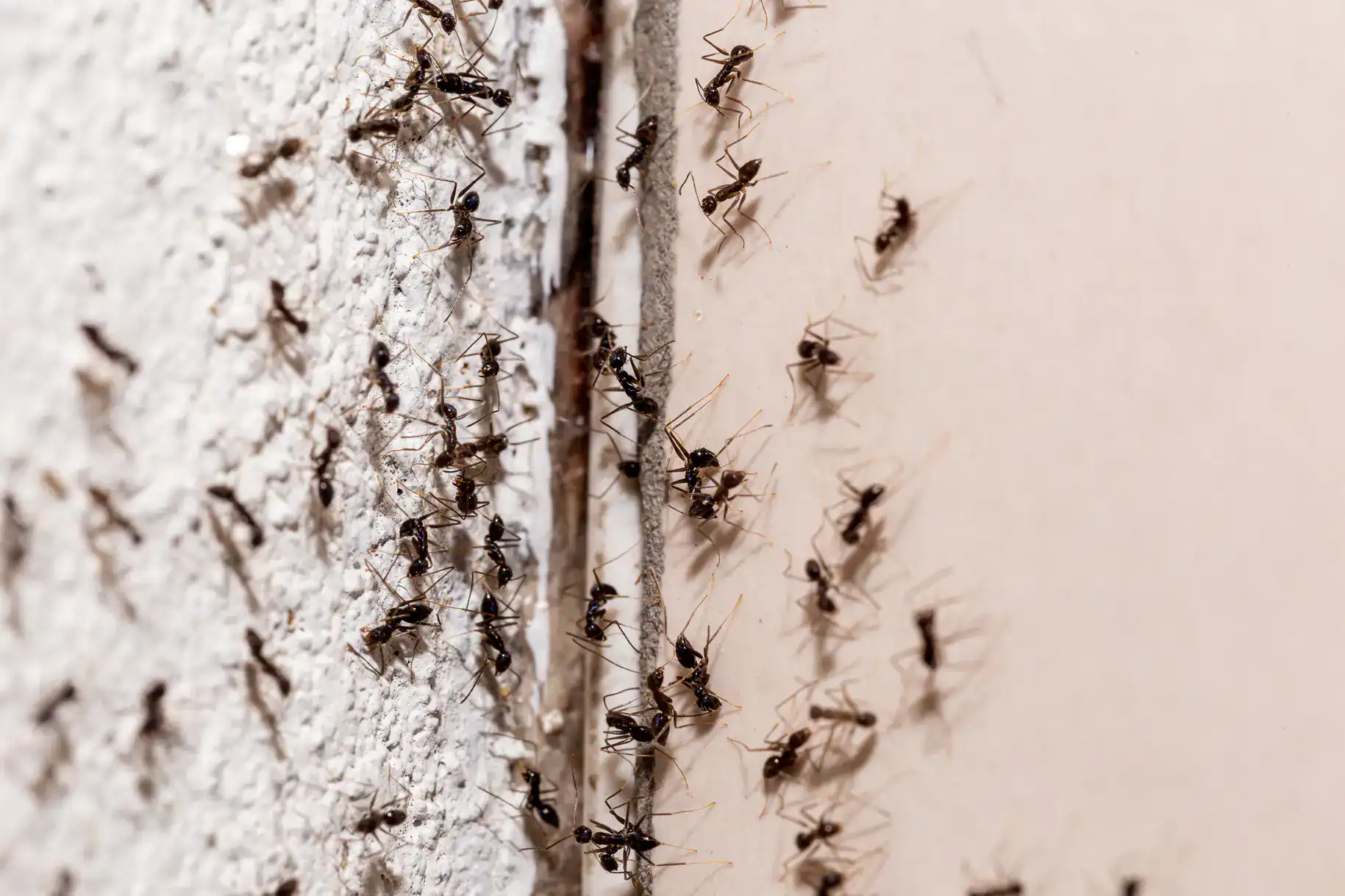
Spraying the ants you can see doesn’t end an infestation. It ends the visible part of it temporarily. The colony is still inside your walls, under your foundation, or somewhere in the structure of your home, and it’ll send more foragers back within days. That cycle doesn’t stop until the colony itself is eliminated.
For South Jamaica homeowners, this matters more than it might in a newer neighborhood. A lot of the housing stock here was built between the 1940s and 1960s. That means aging wood, older foundations with more gaps, and the kind of structural conditions that carpenter ants specifically look for when they’re establishing a nest. If you’ve noticed what looks like sawdust near a window frame or baseboard, that’s not a minor nuisance that’s a sign of active excavation inside your home’s structure.
Baisley Pond Park sits right on the edge of this neighborhood, and that water feature creates a moisture gradient that supports ant activity along the residential blocks closest to it. Carpenter ants, pavement ants, and odorous house ants all forage out from green spaces like that into nearby homes. Once the colony is gone truly gone, not just temporarily disrupted the trail stops, the kitchen stays clear, and you’re not buying another can of spray that buys you three days of relief.
We’re a family-owned company that has been licensed and operating across the five boroughs for over 40 years. That’s not a tagline it’s a track record you can verify. The Better Business Bureau of New York State has rated us A+ consistently, and the reviews name individual technicians by name, which tells you something about how we operate.
Southeast Queens is not new territory for us. The homes near Guy R. Brewer Boulevard, the older residential blocks between Linden Boulevard and Baisley Boulevard, the buildings near Rochdale Village these are properties we’ve been treating for decades. We know what ant infestations look like in South Jamaica’s housing stock, and we know how to treat them without cutting corners.
Every material we use is registered with the NYS Department of Environmental Conservation. Every technician is licensed. And the phone gets answered 24 hours a day, seven days a week because pest problems don’t wait for Monday morning.
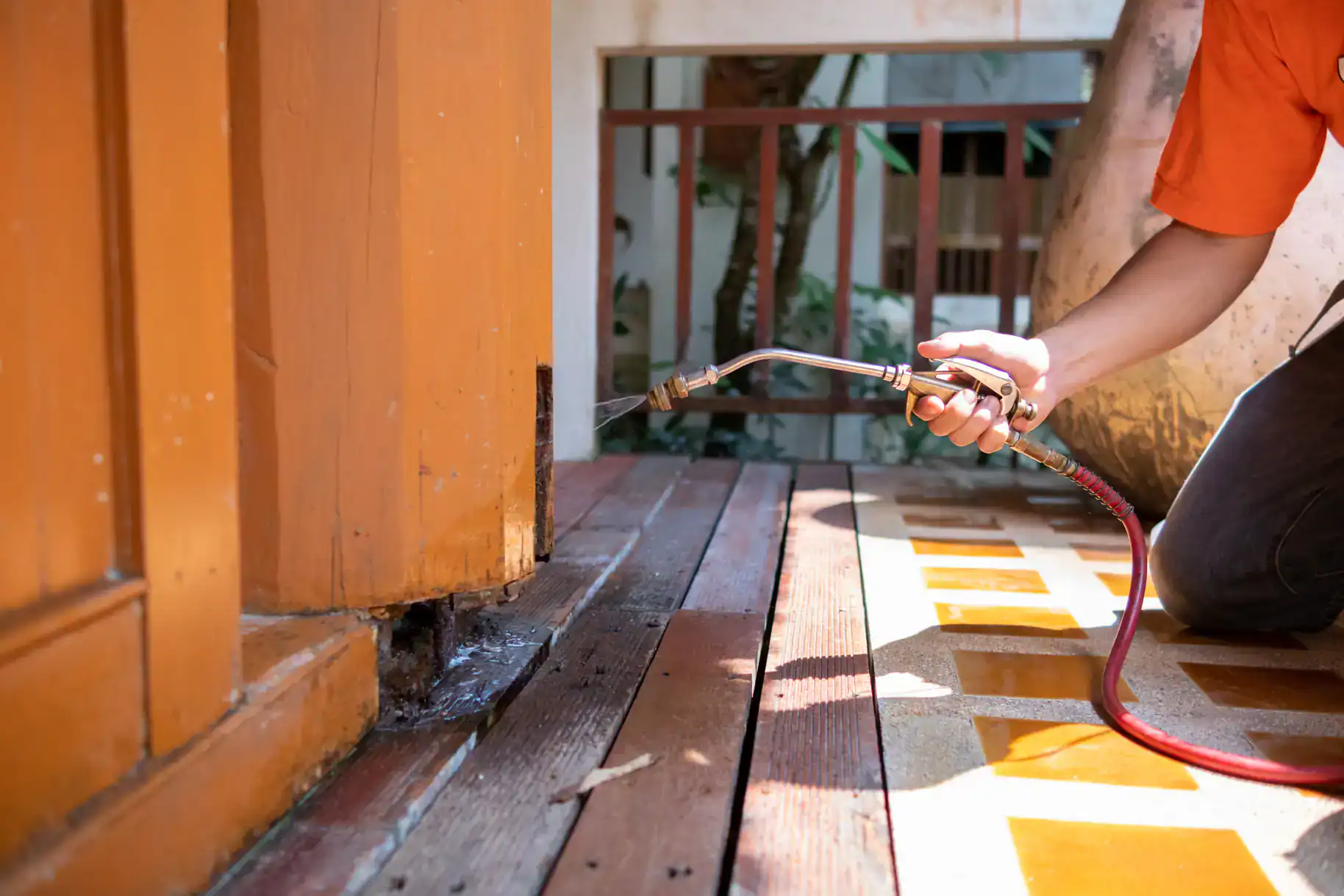
The first visit is a cleanout. We apply treatment both inside and outside your home at the same time not one or the other. The materials we use are designed so that forager ants carry them back into the nest and share them with the rest of the colony, including the queen. That’s what separates professional ant control from anything you’ll find at a hardware store. A store-bought spray kills what it touches. Our approach works from the inside out.
After the initial cleanout, we schedule follow-up visits weekly, every other week, or monthly depending on the severity of the infestation and the type of ants involved. In South Jamaica, where multi-unit buildings and attached rowhouses are common, ant colonies often travel through shared wall voids and plumbing chases between units. A single treatment rarely eliminates every satellite nest in that kind of structure. The follow-up visits are how we confirm the infestation is actually gone, not just quieter.
Spring in Southeast Queens brings pavement ant swarms and carpenter ant activity as colonies reach their peak. If you’re calling in April or May, expect the initial cleanout to be thorough and the follow-up schedule to be tighter. If you’re dealing with a winter infestation carpenter ants that established themselves inside your walls in warmer months and are now active in a heated structure the process is the same, just adjusted for what’s happening seasonally. Either way, you’ll know what to expect before anything starts.
Ready to get started?
We handle ant control for both residential and commercial properties in South Jamaica. That includes single-family homes, rowhouses, small apartment buildings, and commercial spaces near the Linden Boulevard corridor or the area around JFK Airport. Our service covers the full structure interior and exterior treatment in the same visit, not a choice between one or the other.
For South Jamaica residents dealing with carpenter ants specifically, our inspection process looks for the signs that most people miss: frass near baseboards, subtle structural damage around moisture-affected wood, and entry points along rooflines or window frames in older homes. Pharaoh ants extremely common in multi-unit buildings throughout Queens require a different treatment approach entirely. Repellent sprays cause pharaoh ant colonies to split and spread, which makes the problem worse. Our technicians know the difference, and the treatment reflects it.
All materials we use are registered with the NYS DEC and applied in compliance with NYC Department of Health and Mental Hygiene guidelines. If you’re in a multi-unit building, we can advise on notification requirements for building management. Free estimates are available before any work begins, and we offer a 10% discount for senior residents a straightforward acknowledgment that South Jamaica has a lot of longtime homeowners who’ve kept this neighborhood intact for decades and deserve straightforward pricing.
Spring is peak ant season across Southeast Queens, and South Jamaica has a few conditions that make it more intense than some other neighborhoods. Pavement ants swarm every spring, nesting in the cracks and gaps in concrete and sidewalks and entering ground-floor homes through foundation openings. Carpenter ants also become highly active in May and June, when winged reproductives emerge from established colonies and new nests get started.
The proximity to Baisley Pond Park plays a real role here. That park’s natural water feature creates sustained moisture in the soil along the residential blocks closest to it, and moisture is exactly what carpenter ants need to establish nests in wood. When you add the aging housing stock in South Jamaica homes built in the 1940s through 1960s with older foundations and more structural gaps you get a situation where ants have both the foraging habitat and the structural access they need. The spring surge isn’t random. It’s predictable, and it responds well to treatment timed before peak activity rather than after you’re already dealing with a full trail across your kitchen.
Over-the-counter sprays are contact killers. They eliminate the ants they touch, which are the foragers the ones you can see. The colony itself, including the queen and the satellite nests, stays completely intact. Within days, the colony sends out new foragers and the trail reappears. You’re not solving the problem. You’re interrupting it temporarily, over and over.
Professional ant control works differently because the materials are designed to be carried back into the nest by the foragers themselves. The ants that walk through a treated zone bring the treatment back to the colony, where it spreads. That’s how you reach the queen and eliminate the source. For South Jamaica residents dealing with pharaoh ants in apartment buildings, this distinction is especially important repellent sprays cause pharaoh ant colonies to split into multiple satellite colonies through a process called budding, which actively makes the infestation worse. A professional who knows which ant species they’re dealing with will use the right approach for that species, not a generic spray-and-hope method.
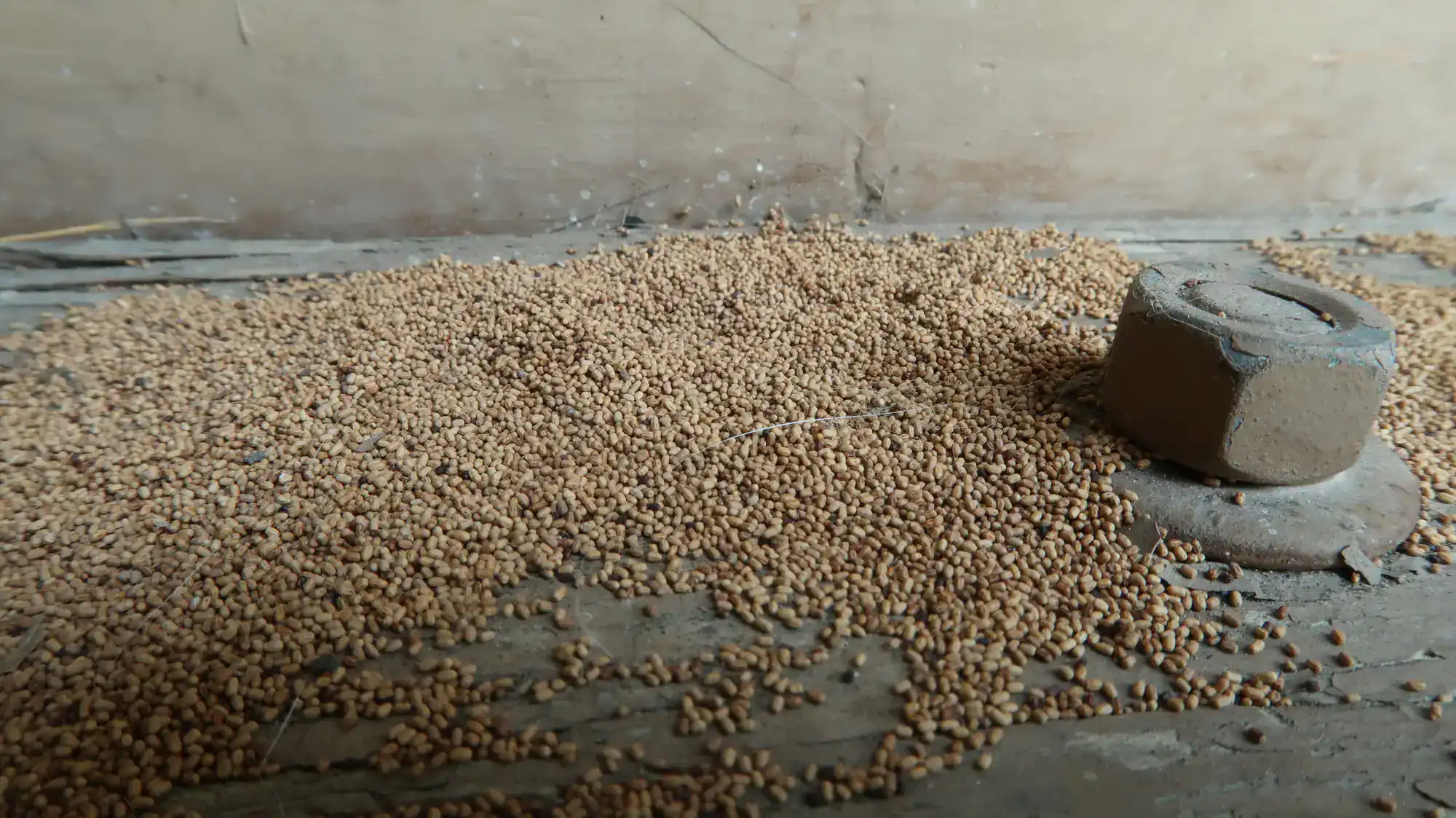
Carpenter ants are larger than most common ant species typically black, and noticeably bigger than the small pavement ants or odorous house ants you might see trailing across a kitchen counter. But size isn’t always the clearest indicator, especially if you’re only seeing a few at a time. The more telling signs are structural: small piles of sawdust-like material near baseboards, window frames, or door frames. That material is called frass, and it’s the excavated wood that carpenter ants push out of the galleries they’re building inside your home’s structure.
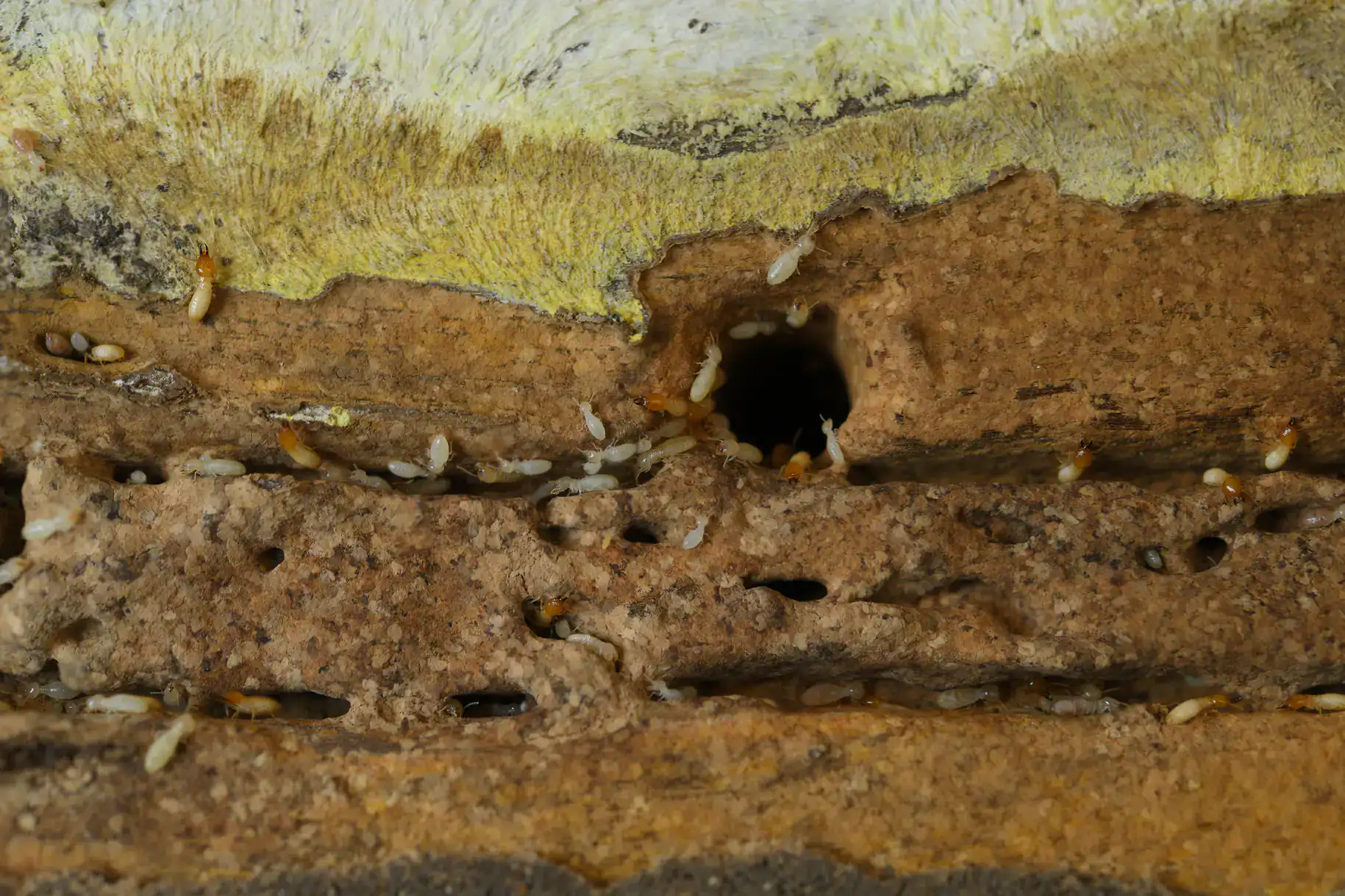
In South Jamaica, carpenter ant activity is particularly worth taking seriously because of the neighborhood’s housing stock. Homes built in the 1940s and 1950s often have aging wood around windows, in attic spaces, and in basement framing that has absorbed moisture over decades. Carpenter ants don’t eat that wood they excavate it to build nests, and they prefer wood that’s already been softened by moisture. By the time you see frass or notice structural damage, the colony may have been established for months. If you’re seeing large black ants inside your home, especially in winter when they shouldn’t be active outdoors, a professional inspection is worth doing before the damage gets worse.
It depends on the severity of the infestation and the type of ants involved, but a single visit is rarely enough to fully eliminate an established ant problem. Our process starts with an initial cleanout a thorough interior and exterior treatment followed by scheduled follow-up visits. Those follow-ups might be weekly, every other week, or monthly, based on what the technician finds during the first visit and how the infestation responds to treatment.
In South Jamaica’s multi-unit buildings and attached rowhouses, follow-up visits are especially important because ant colonies often travel through shared wall voids and plumbing chases between units. Treating one unit without addressing adjacent units only pushes the colony to regroup somewhere nearby. Multiple visits allow the technician to confirm that activity is declining, re-apply materials where needed, and catch any satellite nests that weren’t reached in the initial treatment. Most infestations in this area are fully resolved within a few visits, but the exact timeline depends on the size of the colony and how many entry points the structure has.
Yes when it’s done by a licensed professional using state-registered materials. We use only materials registered with the NYS Department of Environmental Conservation, which means they’ve been evaluated and approved for residential use in New York State. The application is done by licensed technicians who are trained in proper dosage and placement, which is a fundamentally different situation from a homeowner applying store-bought chemicals without professional guidance.
After treatment, our technician will advise you on re-entry timing typically a short window while treated surfaces dry and any specific precautions based on what was applied and where. For households with young children or pets that spend time near baseboards and floor-level surfaces, this guidance matters and we provide it clearly. The materials we use in professional ant control are applied in targeted, controlled quantities in specific locations. That’s a much lower exposure risk than repeatedly saturating your kitchen baseboards with over-the-counter spray every few days, which is what many South Jamaica residents end up doing before they call a professional.
We offer a 10% discount for senior residents. South Jamaica has a significant population of older homeowners people who have lived on the same block for thirty or forty years and have kept their homes maintained through a lot of changes in the neighborhood. The senior discount reflects that. It’s applied straightforwardly when you call and mention it.
Beyond the senior discount, we provide free estimates before any work begins. That means you can find out exactly what the service involves and what it costs for your specific home or building before you commit to anything. There’s no pressure, no obligation, and no surprise charges after the fact. For a neighborhood where cost transparency matters and people have been burned by service providers who weren’t upfront about pricing, that’s not a minor detail. Free estimates, honest pricing, and a discount for seniors who’ve earned it that’s how we operate in South Jamaica and everywhere else we work.
Useful Links