
Hear from Our Customers
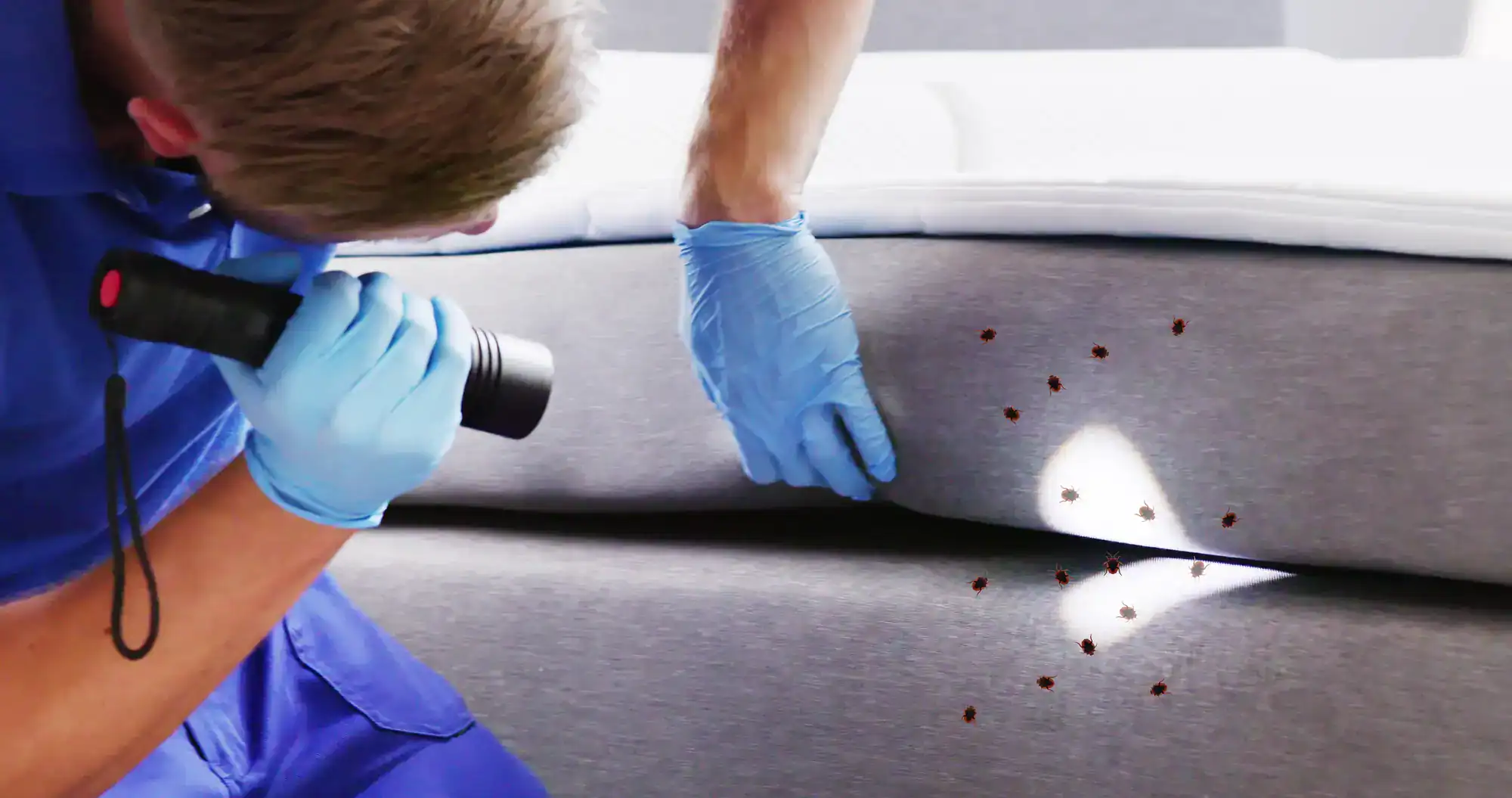
Bed bugs in a standalone house are one thing. Bed bugs in a 110-building complex like Stuyvesant Town are something else entirely. These insects travel through shared walls, pipe chases, and hallways and in a development this dense, what starts in one unit rarely stays there. The outcome you need isn’t just a treated bedroom. It’s a fully cleared apartment and confidence that the problem isn’t quietly migrating to the unit next to yours.
When treatment is done right, you stop waking up to new bites. You stop checking the mattress every morning. You can have people over without that low-grade anxiety in the back of your head. Your home feels like yours again and that matters more than people admit.
For Stuyvesant Town residents specifically, there’s another layer: documentation. Whether you’re navigating a slow response from Stuytown Property Services, preparing for an HPD inspection, or just protecting yourself as a tenant, having a licensed exterminator on record one who can issue proper clearance documentation puts you in a much stronger position. That’s not a small thing when you’re renting in a Blackstone-managed complex with its own compliance infrastructure.
We’ve been operating out of Brooklyn and serving all five boroughs since the late 1970s longer than most Stuyvesant Town residents have lived here. Founded by Richard Kourbage and BBB-accredited since 1989 with an A+ rating, we’re a family-owned company where reputation is built job by job, not by a marketing department.
We identify specifically as certified bed bug specialists. Not a general exterminator with bed bugs on a dropdown menu a company that has made bed bug treatment a core focus, with the training and credentials to back it up. That distinction matters when you’re dealing with a post-war apartment complex like Stuyvesant Town, where every building is the same age, the same construction, and the same set of vulnerabilities.
We’re fully licensed under NYSDEC requirements, bonded, and insured. When you call, a real person answers 24 hours a day, 7 days a week. We offer same-day inspections, and appointments are guaranteed within 2 days. In a building where a problem can spread while you wait, that kind of availability isn’t a perk. It’s the whole point.
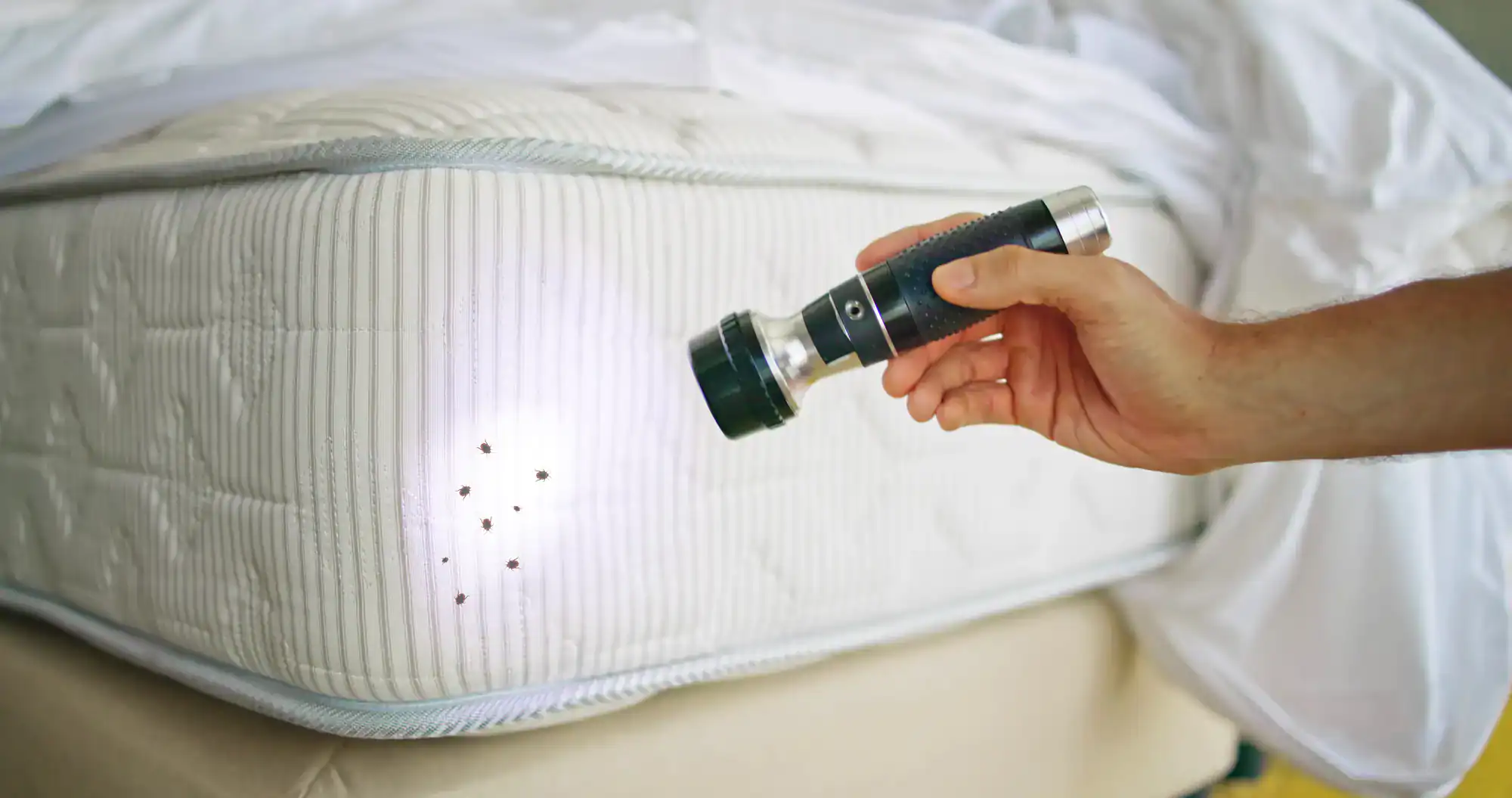
It starts with a call and because we answer phones around the clock, you don’t have to wait until Monday morning to get the process moving. During that first conversation, you’ll describe what you’ve seen, when you noticed it, and where in the apartment the activity seems concentrated. From there, we schedule an inspection, often same-day or within 24 hours.
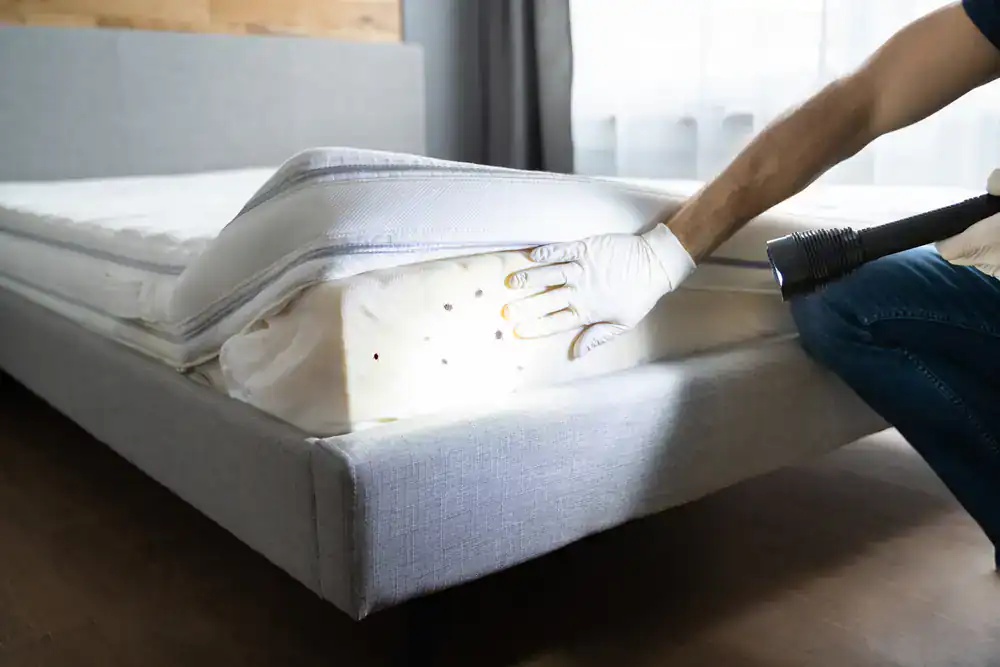
Our inspection is thorough. In a post-war building like the ones throughout Stuyvesant Town and Peter Cooper Village, we focus beyond the mattress and box spring. Baseboards, bed frames, nightstands, upholstered furniture, wall outlets, and the areas around pipe penetrations all get examined because that’s where bed bugs actually hide in an apartment that’s been lived in for years. If there’s an active infestation, you’ll know exactly what you’re dealing with and what the treatment plan looks like before anything is scheduled.
Treatment in a multi-unit building like Stuyvesant Town requires a specific approach. The goal isn’t just to eliminate what’s visible it’s to address the harborage points that allow bed bugs to survive and re-emerge. We use environmentally friendly solutions throughout, with clear preparation instructions provided in advance so you know exactly what to do before the technician arrives and when it’s safe to return. If follow-up visits are needed, they’re built into the plan. Under NYC Local Law 69, your building management is required to maintain records of pest activity our documentation supports that process if it becomes relevant to your situation.
Ready to get started?
Bed bug treatment in a Stuyvesant Town apartment is not the same job as treating a detached home in the suburbs. The buildings here were constructed between 1947 and 1949 75-plus years of wear means gaps in walls, aging pipe chases, and the kinds of structural voids that bed bugs use as harborage. A treatment plan that doesn’t account for that building reality isn’t a complete treatment plan.
Every service we provide in Stuyvesant Town is designed around the actual conditions of multi-unit apartment living. That means a full-unit inspection, not just the bedroom. It means treatment of all identified harborage points furniture, baseboards, wall voids, and areas around plumbing penetrations that are common in buildings this age. We use environmentally friendly solutions throughout, which matters if you have children, pets, or elderly family members in the unit. You’ll receive clear prep instructions ahead of time and a specific timeline for re-entry.
For situations where bed bug activity may have spread beyond your unit or where you need documentation for a management dispute or an HPD complaint we can provide the clearance paperwork that protects you as a tenant. New York State also requires landlords to disclose bed bug history dating back one year to incoming tenants, which means if you moved into your Stuyvesant Town apartment recently and suspect a pre-existing problem, that context matters and we can help you navigate it.
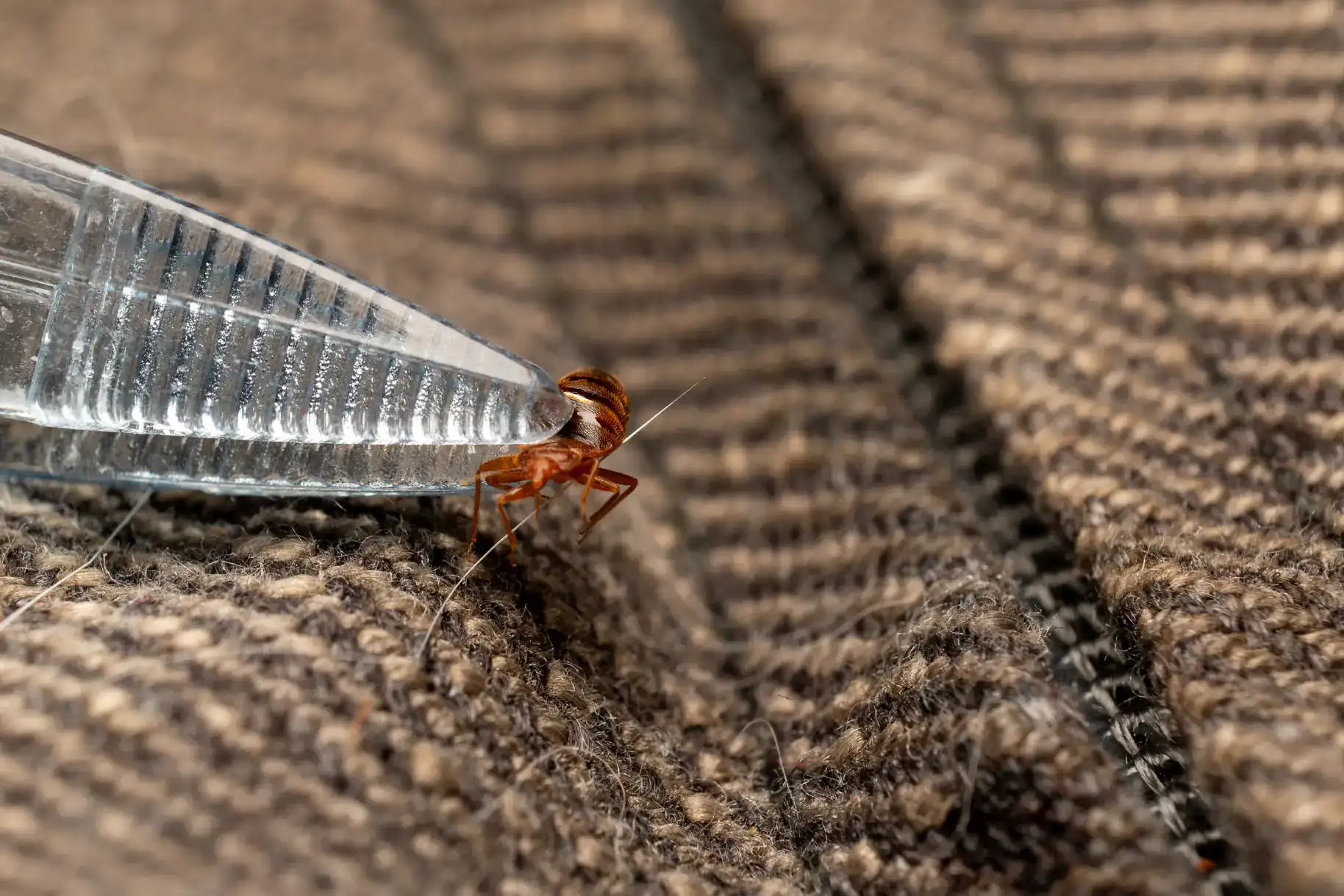
You are not required to wait for management to act before hiring a private exterminator. Under the NYC Housing Maintenance Code, Stuytown Property Services as the property owner is legally obligated to maintain pest-free conditions in every rental unit, and you can and should report the issue to management. But that doesn’t mean you have to sit on your hands while waiting for a corporate response timeline that may not match the urgency of your situation.
Many Stuyvesant Town residents choose to hire a private, licensed exterminator independently especially when management’s response is slow or the initial treatment feels insufficient. You have the right to do that. If you do go the private route, make sure the exterminator you hire is NYSDEC-licensed and can provide documentation of the inspection and treatment. That paperwork protects you if the issue escalates to an HPD complaint or a management dispute later on.
Bed bugs are surprisingly mobile for insects that don’t fly. They travel along shared walls, through gaps around pipes and electrical conduits, through the spaces under doors, and occasionally via shared laundry facilities, elevators, and hallways. In Stuyvesant Town, where your unit shares a wall with multiple neighbors, an untreated infestation in one apartment can migrate to adjacent units within days to weeks.
The buildings in Stuyvesant Town were built in the late 1940s, and 75-plus years of settling means there are gaps and voids in walls and floors that didn’t exist when the buildings were new. Those gaps create pathways. That’s why a thorough treatment addresses not just the visible activity in your unit but the harborage points along shared walls and around plumbing the routes bed bugs actually use to move. Speed matters here too. The longer an infestation goes untreated, the more likely it is to spread, which is why our same-day inspection availability is a real practical advantage in a complex this size.
This is one of the most common questions, and it’s a fair one. The short answer is yes when treatment is done by a licensed professional using properly applied, EPA-registered products, re-entry is safe once the recommended wait time has passed. We use environmentally friendly solutions and provide specific preparation and re-entry instructions for every job, so you know exactly what to do before the technician arrives and when it’s safe to bring your family back in.
The preparation instructions matter. You’ll typically be asked to wash and bag bedding and clothing, clear certain areas for access, and stay out of the unit for a specified period after treatment. Following those instructions closely is what makes the treatment both effective and safe. If you have specific concerns about a family member with respiratory sensitivities or a very young child, mention that when you call the approach can be discussed and adjusted if needed. We’ve been treating apartments in New York City for over 40 years and have worked in every kind of residential situation, including families with infants and elderly residents.
Cost depends on the size of the infestation, how many rooms are affected, and whether follow-up visits are needed. For a moderate infestation in a standard one- or two-bedroom Stuyvesant Town apartment, professional treatment typically runs in the range of $1,000 to $2,500. A more severe or long-established infestation the kind that has spread to multiple rooms or potentially to adjacent units can run higher. A single-room situation caught early can sometimes be addressed for less.
The most important thing to understand is that a cheaper treatment that doesn’t fully resolve the problem costs you more in the long run not just financially, but in lost sleep, ongoing anxiety, and the real risk of the infestation spreading in a building where your neighbors are a wall away. We offer free estimates, so you’ll know exactly what you’re dealing with and what it will cost before you commit to anything. There’s no obligation in that first conversation just a clear picture of your situation.
If you have reason to believe the source of your infestation is a neighboring unit, the first step is to document your own situation get a licensed inspection done and get it in writing. That documentation matters if you need to involve management or file an HPD complaint. Under NYC Local Law 69 of 2017, building owners in Stuyvesant Town are required to file annual Bedbug Reports with HPD, which means there is a formal regulatory record of pest activity in the complex. If your building has a history of complaints, that information is accessible.
From a treatment standpoint, the origin of the infestation doesn’t change what needs to happen in your unit a thorough inspection and full treatment of all affected areas. What it does change is the conversation with management. If bed bugs are entering your apartment from an adjacent unit, management has an obligation to address the source. We can provide the inspection report and documentation you need to make that case clearly and push for a coordinated response across affected units.
The clearest sign is the absence of new bites and no new live bug sightings after treatment. That said, it’s not always immediate some eggs may hatch after the initial treatment, which is why follow-up inspections and, in some cases, a second treatment visit are a standard part of a thorough bed bug removal plan. A company that promises a single treatment with zero follow-up and calls it done isn’t giving you the full picture.
After treatment, you’ll want to keep mattress encasements on, reduce clutter that could provide new harborage, and monitor for activity over the following two to three weeks. If you’re in a Stuyvesant Town apartment and the infestation originated from or spread to a neighboring unit, monitoring is especially important re-introduction from an untreated adjacent apartment is a real possibility in a building this interconnected. We build follow-up into the plan where it’s warranted, and if something doesn’t look right after treatment, you call back. That’s what working with a company that stands behind its work actually looks like.
Useful Links