
Hear from Our Customers
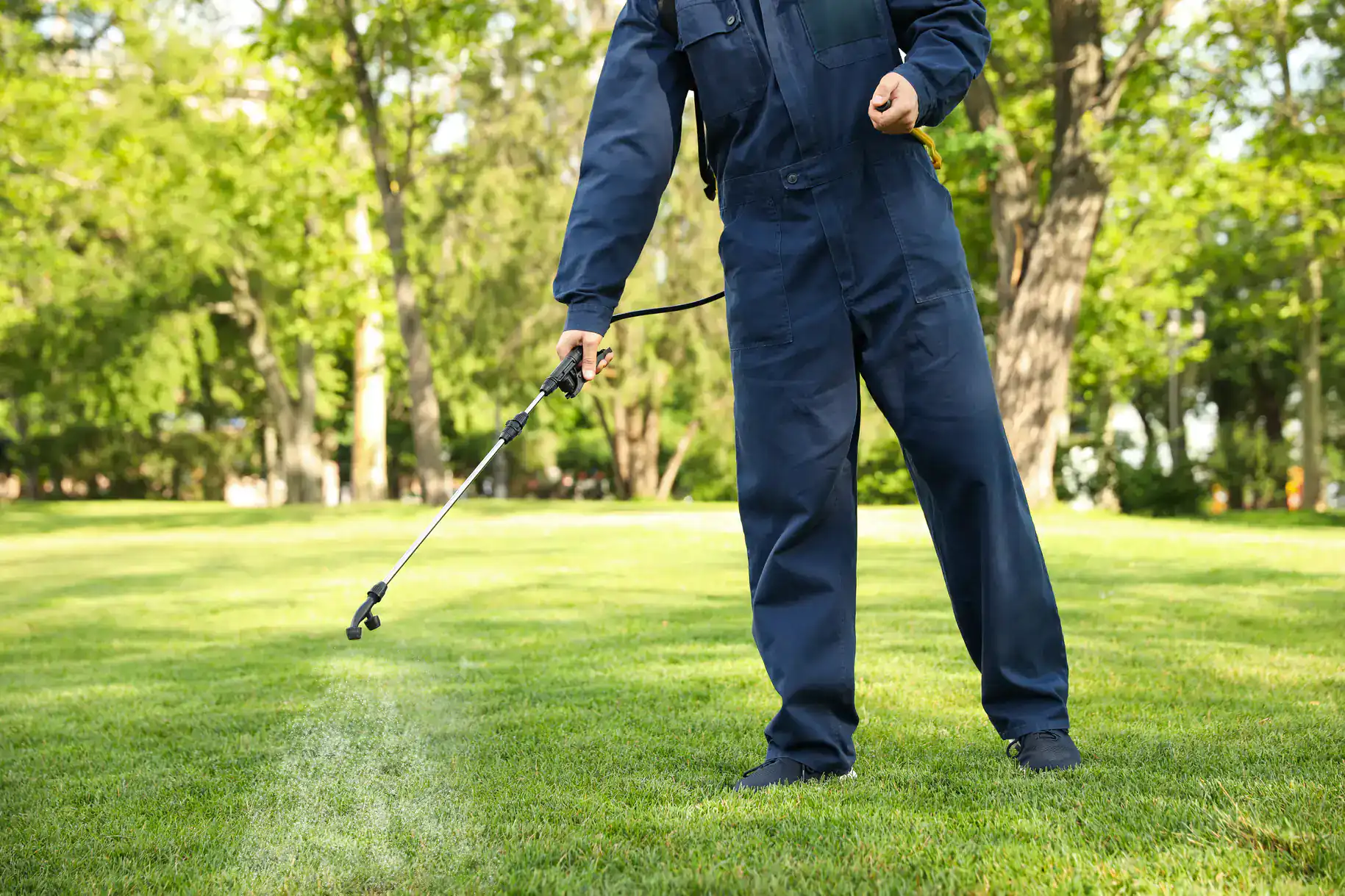
Most pest treatments in a building like Stuyvesant Town fail for one reason they treat what’s visible in your apartment and ignore everything behind it. The pipe chases, the utility shafts, the shared basement infrastructure that connects your unit to 8,756 others. That’s how German cockroaches reach your kitchen from three floors down. That’s how mice show up in a 10th-floor apartment. A treatment that doesn’t account for how the pest got there in the first place isn’t a solution it’s a delay.
When the problem is actually handled, you stop waking up to something that shouldn’t be there. You stop wondering if it came back because the treatment wore off or because it was never complete to begin with. You stop timing your calls around the management office’s schedule and waiting on a response that may or may not come before your next lease renewal.
Stuyvesant Town’s buildings were constructed in the late 1940s over 75 years of settling, aging pipes, and worn infrastructure that creates the exact conditions pests exploit. Add the East River waterfront along the FDR Drive to the east, and the dense restaurant corridor along First Avenue and Avenue A to the south, and you’ve got real, ongoing external pressure pushing rodents and cockroaches into the complex from multiple directions. Solving the problem means understanding all of that not just what’s inside your apartment walls.
We’ve been operating in New York City since 1976. That’s not a trivia point it means we were treating Manhattan apartments before Blackstone Group existed, before most of our local competitors were founded, and before Stuyvesant Town’s current management structure was anything close to what it is today. That kind of tenure in a city as demanding as New York isn’t accidental. It’s the result of doing the work correctly, consistently, for over five decades.
We’re a family-owned, NYSDEC-licensed pest control company. When you call, a real person picks up. The same team that treats your apartment is accountable for the result not a franchise owner, not a regional manager, not a rotating roster of technicians who’ve never been inside a building like yours.
We know what it’s like to work in large residential complexes on the East Side of Manhattan. We know the building stock, the pest pathways, and the specific pressures that affect communities like Stuyvesant Town and Peter Cooper Village. We understand how the FDR Drive corridor and the East River waterfront create seasonal rodent pressure, and why German cockroaches thrive year-round in heated apartment buildings of this age and density. That’s not something you can learn from a training manual. It comes from showing up in these buildings for fifty-plus years.
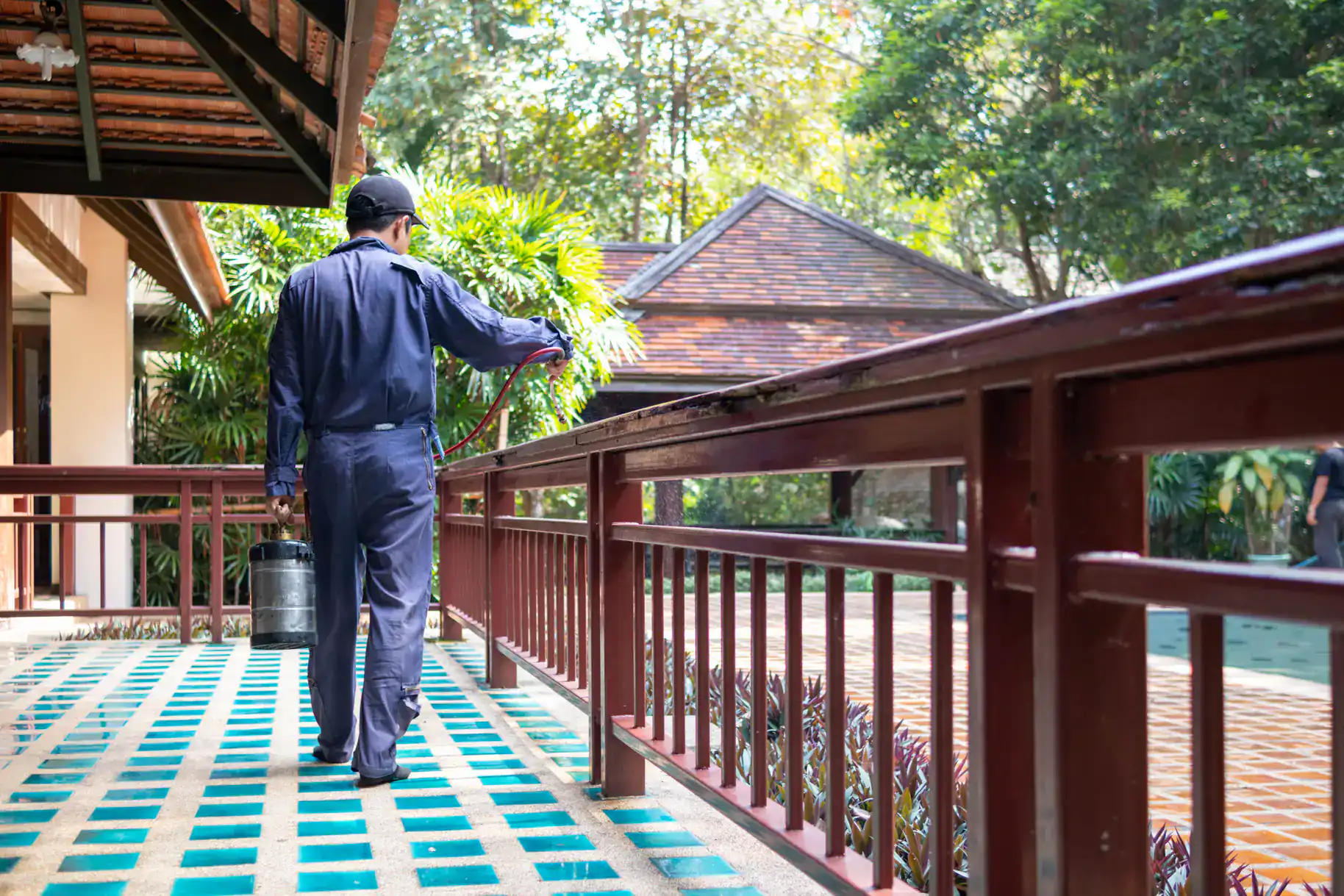
It starts with a free inspection. One of our licensed technicians comes to your apartment, assesses what’s actually happening not just what’s visible on the surface and identifies the likely entry points and harborage areas specific to your unit and your building’s infrastructure. In a complex like Stuyvesant Town, that often means looking beyond the kitchen and bathroom and thinking about what’s behind the walls, under the floors, and running through the building’s shared utility systems.
From there, you get a clear explanation of what was found, what treatment we recommend, and what to expect during and after the process. No pressure, no upselling, no vague estimates. If you’re dealing with German cockroaches, the treatment involves gel bait and void applications targeting the harborage areas near plumbing not just a surface spray. If it’s mice, exclusion work at the actual entry points is part of the conversation, not an afterthought. If it’s bed bugs, the approach accounts for shared walls and adjacent unit risk, because in a building this size, that matters.
One thing worth knowing: if you’re dealing with an active landlord-tenant situation a 311 complaint, an HPD inspection, or a Housing Court matter we provide written service documentation that you can use as part of that process. Under the NYC Housing Maintenance Code, cockroach infestations are Class C violations requiring landlord response within 24 hours. If you’ve been waiting longer than that, a licensed professional with documentation can make a real difference in how that situation moves forward.
Ready to get started?
We handle the full range of pests that affect Stuyvesant Town apartments German cockroaches, mice, rats, bed bugs, carpenter ants, silverfish, and fleas. These aren’t random selections. They’re the pests that pest control providers with actual experience in this complex consistently identify as the most common issues in buildings of this age, density, and construction type. Every service we perform uses EPA-registered materials and follows Integrated Pest Management principles which, as of current NYC law, is not optional for licensed pest control work in residential buildings. It’s required. We’ve operated this way for decades.
As a certified bed bug specialist, we bring a level of expertise to bed bug treatment that goes beyond general pest control. In a building where your neighbor’s infestation can become your problem through shared walls and electrical conduits, that specialization matters. Our treatment options include both heat and chemical approaches, depending on the severity and situation.
Every service includes a written report of findings and treatment useful for your own records, and essential if you’re navigating a complaint with HPD or a dispute with Stuyvesant Town Property Services. We arrive discreetly, work efficiently, and don’t make your pest problem the hallway conversation of the week. In a community where you share an elevator with the same people every day, that’s not a small thing.
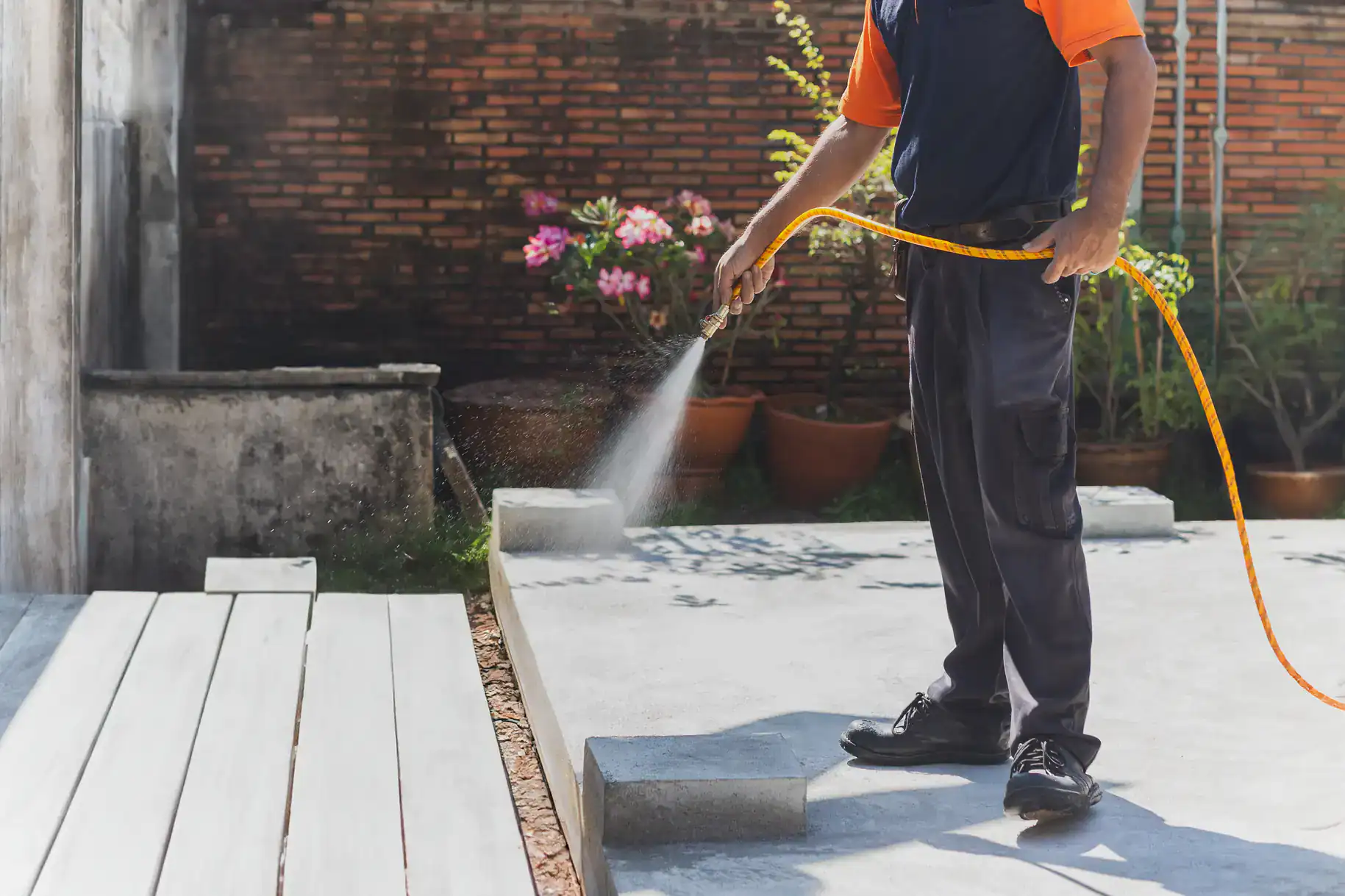
Yes and the law is specific about it. Under the NYC Housing Maintenance Code, cockroach infestations are classified as Class C violations, which are considered immediately hazardous. That means your landlord in this case, Stuyvesant Town Property Services is legally required to respond within 24 hours of a complaint. Rodent infestations must be addressed within 30 days of a written complaint. If you’ve already reported the issue to the management office at 276 First Avenue and haven’t seen a response within those timeframes, you can escalate through NYC 311, which triggers an HPD inspection.
Where a private exterminator becomes important is when the management timeline isn’t fast enough, or when you want a licensed professional who can provide written documentation of the infestation and treatment for use in any formal complaint or Housing Court proceeding. Building management has its own contractors and its own schedule. We work on yours.
This is one of the most important things to understand about pest control in a building like Stuyvesant Town, and it’s something most generic pest control content never actually explains. German cockroaches move through gaps around pipes, electrical conduits, and plumbing penetrations between units. They don’t need a visible opening a gap the width of a credit card is enough. Mice travel vertically through utility shafts and pipe chases and can reach upper-floor apartments from a basement entry point without ever crossing a hallway. Bed bugs spread through wall voids, electrical outlets, and shared ventilation pathways between adjacent units.
This is why a treatment that only addresses what’s visible inside your apartment frequently fails in a building of this size and construction. Stuyvesant Town’s buildings are over 75 years old, and the infrastructure while maintained has the wear and settling that creates exactly these kinds of pest pathways. Effective treatment in a complex like this means thinking about the building, not just the unit.
The three most consistently reported pests in Stuyvesant Town are German cockroaches, mice, and bed bugs and the reasons are specific to this community. German cockroaches thrive in the warm, humid environments near kitchen and bathroom plumbing in apartment buildings, and in a heated complex this size, they’re active year-round regardless of the season outside. Mice are driven in from external pressure sources particularly the East River waterfront along the FDR Drive and the Stuyvesant Cove area, where urban rat and mouse populations use the embankment and park grounds as harborage before migrating into building basements when temperatures drop in the fall.
Bed bugs are a consistent issue in any high-density residential community with a mobile, travel-active population which describes Stuyvesant Town’s young professional demographic accurately. A single resident returning from a hotel stay or purchasing used furniture can introduce bed bugs that, in a building with shared walls, become a multi-unit problem relatively quickly. Carpenter ants and silverfish are also documented in older units, particularly those with aging wood framing or moisture issues near windows and exterior walls.
This is one of the most common questions we hear, and it’s a fair one especially in a community like Stuyvesant Town, where the complex has always attracted families and continues to do so. The short answer is yes, when treatment is performed correctly by a licensed professional using EPA-registered materials at label-required rates. We use Integrated Pest Management principles, which means the least-toxic, most-targeted approach is always the starting point. Chemical applications are chosen and applied specifically to minimize exposure to people and pets who live in the treated space.
That said, there are standard precautions that apply after treatment keeping children and pets out of treated areas for a specified period, ventilating the space, and following any instructions provided by our technician. Your technician will walk you through exactly what those are before leaving. If you have specific concerns about a particular product or application method, ask directly you’ll get a straight answer, not a sales pitch.
First, don’t wait. Bed bugs reproduce quickly, and the longer a developing infestation goes untreated, the harder it becomes to contain especially in a building where shared walls mean continued re-exposure is possible if the source unit isn’t also treated. Report the issue to Stuyvesant Town Property Services, because under NYC law, bed bug history must be disclosed to new tenants and landlords have obligations around bed bug remediation in multi-unit buildings. At the same time, schedule a professional inspection independently so you have your own assessment and documentation.
What a professional inspection tells you is whether you actually have bed bugs, how extensive the infestation is, and where they’re likely entering from which in a shared-wall building like Stuyvesant Town is a critical piece of information. Our certified bed bug specialists can perform that inspection and, if treatment is needed, walk you through the options heat treatment, chemical treatment, or a combination based on your specific situation. Don’t rely on over-the-counter products for this one. In a connected building, they rarely solve the problem and often just push the infestation further into the walls.
For minor issues a few ants near a window in spring, the occasional silverfish in a bathroom over-the-counter products can manage the problem. But for German cockroaches, mice, bed bugs, or any infestation that’s been present for more than a few days, store-bought products typically fall short in a building like Stuyvesant Town. The reason comes back to the building itself. In a 75-year-old apartment complex with shared utility infrastructure, pests aren’t just in your apartment they’re using the building’s internal pathways to move between spaces. A spray that kills what you can see doesn’t address what’s behind the wall, under the floor, or traveling through the pipe chase from the unit below.
There’s also a legal dimension worth knowing. In New York City, pest control in residential buildings is required to follow Integrated Pest Management protocols a legal standard that unlicensed applicators cannot meet and that commercial-grade pesticides are not available to without a license. If you’re dealing with a situation that may involve HPD, Housing Court, or a formal complaint against your landlord, only a licensed professional’s documentation carries weight in those proceedings. For anything beyond a minor, isolated issue, a licensed exterminator isn’t just the better option it’s the one that actually gets the job done.
Useful Links
Other Services we provide in Stuyvesant Town