Hear from Our Customers
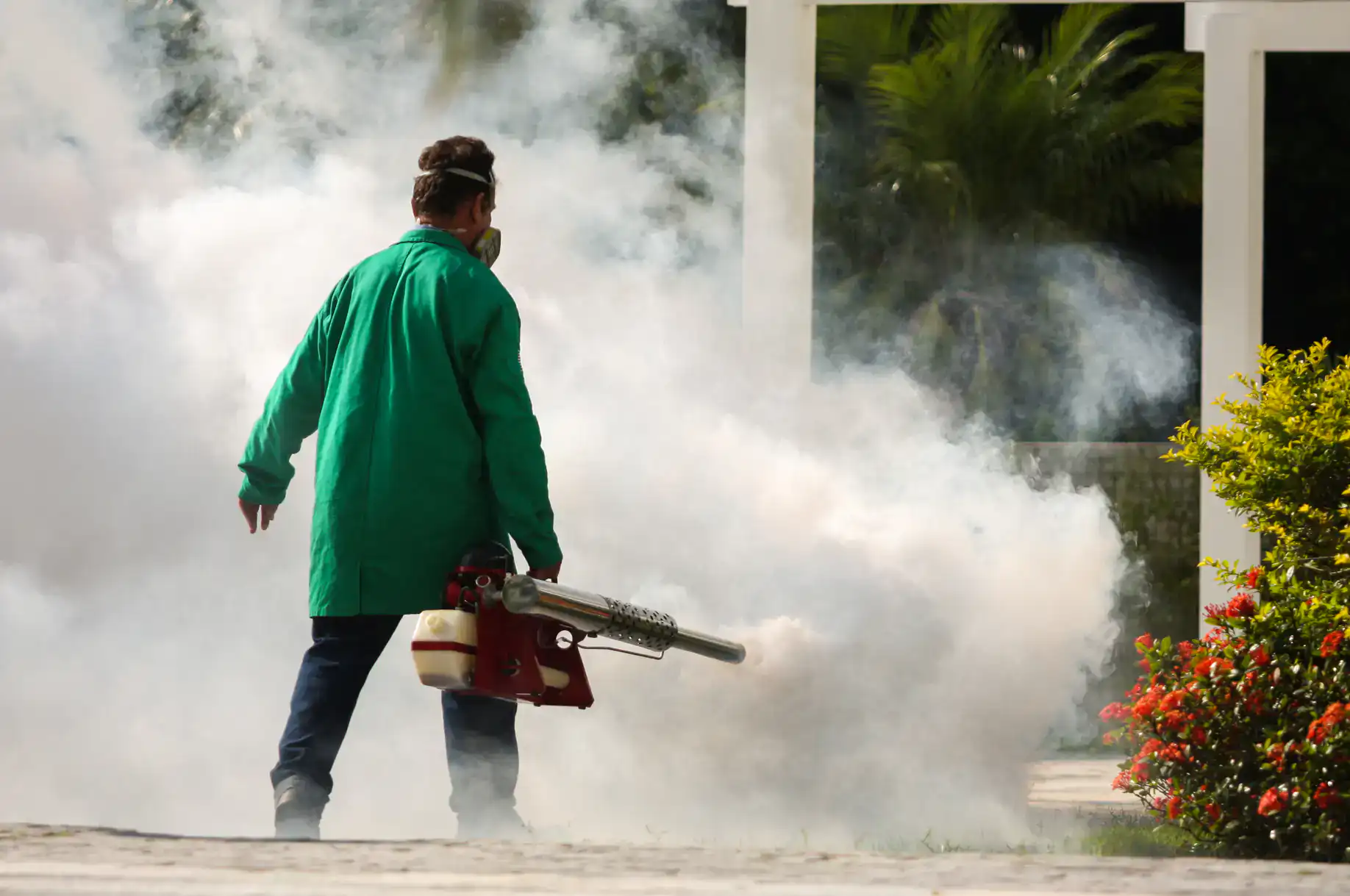
You stop finding them in the kitchen at midnight. You stop wondering if the unit next door is the real source. You stop buying sprays that scatter the problem instead of solving it. That’s what professional cockroach pest control in Stuyvesant Town actually delivers not just a visit, but a result you can see and feel in how you live in your home.
Stuyvesant Town’s 110 red-brick buildings were constructed between 1947 and 1949. Seventy-five years of aging plumbing chases, wall voids, and utility corridors have created a network of harborage sites that cockroaches exploit constantly. The shared trash compactor rooms, laundry facilities, and basement infrastructure that run beneath the entire campus mean re-infestation is a real and ongoing risk not a sign that treatment failed, but a sign that the building itself is part of the equation. Understanding that is the difference between a technician who treats what they can see and one who treats the problem at its source.
For families in Stuyvesant Town and this is genuinely a family-oriented community, with playgrounds, green space, and kids zoned for PS 40 the bigger outcome isn’t just a cleaner apartment. It’s removing a documented health risk. Cockroach allergens are proven asthma and allergy triggers. Their droppings and shed skin accumulate in the same walls your children live behind. Eliminating the infestation is the most direct thing you can do for your family’s health in a building like this.
We’ve been operating across all five boroughs of New York City for over 50 years. That’s not a marketing number it means our technicians have worked in pre-war tenements, post-war rental complexes, high-rises, and mid-century campus developments that are structurally identical to the buildings here in Stuyvesant Town. Our collective experience across the team exceeds 100 years of hands-on pest control work in New York City specifically.
Founded by Richard Kourbage Sr. and still family-operated today, we hold a consistent A+ rating with the Better Business Bureau of New York State, are fully licensed, bonded, and insured, and apply only NYS Department of Environmental Conservation registered materials. That last point matters in a densely occupied building you want to know exactly what’s being used in your home and that it’s been vetted by the state. We serve clients from Brooklyn straight up the FDR Drive to the East Side of Manhattan, and we know the difference between a building with one landlord and a campus with 11,250 apartments under unified management like Stuyvesant Town. That context shapes how we approach every job here.
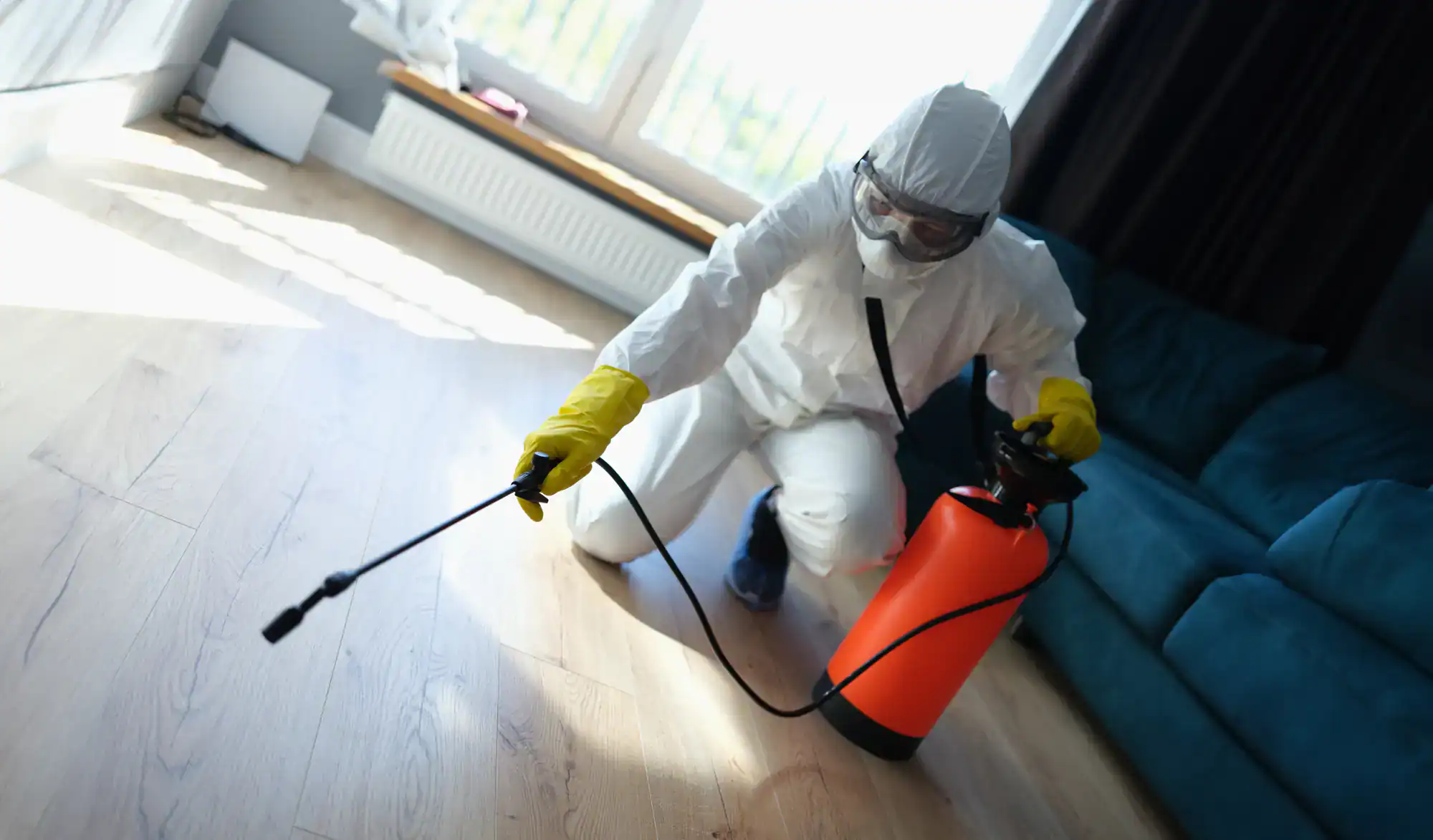
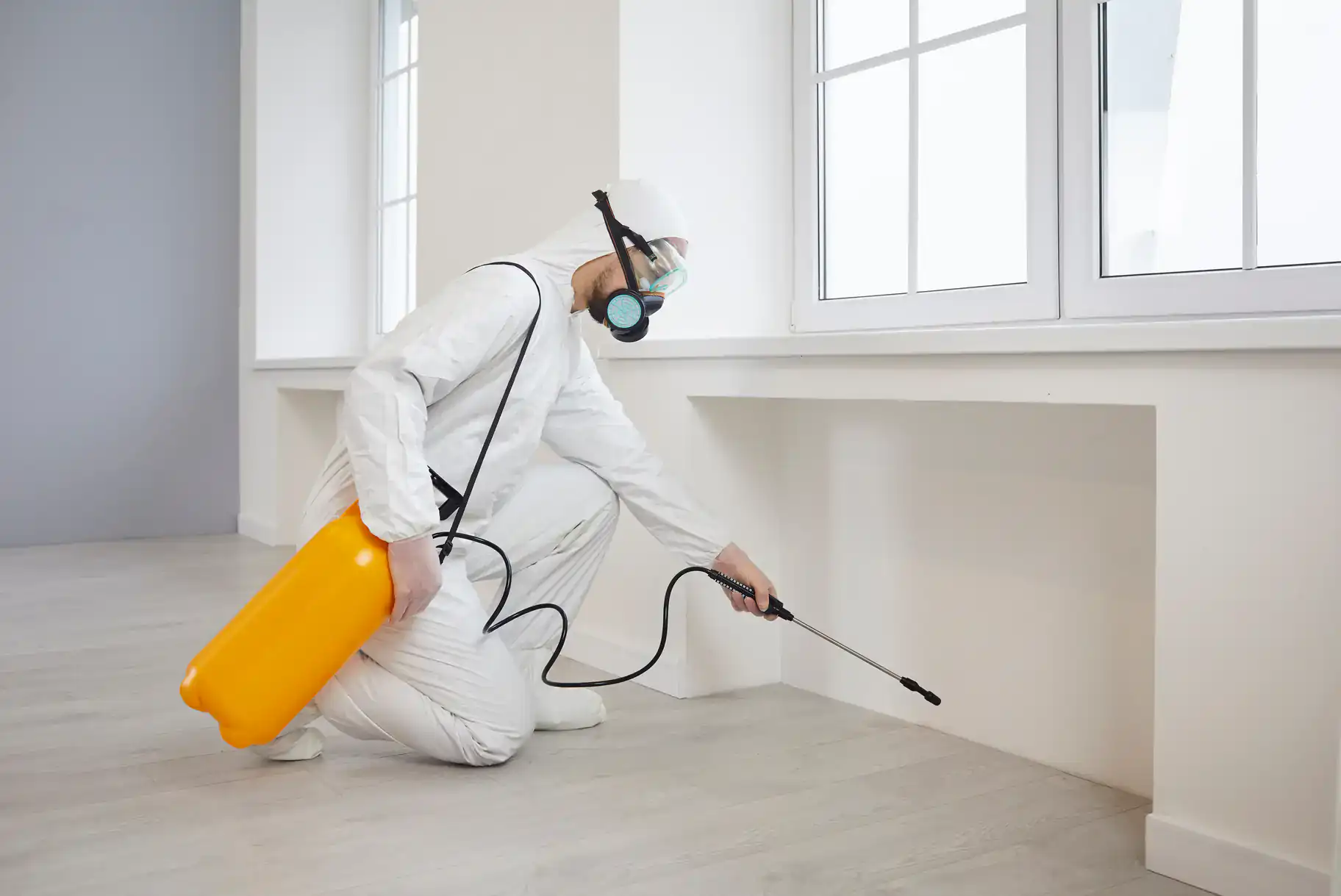
It starts with an inspection not a quick walkthrough, but a real one. Our technician identifies the species you’re dealing with, locates the harborage sites, and maps the likely entry points. In a Stuyvesant Town apartment, that means checking behind the refrigerator compressor, under the dishwasher, inside the utility chase behind your bathroom wall, and around every plumbing penetration in the kitchen. These are the areas where German cockroaches nest and breed not on your countertop where you see them.
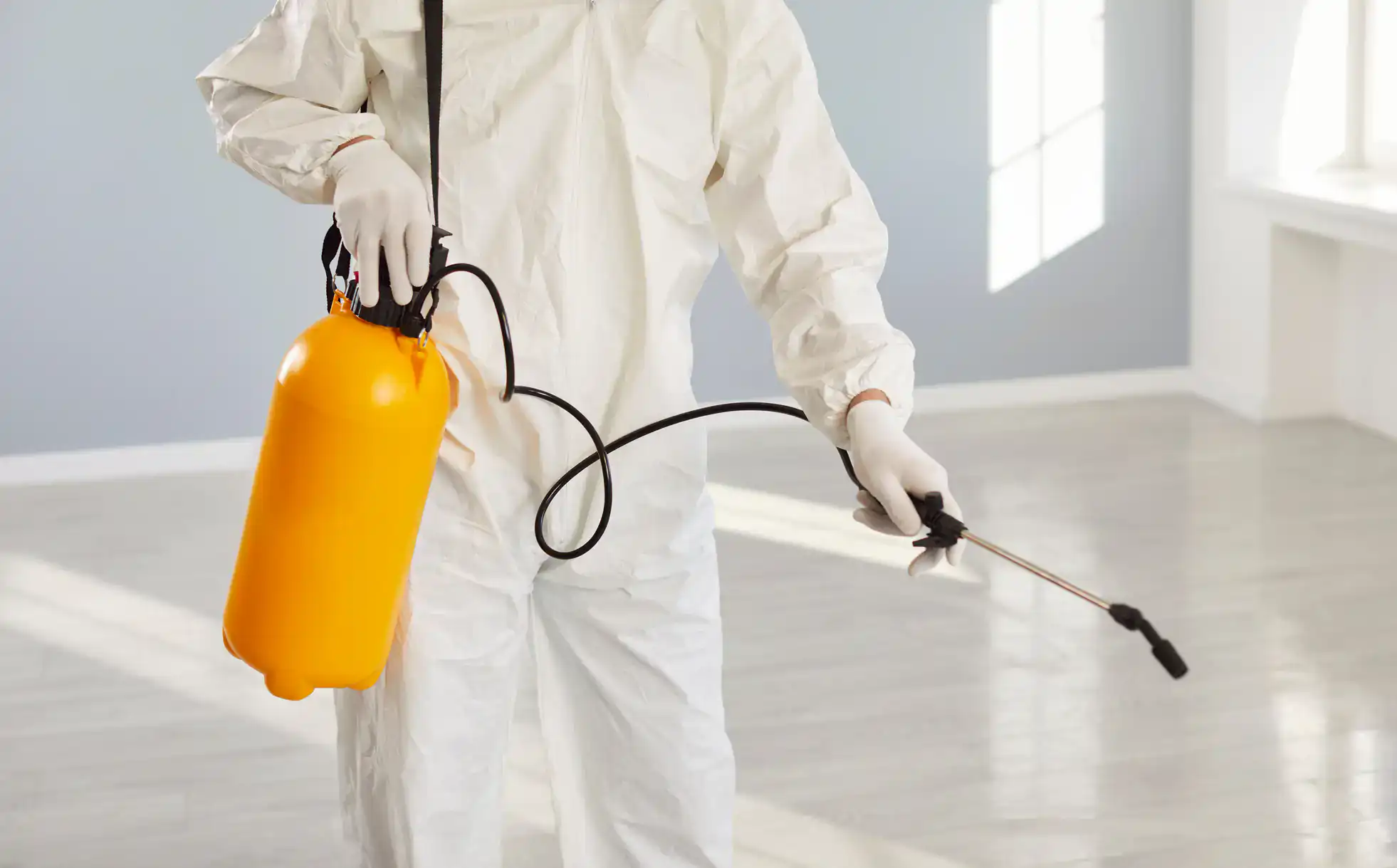
From there, treatment is targeted, not broadcast. We use professional gel bait, boric acid dust, and insect growth regulators applied directly at harborage sites not sprayed across your living space. Gel bait works by attracting cockroaches out of the wall voids where they live, which is the only way to actually reach the colony. Spraying the surfaces you can see just pushes them deeper into the building infrastructure.
Follow-up matters here more than almost anywhere else in the city. Cockroach eggs sealed inside protective casings are resistant to most pesticide applications. They hatch two to four weeks after the initial treatment. A follow-up visit addresses that second generation before it can re-establish. For residents in a campus building where shared infrastructure means ongoing pressure from neighboring units and basement spaces, a maintenance schedule isn’t an upsell it’s the only approach that holds.
Ready to get started?
Cockroach control in Stuyvesant Town isn’t a single-visit fix, and we don’t treat it like one. Every service begins with species identification because German cockroaches and American cockroaches (the large “waterbugs” that come up through floor drains from the sewer lines running beneath the campus) require completely different treatment approaches. Misidentifying the species is one of the most common reasons treatments fail, and it’s the first thing we get right before anything else happens.
All materials we use are registered with the NYS Department of Environmental Conservation. In a building where neighbors are on the other side of your wall and children are in the next room, that regulatory standard isn’t a formality it’s the baseline for doing the job responsibly. Our technicians are DEC-certified and apply treatments according to approved protocols, with targeted placement that minimizes exposure in your living space while maximizing contact with cockroach activity zones.
For Stuyvesant Town residents who have already gone through management’s pest control process and seen the problem return, we also offer ongoing maintenance programs monthly or bi-monthly visits designed to stay ahead of re-infestation from the building’s shared infrastructure. Given that the Stuyvesant Town–Peter Cooper Village campus generates the kind of continuous pest pressure that a one-time treatment can’t permanently resolve, that ongoing coverage is what separates a short-term fix from a long-term solution. A 10% senior discount is available for qualifying residents.
This is the most common frustration for Stuyvesant Town residents, and the answer comes down to the building itself. Stuyvesant Town is a campus of 110 interconnected buildings sharing plumbing risers, utility corridors, trash compactor rooms, and basement infrastructure. When your unit is treated, the cockroach population in your immediate living space is reduced but the broader population living inside the building’s shared infrastructure continues to exist. Cockroaches from adjacent units, basement mechanical rooms, or the compactor room on your floor can re-enter your apartment through the same wall penetrations and pipe chases they used the first time.
The other factor is biology. Cockroach eggs are sealed inside protective casings that most pesticide applications can’t penetrate. Those eggs hatch two to four weeks after the initial treatment, releasing a new generation into the same spaces. This is why follow-up visits are a non-negotiable part of any complete program not a sign that the first treatment didn’t work, but the standard second step in eliminating the problem in a building like yours.
This is the right question to ask, and it deserves a straight answer. We use only materials registered with the New York State Department of Environmental Conservation. The primary treatment method for German cockroaches in apartment buildings is professional gel bait a small, targeted application placed inside cabinets, behind appliances, and inside wall voids where cockroaches travel. It is not broadcast-sprayed across your floors or countertops. The placement is deliberate and out of reach of children and pets in normal living conditions.
It’s also worth putting the risk in perspective. An active cockroach infestation carries real, documented health consequences cockroach allergens are proven triggers for asthma and respiratory issues, and they carry pathogens including Salmonella and E. coli on their bodies and in their droppings. For families in a Stuyvesant Town apartment, the health risk of leaving the infestation untreated is meaningfully higher than the risk of a professionally applied, DEC-registered treatment. Our technician can walk you through exactly what’s being used and where before anything is applied.
It matters a lot they’re different species, they live in different places, and they require different treatment approaches. German cockroaches are the small, fast, tan-colored roaches most commonly found in Manhattan apartment kitchens and bathrooms. They live inside the building behind appliances, inside wall voids, in the warm and humid spaces around plumbing. They reproduce rapidly and spread through shared building infrastructure, which is why they’re so persistent in campus-style complexes like Stuyvesant Town.
American cockroaches what most New Yorkers call waterbugs are the large, dark roaches that appear in bathrooms and come up through floor drains. They live primarily in the underground sewer and drain systems that run beneath Stuyvesant Town’s campus, and they migrate into units when those systems are disturbed or during heavy rain events that drive them upward through plumbing. Treating a waterbug problem requires addressing the drain and sewer entry points, not just the interior surfaces. A technician who doesn’t distinguish between the two will apply the wrong treatment and get the wrong result.
You can but the timeline and outcome are not in your control. Under New York City’s Housing Maintenance Code, building owners are required to keep buildings free of pests, and Blackstone as the management entity bears responsibility for building-level pest control in Stuyvesant Town. You can file a complaint through the NYC Department of Housing Preservation and Development or call 311 to document the issue formally.
The practical reality is that management-coordinated treatments in a complex this size are often scheduled on a building-wide cycle that may not align with your situation, and the scope of those treatments may not address the harborage sites inside your specific unit. Many Stuyvesant Town residents who contact us do so precisely because they’ve been through the management process and seen the problem return. Hiring a licensed exterminator for your unit doesn’t conflict with management’s obligations it just means you’re not waiting for a building-wide schedule to address a problem that’s happening in your kitchen right now.
The initial inspection and treatment typically takes between 60 and 90 minutes for a standard Stuyvesant Town apartment, depending on the size of the unit and the extent of the infestation. Our technician will need access to the kitchen behind and beneath the refrigerator, stove, and dishwasher as well as the bathroom and any utility closets. If you have a two-bedroom or larger unit, plan for the longer end of that range.
You generally do not need to leave your apartment during a gel bait and crack-and-crevice treatment. The application is targeted, not airborne, and there’s no mandatory evacuation period for the treatment methods we use. Our technician will let you know if anything specific to your unit’s layout changes that guidance. The follow-up visit, scheduled two to four weeks after the initial treatment, is typically shorter focused on assessing the response and addressing any newly hatched population before it re-establishes.
This is a well-documented pattern in Stuyvesant Town and throughout Manhattan’s East Side. American cockroaches waterbugs live primarily in the underground sewer and drainage infrastructure that runs beneath the campus. When heavy rain events occur, water pressure builds in those systems and drives cockroaches upward through floor drains, sink drains, and any unsealed plumbing penetrations in ground-floor and lower-level units. The FDR Drive and East River waterfront location of Stuyvesant Town means the neighborhood sits at a lower elevation with direct proximity to the city’s stormwater and sewer infrastructure conditions that make this pattern more pronounced here than in neighborhoods further inland.
The fix involves two things: treating the drain entry points directly to eliminate the immediate population, and sealing or screening floor drains in bathrooms and utility areas to block future entry. A tube of drain gel or a standard over-the-counter spray won’t address the source the cockroaches are coming from below the building, not from inside your walls. A technician who understands the sewer-migration pattern specific to East Side Manhattan buildings will approach this very differently than one who treats it like a standard interior infestation.
Useful Links
Other Services we provide in Stuyvesant Town