
Hear from Our Customers
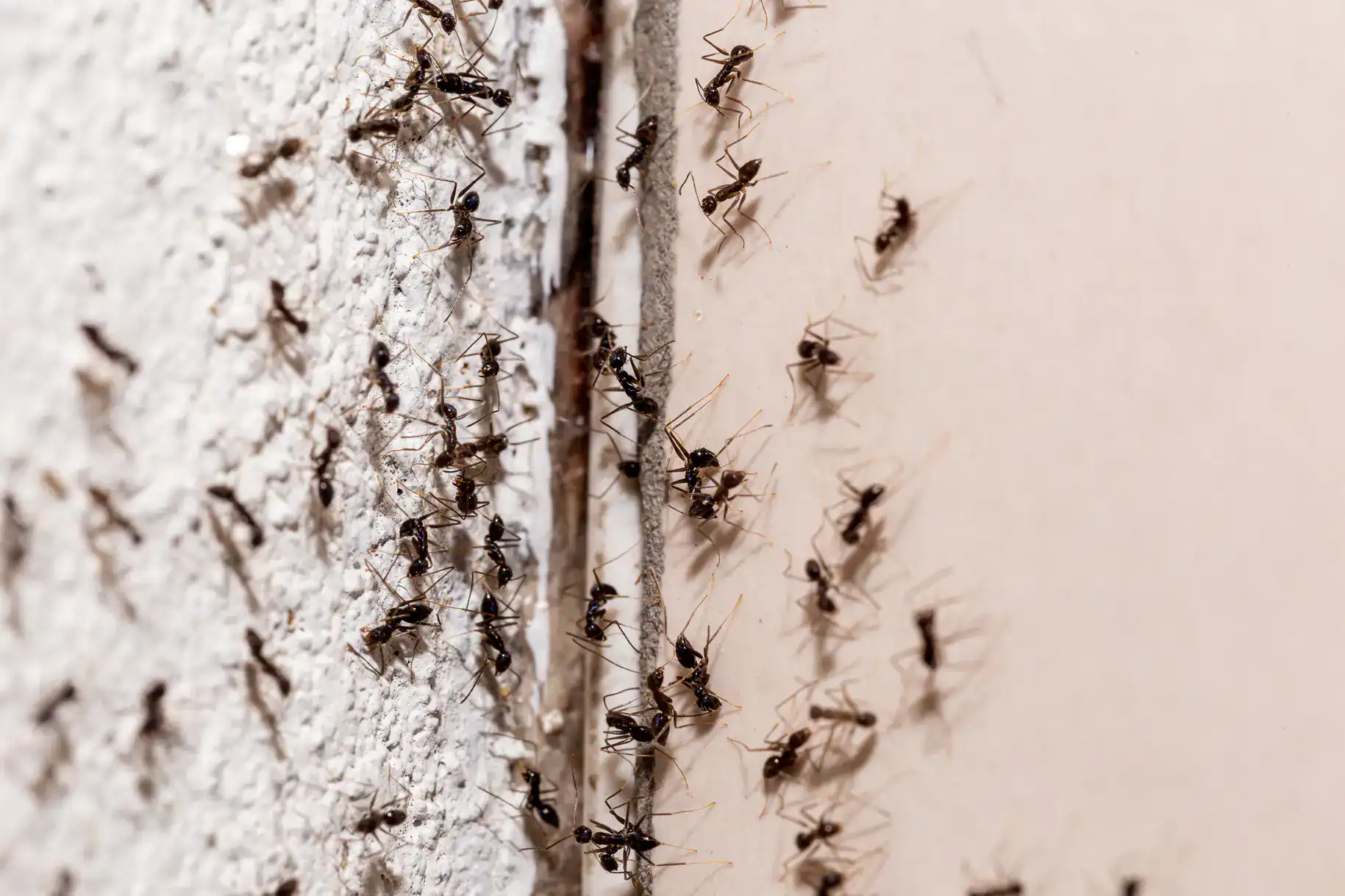
The ants you see on your counter aren’t the problem. They’re just the ones running errands. The colony sometimes tucked inside a shared wall void, a floor joist, or a basement cavity your landlord hasn’t touched in years is what keeps sending them back. Until that colony is gone, no spray you buy at the hardware store is going to give you more than a few days of quiet.
In Harlem’s older pre-war buildings and brownstone conversions, this plays out constantly. These structures have more gaps, more aging pipe chases, and more shared infrastructure than newer construction which means ants don’t just live in your unit, they travel through the building. A colony established in the foundation of a Lenox Avenue walk-up can feed foragers into multiple floors. Treating one apartment without addressing the source is like mopping around a leak.
What changes after a proper ant removal treatment isn’t just the absence of ants it’s the absence of that low-grade anxiety every time you open a cabinet. You stop checking the baseboards. You stop throwing out food you weren’t sure about. You get your kitchen back, and you stop wondering whether the problem is yours to fix or your landlord’s to ignore.
Kingsway Exterminating has been working in New York City for over 40 years. That means pre-war Manhattan buildings, multi-unit brownstones across Harlem, and the specific pest dynamics that come with dense urban housing not just the surface-level stuff, but the structural realities that make infestations in a Harlem walk-up different from anywhere else.
We’re family-owned and operated, founded on a straightforward idea: do the job right, charge a fair price, and show up when people need us. That’s held up for four decades. We’re fully licensed, bonded, and insured, hold a consistent A+ rating with the Better Business Bureau of New York State, and use only NYS DEC-registered materials meaning every treatment meets the legal and safety standards required to work in New York City.
From buildings near Marcus Garvey Park to brownstones on Frederick Douglass Boulevard, we’ve worked across the neighborhoods that make up Harlem. We know the housing stock, we understand the pest patterns, and we answer the phone 24 hours a day not just during business hours.
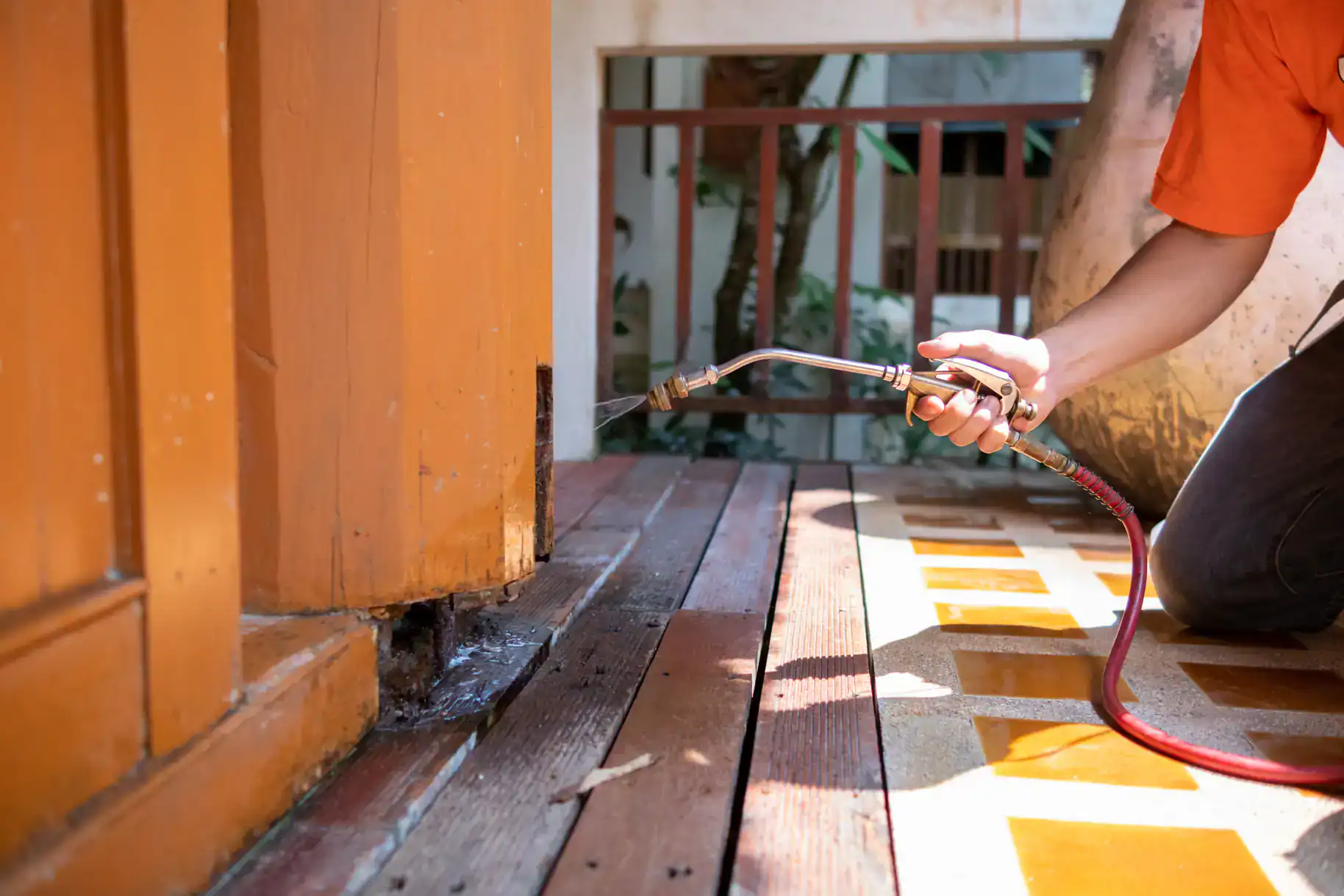
The first step is a free estimate. One of our technicians comes out, looks at what you’re dealing with, identifies where the activity is concentrated, and gives you a clear picture of what treatment involves before any work begins. No guessing, no pressure, no mystery pricing.
From there, our initial cleanout service targets both the interior and exterior of the property. The materials we use aren’t designed to just kill the ants you can see they’re applied so that forager ants carry the treatment back into the nest and share it with the rest of the colony, including the queen. In Harlem’s multi-unit buildings, where a colony can be established in shared walls or below-grade foundation areas, this transfer approach is what makes the difference between a treatment that holds and one that wears off in a week.
Because established infestations in dense urban buildings rarely disappear after a single visit, we schedule follow-up treatments weekly or every other week to re-apply materials, monitor activity, and make sure the infestation is fully eliminated. This is especially relevant in Harlem, where the proximity of green spaces like Morningside Park and St. Nicholas Park means outdoor colonies have easy access to adjacent residential buildings throughout the warmer months. The schedule gets adjusted based on what’s actually happening at your property, not a fixed corporate timeline.
Ready to get started?
Ant control in a Harlem apartment building isn’t the same job as treating a detached house in the suburbs. The infestation dynamics are different, the building access is different, and the legal context is different. Our service is built around that reality.
For residential clients whether you’re renting a unit in a pre-war walk-up near 125th Street, own a brownstone on Strivers’ Row, or manage a multi-family building on Adam Clayton Powell Jr. Boulevard our service covers interior treatment of the affected unit and exterior grounds. Carpenter ant infestations, which are common in Harlem’s older wood-framed building stock and can cause structural damage if left untreated, receive the same colony-elimination approach. The materials we use are NYS DEC-registered and applied by our licensed technicians who advise on re-entry timing and any household-specific precautions before every visit.
For property managers and landlords dealing with building-wide ant activity which NYC’s Housing Maintenance Code requires them to address we can coordinate multi-unit service and provide documentation of treatment. We offer a 10% senior discount for longtime Harlem residents, and flexible maintenance scheduling monthly, every other month, or seasonal means you’re not locked into a contract that doesn’t fit your situation. Free estimates are available for all residential and commercial properties.
Store-bought sprays work on the ants you can see the foragers running across your counter or along a baseboard. What they don’t do is reach the colony. In Harlem’s older pre-war buildings, colonies are often established inside shared wall voids, beneath flooring, or in below-grade foundation areas that no surface spray can touch. You kill the visible ants, the colony sends out more, and the cycle repeats.
The other factor specific to Harlem’s housing stock is that ants in multi-unit buildings don’t respect unit boundaries. A colony established in a shared wall between your apartment and your neighbor’s, or in the basement of the building, will keep feeding foragers into your space regardless of what you apply inside your own unit. Effective ant control in this type of building requires treating the source not just the symptom which is why professional colony-elimination is the only thing that actually breaks the cycle.
Under New York City’s Housing Maintenance Code, landlords are legally required to keep rental properties free from pests and the conditions that lead to infestations. If ants are spreading between units which is common in Harlem’s older multi-unit buildings the infestation is considered a building-wide problem, and the landlord is responsible for treating the entire affected area, not just one apartment.
If you’ve reported the problem to your landlord and haven’t gotten a real response, you can file a complaint through NYC 311 or the Housing Preservation and Development portal. That can trigger an inspection and result in fines or court action against the landlord. That said, a lot of Harlem tenants especially in smaller buildings or situations where landlords are slow to act choose to hire a professional directly rather than wait. Either path is valid. If you want the problem handled now rather than after a few rounds of 311 complaints, we can come out, assess the situation, and give you a free estimate before any work starts.
The two most common ant types in Harlem’s older residential buildings are odorous house ants and carpenter ants. Odorous house ants are small, fast-moving, and tend to show up in kitchens and bathrooms they’re attracted to moisture and food, and they’re the ones most likely to appear in trails along counters and baseboards. They’re a nuisance, but they don’t damage the structure.
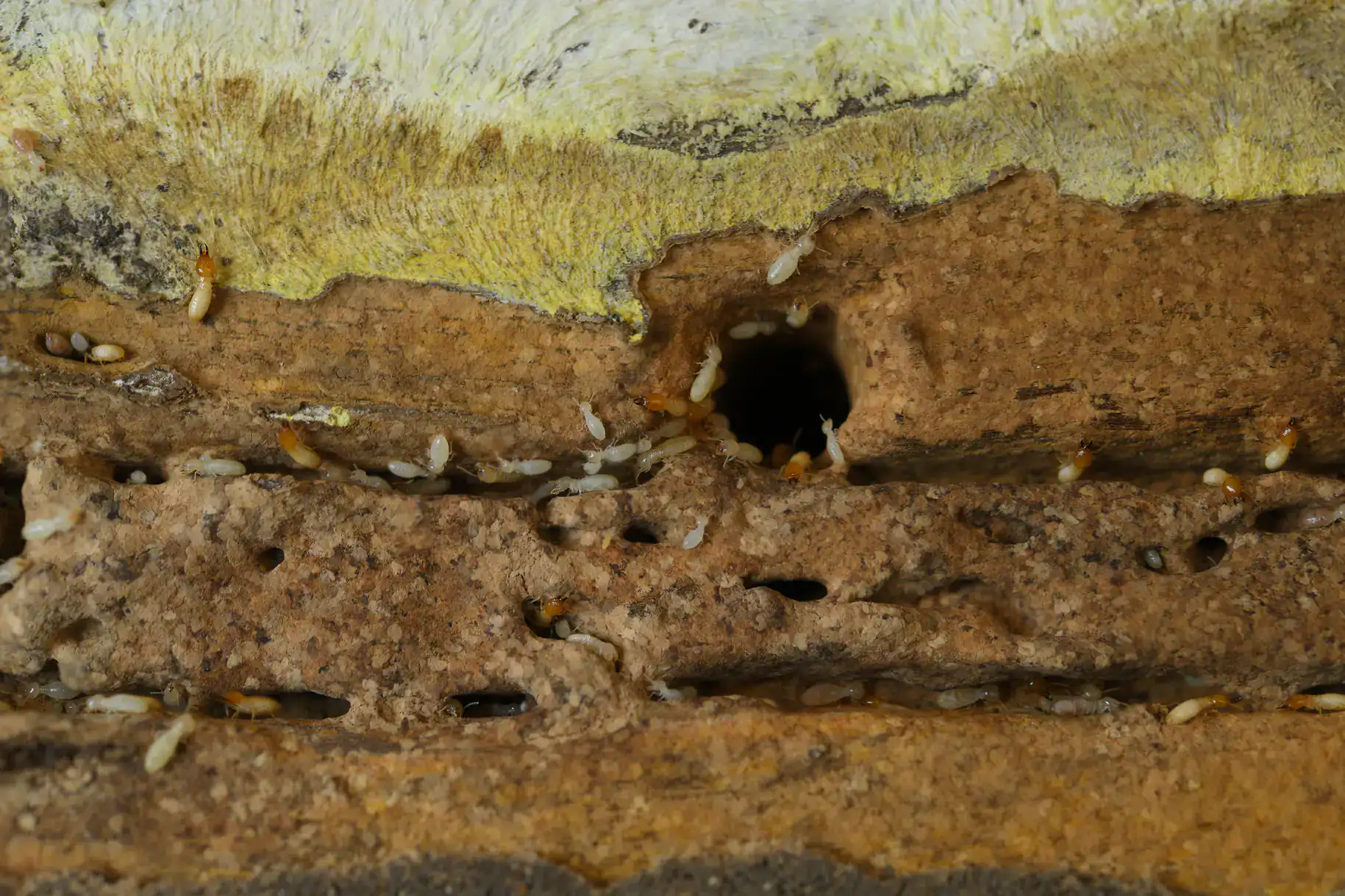
Carpenter ants are a different situation. They’re larger sometimes a half-inch or more and they excavate wood to build their nests. In Harlem’s pre-war brownstones and wood-framed walk-ups, carpenter ants can establish themselves inside structural wood elements like floor joists, window frames, and wall framing. Left untreated, they can cause real structural damage over time. Carpenter ants in New York are active from early spring through late fall, with peak swarming in May and June, so if you’re seeing large black ants inside your unit during that window, it’s worth getting a professional assessment rather than waiting to see if they go away on their own.
Yes and in Harlem’s older multi-unit buildings, this is one of the most common reasons individual unit treatments fail. Ants travel through shared wall voids, plumbing chases, floor joists, and gaps around pipes that connect units throughout a building. A colony established in one part of the structure can send foragers into multiple apartments on different floors without any of those residents being the source of the problem.
This is why treating only your unit is often a temporary fix at best. If the colony is in a shared wall or in the building’s foundation, re-infestation is almost inevitable. The most effective approach in a multi-unit Harlem building is one that addresses the exterior grounds and common areas, not just the interior of a single apartment. If you’re a tenant, it’s worth documenting the infestation and notifying your landlord in writing NYC law requires building-wide treatment when pests are spreading between units. If you’re a property manager or landlord, we can coordinate multi-unit service and provide treatment documentation.
Ant activity in Harlem follows a fairly predictable seasonal pattern. Spring is when colonies expand and foragers start pushing indoors especially after heavy rain events, which are common in New York’s spring and early summer and can flood outdoor nests and drive ants into buildings quickly. This is typically when call volume spikes. Summer sustains the pressure, particularly in buildings near Harlem’s green spaces Marcus Garvey Park, Morningside Park, and Riverside Park all provide extensive outdoor habitat for ant colonies that can migrate into adjacent residential buildings throughout the warm months.
Fall brings a second wave as colonies seek warmth ahead of winter, and carpenter ants in particular will move into wall voids to overwinter inside structures. The honest answer on when to call is: as soon as you notice consistent activity, not after you’ve spent a few weeks trying to handle it yourself. Early treatment is easier, less disruptive, and less expensive than treating an established infestation that’s had time to spread through a building.
Yes we offer a 10% senior discount on ant control services. Harlem has a significant population of long-term elderly residents who have lived in the same buildings for decades, often in rent-stabilized apartments where they’re dealing with aging building infrastructure and, sometimes, landlords who aren’t responsive to maintenance issues including pest problems. The discount reflects a straightforward recognition of that reality.
Beyond the discount, our free estimate policy means there’s no financial commitment just to find out what you’re dealing with. One of our technicians comes out, assesses the situation, and gives you a clear picture of what treatment would involve and what it costs before any work begins. For seniors on fixed incomes who’ve been putting off calling because they weren’t sure what it would cost, that removes the uncertainty upfront. Flexible maintenance scheduling monthly, every other month, or as-needed also means you’re not paying for visits you don’t need.
Useful Links
Other Services we provide in Harlem