Hear from Our Customers

Living in a pre-war brownstone or a multi-unit building in Harlem means pest pressure is almost never just your problem. It comes through the walls, up through the pipes, and in from the basement. A treatment that only hits the surface of what you’re seeing isn’t going to hold and if you’ve already paid for one that didn’t, you already know that.
What you get when the job is done right is pretty simple: you stop seeing them. Not for a week. Not until the weather changes. The entry points get sealed, the harborage areas get treated, and the follow-up confirms it’s actually working. That’s the difference between suppression and resolution.
Harlem’s Rat Mitigation Zone designation isn’t just a label it means the city has acknowledged that rodent activity here is among the worst in New York. The buildings along and around 125th Street, the aging pipe chases in converted brownstones from Central Harlem to Hamilton Heights, the construction displacement from Columbia’s Manhattanville expansion pushing colonies into adjacent blocks these are real, specific conditions. Treating them requires someone who understands what they’re actually dealing with, not someone working off a generic checklist.
We’ve been operating in New York City since 1971. That’s not a marketing line it’s more than five decades of working inside the exact building types that define Harlem: pre-war tenements, converted brownstones, mid-century walkups, and multi-family buildings where one unit’s problem is everyone’s problem.
From Sugar Hill to El Barrio, from the blocks off Lenox Avenue to the rowhouses in Hamilton Heights, the structural realities of Harlem’s housing stock are something our technicians know firsthand. These aren’t buildings you treat with a spray bottle and a schedule. They require real inspection, real knowledge of how pests move through shared walls and aging infrastructure, and a company that’s accountable when the job is done.
We’re family-owned, NYSDEC-licensed, fully insured, and have no interest in selling you a treatment you don’t need. The goal is simple: fix the problem, document the work, and be there if anything comes back.
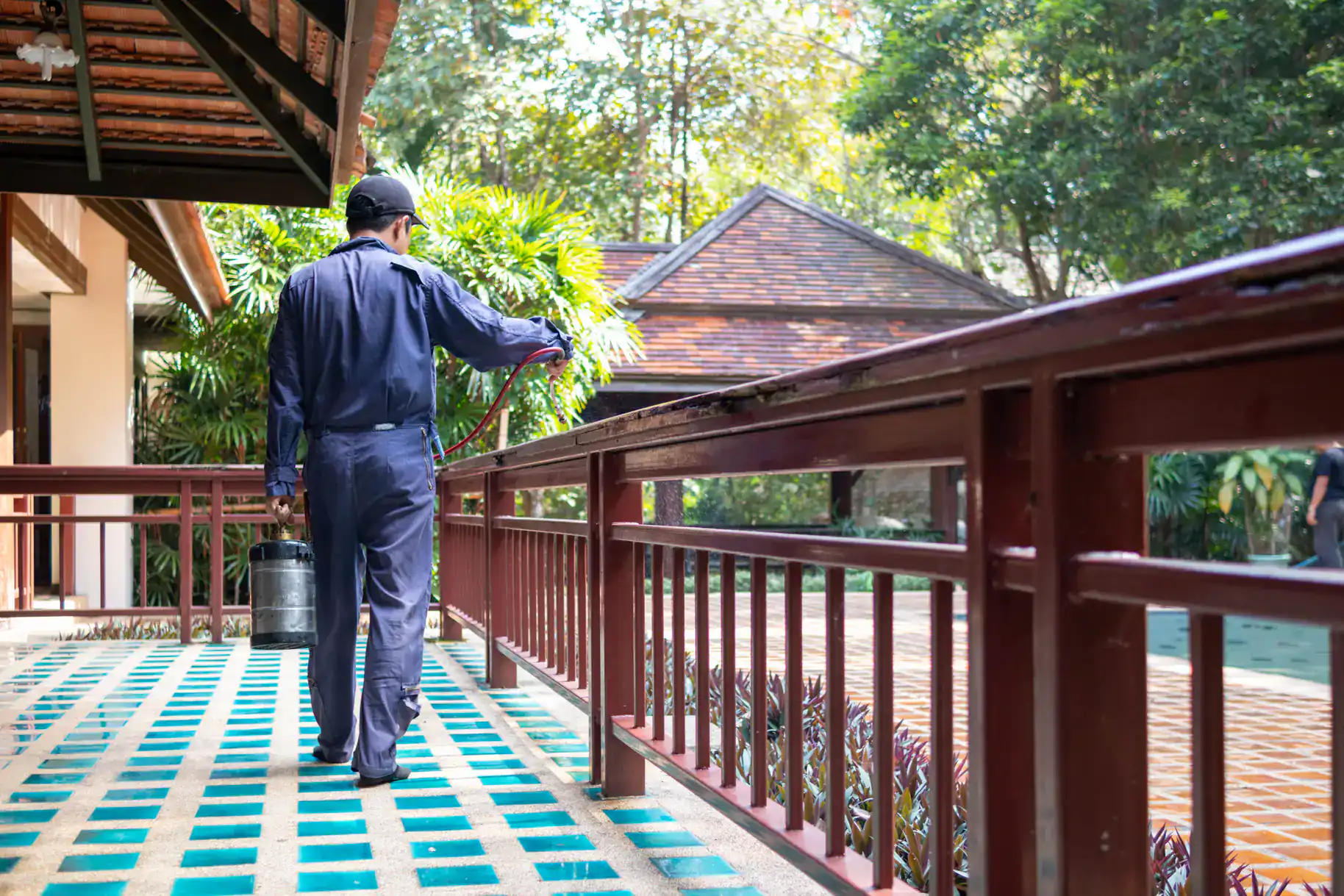
It starts with a thorough inspection. Not a quick walkthrough an actual assessment of where pests are entering, where they’re nesting, and what structural conditions are making your building vulnerable. In Harlem’s older housing stock, that means looking at basement utility access points, pipe penetrations between units, wall voids, and any gaps in the masonry that rodents or cockroaches are using as highways.
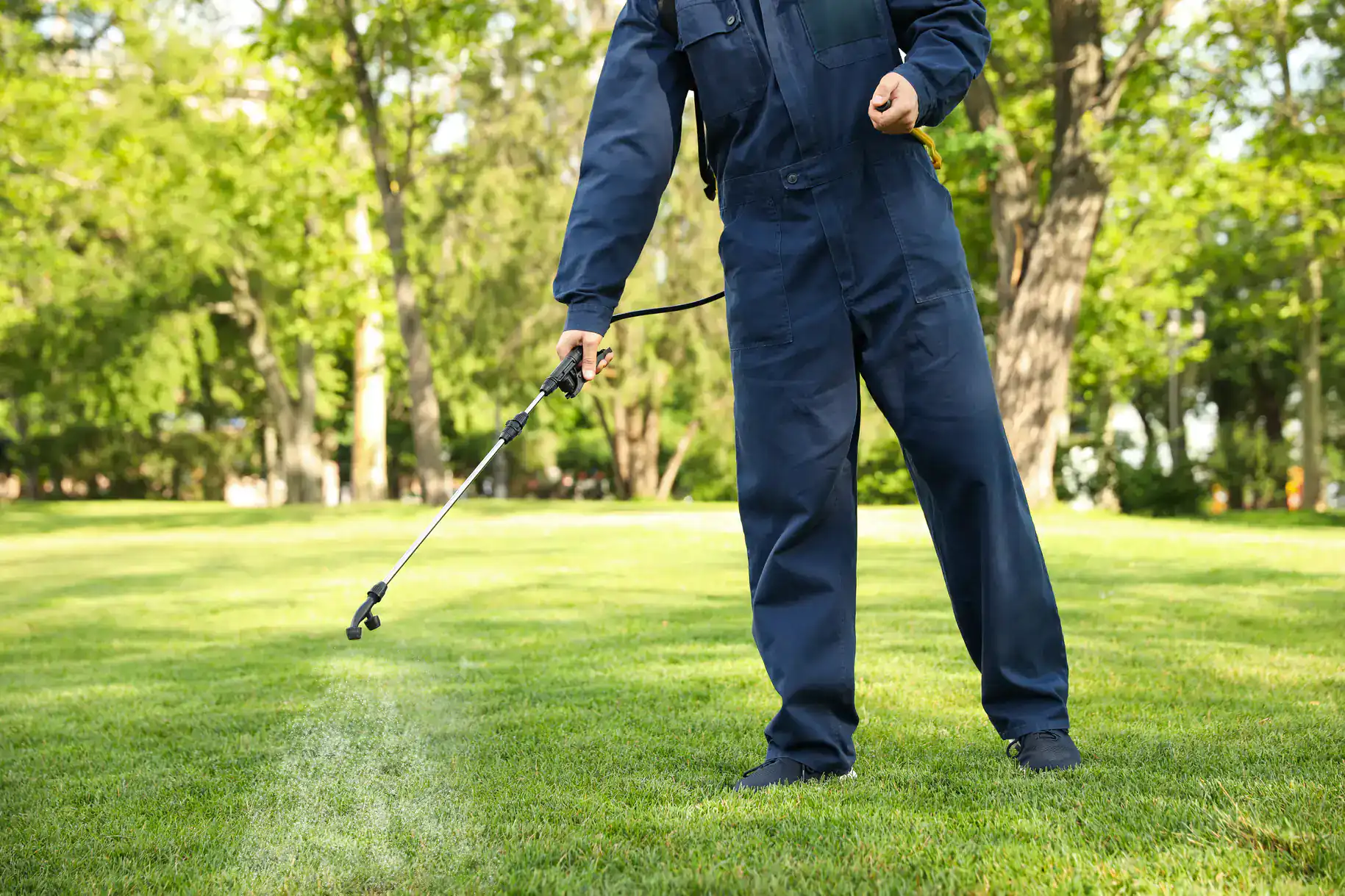
From there, you get a clear picture of what’s happening and what it takes to fix it. We use EPA-registered materials and Integrated Pest Management principles, which means the treatment is targeted not a broadcast application that saturates your living space. The least-toxic effective approach is always the starting point, and you’ll know exactly what’s being used, where, and what to do before and after the technician leaves. If you have kids or pets, ask. You’ll get a straight answer.
After treatment, we monitor the result. If something comes back, we do too at no additional charge. In a building where pests can re-enter from adjacent units or from the building’s shared infrastructure, that follow-through matters. One visit that doesn’t hold isn’t a solution. A confirmed, documented resolution is.

Ready to get started?
We handle the full range of pest challenges that Harlem residents and property owners actually deal with. Rodent control, cockroach extermination, bed bug treatment both heat and chemical termite inspections, stinging insect removal, flea and mite treatment, mosquito and tick control, wildlife removal, and WDI inspection reports for home buyers and mortgage lenders. One call, one licensed company, one point of accountability.
That last one matters more in Harlem than most people realize. If you’re buying a brownstone in Central Harlem or refinancing a property in West Harlem, your lender may require a certified WDI report before closing. FHA and VA loans routinely require it, and many conventional lenders do as well. Only a licensed pest control professional can issue a legally recognized WDI report in New York State and we provide them. If you’re on a closing timeline, don’t wait on this.
For property managers and landlords dealing with HPD violations, our documented service program is the fastest path from violation notice to compliance. Cockroach infestations are classified as Class C violations in NYC immediately hazardous with a 24-hour landlord response requirement. NYC Local Law 55 also requires building owners to use IPM practices and disclose pest activity to tenants. Our licensed, documented approach satisfies both requirements and gives you a paper trail that holds up.
In Harlem’s pre-war and multi-unit buildings, cockroaches aren’t just living in your apartment they’re living in the building. Shared wall voids, aging pipe chases, and gaps around utility penetrations give them continuous access between units. If a neighbor’s unit is infested and untreated, yours will be too, no matter how clean you keep it or how many store products you use.
The only way to break the cycle in this type of housing is a building-wide approach: inspection of all affected units and common areas, targeted treatment of harborage zones, and sealing of the structural pathways cockroaches are using to move between spaces. A single-unit treatment in a connected Harlem building is a temporary fix at best. We inspect the full structure, not just the unit you called from, and document everything which also matters if your landlord has received an HPD violation and needs a licensed response on record.
The NYC Health Department officially designated Harlem combining all three community districts, 109, 110, and 111 as a Rat Mitigation Zone, which means the neighborhood was identified as having some of the highest sustained rat activity in the city. The city conducts thousands of extermination visits in this zone every six months and has even piloted rat contraceptive programs here specifically.
What it means for your Harlem building is that rodent pressure is structural and ongoing not seasonal, not random, and not something that goes away with a one-time treatment. The density of restaurants along 125th Street, the aging infrastructure of Harlem’s housing stock, and the construction displacement from ongoing development in Manhattanville and elsewhere all feed into the problem continuously. Effective rodent control in a Rat Mitigation Zone means sealing entry points, eliminating harborage areas, cutting off food access, and maintaining ongoing monitoring not just laying traps and calling it done.
If you’re financing through an FHA or VA loan, a WDI inspection report is required before closing and many conventional lenders require one as well. A WDI report documents the presence or absence of wood-destroying insects, including termites, carpenter ants, and wood-boring beetles, and must be issued by a licensed pest control professional. A general home inspector cannot legally provide this report in New York State.
For brownstones in Harlem specifically, this matters beyond just satisfying your lender. Many of these buildings have decades of deferred maintenance history, and termite or wood-destroying insect damage can be present behind renovated finishes in ways that aren’t visible during a standard walkthrough. Getting a certified WDI inspection before you close gives you an honest picture of what you’re actually buying and if there’s damage, you have documentation to negotiate with. We provide certified WDI reports for home buyers, sellers, and real estate attorneys, and can typically schedule inspections on short notice if you’re working against a closing date.
Under New York City’s Housing Maintenance Code, your landlord is legally required to keep the building free of pests. Cockroach infestations are classified as Class C violations immediately hazardous which means a landlord must respond within 24 hours of a complaint. If they’re not acting, you can file a complaint through 311 or directly through HPD’s online portal, and an inspector can issue a formal violation that carries real financial consequences for the building owner.
Having a professional pest inspection done independently even as a tenant creates documentation of the problem that supports your complaint and gives HPD something concrete to act on. We work with tenants in exactly this situation: we inspect, we document what we find, and we give you a clear record of the infestation that you can use in a complaint or, if it comes to it, in a housing court proceeding. You don’t have to wait for your landlord to decide this matters.
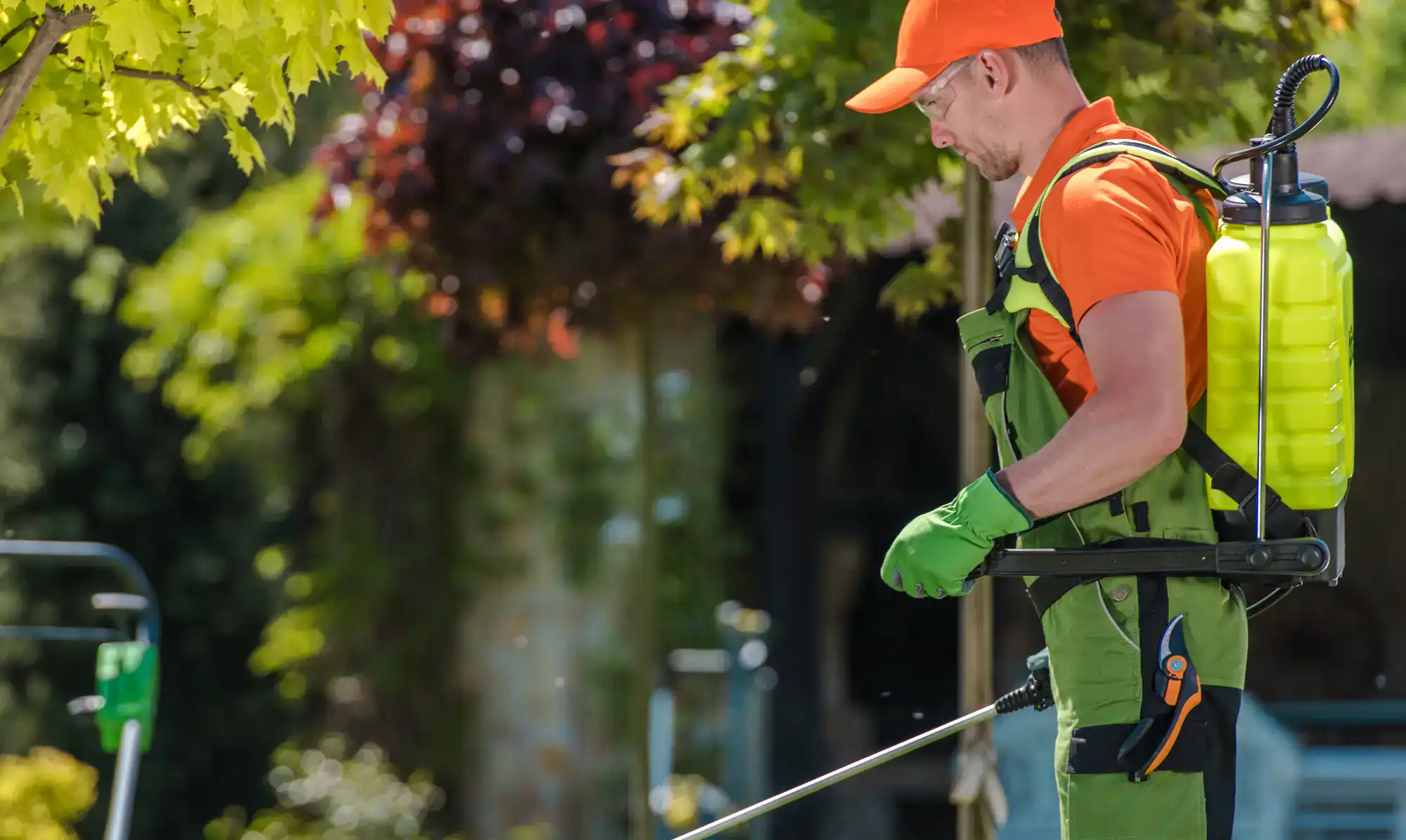
This is the right question to ask, and you should ask it directly before any work begins not after. We use only EPA-registered pesticides applied by NYSDEC-licensed technicians according to label directions. Our Integrated Pest Management approach means the treatment is targeted and precise: the least toxic effective option is selected for each situation, and chemical application is focused on harborage zones and entry points, not broadcast across your living space.
Before treatment, you’ll receive clear preparation instructions what to do with food, pet bowls, and children’s items, how long to be out of the space, and when it’s safe to return. If you have an infant, a toddler, or a pet with specific sensitivities, say so upfront. Our technicians will walk you through exactly what’s being used and why. The goal is to solve the pest problem without creating a new one and that means being transparent about what goes into your home.
Cost depends on what you’re dealing with, the size of your space, and whether it’s a single-unit issue or a building-wide situation. A standard residential treatment for cockroaches or general pests in a Harlem apartment typically runs in a range that reflects the complexity of the building pre-war multi-unit buildings with shared infrastructure require more thorough inspection and treatment than a straightforward single-family home, and that’s reflected in the scope of work, not arbitrary pricing.
Bed bug heat treatment, which is the most effective method for multi-unit buildings where chemical treatments can be harder to execute comprehensively, runs higher generally in the range of several hundred to over a thousand dollars depending on unit size and severity. WDI inspection reports for home purchases are typically a flat fee. The most useful thing you can do before committing to a number is schedule the free inspection we offer because the cost of the right treatment is almost always less than the cost of a second treatment after the wrong one didn’t hold. You’ll know exactly what you’re dealing with before you spend anything.
Useful Links
Other Services we provide in Harlem