
Hear from Our Customers
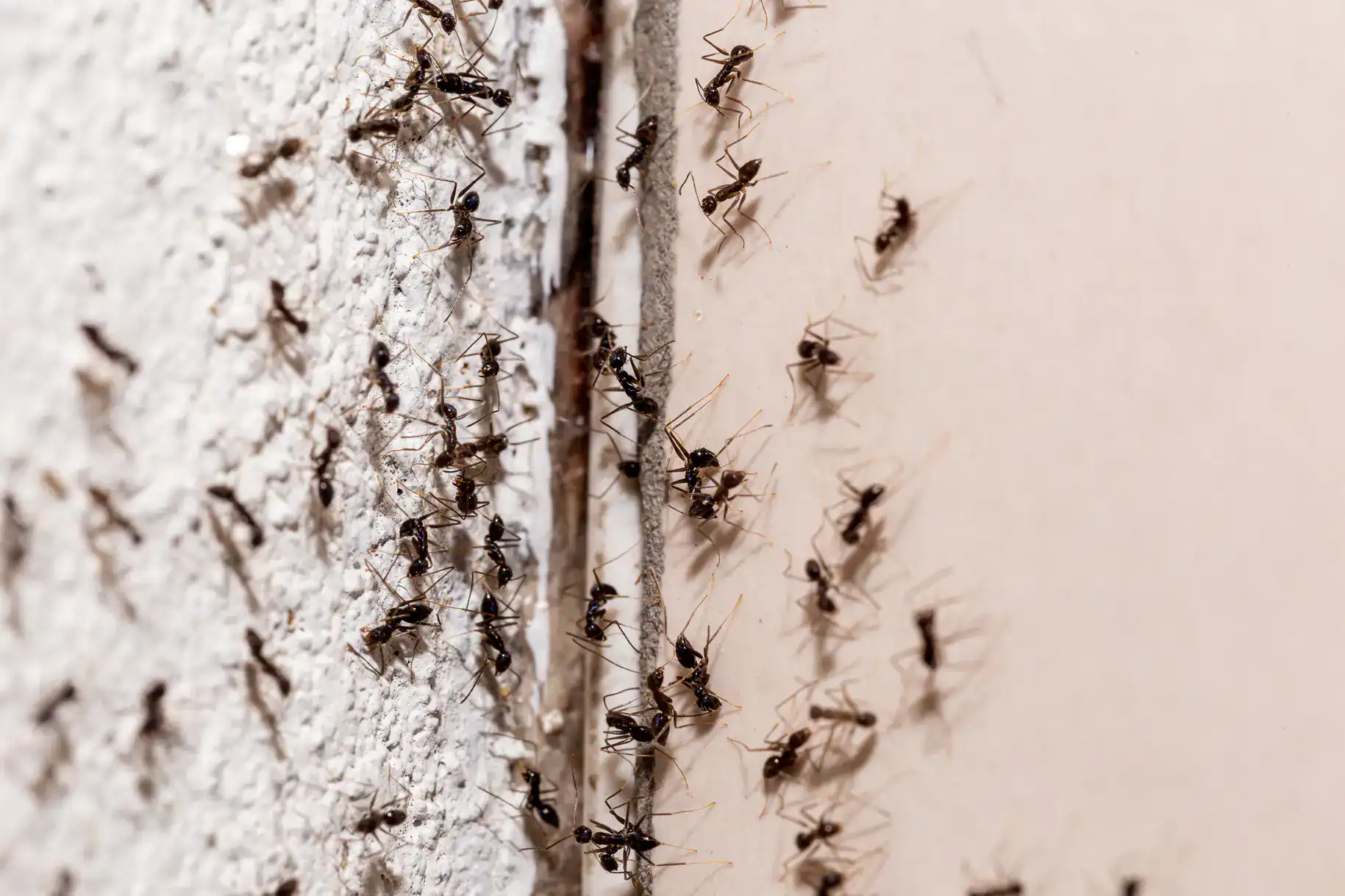
Store-bought sprays kill the ants you see. That’s it. The colony which could have thousands of workers and one or more queens tucked inside your walls or beneath your foundation keeps going. A week later, they’re back on your counter, and you’re back at the hardware store. That cycle ends when the treatment reaches the colony itself.
Maspeth’s housing stock makes this especially relevant. Most homes here are one- and two-family brick rowhouses built between the 1920s and 1950s. Decades of settling have left gaps in foundation mortar, aging window seals, and direct soil contact along basement walls all of it creating easy access for pavement ants and carpenter ants looking for a way in. These aren’t new homes with tight construction. They’re homes that need a treatment approach built for older urban structures.
The moisture situation along Newtown Creek and Maspeth Creek the waterway running along the neighborhood’s western edge makes carpenter ant pressure here higher than in drier parts of Queens. Carpenter ants seek out softened, moisture-affected wood to nest in, and homes closest to that industrial waterfront corridor are the most exposed. When you get the infestation handled properly, you’re not just clearing the kitchen you’re protecting the framing your home is built on.
We’ve been operating in New York City’s five boroughs for over 40 years. Founded on the straightforward idea that pest control should be thorough, affordable, and done right the first time, we’ve built our reputation by actually solving the problem not just showing up and spraying.
We’re based in Brooklyn, which puts us squarely in the same urban environment as Maspeth. We know what Maspeth rowhouses look like from the basement up. We know how these buildings are built, where ants get in, and why the same infestation can move laterally through a shared wall into the house next door. That’s not something you learn from a training manual it comes from decades of work in these neighborhoods.
We hold an A+ rating with the Better Business Bureau of New York State, and every product we use is registered with the NYS Department of Environmental Conservation. In a neighborhood that’s lived with the environmental history of Newtown Creek, that matters. We’re fully licensed, bonded, and insured and our phones are answered 24 hours a day, seven days a week.
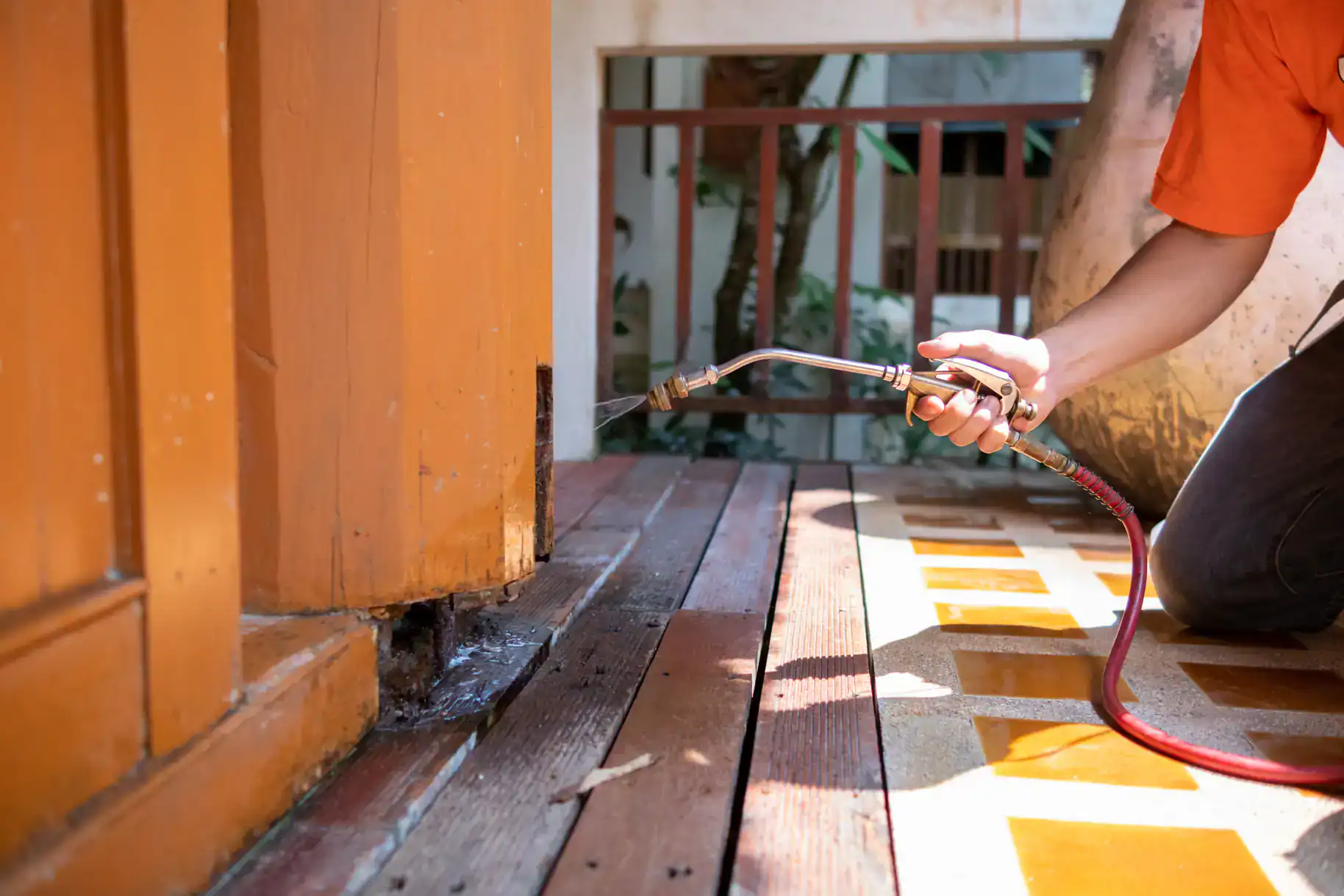
The first visit is a full cleanout. We apply treatment both inside and outside your home using materials that forager ants pick up and carry back into the colony. That’s how you reach the queen and the satellite nests that surface sprays never touch. In Maspeth’s attached rowhouses, where a colony can extend beneath a shared foundation and into multiple homes on the same block, that kind of penetrating treatment isn’t optional it’s the only thing that actually works.
After the initial cleanout, we schedule follow-up visits. Depending on the severity of the infestation and your preference, that can be weekly, every other week, or monthly. Each visit re-applies materials, monitors activity levels, and confirms the colony is being eliminated not just suppressed. This multi-visit model exists because established ant colonies in dense urban housing don’t disappear after one treatment. Anyone telling you otherwise is cutting corners.
Timing matters too. Spring is when ant activity surges in Maspeth colonies wake up, foragers push into homes, and heavy rain events near the creek drive ant colonies toward drier ground, which often means your basement or walls. If you’re calling in March or April, we’ll move quickly. If you’re calling in the fall because you’ve spotted winged carpenter ants indoors, that’s a sign of an established interior colony that needs to be addressed before winter sets in. Either way, we assess what’s actually happening in your specific home and treat accordingly.
Ready to get started?
Ant control in Maspeth covers the full picture: interior treatment, exterior perimeter application, and scheduled follow-up visits to confirm the infestation is gone. We identify the ant species involved whether that’s pavement ants coming up through basement cracks, odorous house ants in your kitchen, or carpenter ants nesting in moisture-affected framing near the Newtown Creek corridor because the species determines where we focus and what we apply.
All materials we use are registered with the NYS Department of Environmental Conservation. That’s not a throwaway line it means every product applied in your home has been reviewed and approved under New York State’s regulatory standards. For Maspeth residents who are aware of the area’s environmental history, that level of accountability is something you should expect from any exterminator you invite inside. We’ll also walk you through re-entry timing and any household precautions before we leave.
If you’re a senior homeowner, ask about our 10% senior discount when you call. Maspeth has a long tradition of homeowners who’ve been in their homes for decades some for their entire lives and we respect that. A free estimate is available for every job, so you know exactly what you’re getting into before anything starts. No surprises, no pressure.
What you’re spraying is killing the forager ants the ones sent out to find food. But the colony itself, which includes the queen and potentially thousands of workers nested inside your walls, beneath your foundation, or in the soil outside, is completely untouched. As long as the colony survives, it keeps sending foragers out. You’ll keep seeing ants until the colony is eliminated, not just the ones on your counter.
This is especially common in Maspeth’s older rowhouses, where ant colonies can establish themselves deep inside wall voids, behind basement framing, or in the soil directly beneath a concrete foundation that’s been settling for 70 or 80 years. The entry points in these homes are numerous and often invisible. Professional treatment uses materials that forager ants carry back to the nest, which is the only way to reach the colony and stop the cycle for good.
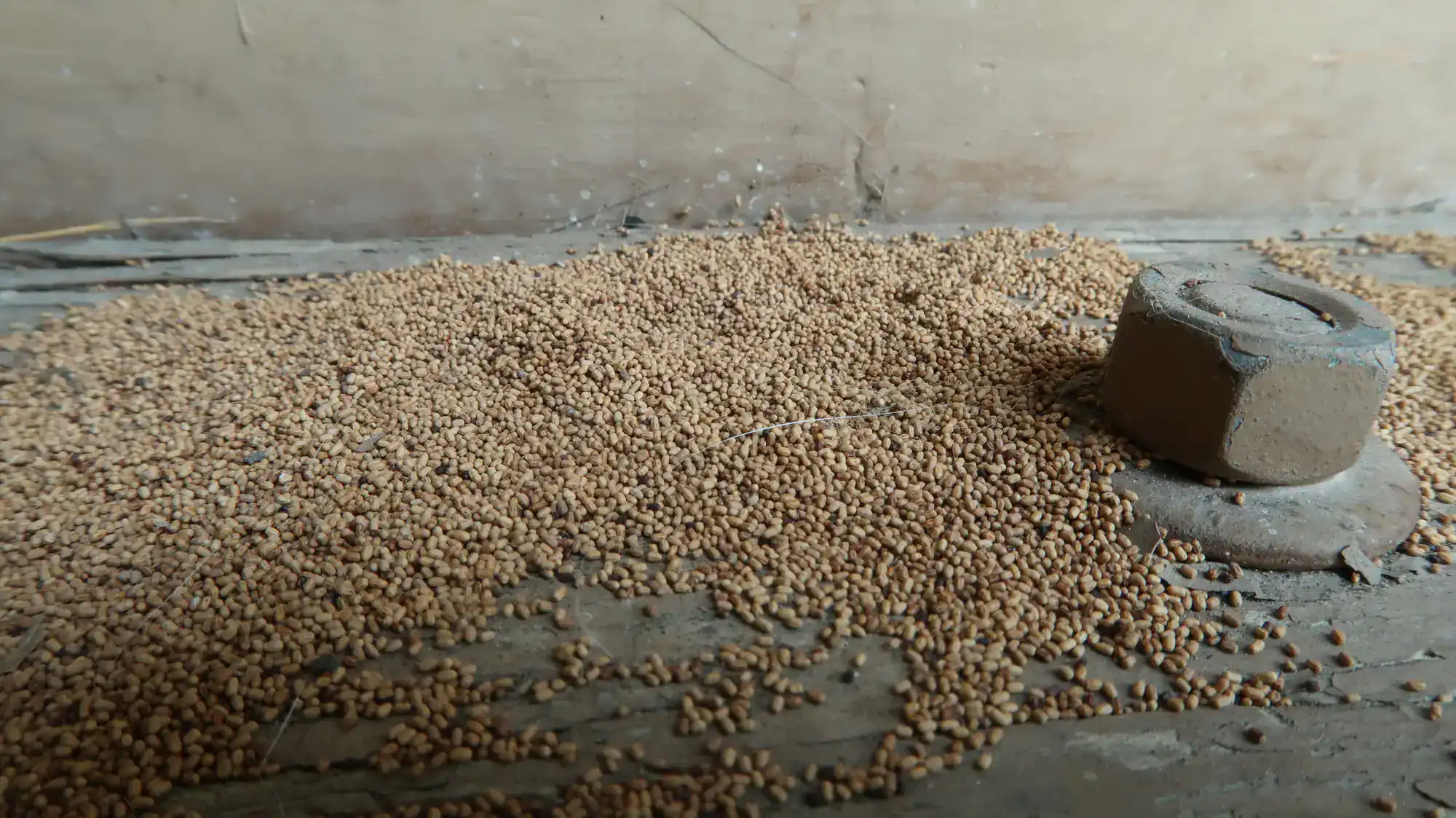
Size is the first clue. Carpenter ants are significantly larger than pavement ants or odorous house ants typically a quarter to a half inch long, and often black. But the more telling signs are what you find around them. If you’re seeing small piles of what looks like coarse sawdust near baseboards, door frames, or window sills, that’s frass the material carpenter ants push out as they excavate wood to build their nests. That’s a serious sign.
Another indicator is sound. A large carpenter ant colony inside a wall void can produce a faint rustling or crinkling noise, especially at night when the house is quiet. And if you’re seeing winged ants indoors particularly in fall or early spring that’s a swarm of reproductive ants, which almost always means the colony is already established inside your home, not just passing through. In Maspeth, where homes near the Newtown Creek waterfront deal with elevated moisture in older wood framing, carpenter ant infestations are a documented risk. If you’re seeing any of these signs, don’t wait carpenter ants cause structural damage over time.
Yes when it’s done by a licensed, properly credentialed exterminator using state-approved materials. Every product we apply is registered with the New York State Department of Environmental Conservation, which means it’s been reviewed under state regulatory standards before it’s ever used in a home. We’re not pulling products off a hardware shelf. We’re using professional-grade materials that are targeted, controlled, and applied at the right concentrations.
Before we leave your home, we’ll tell you exactly how long to stay out of treated areas and whether there are any specific precautions for your household including pets. With PS 58 School of Heroes and PS 153 Maspeth Elementary right in the neighborhood, we understand that child safety isn’t a checkbox for Maspeth families. It’s the first question you’re going to ask, and you deserve a straight answer. If you have specific concerns about a pet, a child with sensitivities, or a particular area of the home, tell us before we start. We’ll adjust accordingly.
There’s no universal answer, but one visit is rarely enough for an established infestation and anyone who tells you otherwise is oversimplifying. The initial treatment is a full cleanout, applying materials inside and outside your home that forager ants carry back to the colony. That process takes time to work through the colony, and follow-up visits are how we confirm it’s working and re-apply where needed.
For most homes in Maspeth, we recommend follow-up visits on a weekly, biweekly, or monthly schedule depending on the severity of the problem and how the infestation responds to treatment. In attached rowhouses and two-family homes which make up most of the neighborhood’s residential stock colonies can span beneath shared foundations, which means the elimination process can take longer than it would in a detached suburban home. We monitor activity at each visit and adjust the treatment plan based on what we’re actually seeing, not a fixed script.
Spring is the peak. As temperatures climb above 50°F, ant colonies become active and foragers start pushing into homes looking for food and water. In Maspeth specifically, spring rain events are a compounding factor when soil near Maspeth Creek saturates after heavy rain, ant colonies get displaced from their outdoor nesting sites and move toward drier ground, which often means the basement or lower framing of a nearby home. If you’re seeing a sudden surge of ant activity after a rainstorm, that’s likely what’s happening.
Fall brings a second wave. As temperatures drop, ants seek warmth, and that’s when many Maspeth homeowners first notice winged carpenter ants indoors a sign that a colony has already been established inside the home through the warmer months. Winter doesn’t eliminate the problem either. An established interior colony, particularly carpenter ants nesting in insulated wall voids inside a heated brick rowhouse, can remain active year-round. The short answer: there’s no truly safe season to ignore ant activity in Maspeth. If you’re seeing it, it’s worth a call.
Yes we offer a 10% senior discount, and it applies to ant control services in Maspeth. Maspeth is a neighborhood with deep roots. A lot of the homeowners here have been in their homes for decades, some having inherited the property from parents who worked in the neighborhood when the industrial waterfront was at full capacity. Maintaining that home keeping it in good shape for the next generation is something these residents take seriously, and we do too.
Beyond the senior discount, every job starts with a free estimate. You’ll know what the service costs and what’s involved before anything starts. We don’t do mystery pricing or pressure tactics. If you call and describe what you’re seeing, we’ll give you a real assessment and a clear number. Our phones are answered 24 hours a day, so you don’t have to wait until Monday morning to get answers. Call whenever the problem shows up because in Maspeth’s older homes, it rarely waits for a convenient time.
Useful Links
Other Services we provide in Maspeth