
Hear from Our Customers
You stop hearing things at night. You stop finding droppings behind the stove or in the cabinet under the sink. You stop wondering if that scratch in the wall is something you should be worried about. That’s what rodent removal in Maspeth, NY actually looks like when it’s done right not just a few traps thrown down and a promise.
What makes Maspeth different from most neighborhoods is the pressure coming from outside your property. The warehouses and logistics operations along Newtown Creek a federally designated Superfund site sustain large Norway rat populations year-round. When fall temperatures drop or construction along the BQE kicks up, those colonies move. And the nearest warm, food-stocked structures are the pre-war homes on the residential streets just east of that waterfront. If your home was built before 1939, and many in Maspeth were, the gaps around aging utility penetrations and settled foundations are exactly what rodents are looking for.
Effective rodent control in Maspeth means understanding that geography. It means sealing the entry points that older Queens housing stock creates, not just placing bait stations and calling it done. When the work is complete, you have documentation of licensed professional treatment which matters more in this neighborhood than most, given that city inspectors have issued fines to Maspeth homeowners who reported rats to 311 without having an exterminator already on record.
Kingsway Exterminating Company has been operating across New York City since 1976. Founded by Richard Kourbage Sr. and now run by his sons Richard Jr. and Charles, we’re a second-generation family business not a national chain routing calls to whoever’s available. When you reach out, you’re talking to people who have spent decades treating homes in Brooklyn and Queens, including the industrial-residential communities of western Queens like Maspeth.
That history matters here. The housing stock along Grand Avenue and the streets surrounding Calvary Cemetery in Maspeth isn’t the same as a new-construction building in Long Island City. It takes experience to know where rodents actually enter pre-war brick homes, and it takes local knowledge to understand why the infestation pressure in Maspeth is often coming from outside the property line.
We hold an A+ rating with the Better Business Bureau accredited since 1989 and apply only NYS Department of Environmental Conservation registered materials. Fully licensed, bonded, and insured. We offer a free phone consultation, free estimate, and a guaranteed appointment within 48 hours.
It starts with a call. You describe what you’re seeing droppings, sounds, damage, or an actual sighting and our team asks the right questions to understand the scope before anyone shows up. There’s no charge for that conversation, and no pressure to book on the spot.
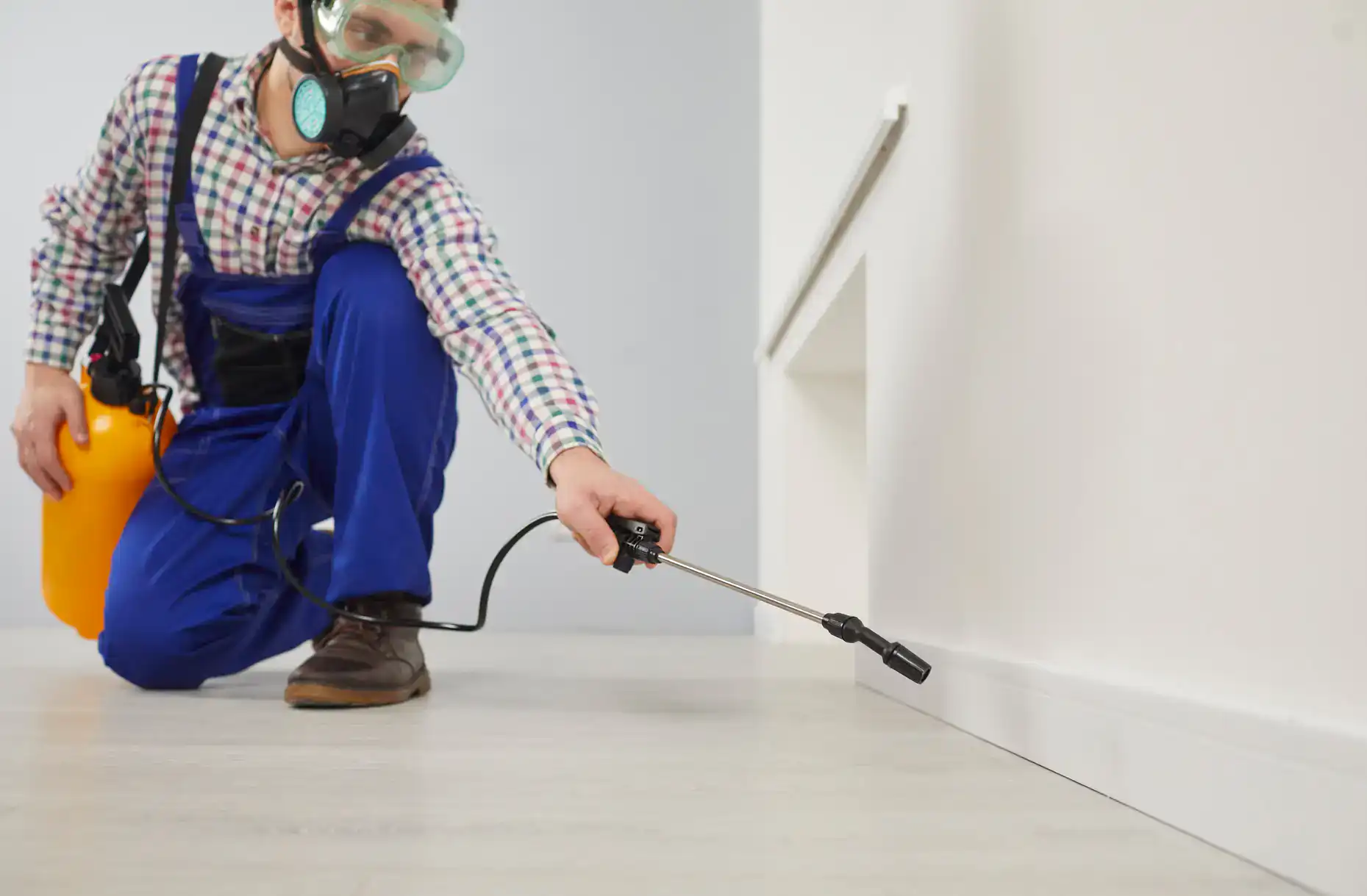
When a technician arrives, the first step is a thorough inspection of the property. In Maspeth, that means paying close attention to the foundation perimeter, utility entry points, and any areas where older construction has settled or cracked because those are the most common entry vectors in this neighborhood’s housing stock. If you’re near the West Maspeth industrial zone or within a few blocks of the Calvary Cemetery boundary, the inspection also accounts for exterior harborage pressure from those areas. The technician identifies active entry points, signs of current activity, and the conditions that are sustaining the problem.
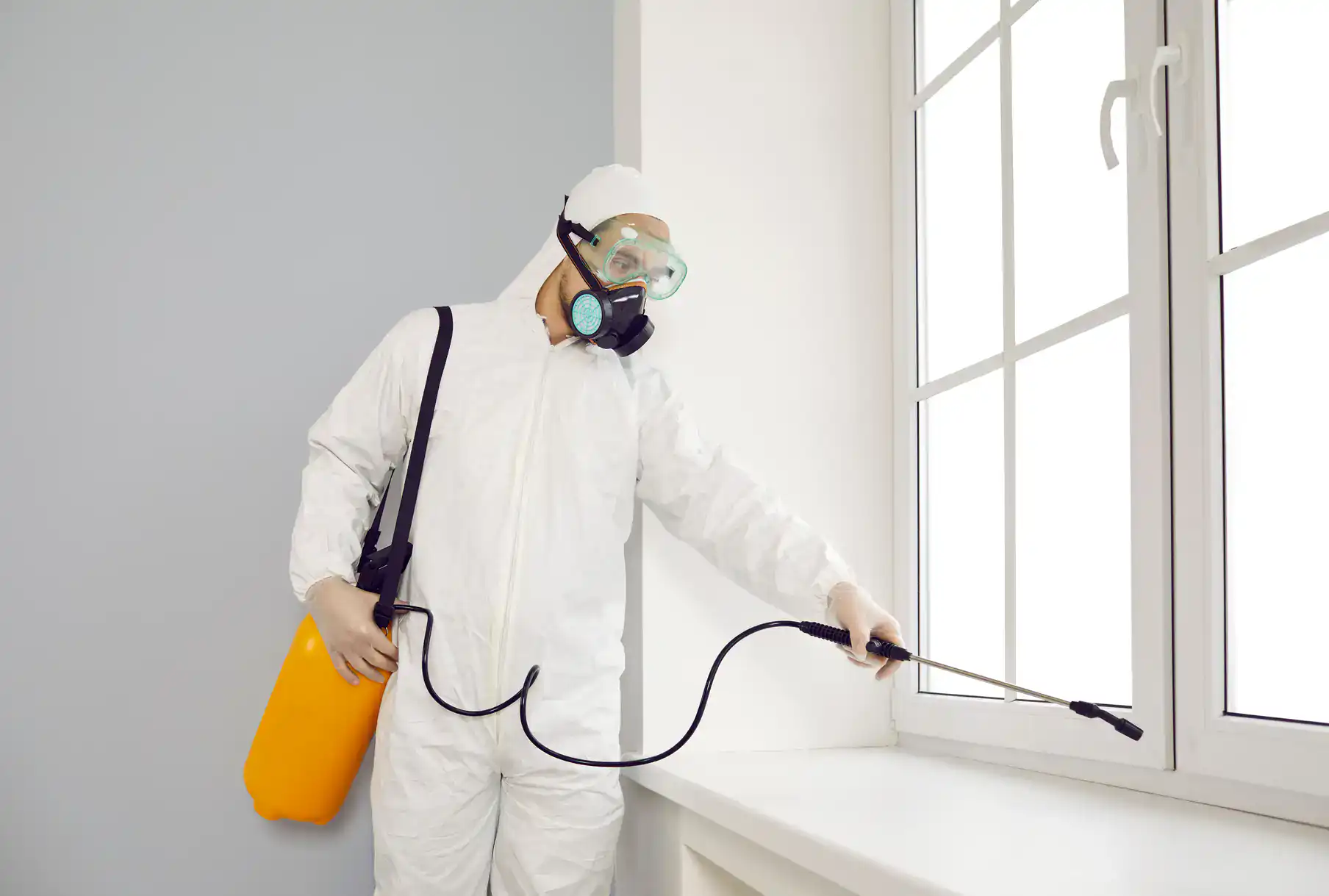
From there, treatment is applied using NYS DEC registered materials strategically placed, not scattered. Exclusion work addresses the physical gaps that allowed rodents in. A follow-up plan is set based on the severity of the infestation and the specific conditions of your property. You receive documentation of the full treatment, which serves as your record of licensed professional service important if the city ever comes knocking with a violation notice.
Ready to get started?
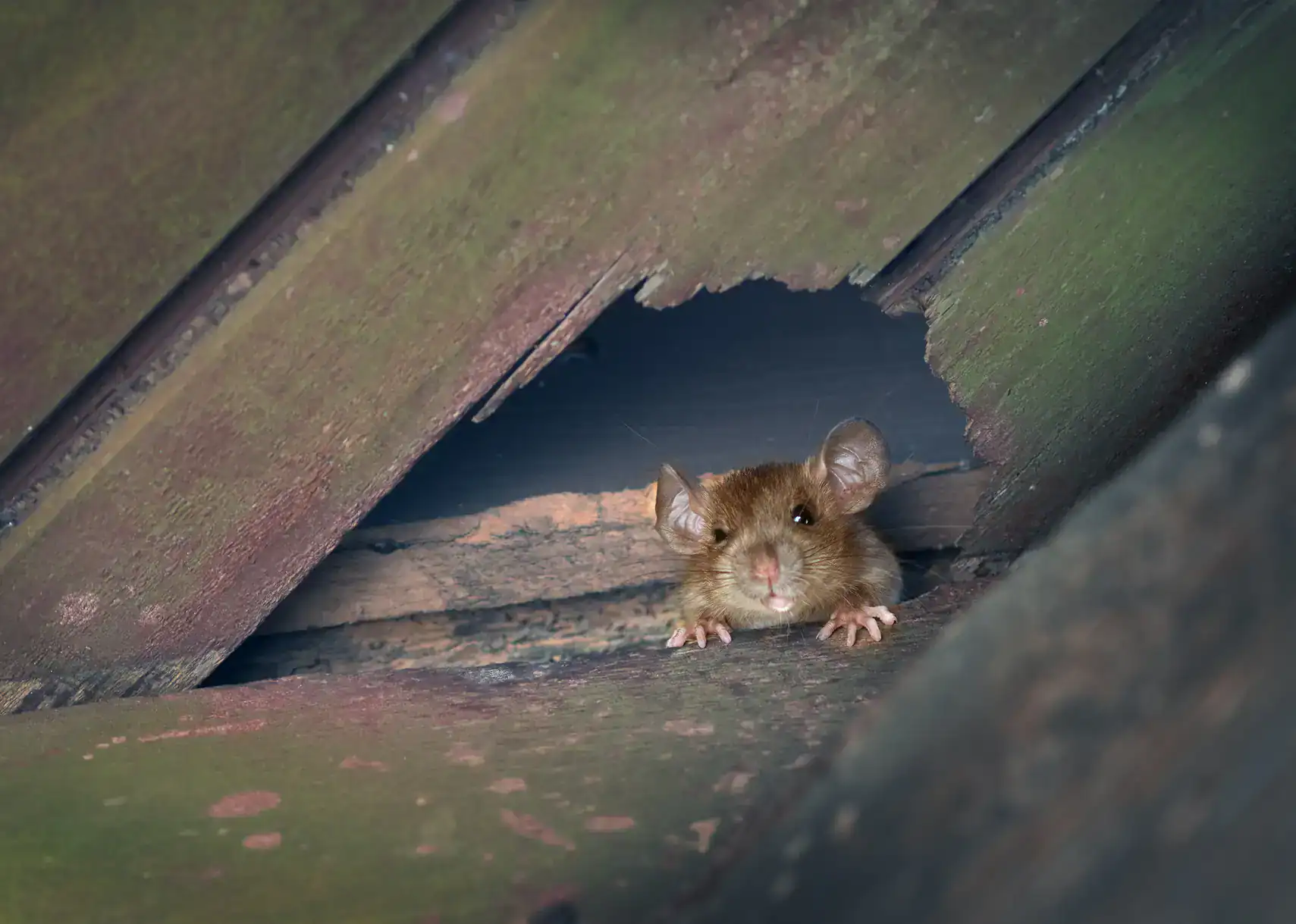
Rodent control services in Maspeth cover both Norway rats and house mice the two species most commonly found in western Queens residential properties. Norway rats are the dominant species here, and they’re built for exactly the kind of environment Maspeth offers: sewer access, aging foundations, and proximity to the food waste generated by the industrial operations along Newtown Creek. House mice are more common in the interior wall voids and attic spaces of the pre-war homes that make up much of the neighborhood’s residential stock.
Every service includes a full property inspection, targeted treatment with registered materials, and physical exclusion work to seal confirmed and probable entry points. The goal isn’t just to eliminate what’s currently inside it’s to stop the next wave from getting in. For properties near the BQE corridor or the Newtown Creek waterfront, that exterior pressure is real and ongoing, so the exclusion component of the work is especially important.
We also provide written documentation of all treatment performed. In a neighborhood where homeowners have been fined under NYC Health Code for rodent violations even when the rats originated from city sewers or adjacent industrial property that paperwork is not a formality. It’s your evidence of active, licensed remediation if you ever need to respond to a city summons. Free estimate before any work begins. No surprise charges after.
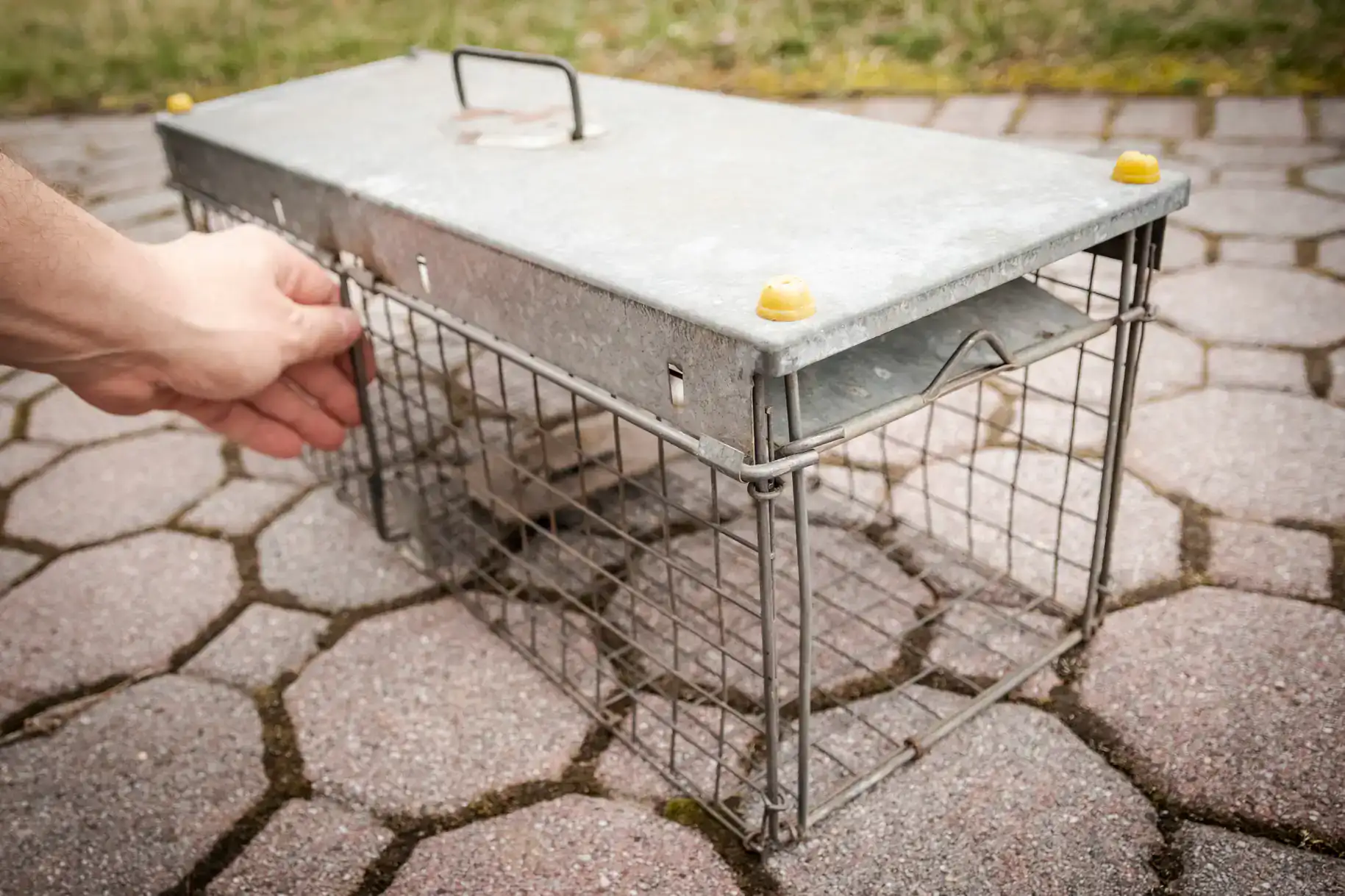
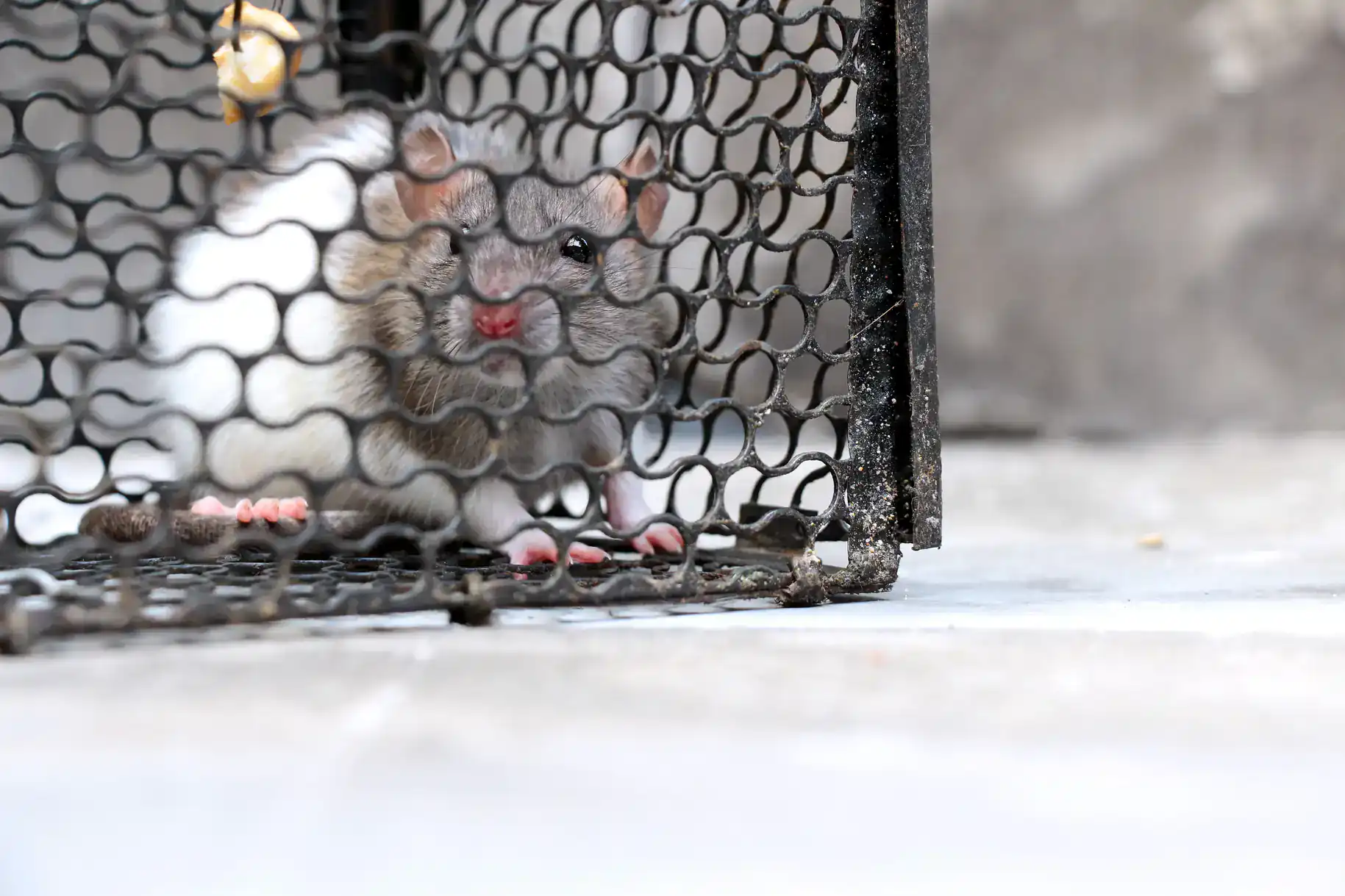
Store-bought traps and hardware store bait products work on individual rodents, but they don’t address the conditions that keep bringing more in. If you’re in Maspeth and you’re seeing repeated activity despite DIY efforts, the issue is almost certainly an exterior pressure source a nearby harborage site that’s continuously pushing rodents toward your property combined with one or more entry points in your home’s structure that haven’t been identified or sealed.
Norway rats, which are the dominant species in this part of Queens, travel 100 to 150 feet from their nests daily. If there’s an active colony in the industrial area near Newtown Creek or in the undisturbed ground along the Calvary Cemetery boundary, traps inside your home are only catching the rodents that have already made it in. Professional rodent control addresses both sides of the problem: eliminating the current infestation and closing the physical gaps that allow new ones to start. That combination is what actually breaks the cycle.
Yes and it has happened to Maspeth homeowners who were trying to do the right thing. Under NYC Health Code Article 151, property owners are required to maintain their properties free of rodent harborage. The city can issue violations with fines ranging from $300 to $2,000 per summons, and those fines can apply even when the rats originated from a city sewer, a neighboring property, or adjacent infrastructure not from anything the homeowner caused.
In 2024, a Maspeth resident who had lived on her street since 1958 reported rats coming up from the sewer to 311 and ended up receiving two $300 summonses. Her appeal was denied. The practical lesson is that reporting a rodent problem to the city without already having a licensed exterminator on record puts you at risk. When we treat your property, you receive written documentation of licensed professional service the same documentation that demonstrates active remediation if a city inspector ever shows up or a violation is issued.
Highway construction is one of the most underappreciated drivers of residential rodent infestation in neighborhoods like Maspeth. When crews work on the BQE or LIE both of which border or pass directly through this neighborhood they disturb the soil, drainage culverts, and underground infrastructure where established rat colonies live. Those colonies don’t disappear when their habitat is disrupted. They relocate, and the nearest available structures are the homes on the residential streets adjacent to those corridors.
Once displaced rats reach a residential block in Maspeth, they’re looking for two things: food and a way inside. In Maspeth’s pre-war housing stock, entry points are common gaps around aging pipe penetrations, settled foundation cracks, deteriorated mortar joints, and door thresholds that no longer seal properly. A Norway rat can enter through a hole the size of a quarter. A mouse can squeeze through a gap no bigger than a pencil eraser. Professional exclusion work physically sealing those entry points is the only way to stop construction-displaced rodents from moving in each time work resumes on those highway corridors.
Fall is the highest-pressure season for rodent infestation in Maspeth, typically running from September through November. As temperatures drop, Norway rats that have been living in outdoor harborage including the undisturbed ground along Newtown Creek, the cemetery grounds bordering West Maspeth, and the industrial waterfront area begin actively seeking interior shelter. The pre-war homes that make up much of Maspeth’s residential stock are particularly vulnerable during this migration period because of the entry points that older construction creates.
Winter is when an existing infestation becomes most visible, as rodents already inside the home become more active in search of food and expand their territory through wall voids, attics, and crawl spaces. Spring brings a secondary spike driven by construction season work on the BQE, LIE, and local infrastructure projects disturbs established colonies and pushes them into residential areas. If you’re seeing activity now, regardless of the season, it’s worth addressing it before the next pressure cycle begins rather than after.
The timeline depends on the severity of the infestation and how well the exclusion work is able to cut off the exterior pressure source. For a moderate infestation in a typical Maspeth single-family or two-family home, you should expect to see a significant reduction in activity within one to two weeks of initial treatment. Complete resolution meaning no new signs of activity generally takes two to four weeks when exclusion work is done alongside baiting and trapping.
What slows the process down is ongoing exterior pressure that hasn’t been addressed. If your home is near the Newtown Creek industrial zone or within range of the Calvary Cemetery boundary, and the entry points haven’t been fully sealed, new rodents can continue entering even as the current population is being eliminated. That’s why the inspection and exclusion phase of the work matters as much as the treatment itself. A follow-up visit is typically scheduled to confirm that activity has stopped and to address any entry points that weren’t fully accessible during the initial service.
Yes we service the full Maspeth area, including the residential streets of the Maspeth Plateau, the West Maspeth sub-neighborhood near Calvary Cemetery and the Newtown Creek waterfront, and properties along the Grand Avenue and Maurice Avenue corridors. We’ve been serving all five boroughs for over 50 years, and our technicians are experienced with the specific conditions of western Queens neighborhoods including the industrial-residential interface that makes Maspeth’s rodent challenges different from most other parts of the borough.
West Maspeth in particular presents a combination of factors that require local knowledge to address properly: proximity to Calvary Cemetery’s undisturbed grounds, the industrial harborage along the Newtown Creek tributaries, and the older housing stock along the residential streets that border those areas. If you’re in ZIP code 11378 and dealing with a rodent problem whether it’s a single mouse in the kitchen or a recurring rat issue you’ve been fighting for months we offer a free phone consultation and a free estimate before any work begins. Same-day service is available in many cases, and appointments are guaranteed within 48 hours.
Useful Links
Other Services we provide in Maspeth