
Hear from Our Customers
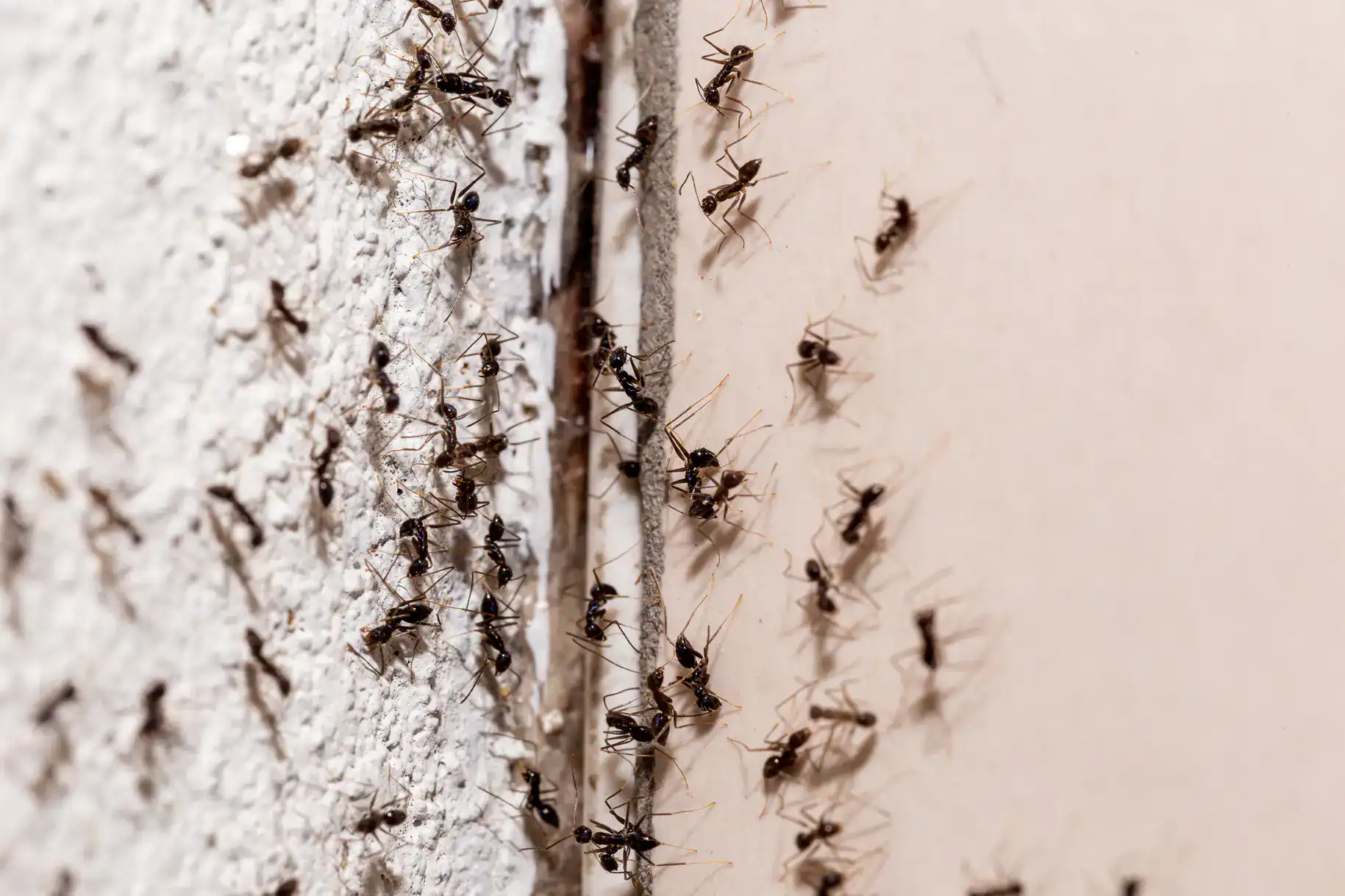
When you stop seeing ants, it’s not because they took a break. It’s because the colony was eliminated. That’s what professional ant control in Red Hook actually looks like no more trails across your kitchen floor, no more swarmers appearing near your windows every spring, no more wondering if the problem is getting worse inside your walls.
Red Hook’s housing stock is older than most. Farmhouses along Route 9, historic homes in the Village, century-old structures throughout Tivoli and Barrytown these buildings have the aged wood, moisture-softened sills, and weathered framing that carpenter ants specifically seek out. When an infestation takes hold in a home like that, the damage isn’t just a nuisance. It’s structural. Getting ahead of it and staying ahead of it is what protects the investment you’ve made in your property.
Living near the Sawkill Creek corridor or backing up to conservation land along the Hudson means the ecological pressure doesn’t go away after one treatment. The forest edge that makes Red Hook beautiful is also what keeps carpenter ant colonies active near your home year after year. The right ant control plan accounts for that not just a one-time spray, but a maintenance schedule that keeps your property protected through every season.
We’ve been handling ant infestations across New York since the mid-1980s, and we’ve spent that time learning exactly what works in communities like Red Hook. Family-owned and operated from the start, we built our reputation on one straightforward principle solve the problem completely, or keep coming back until it’s solved. That’s not a slogan. It’s how we’ve maintained an A+ rating with the Better Business Bureau of New York State for over four decades.
We’re fully licensed, bonded, and insured, and every material we use is registered with the New York State Department of Environmental Conservation. In a community like Red Hook where conservation land, working farms, and protected stream corridors are part of everyday life that matters. You’re not getting a company that cuts corners on compliance.
Dutchess County homeowners dealing with carpenter ants in older wood-frame homes or pavement ants along village sidewalks in Red Hook know the frustration of calling someone who treats once and disappears. We don’t work that way. We schedule follow-up visits, monitor the situation, and stay on it until the infestation is gone.
The first step is identifying what you’re actually dealing with. Carpenter ants and pavement ants are both common in the Hudson Valley, but they behave differently, nest differently, and require different treatment approaches. A technician who can’t tell the difference between the two isn’t going to solve your problem they’re going to sell you a spray and leave.
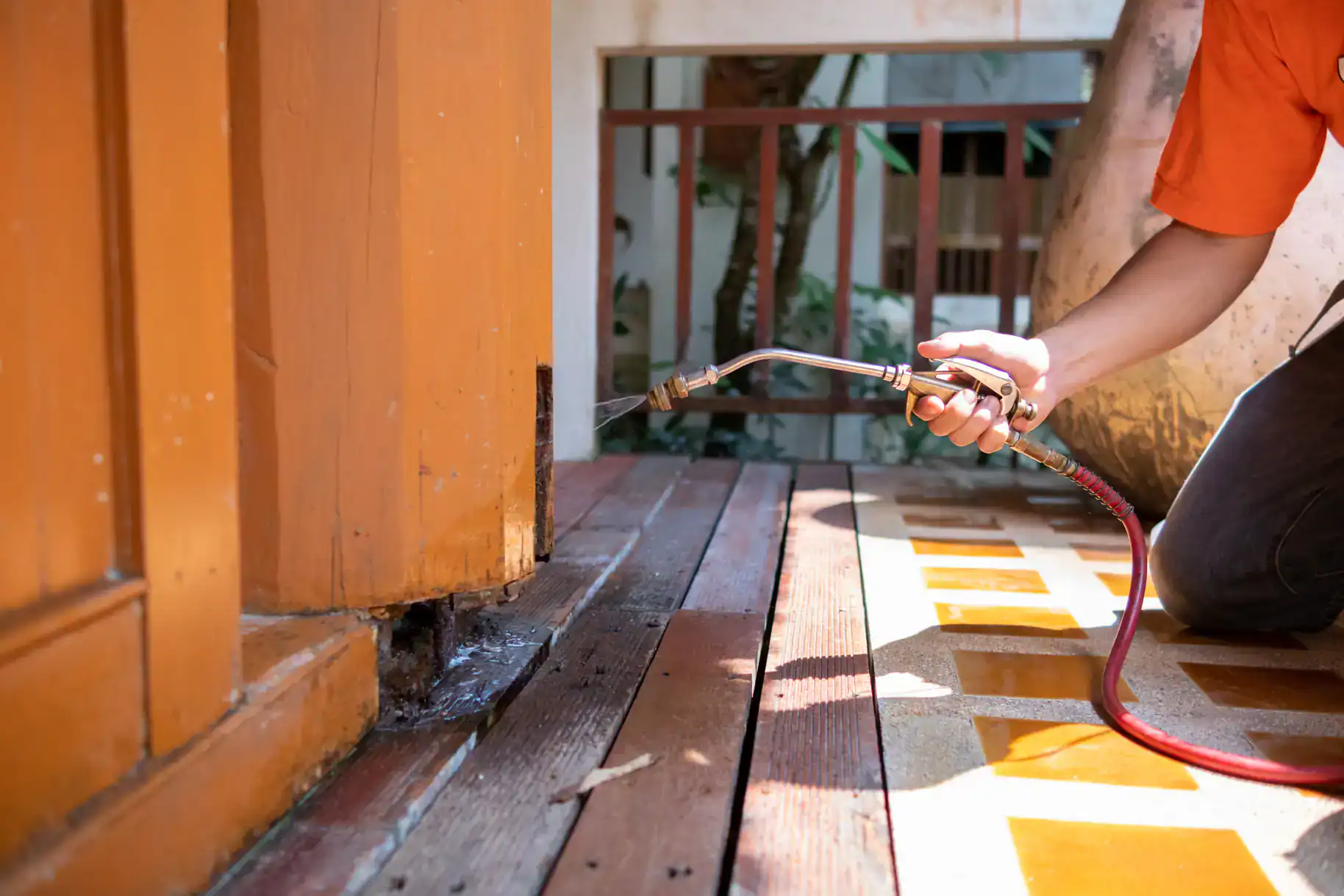
Once the species and infestation scope are confirmed, treatment begins with an initial cleanout interior and exterior. The materials we apply are specifically chosen because forager ants carry them back into the nest and share them with the colony. That’s the mechanism that makes professional treatment work where store-bought products fail. You’re not killing the ants you can see. You’re eliminating the source.
After the initial treatment, follow-up visits are scheduled based on the severity of your infestation weekly, every other week, or monthly. In Red Hook, where spring brings a reliable surge in carpenter ant activity as colonies that have overwintered in wall voids begin foraging again, timing those return visits correctly is part of the process. April through September is the peak window in Dutchess County, and the maintenance schedule is built around that reality. The goal isn’t just to treat your home it’s to keep it clear.
Ready to get started?
Ant control in Red Hook, NY isn’t a one-size-fits-all service, and we don’t treat it like one. Older wood-frame homes throughout the Village of Red Hook, Tivoli, Annandale-on-Hudson, and Barrytown face specific vulnerabilities aging window frames, damp basements, weathered exterior siding that create the exact conditions carpenter ants look for when choosing a nesting site. Treatment here has to account for the structure, the surrounding environment, and the species involved.
Every service we provide includes an inspection, an initial interior and exterior treatment, and a scheduled maintenance plan. Whether you’re dealing with carpenter ants excavating galleries in your basement framing or pavement ants trailing through your kitchen from a foundation crack, the approach is targeted and specific. We use only NYS DEC-registered materials applied by licensed technicians who know the difference between a targeted professional application and an indiscriminate spray. For homeowners near Scenic Hudson conservation land or along the Sawkill Creek corridor, that level of care isn’t optional.
Estimates are always free, pricing is transparent upfront, and there are no hidden fees. If you’re a senior, ask about the 10% discount it’s available and worth asking for. Our phones are answered 24 hours a day, 7 days a week, so you’re never waiting until Monday to get a call back.
Carpenter ants are a forest-edge species, and Red Hook’s combination of wooded surroundings, mature trees, and older housing stock creates near-ideal conditions for them. What happens in spring is that colonies that have been overwintering often inside wall voids, beneath insulation, or in basement structural wood become active again as temperatures climb above 50°F, typically in April. You’re not seeing a new infestation every year. You’re seeing an established colony that never left.
The seasonal pattern in Dutchess County is consistent: activity spikes in April and May, peaks through summer, and tapers in October. If your Red Hook home backs up to conservation land, sits near the Sawkill Creek corridor, or has mature trees close to the foundation, the pressure is higher than average and it won’t resolve on its own. A professional treatment that targets the colony combined with a maintenance schedule timed to the local season is the only reliable way to break that cycle.
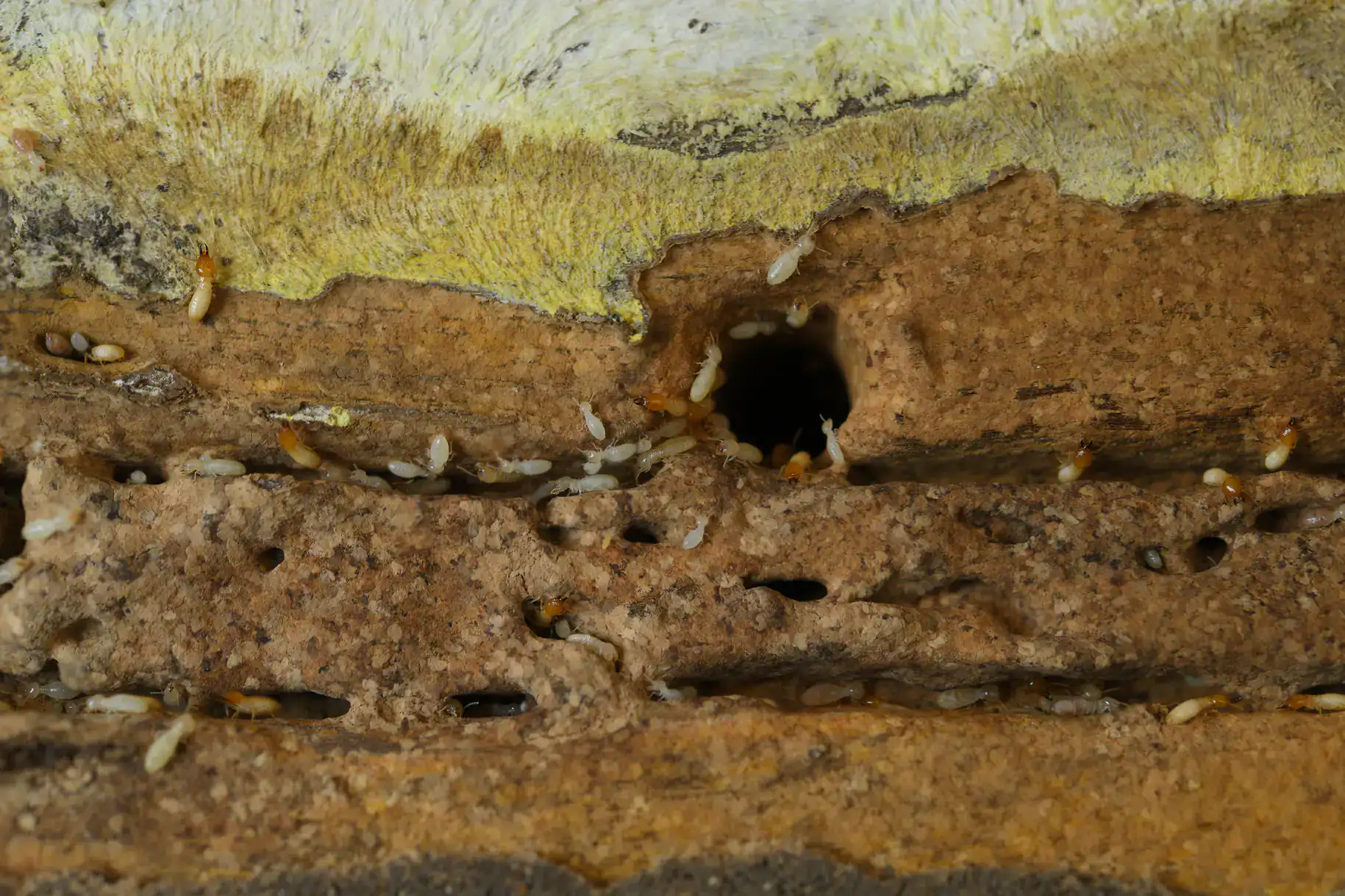
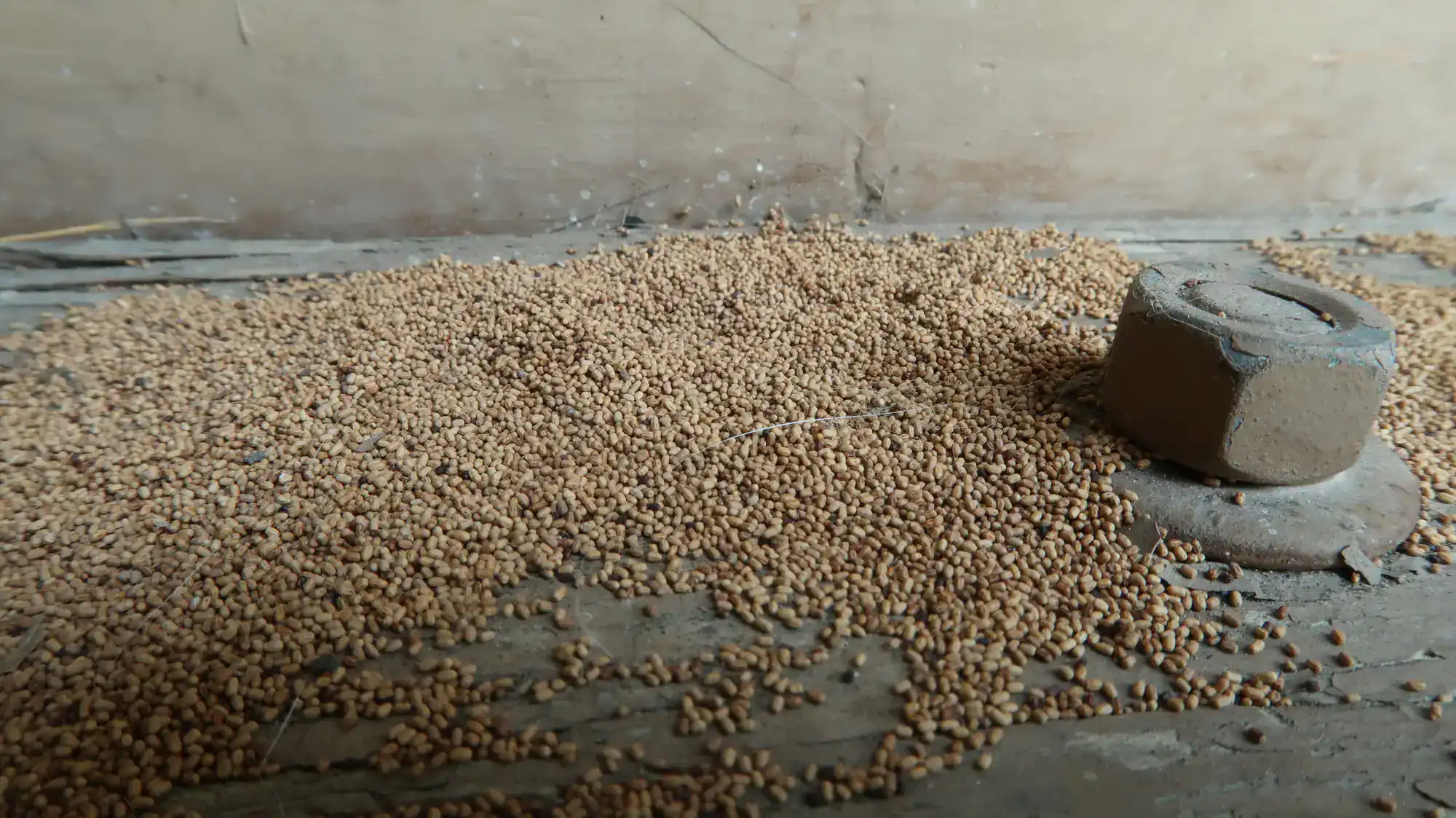
The two are often confused, but the signs are different. Carpenter ants don’t eat wood they excavate it to build galleries. What you’ll typically find is small piles of coarse, sawdust-like material called frass near baseboards, window sills, or structural wood. Termites leave behind mud tubes and consume wood from the inside, leaving a more hollowed-out, papery appearance. If you’re seeing large black or reddish-black ants especially winged swarmers near windows in spring carpenter ants are the more likely culprit in Red Hook.
The distinction matters because the treatment is completely different. A carpenter ant infestation in an older home in the Village of Red Hook or a historic farmhouse in Barrytown requires a targeted colony elimination approach. Misidentifying the pest and applying the wrong treatment wastes time and money and in an older wood-frame home, every month of delay is additional damage. If you’re not sure what you’re dealing with, a professional inspection will give you a clear answer before any treatment begins.
This is one of the most common questions we receive, and it’s a fair one especially in a community like Red Hook where people are mindful about what goes into their homes and onto their land. Every material we use is registered with the New York State Department of Environmental Conservation. That registration process exists specifically to evaluate safety for people, animals, and the surrounding environment before a product is approved for use in the state.
Professional application also means controlled quantities applied in targeted locations not a blanket spray across every surface in your home. Our technician knows where to apply, how much to use, and how to do it in a way that’s effective against the infestation without creating unnecessary exposure. For families in Red Hook with children in the Red Hook Central School District, pets, or properties adjacent to farmland and conservation areas, this isn’t a detail to gloss over. It’s a core part of how we deliver the service.
Ant colonies can have multiple queens and satellite nests, which means a single treatment even a good one doesn’t always eliminate every nest on the first visit. That’s not a failure of the treatment. It’s the biological reality of how ant colonies are structured. This is exactly why our process includes scheduled follow-up visits rather than a one-and-done approach.
If activity continues after the initial treatment, return visits are built into the plan. Our technician re-applies materials, checks for new foraging trails, and adjusts the approach based on what’s still active. In Red Hook, where properties near wooded land or stream corridors face ongoing ecological pressure from surrounding habitat, maintenance scheduling isn’t optional it’s what keeps the infestation from re-establishing. The goal is a property that stays clear, not one that gets treated once and gradually returns to the same problem six months later.
The two species that come up most often in the Hudson Valley are carpenter ants and pavement ants. Carpenter ants large, typically black or reddish-black are the primary structural concern in Red Hook. They’re drawn to moisture-softened wood, and the town’s older housing stock gives them plenty of it. Homes with aging sills, damp basements, or wood in contact with soil are especially vulnerable.
Pavement ants are smaller and dark brown to black. They nest in cracks in pavement, sidewalks, driveways, and building foundations which makes them a consistent issue in the Village of Red Hook and Tivoli, where older sidewalks and building foundations are common. They enter homes through foundation gaps and utility penetrations and establish visible interior foraging trails that are frustrating to deal with on your own. Odorous house ants also appear in the region and are recognizable by the rotten coconut smell they produce when crushed. Each species requires a different treatment strategy, which is why correct identification is the first step in any professional ant control service.
Yes we offer a 10% senior discount on ant control services. Red Hook has a significant population of long-established residents who have lived in their homes for decades, and for many of them, a historic farmhouse or village home isn’t just a property it’s a place they’ve maintained and protected for years. Carpenter ant damage in an older home can be expensive to repair, and catching it early with professional treatment is far less costly than addressing structural damage after the fact.
If you’re a senior homeowner in Red Hook, Tivoli, Annandale-on-Hudson, or anywhere else in the town, the discount applies and it’s worth asking about when you call. Estimates are always free regardless, so there’s no cost to finding out exactly what the service involves and what it will run before you commit to anything. Our phones are answered around the clock, so you can call at a time that works for you not just during business hours.
Useful Links