Hear from Our Customers
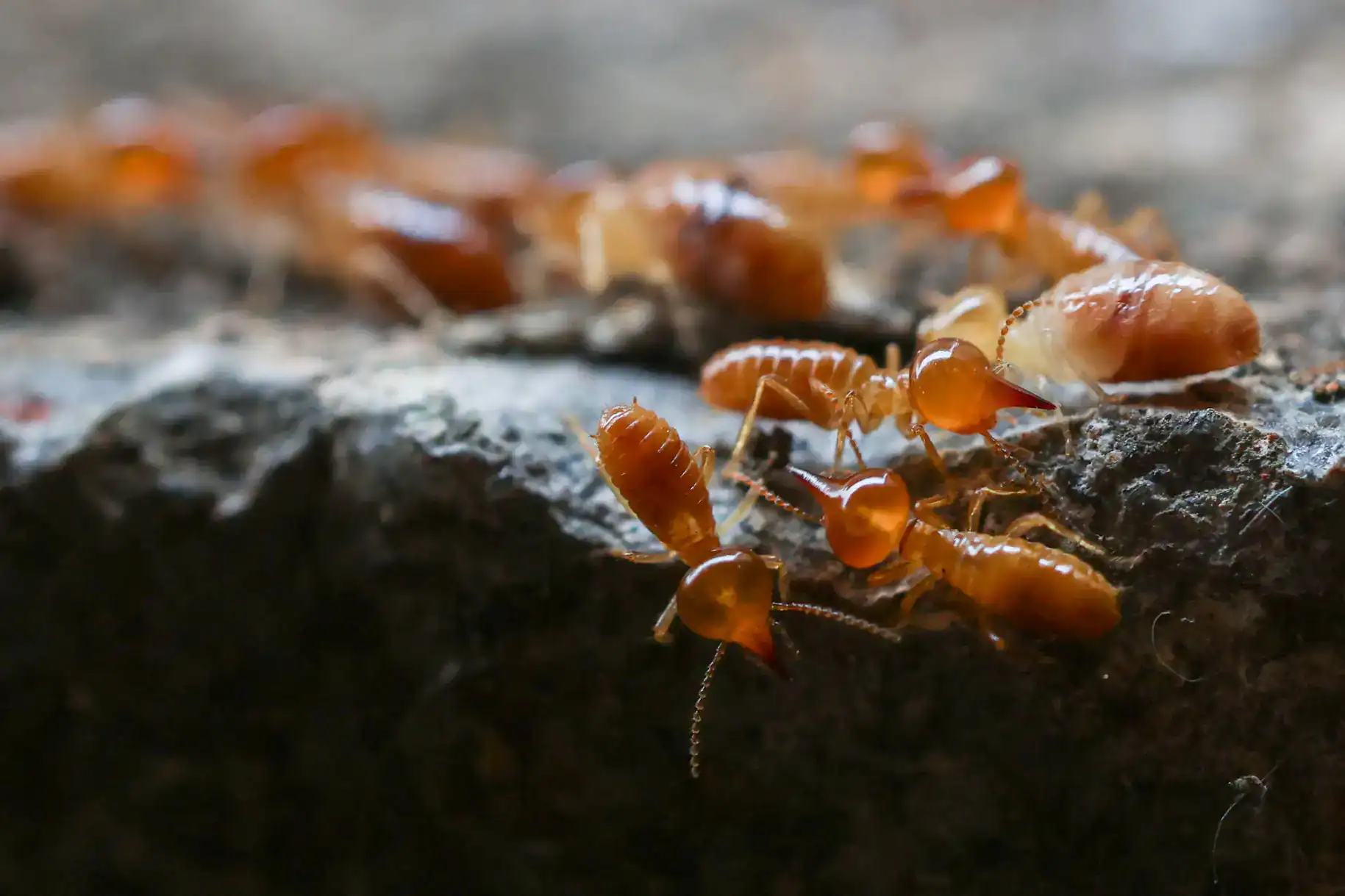
Termites don’t announce themselves. By the time you see a swarm or notice soft wood along a baseboard, the colony has usually been feeding for years. In Red Hook, where so much of the housing stock was built in the late 1800s and early 1900s for dock worker families, that kind of aged wood infrastructure is exactly what subterranean termites target first floor joists, sill plates, structural beams that have never been inspected and were never treated with modern pest-resistant materials.
The neighborhood’s geography makes this worse. Red Hook sits at or near sea level on a peninsula surrounded by New York Harbor, the Gowanus Canal, and the Erie Basin. That means persistently high soil moisture year-round and soil moisture is what keeps a termite colony alive and expanding. Add the flood damage from Sandy, which saturated foundations and weakened wood at the base of structures across Red Hook, and you have conditions that are about as favorable to termite activity as anywhere in Brooklyn.
Getting ahead of this protects more than the wood. It protects your investment. Homes in Red Hook sell for $1.3 million to over $2.75 million. Termite damage isn’t covered by homeowner’s insurance it’s classified as a preventable maintenance issue. The average repair bill runs around $3,000, and structural damage can push well past $10,000. A professional termite inspection costs a fraction of that and gives you a clear picture of exactly where things stand.
We’ve been operating out of Brooklyn since 1971 which means our technicians have spent decades working in exactly the kind of pre-war row houses, converted warehouses, and aging multi-family buildings that make up most of Red Hook’s residential stock. This isn’t a national franchise routing your call through a regional dispatch center. It’s a family-run operation where Richard Kourbage’s sons still run the day-to-day, and where the same name has been on every job for over 50 years.
That matters when you’re dealing with a neighborhood as specific as Red Hook. The 1913 New York Dock Company building on Imlay Street. The row houses off Pioneer and Coffey Streets. The NYCHA Red Hook Houses the largest public housing complex in Brooklyn, with 1930s-era buildings still undergoing flood remediation. These aren’t generic structures, and they don’t get generic inspections. Our team carries over 100 years of combined pest control experience, and we apply only New York State Department of Environmental Conservation registered materials on every job. BBB accredited since 1989, A+ rated.
It starts with a phone call and someone actually picks up, 24 hours a day. From our Brooklyn headquarters, we can reach Red Hook via Hamilton Avenue in a matter of minutes, which is why same-day inspections are genuinely available here, not just advertised. We know the neighborhood has one main road in and out, and we plan around that. When you call, you’re not being scheduled three weeks out.
The inspection itself is a thorough walkthrough of the areas termites actually use foundation perimeter, basement or crawl space if accessible, floor joists, structural wood near any moisture source, and any areas that show signs of prior water intrusion. In Red Hook, that last part is especially important. Properties that were flooded during Sandy and subsequently repaired often have new wood framing installed in previously wet areas which can create fresh food sources for colonies already established in the surrounding soil. We know where to look in buildings that have been through what Red Hook properties have been through.
If termite activity is found, we walk you through your options clearly: liquid barrier treatments, termite baiting systems, or a combination depending on the structure and the extent of the problem. You get a written estimate before anything is scheduled. If you’re in the middle of a real estate transaction and need a formal Wood Destroying Organism report for your lender or attorney, we provide that documentation with the credentials required to satisfy FHA, VA, and conventional lender requirements. No runaround, no delays.
Ready to get started?
There’s no one-size-fits-all termite treatment for a neighborhood like Red Hook. A century-old row house on Van Brunt Street has different structural characteristics than a converted 1913 warehouse on Imlay Street, and both are different from a 1930s-era NYCHA building still dealing with post-Sandy moisture issues. What we offer covers the full range: termite inspections, liquid barrier treatments, termite baiting systems, and formal WDO inspections for property transactions.
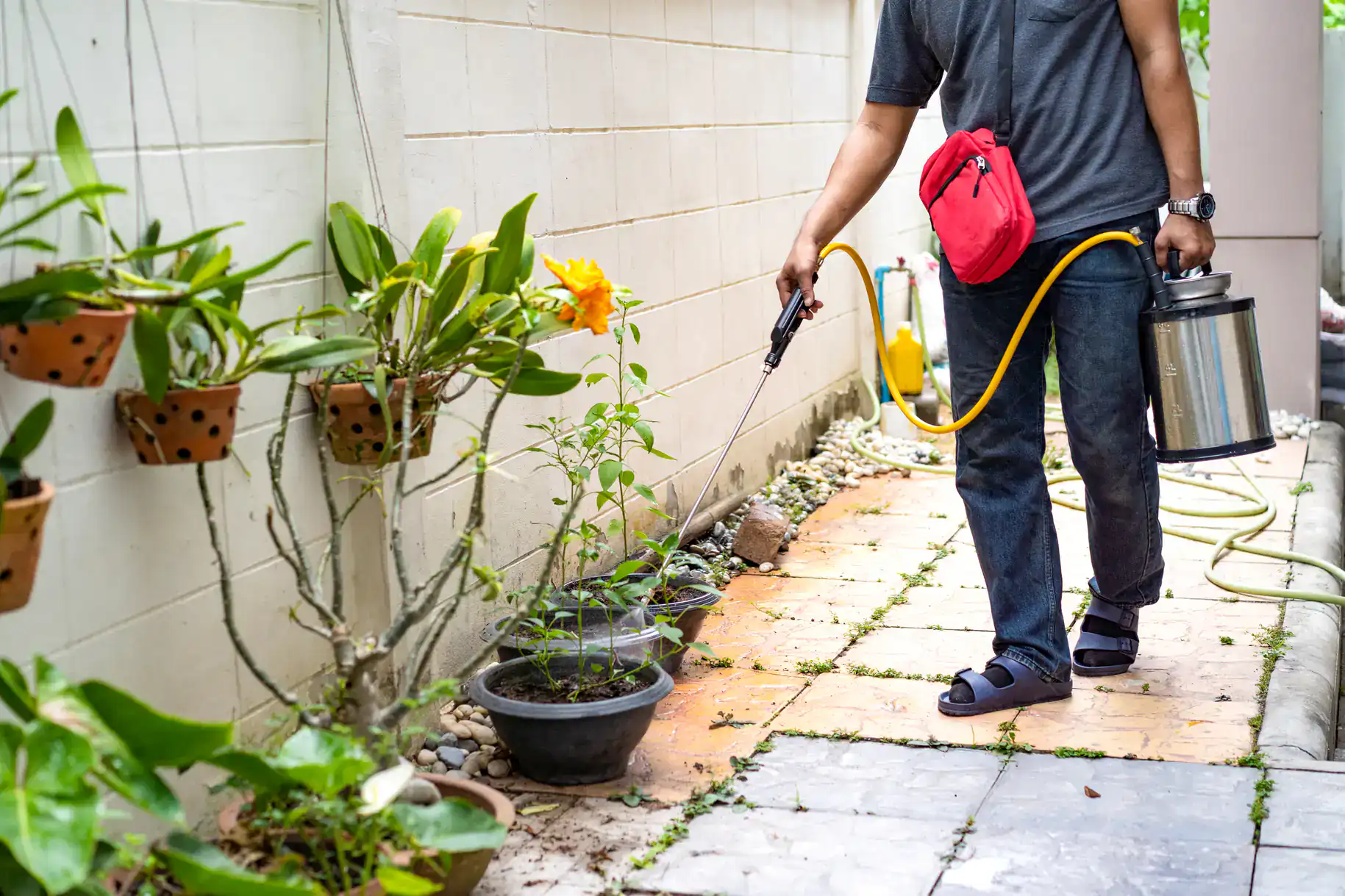
Liquid barrier treatments involve applying a termiticide into the soil around the building’s perimeter, creating a treated zone that eliminates termites as they move through it. Baiting systems work differently stations are placed in the ground around the property, termites carry the bait back to the colony, and the colony is eliminated over time. Which approach makes more sense depends on the structure, the soil profile, and the extent of the infestation. In Red Hook’s industrial-to-residential conversion buildings, where foundation systems are often complex and soil has been disturbed by decades of port operations, that assessment requires experience not a checklist.
For anyone buying or selling property in Red Hook, the WDO inspection report is its own specific service. It documents the presence or absence of wood-destroying organisms in a format that lenders, attorneys, and title companies accept. Given the active real estate market here with properties moving at $1.3 million and above this is a routine part of closing, and we turn it around without holding up your timeline. All work is performed using only NYS DEC-registered materials, and we’re equipped to resolve NYC Department of Health pest citations for property managers and landlords dealing with compliance issues in older rental stock.
Yes, and it’s one of the more direct connections between Red Hook’s specific history and elevated termite risk. Eastern Subterranean Termites need moisture to survive they can’t sustain a colony in dry soil. When Sandy flooded Red Hook in 2012, it saturated the ground around foundations across the neighborhood, creating exactly the persistent moisture conditions that support termite colony growth. That soil moisture doesn’t just disappear after the water recedes.
Beyond the soil, flood damage weakens wood at the foundation level sill plates, floor joists, and structural framing near grade become softer and more accessible. Properties that were repaired after Sandy often had new wood installed in areas that were previously wet, which can introduce fresh food sources into zones where termite pressure already exists. If your property was flooded and you haven’t had a termite inspection since, that’s a gap worth closing. The Red Hook Houses flood-proofing project is still ongoing as of 2024, meaning active construction and soil disturbance continue in the neighborhood which can push established colonies toward adjacent structures.
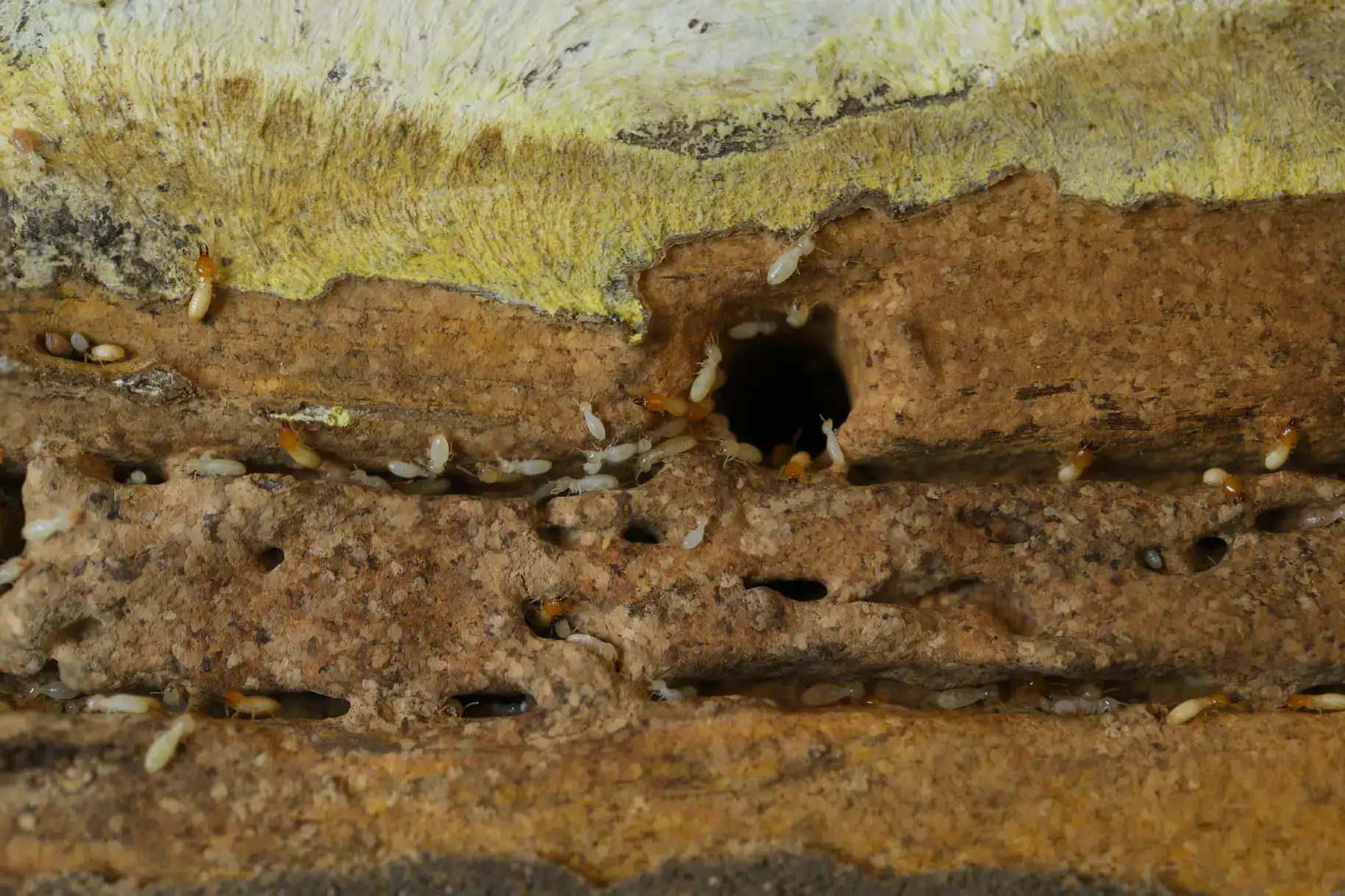
The honest answer is that most people don’t know until they’re doing a renovation and open up a wall, or until a swarm of winged termites appears inside the house in early spring. Eastern Subterranean Termites feed from the inside out they hollow out wood while leaving the outer surface intact, which is why the damage can go undetected for years in the kind of pre-war construction that lines Red Hook’s residential streets.
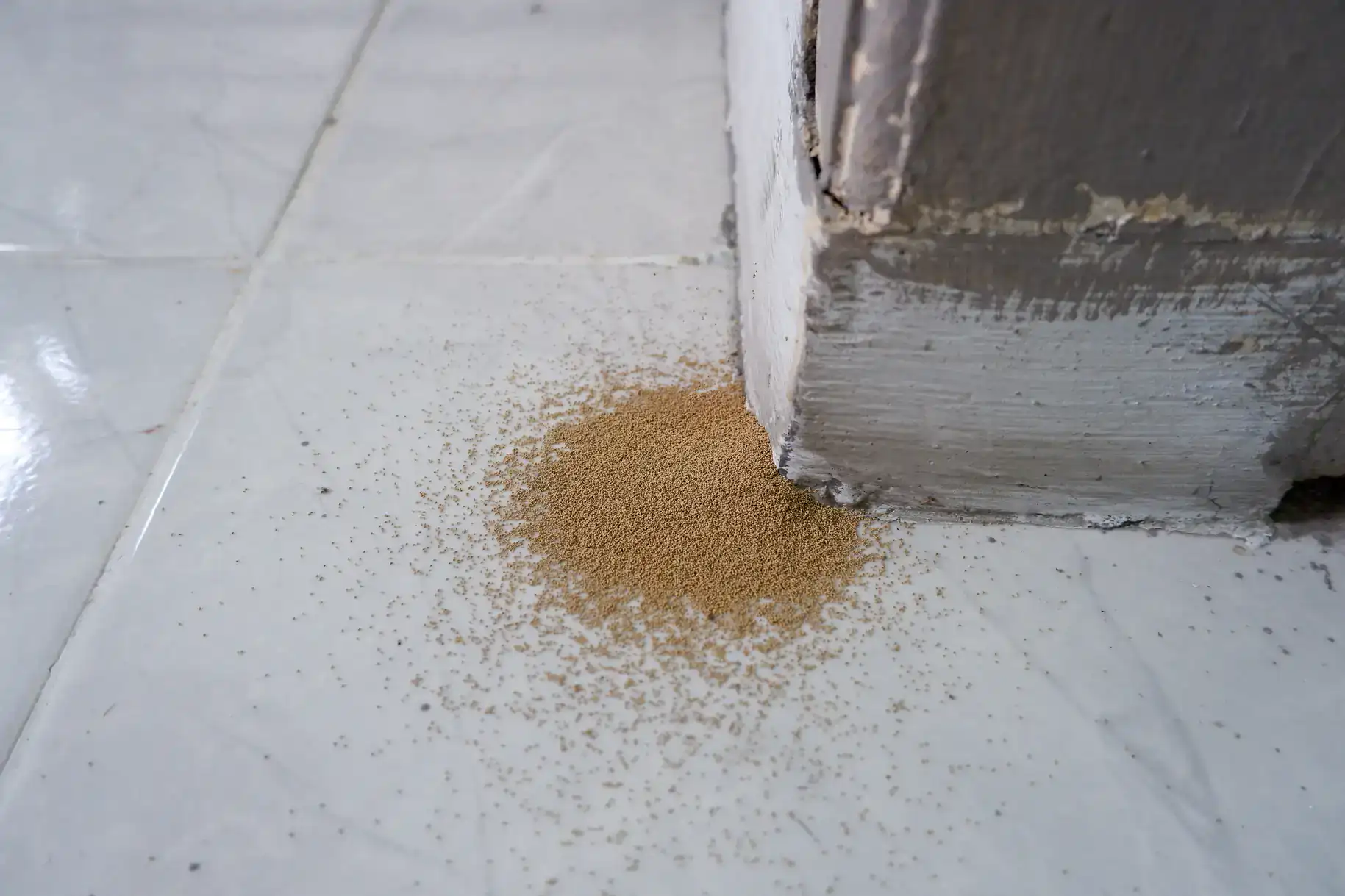
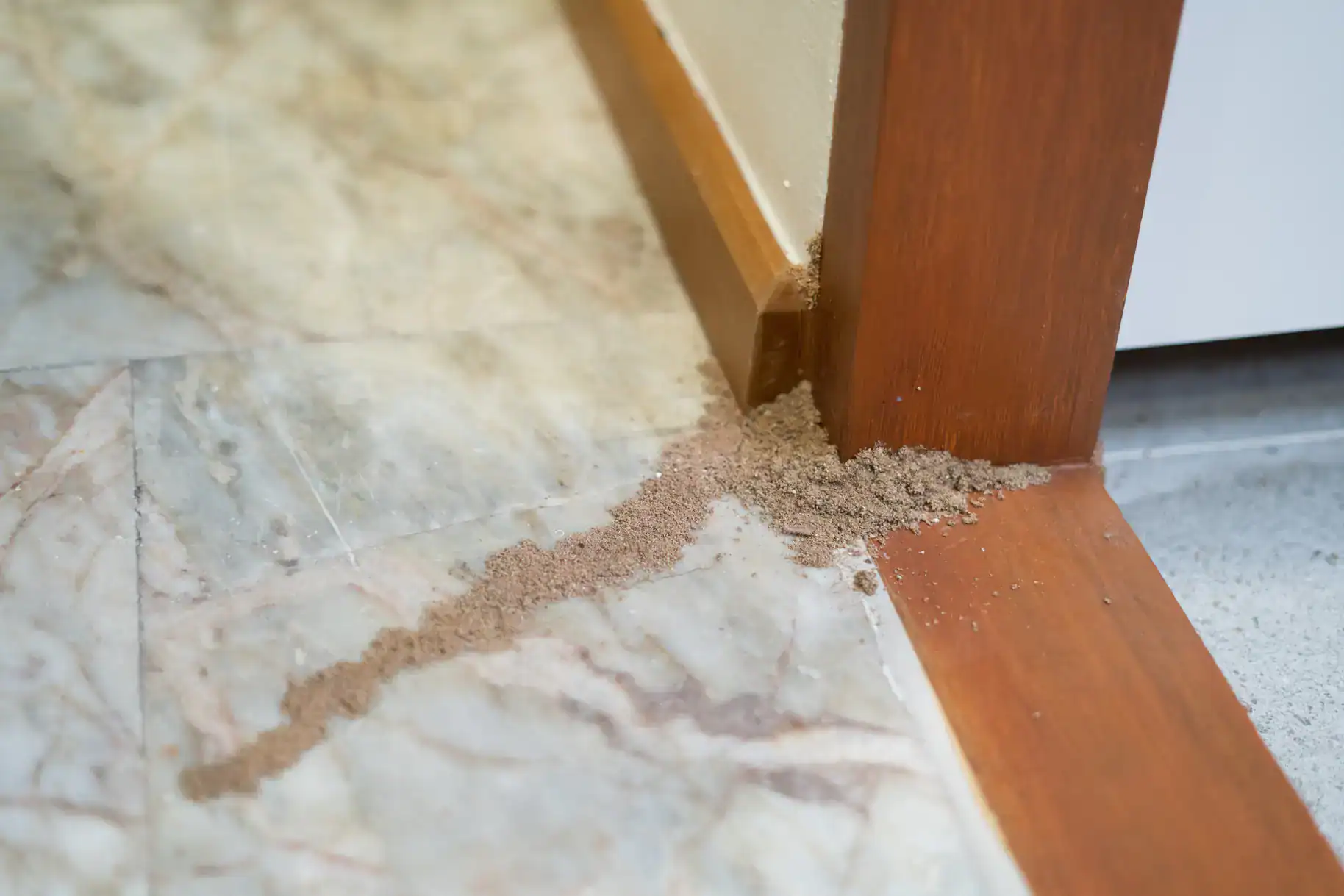
That said, there are signs worth looking for. Mud tubes pencil-thin tunnels made of soil and wood particles along the foundation or basement walls are one of the clearest indicators. Soft or hollow-sounding wood when you knock on it, especially near the floor or along baseboards, is another. Discarded wings near windowsills or doors in spring typically mean swarmers have been active. In Red Hook’s older attached homes, where floor joists and structural beams have been in place for a century or more, a professional inspection is the only reliable way to know what’s actually happening inside the structure. Waiting for visible symptoms usually means the damage is already significant.
Termite treatment costs vary depending on the size of the structure, the treatment method we use, and the extent of the infestation. A professional termite inspection typically runs in the range of a few hundred dollars. Treatment itself whether a liquid barrier application or a baiting system installation generally falls somewhere between $500 and $2,500 for most residential properties, though larger or more complex structures can run higher. Structural repair costs, if damage has already occurred, are separate and can range from $2,000 to well over $10,000 depending on what’s been affected.
As for insurance in New York, homeowner’s insurance policies do not cover termite damage. Insurance companies classify it as a preventable maintenance issue rather than a sudden or accidental loss, which means there’s no coverage to fall back on. That’s a significant financial exposure for Red Hook homeowners, where property values regularly exceed $1 million. The cost of a professional inspection and treatment is genuinely small compared to what untreated termite damage can cost to repair, and unlike insurance, it actually prevents the damage from happening in the first place.
If you’re financing the purchase with an FHA or VA loan, a Wood Destroying Organism inspection report is a lender requirement not optional. Many conventional lenders and real estate attorneys also recommend one for older Brooklyn properties, and in Red Hook, where much of the housing stock is pre-war construction, it’s a reasonable precaution regardless of loan type.
For sellers, having a current WDO report ready before listing can actually speed up the transaction by removing a potential contingency. Buyers feel more confident, and lenders have what they need without additional back-and-forth. For buyers, ordering your own inspection separate from any seller-provided report gives you an independent assessment of the property’s condition before you commit. Given the price points in Red Hook, where properties on Van Brunt Street and Imlay Street regularly sell for $1.3 million to $2.75 million and above, that’s a reasonable investment in knowing exactly what you’re purchasing. We provide formal WDO reports in the format that satisfies lender and attorney requirements, and we can typically schedule inspections quickly enough to keep your closing timeline on track.
In Brooklyn, Eastern Subterranean Termites typically swarm in early spring most commonly between March and May, usually following a warm day with rainfall. Swarmers are winged reproductive termites that emerge from an established colony to find new locations to start additional colonies. Seeing them inside your home is a clear sign that a mature colony is already present somewhere in or near the structure.
If you see swarmers, the first thing to do is not panic but also don’t ignore it. Swarmers themselves don’t cause structural damage, but their presence confirms that a colony has been active long enough to produce them, which typically takes three to five years. That means the damage has likely been accumulating for a while. Collect a few of the insects in a sealed bag if you can it helps confirm the species and rules out flying ants, which look similar but require a different response. Then call a licensed termite exterminator as soon as possible. In Red Hook, where the waterfront location and high soil moisture extend the active season slightly compared to inland neighborhoods, early spring is the time to be most alert. The sooner you get an inspection scheduled, the clearer a picture you’ll have of what’s actually going on.
Converted industrial buildings like the luxury condominiums at 160 Imlay Street in the former 1913 New York Dock Company warehouse present termite inspection challenges that standard residential inspections aren’t always designed to catch. These structures often have complex foundation systems, multiple layers of construction from different eras, and soil that has been disturbed by decades of industrial and port activity. That kind of disturbed fill soil is exactly where subterranean termite colonies can establish themselves and go undetected for years.
Our inspectors have worked in Brooklyn’s full range of building types for over 50 years, and that includes converted warehouses, former manufacturing spaces, and dock-adjacent structures throughout the borough. We know where termites hide in buildings that weren’t originally designed as homes underneath industrial-grade concrete slabs, inside original structural wood that was never treated, and along foundation perimeters where soil disturbance from prior construction has created entry pathways. If you’re purchasing a unit in a converted Red Hook building, or managing one of these properties, a thorough WDO inspection from an exterminator who understands the building type is meaningfully different from a standard residential walkthrough. We provide the documentation your lender requires and the assessment your investment deserves.
Useful Links
Other Services we provide in Red Hook