

Hear from Our Customers

You stop finding droppings behind the stove. You stop hearing something in the wall on a quiet Tuesday night. You stop wondering whether that one mouse is the whole story or just the beginning. That’s what a real fix feels like and it’s a different experience than spraying around the kitchen and calling it done.
In Red Hook, the pressure doesn’t come from one direction. It comes from the field line behind the property, the crawl space under the addition, the barn foundation twenty feet from the back door. Older farmhouses and colonial-era homes along Route 9G and throughout Dutchess County weren’t built with modern pest exclusion in mind. The gaps are real, and they’re exactly where mice, carpenter ants, and overwintering insects find their way in every fall.
Getting ahead of that means treating the whole picture entry points, harborage areas, the structural vulnerabilities that make your Red Hook home a target in the first place. When that work is done right, the results hold. You’re not calling again in six weeks because the problem came back through a different wall.
We’ve been operating in New York since 1971. That’s not a number we throw around lightly it means five decades of learning how New York homes behave, how New York pests move, and what actually works versus what just looks like it works for a few weeks.
We’re NYSDEC-licensed and fully insured, which is the legal baseline for any pest control company operating in Dutchess County. But what that credential really means is that our technicians have passed state-required examinations, maintain continuing education, and are accountable to a regulatory body not just a corporate training program.
Red Hook is a town we know well. Whether it’s a farmhouse off Annandale Road, a property near Tivoli, or a home backing up to the wooded lots north of the village, the pest pressure here is specific. We don’t show up with a generic plan. We show up with 50 years of New York experience and an approach built around what’s actually happening on your property in Red Hook.

It starts with a free inspection. One of our licensed technicians walks the full property not just the kitchen, not just the visible problem area. In Red Hook, that means checking the foundation perimeter, the crawl space if there is one, detached structures, and the exterior entry points that most homeowners don’t think about until after the problem is already inside. Older homes in Dutchess County tend to have more of these vulnerabilities than newer builds, and finding them is half the job.
From there, you get a clear picture of what’s happening, where it’s coming from, and what a realistic treatment plan looks like. No pressure, no upsell. If it’s a minor issue with a straightforward fix, we’ll tell you that. If it’s a larger infestation that needs a multi-step approach, we’ll walk you through exactly why and what each step accomplishes.
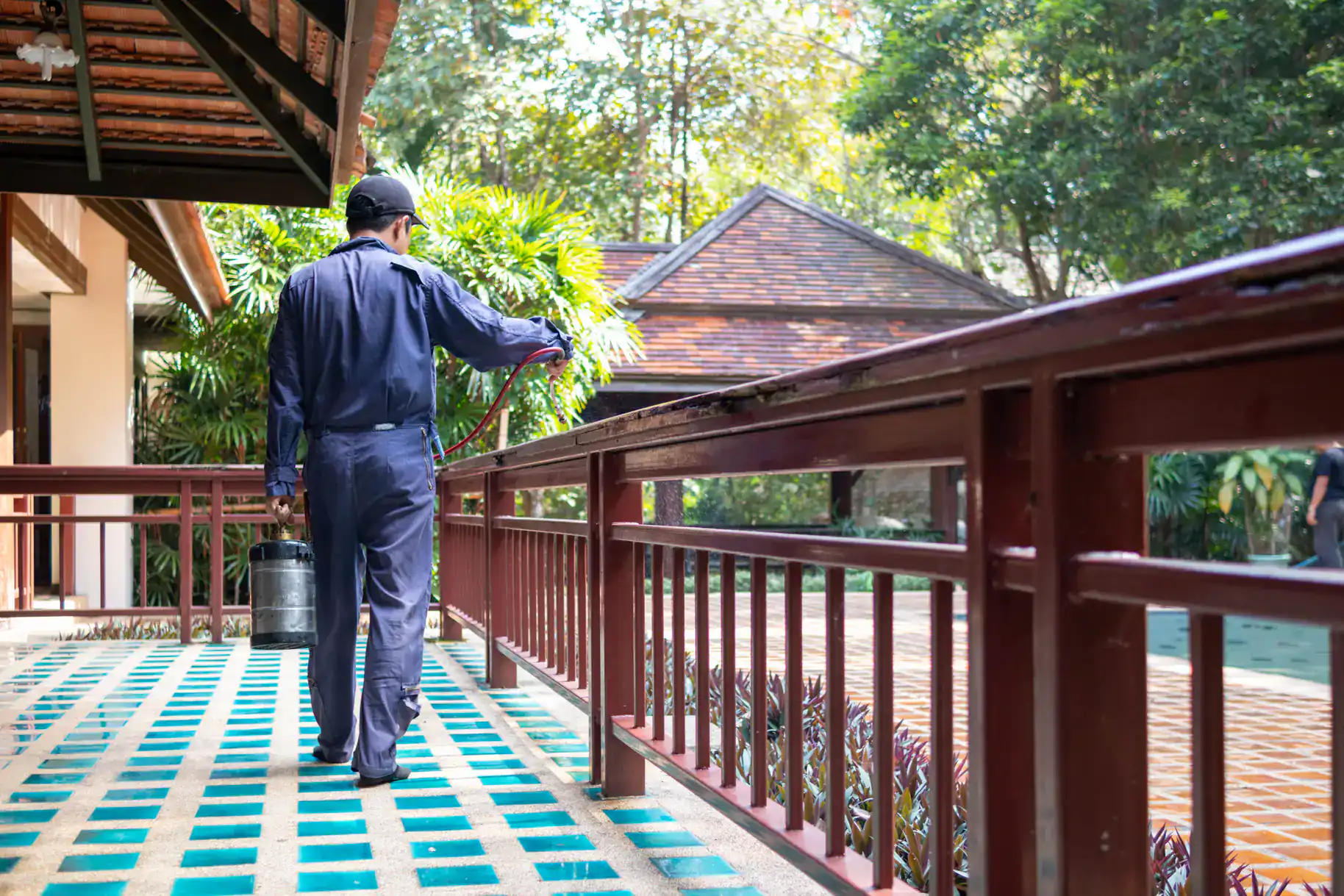
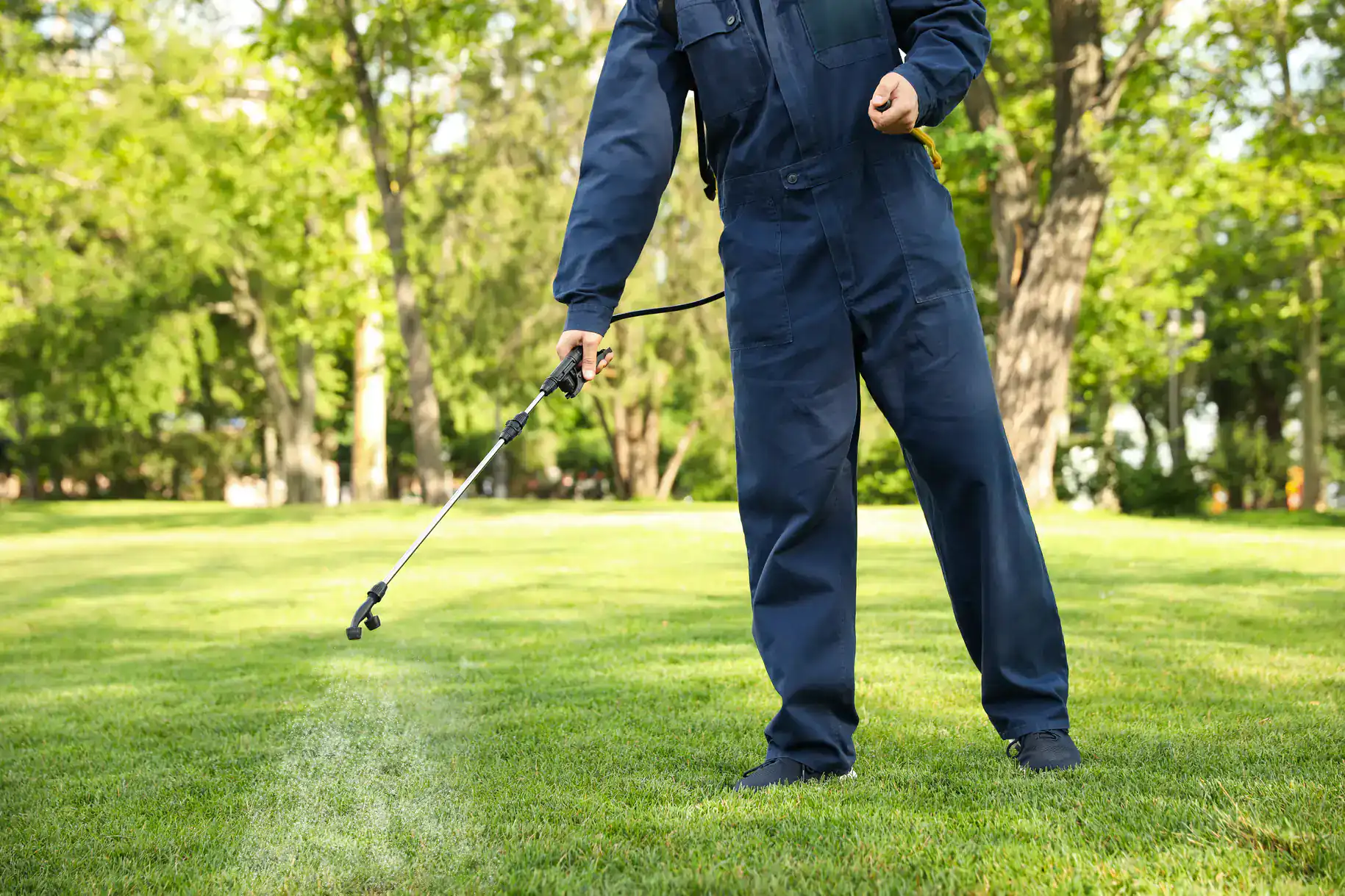
Treatment is targeted. We use EPA-registered materials and Integrated Pest Management principles, which means the least invasive, most effective approach for the specific pest and the specific environment. For a Red Hook property with a vegetable garden, a dog that runs the yard, or fruit trees near the treatment zone, that matters. After service, you’ll know what we applied, where, and when it’s safe to resume normal activity no guesswork.
Ready to get started?
Pest control in a semi-rural Dutchess County town covers more ground than most people expect when they first call. The most common issues we handle in Red Hook include rodent control, tick and mosquito treatments, termite inspections and treatment, stinging insect removal, and overwintering pest prevention for the stink bugs, cluster flies, and Asian lady beetles that start looking for a warm wall cavity every September.
That last category is one that catches a lot of Red Hook homeowners off guard the first time they experience it. When hundreds of stink bugs emerge from inside your walls on a warm January afternoon, the invasion already happened months earlier. The window to stop it is late summer through early fall, with an exterior barrier treatment applied before they find their way in. It’s one of the most effective things you can do for an older home in this area, and one of the least talked-about services in the market.
For homeowners buying or selling property in Red Hook and there’s an active market here, particularly around Annandale-on-Hudson and the village we also provide Wood-Destroying Insect inspection reports. FHA and VA lenders require these before closing, and in a town full of older wood-frame homes, the question of whether termites or wood-boring beetles have been active in the structural timbers is worth answering before it becomes a transaction problem. We issue mortgage-ready WDI reports on the timeline that real estate closings require.
Red Hook’s rural character is a big part of the answer. When you have active farmland, open fields, and wooded lots within close range of residential properties which describes most of the town you have a consistent source population of mice that moves toward structures as temperatures drop in September and October. A single female mouse can produce up to 60 offspring per year, so what looks like one mouse in October can be a well-established infestation by December.
Older homes in Red Hook compound the problem. Farmhouses and colonial-era builds along Route 9 and Route 9G often have stone foundations, original sill plates, and structural gaps that weren’t sealed to modern pest exclusion standards. Mice don’t need much a gap the size of a dime is enough. The most effective approach is to address entry points at the foundation and exterior before nesting season begins, combined with interior treatment if activity is already present. Waiting until you’ve found multiple signs of activity inside the home usually means the problem is larger than it appears.
The short answer: earlier than most people think. Tick season in Dutchess County starts in early spring sometimes March and runs well into fall. The county is specifically identified by New York State as one of the highest-risk areas in the state for Lyme disease and other tick-borne illnesses, which is why Dutchess County maintains its own Tick Task Force dedicated to prevention and public health coordination.
For residential properties in Red Hook, the highest-risk period for deer tick nymphs the life stage most likely to transmit Lyme disease is June and July. But waiting until summer to schedule treatment means you’ve already missed the window to reduce the population before nymphs become active. A spring application targeting tick harborage areas along lawn edges, wood piles, and the transition zone between maintained lawn and wooded areas gives you the most protection through the peak exposure months. If your Red Hook property backs up to a tree line, a field, or any of the wooded areas common throughout the town, annual tick treatment isn’t optional it’s a straightforward health measure.
The most common signs are ones that are easy to miss until the damage is significant. Mud tubes along foundation walls or floor joists are the most reliable indicator of eastern subterranean termite activity these are the pencil-width tunnels termites build to travel between the soil and the wood they’re feeding on. Hollow-sounding wood when you tap it, small piles of what looks like sawdust near structural timbers, and doors or windows that suddenly stick without an obvious cause are all worth investigating.
In Red Hook, termite risk is real and tied directly to the age of the housing stock. Older farmhouses, colonial builds, and historic properties throughout the town often have wood-to-soil contact at the foundation, original sill plates that have been in place for decades, and crawl spaces with conditions that subterranean termites find ideal. Termite damage costs U.S. homeowners an estimated $5 billion per year more than fire and flood damage combined and most of it happens out of sight over years before it’s discovered. A professional inspection is the only way to know what’s actually happening in the structural areas of your home that you can’t see from the inside.
If the buyer is using FHA or VA financing, yes a Wood-Destroying Insect inspection report is required before the loan can close. Even in conventional transactions, many buyers’ attorneys and real estate agents in Dutchess County request one as a standard part of due diligence, particularly when the property is an older home. Given how much of Red Hook’s housing stock consists of wood-frame farmhouses and historic properties, it comes up frequently.
The WDI report documents whether a licensed inspector found evidence of live termites, previous termite activity, other wood-destroying insects, or visible structural damage from any of these pests. It’s not a pass/fail certification it’s a factual record of what was observed at the time of inspection. If issues are found, knowing about them before closing gives both parties the ability to negotiate repairs or treatment rather than discovering problems after the transaction falls apart. We issue mortgage-ready WDI reports from a licensed professional, and we’re familiar with the timelines that real estate closings in Dutchess County typically require.
Late August through October is the window that matters. Brown marmorated stink bugs, cluster flies, and multicolored Asian lady beetles all begin searching for overwintering sites before temperatures drop and they’re looking for gaps in exterior walls, window frames, soffits, and rooflines to get inside. Once they’re in the wall voids, treatment options are limited and the problem typically doesn’t become visible until a warm day in January or February brings them out toward light sources.
An exterior barrier treatment applied in late summer creates a chemical perimeter that stops overwintering pests before they enter. For older homes in Red Hook properties with original windows, aging caulking, and the natural settling gaps that come with decades of use this treatment makes a significant difference. It’s one of the most cost-effective pest control services available for this type of home, and it’s specific to the rural Hudson Valley environment. This isn’t a service that gets much attention on urban pest control pages, but for a Red Hook homeowner who’s dealt with a wall full of stink bugs in February, it’s the first call we get the following September.
It’s one of the most common questions we get from homeowners in this area, and it’s a fair one. Many Red Hook residents have vegetable gardens, fruit trees, chickens, and dogs that spend real time in the yard and the question of what’s being applied near food-producing plants or animals isn’t a minor concern.
The honest answer is that it depends on the product, the application method, and the specific treatment zone. We use EPA-registered materials and follow Integrated Pest Management principles, which means the starting point is always the least invasive, most targeted approach for the pest and the environment. For treatments near garden beds or areas where pets have regular access, we account for re-entry intervals the time that needs to pass before the area is safe for normal activity and we communicate those clearly before and after service. We don’t apply broad-spectrum treatments to areas that don’t need them. If you have specific concerns about a vegetable garden, a beehive, or a chicken coop on your property, tell us when you schedule the inspection. That information shapes how we approach the job, and it’s exactly the kind of detail that changes the plan.
Useful Links
Other Services we provide in Red Hook