
Hear from Our Customers
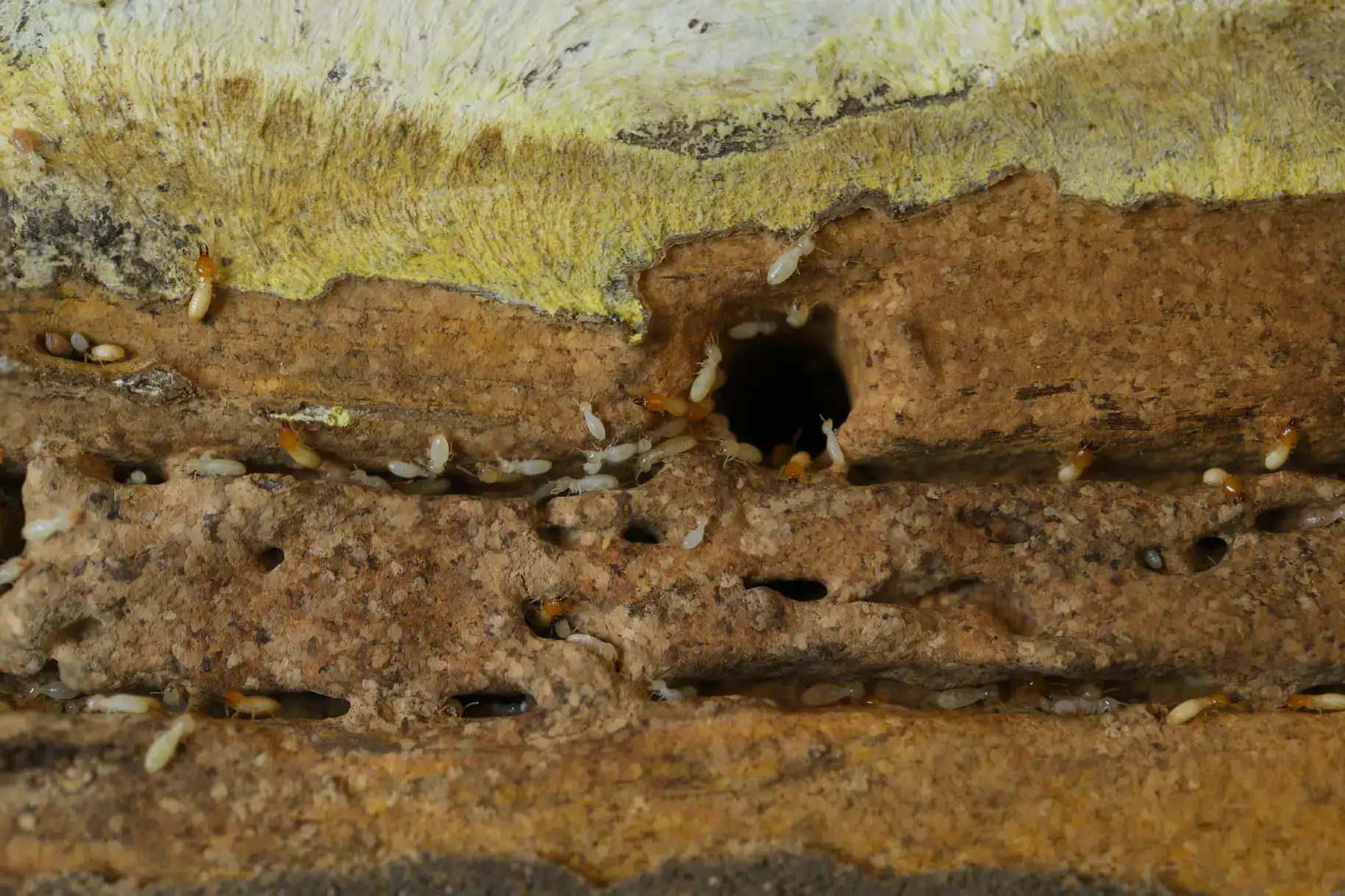
Most College Point homeowners don’t find out they have termites until they’re already deep into a renovation pulling up a floor, opening a wall, or replacing a basement sill plate that crumbles in their hands. By that point, what could have been a treatment job has become a structural repair bill. Eastern Subterranean Termites feed around the clock. They don’t take weekends off, and they don’t announce themselves.
College Point’s housing stock makes this especially serious. A large portion of the neighborhood’s homes date back to the late 1800s and early 1900s built during the era when Conrad Poppenhusen’s company town was taking shape along the peninsula. Those homes were built with wood-frame construction methods that predate any concept of termite resistance. Original sill plates, unprotected foundation contacts, century-old structural lumber that has been absorbing moisture for generations that’s the kind of material termites are built to find.
The waterfront geography only adds pressure. College Point is surrounded on three sides by water, which keeps the soil moisture elevated year-round. That’s not a seasonal problem it’s a persistent one. Catching a termite infestation early in College Point means the difference between a manageable treatment and a repair cost that most homeowner insurance policies won’t touch.
We’ve been operating in New York City since 1971, and we’re still family-owned and operated today. Richard Kourbage Sr. founded Kingsway Exterminating Company, his sons Richard Jr. and Charles joined in the late 1980s, and we continue running the business with the same standard and reputation we’ve maintained for over fifty years. That’s something a national franchise can’t offer you.
We hold BBB accreditation dating back to 1989, apply only NYS DEC-registered materials, and our combined staff experience exceeds 100 years. Those aren’t marketing numbers they reflect a team that has treated termite infestations in every type of New York City housing, from the newer townhouses at Silverpointe Estates in College Point to the century-old wood-frame homes near the Poppenhusen Institute on 14th Road.
When you’re dealing with a termite problem in College Point, you want someone who understands what older Queens housing actually looks like from the inside not someone reading off a national script. That’s the difference we bring.
It starts with a call and we answer 24 hours a day, seven days a week. Once you reach out, an appointment is guaranteed within two business days, with same-day inspections frequently available. For a neighborhood like College Point, where there’s no subway service and residents can’t easily run across town to meet a contractor, that response time matters.
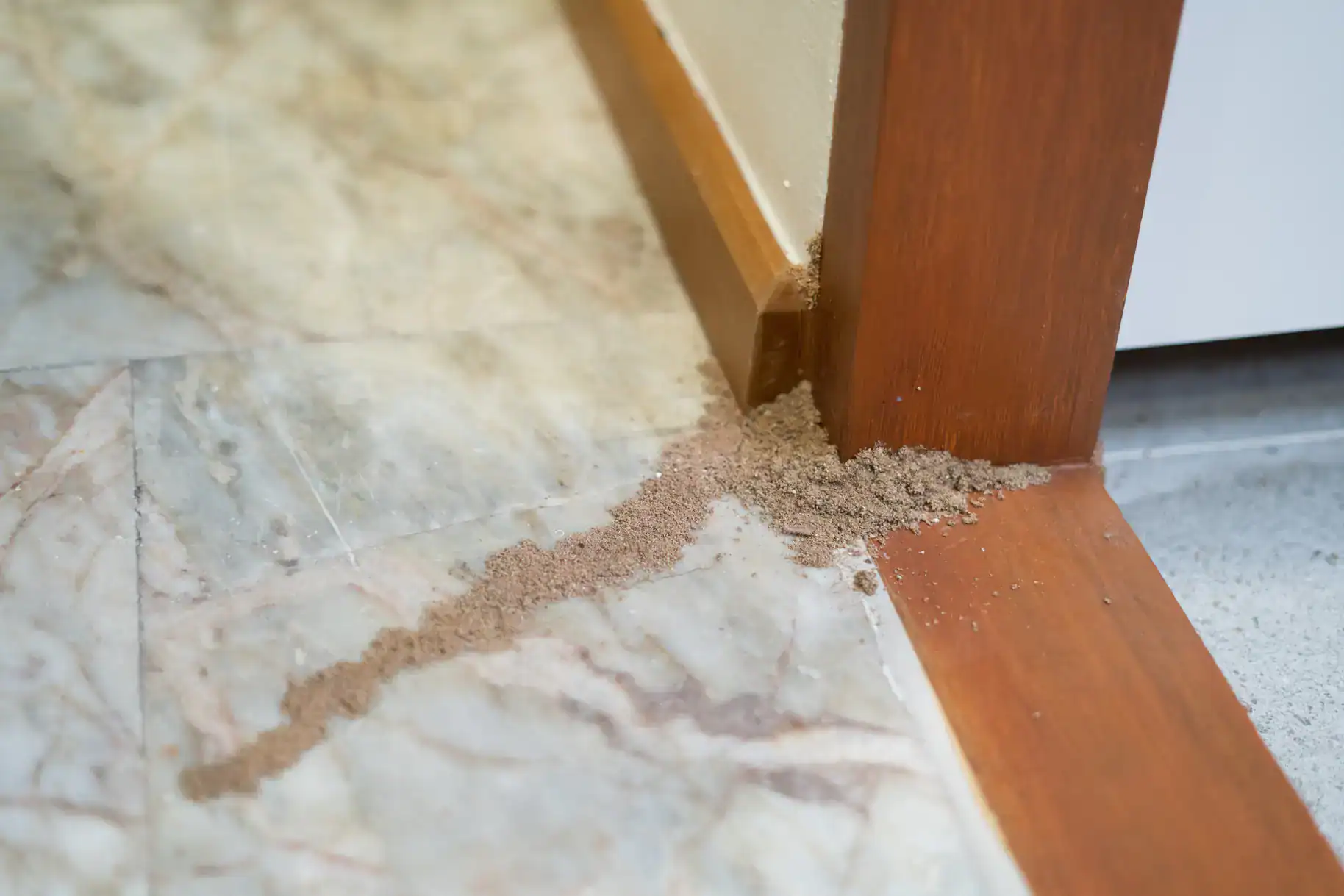
The inspection itself is thorough. A licensed technician walks your property looking for the specific signs that Eastern Subterranean Termites leave behind mud tubes along foundation walls, hollow-sounding wood, frass near baseboards, or swarmers near windows and basement areas. In College Point’s older homes, the inspection pays particular attention to basement sill plates, crawl spaces, porch posts, and any point where wood makes contact with soil or masonry. These are the entry points that termites in high-moisture environments exploit most aggressively.
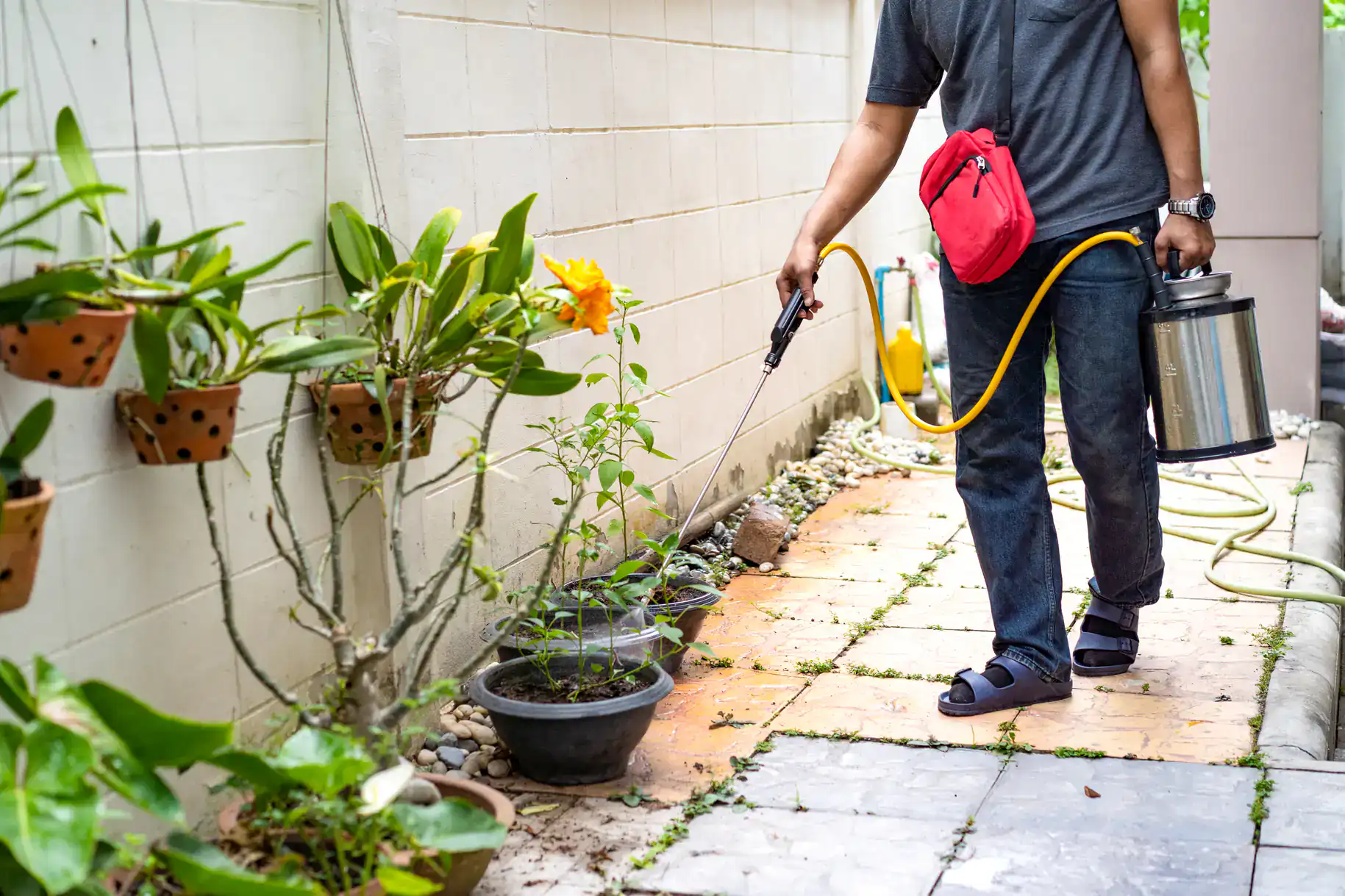
If termite activity is found, you’ll get a clear explanation of what was discovered, where it is, and what the treatment options look like whether that’s a liquid soil treatment, a baiting system, or a combination of both. All materials we use are registered with the New York State Department of Environmental Conservation. If you’re buying or selling a home in College Point, we also provide Wood Destroying Organism reports the documentation lenders and attorneys require for FHA and VA transactions. You’ll know exactly what you’re dealing with before any work begins.
Ready to get started?
Termite control in College Point isn’t one-size-fits-all, and we don’t treat it that way. Our service covers termite identification and inspection, subterranean termite eradication, termite baiting systems, and treatment for related wood-destroying insects including carpenter ants and powder post beetles. For homeowners dealing with an active infestation, the focus is on eliminating the colony at the source not just treating what’s visible at the surface.
For College Point properties specifically, the waterfront soil conditions and the age of the housing stock mean that treatment plans often need to account for elevated moisture levels, older foundation materials, and wood-to-soil contact points that may not be immediately obvious. A rubble stone foundation from the 1890s behaves differently than a poured concrete slab and our technicians understand that distinction.
If you’re involved in a real estate transaction, we provide certified Wood Destroying Organism inspection reports that satisfy lender and attorney requirements. With median home prices in College Point around $700,000 and a housing stock that includes a significant number of pre-war properties, having that documentation in hand protects both buyers and sellers. We serve residential and commercial properties, including properties along College Point Boulevard and within the College Point Corporate Park area. All treatments use only NYS DEC-registered materials safe for your family, your children, and your pets.
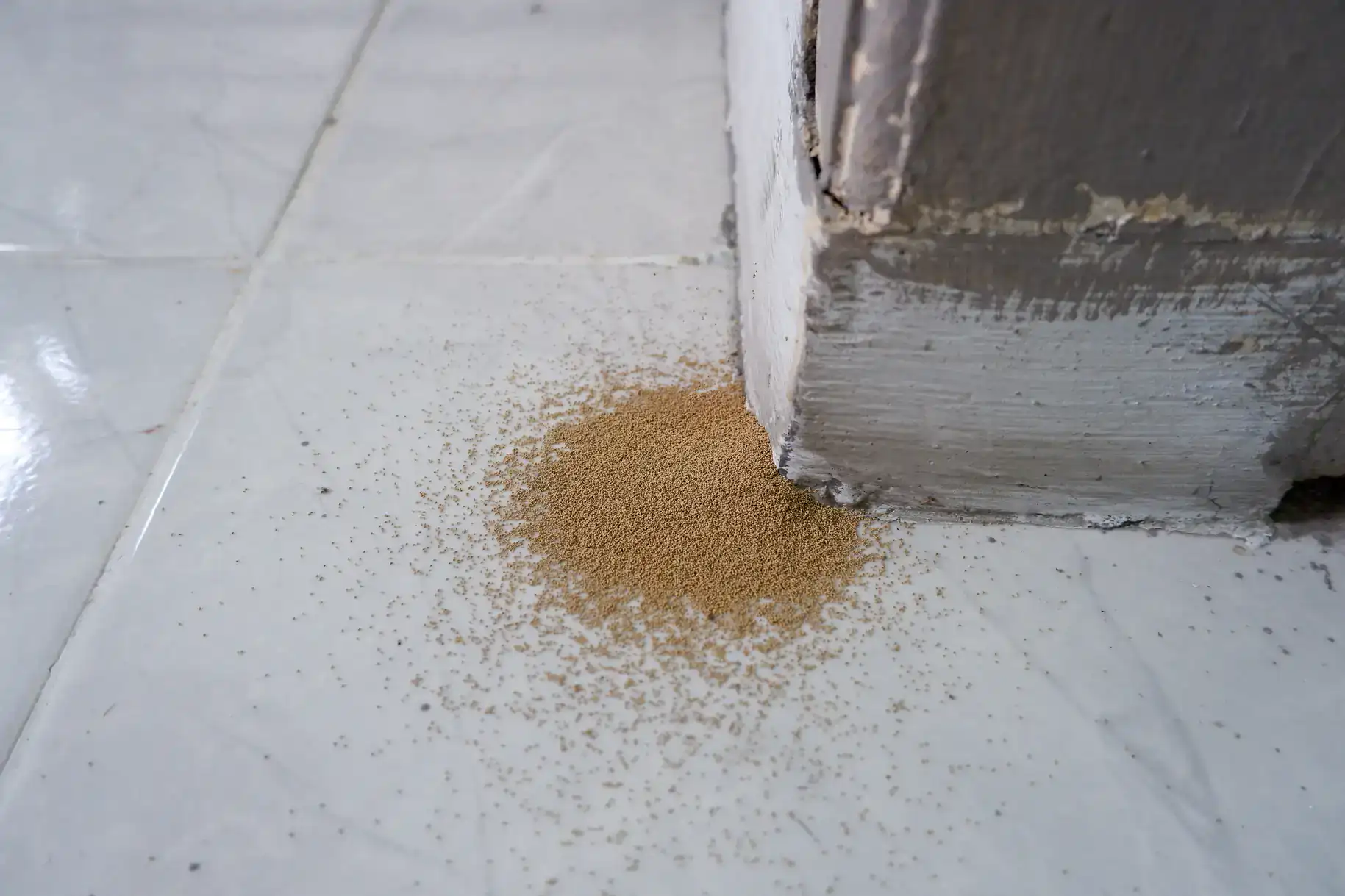
Yes and the geography is the main reason. College Point is a peninsula surrounded on three sides by water, which keeps the soil moisture elevated in a way that most inland Queens neighborhoods don’t experience. Eastern Subterranean Termites need warm, moist soil to establish and maintain colonies, and College Point’s water table provides that condition year-round, not just seasonally.
On top of that, College Point has a high concentration of homes built in the late 1800s and early 1900s a direct result of the neighborhood’s origins as Conrad Poppenhusen’s industrial company town. Those homes were built with wood-frame construction techniques that have no built-in termite resistance. Original structural lumber, unprotected sill plates, and older foundation materials create exactly the kind of access points that subterranean termites exploit. The combination of persistent soil moisture and older housing stock makes College Point one of the higher-risk areas for termite activity in northern Queens.
The most common early sign is mud tubes pencil-thin tunnels made of soil and termite secretions that run along foundation walls, basement sills, or exterior masonry. Termites build these to travel between the soil and their food source without exposure to open air. If you see them in your basement or along the exterior foundation of your College Point home, that’s a strong indicator of active subterranean termite activity.
Other signs include wood that sounds hollow when tapped, small piles of what looks like sawdust near baseboards or window frames (called frass), and swarmers winged termites that appear near windows and light sources, typically between March and May in the New York area. In older College Point homes with original plaster walls and wood-framed interiors, damage can go undetected for years because it progresses from the inside out. If you’re doing any renovation work and you notice wood that crumbles or feels soft where it shouldn’t, that’s worth a professional look before the project goes any further.
The cost depends on the size of the property, the extent of the infestation, and the treatment method used. For a standard residential termite treatment in the College Point area, you’re generally looking at a range of $500 to $2,500 for liquid soil treatment or baiting systems. More extensive infestations particularly in older homes with significant wood-to-soil contact or multiple access points can run higher.
What’s worth understanding is the comparison. The average cost to repair termite structural damage is around $3,000, and serious structural repairs can reach $10,000 or more. Most homeowner insurance policies don’t cover termite damage, which means that cost comes entirely out of pocket. Treating early, when the colony is smaller and the damage is limited, is almost always significantly cheaper than waiting. We provide free estimates, so you’ll know exactly what the treatment will cost before any commitment is made.
If the purchase is being financed through an FHA or VA loan, a Wood Destroying Organism inspection report is required it’s not optional. The lender will ask for it, and the transaction can’t close without it. Even in conventional sales, termite inspections are increasingly common in College Point because buyers and their attorneys are aware of the neighborhood’s older housing stock and want documentation before committing to a purchase.
For sellers, having a current termite inspection report ready can actually accelerate the sale. It removes a potential deal-breaker from the negotiation table and signals that the property has been maintained. Given that College Point home prices are around $700,000, neither buyers nor sellers benefit from surprises at closing. We provide certified WDO reports performed by licensed professionals, and with same-day inspection availability, the turnaround time won’t hold up your transaction.
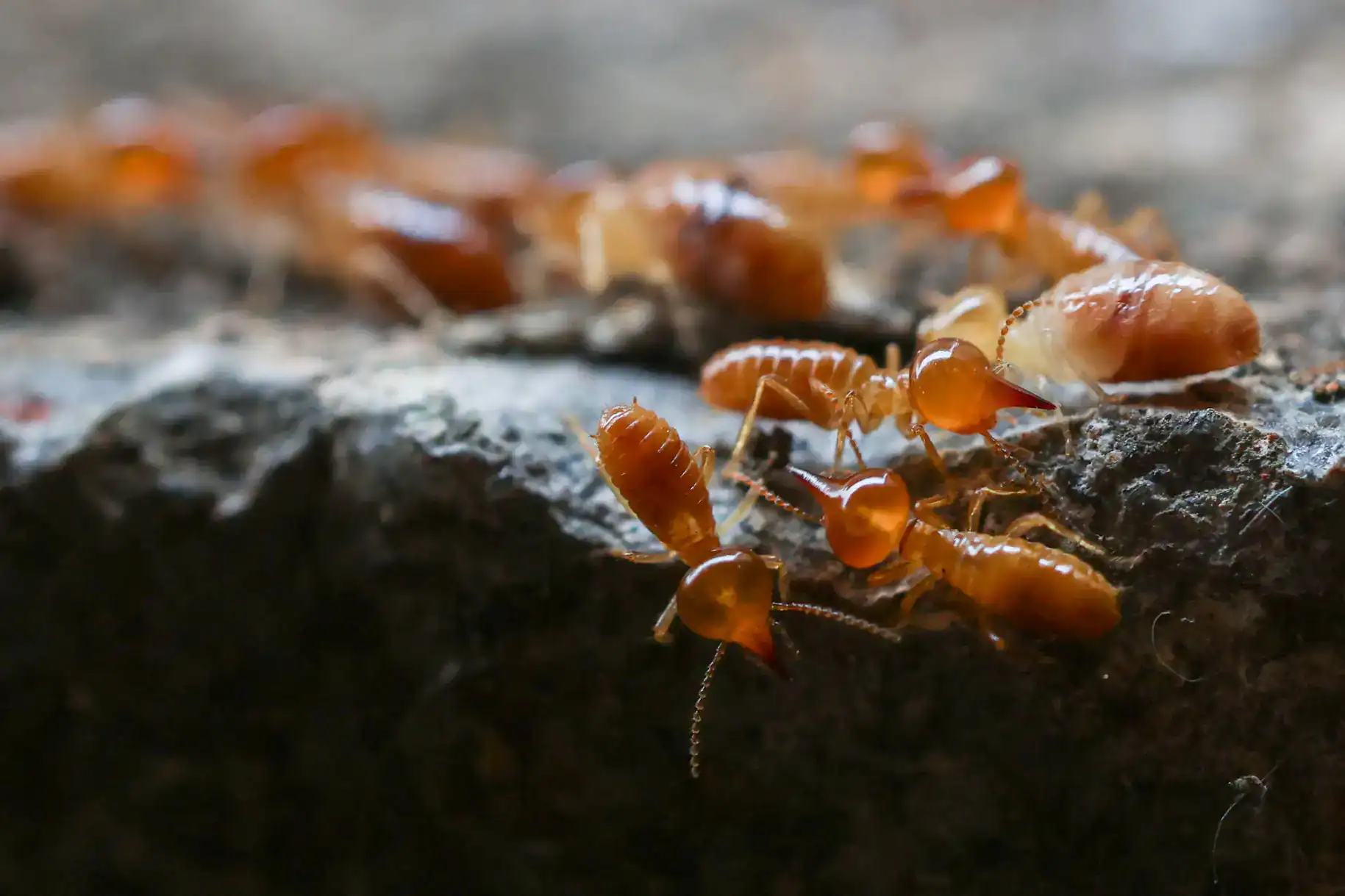
Swarm season for Eastern Subterranean Termites in the New York City area typically runs from March through May, with peak activity following warm days after rain. In College Point, where the soil stays moist longer due to the surrounding waterways, swarming conditions can persist through late spring. You might see swarmers winged termites that look similar to flying ants near windows, sliding doors, or light fixtures, particularly in basements and ground-floor areas.
The presence of swarmers indoors almost always means there’s an established colony nearby. Swarmers themselves don’t damage wood, but they’re a signal that a mature colony has been active long enough to produce reproductive members. If you’re seeing them inside your home, the colony has likely been in place for at least three to five years. That’s not a situation to wait on. A same-day inspection can confirm whether what you’re seeing is termites or another insect, and if it is termites, treatment can begin quickly.
Yes when it’s done by a licensed professional using properly registered materials. We apply only products registered with the New York State Department of Environmental Conservation, which sets specific standards for how pest control materials are formulated, applied, and used in residential settings. That’s a legal requirement for any licensed pest control operator in New York City, not just a preference.
In practice, this means the treatment is targeted applied to specific areas like soil perimeters, foundation entry points, and affected wood rather than broadcast throughout your living space. Our technician will walk you through any specific precautions before the treatment begins, including whether you need to vacate during application and how long to wait before re-entering treated areas. For families with young children, elderly residents, or pets in the home, these are reasonable questions to ask, and our team will give you straight answers rather than vague reassurances.
Useful Links