Hear from Our Customers
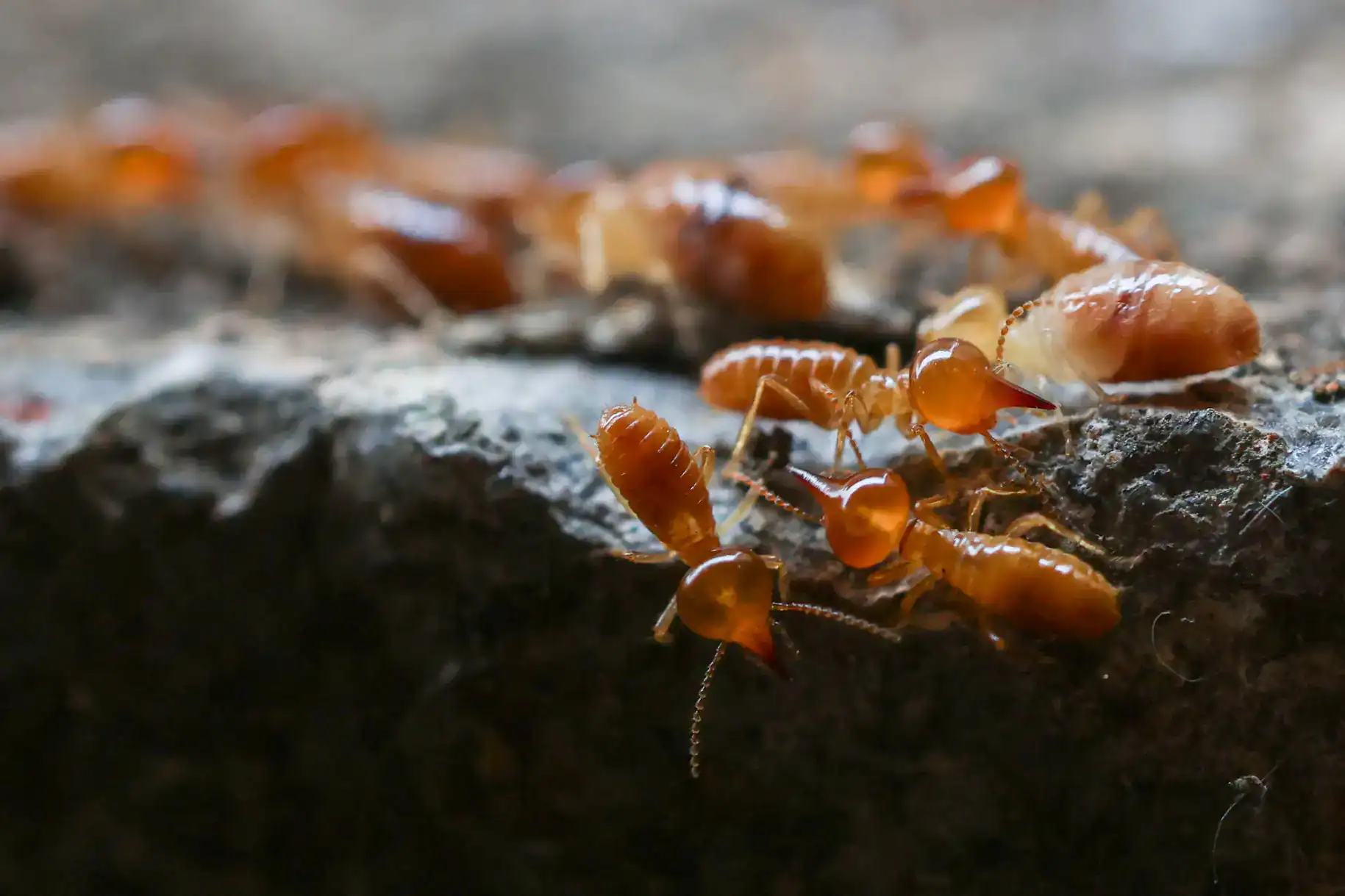
When you find termites in a Harlem brownstone, the first question isn’t “how bad is it?” it’s “how long has this been going on?” Eastern Subterranean Termites feed around the clock, and in a building with 100-year-old floor joists and original subfloor timbers, they don’t need long to do serious damage. The earlier you act, the less you’re looking at in repair costs and the more of that original wood you get to keep.
Harlem’s pre-war building stock is one of the biggest termite risk factors in all of Manhattan. The rowhouses and brownstones on blocks like Strivers’ Row and throughout Hamilton Heights were built between 1880 and 1920, which means the structural wood inside many of them has been in place for over a century. That wood sits close to aging foundations, aging plumbing, and in some cases, direct soil contact exactly the conditions subterranean termites look for. A professional termite inspection doesn’t just confirm the problem. It tells you where the colony is accessing your building, how far the activity has spread, and what treatment approach will actually eliminate it not just slow it down.
The financial stakes here are real. Standard homeowner insurance doesn’t cover termite damage it’s treated as a maintenance issue, not a sudden loss. Repairs to structural beams and joists in a Harlem brownstone can run $10,000 or more. A thorough termite treatment now is a fraction of that cost, and it comes with the documentation your lender, co-op board, or real estate attorney may require if you’re in the middle of a transaction.
We’ve been operating in New York City since 1971 founded by Richard Kourbage Sr. and now run alongside his sons Richard Jr. and Charles. That’s more than 50 years of working through every type of NYC building, every type of infestation, and every kind of situation a property owner can face. Our combined staff brings over 100 years of collective pest control experience, and that depth shows in how the work gets done.
Harlem is not a simple market. You’ve got landmarked rowhouses in the Hamilton Heights/Sugar Hill Historic District, NYCHA developments along the avenues, rent-stabilized buildings with aging infrastructure, and newly renovated brownstones where buyers have significant financial stakes. We’ve worked in all of it. We hold BBB A+ accreditation dating back to 1989, apply only NYS DEC registered materials, and can provide the certified WDO inspection documentation that Manhattan lenders and co-op boards require. When you call, someone answers 24 hours a day, seven days a week.
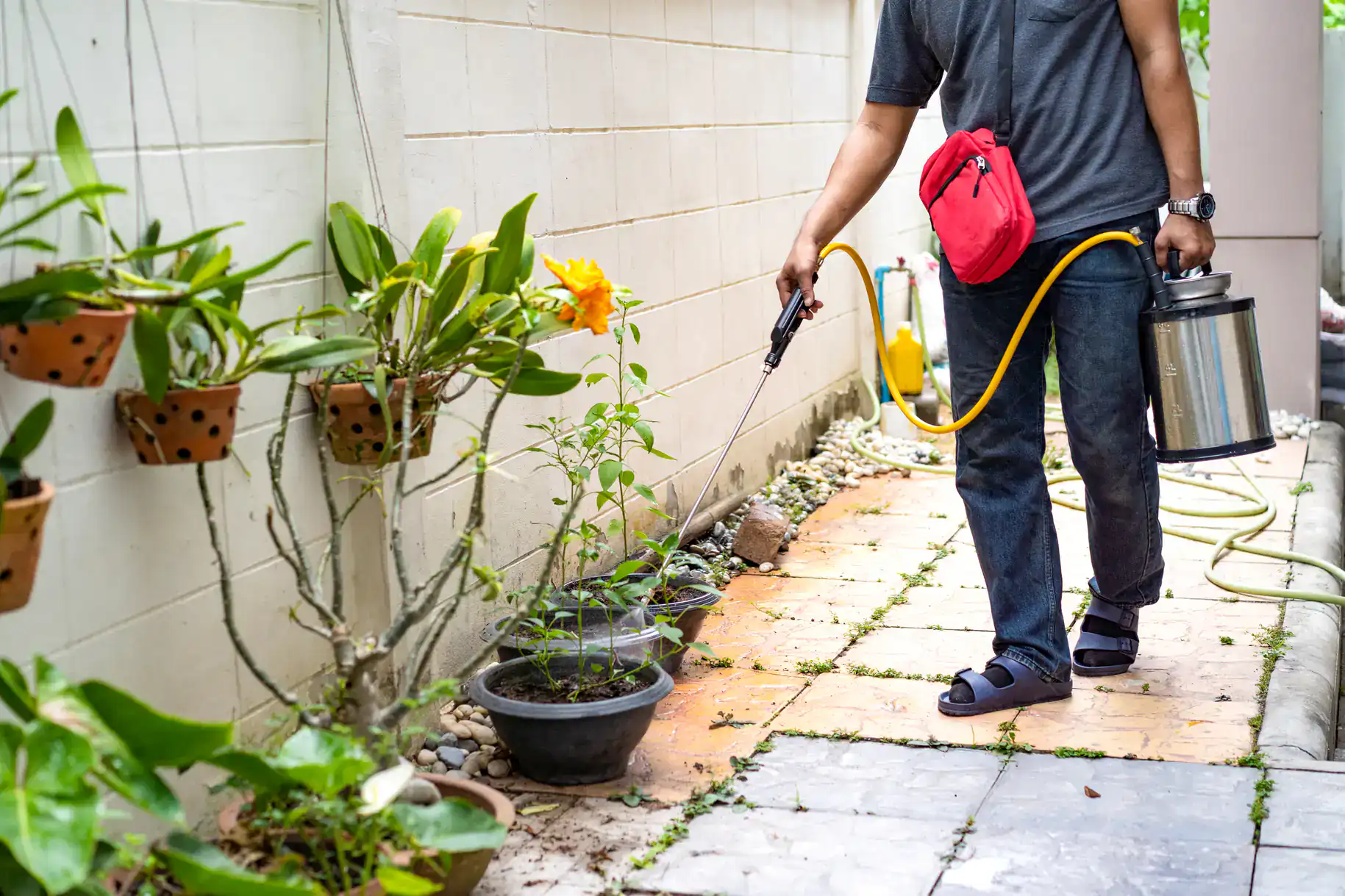
It starts with a phone call and in most cases, we can have a licensed technician at your property within two business days, often the same day. When our technician arrives, they do a thorough inspection of the structure: foundation perimeter, basement, crawl spaces, window frames, door frames, and any areas where wood meets or approaches soil. In Harlem’s older buildings, that inspection includes areas that are easy to overlook original stair carriages, subfloor timbers behind finished walls, and basement areas that may have accumulated moisture from aging plumbing or ground infiltration.
Once the inspection is complete, you get a clear picture of what’s there and what isn’t. If there’s an active infestation, our technician will walk you through the treatment options which typically include a liquid barrier treatment using a product like Termidor applied to the soil around the foundation, a termite baiting system designed to eliminate the colony at the source, or a combination of both depending on the severity and access points. For Harlem brownstones in landmarked historic districts, the approach is always chosen with the building’s architectural integrity in mind. No unnecessary drilling, no treatment that damages original material where it can be avoided.
After treatment, you receive written documentation of what was found, what was applied, and what the follow-up schedule looks like. If your property requires a certified WDO report for a real estate transaction or lender requirement, we prepare that documentation using the standard NPMA-33 form that FHA, VA, and HUD lenders require.
Ready to get started?
Termite control in a Harlem brownstone or pre-war apartment building is not the same job as treating a suburban house. The buildings here are older, denser, and more architecturally complex. Entry points are different. Moisture patterns are different. And in properties that fall within the Hamilton Heights/Sugar Hill Historic District or on landmarked blocks like Strivers’ Row, the treatment approach has to account for preservation requirements that simply don’t exist in other neighborhoods. Our technicians understand this and they work accordingly.
Every termite control engagement starts with a licensed inspection by a NYS DEC Category 7C certified technician. That certification is the legal requirement for any professional performing termite work in New York State, and it’s the first thing you should ask any exterminator to confirm before they touch your building. From there, treatment is matched to what the inspection actually found not a one-size package applied to every job. Liquid barrier treatments, colony-eliminating bait systems, or a combination approach are all available depending on the building type, infestation severity, and access conditions.
For property owners in the middle of a real estate transaction buying or selling on any block from 110th Street to 155th Street in Harlem we provide the certified WDO/WDI inspection report your lender requires, completed on the NPMA-33 form, with the speed that Harlem’s competitive real estate market demands. If your building has received an NYC HPD pest-related violation or a NYC Department of Health citation, we have specific experience resolving those as well including the documentation and follow-up protocols required to close out a violation.
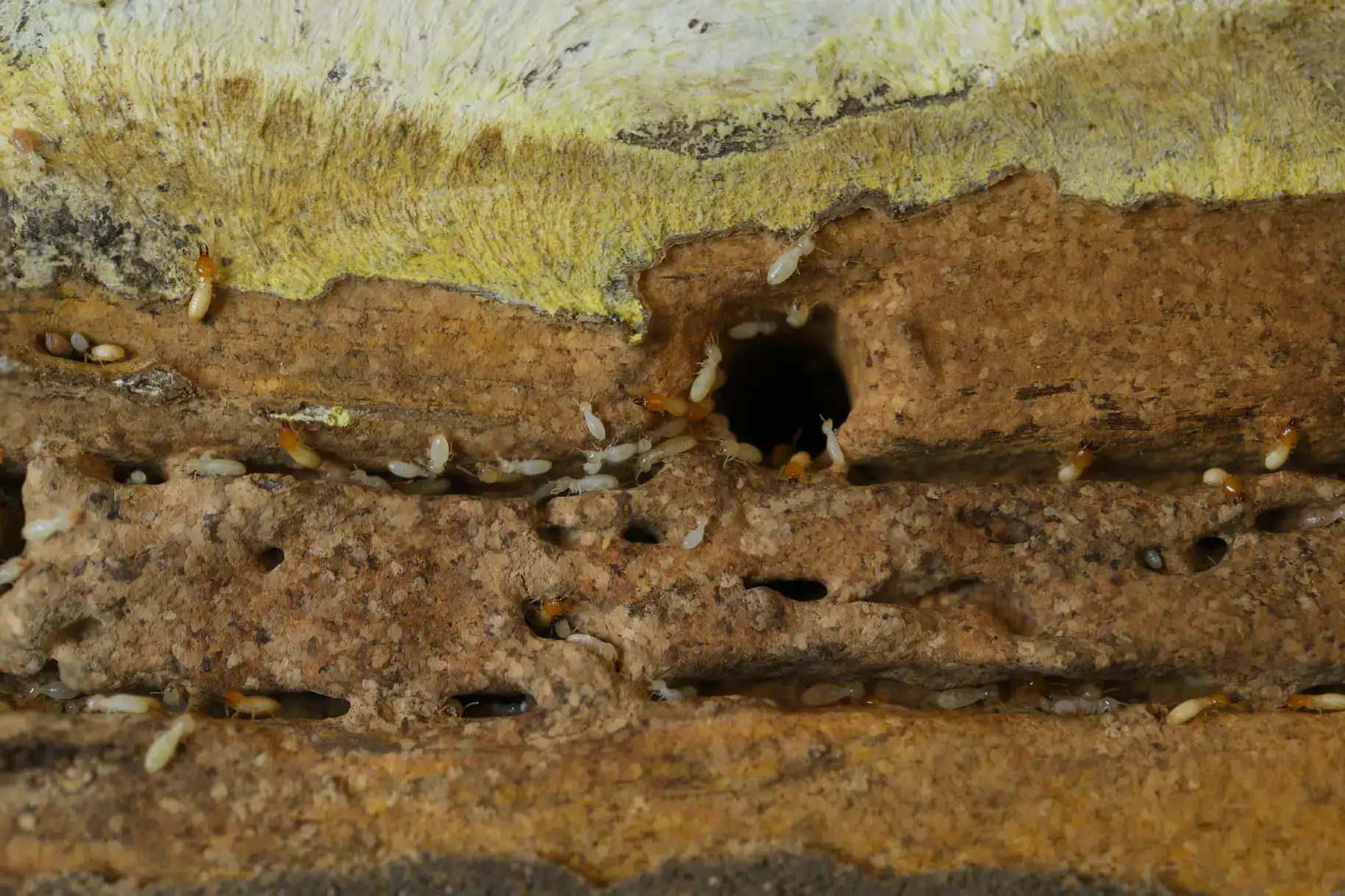
Yes and it comes down to age and construction. Most of Harlem’s iconic brownstones and rowhouses were built between 1880 and 1920, which means the structural wood inside them has been in place for 100 years or more. That original wood floor joists, subfloor timbers, stair carriages, window frames is exactly what Eastern Subterranean Termites target. Add in the moisture that comes with aging plumbing systems and foundations that predate modern waterproofing standards, and you have near-ideal conditions for a subterranean termite colony.
The risk is compounded by the fact that most infestations in Harlem go undetected for years. Termite colonies typically take five or more years to grow large enough to cause visible structural damage. By the time you notice hollow-sounding floors or see swarmers near a baseboard, the colony has likely been feeding for a long time. That’s why annual inspections are worth it in Harlem’s older building stock not because something is necessarily wrong, but because catching it early is always cheaper than catching it late.
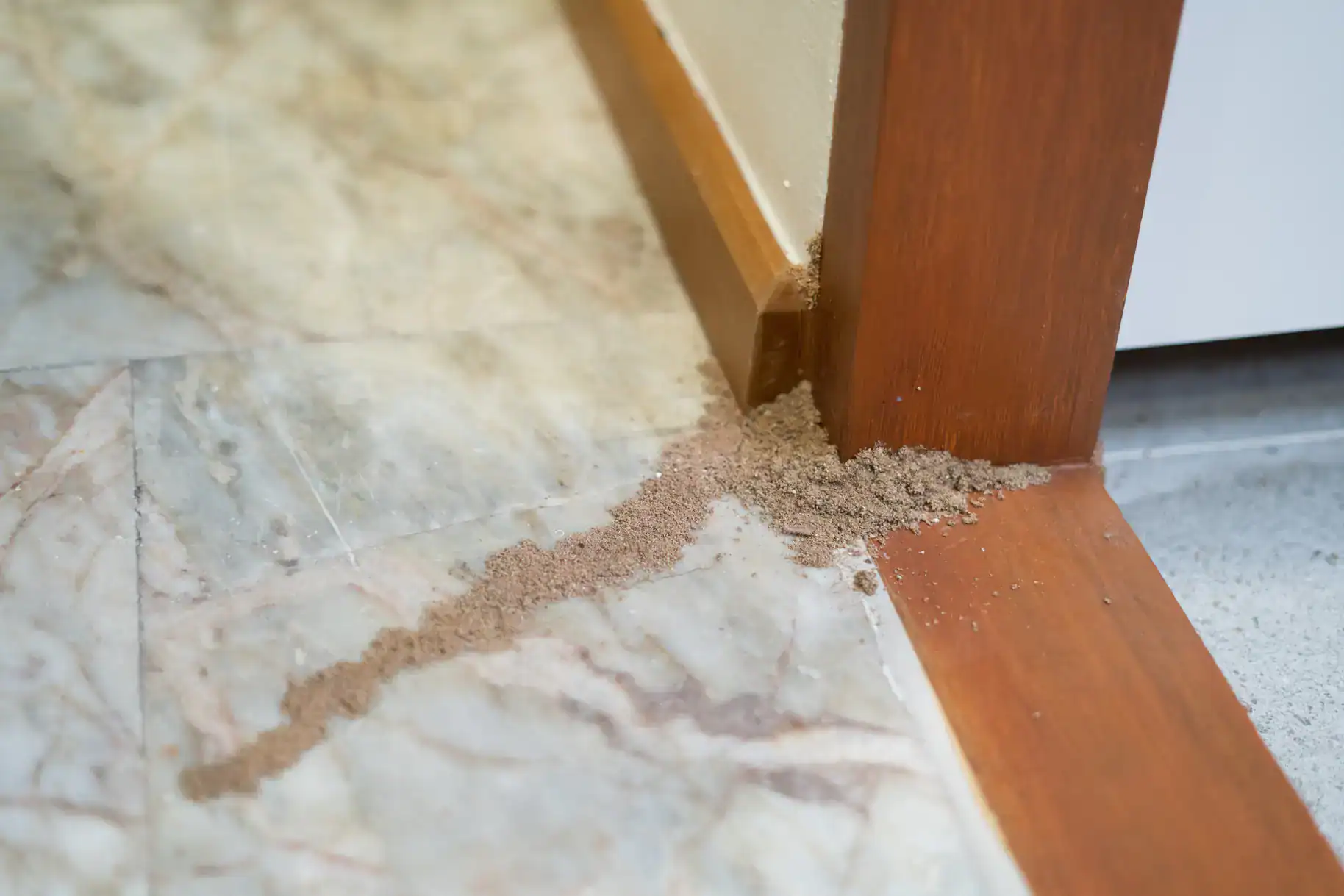
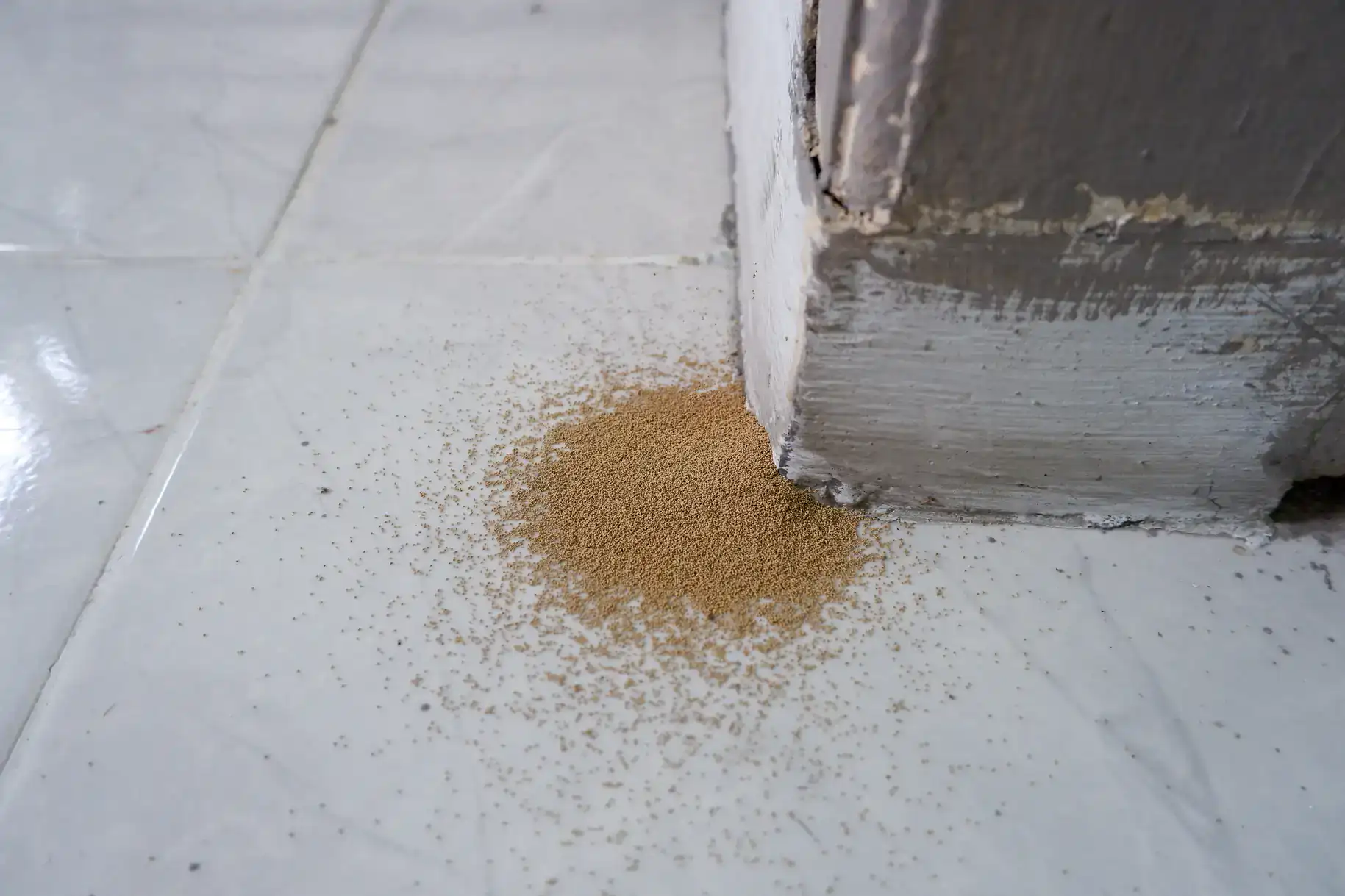
The most common early signs are mud tubes and swarmers. Mud tubes are pencil-thin tunnels made of soil and termite secretions you’ll typically find them running along foundation walls, basement ceilings, or the exterior of a building near ground level. They’re how subterranean termites travel from their underground colony to the wood they’re feeding on. If you see them, that’s a confirmed sign of activity, not a maybe.
Swarmers are winged termites that emerge in the spring usually after a warm day with rain to start new colonies. In a Harlem brownstone or pre-war apartment building, they often appear suddenly near windows, baseboards, or light fixtures, sometimes in large numbers. They’re easy to confuse with flying ants, but the difference matters: termite swarmers have straight antennae, equal-length wings, and a straight waist. Flying ants have bent antennae, unequal wings, and a pinched waist. If you’re not sure what you’re looking at, don’t wait call for an inspection. Swarmers are a sign the colony is mature enough to be expanding.
Under New York City’s Housing Maintenance Code, landlords are legally required to maintain buildings free of pests and that includes termites. If you’re in a rent-stabilized unit or any other rental in Harlem and you’ve identified signs of termite activity, your landlord has an obligation to address it. You can report the issue through NYC 311, which will generate a complaint with NYC Housing Preservation and Development (HPD). HPD can inspect the property and issue a violation if the condition is confirmed and the landlord hasn’t acted.
The practical reality is that response times vary. Some landlords act quickly; others don’t. If you’re in a building managed by NYCHA like the Drew-Hamilton Houses or the Rangel Houses the complaint and repair process goes through NYCHA’s work order system, which has its own timeline. In the meantime, document everything: photographs of mud tubes, swarmers, or damaged wood, along with dates and any written communication with your landlord. That documentation matters if the situation escalates to a formal HPD complaint or legal action.
The cost of termite treatment in Harlem depends on the size of the building, the severity of the infestation, and the treatment method used. For a single-family brownstone or rowhouse, a liquid barrier treatment typically runs in the range of $500 to $1,500 depending on the linear footage treated and the product used. A termite bait station system which targets the colony at the source rather than just creating a chemical barrier can run similarly, with ongoing monitoring factored into the overall cost. For larger multi-unit buildings, costs scale with the scope of the job.
What matters more than the treatment cost, though, is what you’re comparing it to. Structural repairs to original wood joists and beams in a Harlem brownstone can easily reach $10,000 or more and standard homeowner insurance policies don’t cover termite damage. It’s classified as a preventable maintenance issue, not a sudden loss event. Getting a professional inspection and treatment now, before damage progresses, is almost always significantly less expensive than the repair bill that follows if you wait.
In Harlem and throughout New York City, Eastern Subterranean Termite swarmers typically emerge in the spring most commonly between March and May, usually following a warm day with rainfall. The swarm itself can last anywhere from a few minutes to a few hours, and it can involve hundreds or thousands of winged termites appearing suddenly near windows, light sources, or cracks in the wall. It’s alarming when it happens, especially in a densely occupied brownstone or apartment building.
If you see swarmers, the most important thing to do is not panic but also not ignore it. Swarmers themselves don’t cause structural damage; they’re reproductive termites looking to start new colonies. But their presence means there’s an established colony somewhere in or near your building that is mature enough to be reproducing. That colony is what’s causing damage. Collect a few of the swarmers in a sealed bag or container if you can it helps the inspector confirm the species and call for a termite inspection as soon as possible. We can typically schedule an inspection within two business days, often the same day during peak swarmer season.
If the transaction involves an FHA, VA, or HUD loan, a Wood Destroying Organism (WDO) inspection report is required no exceptions. The report must be completed on the NPMA-33 form by a licensed pest control operator, and it documents whether any evidence of wood-destroying insects, fungi, or damage was found during the inspection. For conventional loans, the lender may or may not require it, but many real estate attorneys and buyers in Harlem’s market request one regardless, especially given the age and construction type of the neighborhood’s brownstone and rowhouse stock.
Beyond the lending requirement, a WDO report is simply good due diligence when you’re buying a 100-plus-year-old building in Central Harlem, Hamilton Heights, or Sugar Hill. These are properties where original structural wood is still present, where moisture conditions in basements can be significant, and where the cost of undiscovered termite damage can be substantial. Getting a certified inspection before closing gives you a clear picture of what you’re buying and if damage is found, it gives you a negotiating point before the transaction closes rather than a repair bill after.
Useful Links
Other Services we provide in Harlem