Hear from Our Customers
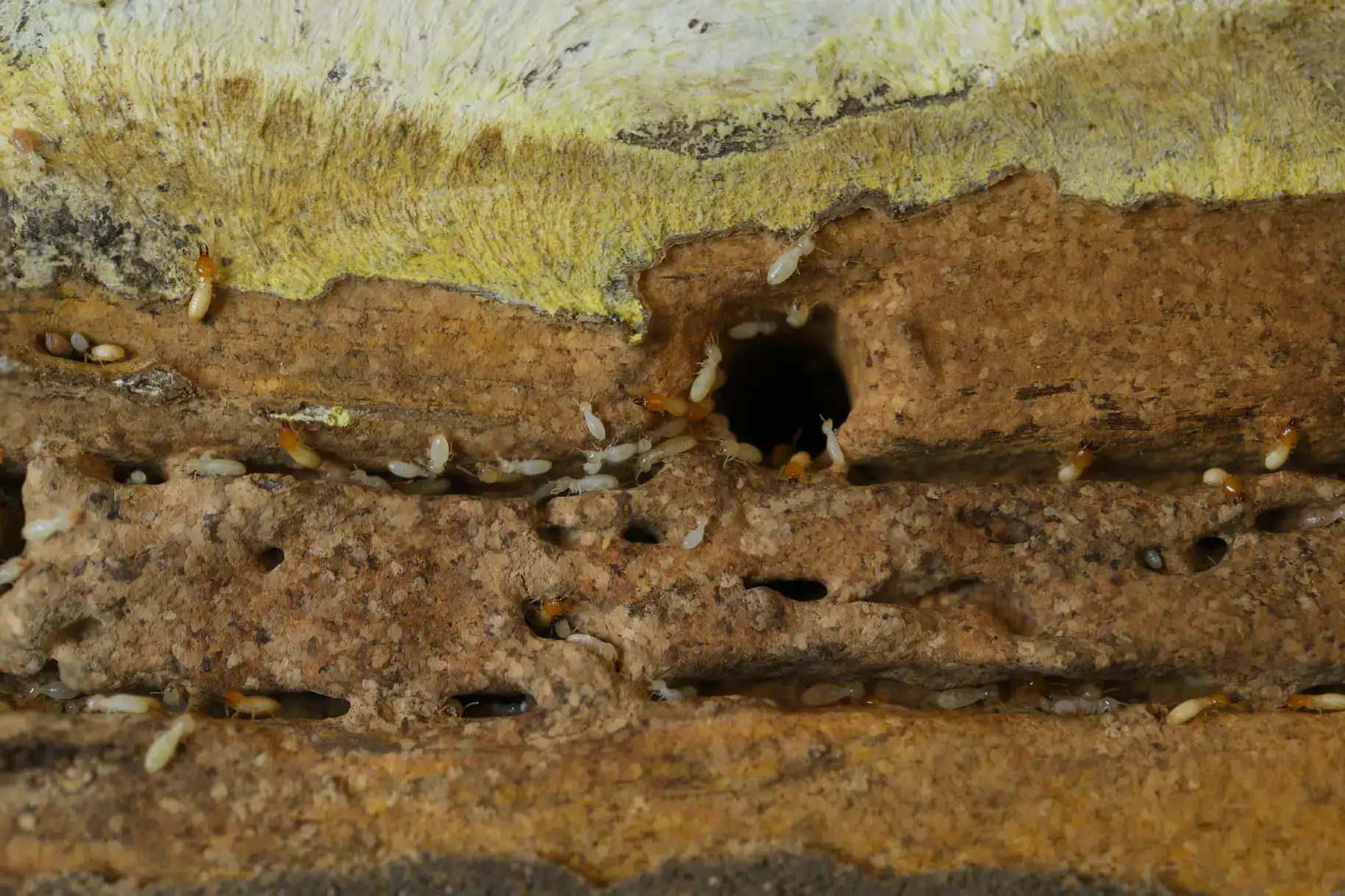
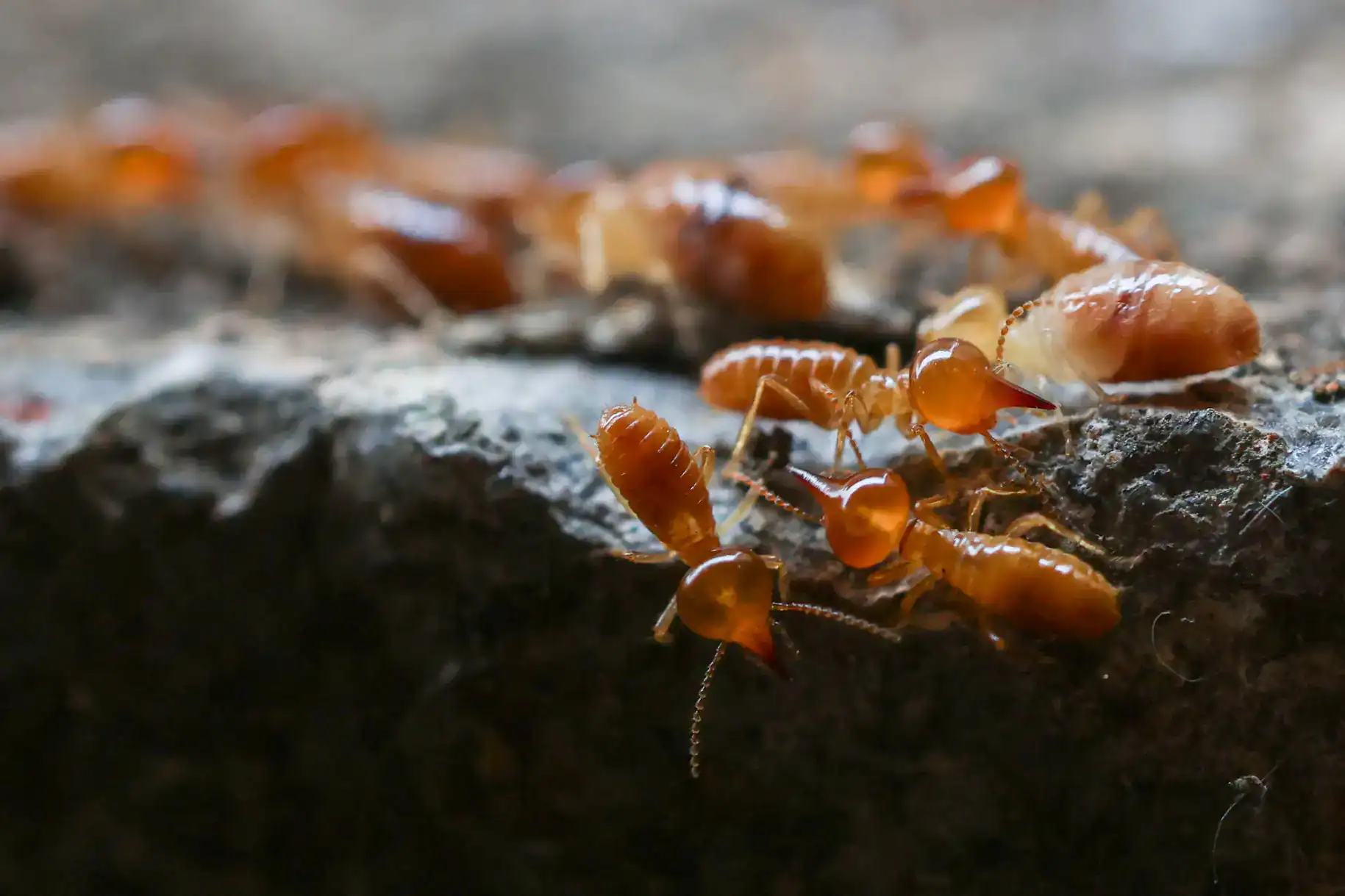
Most Jackson Heights residents don’t find termites until they’re already mid-renovation pulling up a floor, opening a wall, or prepping a unit for sale and by that point, the colony has usually been feeding for years. It’s just how Eastern Subterranean Termites work. They don’t announce themselves. They stay underground, build mud tubes through your foundation, and quietly work through the wood framing in your building while everything looks fine from the outside.
What makes Jackson Heights specifically high-risk is the building stock itself. The garden apartment complexes built by the Queensboro Corporation between 1914 and the 1950s were designed as connected communities shared foundations, shared walls, shared soil interfaces along every interior courtyard. That architectural beauty is also a termite highway. A colony that establishes itself under one section of a complex doesn’t stop at the property line. It moves laterally through shared structural elements until something stops it.
Getting ahead of that is exactly what a proper termite treatment does. You stop the colony at its underground source, protect the wood framing that’s held your building up for a century, and avoid the kind of structural repair bills often $3,000 to $10,000 or more that your co-op insurance almost certainly won’t cover.
We’ve been operating in New York City since 1976 over 50 years of working inside the exact kind of pre-war buildings that define Jackson Heights. Richard Kourbage Sr. built this company from the ground up. His sons Richard Jr. and Charles have been running jobs alongside him since the late 1980s. That’s not a marketing angle. That’s just the reality of how this business works, and it means the people making decisions here have personal accountability for every inspection and every treatment.
We hold an A+ rating with the Better Business Bureau accredited since 1989 and apply only New York State DEC registered materials. For a neighborhood as densely populated as Jackson Heights, where dozens of families share walls and ventilation systems in the same building complex, that matters. You’re not just protecting your unit. You’re working in a space where treatment safety affects your neighbors too.
We serve all five boroughs, and our technicians know Queens building stock the co-ops off Roosevelt Avenue, the garden apartment complexes between 76th and 88th Streets, the attached row houses that line the blocks near Northern Boulevard. This isn’t a company learning your neighborhood. We’ve been working in it for decades.
It starts with a call and we answer 24 hours a day, 7 days a week. If you’re a co-op shareholder who just found mud tubes behind a baseboard, or a building manager dealing with a NYC Department of Health citation, you don’t have to wait until Monday morning. Most inspections are scheduled within two business days, and same-day visits are frequently available.
Our inspection is thorough. A certified technician walks the property foundation perimeter, crawl spaces, basement areas, interior courtyard soil beds, any wood-to-ground contact points and looks for the specific signs of Eastern Subterranean Termite activity: mud tubes, damaged wood, shed wings from swarmers, moisture patterns near the foundation. In Jackson Heights’ garden apartment complexes, this includes assessing the shared structural interfaces between units, because that’s where colony migration happens and where a lot of inspectors miss the full picture.
From there, we give you a clear explanation of what was found and what treatment makes sense whether that’s a liquid barrier treatment to create a chemical boundary in the soil, a termite baiting system that targets the colony directly, or both. If you need a WDO (Wood Destroying Organism) report for a real estate transaction or co-op board documentation, that’s part of what we provide. Spring is when termite swarm season peaks in Queens typically March through May so if you’ve been putting off an inspection, that’s the window where early action makes the biggest difference.
Ready to get started?
Termite treatment in a Jackson Heights co-op building isn’t the same as treating a detached single-family home in the suburbs. The connected foundation systems, the interior courtyard gardens with their irrigated soil beds directly against building perimeters, and the century-old wood framing throughout these complexes all factor into how treatment is planned and applied. Our approach accounts for all of it.
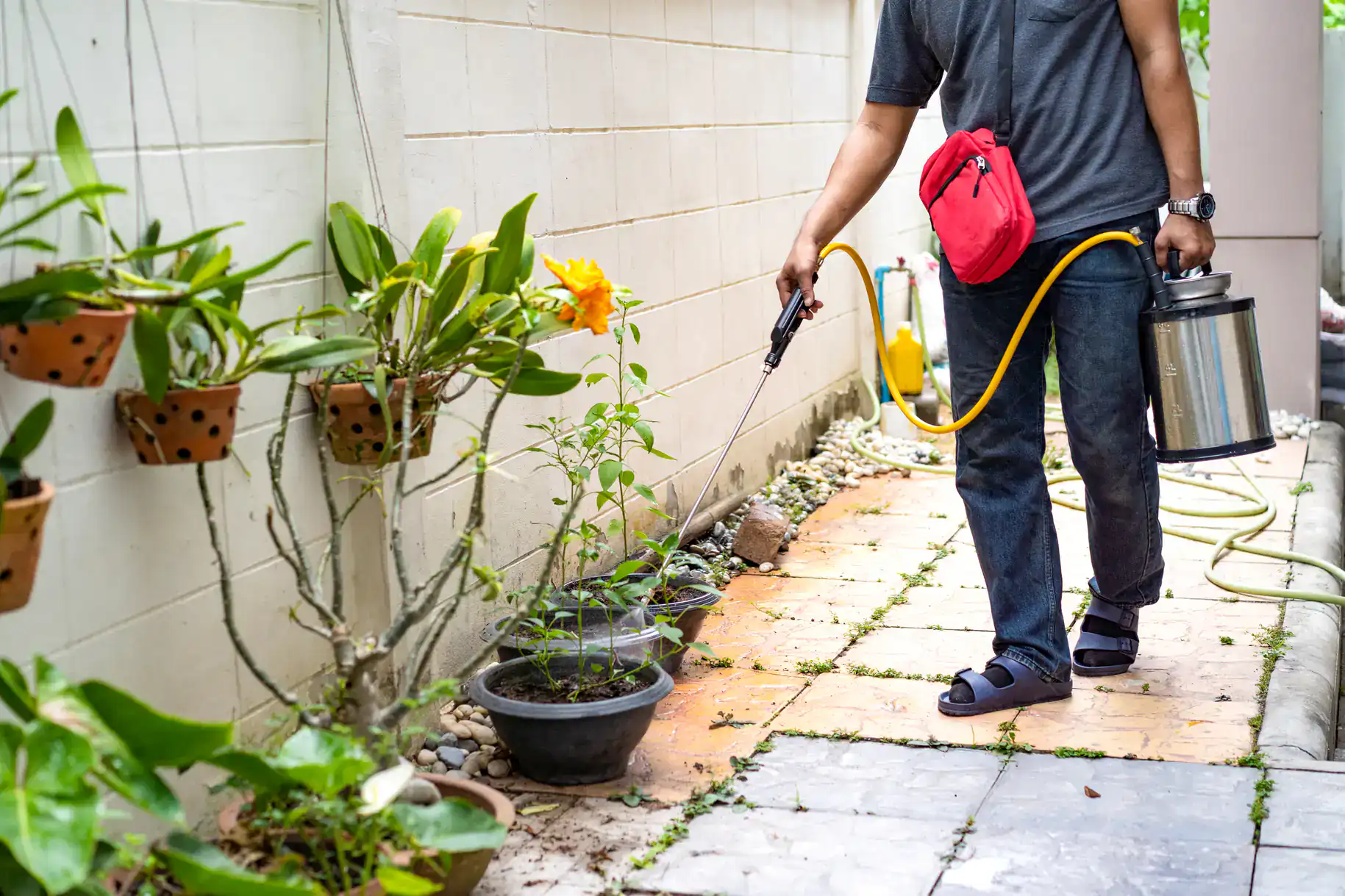
For subterranean termite infestations, treatment typically involves a liquid barrier application to the soil around the foundation creating a treated zone that termites can’t cross without contact combined with a termite baiting system where colonies are actively feeding. The baiting system works by introducing a slow-acting material that worker termites carry back to the colony, eventually eliminating it at the source. For buildings within the Jackson Heights Historic District, where exterior work on landmarked structures involves LPC compliance considerations, our treatment approach focuses on subsurface and interior application that doesn’t affect the building’s protected exterior elements.
If you’re managing a multi-family building and have received a NYC DOH pest citation, we handle that process specifically providing the documentation and treatment records that satisfy reinspection requirements. For buyers and sellers in Jackson Heights’ active co-op market, we provide WDO inspection reports with the credentialing that lenders and attorneys require. Free estimates are standard on every job.
This is one of the most common questions that comes up in Jackson Heights specifically, because co-op ownership creates a shared-responsibility structure that doesn’t exist in single-family homes. In most co-op buildings, the corporation meaning the co-op board is responsible for maintaining the structural elements of the building, which includes the foundation, shared walls, and any wood framing that runs through common areas or between units. If termites are found in those structural components, treatment is typically the board’s responsibility, not the individual shareholder’s.
That said, every co-op has its own proprietary lease and house rules, and the language varies building to building. Some co-ops in the Jackson Heights Historic District have specific maintenance agreements that shift certain responsibilities to shareholders. The practical starting point is to get a professional inspection done, document exactly where the activity is located, and bring that report to your building management. We provide written inspection reports and WDO documentation that co-op boards and property managers can use to make those determinations and take action.
Yes and this is a particular concern in the attached garden apartment complexes that make up most of Jackson Heights’ residential housing stock. Eastern Subterranean Termites live and travel underground, moving through soil and entering buildings through cracks in the foundation as small as 1/32 of an inch. In a building where multiple units share a continuous foundation system which describes virtually every complex built by the Queensboro Corporation in Jackson Heights there’s no physical barrier stopping a colony from migrating laterally from one section of the building to another.
This is why unit-level treatment alone often isn’t enough in a co-op complex. If the colony’s underground source isn’t addressed, termites can reinfest a treated unit by simply moving through the shared soil interface from an adjacent section. A building-wide inspection that maps the full extent of the activity including the interior courtyard soil beds that sit directly against foundation walls throughout the neighborhood gives you a real picture of what’s happening and where treatment needs to happen.
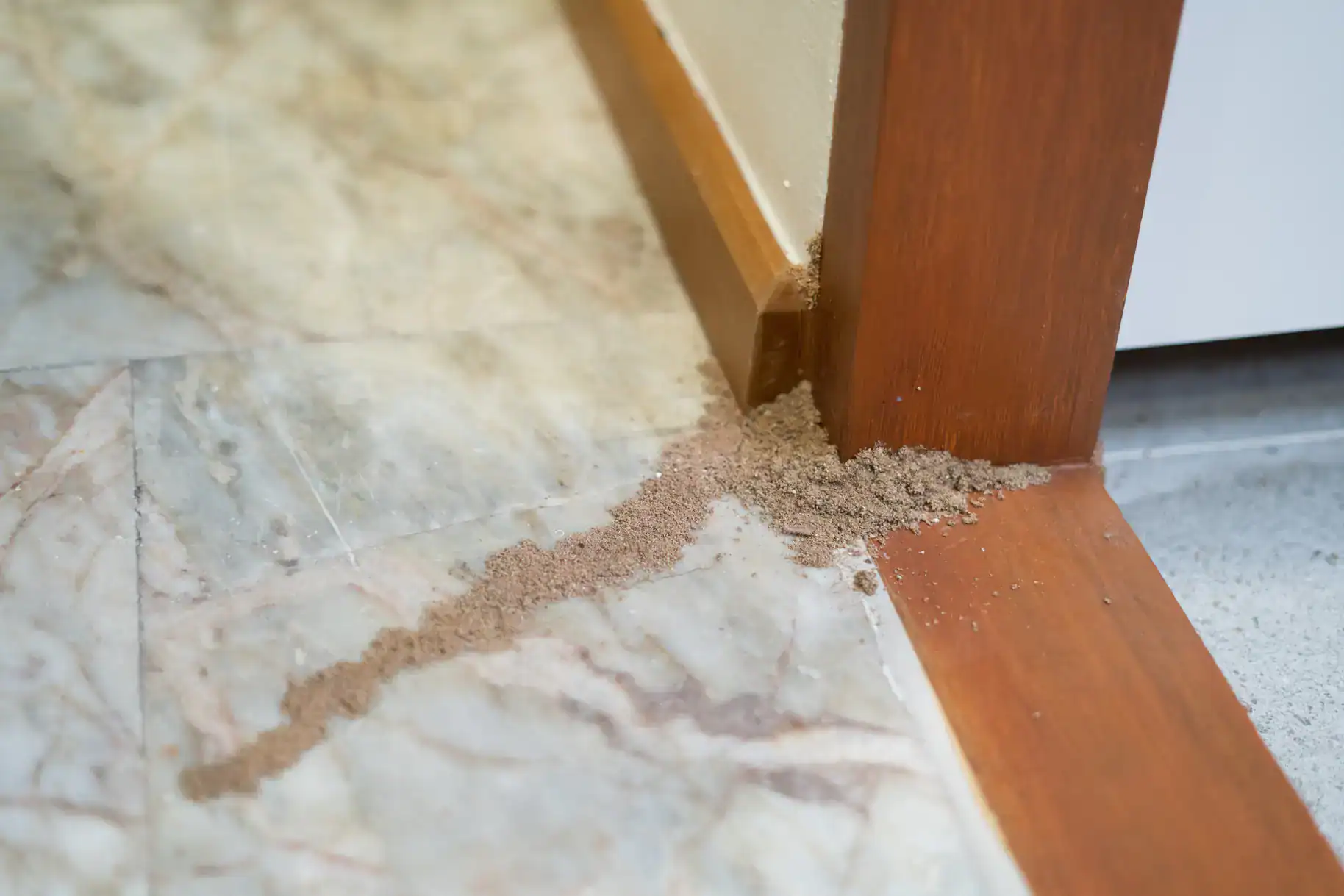
The most common signs residents notice in Jackson Heights buildings are mud tubes pencil-thin tunnels made of soil and wood particles that termites build to travel between the ground and their food source. You’ll often find them along foundation walls, in basement areas, or behind baseboards. Damaged wood is another sign: it sounds hollow when tapped, may look blistered or darkened, and in more advanced cases will actually crumble when probed.
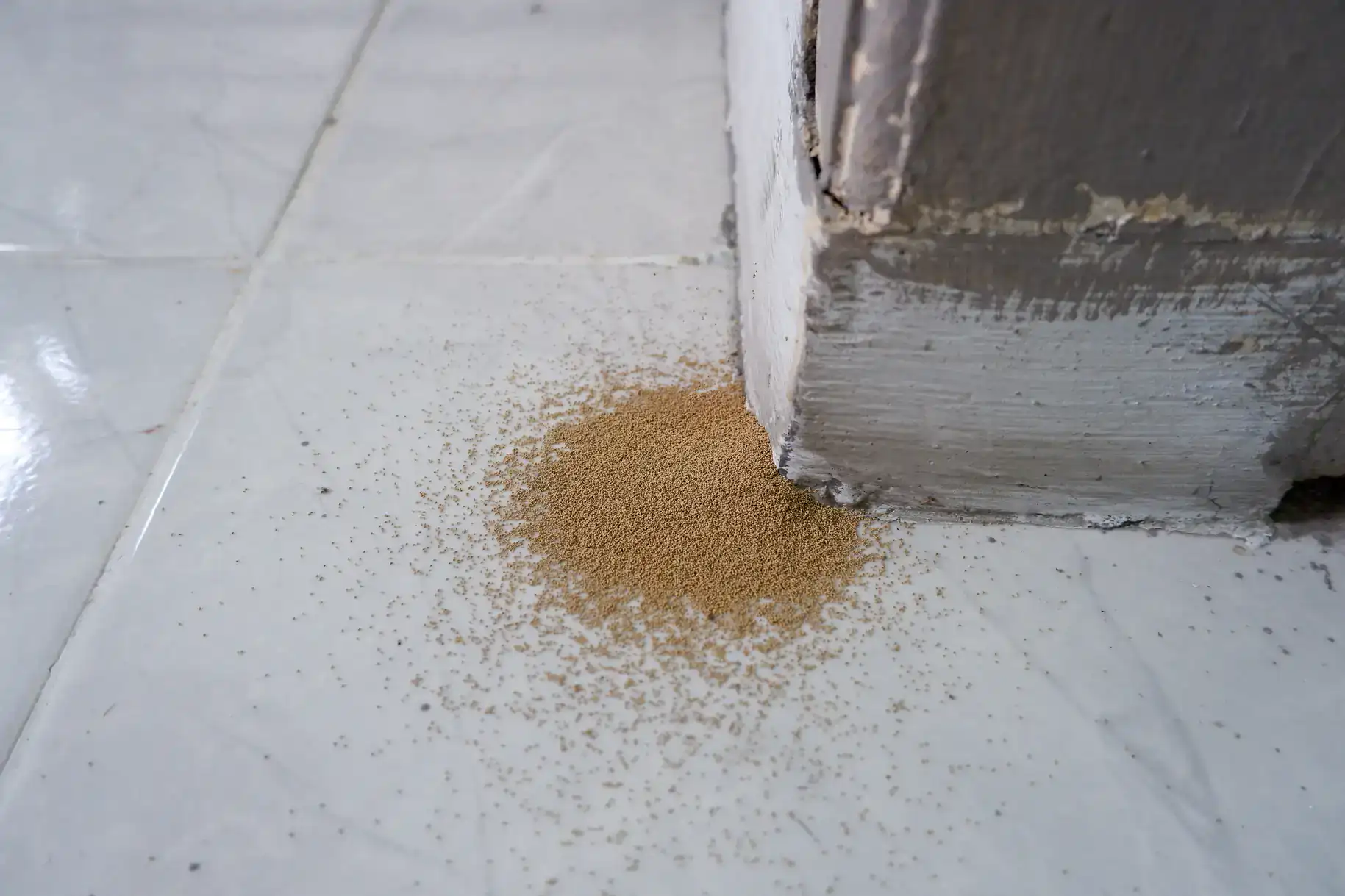
In spring typically March through May in Queens you may also see termite swarmers, which are winged reproductive termites that emerge to start new colonies. Finding shed wings near windowsills, door frames, or light fixtures is a strong indicator that a colony is established nearby. In the pre-war buildings throughout Jackson Heights, where original wood framing hasn’t been replaced in 70 to 110 years, these signs can appear suddenly even when the infestation has been developing for years. If you see any of these, the right move is to get a professional inspection done before the damage goes further.
For FHA and VA mortgage approvals, a WDO (Wood Destroying Organism) inspection report is a required part of the loan process and that applies to co-op transactions in Jackson Heights just as it does elsewhere. Even in conventional sales where it isn’t technically required by the lender, attorneys and buyers’ agents increasingly request one as part of standard due diligence, particularly in a neighborhood where the building stock is as old as it is here.
A WDO report documents whether there is any evidence of active termite infestation, past termite damage, or conditions conducive to infestation. For a co-op unit in a Jackson Heights building where the median sale price is around $370,000, that report protects both sides of the transaction. Sellers avoid last-minute surprises that derail closings. Buyers go in knowing exactly what they’re purchasing. We provide these reports with the documentation standards that lenders, attorneys, and co-op boards require, and inspections are typically schedulable within two business days.
Treatment costs vary depending on the size of the property, the extent of the infestation, and what method is used but for a typical Jackson Heights co-op unit or attached row house, liquid barrier treatments generally run in the range of a few hundred to several hundred dollars for a contained treatment area. Larger building-wide treatments for multi-unit complexes are scoped differently and priced accordingly. We provide free inspections and written estimates before any work begins, so you know exactly what you’re looking at before committing.
On the insurance question: most homeowner policies and co-op building insurance policies explicitly exclude termite damage. Insurers classify it as a preventable maintenance issue rather than a sudden or accidental event, which means the financial exposure falls entirely on the property owner. Given that the average termite damage repair runs around $3,000 and structural repairs in older buildings can reach $10,000 or more, the cost of a professional inspection and treatment is a fraction of what you’d spend fixing damage that’s been allowed to progress. Getting ahead of it is always the less expensive option.
It’s real, and Queens specifically has some of the highest termite pressure in New York City. The borough’s large inventory of attached buildings built in the 1920s through 1940s on continuous foundation systems, with aging wood framing and soil-to-foundation contact on all sides creates ideal conditions for Eastern Subterranean Termite colonies to establish and spread. Jackson Heights sits squarely in that profile, and the neighborhood’s garden apartment courtyards add another layer of risk: those irrigated, landscaped soil beds run directly along building foundations, keeping moisture levels high year-round, which is exactly what subterranean termites need to thrive.
Swarm season in Queens peaks between March and May, following warm days with rainfall. That’s when winged reproductives emerge and new colonies get started. But termites are active and feeding every single day of the year swarm season is just when they become visible. If you’ve never had your Jackson Heights building inspected, or if it’s been more than a few years since the last one, spring is the right time to schedule it. A free inspection takes less than an hour and gives you a clear answer either way.
Useful Links