
Hear from Our Customers
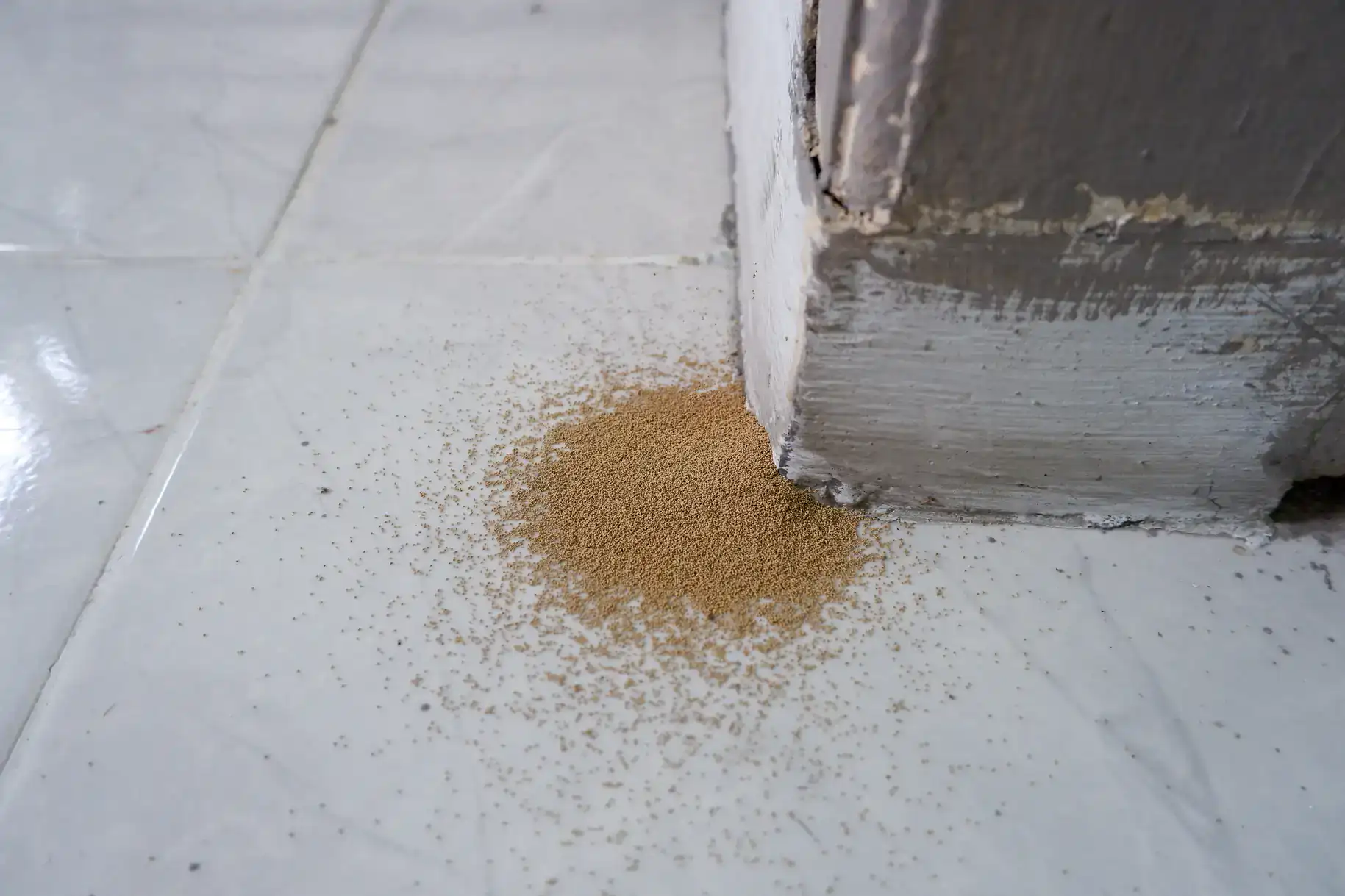
Termites don’t announce themselves. By the time you notice swarmers emerging from a wall on Orchard Street or hear a hollow thud in your subfloor on Rivington, a colony has likely been feeding for years. That’s the reality of living in pre-war construction wood framing, aged subfloors, and basement conditions that subterranean termites are built to exploit. The longer it goes unchecked, the more expensive it gets.
Most homeowner and renter insurance policies don’t cover termite damage. That means every dollar of structural repair comes out of your pocket. In a neighborhood where apartment purchase prices routinely land between $965,000 and over a million dollars, protecting that investment with a professional termite inspection isn’t optional it’s basic financial sense.
What changes after our treatment is simple: the feeding stops. The structural risk is contained. And if you’re buying or selling a converted tenement unit in the Lower East Side, a clean WDO report gives everyone at the closing table something they can rely on. That’s the outcome that matters.
We’ve been a family-run operation since Richard Kourbage Sr. founded us in 1971. His sons Richard Jr. and Charles run it today. That’s three generations of the same family, the same standards, and the same accountability and it means when something goes wrong, there’s always a real person responsible for making it right.
Our staff brings over 100 years of combined pest control experience to the field. That’s not a marketing number it’s the accumulated knowledge of technicians who have worked in Manhattan’s oldest buildings, including the kind of narrow walk-ups and converted tenements that define the Lower East Side from Allen Street to the East River. We’ve inspected basements on Ludlow Street, treated infestations in Clinton Street walk-ups, and resolved termite problems in Two Bridges residential buildings where the structural challenges are as unique as the neighborhood itself.
We hold an A+ rating with the Better Business Bureau, accredited since 1989, and apply only NYS DEC-registered materials on every job. We answer phones 24 hours a day, seven days a week because termite swarms don’t keep business hours.
It starts with a phone call any time, day or night. We can typically schedule an inspection within one to two business days, and same-day visits are often available. That turnaround matters in a dense neighborhood like the Lower East Side, where a spring swarm event in a multi-unit tenement building creates urgency not just for one tenant, but for everyone sharing walls, floors, and a basement.
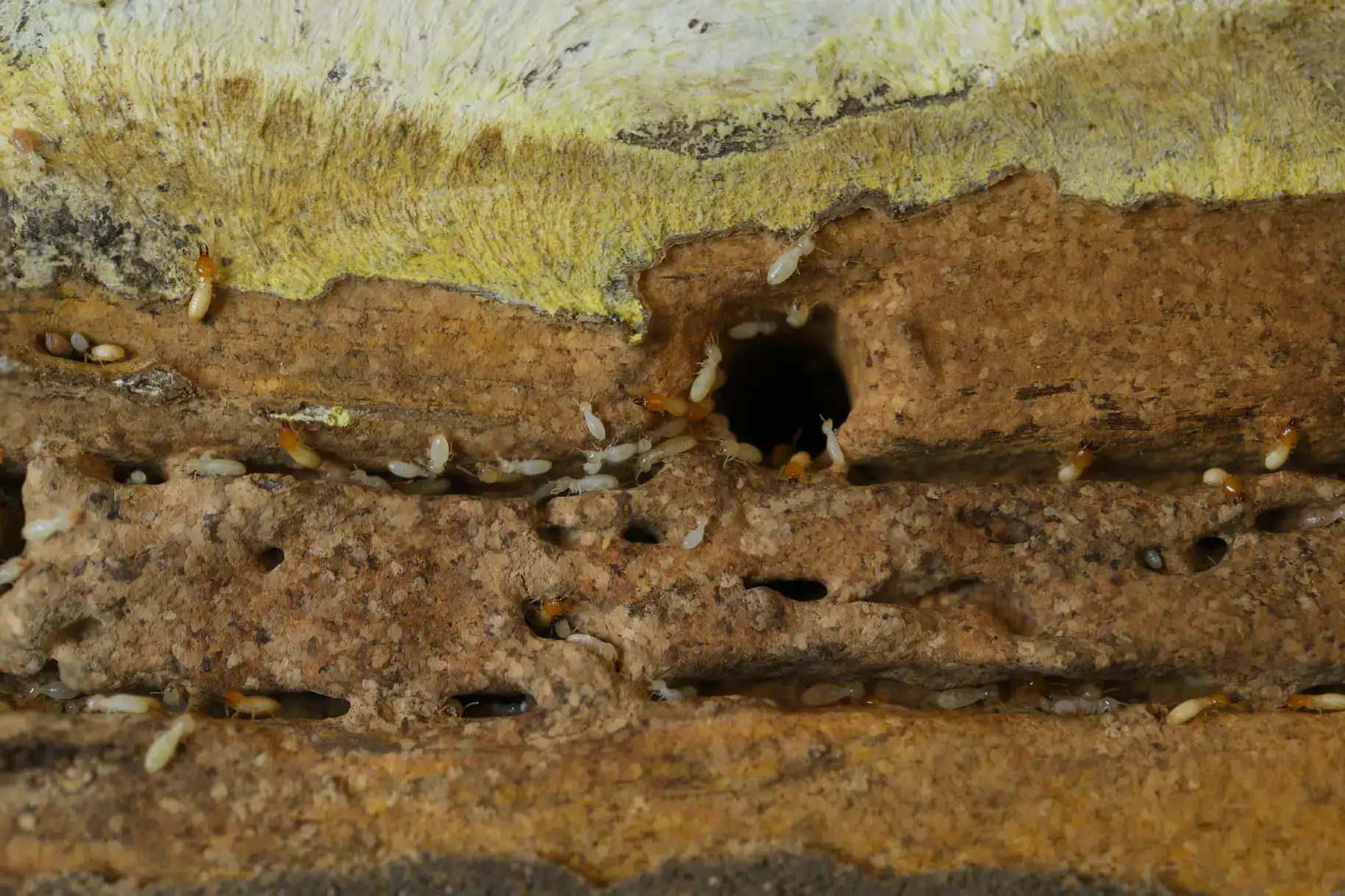
During the inspection, our technician examines the areas where subterranean termites are most likely to establish activity: basement structures, subfloor framing, foundation contact points, and any areas with moisture damage or aging wood. In Lower East Side buildings many of which were built between 1870 and 1930 these conditions are common. The inspection also identifies mud tubes, swarm evidence, and any existing structural damage that needs to be documented.
After the inspection, you get a straight answer: what was found, what treatment we recommend, and what it will cost. If a WDO report is needed for a real estate transaction, we prepare that with the documentation lenders and co-op boards require. Treatment options include liquid application, termite baiting systems, or a combination of both depending on the scope and structure. We explain the reasoning behind every recommendation no pressure, no inflated scope.
Ready to get started?
Treating a Lower East Side tenement for termites is not the same as treating a single-family home in the suburbs. The buildings here are shared structures multiple units, common basements, party walls, and in many cases, wood framing that hasn’t been touched since the building went up over a hundred years ago. A treatment plan that doesn’t account for that reality isn’t a real treatment plan.
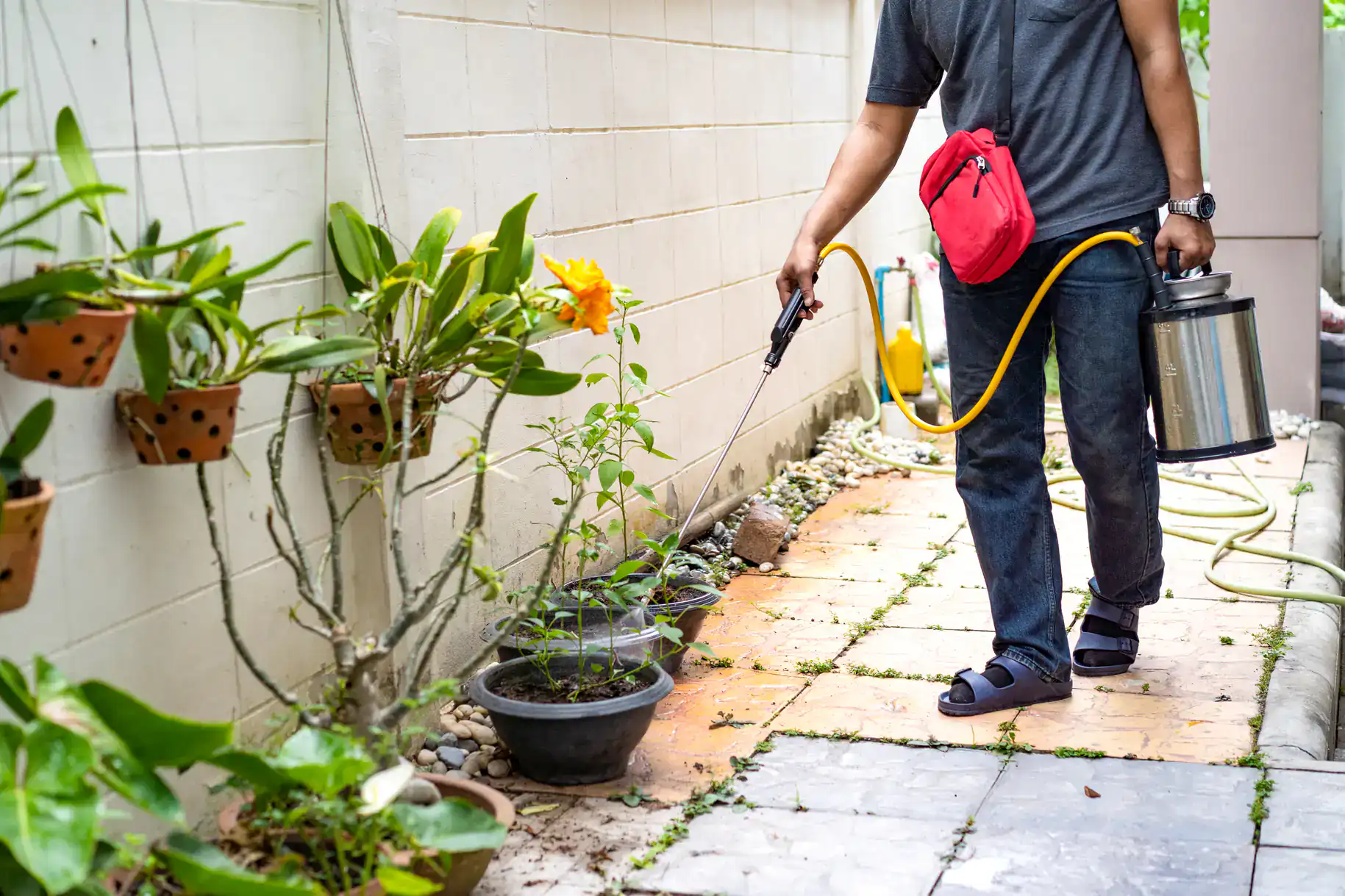
Our termite services for Lower East Side properties include thorough termite inspections, liquid soil treatment, termite baiting system installation, and full Wood Destroying Organism (WDO) reports for real estate transactions. For building owners managing rent-stabilized walk-ups on Clinton or Grand Street, or property managers overseeing larger residential buildings in the Two Bridges area, we also handle NYC Department of Health pest citation resolution one of the few companies in the city that explicitly offers this, and a direct advantage when a violation has a deadline attached to it.
Every material we use is registered with the New York State Department of Environmental Conservation, which also aligns with NYC Local Law 55’s integrated pest management requirements something building owners in Community District 3 managing residential properties need to be aware of. Treatment is targeted, documented, and designed to address the full scope of the problem, not just the unit where the swarmers appeared.
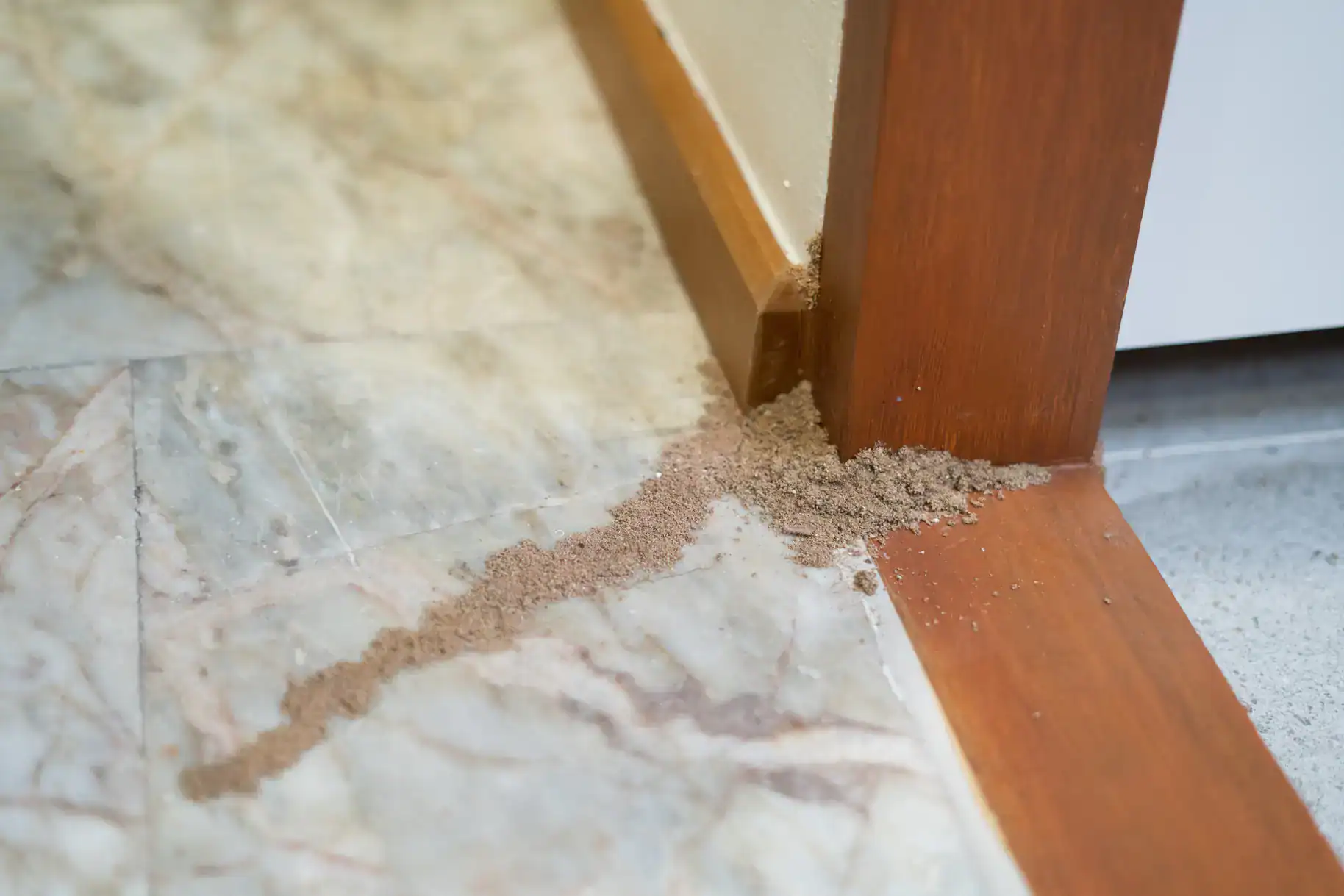
Yes, and this is one of the most common misunderstandings in multi-unit buildings. Subterranean termites don’t live in the apartment they live in the soil beneath the building and travel upward through mud tubes, foundation gaps, and structural wood that connects one part of the building to another. In a Lower East Side tenement, where the subfloor, basement, and wall framing are all shared structural elements, a colony feeding in one unit’s floor joists can easily be drawing from the same network that runs through adjacent units.
This is why individual unit treatments often aren’t enough. A building-level assessment is almost always necessary to understand the full scope of the infestation and develop a treatment plan that actually works. If you’re a tenant who discovered swarmers in your Lower East Side apartment, the building owner or property manager needs to be involved and a licensed pest control company should assess the entire structure, not just the apartment where activity was first noticed.
For a standard subterranean termite treatment in Manhattan, you’re generally looking at a range of $1,500 to $5,000 or more depending on the size of the building, the severity of the infestation, and the treatment method used. Liquid soil treatments and baiting system installations are priced differently, and multi-unit buildings typically cost more than single-unit properties because of the scope of work involved.
What matters more than the treatment cost, though, is the cost of doing nothing. The average homeowner repair bill for termite structural damage runs around $3,000 and that’s just the average. In a pre-war Lower East Side building where floor joists and subfloor framing are original wood, structural repairs can reach $10,000 or more. Termite damage is also specifically excluded from most homeowner insurance policies, so there’s no safety net. A professional inspection and treatment is almost always far less expensive than the alternative.
The most common sign people notice first is swarmers winged termites that emerge in the spring, typically between March and May in New York City, often after a warm rain. If you see what looks like a swarm of flying ants near a window, a wall, or coming up from a floor, that’s a strong indicator of a subterranean termite colony somewhere in the building’s structure.
Other signs include mud tubes narrow, pencil-width tunnels made of soil and debris along basement walls, foundation edges, or the exterior of floor joists. You might also notice wood that sounds hollow when tapped, floors that feel soft or slightly springy underfoot, or paint that bubbles or peels in a way that doesn’t match moisture patterns. In Lower East Side tenements with aging plumbing and chronic moisture in wall cavities, these signs can be easy to attribute to other causes which is exactly why a professional inspection is the only way to know for certain what you’re dealing with.
In New York City, building owners and landlords are legally responsible for maintaining their properties free of pest infestations, including termites. This falls under the NYC Housing Maintenance Code, which requires owners of residential buildings to keep the premises in a pest-free condition. If you’re a tenant in a rent-stabilized walk-up or a larger residential building in the Lower East Side and you’ve found evidence of termites, you should notify your landlord or building management in writing and document what you’ve observed.
If the building owner fails to act, tenants have the right to file a complaint with the NYC Department of Housing Preservation and Development (HPD), which can result in a violation and a deadline for remediation. For building owners, ignoring a termite problem doesn’t just risk structural damage it creates legal exposure. We work directly with building owners and property managers to document, treat, and resolve termite issues in a way that satisfies both practical and regulatory requirements.
It’s not always legally required, but it is strongly recommended especially in the Lower East Side, where a significant portion of the housing stock consists of converted pre-war tenement buildings. These are structures with original wood framing, shared subfloors, and basement conditions that have been in place for over a century. A standard home inspection may not catch an active termite infestation if the inspector isn’t specifically looking for Wood Destroying Organism evidence.
A WDO (Wood Destroying Organism) inspection goes deeper. It documents evidence of termites, carpenter ants, powder post beetles, and other wood-destroying insects and the resulting report is something many lenders and co-op boards now request as part of the purchase process. With median purchase prices in the Lower East Side ranging from $965,000 to over a million dollars, getting a WDO report before closing is one of the more straightforward ways to protect yourself from inheriting a problem the previous owner may not have known about or may have known about and didn’t disclose.
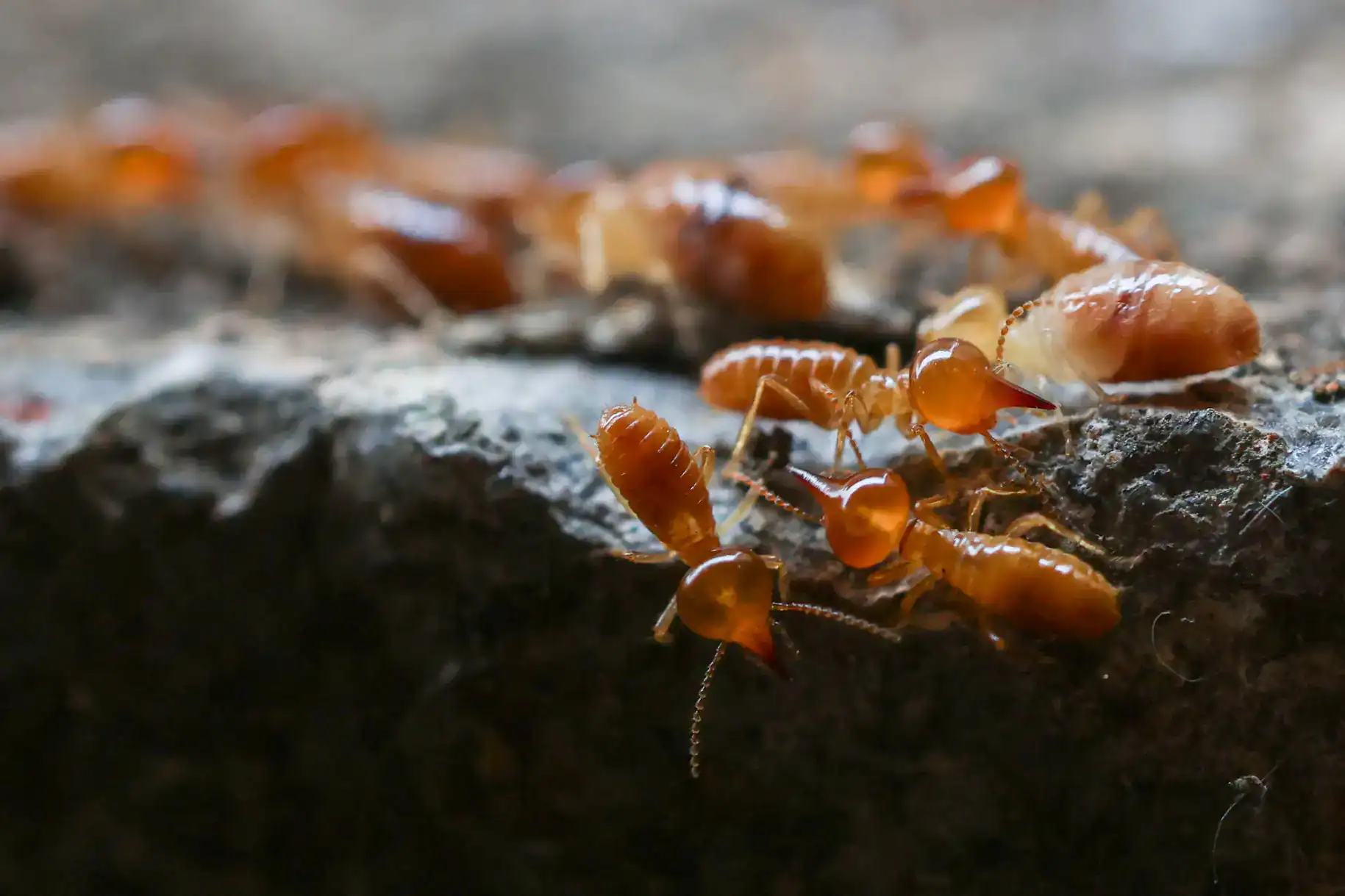
Termites are more common in Manhattan than most people assume and the Lower East Side is one of the higher-risk areas in the borough. The Eastern Subterranean Termite, which is the dominant species throughout New York City, nests underground and travels upward through soil to reach wood sources. Manhattan’s dense network of aging underground utilities creates persistent soil moisture, and the proximity of the Lower East Side to the East River means the water table in this part of the island is relatively high both conditions that subterranean termites thrive in.
The Lower East Side’s building stock compounds the risk. Tenement buildings constructed between the 1870s and 1930s have wood structural elements that in many cases have never been treated or inspected for termite activity. Renovations which are constant in a gentrifying neighborhood frequently uncover termite damage that had been hidden behind walls and under floors for years. If your building is old and you’ve never had a termite inspection, that’s the most useful thing to know.
Useful Links
Other Services we provide in Lower East Side