Hear from Our Customers

You stop waking up anxious. You stop checking the baseboards before you turn the lights on. You stop wondering if the problem in 4B is about to become your problem too. That’s what real pest control in the Lower East Side looks like when it’s done right not a spray-and-hope visit, but a treatment that accounts for how these buildings actually work.
The Lower East Side housing stock is old. Most of it was built in the early 1900s to pack as many people as possible into as little space as possible, and those same plumbing voids, shared wall cavities, and aging foundations are still there. Cockroaches travel through them. Mice use them as highways. A treatment that only addresses what’s visible inside your apartment is going to fail and you probably already know that because you’ve seen it happen. What works here is understanding the building as a system, not just treating the unit.
The city itself flagged the Lower East Side as one of only three neighborhoods in all of New York City for intensive rat mitigation not because the problem was average, but because it wasn’t. Rodents here run about 20% higher than the city average. Cockroaches affect roughly one in three dwellings in this area. Those numbers aren’t meant to alarm you. They’re meant to explain why what works in a suburban house doesn’t work here, and why the company you call needs to know the difference.
Kingsway Exterminating Company has been operating in New York City since 1971 which means we’ve been treating the kind of buildings that define the Lower East Side longer than most of our competitors have existed. Pre-war walk-ups along Orchard and Ludlow, tenement stacks between Essex and Allen, NYCHA-adjacent properties in Two Bridges, new conversions on the waterfront we’ve worked in all of it, across all five boroughs, for over five decades.
We’re a family-owned business based in Brooklyn, which puts us right across the Williamsburg Bridge from the Lower East Side. That proximity isn’t just convenient it means we’re not a national franchise sending out a technician who’s never dealt with a six-story tenement on Ludlow Street or a basement unit a block from the Essex Market. We know what we’re walking into before we get there.
Our license is issued by the New York State DEC. Our bed bug specialists are certified. And our approach is built on Integrated Pest Management meaning we use the least-toxic, most-targeted treatment for each situation, which matters when you’re in a 500-square-foot apartment with a kid on the floor and a dog in the corner.
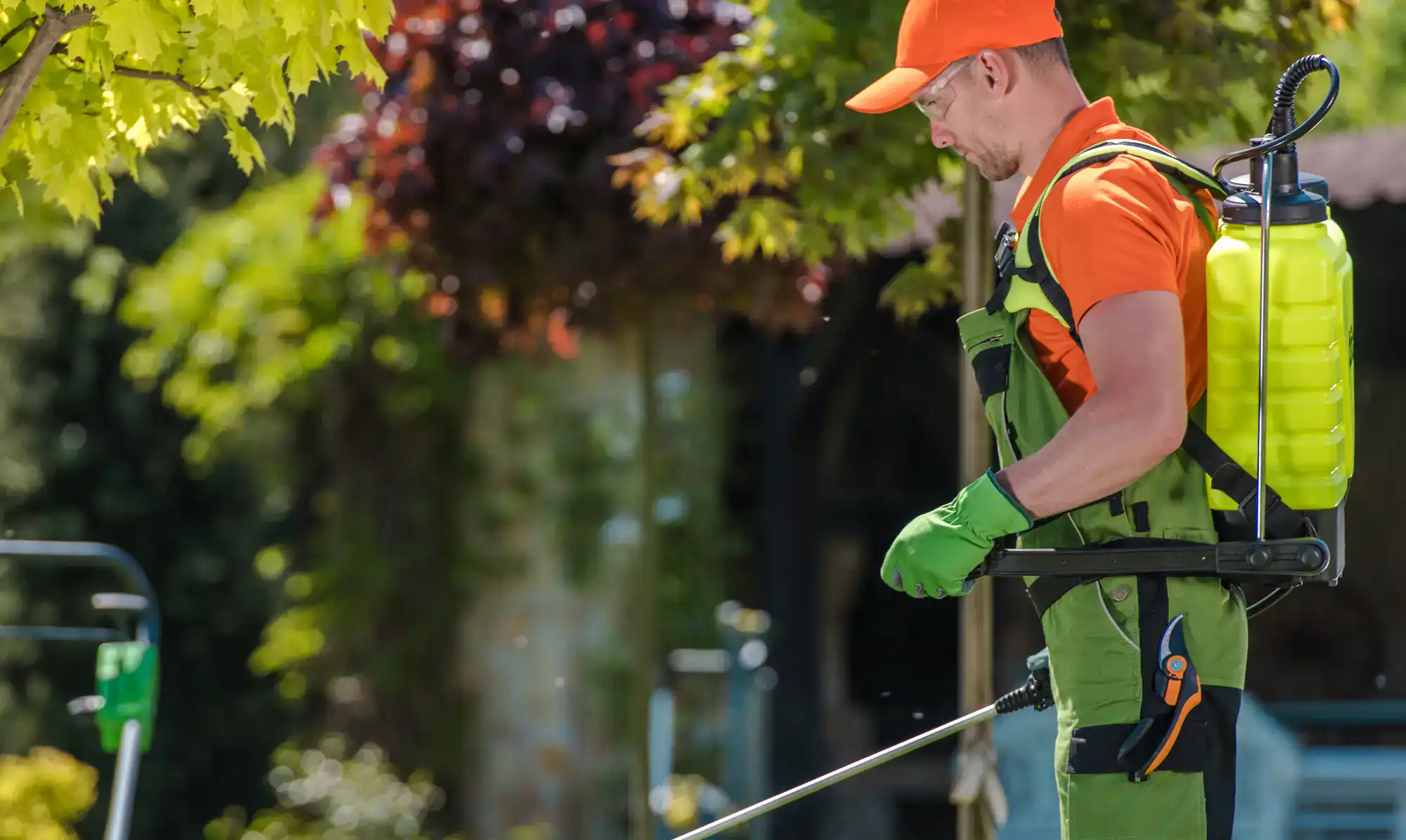
It starts with a free inspection. Not a sales call an actual assessment of what’s happening in your space and, more importantly, where it’s coming from. In a Lower East Side building, what you can see is almost never the full picture. A single mouse in your bedroom could mean a nest in the basement two floors down. A cockroach in the kitchen cabinet is likely part of a colony living in the plumbing void behind your stove. We look at the whole picture before we recommend anything.
Once we understand what you’re dealing with, we put together a treatment plan that fits the actual problem not a one-size-fits-all package. For cockroaches in a shared-wall building, that means targeted baiting and insect growth regulators applied in the specific voids and harborage points where they live. For rodents, it means exclusion work alongside baiting sealing the entry points so the problem doesn’t just reset after treatment. For bed bugs, it means a full inspection of the unit, clear preparation instructions for you, and a treatment protocol that accounts for the fact that bed bugs in a multi-unit building can migrate through shared wall systems before you even notice them.
After treatment, we don’t disappear. We tell you what to expect, when to expect it, and what to watch for. If a follow-up is needed, we’re back. New York City’s Housing Maintenance Code requires landlords to keep rental units free of pests and if you’re a renter navigating that process, we can work with both you and your building management to make sure the treatment is documented and done properly.
Ready to get started?
We cover the full range of pest problems that Lower East Side residents and building owners actually face: cockroaches, rodents, bed bugs, termites, ants, wasps, fleas, and wildlife. That matters here because the Lower East Side doesn’t give you just one pest problem it gives you a building environment where multiple pressures exist at the same time, often feeding off each other.
For residential accounts, we treat apartments, multi-unit buildings, co-ops, and condos throughout the neighborhood from the older walk-ups along Orchard and Rivington to the newer developments in Two Bridges near the waterfront. For commercial accounts, we work with restaurants, retail spaces, and food service operations that line the blocks between Delancey and Houston, where food waste and late-night activity create persistent cockroach and rodent pressure that can migrate directly into adjacent residential buildings.
We also provide Wood-Destroying Insect (WDI) inspection reports for real estate transactions a service that’s in consistent demand in the Lower East Side given the neighborhood’s active market for pre-war co-ops, converted condos, and mixed-use properties. Only a licensed pest control professional can issue these reports in New York State, and they’re required by most lenders as part of the mortgage process. If you’re buying, selling, or refinancing a property in the Lower East Side and need a WDI inspection on a real estate timeline, we can make that happen.

The short answer is that treating one apartment in a tenement building doesn’t fix the problem it just moves it temporarily. Cockroaches in pre-war Lower East Side buildings live in the plumbing voids, wall cavities, and utility chases that connect units throughout the building. When you treat one apartment, they retreat into those shared spaces and return when conditions settle. Over-the-counter sprays make this worse by pushing them deeper into the structure without eliminating the colony.
What actually works is treating the harborage points the specific voids and gaps where cockroaches live and breed using targeted baiting and insect growth regulators that interrupt the breeding cycle. In a multi-unit building, that also means coordinating with building management where possible, because a building-wide approach will always outperform a single-unit treatment. If your landlord isn’t acting, New York City’s Housing Maintenance Code gives you the right to file a complaint with HPD through 311 and compel them to address it. We can document our treatment in a way that supports that process if needed.
Bed bug bites alone aren’t a reliable diagnostic they look a lot like mosquito bites, flea bites, or even a skin reaction to something else entirely. What you want to look for is physical evidence in the bed itself: small rust-colored stains on the mattress seams or box spring, tiny dark specks of excrement along the piping or in the folds of the fabric, or shed skins that look like translucent shells about the size of a sesame seed. Live bugs are small roughly the size of an apple seed flat, oval, and reddish-brown.
In the Lower East Side specifically, bed bug risk is elevated by a combination of factors: dense multi-unit buildings where bugs can migrate between apartments through shared wall systems, a high volume of short-term rentals in the neighborhood, and constant foot traffic from visitors and tourists who may unknowingly carry them. If you’ve recently had guests, bought used furniture, or had any work done in your apartment, those are all potential introduction points worth considering. A professional inspection is the only way to confirm it and ours is free, so there’s no reason to wait and wonder.
This is one of the most common concerns we hear from residents in the Lower East Side, and it’s a completely reasonable one. A 500-square-foot tenement apartment is a very different treatment environment from a suburban house with good ventilation and plenty of space to keep kids and pets away from treated areas. The answer depends entirely on what’s being used and how it’s being applied.
Our approach is built on Integrated Pest Management, which means we use the least-toxic effective treatment for each situation targeted baiting gels applied in cracks and voids rather than broadcast sprays wherever possible, and EPA-registered materials throughout. Before any treatment, we’ll walk you through exactly what’s being used, where it’s going, and how long you should stay out of the space before re-entry. For households with young children, elderly residents, or pets, we factor that into the treatment approach from the start not as an afterthought. If you have specific concerns about a product or application method, ask us directly. We’d rather spend five minutes explaining it than have you anxious about it afterward.
Under New York City’s Housing Maintenance Code, your landlord is legally required to maintain your rental unit free of pests. A pest infestation whether it’s cockroaches, rodents, or bed bugs is a housing code violation, and you have the right to file a complaint with the NYC Department of Housing Preservation and Development through 311. Once a complaint is filed, HPD can inspect the building and issue violations that carry fines and, if ignored, can result in Housing Court proceedings against the landlord.
For bed bugs specifically, NYC law also requires landlords to disclose bed bug infestation history to prospective tenants before signing a lease, and building owners must file annual bed bug reports with HPD. If your building is in the Lower East Side and has had prior bed bug activity, that history should be on record. If you’re in a NYCHA building in the Two Bridges area or elsewhere in the neighborhood, the process is slightly different NYCHA has its own pest control program, but residents who aren’t getting timely responses can also file complaints through the NYCHA app or by calling their management office directly. Regardless of who’s responsible for the building, we can document our inspection and treatment in a way that supports your complaint if you need it.
We’re available 24 hours a day, and for most situations in the Lower East Side, we can schedule within 24 hours. We understand that in a dense multi-unit building, a pest problem isn’t something you want to sit on bed bugs spread to neighboring apartments, a mouse that’s found a warm spot in your wall in October is going to have company by December, and cockroach populations in a shared-wall building don’t wait for a convenient appointment window.
We’re based in Brooklyn, which puts us directly across the Williamsburg Bridge from the Lower East Side. We’re not routing a technician from a distant dispatch center we’re a short trip away, and we treat the Lower East Side as part of our regular service area, not an occasional outlier. If you’re dealing with something that feels urgent, call us directly rather than submitting a form and waiting. We’d rather talk to you in real time, understand what’s happening, and get someone there as fast as possible than have you spend another night dealing with something that has a solution.
Most mortgage lenders require a Wood-Destroying Insect inspection report commonly called a WDI report or termite letter before they’ll finalize a loan on a residential property. In New York State, only a licensed pest control professional can issue this document, and it needs to reflect a current inspection of the property, not a general assessment. If you’re buying or selling a pre-war co-op, a converted condo, or a mixed-use building in the Lower East Side, this report is almost certainly part of your transaction checklist.
The Lower East Side’s older building stock particularly the tenement-era walk-ups along Orchard, Essex, and the surrounding blocks can have conditions that make WDI inspections more involved than a newer building. Aging wood framing, basement moisture, and decades of deferred maintenance can all create conditions that attract or support wood-destroying insects. Getting the inspection done early in the transaction timeline gives buyers, sellers, and their attorneys time to address any findings before they become a deal issue. We’re licensed to perform and issue WDI inspection reports in New York State, and we’re familiar with the building types and conditions common throughout the Lower East Side. If you’re working against a closing deadline, let us know we’ll make it work.
Useful Links
Other Services we provide in Lower East Side