
Hear from Our Customers
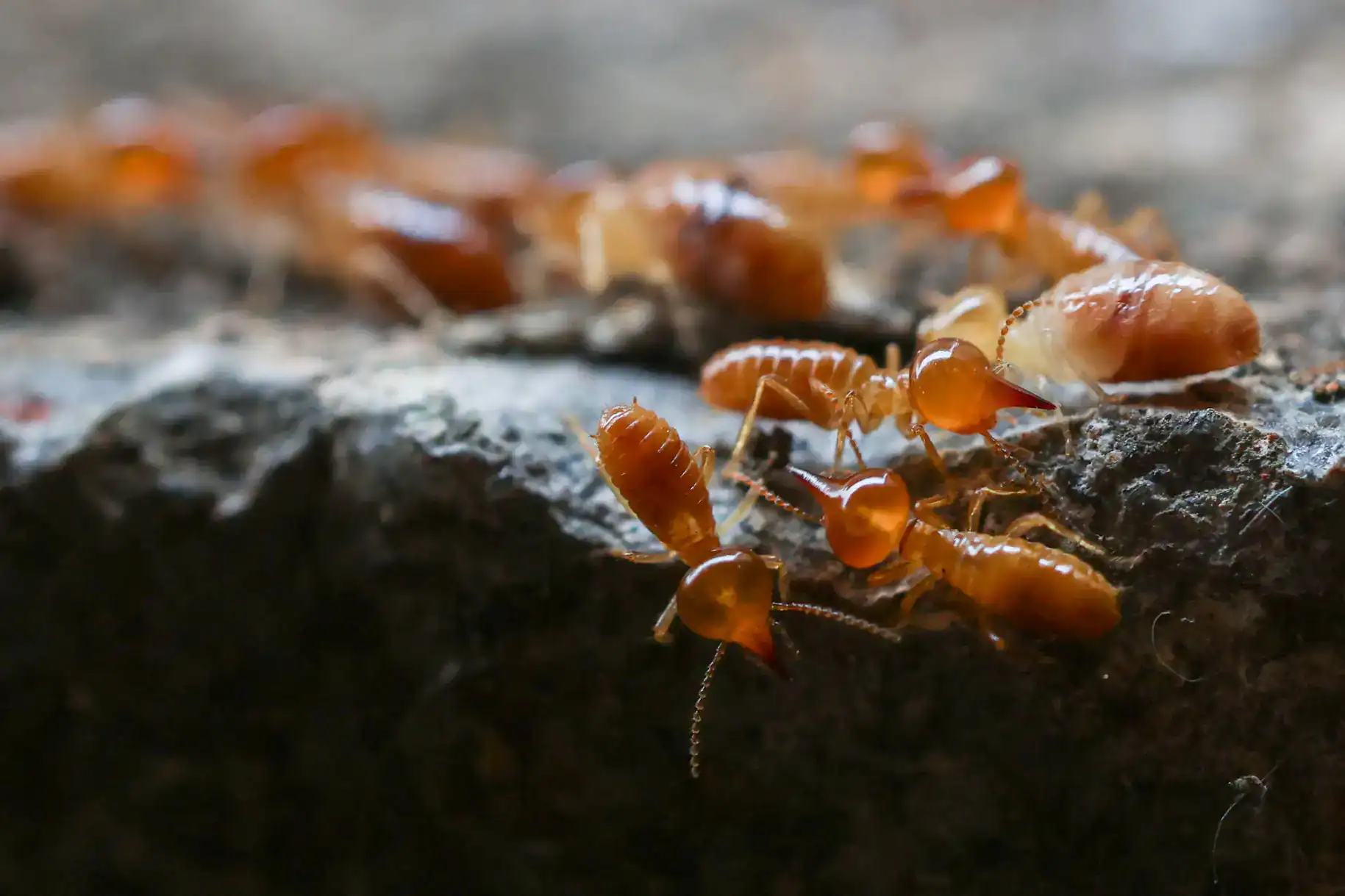
When you’re living in a converted loft on Wooster Street or Bond Street, the things termites threaten aren’t just structural they’re irreplaceable. Those wide-plank pine floors, the original timber beams running across the ceiling, the subfloor underneath it all that’s what a subterranean termite colony is quietly working through. And because Eastern Subterranean Termites feed 24 hours a day without breaking the surface, you won’t see the damage until it’s already significant.
In SoHo and NoHo, the financial stakes are unlike almost anywhere else in the city. Median condo prices here sit around $5.2 million. A confirmed termite damage history can reduce a property’s value by roughly 20% that’s a potential loss of $750,000 or more on a single unit. And termite damage isn’t covered by homeowner’s or co-op insurance, which means the entire cost lands on you. The case for professional termite control here isn’t about fear it’s about protecting an asset that took years to acquire.
There’s also the building itself to consider. SoHo and NoHo sit on historically low-lying ground reclaimed tidal marsh and farmland which means the soil beneath these buildings holds more moisture than most of Manhattan. Moisture is what draws subterranean termites in. Add in NYC’s aging underground infrastructure, the chronic dampness in basement-level mechanical rooms, and the shared foundation walls between attached loft buildings, and you have conditions that are genuinely favorable for termite activity. Getting ahead of it with a real inspection, not a guess is the only move that makes sense.
We were founded in 1971 by Richard Kourbage Sr. His sons, Richard Jr. and Charles, have been running the company since the late 1980s. That’s more than 50 years of continuous operation across all five boroughs and more than 100 years of combined staff experience behind every inspection and treatment we perform. When you call, you’re not reaching a national call center. You’re reaching a Brooklyn-based family operation that has worked in every type of New York City building, including the 19th-century cast-iron loft stock that defines SoHo and NoHo.
We hold BBB accreditation going back to 1989, and we apply only NYS DEC registered materials on every job. Our phones are answered 24 hours a day, seven days a week, and we guarantee an appointment within two business days with same-day inspections frequently available. For a co-op board member in a Greene Street building or a loft owner on Prince Street navigating a pre-sale WDO report, that kind of response time matters. We’ve been doing this long enough to know that when termites show up, waiting isn’t an option.
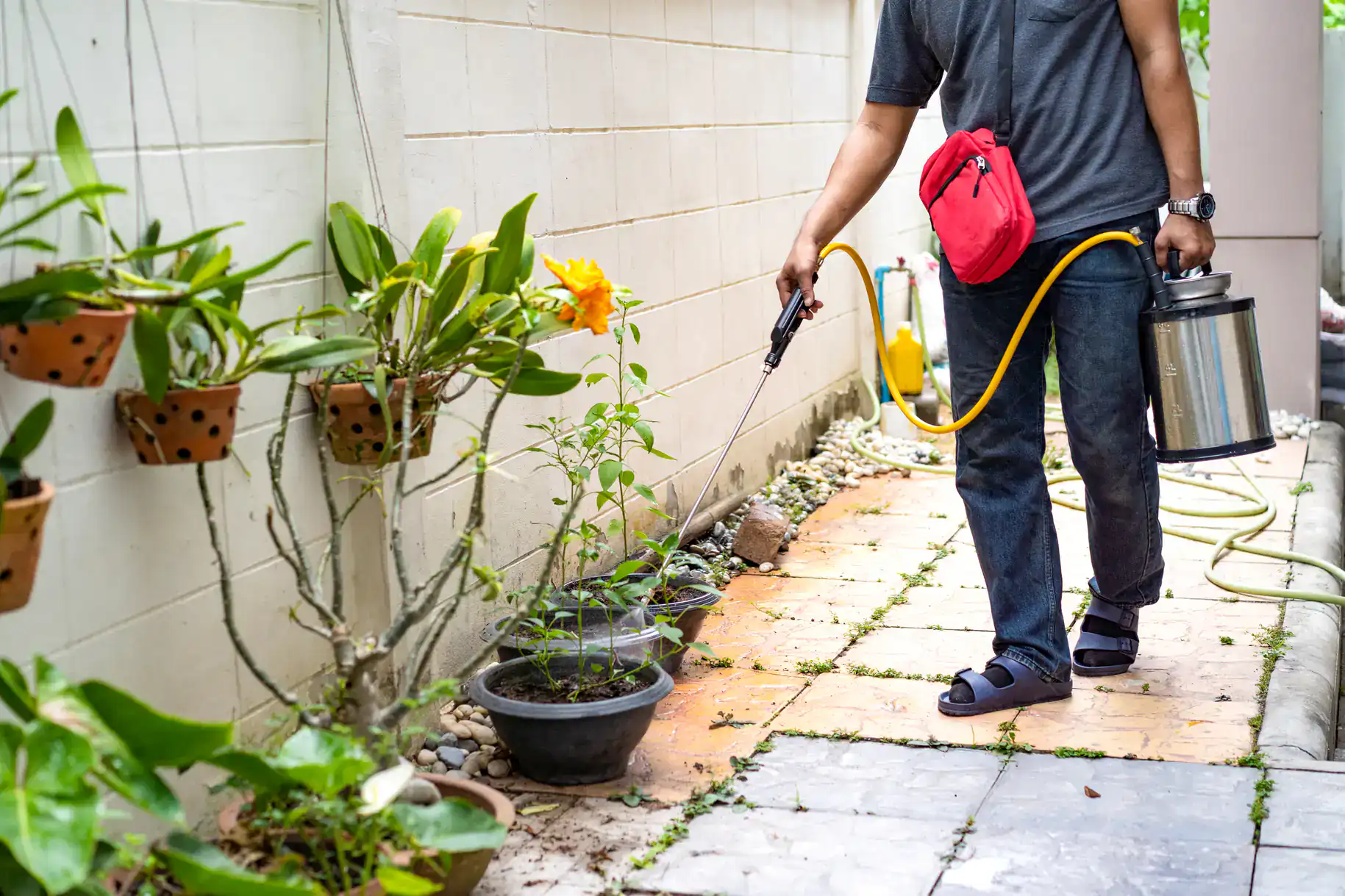
It starts with a thorough inspection. In SoHo and NoHo, that means paying close attention to the places where subterranean termites most commonly enter loft buildings: basement-level spaces, foundation walls, utility penetrations, and any area where wood meets soil or chronic moisture. These aren’t the same entry points you’d look for in a suburban house the building typology here is different, and the inspection has to reflect that. We assess the full perimeter of your structure, not just the obvious spots.
Once we know what we’re dealing with, we walk you through the options. Depending on the severity and location of the activity, that might mean a termite baiting system which targets the colony underground before it reaches your structure or a liquid barrier treatment that creates a continuous protective zone around the foundation. For localized infestations already inside structural timbers, direct wood treatment may be the right call. We explain the approach, the materials, and what the process looks like before anything starts. No surprises.
After treatment, you receive written documentation of everything what was found, what was applied, and what the follow-up plan looks like. If you’re in the middle of a real estate transaction and need a certified WDO inspection report for your co-op board, lender, or closing attorney, we provide that too. With the 2021 SoHo/NoHo Rezoning generating new residential conversions across the neighborhood, demand for that documentation is only growing and we’re set up to deliver it on your timeline.
Ready to get started?
Termite control in a SoHo or NoHo loft building isn’t the same as treating a detached house in the suburbs. The buildings here are 130 to 170 years old, organized as co-ops or condos, governed by the NYC Landmarks Preservation Commission in many cases, and structurally interconnected in ways that require a different approach. Our termite treatment services are built around that reality.
For subterranean termite control, we use baiting systems and liquid barrier treatments applied at the foundation level the point of entry for Eastern Subterranean Termites in Manhattan’s attached building stock. When treatment needs to interact with the exterior of a landmarked building, we work within the constraints the LPC sets, so you’re not trading a termite problem for a compliance problem. We also handle carpenter ants and wood-boring powder post beetles, which are common secondary concerns in the heavy timber construction found throughout SoHo and NoHo’s historic loft buildings.
Every material we use is registered by the New York State Department of Environmental Conservation. That’s not a marketing point it’s a legal standard we meet on every single job. If you’re a long-term loft resident on Wooster Street with a studio full of artwork and a cat, or a co-op board member responsible for a five-story building on Spring Street, you deserve to know exactly what’s going into your building and why. We’ll tell you before we start, every time.
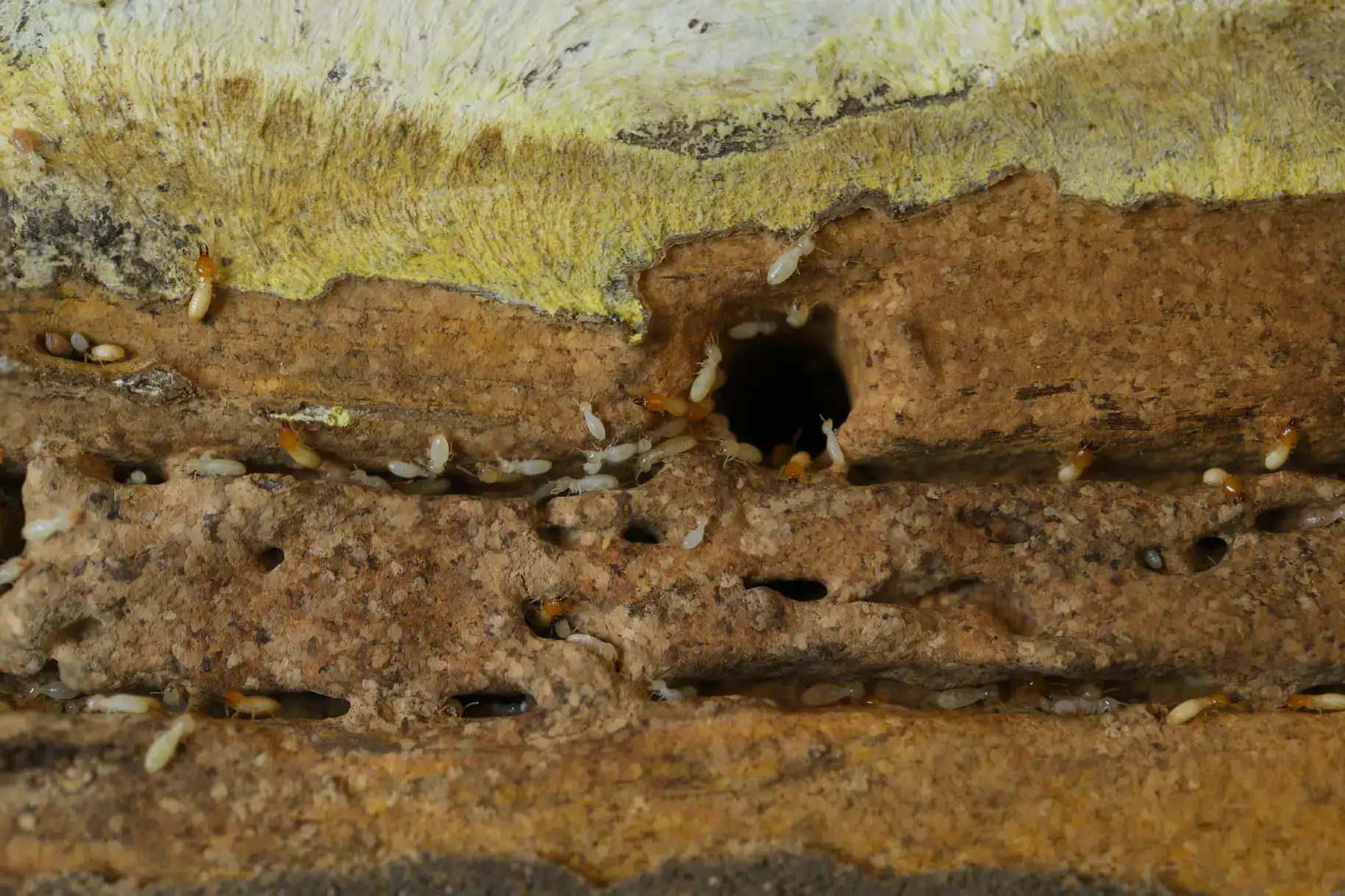
Yes and this is one of the most common misconceptions we run into in SoHo and NoHo. The cast-iron facades on these buildings are metal, so they’re not a termite target. But the structural interior is a different story. Nearly every cast-iron loft building constructed in the 19th century was built with heavy timber framing massive wood beams, wood joists, wood subfloors, and wood-framed interior partitions. That’s the material Eastern Subterranean Termites are after, and it’s present throughout these buildings from the basement level up.
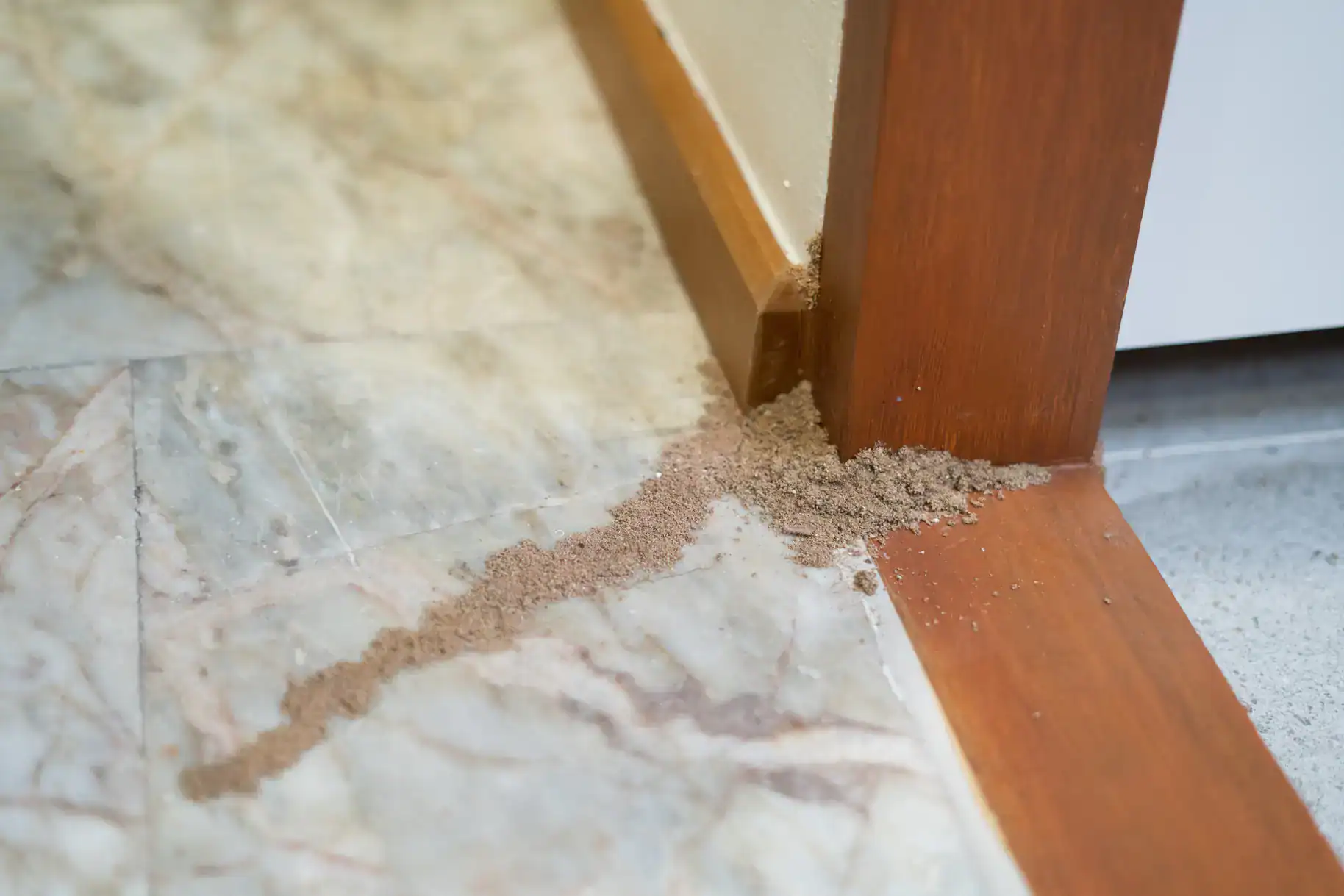
Because old-growth timber is denser than modern lumber, an infestation can sometimes progress further before it becomes visible. The wood holds up longer on the surface while the damage works inward. That’s actually a reason to be more vigilant in a historic loft, not less by the time you notice hollow-sounding floors or sticking doors, the colony may have been active for a while. A professional termite inspection is the only reliable way to know what’s happening inside those walls.
Subterranean termites nest underground and travel up through the soil to reach wood. In a SoHo or NoHo loft building, the most common entry points are foundation cracks, gaps around utility penetrations plumbing, conduit, steam pipes and any area where wood is in direct or near-direct contact with soil or a moisture source. They need only about 1/32 of an inch to get through, which means even a well-maintained building can be vulnerable if there’s a gap at the foundation level that hasn’t been addressed.
The neighborhood sits on historically marshy, low-lying ground, and NYC’s aging underground infrastructure water mains, sewer lines, steam pipes creates chronic moisture in the soil beneath these buildings year-round. Moisture is the primary environmental driver of subterranean termite activity. Basement-level spaces in loft buildings, many of which were originally used for storage or loading and now serve as mechanical rooms or residential storage, are among the highest-risk entry zones we inspect.
Potentially, yes. This is one of the more serious aspects of termite risk in attached loft buildings, and it’s worth understanding clearly. Eastern Subterranean Termite colonies live underground and extend their foraging tunnels outward in search of wood. In SoHo and NoHo, where buildings share foundation walls and party walls along every block on Greene Street, Mercer Street, Spring Street, and elsewhere a colony that enters one building can travel laterally to adjacent structures without any visible sign at the surface.
This doesn’t mean an infestation next door guarantees one in your unit. But it does mean that if you’re aware of termite activity in a neighboring building, getting your own building inspected is a reasonable and prudent step. A professional inspection will assess your foundation perimeter, basement-level spaces, and shared wall areas to determine whether there’s any evidence of tunneling activity or active infestation. Catching it early before the colony establishes itself in your structural timbers is always the better outcome.
It depends on the transaction, but in practice, Wood Destroying Organism inspections come up frequently in SoHo and NoHo real estate deals and for good reason. Lenders financing high-value transactions often require a WDO report as part of due diligence. Co-op boards may request documentation as part of the approval process. And buyers’ attorneys, especially on transactions in the $3–5 million range that are common in these neighborhoods, routinely ask for termite clearance as a condition of closing.
Even when it’s not formally required, a certified WDO inspection report gives buyers confidence and removes a potential negotiating variable from the table. If termite activity is found during a buyer’s own inspection and you don’t have documentation showing the building has been assessed and treated, it creates uncertainty and in a high-value transaction, uncertainty costs money. Getting a WDO report done proactively, before you list, is a straightforward way to protect your asking price and keep the deal on track.
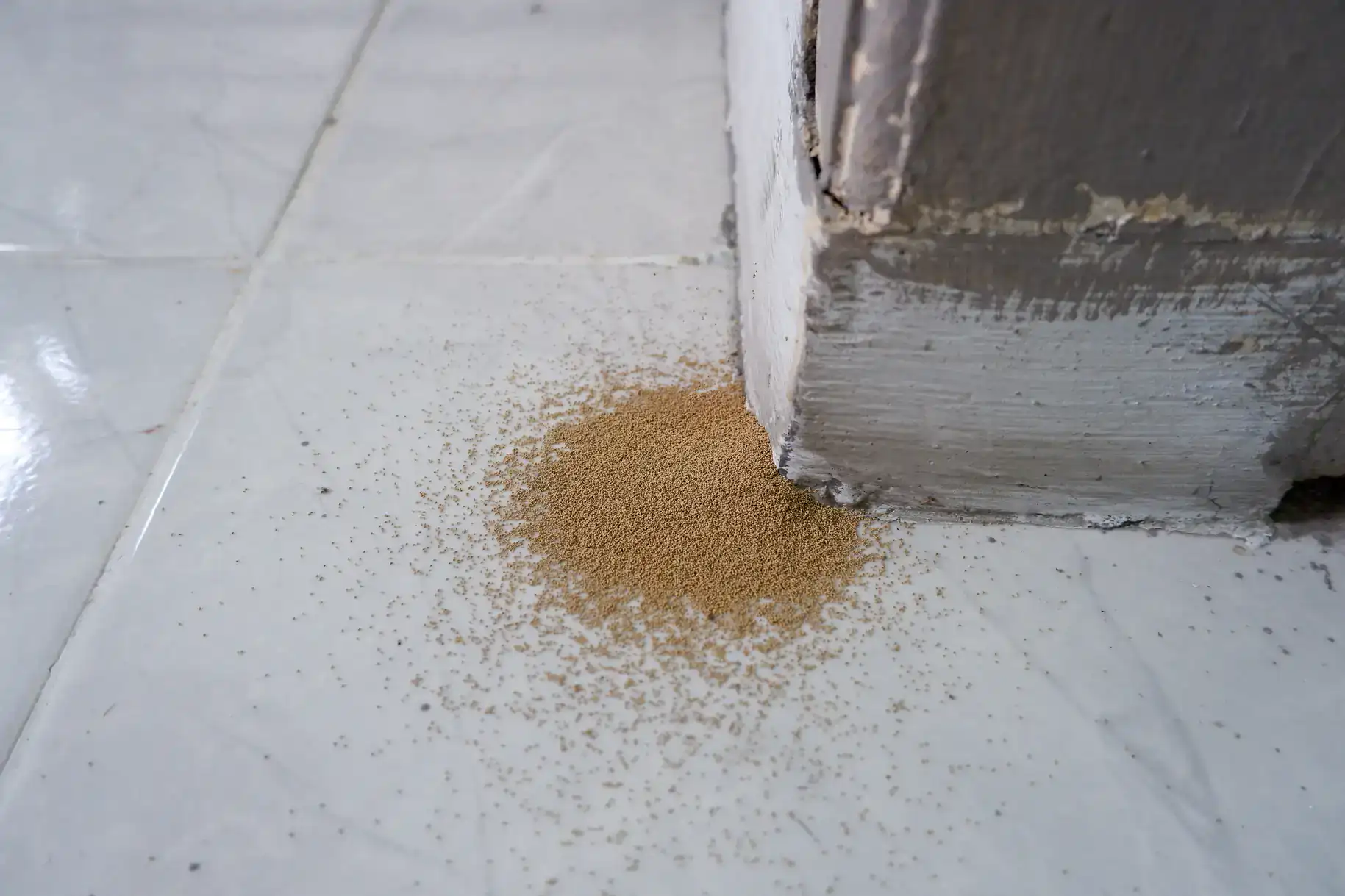
The Eastern Subterranean Termite swarms in New York City during warm spring days following rain typically March through May. In SoHo and NoHo, where ground-floor lofts and large windows are common, winged termite swarmers (called alates) are often the first visible sign residents notice. If you see what look like flying ants emerging from a floor seam, a wall crack, or a window frame during a warm spring day, that’s a swarm event, and it warrants an immediate inspection.
That said, termite activity doesn’t stop when swarm season ends. Colonies feed continuously throughout the year, and the conditions in SoHo and NoHo elevated subsurface moisture, old-growth timber, and the urban heat island effect keep things active well beyond spring. The other major trigger for discovery in this neighborhood is renovation. Opening up walls and floors in a 19th-century loft building is one of the most common ways long-hidden termite damage comes to light. If you’re planning any construction work in your building, scheduling a termite inspection beforehand is a smart step that can prevent a costly mid-project surprise.
This is one of the first questions we hear from loft residents, and it’s a fair one especially in live-work spaces where people spend most of their day. The short answer is yes, when it’s done correctly with the right materials. We apply only materials registered by the New York State Department of Environmental Conservation, which means every product has been evaluated for safety and approved for residential and commercial use in New York State. That’s not a marketing point it’s a regulatory requirement we meet on every job.
Before any treatment begins, we’ll tell you exactly what’s being applied, where, and what you should expect during and after the process. For most termite treatments in a residential loft setting, there’s no requirement to vacate for an extended period, though we’ll give you specific guidance based on the treatment type and your building’s layout. If you have pets, young children, or specific health concerns, tell us upfront we factor that into the approach. The goal is effective termite control that fits how you actually live, not a one-size-fits-all process that ignores the reality of your space.
Useful Links
Other Services we provide in Soho / Noho