Hear from Our Customers
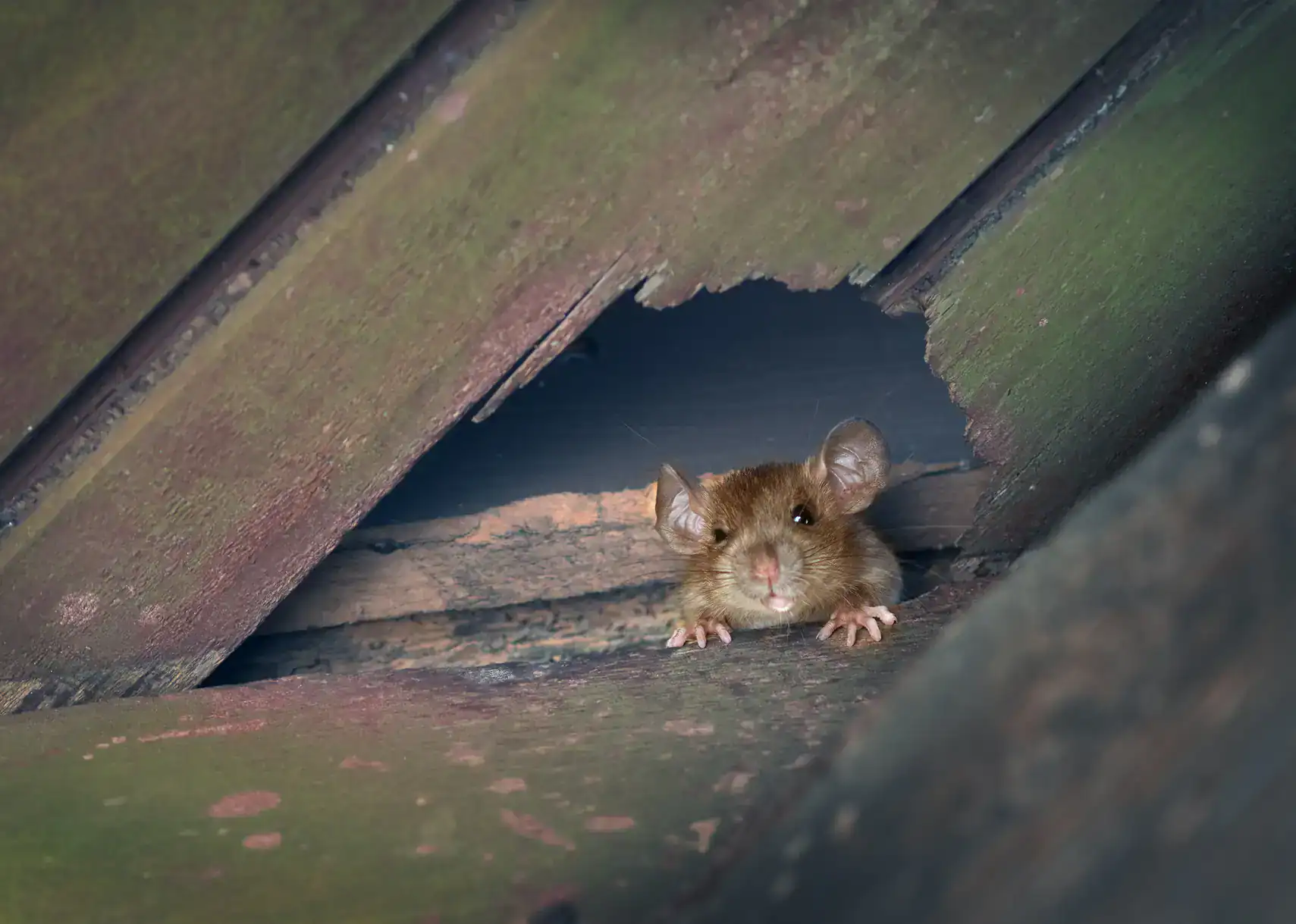
Most rodent treatments fail for one simple reason the technician treated the symptom and left the door open. In SoHo and NoHo, that door might be a gap around a century-old pipe chase, a void in a cast-iron facade, or a freight elevator shaft that connects every floor from the sub-basement to the roof. When those access points go unfound, you’re not solving the problem. You’re just resetting it.
After a proper rodent control service in these buildings, the difference isn’t just that you stop seeing mice or hearing scratching in the walls at night. It’s that you understand what was actually happening where they were entering, where they were nesting, and why your building was attractive to them in the first place. That kind of clarity matters, especially in a loft building where one unit’s problem can travel through shared infrastructure into the next.
The other thing that changes is your exposure. Under NYC Health Code Section 151.02, building owners in Manhattan are legally required to maintain their properties free of rats and mice. The NYC Department of Health runs a proactive rat indexing program here they don’t wait for a 311 complaint before inspecting. A documented, professional rodent control service creates the paper trail that protects you if an inspector shows up or a tenant files a complaint.
We were founded in 1971 by Richard Kourbage Sr. the same year the first SoHo artists were signing loft leases on Greene Street and Wooster Street. Our sons Richard Jr. and Charles joined the company in the late 1980s, and we’ve been operating across all five boroughs ever since. That’s not a marketing angle. That’s just what 50 years of showing up in New York City looks like.
We hold an A+ rating with the Better Business Bureau and have maintained BBB accreditation since 1989. We’re fully licensed, bonded, and insured, and we apply only NYS Department of Environmental Conservation registered materials which matters if you have kids, pets, or simply want to know what’s being used in your home. New York attorneys and real estate brokers refer clients to us regularly, which tells you something about the kind of work that gets done when a property transaction is on the line.
It starts with a phone consultation at no charge. Before anyone sets foot in your building, you’ll have a real conversation about what you’re seeing, when it started, and what the building looks like because a converted loft in the SoHo Cast Iron Historic District requires a different inspection approach than a standard apartment building. You’re not just dealing with wall voids. You’re dealing with original industrial utility chases, sub-basement spaces from the manufacturing era, and structural gaps that have been settling since the Grant administration.
Our on-site inspection covers the full picture: signs of active rodent activity, harborage areas, droppings and grease marks, and critically every structural vulnerability that’s allowing entry. In buildings within the SoHo or NoHo Historic Districts, exterior exclusion work may fall under Landmarks Preservation Commission guidelines, so our approach to sealing and blocking entry points takes that into account. Interior exclusion work sealing penetrations inside mechanical spaces, basements, and utility runs doesn’t require LPC review and is often where the most significant entry points are found anyway.
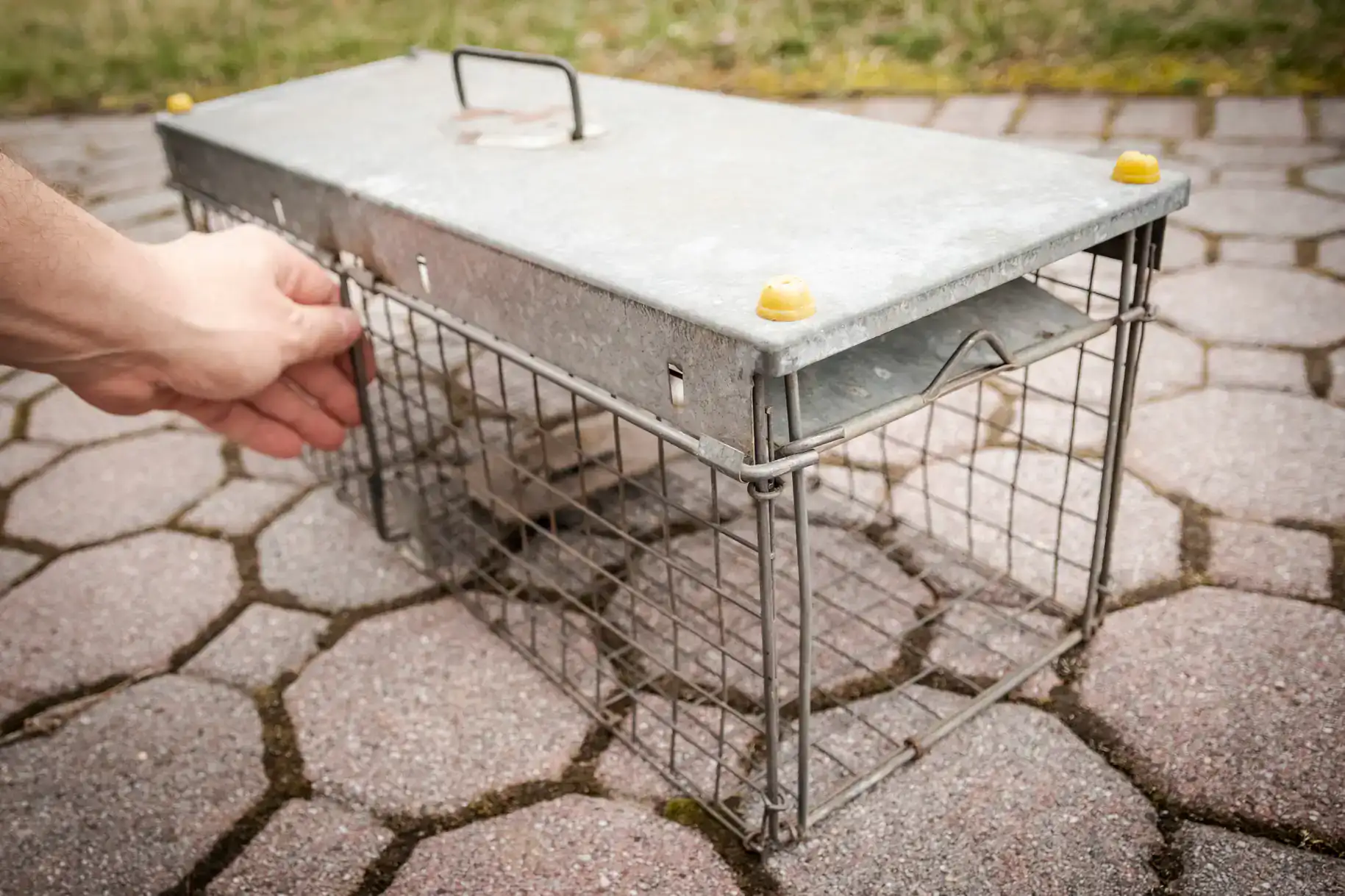
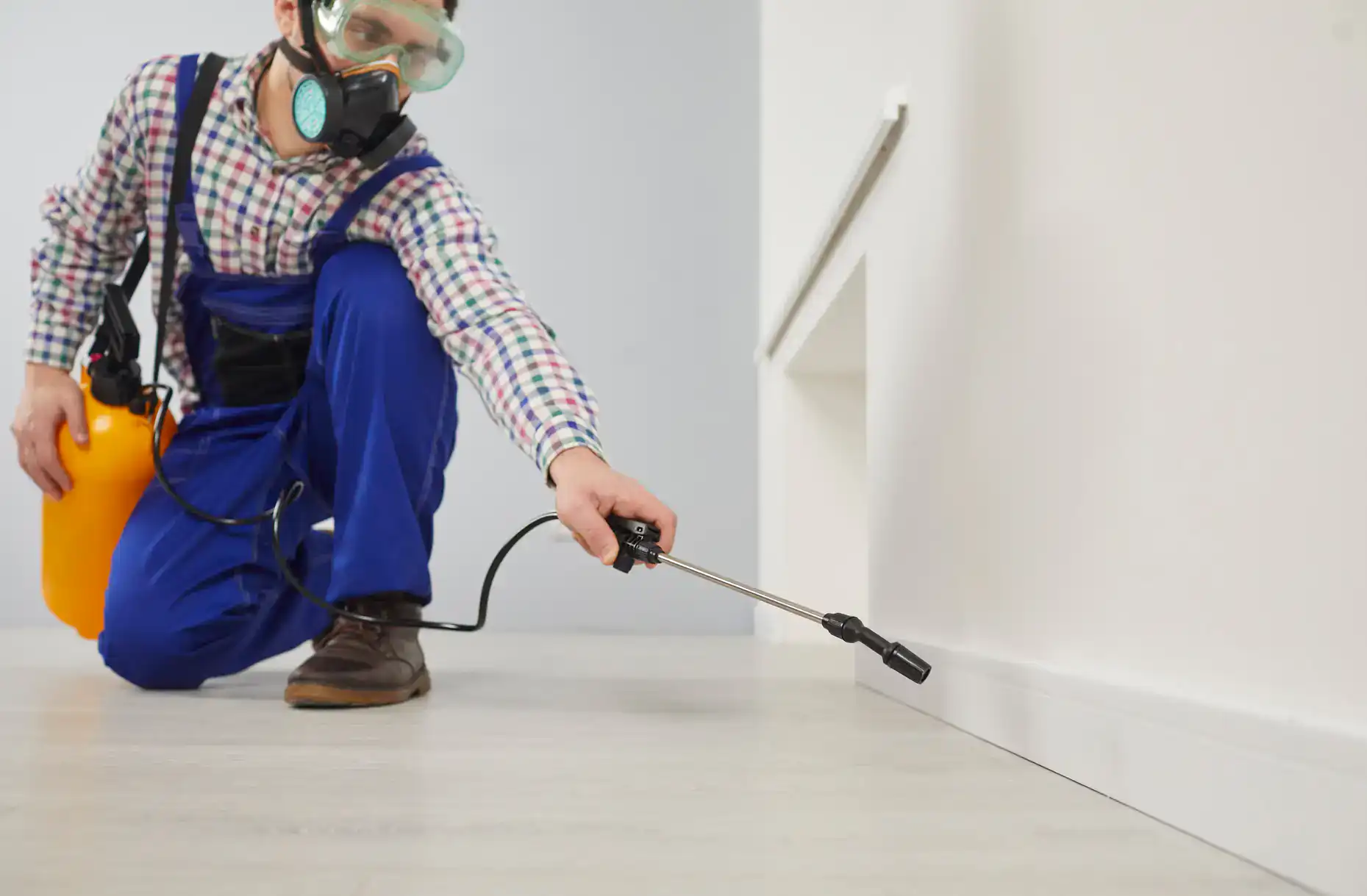
Treatment follows the inspection. Depending on what’s found, that may include bait stations, tamper-resistant traps, exclusion materials, and detailed recommendations for structural repairs. You receive a written service report documenting everything what was found, what was applied, and what’s recommended next. That documentation matters for NYC Health Code compliance and for your own records.
Ready to get started?
Rodent control in SoHo and NoHo isn’t a one-size situation. The building stock here most of it constructed between the 1850s and 1880s, with a median construction year of 1938 even accounting for newer structures presents conditions you simply don’t find in other neighborhoods. Freight elevator shafts. Original cast-iron facade voids. Industrial-era pipe penetrations that were never designed with pest exclusion in mind. A building that looks pristine on the interior can have a rodent highway running through its infrastructure that’s been there for decades.
Our rodent control services for SoHo and NoHo include a thorough inspection of the full building environment not just the unit where activity was reported. That means checking basement and sub-basement access points, utility penetrations, shared mechanical spaces, and the structural conditions along the building’s perimeter. All pesticide materials we use are registered with the NYS Department of Environmental Conservation, applied in a targeted manner that accounts for the presence of pets, children, and the general health-consciousness of residents in this neighborhood.
For property owners and building managers dealing with Health Department violations or HPD notices, we provide the service documentation needed to demonstrate compliance. We’re available 24 hours a day, seven days a week, and can typically schedule an appointment within 48 hours or same-day when the situation calls for it. If you’re managing a unit that’s been vacant for an extended period, which is not uncommon in a neighborhood with a 19% vacancy rate driven by second homes and investment properties, early intervention is always more straightforward than addressing a well-established infestation.
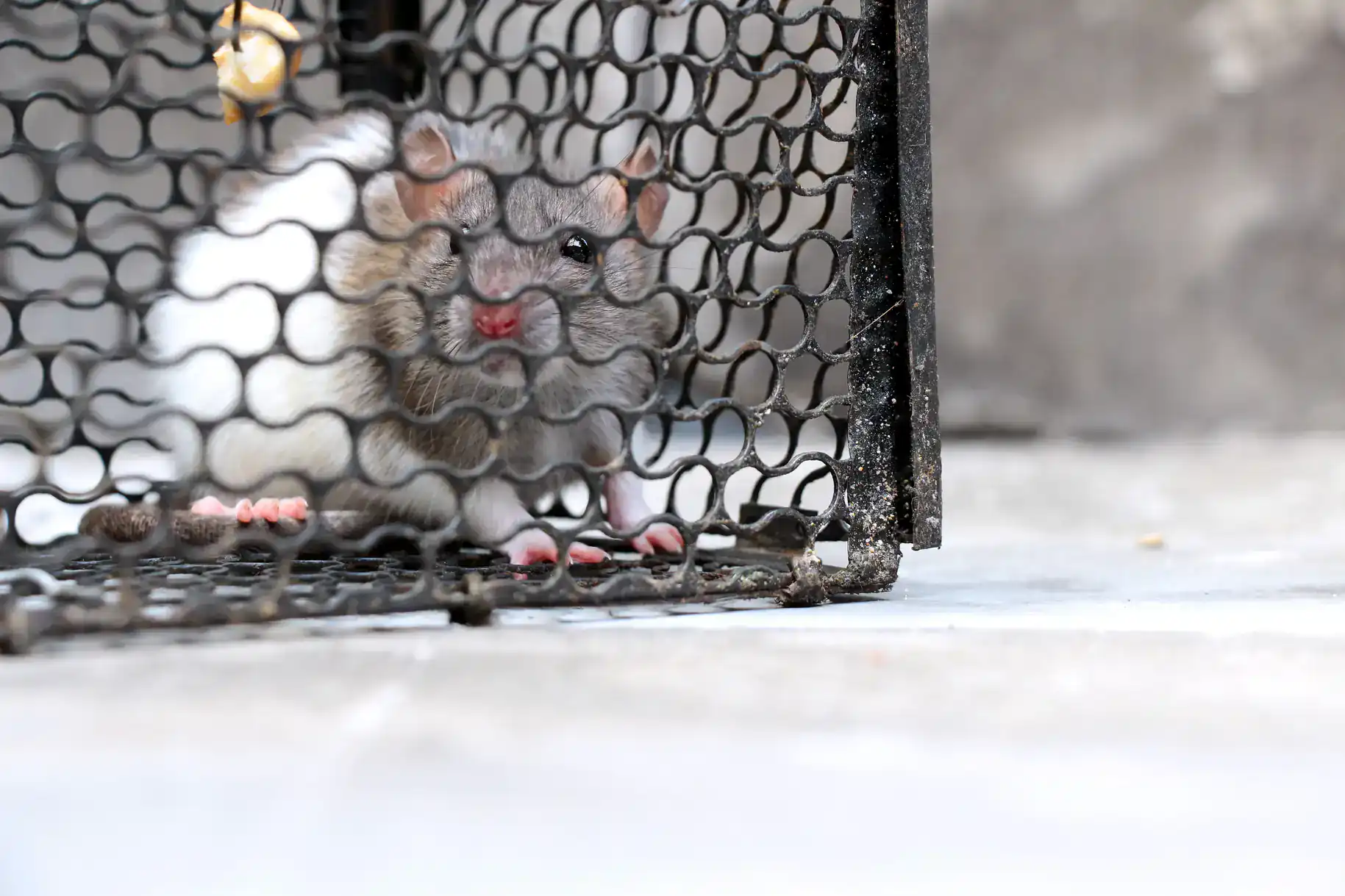
This is the most common frustration in buildings like yours. Treatment reduces the existing population but if the structural entry points aren’t identified and addressed, the next wave of rodents moves in through the same gaps the last ones used. In a cast-iron loft building in SoHo, those entry points are rarely obvious. They tend to be in original utility penetrations from the manufacturing era, gaps around aging pipe runs, settling at foundation joints, or voids in the cast-iron facade that have been there since the building was constructed in the 1870s.
A Norway rat can squeeze through a hole the size of a quarter. A house mouse can fit through an opening the size of a pencil eraser. In a building with original industrial infrastructure connecting every floor from sub-basement to roof, the number of potential access points can be significant before a single one is visible. The solution isn’t more traps it’s a thorough inspection that identifies where they’re actually getting in, followed by exclusion work that closes those points off. That’s the difference between treating a rodent problem and actually resolving it.
No and this is worth saying clearly because the social stigma around rodents in a neighborhood like SoHo is real. A rodent infestation in a cast-iron loft building is almost never about cleanliness. It’s about building age, infrastructure, and environment. Your building was constructed as a factory or warehouse in the 19th century. It was converted to residential use decades later, but the original industrial bones the utility chases, the basement spaces, the pipe penetrations remained largely intact. Those structural conditions create harborage and entry opportunities that have nothing to do with how you keep your apartment.
The surrounding environment adds to it. SoHo’s Broadway corridor, Spring Street, and Prince Street are lined with restaurants and food retailers generating substantial food waste year-round. Outdoor dining, which expanded significantly post-pandemic, keeps a sustained food source accessible at street level. Rodents don’t need to enter your building because it’s attractive they need to enter because it’s there, it’s warm, and the neighborhood around it provides everything else they need. That’s a building infrastructure problem, not a housekeeping problem.
Yes, and it can happen without a complaint being filed first. Manhattan operates under a proactive rat indexing program run by the NYC Department of Health and Mental Hygiene, where inspectors assess properties on a scheduled basis not just in response to 311 complaints. Under NYC Health Code Section 151.02, building owners are legally required to maintain their properties free of rats and mice. A failed inspection results in a formal violation, a mandated remediation timeline, and potential fines.
For landlords and property managers in SoHo and NoHo, this is a compliance matter, not just a comfort issue. Tenants also have the right to report conditions to HPD, which can issue separate violations compelling landlord action. The practical protection here is documentation a professional rodent control service that generates a written service report showing what was found, what was treated, and what was recommended. We provide that documentation as a standard part of every service, and we’re well known among New York attorneys who regularly refer clients dealing with pest-related property and legal matters.
It’s a legitimate concern, and the timing is relevant right now. SoHo and NoHo just completed their first major rezoning in 50 years, and new development is actively underway including projects near Canal Street and additional sites expected to follow as post-rezoning construction accelerates. In New York City, construction and demolition are among the most reliable drivers of rodent displacement. When a site is disturbed, the established colony relocates, and the nearest habitable structure becomes the destination.
If you’ve noticed increased rodent activity in your building over the past year or two, the neighborhood’s construction activity is a plausible contributing factor not the only one, but a real one. The response isn’t to wait it out. Construction-driven displacement tends to intensify before it resolves, and a building that hasn’t been systematically inspected and exclusion-proofed is a more attractive landing spot for displaced rodents than one that has. Getting ahead of it now is significantly easier than addressing a well-established infestation six months from now.
Fall is the highest-risk period typically September through November when temperatures drop and rodents actively seek warmth and shelter indoors. NYC sees roughly a 25% increase in rodent activity during fall and winter months citywide, and SoHo and NoHo’s cast-iron buildings can be particularly attractive during this transition. The thermal mass of cast-iron facades creates warm microclimates within wall cavities, and buildings with large, multi-story open floor plans and minimal insulation in original exterior walls offer the kind of interior warmth that rodents are actively searching for as the weather shifts.
That said, rodent pressure in this neighborhood isn’t purely seasonal. The restaurant and food retail density along Broadway, Spring Street, and the surrounding blocks sustains a food supply year-round, which means the population pressure never fully disappears in the off-season it just peaks harder in fall. If you’re planning to address a rodent issue, late summer or early fall is the most strategic time to do it, before the seasonal surge pushes activity higher and the problem becomes more difficult to contain.
Yes, and the landmark designation is something worth understanding before any exterior work is discussed. Both the SoHo Cast Iron Historic District and the NoHo Historic District are under the jurisdiction of the NYC Landmarks Preservation Commission. Any exterior work that’s visible from a public thoroughfare including pest exclusion work involving sealing, screening, or modifying exterior openings may require LPC review and approval before it can proceed. This is a regulatory layer that doesn’t exist in most other neighborhoods and affects how exclusion work gets approached here.
The practical reality is that the most significant entry points in these buildings are almost always interior original utility penetrations inside mechanical spaces, gaps in basement walls, pipe chases within the building envelope and interior exclusion work doesn’t require LPC review. Our inspection process is designed to identify those interior vulnerabilities first, which means the most impactful work can typically proceed without triggering a landmarks review at all. Where exterior work is warranted, we can advise on compliant approaches that address the pest problem without creating a separate regulatory issue for the property owner.
Useful Links