

Hear from Our Customers
You stop second-guessing every sound in the wall. You stop wondering whether that one mouse was just one mouse or the beginning of something bigger working its way up from the restaurant below. That shift, from anxious to settled, is what a real resolution feels like. And in a SoHo or NoHo loft, that resolution requires more than a standard treatment.
These buildings were constructed between the 1850s and 1890s. The same cast-iron facades that make them architecturally iconic also mean deep wall voids, original masonry with gaps no modern building would have, and pipe chases that connect your floor directly to the commercial spaces below. Rodents and cockroaches don’t need much. They follow heat, food, and structural pathways and in a mixed-use loft building on Broadway or Prince Street, those pathways run in every direction.
When we address the source and close the entry points, you’re not just treating symptoms. You’re ending the cycle. That’s what a thorough inspection, proper exclusion work, and the right treatment combination actually accomplish and it’s a different outcome than what most people get the first time they call someone.
We’ve been operating in New York City since 1976 the same year the city first amended its zoning code to allow artists to legally live in SoHo’s loft buildings. That’s not a coincidence we invented for marketing. It’s just the truth, and it means something: we’ve been working in the exact type of building that defines SoHo and NoHo since before most of the neighborhood’s current residents were born.
We’re family-owned, NYSDEC-licensed, and have spent five decades learning how pre-war masonry, cast-iron construction, and the dense food-service environment of Lower Manhattan create pest conditions that a national chain following a standardized playbook simply won’t catch. From the Bond Street corridor in NoHo to the loft buildings along Wooster and Greene in SoHo, we know what we’re looking at and more importantly, what’s behind it.
When something isn’t right after a treatment, there’s a real person accountable for fixing it. That’s what family ownership means in practice.
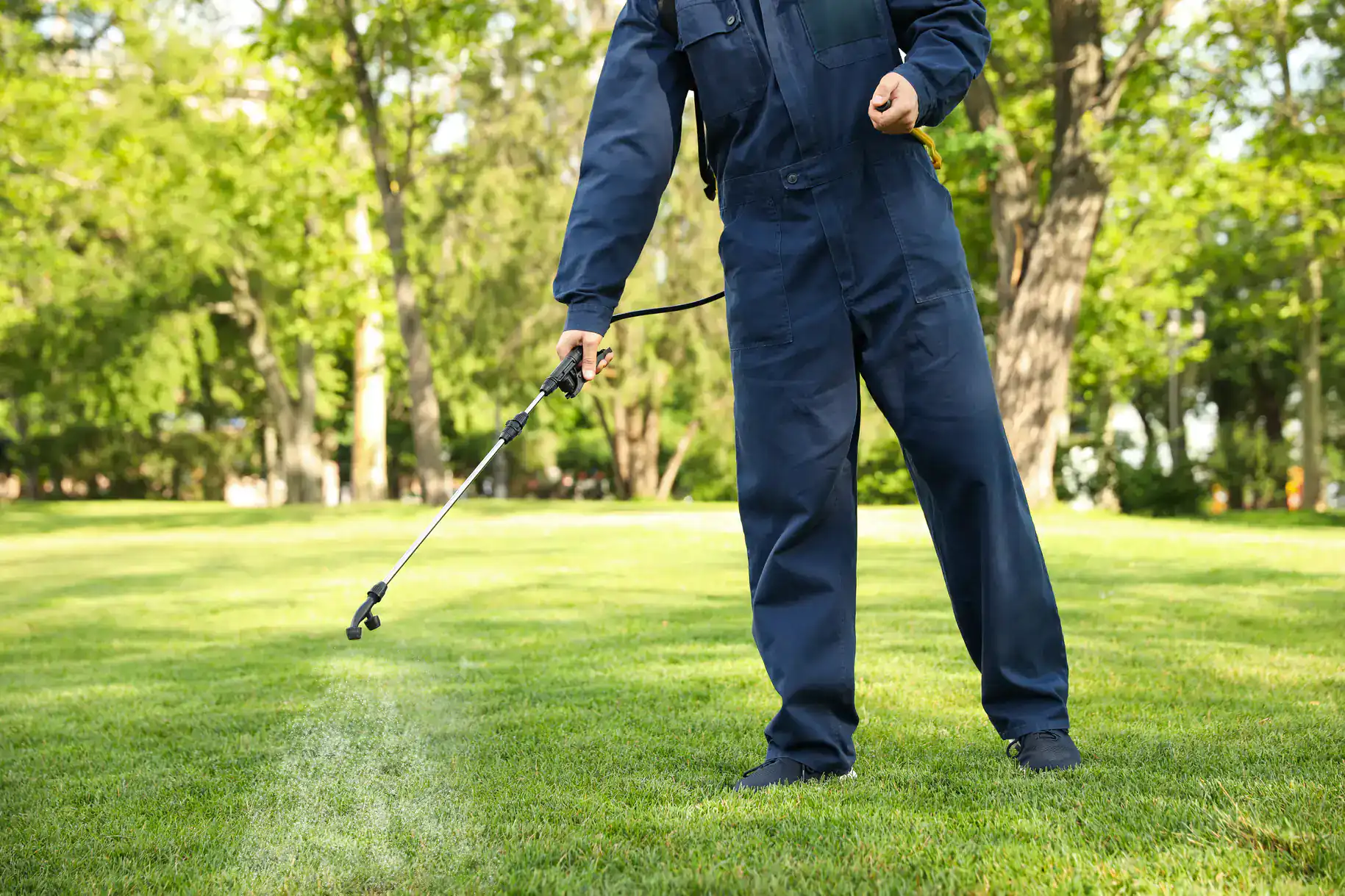
It starts with a free inspection not a walkthrough designed to justify a sale, but an honest assessment of what’s actually happening in your space. In a SoHo or NoHo building, that means looking beyond the obvious. One of our licensed technicians examines the areas most people miss: basement freight access points, utility penetrations in shared walls, pipe chases, and any structural gaps in the original masonry that give pests a direct route between floors.
From there, you get a clear picture of what you’re dealing with the pest, the likely entry points, the probable source, and the recommended treatment. If the problem originates in a ground-floor commercial space below your unit, we address that too. We handle both residential and commercial environments under one licensed roof, which matters when the source of your problem is two floors down in a restaurant kitchen.
Treatment is targeted to what’s actually there. After the work is done, you’ll know what was done, why, and what to watch for. If a follow-up is needed, it’s scheduled not left as an open question. In a building as structurally complex as a 19th-century cast-iron loft, that level of follow-through isn’t optional. It’s the only approach that actually works.
Ready to get started?
We handle the full range of pest pressures that SoHo and NoHo residents and property owners actually face. General pest control covers cockroaches, ants, silverfish, and the other insects that thrive in the warm wall voids of steam-heated 19th-century buildings year-round. Rodent control includes both treatment and exclusion sealing the structural entry points that let mice and rats move between floors and units in the first place. In a building within a few blocks of Chinatown or Little Italy’s dense food corridors, exclusion isn’t optional. It’s the only thing that keeps a resolved problem from becoming a recurring one.
We offer bed bug services including both heat treatment and chemical treatment options, handled by our certified specialists. SoHo’s volume of boutique hotels, short-term rentals, and international tourist traffic creates a bed bug introduction risk that’s meaningfully higher than in a primarily residential outer-borough neighborhood. Termite inspections and WDI reports are available for real estate transactions an important service in a market where co-op and condo sales along Spring Street or Great Jones Street can involve complex lender and attorney requirements.
For buildings where pest activity crosses between commercial and residential floors which is common in SoHo’s mixed-use loft structures our NYSDEC licensing covers commercial accounts as well. One company, one inspection, both sides of the problem addressed.

This is one of the most common questions from SoHo and NoHo residents, and the answer depends on your building’s governing documents. In a co-op, the building’s proprietary lease typically defines what the corporation is responsible for versus what falls on the individual shareholder. In a condo, the declaration and bylaws govern the same split. Generally speaking, pests that originate in common areas basements, hallways, shared mechanical spaces are the building’s responsibility. Pests confined to your individual unit are typically yours to address.
That said, New York City’s Housing Maintenance Code is clear: landlords and building owners are legally required to keep residential buildings free of pests. Cockroach infestations are classified as Class C violations by the NYC Department of Housing Preservation and Development the most serious category, requiring a response within 24 hours of a complaint. If your building isn’t responding, you have the right to file an HPD complaint. We can work directly with building management, co-op boards, or individual unit owners depending on where the problem originates and who holds the responsibility.
Cleanliness helps, but it’s not the whole story especially in a cast-iron loft building above or adjacent to a food-service business. Mice don’t need your food. They need warmth, shelter, and a way in. In SoHo and NoHo’s 19th-century buildings, the structural pathways between floors are extensive: original pipe chases, gaps in masonry around utility lines, and shared wall cavities that were never designed with pest exclusion in mind. A mouse that enters through a basement loading dock or a ground-floor restaurant can travel upward through those voids and reach upper floors without ever touching a common hallway.
The fix isn’t just trapping it’s finding and sealing those entry points. That requires someone who knows how to read the structure of a pre-war masonry building, not just someone who sets bait stations and leaves. Our inspection process specifically looks for the structural pathways that allow rodents to move vertically through a building, and exclusion work is part of the treatment plan, not an afterthought. A single female mouse can produce up to 60 offspring per year, so a “small” problem in a building like yours rarely stays small on its own.
This is a legitimate concern, and it’s one that comes up often in SoHo and NoHo where residents have invested significantly in their spaces original wide-plank floors, exposed brick, custom millwork, and in many cases, art collections. The short answer is yes, when it’s done correctly. We use EPA-registered pesticides applied according to label directions, which means targeted application in the areas where pests are active not broadcast spraying across finished surfaces.
For most general pest treatments, the application is directed into cracks, crevices, and harborage points where pests live and travel, not onto open floors or furniture. Your technician will walk you through exactly what’s being applied, where, and what the re-entry timeline looks like before any treatment begins. For situations where chemical exposure is a concern a household with young children, pets, or specific sensitivities our Integrated Pest Management approach allows for the least-toxic effective option to be selected for each situation. There are no surprises, and nothing is applied without your understanding of what it is and why it’s being used.
Early fall September through October is consistently the highest-pressure window for rodent intrusion in SoHo and NoHo. As outdoor temperatures drop, mice and rats that have been living in sub-sidewalk utility voids, building basements, and the structural spaces beneath Lower Manhattan’s dense commercial corridors begin moving inward to find warmth. In a cast-iron loft building, “inward” often means upward through the same pipe chases and wall voids that connect your floor to the ones below.
The proximity of SoHo’s eastern blocks to Chinatown and Little Italy adds pressure to this seasonal pattern. Those corridors generate significant year-round rodent activity, and when temperatures fall, that pressure migrates outward into adjacent neighborhoods. If you haven’t addressed any known entry points in your building before September, the fall is when you’ll feel it. The most effective approach is a pre-fall inspection in late August identifying and sealing structural vulnerabilities before the seasonal push begins, rather than reacting after the fact. We can schedule that inspection and walk you through exactly what needs to be addressed.
You don’t have to travel to bring bed bugs home especially in SoHo. The neighborhood draws millions of visitors annually to its flagship stores, galleries, and restaurants, and that foot traffic runs through boutique hotels along the Bowery, short-term vacation rentals throughout the neighborhood, and Airbnb-type properties on nearly every block. Bed bugs move on luggage, clothing, and personal belongings. A guest who stayed in an infested hotel room and then visited your building can introduce them without either of you knowing.
Vintage and antique furniture common purchases in a neighborhood with a strong design and arts culture is another significant exposure vector. Bed bugs can survive for months in upholstered items, and a beautiful piece from a flea market or estate sale can carry them undetected. If you’re seeing small rust-colored spots on your sheets, waking up with clusters of bites, or noticing shed skins near your mattress seams, those are the signs to act on immediately. Our certified bed bug specialists can confirm the infestation, identify the scope, and recommend the right treatment heat, chemical, or a combination based on what your specific situation requires.
Yes. We provide Wood-Destroying Insect (WDI) inspection reports and pest clearance certificates for real estate transactions in SoHo and NoHo a service that’s particularly relevant in a market where co-op and condo sales frequently involve lender requirements, attorney review, and title company documentation. WDI reports can only be issued by a licensed pest control professional, and they’re required in many transactions involving FHA or VA financing, or where the buyer’s attorney has requested one as a condition of closing.
In SoHo and NoHo’s 19th-century building stock where original wood framing, basement-level structural timbers, and decades of moisture exposure create real termite and wood-destroying organism risk a WDI inspection is more than a paperwork formality. It’s a meaningful evaluation of the property’s condition. Our inspections are conducted by NYSDEC-licensed technicians who know how to assess pre-war masonry and cast-iron loft construction, not just newer residential building types. If you’re buying, selling, or refinancing a property in SoHo or NoHo and need a pest inspection report, call us directly to schedule turnaround is typically fast enough to fit within most closing timelines.
Useful Links
Other Services we provide in Soho / Noho