Hear from Our Customers
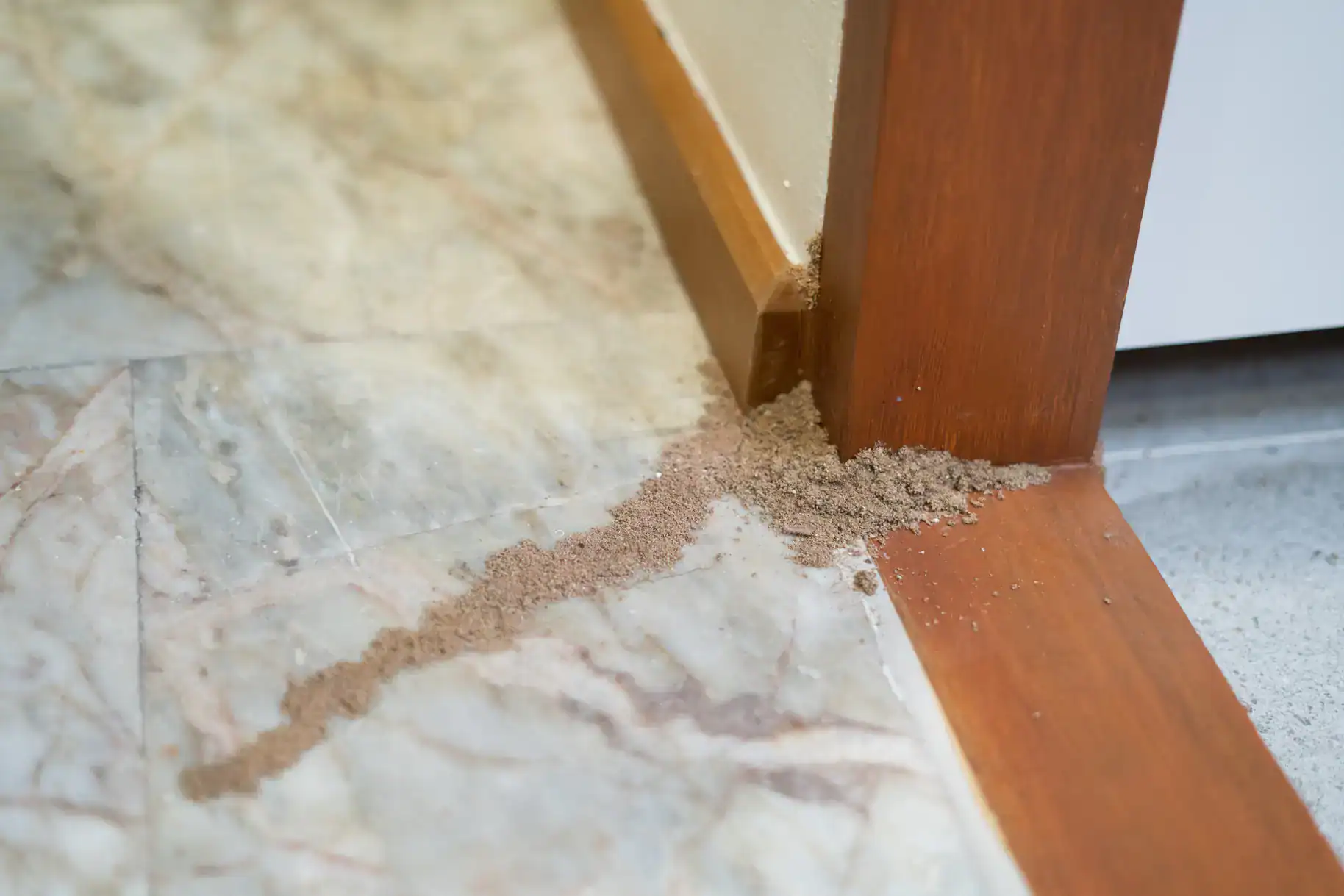
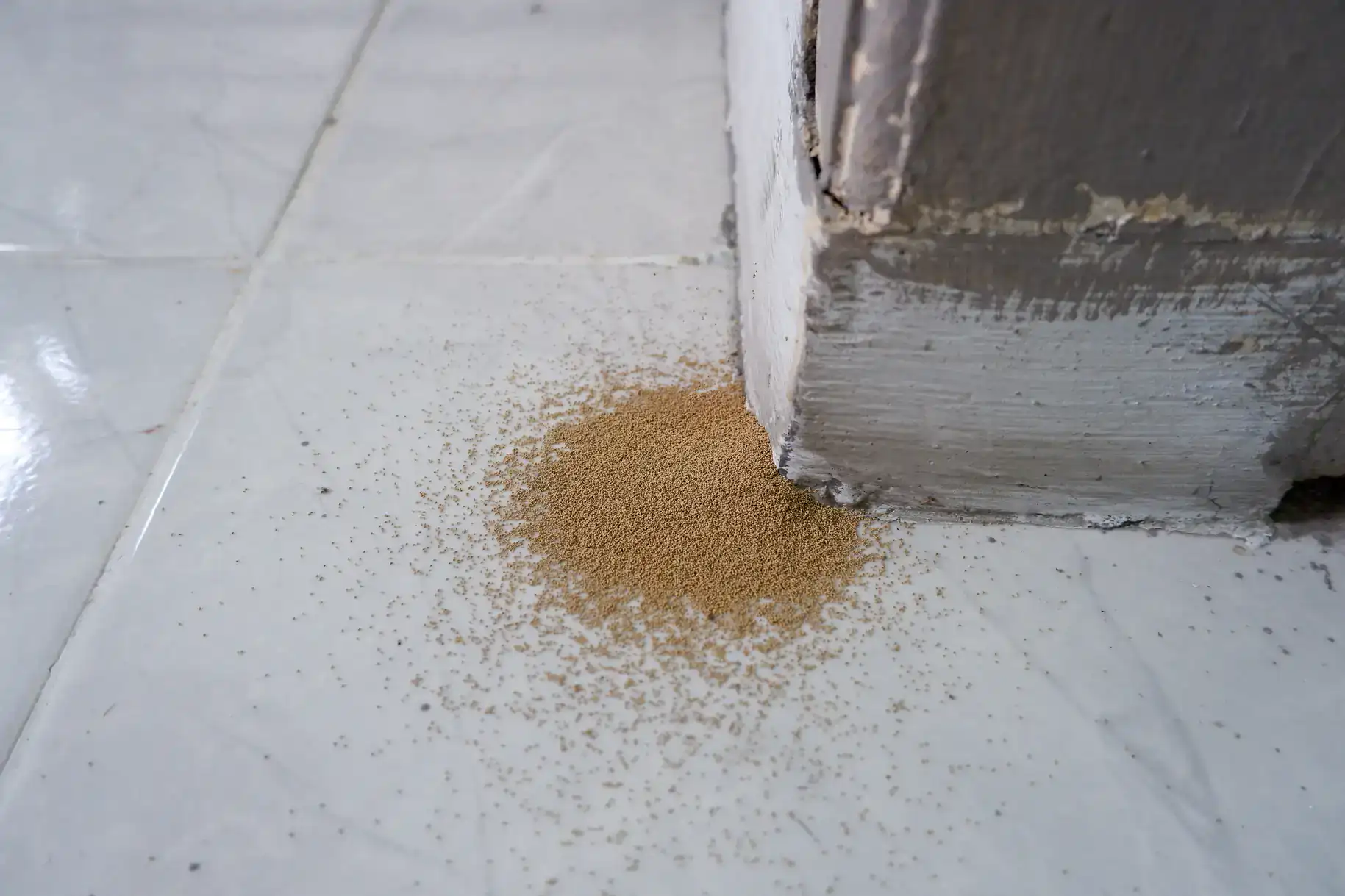
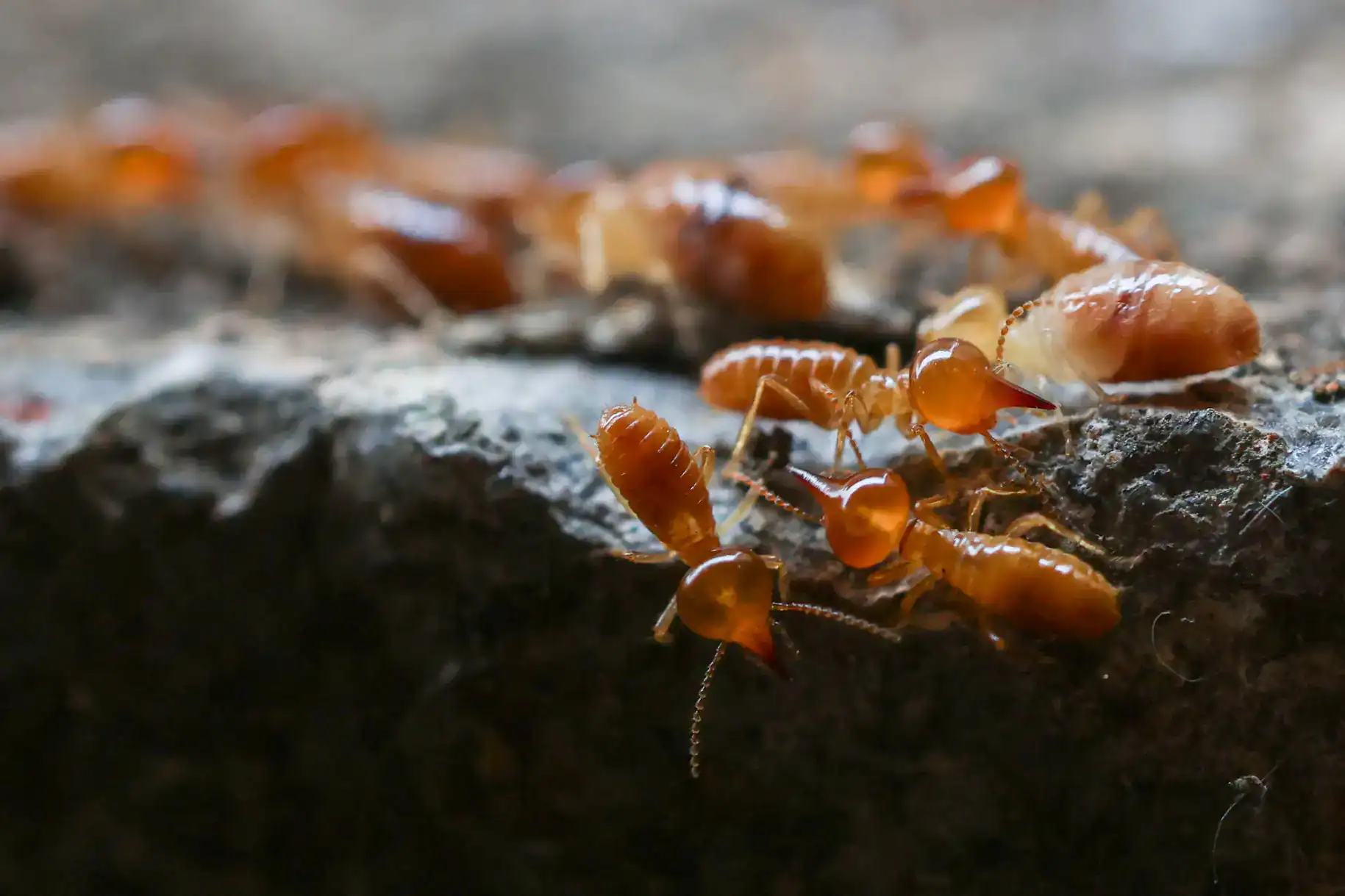
Most Upper East Side residents don’t find termites termites find them. By the time you notice something wrong, a colony of Eastern Subterranean Termites may have been feeding through your floor joists, subfloor, or structural framing for years. These insects work 24 hours a day, seven days a week, entirely out of sight. There are no sounds, no smells, and no visible trail until the damage is already significant.
The buildings most at risk in this neighborhood are the ones people love most the pre-war limestone townhouses on the side streets between Fifth and Park, the six-story co-ops that line the Carnegie Hill Historic District, the century-old row houses in Yorkville that have been renovated but never had their foundations treated. These structures were built with wood-heavy systems that have sat in soil contact for 80 to 120 years. That’s not a minor risk factor that’s an open invitation.
What changes after we treat your property is simple: you stop losing ground. The colony is eliminated, the entry points are sealed, and the structural wood that makes your property worth what it’s worth is no longer being consumed from the inside. Standard homeowner’s insurance doesn’t cover termite damage which means every month without treatment is a month of uninsured financial exposure in one of the most expensive real estate markets in the country.
Kingsway Exterminating has been operating in New York City since 1976, and we’ve spent more than 50 years working inside the exact building types that define the Upper East Side: pre-war co-ops, landmarked townhouses, dense multi-unit residentials, and everything in between. The Kourbage family has run our company across three generations, and the collective experience of our staff exceeds 100 years in NYC pest control.
We hold BBB A+ accreditation going back to 1989, apply only NYS Department of Environmental Conservation registered materials, and answer the phone 24 hours a day, seven days a week. When you’re dealing with a termite discovery in a Lenox Hill co-op or a Carnegie Hill landmark property, you need someone who understands the building management dynamic, the co-op board process, and the documentation that lenders and attorneys require. That’s not something you figure out on the fly it comes from decades of doing this work in this city and this neighborhood specifically.
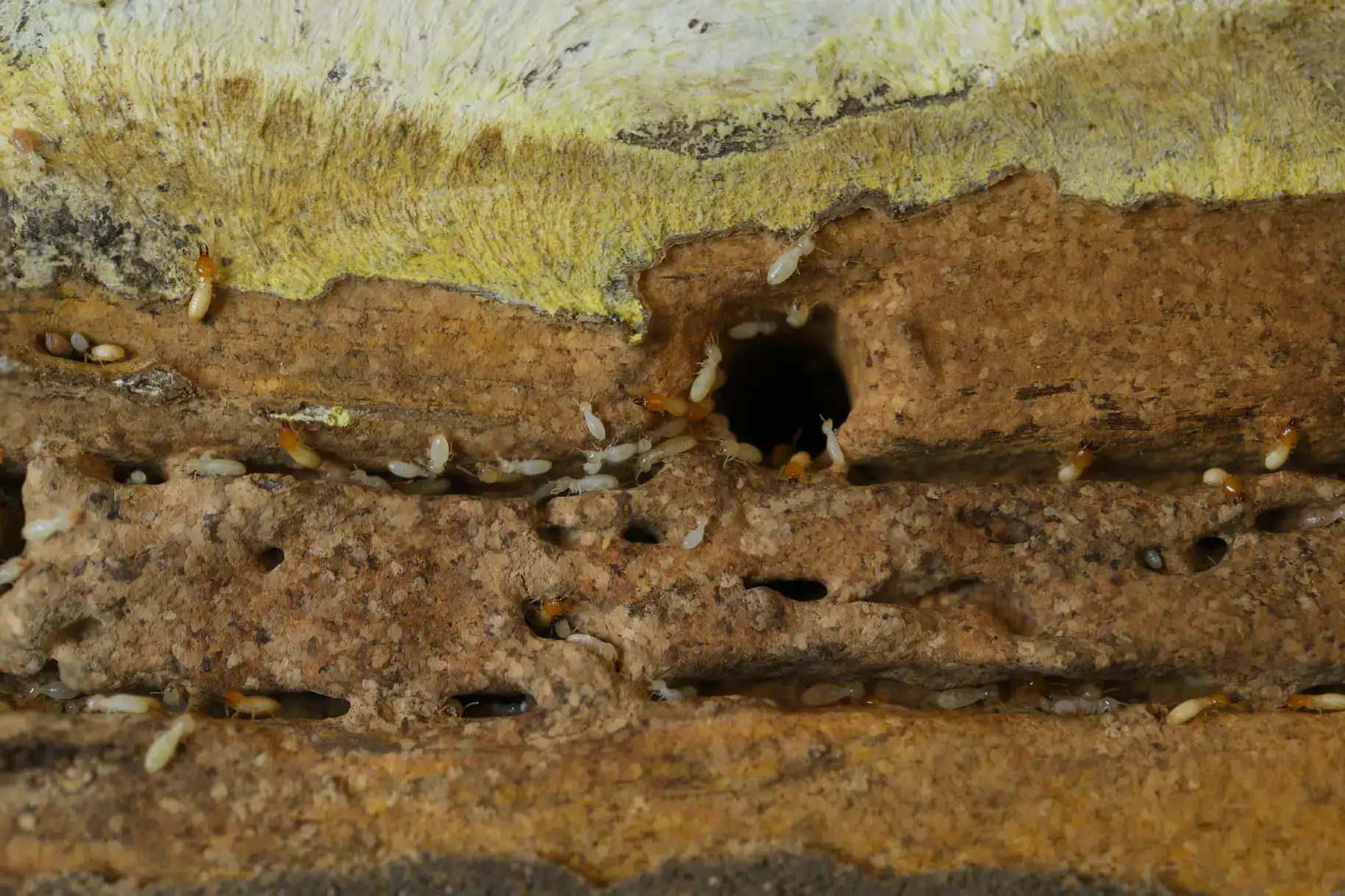
It starts with a thorough inspection. One of our technicians walks the property basement, foundation perimeter, structural access points, window frames, any area where wood meets soil or moisture is present. In Upper East Side buildings, that often means working with a building super to access sub-basement utility areas or coordinating with a managing agent to inspect shared structural spaces. The inspection isn’t a quick visual sweep it’s a systematic evaluation of your building’s actual risk profile.
If termite activity is confirmed, we build the treatment plan around what’s actually happening in your specific building. For most subterranean termite infestations, that means a liquid barrier treatment applied around the foundation perimeter, termite bait stations placed at strategic intervals, or a combination of both depending on the structure and severity. In multi-unit buildings which make up the majority of Upper East Side residential stock our treatment approach accounts for the fact that a single colony can be affecting multiple floors simultaneously. Every material we use is NYS DEC registered, and the application process is designed for occupied buildings, so you’re not looking at a building-wide evacuation.
After treatment, you receive full written documentation. For Upper East Side residents navigating a real estate transaction, a co-op board review, or a lender requirement, that paperwork matters as much as the treatment itself. We provide certified Wood Destroying Organism (WDO) inspection reports that meet FHA and VA lender standards and satisfy co-op board documentation requirements.
Ready to get started?
Termite control in the Upper East Side isn’t the same as termite control in a suburban neighborhood with detached single-family homes. The building types are different, the access points are different, the regulatory environment is different, and the stakes are different. Our service accounts for all of it.
The full scope of what we offer includes termite identification and inspection, Eastern Subterranean Termite eradication, termite baiting systems, liquid barrier treatment, and treatment for related wood-destroying organisms including carpenter ants and powder post beetles. For properties involved in a purchase, sale, or refinancing, we provide certified WDO inspection reports the documentation required by most lenders and commonly requested by co-op boards in the Upper East Side market. We also handle NYC Department of Health pest citations, which is relevant for the neighborhood’s large inventory of multi-unit residential buildings managed by property companies.
For townhouse owners in Carnegie Hill or Sutton Place, where direct soil contact at the foundation is a primary entry point, our inspection covers every structural interface where termites are known to gain access. For co-op and condo residents, the inspection accounts for the shared-wall and shared-structure reality of multi-unit buildings because in a building where one unit sits above another, a termite colony rarely stays contained to a single floor. We provide free estimates, and appointments are guaranteed within two business days, with same-day inspections frequently available.
More common than most people expect. The Upper East Side’s pre-war building stock co-ops, limestone townhouses, and Yorkville row houses built between the late 1800s and early 1900s contains the exact conditions that Eastern Subterranean Termites exploit: aged structural wood, soil contact at foundation walls, and decades of accumulated moisture in basement and sub-basement environments. Many of these buildings have never had a termite barrier applied, because the problem wasn’t visible until now.
The other factor worth knowing is that termite colonies grow slowly. It typically takes five or more years for a colony to reach the size where visible damage appears. By the time you see mud tubes along a basement wall or notice soft spots in a wood floor, the infestation has likely been active for years. That’s why inspection matters even if you haven’t seen anything obvious especially in a building that hasn’t been treated or inspected recently.
This depends on your co-op’s proprietary lease and house rules, but in most cases, structural pest issues including termites fall under the building’s responsibility rather than the individual shareholder’s. That’s because termites affect the building’s structural systems, not just the interior of a single unit. The co-op board and managing agent are typically the decision-makers when it comes to treatment authorization and coordination.
That said, if you discover termites in your unit, you should report it to your managing agent in writing immediately. NYC Local Law 55 requires property owners to keep buildings free of pests and to address underlying structural conditions that allow pests to enter including cracks, gaps, and soil-contact wood. We work directly with building management and managing agents regularly, and can provide the written inspection reports and treatment proposals that co-op boards need to move forward. Getting the right documentation in front of the right people quickly is often the difference between a fast resolution and a months-long delay.
For FHA and VA-backed mortgages, a Wood Destroying Organism (WDO) inspection report is a lender requirement not optional. Even in conventional transactions, co-op boards and real estate attorneys in the Upper East Side market increasingly request termite clearance documentation as part of the due diligence process, particularly for older pre-war buildings where the risk profile is higher.
If you’re selling a townhouse or co-op in Carnegie Hill, Lenox Hill, or Yorkville, having a clean WDO report from a credentialed provider can actually speed up your closing timeline. Buyers in this market are sophisticated, their attorneys are thorough, and a missing or incomplete pest inspection can create delays that cost real money in a neighborhood where deals involve millions of dollars. We provide certified WDO reports that meet lender standards and hold up to attorney review and with same-day inspections frequently available, you’re not waiting weeks to get the paperwork you need.
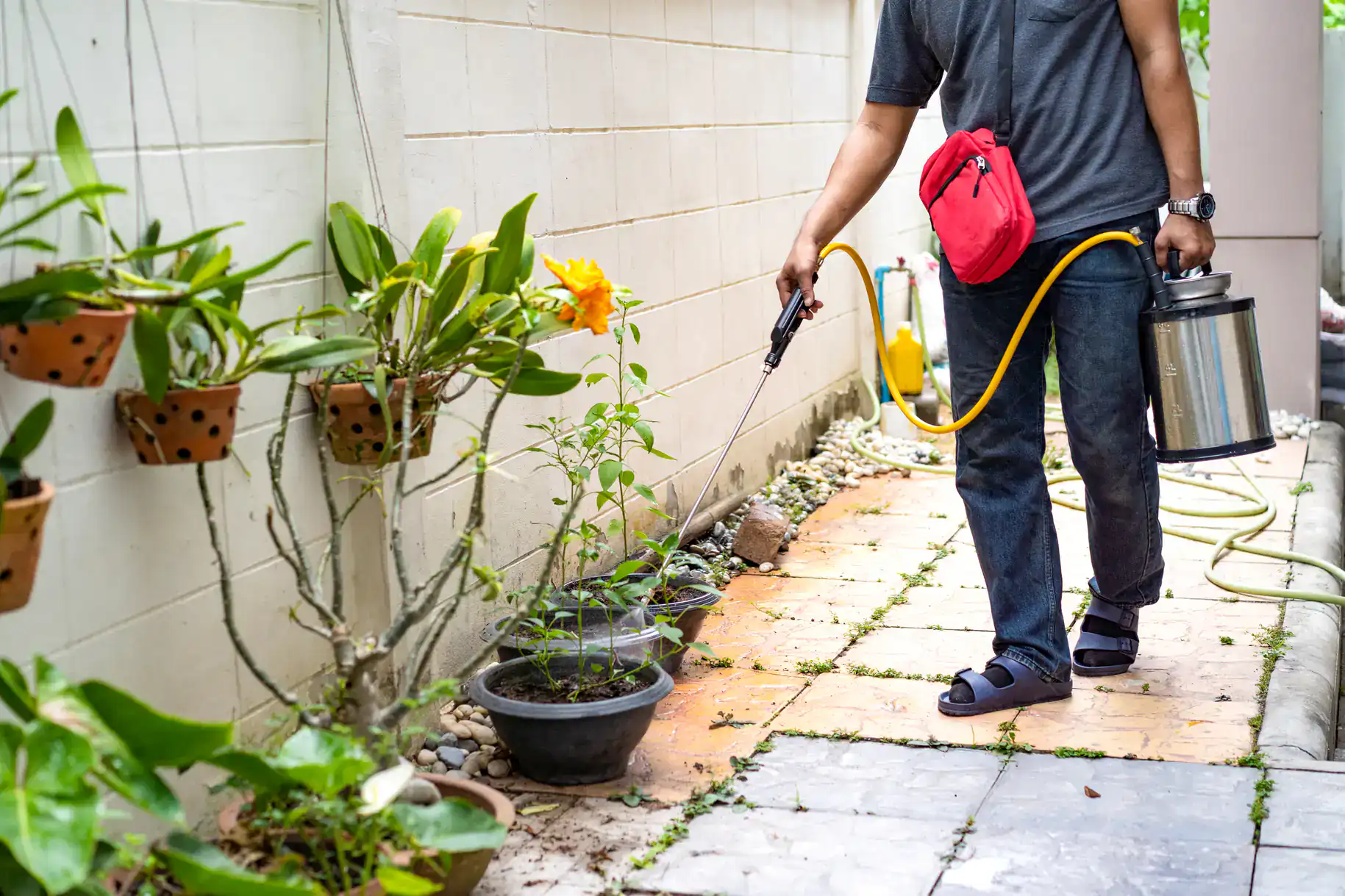
For the most common termite treatment approach liquid barrier application around the foundation perimeter and termite bait station installation you do not need to vacate your apartment. We use only NYS Department of Environmental Conservation registered materials that are specifically designed for application in occupied residential environments. This matters in a dense neighborhood like the Upper East Side, where coordinating a building-wide evacuation is neither practical nor necessary.
The treatment process itself is methodical. Liquid barrier treatment involves applying a termiticide to the soil around the foundation and at key structural entry points, creating a chemical barrier that eliminates termites as they move through the treated zone. Bait stations work differently they’re placed at intervals around the building perimeter, and termites carry the bait back to the colony, which eliminates the population at the source over time. In many Upper East Side buildings, a combination of both methods is the most effective approach, particularly in older structures where foundation gaps and soil-contact wood create multiple potential entry points.
Treatment costs vary based on the size of the structure, the severity of the infestation, and the method used. For most residential applications in the Upper East Side a co-op unit with localized activity, or a townhouse requiring foundation perimeter treatment you’re typically looking at a range of $1,500 to $5,000. Larger townhouses or buildings with more extensive infestation may run higher, particularly if structural repairs are also needed.
It’s worth putting that number in context. The average termite repair cost nationally runs around $3,000, and structural repairs to floor joists, support beams, or subfloor systems can reach $10,000 or more. In a neighborhood where the median co-op price is over $1.3 million and townhouses routinely sell for $10 million to $25 million, the cost of treatment is a small fraction of the asset being protected and unlike the damage itself, it’s a known, manageable expense. Standard homeowner’s insurance does not cover termite damage, which makes proactive treatment the financially rational choice. We offer free estimates so you know exactly what you’re looking at before any work begins.
It’s a legitimate concern, and one that’s specific to buildings along the Second Avenue corridor between 59th and 96th Streets. The excavation work for the Q train which opened Phase 1 in 2017 with stations at 72nd, 86th, and 96th Streets involved significant below-grade soil disturbance along that entire stretch. Existing termite barriers, where they were present, can be disrupted or broken by major underground construction activity, and soil displacement can also shift the moisture conditions that subterranean termites rely on to survive and expand.
If your building is on or near Second Avenue and hasn’t had a termite inspection since the construction period, it’s worth scheduling one. This isn’t about creating alarm it’s about the fact that a known soil-disruption event happened in your building’s immediate environment, and subterranean termites are opportunistic. They find new pathways when old ones close and new ones open. A current inspection gives you a clear picture of where things stand today, and if there’s no activity, you’ll have documented confirmation of that which has its own value in a real estate market as active as the Upper East Side.
Useful Links