Hear from Our Customers
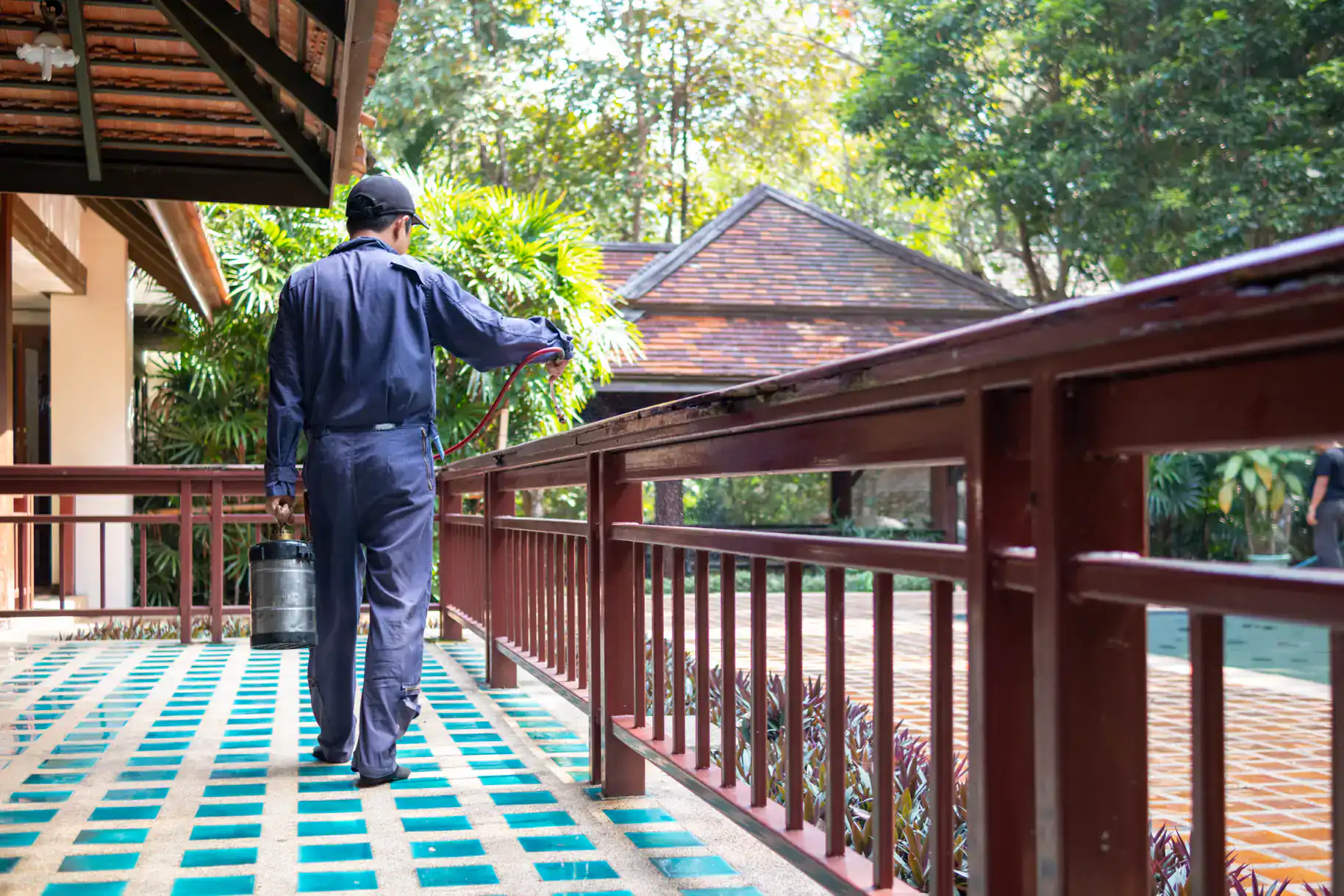
You stop finding them in the kitchen at midnight. You stop wondering if the unit next door is the source. You stop buying sprays that scatter the problem into your walls instead of solving it. That’s what real cockroach control looks like not a one-time visit that buys you three weeks of quiet before they’re back.
The Upper East Side has a specific problem that most generic pest control companies don’t address head-on. The pre-war buildings along Park Avenue, Carnegie Hill, and through Lenox Hill were built before modern pest exclusion standards existed. Decades of settling have left plaster cracks, aging pipe penetrations, and wall voids that German cockroaches use as highways between units and floors. Treating your kitchen without addressing those shared pathways is the reason infestations keep coming back after the last exterminator left.
There’s also the ground-floor pressure. Dense restaurant corridors along Lexington, Second, and Third Avenues push cockroach activity upward into residential units above them. If you live in a mixed-use building anywhere between 59th and 96th Street, you’re not just dealing with a unit-level problem you’re dealing with a building-level one. We build our treatment approach around that reality.
We’re a family-owned company founded by Richard Kourbage Sr. and joined by Richard Kourbage Jr. in 1987. No franchise. No national chain. We’re a real New York operation that has been working in this city’s buildings all five boroughs for over five decades. Our team collectively brings more than 100 years of hands-on pest control experience to every job.
That matters here in the Upper East Side. This neighborhood isn’t a place where a generic treatment plan works. From the luxury co-ops along the Gold Coast to the brownstones and newer high-rises in Yorkville near Carl Schurz Park, the building stock is varied, dense, and old enough to require a technician who actually knows what they’re walking into. We do.
We maintain a consistent A+ rating with the Better Business Bureau of New York State, are fully licensed, bonded, and insured, and apply only New York State Department of Environmental Conservation registered materials on every job. If your building management or co-op board requires vendor documentation, we can provide it.
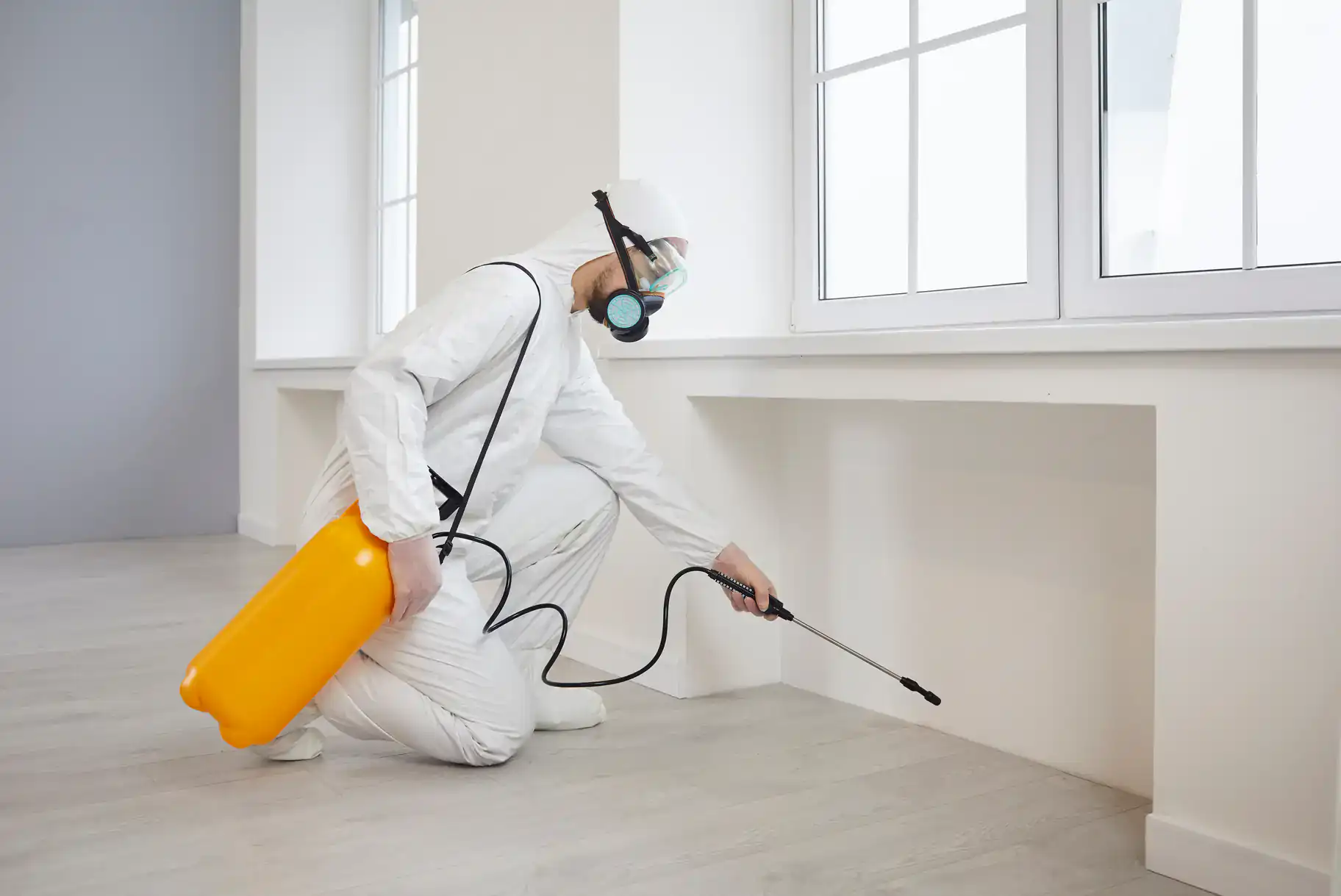
The first thing we do is identify what you’re actually dealing with. German cockroaches the small, fast ones colonizing your kitchen and bathroom require a completely different treatment approach than American cockroaches, the waterbugs that enter from basement utility spaces and the subway infrastructure running beneath Lexington and Second Avenues. Misidentifying the species is one of the most common reasons treatments fail, and it’s why a real inspection matters before anything gets applied.
Once the species and harborage sites are confirmed, we target the actual source not just the surfaces you can see. In Upper East Side apartment buildings, that means addressing the plumbing chases and wall voids that connect your unit to neighboring floors and units. If you’re in a managed building, we can coordinate directly with building management or your super to access shared spaces that are part of the infestation pathway. That coordination piece is something most solo operators skip, and it’s exactly why building-wide problems don’t get resolved with unit-level treatments.
After the initial treatment, you’ll know what was found, what was applied, and what to expect in the days that follow. If follow-up is needed, that’s not a surprise it’s part of the plan. Every material we use is registered with the New York State DEC, which matters both for your safety and for the documentation requirements many Upper East Side co-op and condo boards now require from pest control vendors.
Ready to get started?
We handle cockroach infestations across the full range of Upper East Side property types individual apartments, multi-unit residential buildings, co-ops, condominiums, and commercial spaces including restaurants and retail. For residential clients, that means targeted treatment of the kitchen, bathroom, and any harborage areas identified during inspection, with attention to the shared wall and plumbing pathways specific to pre-war and high-rise construction.
For commercial clients particularly the restaurants and food service operators along Madison, Lexington, and Second Avenues the stakes are different. A single live cockroach sighting during a NYC Department of Health inspection results in a 28-point grade deduction, which is enough to drop your letter grade publicly. We provide licensed treatment with written documentation, which is what you need for DOH compliance, not just a quick spray before the inspector shows up.
For property managers and building owners dealing with HPD violations or Local Law 55 compliance requirements, we can provide the documented, professional remediation that satisfies both the regulatory requirement and the paper trail that protects you. We also issue Demolition Clearance Certificates to the NYC Department of Health when required. Senior residents receive a 10% discount. Whether you’re dealing with a single infested unit or a building-wide cockroach infestation in the Upper East Side, our response is the same: identify the real source, treat it properly, and document everything.
This is the most common frustration in Upper East Side buildings, and the answer almost always comes down to the same thing: the treatment addressed your unit, but not the building. German cockroaches travel through the plumbing chases and wall voids that connect apartments on the same floor and in adjacent units. If a neighboring unit or a ground-floor commercial space in your building is infested which is common in mixed-use buildings along the restaurant corridors of the Upper East Side cockroaches will continue entering your apartment even after your unit has been treated.
The fix isn’t a stronger chemical. It’s a more complete approach. That means identifying the actual entry points and harborage sites, coordinating with building management to access shared spaces, and treating the pathways not just the surfaces. If you’ve had multiple treatments with no lasting result, the issue is almost certainly the scope of the treatment, not the product used.
Yes, it matters significantly both in terms of where they’re coming from and how they need to be treated. German cockroaches are the small, light-brown species most commonly found in apartment kitchens and bathrooms. They reproduce quickly, spread through shared plumbing infrastructure, and are the primary cockroach pest in Upper East Side residential buildings. American cockroaches called waterbugs locally are much larger, darker, and typically enter from basement utility spaces, drain pipes, and the below-grade infrastructure associated with the subway lines running under Lexington and Second Avenues.
Waterbugs tend to surge after heavy rain events, particularly in buildings along the eastern Upper East Side and Yorkville that sit closest to the older sewer and utility lines near the FDR Drive and East River. German cockroaches are a year-round infestation problem that won’t resolve without targeted treatment. Treating one as if it were the other wastes time and money. A proper inspection identifies which species you’re dealing with before any treatment begins.
They can, and in a meaningful way that goes beyond the obvious. Cockroach allergen specifically a protein called Bla g2 has been detected in the bedroom air of NYC apartments at high rates, even in units where residents don’t see live cockroaches regularly. Research published through the NIH found cockroach allergen present in 87% of bedroom air samples and 93% of kitchen air samples in apartments where settled dust tested positive. Between 23% and 60% of urban asthma sufferers are sensitive to cockroach allergens, and childhood asthma rates in New York City vary dramatically by neighborhood, with cockroach allergen exposure identified as a primary driver of that disparity.
For families in Upper East Side apartments particularly those with children in the neighborhood’s many private schools or with elderly residents who spend significant time at home this isn’t a background concern. It’s a real and documented health risk. Eliminating the infestation eliminates the ongoing allergen exposure, which is why professional cockroach control is a health decision, not just a comfort one.
Yes. We’re fully licensed, bonded, and insured, and apply only New York State Department of Environmental Conservation registered materials on every job. If your co-op board or condo association requires proof of insurance, licensing documentation, or treatment records before approving a vendor, we can provide that paperwork. This is a routine part of working in Upper East Side buildings, and we handle it regularly.
Many Upper East Side buildings particularly the larger pre-war co-ops along Park Avenue and Fifth Avenue have vendor approval processes that require documentation before any work can be performed in the building. If your building management needs to be looped in, or if treatment requires access to shared basement or utility spaces beyond your unit, we’re experienced in coordinating that process. You don’t have to navigate the building management piece alone.
The clearest sign of a German cockroach infestation as opposed to an occasional stray is seeing them during the day. German cockroaches are nocturnal by nature. When they appear in daylight, it typically means the population has grown large enough that competition for harborage space is pushing individuals out into the open. If you’re seeing them in your kitchen or bathroom during daytime hours, you’re past the early stage.
Other indicators include small, dark droppings that look like ground pepper along cabinet edges and behind appliances, a faint musty or oily odor in enclosed spaces like under the sink or inside lower cabinets, and egg casings (small, brown, capsule-shaped) in hidden areas. In Upper East Side apartments, the kitchen specifically the area behind the stove and refrigerator and inside lower cabinets near the plumbing wall is the most common harborage site. If you’re seeing any combination of these signs, a professional inspection will confirm the extent of the infestation quickly.
Yes we offer a 10% discount for senior residents. The Upper East Side has a significant population of long-term residents, many of whom have lived in the same building for decades. In older pre-war buildings, those long-tenured residents are often dealing with pest pressure that has built up gradually over time through aging infrastructure, accumulated wall voids, and plumbing systems that were never designed with pest exclusion in mind. The discount reflects a straightforward recognition that seniors on fixed incomes in this neighborhood deserve access to professional, licensed pest control without having to compromise on quality to make it work financially.
If you’re a senior resident in a Carnegie Hill co-op, a Yorkville rental, or anywhere else in the Upper East Side ZIP codes 10021, 10028, 10065, 10075, or 10128 the discount applies. Just mention it when you call.
Useful Links
Other Services we provide in Upper East Side