Hear from Our Customers
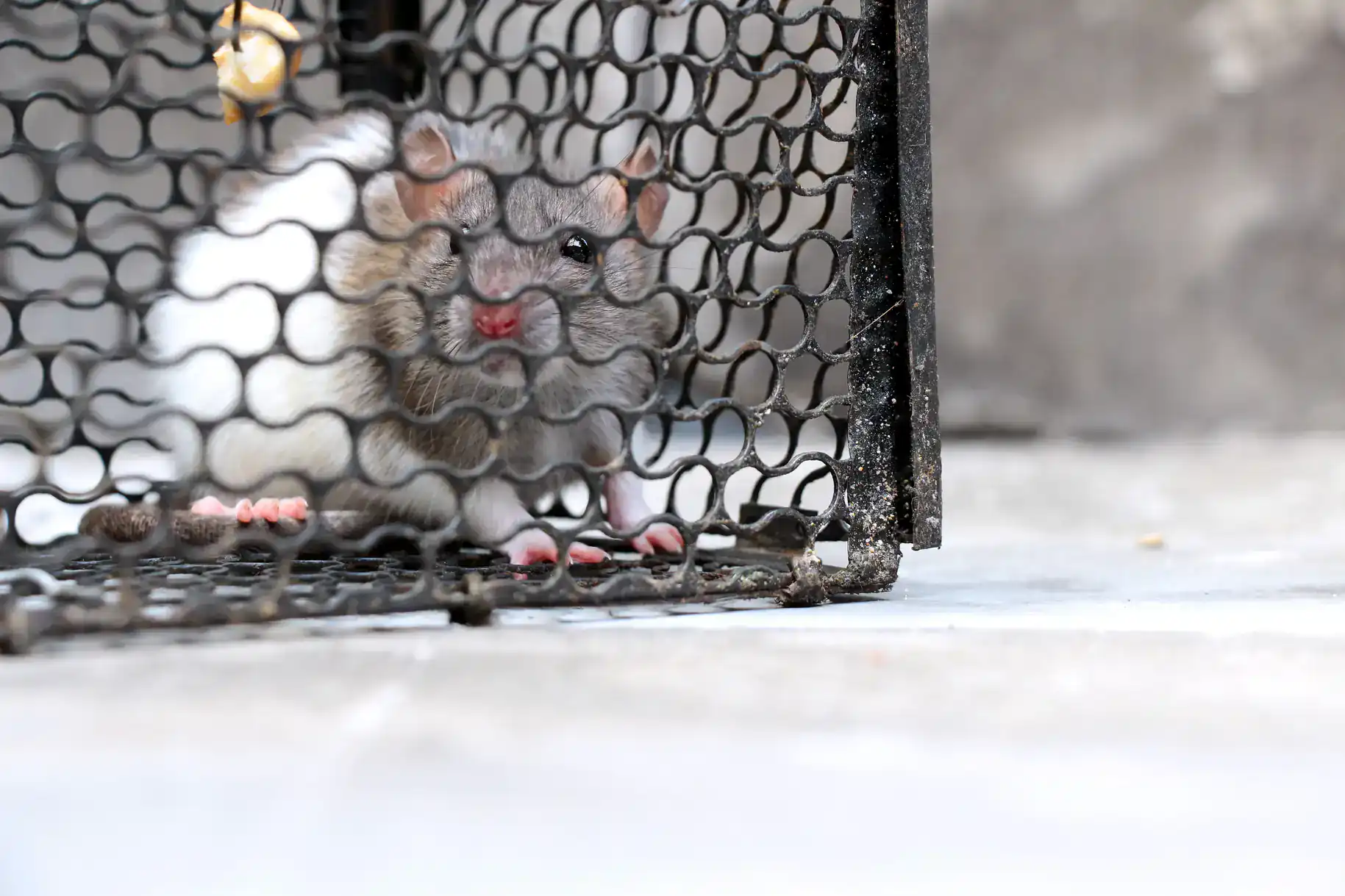
You stop hearing scratching in the walls at 2 a.m. You stop finding droppings behind the stove or under the sink. You stop wondering whether the problem is yours, your neighbor’s, or both. That clarity alone is worth something but it’s just the beginning.
In Bedford-Stuyvesant, rodent infestations don’t behave the way they do in detached homes. Your building shares walls with the property next door. Rodents don’t need to go outside to move between units they travel through shared wall voids, pipe chases, and basement connections that have been there since the building went up in the 1930s. Treating only what’s visible inside your unit without addressing those pathways means the problem comes back. Every time. What you actually need is someone who understands how pre-war Brooklyn rowhouses are built and where the gaps are.
Beyond the structural side, there’s a real health dimension here that’s easy to underestimate. The CDC has documented that rats and mice spread more than 35 diseases to humans, including leptospirosis, salmonella, and hantavirus and in a multi-unit building, contaminated droppings in a shared basement or wall cavity don’t just affect one household. Getting this resolved completely isn’t just about comfort. In a neighborhood that the NYC Department of Health has officially designated as a Rat Mitigation Zone, it’s about protecting your home, your family, and your property from consequences that get worse the longer you wait.
We were founded in Brooklyn in 1971 by Richard Kourbage Sr. His sons Richard Jr. and Charles joined the business in the late 1980s and have been running it since. That’s more than 50 years of continuous operation in the borough not a franchise, not a call center, not a company that started last year and figured out how to rank on Google.
We’re headquartered at 2216 Flatbush Avenue in Marine Park, Brooklyn. That matters because when you call us, you’re getting technicians who have worked in buildings just like yours the attached rowhouses along Decatur Street in Bedford-Stuyvesant, the converted brownstones near Nostrand Avenue, the multi-unit buildings a block off Fulton Street. We know how pre-war Brooklyn construction works, and we know how rodents exploit it.
We hold an A+ rating with the Better Business Bureau of New York State and have maintained BBB accreditation since 1989. Every product we apply is registered with the NYS Department of Environmental Conservation. We’re fully licensed, bonded, and insured and we’re regularly referred by New York attorneys and real estate brokers for health code violation remediation, which in a Rat Mitigation Zone like Bedford-Stuyvesant is not a rare situation.
It starts with a phone call at no charge. You describe what you’re seeing droppings, sounds, sightings, or a notice from the city and we walk you through what it likely means before you commit to anything. Same-day service is available in many cases, and an appointment is guaranteed within 48 hours.
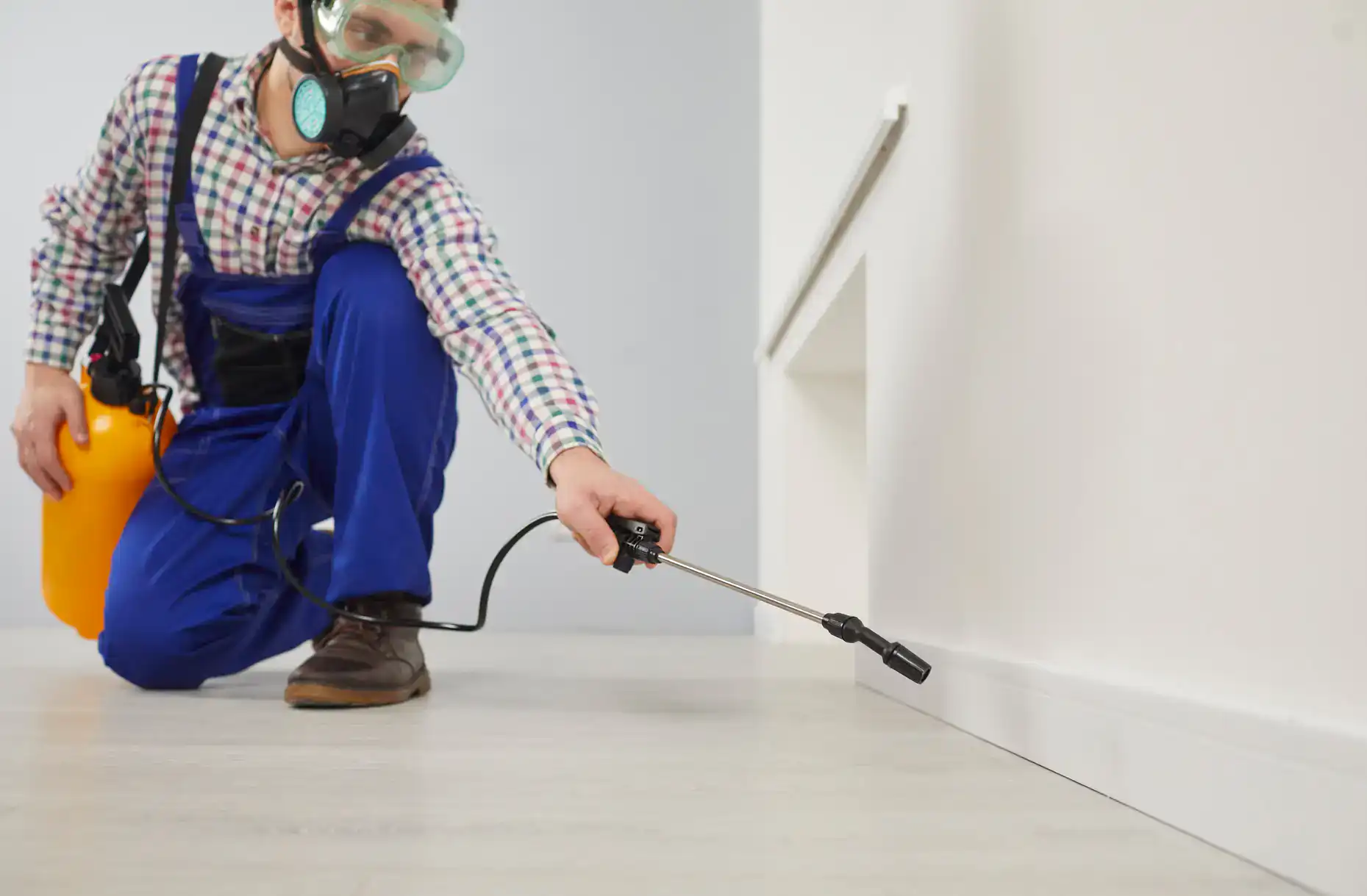
When our technician arrives, the first step is a thorough inspection not just of the areas where you’ve seen activity, but of the structural entry points that are specific to your building type. In Bedford-Stuyvesant’s attached rowhouses, that means checking foundation gaps, pipe penetrations, shared wall voids, basement access points, and any exterior harborage conditions around the property. The Fulton Street corridor and surrounding residential blocks face consistent pressure from commercial food waste nearby, and that context shapes where rodents are likely entering from and how they’re moving through the building.
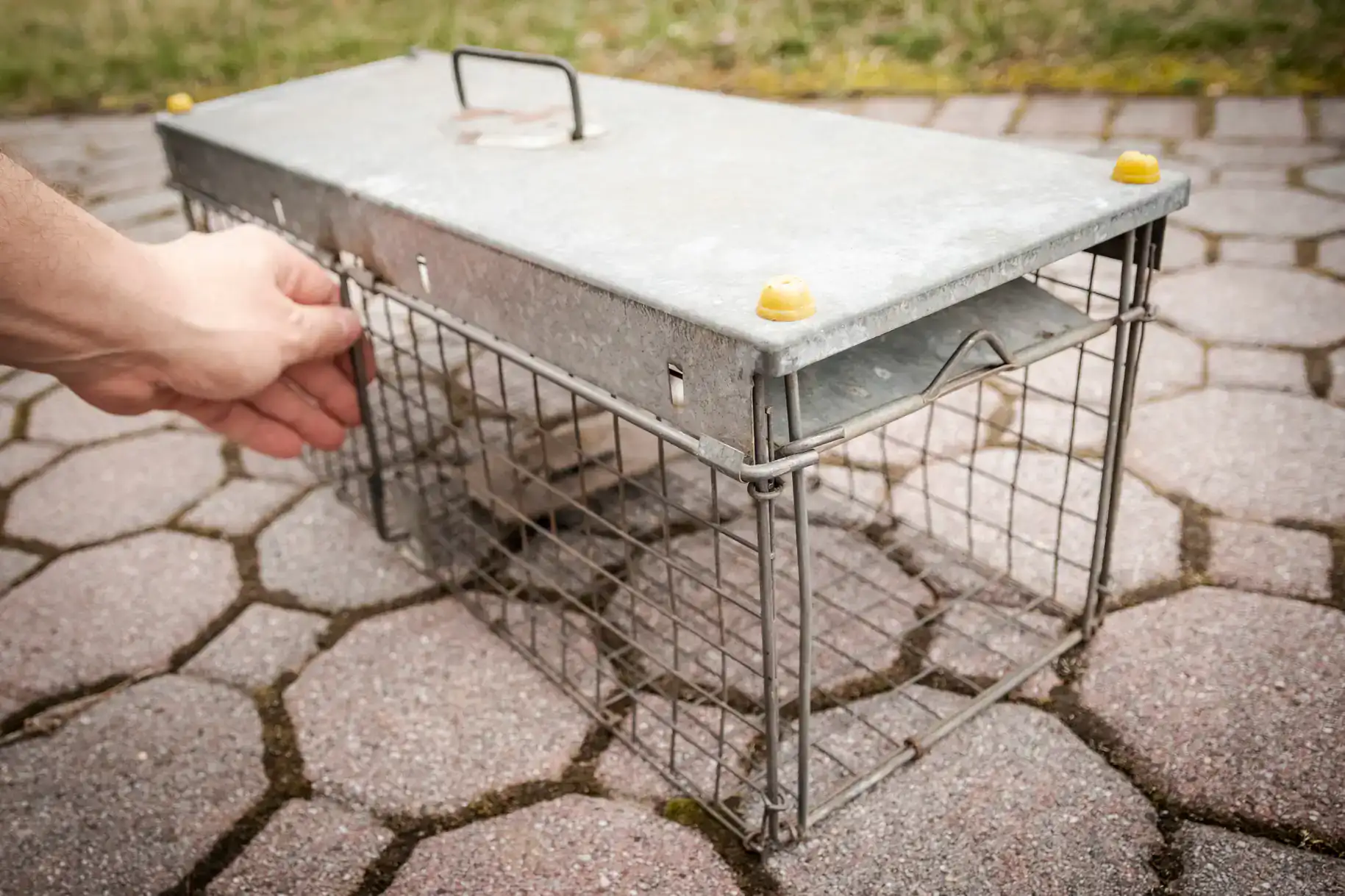
Treatment is tailored to what the inspection finds. That typically includes baiting, trapping, and targeted application of NYSDEC-registered materials but the exclusion work is what actually prevents re-infestation. Sealing the entry points that allowed rodents in is the part most companies skip. We don’t. If your property has received an HPD health code violation or a 311 complaint has been filed, we document the treatment in a way that supports your response to the city something that matters in a neighborhood under active Department of Health scrutiny.
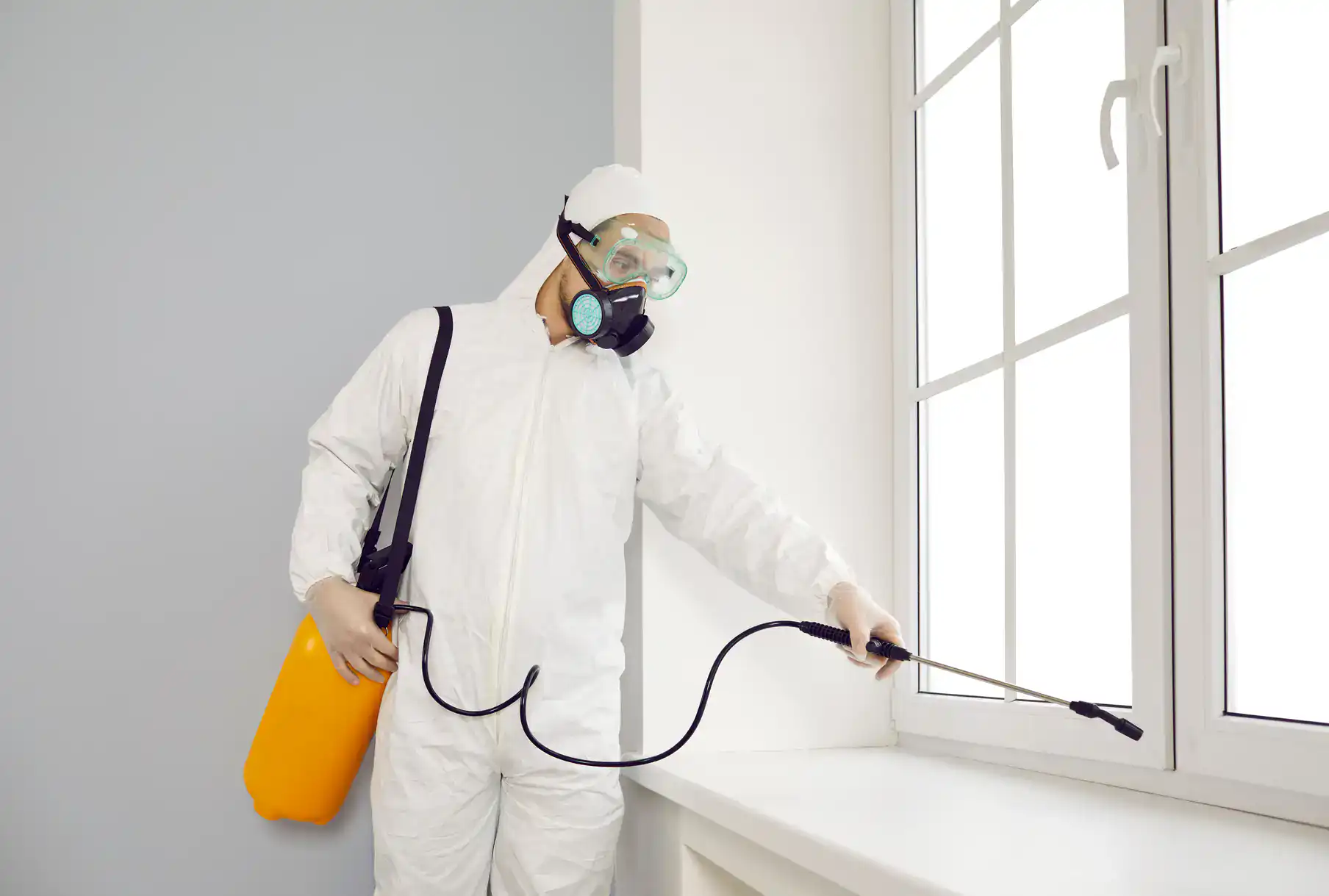
Ready to get started?
Rodent control in Bedford-Stuyvesant requires a different approach than what works in a detached suburban home. The pre-war attached rowhouses and brownstones that define this neighborhood nearly half of which were built before 1940 have settled foundations, aging plumbing, and shared structural cavities that create entry and travel routes a basic trap-and-bait treatment won’t solve. Our service is built around that reality.
Every job includes a full inspection of both interior activity zones and exterior entry points. Baiting and trapping address the active population. Exclusion work sealing gaps in foundations, around pipe penetrations, along shared wall access points is what keeps new rodents from replacing the ones we removed. For basement apartments, converted units, and multi-family buildings common throughout Bedford-Stuyvesant, this structural component is especially important. Rodents in a building with four units and a shared basement aren’t contained to one floor, and the treatment shouldn’t be either.
For property owners dealing with HPD violations or Department of Health inspection findings which are more common in Bedford-Stuyvesant given its Rat Mitigation Zone status we also provide documented treatment records that support regulatory compliance. If you own or manage a property along a commercial corridor like Fulton Street or Gates Avenue, where restaurant and retail waste creates sustained rodent pressure year-round, we can structure an ongoing maintenance approach that accounts for that environment rather than treating it as a one-time problem.
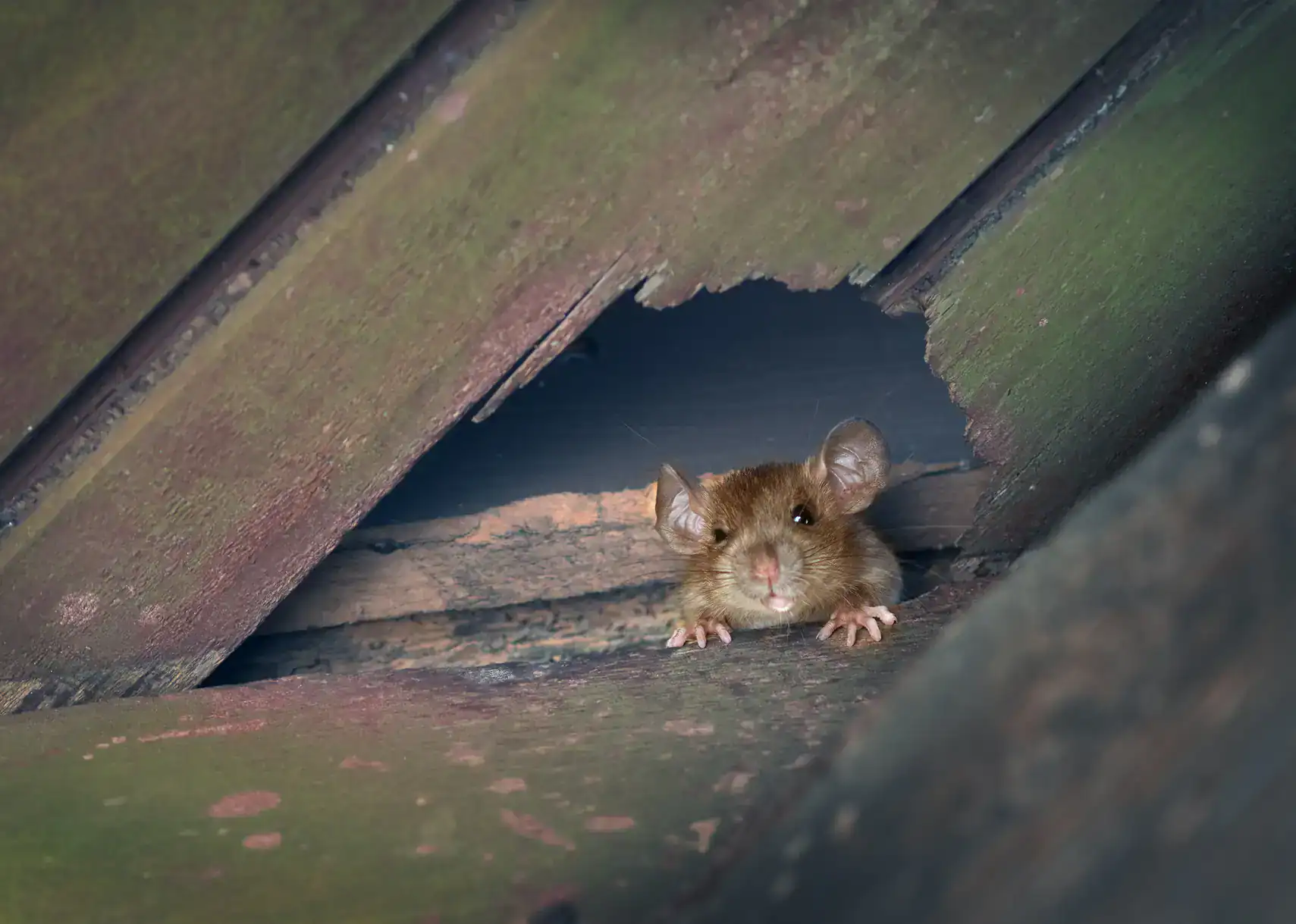
This is the most common frustration in Bedford-Stuyvesant, and the answer almost always comes down to one thing: entry points that were never sealed. Killing the rodents that are already inside your unit does nothing to stop the next wave from entering through the same gaps in your foundation, the same pipe penetration in the basement, or the same shared wall void that connects your building to the one next door.
In Bedford-Stuyvesant’s attached rowhouses most of which were built in the 1920s and 1930s rodents don’t need to go outdoors to move between properties. They travel laterally through shared structural cavities. If your neighbor’s unit or the building next door has an untreated infestation, rodents will migrate into your space continuously, no matter how many traps you set. The only way to break that cycle is exclusion work: physically closing the pathways rodents use to enter. That’s the part of the job that actually makes the treatment last.
The NYC Department of Health and Mental Hygiene has officially designated Bedford-Stuyvesant as one of eight Rat Mitigation Zones citywide. That designation is based on documented high levels of rat activity and 311 complaint volume and it comes with real consequences for property owners. In the first half of 2024 alone, the Bed-Stuy and Bushwick RMZ recorded 946 rodent-related 311 complaints, the highest of any RMZ in the city.
What it means practically is that your neighborhood is under active city scrutiny. The Department of Health conducts both reactive inspections (triggered by 311 complaints) and proactive ones. If an inspector finds active rat signs, improper garbage storage, or harborage conditions on your property, you can be issued a health code violation with fines ranging from $300 to $600 or more and a required remediation timeline. We’re familiar with this process and can document treatment in a way that supports your response to the city if you’ve already received a violation notice.
Yes. Under New York City’s Housing Maintenance Code, Section 27-2017.2, landlords are legally required to keep rental properties free of rodents and insects. When an infestation is present, the law requires owners to apply continuous eradication measures it’s not optional. If your landlord is ignoring the problem, you have the right to file a complaint with the NYC Department of Housing Preservation and Development (HPD), which enforces the code and can issue violations that carry escalating fines.
In Bedford-Stuyvesant, where a significant portion of residents rent in multi-unit buildings, landlord inaction on rodent problems is unfortunately common. If you’re a tenant dealing with a situation your landlord isn’t addressing, we can work directly with property owners and managers and our familiarity with the HPD violation process means we can help document the issue and the remediation in a way that’s useful if the situation goes further. You don’t have to wait and hope the problem resolves on its own.
Absolutely and this is one of the defining challenges of rodent control in attached rowhouse buildings like those throughout Bedford-Stuyvesant. Rodents don’t observe unit boundaries. They move through wall voids, pipe chases, ceiling cavities, and basement connections that run continuously through an attached building. A mouse that enters through a gap in the foundation of a ground-floor unit can reach upper floors through internal pathways without ever being seen in a common area.
This is why individual-unit treatment in a multi-unit Bedford-Stuyvesant building often fails to solve the problem long-term. If one unit is treated but the others aren’t, or if the structural entry points aren’t sealed, the infestation simply shifts or rebuilds. The most effective approach in these buildings involves inspecting and treating the common areas and basement, not just the unit where activity was first noticed and sealing the shared pathways that allow movement between spaces. Our inspection process accounts for this from the start.
The most common signs are droppings small, dark, and pellet-shaped found near food sources, under sinks, along baseboards, or in cabinets. Gnaw marks on food packaging, wood trim, or wiring are another clear indicator. In pre-war rowhouses, you’ll often hear scratching or movement sounds inside the walls or ceiling, especially at night when rodents are most active. A musty or ammonia-like odor in enclosed spaces like closets, basements, or wall cavities can also signal an established presence.
In Bedford-Stuyvesant’s older building stock, pay particular attention to basement areas, the spaces around exposed pipes, and any gaps where utilities enter through exterior walls. These are the entry points most commonly missed during a visual inspection and most commonly exploited by both Norway rats and house mice the two species most prevalent in this neighborhood. If you’re seeing one or two of these signs, the population is almost certainly larger than what’s visible. Rodents are nocturnal and avoidant of human activity, so what you see is typically a fraction of what’s there.
The cost of professional rodent control in Bedford-Stuyvesant typically ranges from $180 to $600 or more for initial treatment, depending on the size of the property, the severity of the infestation, and whether exclusion work is needed. Exclusion the physical sealing of entry points is often quoted separately and can add $200 to $600 to the total, but it’s also what determines whether the treatment actually holds. Skipping it to save money upfront usually means paying for retreatment within a few months.
For Bedford-Stuyvesant properties specifically, the age and construction of the building matters. Pre-war rowhouses with settled foundations, aging masonry, and multiple shared wall penetrations typically require more thorough exclusion work than newer or detached buildings and that’s reflected in the scope of the job. We offer a free phone consultation and free estimates, so you’re not committing to anything before you understand what the job involves and what it will cost. For properties dealing with active HPD violations or Department of Health inspection findings, getting a documented professional treatment on record quickly is worth factoring into the overall picture the fines for unresolved violations can exceed the cost of the service itself.
Useful Links