
Hear from Our Customers
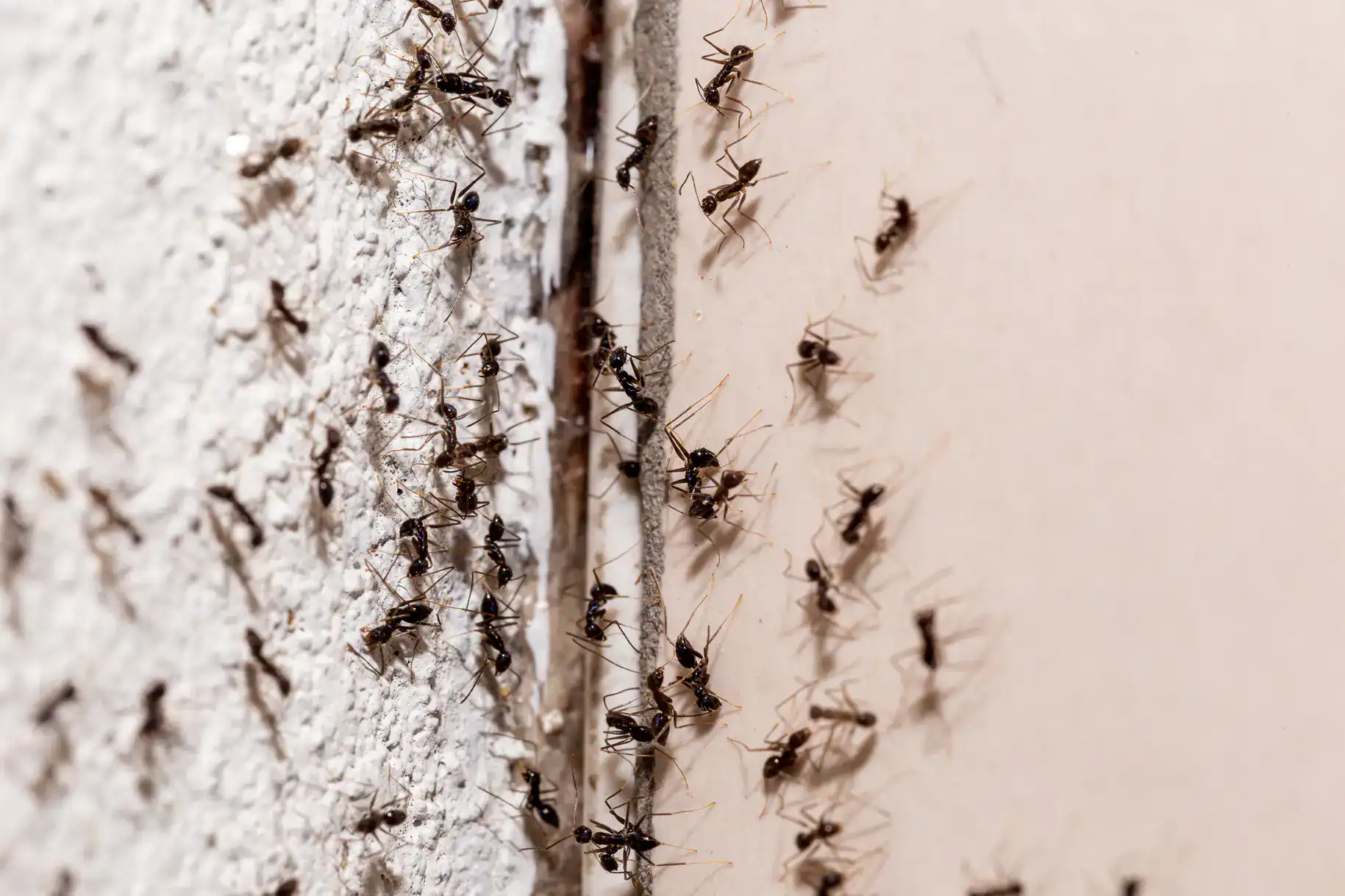
When you live in a Bedford-Stuyvesant brownstone, your ant problem is rarely just your ant problem. The party walls connecting your building to the one next door are the same channels ants use to move between units, nest in wall voids, and stay hidden from anything you’d find at a hardware store. A can of spray might clear your kitchen counter for a week. It won’t touch what’s living inside the wall.
The goal here isn’t to manage the ants you can see it’s to eliminate the colony behind them. Once that’s done, you stop finding trails along your baseboards every spring. You stop wondering whether the ants are gone or just relocated. And if you own your brownstone, you stop worrying about what carpenter ants might be doing to the wood framing inside a building that’s already been standing for over a century.
Bedford-Stuyvesant’s pre-1900 building stock the lathe-and-plaster walls, the hollow stoops, the original plumbing chases gives ants more places to hide than almost anywhere else in Brooklyn. Real ant pest control in this neighborhood has to account for that. That’s exactly what we do.
Kingsway Exterminating is a family-owned, fully licensed pest control company headquartered in Brooklyn at 2216 Flatbush Avenue. We’ve been operating in the five boroughs since the mid-1980s which means we were treating Bedford-Stuyvesant brownstones long before the neighborhood’s recent transformation, when these blocks looked entirely different. We hold an A+ rating with the Better Business Bureau of New York State, and every technician we send is licensed by the NYS Department of Environmental Conservation.
We use only NYS DEC-registered materials. We’re fully bonded and insured. And we answer the phone 24 hours a day, seven days a week because an ant infestation in a building on Halsey Street or Putnam Avenue doesn’t wait for Monday morning.
This isn’t a franchise. There’s no call center routing your job to whoever’s available. When you call Kingsway, you’re calling a Brooklyn company that has spent 40 years learning exactly how pests move through Brooklyn buildings and how to stop them.
When you reach out, we start with a free estimate and a real conversation about what you’re seeing where the ants are appearing, how long it’s been going on, and what the building looks like. In Bedford-Stuyvesant, that last part matters. Whether you’re in a subdivided four-story on Stuyvesant Avenue or a two-unit conversion near the Stuyvesant Heights Historic District, the building’s age and layout shape where we look and how we treat.
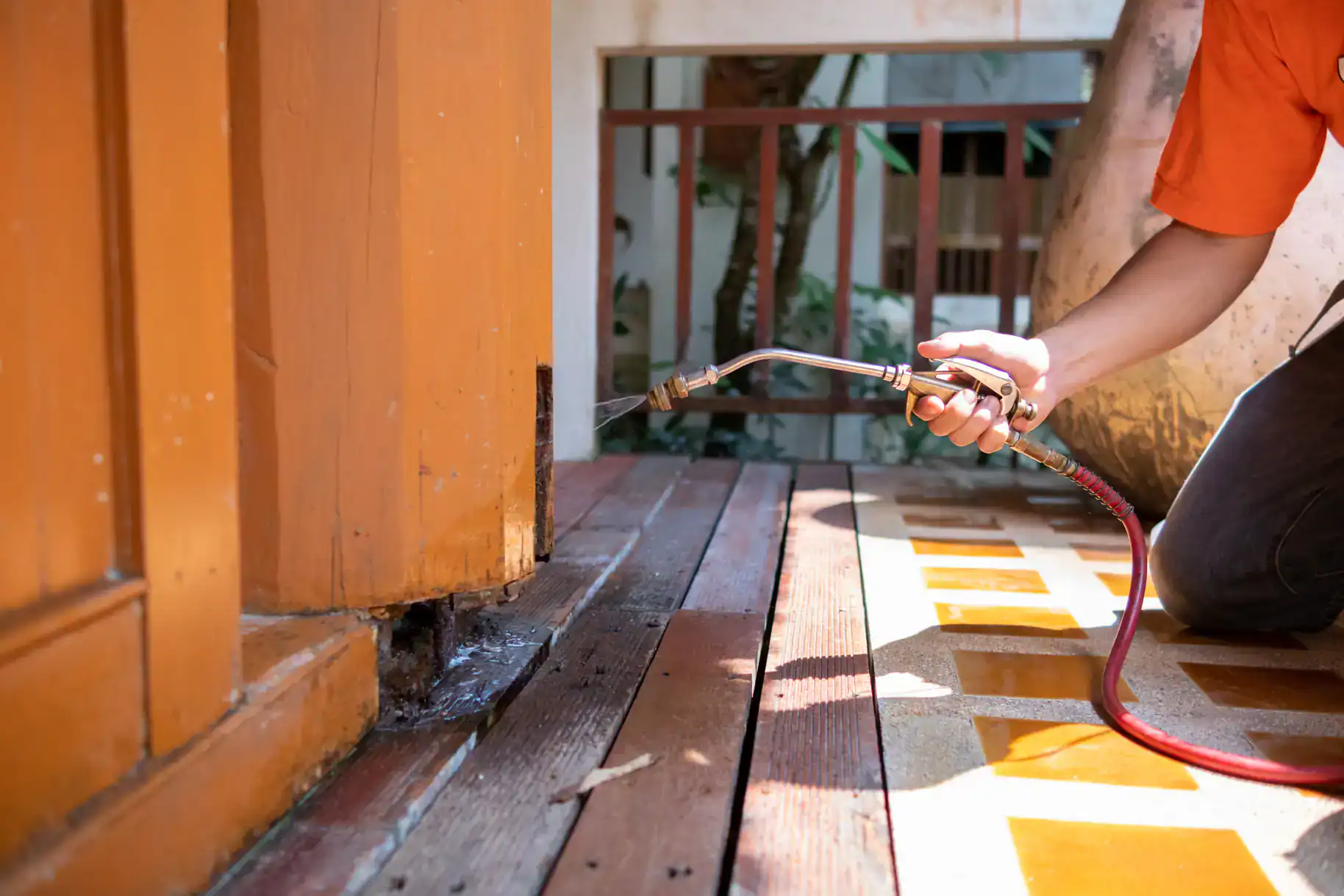
The first visit is a full cleanout interior and exterior treatment applied at the same time. We don’t just spray where you’ve seen activity. We apply materials that forager ants carry back into the nest and share with the colony, which is the only way to reach a population that’s living inside a wall void or beneath your foundation. For carpenter ant infestations, we also identify the moisture source that’s drawing them in, because treating the ants without addressing the underlying condition just invites them back.
After the initial treatment, we schedule follow-up visits weekly, every other week, or monthly depending on the severity to re-apply materials and confirm the colony is gone. Ant colonies in connected Bedford-Stuyvesant rowhouses can have satellite nests in adjacent units, so we stay with the job until the problem is fully resolved, not just temporarily reduced.
Ready to get started?
Bedford-Stuyvesant has two primary ant problems, and they’re different enough that treating one the same way you’d treat the other is a mistake. Pavement ants the small brown ants that swarm along sidewalks and push through foundation cracks every spring are a seasonal fixture on the brownstone blocks near Fulton Street and Nostrand Avenue. They respond well to targeted colony-elimination treatment applied at the foundation and entry points. Carpenter ants are a different conversation entirely. They nest in moisture-damaged wood, they’re active year-round inside the insulated wall voids of old buildings, and in a pre-1900 structure, they can do real structural damage over time. Both are common in Bedford-Stuyvesant. Both require a specific approach.
Every service we provide here includes interior and exterior treatment, scheduled follow-up visits, and materials that are registered with the NYS DEC which matters in a densely occupied building where families, children, and elderly residents share walls and common areas. If you’re a landlord managing a multi-unit building, we also work with you on documentation that supports HPD compliance under NYC’s housing maintenance code, which classifies pest infestations as a violation and requires licensed, professional remediation. Whether you’re a homeowner, a renter dealing with an unresponsive landlord, or a small property owner managing a Bedford-Stuyvesant brownstone, the service is built around what your specific building actually needs not a one-size-fits-all package.
Spring is peak season for ant activity in Bedford-Stuyvesant, and the neighborhood’s building stock is a big reason why. Pavement ants the most common species here spend winter dormant beneath sidewalks, building foundations, and the gaps between concrete slabs. When temperatures rise in April and May, colonies expand rapidly and scout ants push through the smallest foundation cracks looking for food and water. In a pre-1900 brownstone, those entry points are everywhere: settling cracks in rubble-stone foundations, gaps around original cast-iron plumbing penetrations, and the spaces beneath high stoops.
The other factor is Bedford-Stuyvesant’s street trees. Those leafy, tree-lined blocks are one of the neighborhood’s defining features, but the sidewalk tree pits create direct pathways from ground-level ant colonies into the ground floors of adjacent buildings. If you’re seeing ants every spring without a lasting fix, the issue isn’t that you haven’t sprayed enough it’s that the colony itself has never been treated. That’s what professional ant control is designed to address.
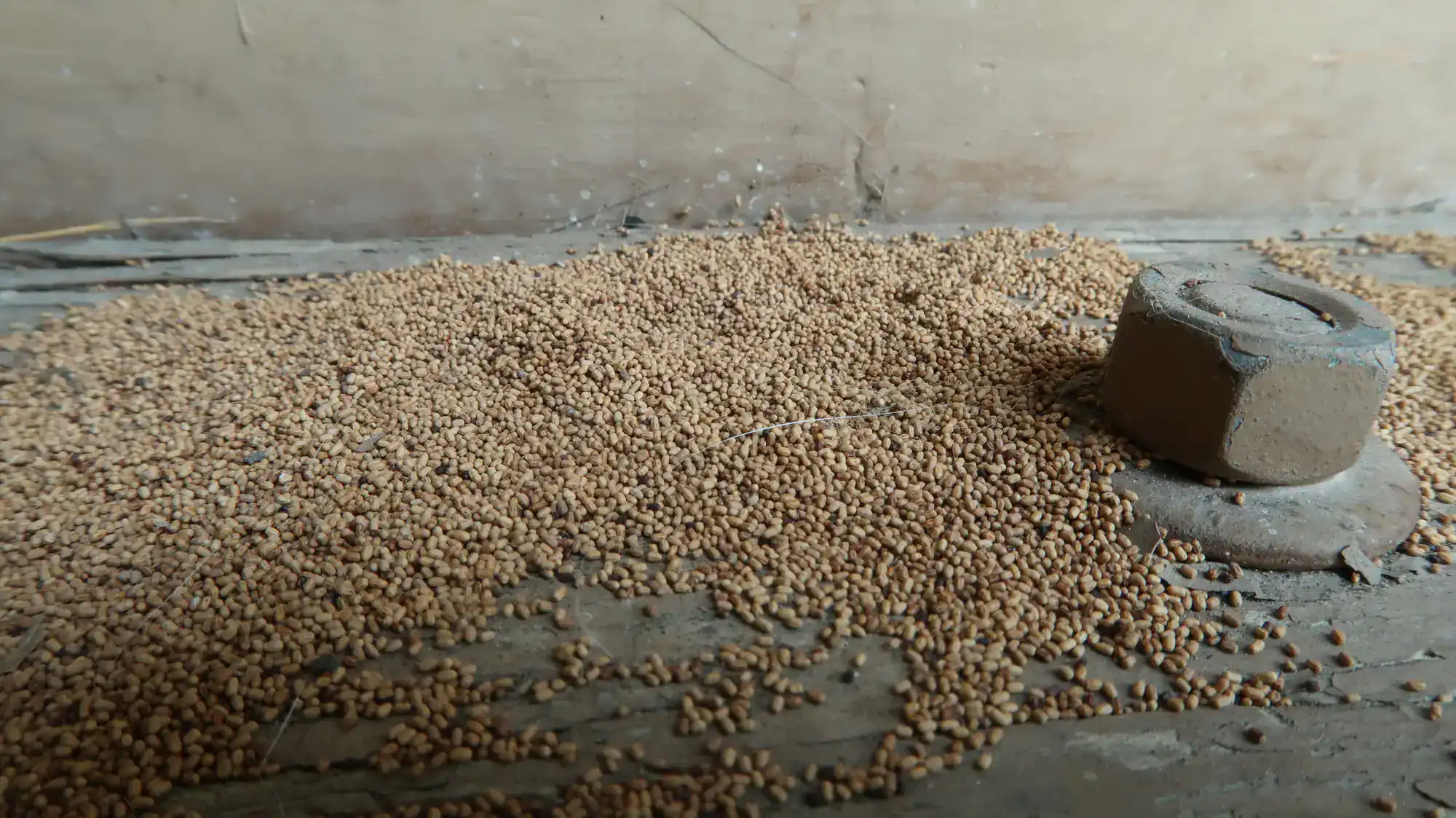
The size difference is usually the first clue. Carpenter ants are significantly larger than pavement ants often a quarter inch or more and they’re typically black or dark brown. If you’re seeing large ants near windowsills, along baseboards close to exterior walls, or anywhere near wood that’s been exposed to moisture, carpenter ants are a real possibility. The other signs are more subtle: a faint rustling sound inside walls, small piles of fine sawdust-like material near wood trim or floor joists, or ants entering and exiting through tiny gaps in the wall.
In Bedford-Stuyvesant’s older buildings, carpenter ant risk isn’t hypothetical. A century of moisture cycling roof leaks, plumbing failures, inadequate weatherproofing leaves behind exactly the kind of softened, damaged wood that carpenter ants seek out for nesting. If your building is in or near the Stuyvesant Heights Historic District and you’ve done any renovation work recently, that’s another trigger: opening walls disturbs established colonies and causes them to relocate deeper into the structure. When in doubt, call for an inspection. Identifying the species first is what determines the right treatment guessing costs time and money.
Yes, and this is one of the most important things to understand about ant control in Bedford-Stuyvesant specifically. The continuous party walls that connect the neighborhood’s brownstones don’t just share structural load they share wall voids, plumbing chases, and basement connections. Ants move laterally through these pathways without ever touching the outside of the building. That’s why treating one unit in isolation often produces temporary results at best: the colony relocates to an adjacent unit through the shared wall and re-establishes itself within weeks.
Effective treatment in a connected rowhouse has to account for the building as a whole, not just the unit where you’re seeing activity. That means applying materials both inside and outside the structure, targeting the colony rather than just the visible foragers, and scheduling follow-up visits to confirm the infestation hasn’t simply shifted. If you’re a tenant whose neighbor has already treated their unit and you’re now seeing increased activity, that’s a common pattern and it’s exactly the situation where calling a licensed ant exterminator makes the most practical sense.
This is a legitimate concern in a densely occupied building, and it deserves a straight answer. We use only materials registered with the New York State Department of Environmental Conservation the state regulatory body that governs pesticide use in New York. These aren’t industrial-grade chemicals applied indiscriminately throughout a building. They’re applied in controlled quantities to targeted areas: entry points, foundation perimeters, wall voids, and specific harborage zones identified during the inspection.
Before every treatment, our technicians walk through what’s being applied, where it’s going, and how long you should wait before re-entering treated areas. In a building with children, elderly residents, or pets which describes most of the multi-unit brownstones in Bedford-Stuyvesant that conversation matters. Licensed, regulated professional treatment is meaningfully different from broadcast spraying with store-bought products, which often have higher surface concentrations and no professional guidance on safe re-entry. If you have specific health concerns or sensitivities in your household, let us know before the visit and we’ll factor that into the treatment approach.
Under New York City’s Housing Maintenance Code, building owners are legally required to address pest infestations. Pests are classified as a housing code violation, and landlords who fail to act can face HPD violations, fines, and tenant-initiated legal action. Local Law 55 of 2018 goes further, requiring multi-unit landlords to remediate indoor allergen hazards including pests and address the underlying conditions contributing to the infestation, not just apply a temporary fix. Brooklyn ranks second among the five boroughs for HPD violation volume, and pest-related violations in pre-war building stock like Bedford-Stuyvesant’s are among the most commonly cited.
If your landlord is unresponsive, you have two practical options: file a complaint with HPD directly at 311, which creates a documented record and triggers an inspection, or arrange professional treatment yourself and pursue reimbursement through housing court. Either way, having a licensed exterminator’s documentation of the infestation and treatment is useful. We provide that documentation as part of the service, and our work meets the licensing standards that HPD compliance requires.
Yes we offer a 10% senior discount on ant control services. Bedford-Stuyvesant has a significant population of long-term homeowners who have lived in their brownstones for decades, in some cases raising families in buildings they’ve owned since before the neighborhood’s recent transformation. Many of those residents are now on fixed incomes and are managing older buildings largely on their own. The discount reflects a straightforward recognition of that reality it’s been part of how we operate in Brooklyn for years, not something added recently.
If you’re a senior homeowner in Bedford-Stuyvesant dealing with a recurring ant problem in a building you know better than anyone, the discount applies to your initial service and to any ongoing maintenance visits. Just mention it when you call. We also offer free estimates before any work begins, so you’ll know exactly what the service involves and what it costs before you commit to anything.
Useful Links