Hear from Our Customers
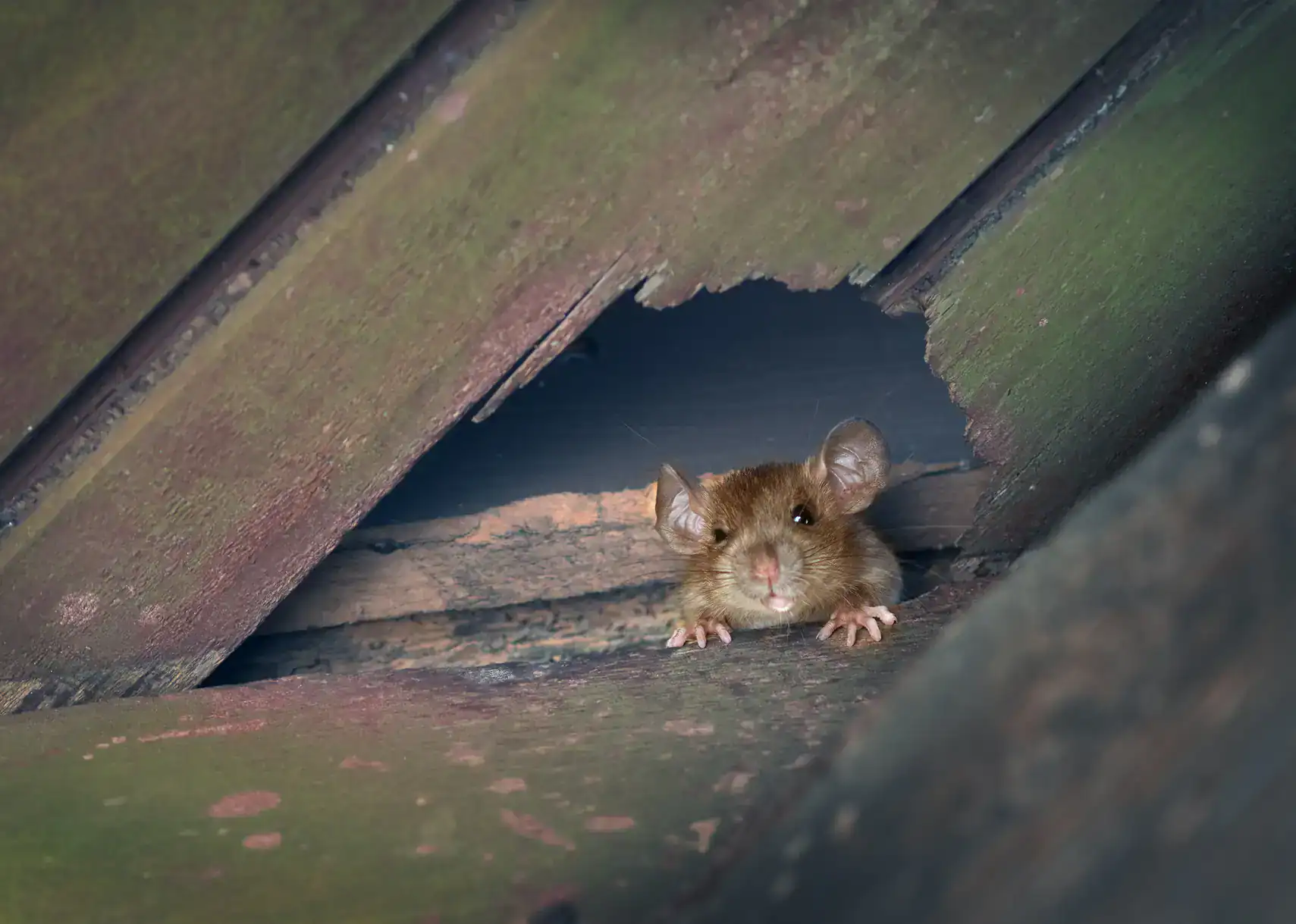
You stop finding droppings behind the stove. You stop hearing scratching in the walls at 2 AM. You stop wondering whether the problem is in your unit, your neighbor’s unit, or somewhere in the shared wall between you. That last part matters more in Brooklyn than almost anywhere else because in this borough, the walls aren’t just yours.
Brooklyn’s attached row houses and brownstones were built in the 19th century with shared party walls, connected basements, and old coal delivery infrastructure that rats have been using as highways for decades. A rodent that gets into one unit in a Park Slope row house can move through wall voids into every adjacent home without ever stepping outside. Treating just your unit without addressing the shared structure is like mopping the floor while the pipe is still leaking.
Beyond the structural reality, Brooklyn’s proximity to the Gowanus Canal, Jamaica Bay, Sheepshead Bay, and the subway system means the external pressure never fully stops. Professional rodent control here isn’t a one-time event it’s a process that identifies where they’re getting in, closes those entry points, and gives you a defensible property instead of a revolving door.
We’ve been based at 2216 Flatbush Avenue in Marine Park since 1971 one of Brooklyn’s most recognizable roads, running straight through the heart of the borough from the Manhattan Bridge down to the Marine Parkway Bridge. This isn’t a franchise operation or a national chain routing calls through a distant call center. We’re a second-generation family business that Richard Kourbage Sr. built from the ground up, and that his sons Richard Jr. and Charles have been running since the late 1980s.
That kind of history means something in a borough where the housing stock is old, the buildings are connected, and the rodent pressure is real and ongoing. We hold an A+ rating with the Better Business Bureau of New York State accredited since 1989 and apply only N.Y.S. Department of Environmental Conservation registered pesticide materials. Fully licensed, bonded, and insured. We’re trusted by Brooklyn attorneys and real estate brokers for health code citations and property transaction support. That’s not a marketing line it’s just what 50-plus years of doing the job right looks like.
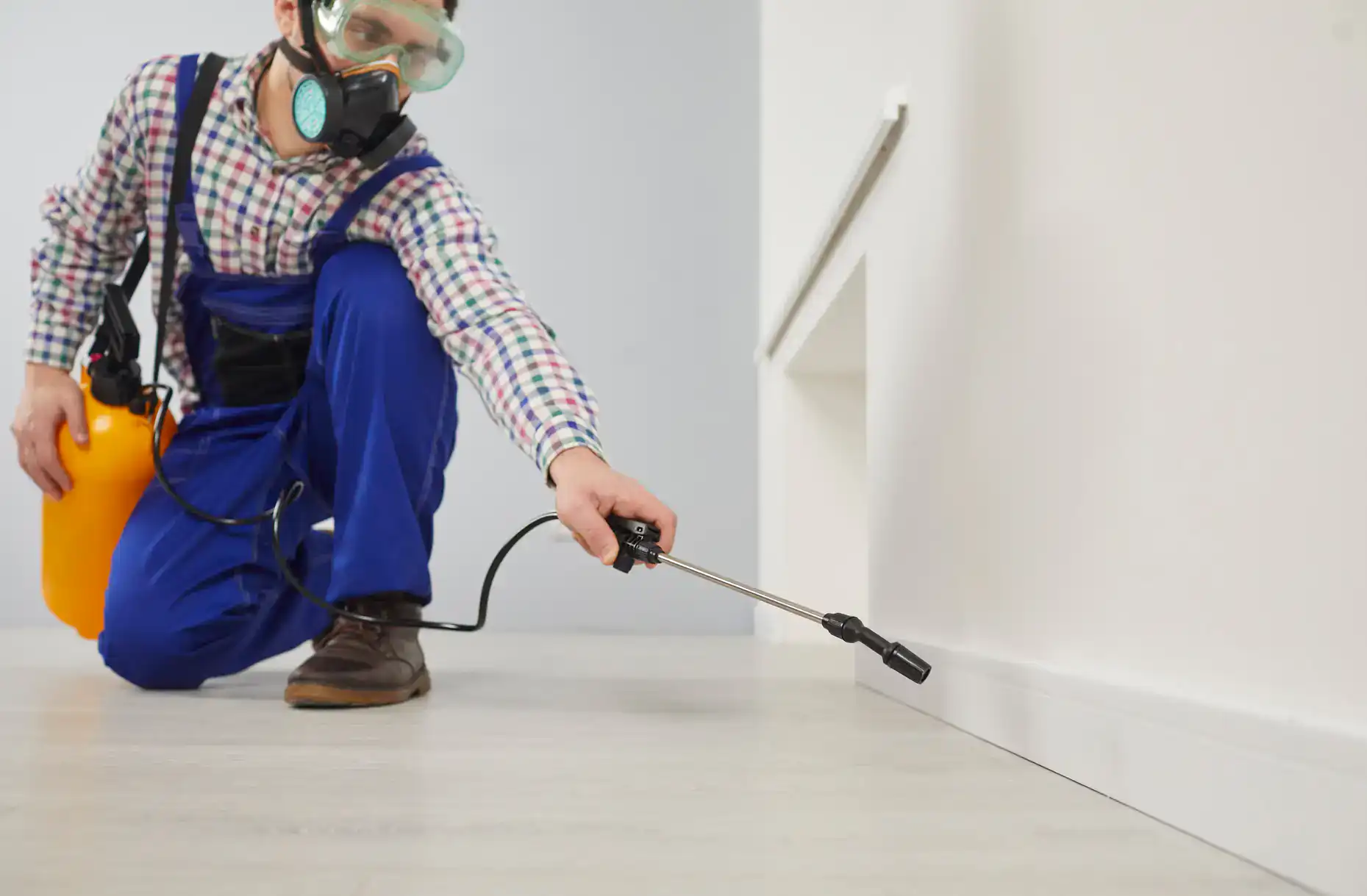
It starts with a thorough inspection. Before anything gets applied or sealed, one of our technicians walks your property to identify the species involved, locate active entry points, and assess the full scope of the infestation. In Brooklyn’s brownstones and attached two-and-three-family homes, that means looking at shared wall penetrations, basement access points, utility chases, and any gaps in the foundation not just the obvious spots. Norway rats can squeeze through a gap the size of a quarter. Mice need even less than that.
From there, treatment is targeted and deliberate. We apply only NYSDEC-registered materials, which matters in a dense, multi-family environment where children, pets, and neighboring units share the same air and structure. Bait placement, trap positioning, and application methods are all calibrated to your specific building type a Bed-Stuy brownstone gets a different approach than a Sheepshead Bay two-family home or a Canarsie apartment building.
The final piece is exclusion physically sealing the entry points that allowed rodents in. This is where most DIY attempts and one-visit services fall short. Without exclusion, you’re managing a symptom, not solving the problem. Our process ends with a follow-up schedule and monitoring to confirm the infestation is resolved and stays that way, especially important in Brooklyn’s designated Rat Mitigation Zone neighborhoods like Bushwick, Bed-Stuy, and Prospect Heights, where re-infestation pressure is highest.
Ready to get started?
Rodent control in Brooklyn isn’t a single service it’s a set of decisions made based on your building type, your neighborhood, and what’s actually driving the problem. For a Crown Heights apartment building sitting near an active construction site, our approach looks different than it does for a Bay Ridge homeowner dealing with a seasonal intrusion from the Belt Parkway corridor. Our technicians are trained to read those differences and respond accordingly.
Every service we provide includes a full inspection, species identification, targeted treatment using NYSDEC-registered materials, and a written assessment of conditions contributing to the infestation. For properties in Brooklyn’s Rat Mitigation Zone which covers Bushwick, Bedford-Stuyvesant, and Prospect Heights our documentation practices are particularly valuable, since properties in those zones face increased DOHMH inspection frequency and higher fines for unresolved violations. Having a licensed exterminator’s service record on file can make a real difference when an inspector shows up.
Exclusion work is available and strongly recommended for most Brooklyn properties, particularly in the Brownstone Belt neighborhoods where shared structural elements make permanent sealing the only lasting solution. We also serve commercial properties, restaurants, and multi-unit buildings throughout Kings County. Free estimates are available by phone or online, with same-day service in many cases and a guaranteed appointment within 48 hours.
Brooklyn’s rat population is driven by a combination of factors that don’t exist at the same scale anywhere else in the region. The borough has one of the oldest and most densely packed housing stocks in the country, miles of subway infrastructure that functions as a permanent rat habitat, and direct proximity to waterways the Gowanus Canal, Jamaica Bay, Sheepshead Bay, and Coney Island Creek that support large Norway rat colonies year-round. Add in roughly 108,000 new housing units built between 2010 and 2024, and you have constant construction activity disrupting established burrows and pushing displaced colonies into surrounding residential buildings.
It is getting worse in certain pockets. The NYC Department of Health and Mental Hygiene formally designated a Brooklyn Rat Mitigation Zone in July 2023, covering Bushwick, Bedford-Stuyvesant, and Prospect Heights an acknowledgment that rodent activity in those neighborhoods had reached a level requiring concentrated city intervention. Crown Heights is another documented example where rapid development has pushed rat colonies out of excavation sites and into neighboring homes. Milder winters from the urban heat island effect are also reducing winter die-off, meaning larger populations survive into each spring breeding season.
This is one of the most important questions Brooklyn residents can ask and most pest control companies don’t answer it honestly. Brooklyn’s attached brownstones and row houses were built in the 19th century with shared party walls, common basement spaces, and old coal delivery infrastructure that was never fully sealed off when coal heat became obsolete. Those structural connections create continuous rodent migration pathways that run the length of an entire city block. A rat that enters one unit can travel through shared wall voids, utility chases, and open basement connections to reach every adjacent home without ever going outdoors.
This is why treating a single unit without assessing the shared structure almost always produces temporary results. The rodents are displaced, not eliminated they move to the next unit and return when conditions settle. Effective rodent control in Brooklyn’s Brownstone Belt neighborhoods like Park Slope, Fort Greene, Carroll Gardens, and Clinton Hill requires identifying and sealing every penetration point in the shared structural envelope, not just the obvious gaps in your individual unit. Our inspection process is designed specifically with this building typology in mind.
Yes and the fines can escalate quickly. New York City’s Health Code requires property owners to keep their premises free of rodents and other pests. The NYC Department of Health and Mental Hygiene conducts property inspections and issues summonses when rodent activity is found. Those summonses carry fines that increase for repeat violations, and the DOHMH Rat Information Portal makes inspection results publicly available by property address so a landlord’s violation history is visible to anyone who looks.
For properties located in Brooklyn’s designated Rat Mitigation Zone which covers Bushwick, Bedford-Stuyvesant, and Prospect Heights the stakes are even higher. Properties in these zones face increased inspection frequency and higher fine amounts compared to the rest of the city. If you’re a tenant dealing with an unresponsive landlord, documenting the infestation and filing a 311 complaint creates a formal record. If you’re a landlord, having a licensed exterminator like us on record with a documented treatment and follow-up plan is your clearest path to compliance and fine avoidance.
Treatment and exclusion are two different things, and in Brooklyn, you genuinely need both. Treatment refers to the active measures we use to eliminate the rodents currently in your property bait stations, traps, and NYSDEC-registered rodenticides applied in targeted locations. This addresses the immediate infestation. Exclusion is the physical work of sealing every entry point that allowed rodents to get in gaps in the foundation, holes around pipes, cracks in masonry, spaces around utility penetrations, and any opening larger than a quarter for rats or a pencil eraser for mice.
In Brooklyn’s dense, attached-building environment, exclusion is not optional if you want lasting results. The external rodent pressure from the subway system, nearby waterways, and ongoing construction activity means that a treated property with unsealed entry points will simply be re-colonized. Exclusion work in older Brooklyn buildings often involves sealing party wall penetrations, reinforcing basement access points, and addressing deteriorating masonry that’s common in pre-war brownstones throughout neighborhoods like Flatbush, Bed-Stuy, and Bay Ridge. We assess both needs during the initial inspection and provide a clear recommendation on what your specific property requires.
It does, and it’s one of the most consistent complaints we hear from Brooklyn residents. When excavation or demolition begins on a nearby site, established rat burrows are physically destroyed. The displaced colony doesn’t disappear it relocates, and the nearest residential buildings become the most accessible option. This is a well-documented pattern in Brooklyn’s development corridors. Crown Heights has been a particularly clear example in recent years, where rapid construction activity has produced measurable spikes in residential rodent complaints in surrounding blocks.
If you’ve noticed a sudden increase in rodent activity that started around the same time as nearby construction, you’re not imagining it. The timing is usually not a coincidence. We offer same-day service in many cases and guarantee an appointment within 48 hours, which matters when a displaced colony is actively looking for a new home and yours is the closest option.
For most residential properties in Brooklyn, professional rodent control runs between $180 and $610 depending on the size of the property, the severity of the infestation, and what’s required to resolve it. If exclusion work is needed and in most Brooklyn brownstones and attached row houses, it is that adds roughly $200 to $600 on top of the base treatment cost. Multi-unit buildings and commercial properties are priced based on scope and are assessed during the inspection.
What affects cost most in Brooklyn specifically is building complexity. A pre-war brownstone in Park Slope with shared party walls, an original coal delivery door, and a connected basement requires more inspection time and more exclusion work than a newer detached home. That’s not a reason to skip the exclusion it’s a reason to get it done right the first time, because repeated treatments on a property with unsealed entry points cost more over time than a thorough one-time fix. We offer free estimates by phone or online form, with no obligation to commit. You’ll know exactly what you’re looking at before any work begins.
Useful Links
Other Services we provide in Brooklyn