
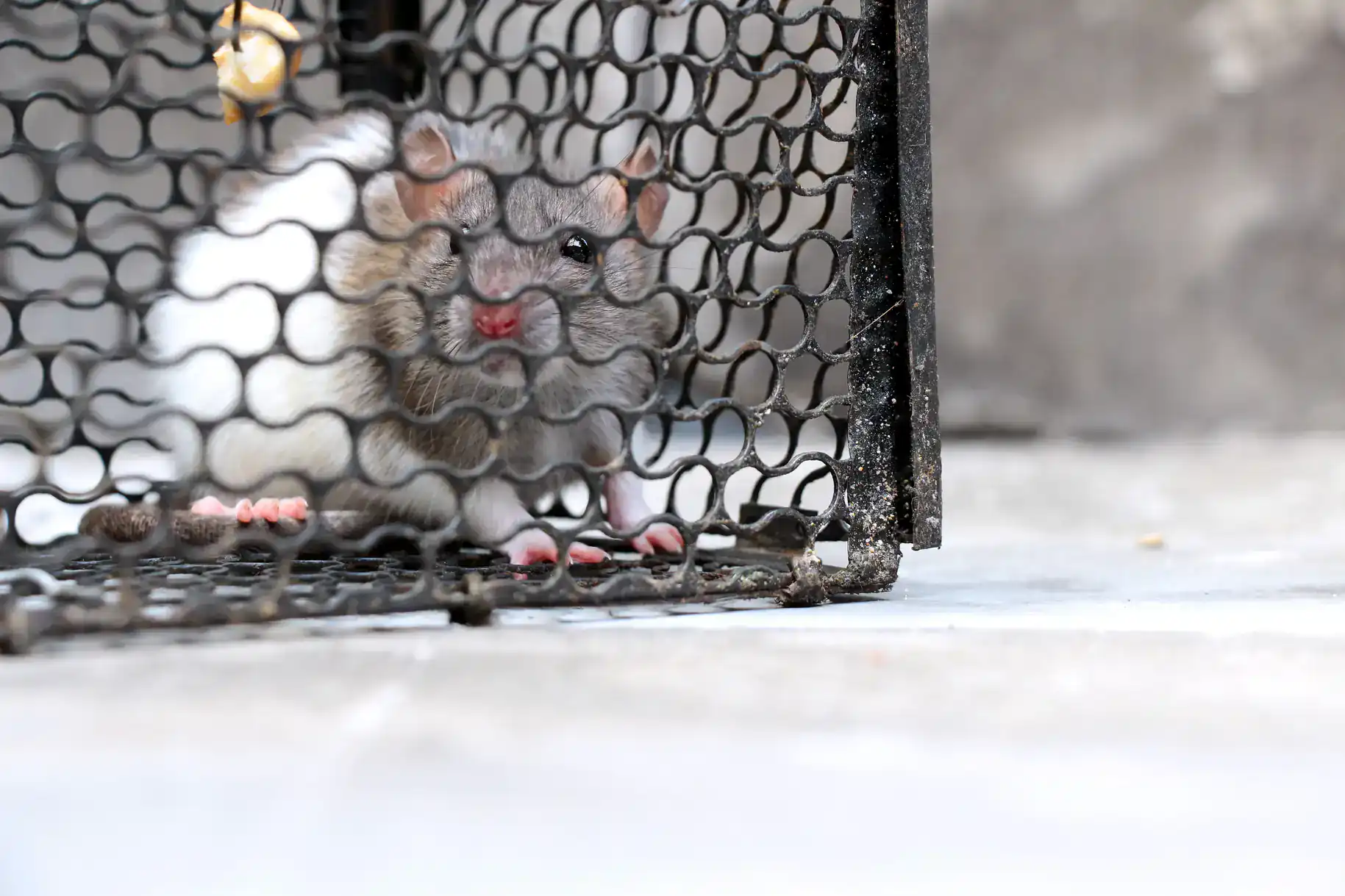
Hear from Our Customers
Most rodent problems in College Point aren’t random. They’re the result of specific conditions a 100-year-old foundation with gaps along the sill, a basement that’s taken on water after a storm, or a rat colony displaced from the industrial corridor near the Whitestone Expressway. When those conditions get addressed properly, the problem stops cycling back.
You stop hearing scratching in the walls at night. You stop finding droppings near the kitchen cabinets or behind the water heater. Your basement goes back to being storage space instead of something you’d rather not think about. That’s what a real fix looks like not just a treatment, but a clear understanding of how rodents are getting in and what it takes to keep them out.
College Point’s flood risk matters here too. Over 25% of properties in this neighborhood face flooding exposure, and a basement that’s been wet is one of the most attractive harborage environments a rodent can find dark, undisturbed, full of nesting material. Addressing that vulnerability is part of how rodent control actually holds in College Point, not just for a season, but long-term.
We’ve been operating in New York City since 1971 founded by Richard Kourbage Sr. and carried forward by his sons Richard Jr. and Charles, who joined the business in 1987 and 1989 respectively. This isn’t a franchise. There’s no national call center routing your job to whoever’s available. We’re a family that built our name on actually solving pest problems in some of the most demanding urban environments in the country, including the older single-family homes that make up most of College Point’s residential stock.
We hold an A+ rating with the Better Business Bureau of New York State accredited since 1989 and apply only N.Y.S. Department of Environmental Conservation-registered materials on every job. Licensed, bonded, and insured, we’re also a known and trusted referral for New York attorneys and real estate brokers handling property transactions throughout Queens, including College Point.
If you’ve got questions before you’re ready to book, the phone consultation is free. No pressure, no obligation just a straight conversation about what you’re dealing with.
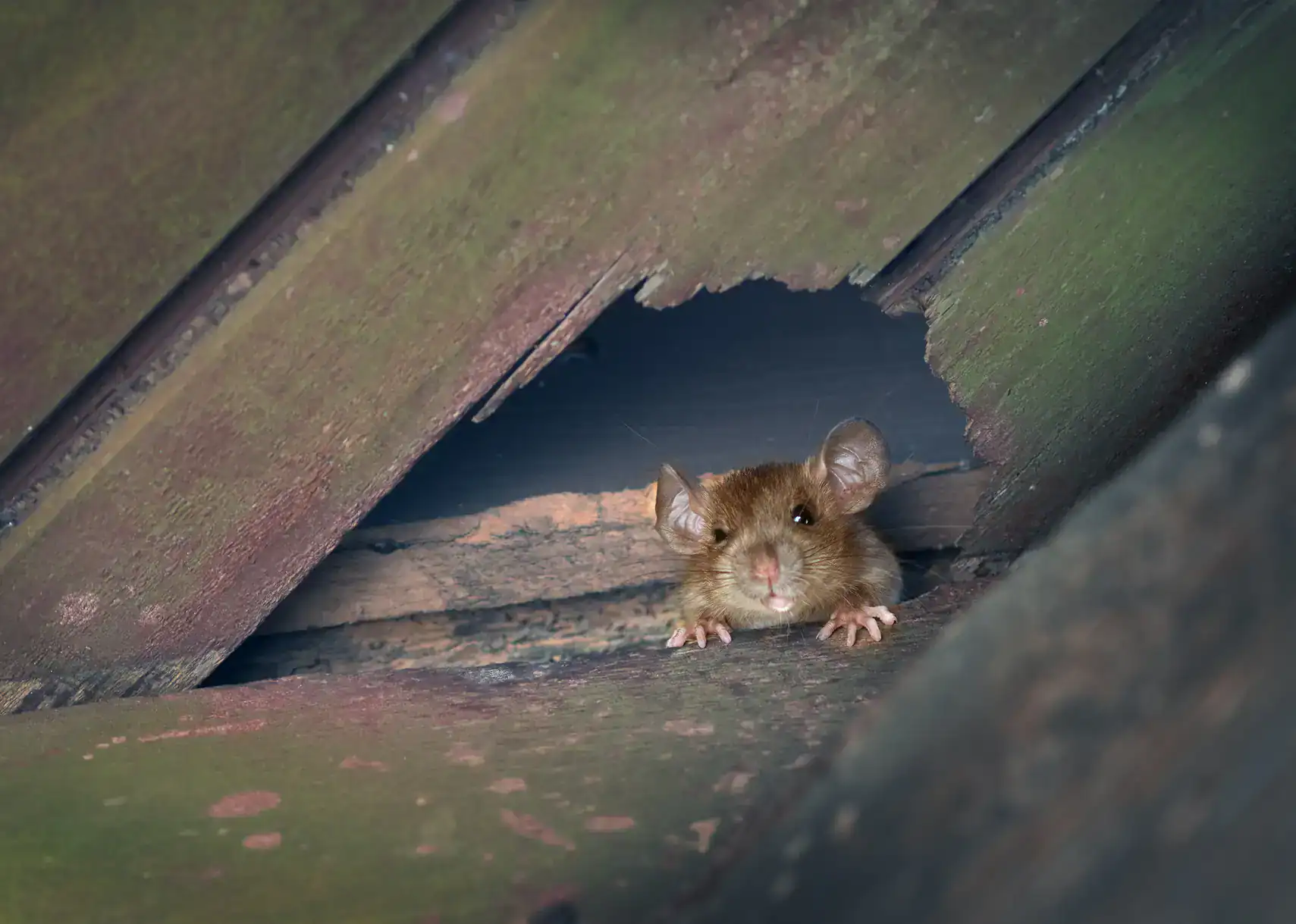
The first step is an inspection a thorough walk of both the interior and exterior of your property. In College Point, that means paying close attention to the foundation sills, basement walls, utility penetrations, and any areas where aging mortar or deteriorated framing has created gaps. A Norway rat needs a hole the size of a quarter to get in. A house mouse needs something closer to a pencil eraser. In homes built in the 1920s which describes most of College Point’s residential stock those openings aren’t exceptions. They’re everywhere.
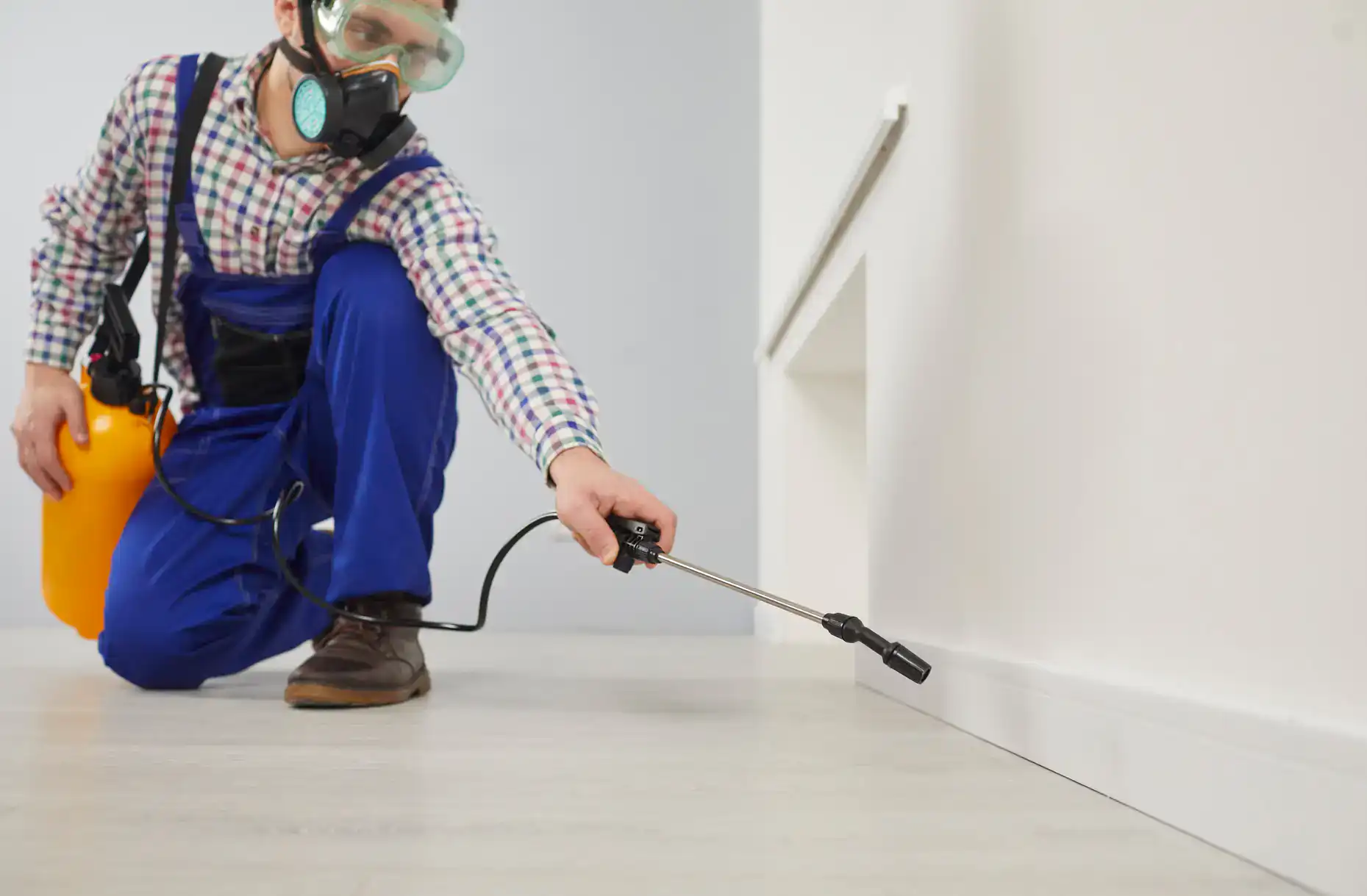
Once the entry points and harborage conditions are identified, we apply treatment using NYS DEC-registered materials, targeted to where rodents are actually active not just a general spray of the space. This matters especially in homes with children, elderly residents, or pets, which is a realistic description of a lot of households in this neighborhood.
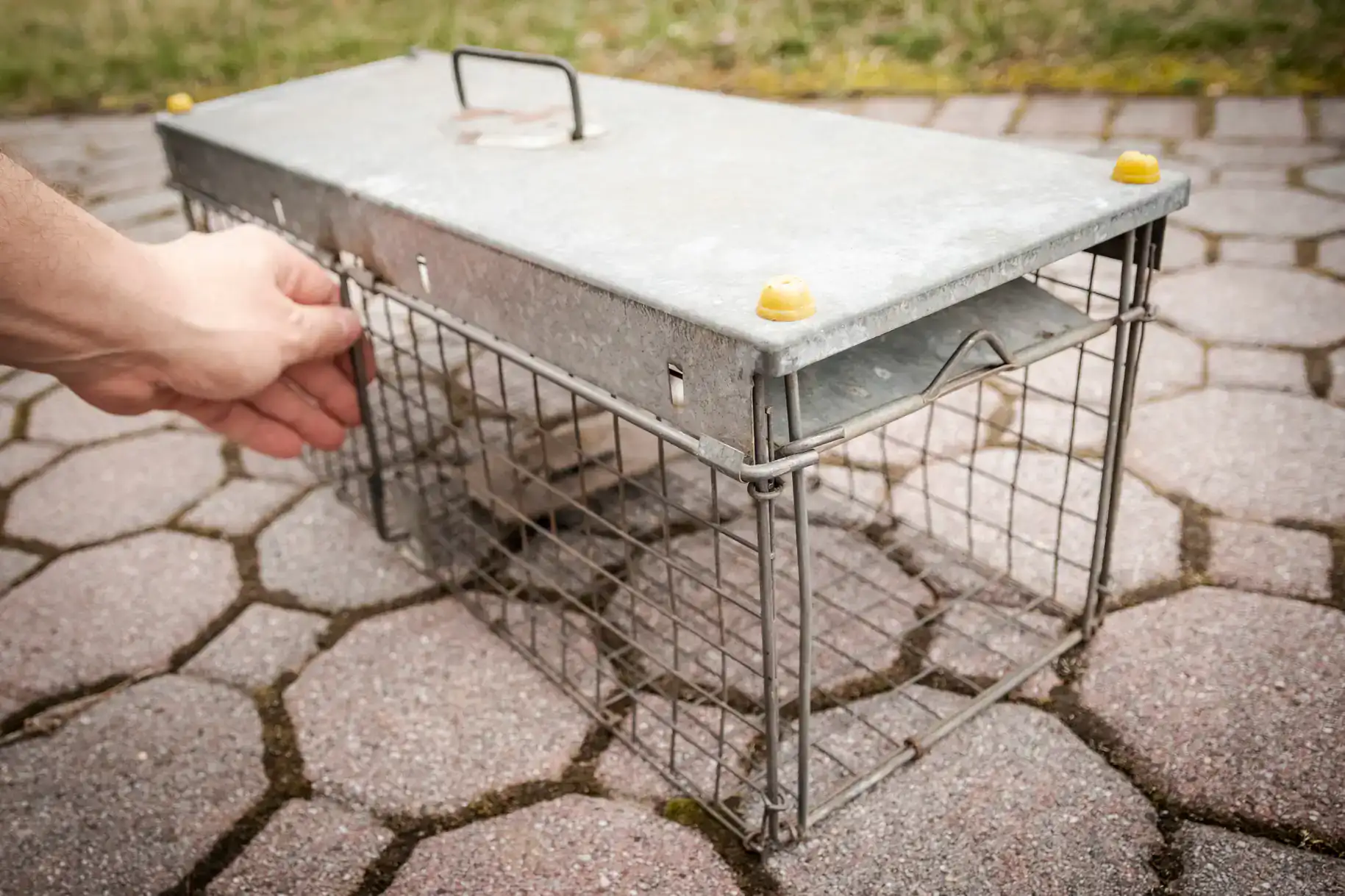
After treatment, we address the physical openings that allowed rodents in through exclusion work. This is the step most companies skip, and it’s the reason so many homeowners end up calling a second time. We document what was found, what was treated, and what follow-up looks like so you’re not left guessing. For properties near the industrial corridor or the new logistics center development near the Whitestone Expressway, where construction displacement is actively pushing rodent colonies into residential streets, an ongoing maintenance plan is often the most practical long-term approach.
Ready to get started?
Rodent control in College Point covers more ground than most people expect when they first call. Our service includes a full interior and exterior inspection, targeted treatment using NYSDEC-registered materials, exclusion work to seal identified entry points, and written documentation of everything found and addressed. That documentation matters if you’ve received a violation from NYC’s Department of Health and Mental Hygiene or an HPD notice tied to a rental unit, our service records are exactly what’s needed to close it out.
For homeowners along the waterfront near MacNeil Park or Powell’s Cove Park, or on the residential blocks north of the College Point Corporate Park, the inspection goes deeper into drainage areas, basement perimeters, and any exterior conditions that connect your property to nearby harborage sources. These aren’t generic checklist items they’re the specific conditions that drive rodent pressure in this part of Queens.
We also offer ongoing maintenance plans for homeowners who want to stay ahead of re-infestation. Given College Point’s combination of waterfront geography, aging housing, and active industrial adjacency, a one-time treatment is often not the complete answer and we’ll tell you that honestly rather than sell you something you don’t need. Every visit includes a follow-up report. Every call before you book is free.
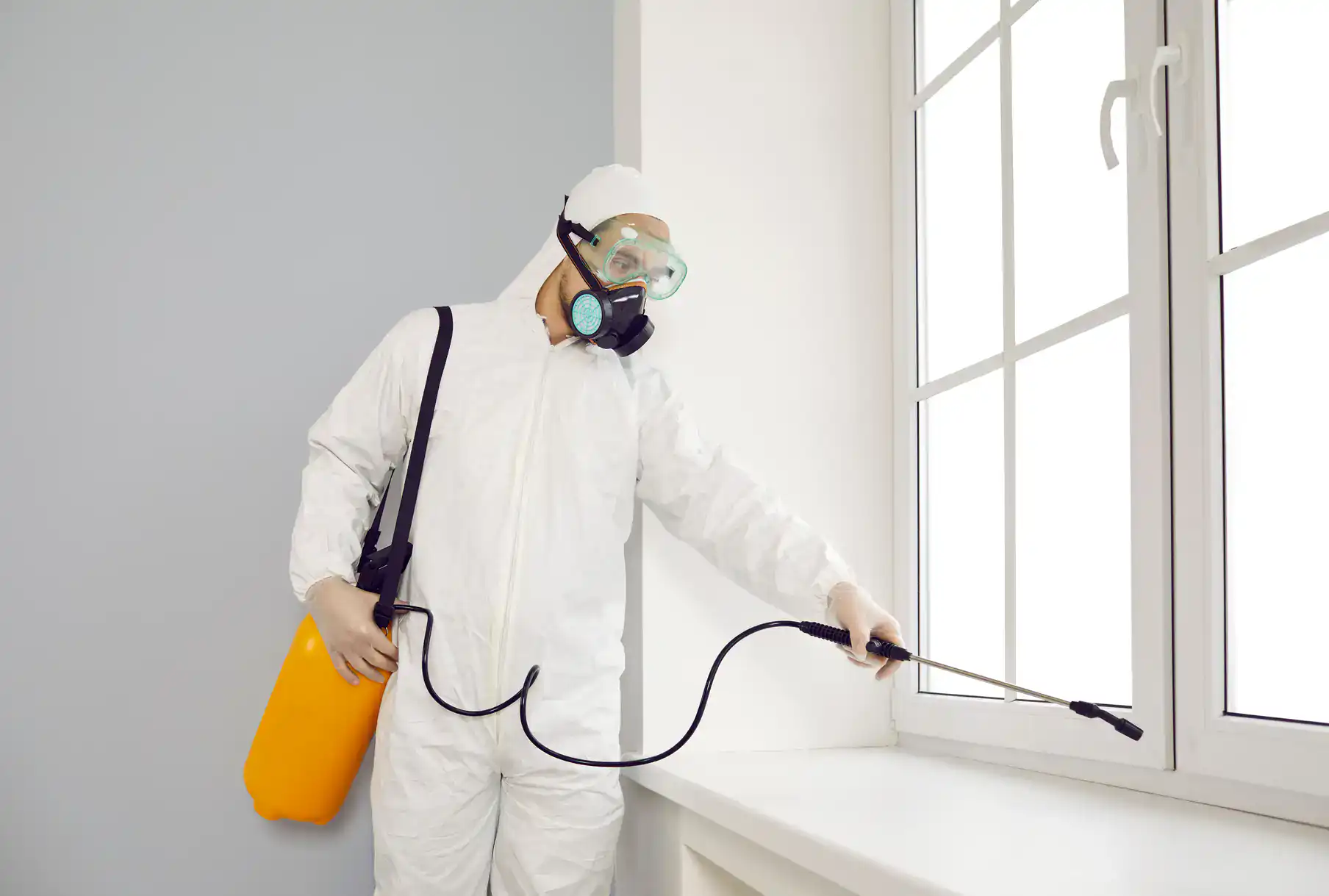
This is the most common frustration homeowners call about, and the answer is almost always the same: the entry points were never sealed. Treatment kills the rodents that are present, but if the gaps in your foundation, the space around your utility pipes, or the deteriorated sill along your basement wall are still open, new rodents move in from outside. In College Point, that outside pressure is constant between the waterfront along Flushing Bay, the drainage infrastructure running beneath the neighborhood’s streets, and the industrial corridor to the south, there’s no shortage of rodent population nearby.
The fix isn’t just another round of bait or traps. It’s a proper inspection that identifies every point of entry and exclusion work that physically closes them off. That’s the part of rodent control that actually makes the difference between solving the problem and managing it indefinitely.
For a standard residential treatment in College Point, most homeowners are looking at somewhere in the range of $150 to $400 for an initial service, depending on the size of the property and the severity of the infestation. If exclusion work is needed sealing entry points around the foundation, utility penetrations, basement windows, and similar gaps that adds to the cost, typically in the range of $300 to $1,500 depending on how much work the property requires.
The honest answer is that older homes cost more to properly rodent-proof, because there are more entry points to address. Most of College Point’s housing stock was built in the 1920s, which means the average home here has a century’s worth of settling, cracking, and aging to account for. Spending more upfront on thorough exclusion work almost always costs less over time than repeated treatments that don’t address the underlying access problem. We offer a free phone consultation so you can get a realistic picture of what your specific property needs before committing to anything.
Yes, and this is a real and current concern for homeowners in College Point. Norway rats the dominant rat species in New York City travel up to 150 feet from their nests daily in search of food and water. When construction or demolition disturbs an established burrow network, those colonies don’t disappear. They relocate, and the nearest residential streets are where they go.
The $146 million College Point Logistics Center currently under construction near the Whitestone Expressway is exactly this kind of displacement event. Large-scale excavation and foundation work disturbs long-established rodent colonies in the industrial corridor, and those populations move outward. If you live within a few blocks of the southern industrial zone or the new development site, your infestation risk is elevated right now not because of anything you’ve done wrong, but because of what’s happening nearby. A preventive inspection before a problem becomes obvious is almost always cheaper and less disruptive than treating an active infestation after the fact.
According to the CDC, rats and mice are capable of spreading more than 35 diseases to humans. The most significant ones in an urban environment like College Point include leptospirosis, hantavirus, salmonella, and rat-bite fever. These aren’t transmitted only through direct contact with a rodent they spread through contact with droppings, urine, and contaminated surfaces, and indirectly through the fleas, ticks, and mites that feed on infected rodents and then come into contact with people or pets.
In a home where children are present, or where elderly residents spend time in a basement or ground-floor area near where rodent activity has been found, the exposure risk is real and worth taking seriously. The materials we apply are registered with the New York State Department of Environmental Conservation and applied by licensed technicians which means the treatment itself is handled safely, with the right product in the right place, not a blanket chemical application that creates its own set of concerns.
College Point has a specific set of conditions that make rodent pressure higher than in many other Queens neighborhoods. The peninsula geography surrounded on three sides by water, including Flushing Bay to the west and the East River to the north creates extensive shoreline and drainage infrastructure that Norway rats thrive in. The neighborhood’s older housing stock, most of it built in the 1920s, has more entry points than newer construction. The active industrial corridor in the southern part of the neighborhood, including oil storage facilities, distribution warehouses, and the new logistics center development, sustains large rodent populations that spill into residential areas.
Add to that the fact that over 25% of College Point properties face flood risk and flooded basements are among the most rodent-hospitable environments possible and you have a neighborhood where rodent control isn’t just a generic urban concern. It’s a specific, ongoing reality that requires someone who understands the local conditions driving it, not just a standard treatment protocol.
Yes we serve College Point as part of our Queens service area, and response time is one of the things we take seriously. We take calls 24 hours a day, seven days a week, and can often provide same-day service. In every case, an appointment is guaranteed within 48 hours.
For a neighborhood like College Point where the only road access comes through 14th Avenue, 20th Avenue, and College Point Boulevard, and where there’s no subway service to make getting around easy having a service provider who comes to you quickly matters more than it might in other parts of the city. You’re not going to drive to a store and find a solution on the shelf that handles a Norway rat infestation in a waterfront home with a compromised foundation. You need someone who shows up, knows what they’re looking at, and gives you a straight answer about what it’s going to take. That’s what the free phone consultation is for call us at (718) 859-8448 before you’ve made any decisions, and get a real picture of where things stand.
Useful Links