
Hear from Our Customers
No more lying awake listening to scratching inside walls that were built before your grandparents were born. No more finding droppings behind the stove and wondering how they got in when every door and window is sealed. When rodent control is done right, the problem stops and it stays stopped.
That matters especially in Gramercy Park, where buildings like 34 Gramercy Park East date back to 1883 and carry more than a century of accumulated gaps around pipe chases, deteriorated foundation mortar, and utility penetrations that were never designed with modern pest exclusion in mind. Norway rats can squeeze through a hole the size of a quarter. House mice need nothing more than a pencil-eraser-sized opening. In a building that old, those openings are not rare they are everywhere, and surface-level trapping without finding them is just a temporary fix.
There is also the neighborhood context to consider. The East Village, directly to your south, is one of only four NYC neighborhoods officially designated as a Rat Mitigation Zone by the NYC Department of Health. Rodents do not stop at 14th Street. As pressure increases in that zone, populations migrate north into adjacent residential areas including Gramercy Park. Combine that with the dense restaurant corridor along Irving Place and Park Avenue South, and Gramercy Park has real, ongoing rodent pressure that calls for a real, ongoing approach not a one-time trap placement.
We were founded in 1971 by Richard Kourbage Sr. His sons Richard Jr. and Charles joined the business in 1987 and 1989 respectively, and we have operated continuously ever since over five decades without a name change, a rebrand, or a corporate acquisition. That kind of longevity in New York City does not happen by accident.
We hold an A+ rating with the Better Business Bureau of New York State, accredited since 1989. Every technician applies only NYSDEC-registered pesticide materials, which matters in a neighborhood like Gramercy Park where co-op boards require proof of licensing and insurance before any vendor sets foot in the building. We are fully licensed, bonded, and insured and have been long enough that New York attorneys and real estate brokers actively refer clients to us when property transactions involve pest-related complications.
That referral network did not come from a marketing campaign. It came from doing the work correctly, consistently, for fifty-plus years in buildings throughout Manhattan, including the historic properties that define Gramercy Park.
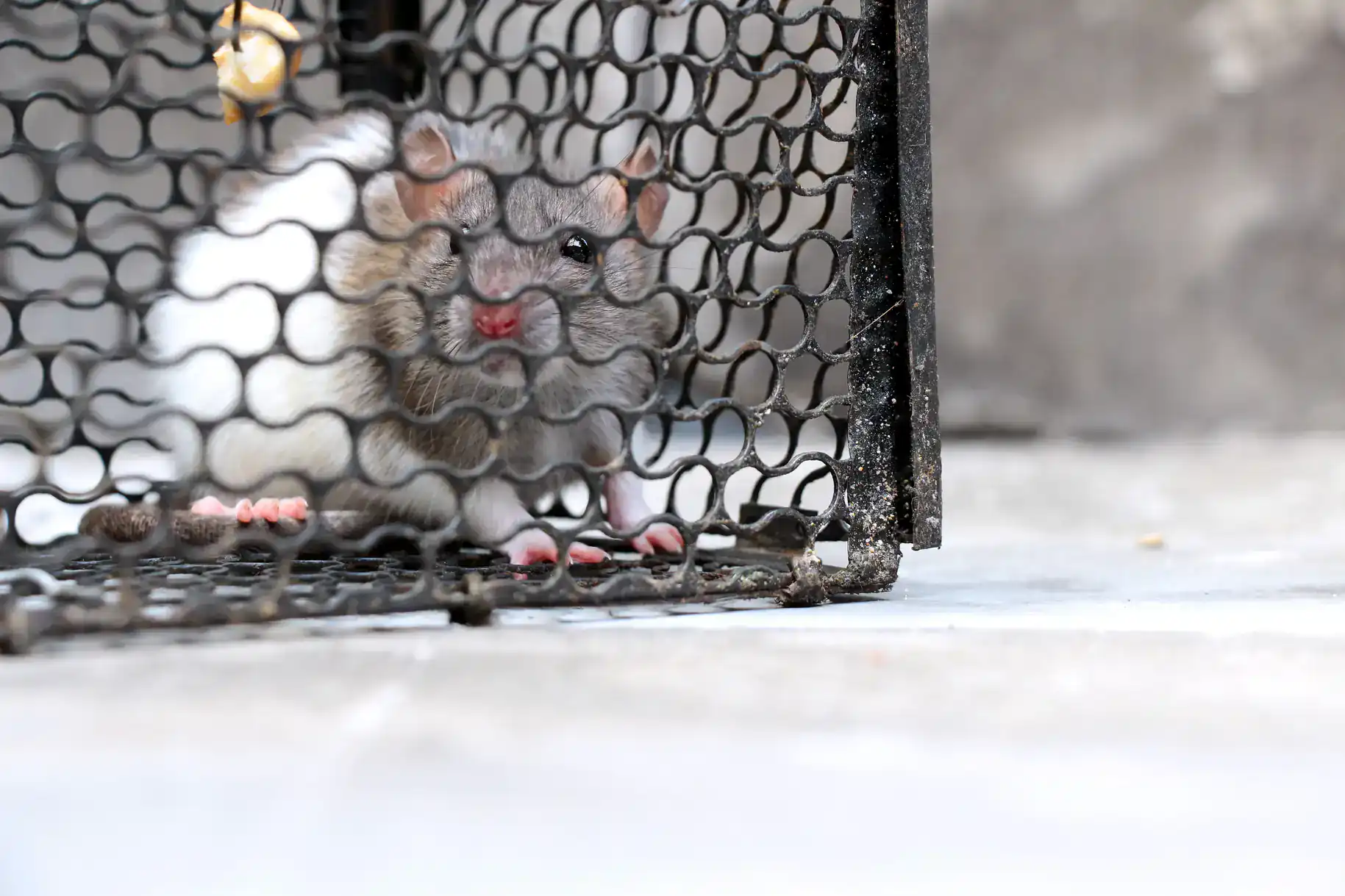
It starts with a thorough inspection not just a quick walk-through, but a real look at the building’s infrastructure. In Gramercy Park’s prewar co-ops and brownstones, that means checking basement utility corridors, pipe chases, foundation gaps, and any point where utilities enter the structure. The goal is not just to confirm that rodents are present. It is to understand exactly how they are getting in, where they are nesting, and what conditions are making the building attractive to them in the first place.
From there, we build a treatment plan around what the inspection actually found. That might mean bait stations, trapping, or a combination but it will always include exclusion recommendations, because sealing entry points is the only thing that prevents the problem from returning. In a building regulated by the NYC Landmarks Preservation Commission, any exterior exclusion work needs to be done in a way that is consistent with landmark preservation standards, and our experience in Manhattan buildings means that is already factored in.
After treatment, you will know what was done, where, and what follow-up looks like. If your building has a managing agent or co-op board that requires written documentation, that is handled. The process is straightforward, and there are no surprises which is exactly what you want when you are dealing with a problem like this in a building you have invested in.
Ready to get started?
Rodent control in Gramercy Park is not the same job it is in a newer suburban building. The building stock here much of it prewar, some of it predating the Civil War has a level of structural complexity that requires a different level of attention. Our service covers the full scope: inspection, interior and exterior treatment, exclusion assessment, and documentation.
For individual unit owners in co-op buildings, that documentation matters. NYC Health Code requires properties to be kept free of rodent infestation, and the NYC Department of Health conducts inspections in Community District 6. If a property receives a Corrective Order to Abate, you need a licensed provider who can demonstrate compliance not just someone who left a few snap traps under the sink. Our licensing, insurance, and use of NYSDEC-registered materials satisfies what co-op boards, managing agents, and the city itself require.
For residents in the eastern portions of Gramercy Park closer to Baruch College and the NYU dormitories along 23rd Street the rodent risk profile can look different than it does on the park blocks. Higher tenant turnover, older walk-up buildings, and proximity to food service corridors all factor into how treatment is approached. The inspection is where that gets sorted out, and it is always where the work starts.
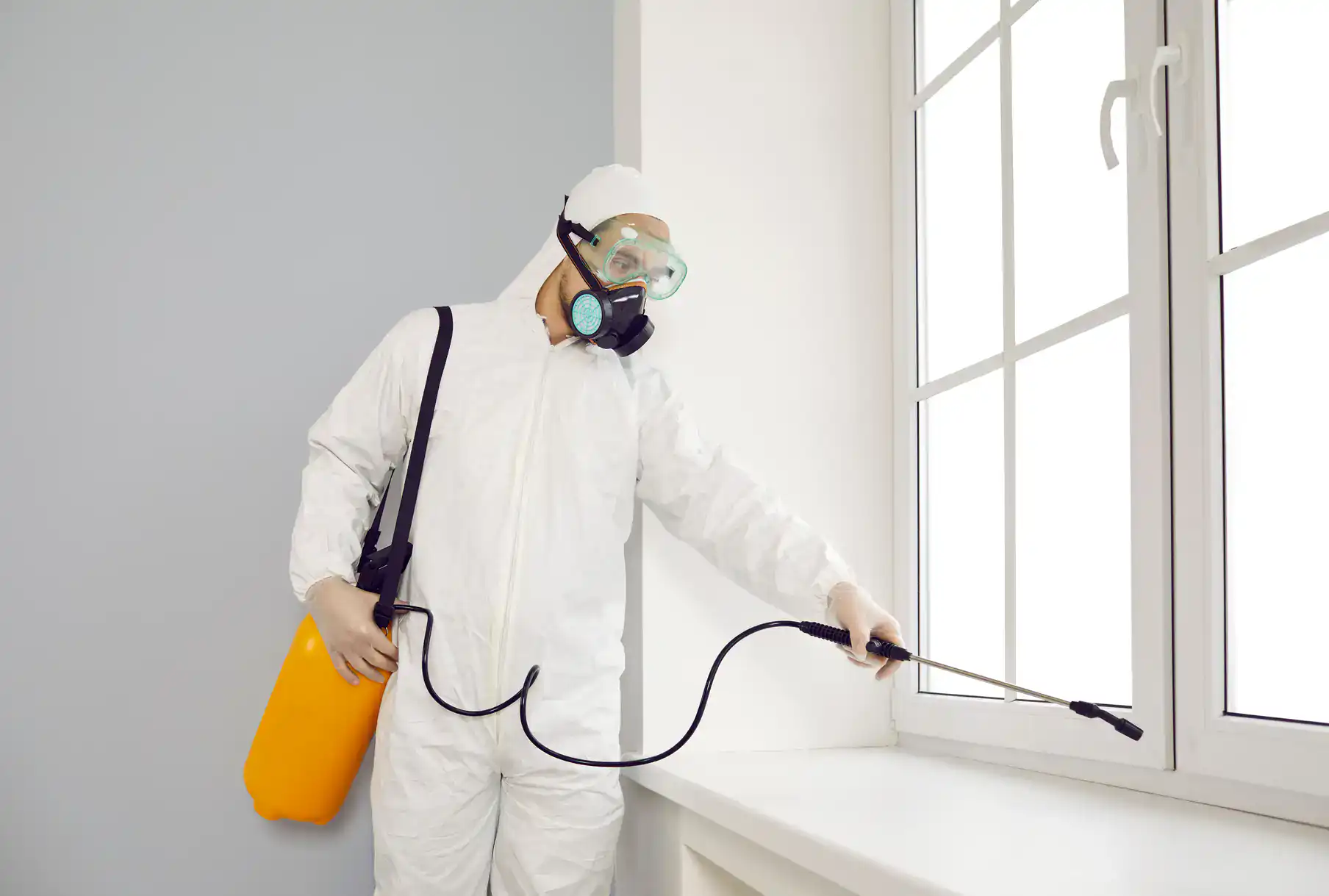
Prewar buildings in Gramercy Park many of which were constructed between the 1880s and the 1930s were not built with modern pest exclusion in mind. Over decades, mortar deteriorates, pipe chases develop gaps, utility penetrations settle, and the spaces between floors and walls accumulate openings that were never there originally. Norway rats, the dominant rodent species in Manhattan, can enter through a gap roughly the size of a quarter. House mice need even less a hole the diameter of a pencil eraser is sufficient.
In a co-op building, the problem is compounded by shared infrastructure. Rodents that enter through the basement or a ground-floor utility corridor can move vertically through pipe chases and horizontally through shared wall cavities, appearing in units several floors above the actual entry point. This is why trapping inside a single unit rarely resolves the issue the entry point is almost never in the same place as where the rodent is found. A proper inspection has to cover the full building envelope, not just the unit where the complaint originated.
Yes, and it is worth understanding how. The NYC Department of Health designates Rat Mitigation Zones based on elevated 311 complaint volumes and documented rodent activity. The East Village and Chinatown directly south of Gramercy Park hold one of those four designations citywide. When the city increases enforcement, sanitation improvements, or treatment activity in a Rat Mitigation Zone, it disrupts established rodent colonies and displaces them. Those displaced populations migrate outward, following food sources and harborage opportunities into adjacent neighborhoods like Gramercy Park.
Gramercy Park’s prewar building stock, relative quiet, and proximity to the Irving Place restaurant corridor make it an attractive destination for rodents moving north from the East Village. This does not mean Gramercy Park has the same rodent density as the East Village it does not but it does mean the pressure is real and ongoing, not seasonal or occasional. For building managers and co-op boards in Gramercy Park, this is a reason to treat rodent control as a maintenance function rather than a one-time event.
Most co-op boards and managing agents in Gramercy Park will require any service vendor including pest control to provide proof of licensing, insurance, and bonding before entering the building. Some boards also require a certificate of insurance naming the building or management company as an additional insured, as well as written documentation of what materials were applied, where, and in what quantities. This is standard practice in Manhattan co-op buildings, and it is not something you want to discover after you have already scheduled service.
We are fully licensed, bonded, and insured, and apply only NYSDEC-registered pesticide materials. Written service reports and documentation of treatment are part of how we handle the work not an add-on or an afterthought. If your building’s managing agent or board has specific requirements, those can be addressed before the appointment. The goal is to make the process as straightforward as possible for everyone involved, including the board.
Trapping addresses the rodents that are currently inside the building. Exclusion addresses the reason they were able to get in and keeps new ones from following the same path. In most cases, you need both, and doing one without the other is the most common reason rodent problems come back after treatment.
In Gramercy Park’s prewar buildings, exclusion work often involves sealing gaps around pipe penetrations, repointing deteriorated mortar at the foundation, installing door sweeps or threshold seals, and addressing gaps in basement utility areas. Because the Gramercy Park Historic District is regulated by the NYC Landmarks Preservation Commission, any exterior exclusion work that touches regulated facade elements needs to be done in a way that is consistent with landmark standards. That is not a reason to skip exclusion it is a reason to work with a company that has enough Manhattan experience to handle it correctly. Trapping without exclusion is a short-term solution. Exclusion is what makes the results last.
We take calls around the clock 24 hours a day, seven days a week. In many cases, same-day service is available. In every case, an appointment is guaranteed within 48 hours. For Gramercy Park residents dealing with an active infestation, that timeline matters. A rodent problem does not get smaller on its own. A single female house mouse can produce multiple litters within a few months, and an unaddressed infestation in a prewar building where rodents can move freely through shared infrastructure can spread to adjacent units faster than most people expect.
If you are a building manager or managing agent dealing with a complaint from a unit owner, the same availability applies. We can coordinate directly with building staff, supers, or managing agents to schedule access and minimize disruption to residents. The free phone consultation is a good starting point if you are not yet sure what you are dealing with there is no charge and no obligation, just a straightforward conversation about what the situation looks like and what the next steps would be.
Every material we apply is registered with the New York State Department of Environmental Conservation. NYSDEC registration means the product has been reviewed and approved for use in New York State under specific application conditions it is not a self-reported safety claim, it is a regulatory requirement. In a shared residential building, where treatments in one unit or common area can affect neighbors, this matters more than it would in a standalone structure.
For Gramercy Park residents with children, pets, or elderly family members in the building, the question of chemical safety is a reasonable one to ask before any treatment begins. Our technicians can walk you through exactly what will be applied, where, and what precautions are appropriate before and after treatment. In co-op buildings where multiple households share walls, floors, and ventilation infrastructure, targeted application and clear communication about what residents can expect are standard parts of how the job gets done not something you have to ask for separately.
Useful Links