Hear from Our Customers
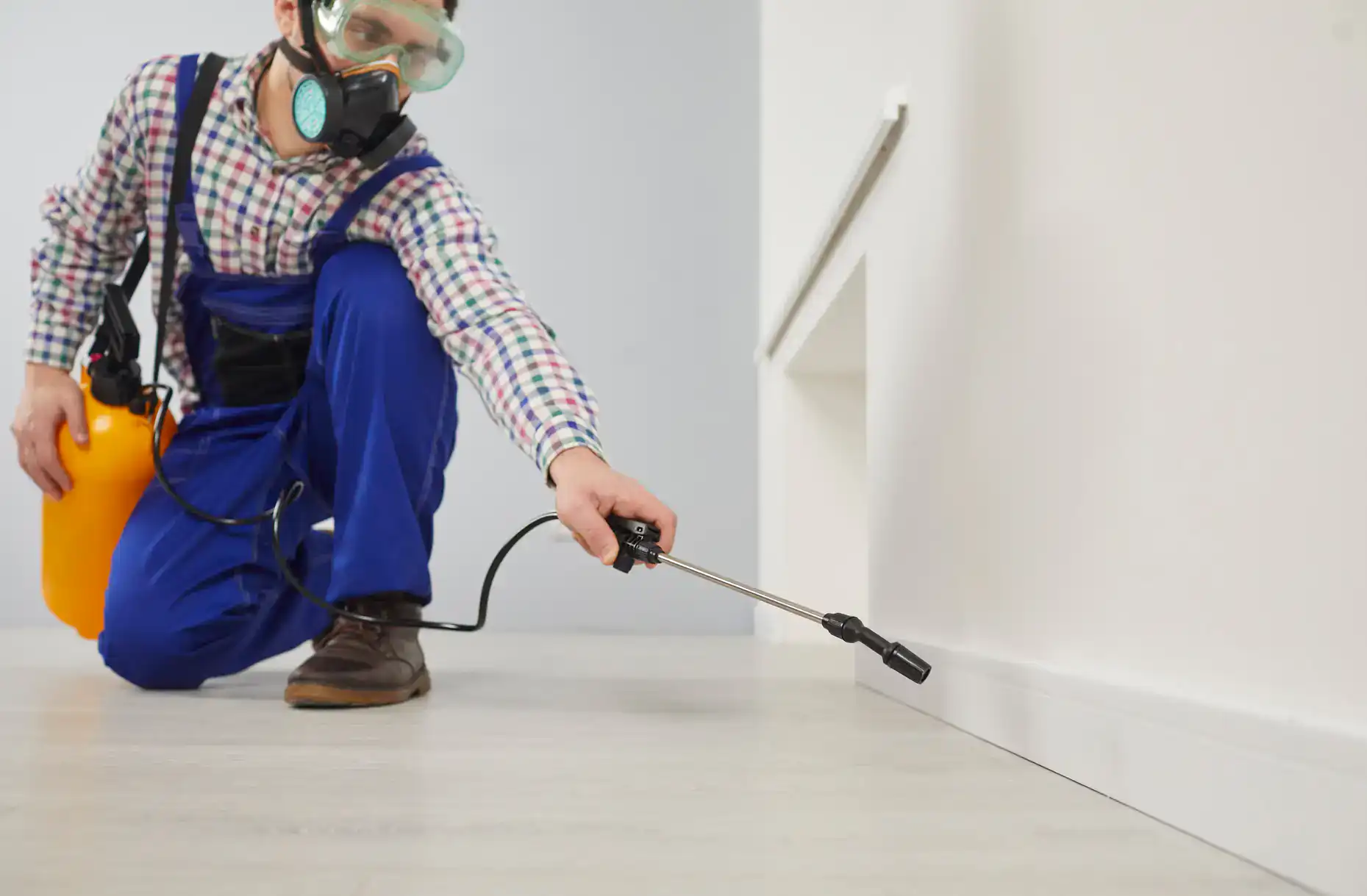
When rodent control is done right in a Harlem building, the difference isn’t just fewer droppings in the kitchen it’s the absence of scratching in the walls at 2 AM, the confidence that your basement isn’t a highway for rats moving between units, and the peace of mind that your family isn’t sharing air with contaminated debris baking in the walls. That’s what a real fix feels like.
Harlem’s housing stock is mostly pre-war construction brownstones and walk-up apartment buildings that have been standing since the late 1800s and early 1900s. That age means aging mortar joints, cracked foundations, decades of patchwork repairs, and pipe penetrations that were never meant to last this long. Rats need a gap the size of a quarter to get through. Mice need the width of a pencil eraser. In a 100-year-old building on a block where every structure shares a wall with the next, those gaps are everywhere and they connect everything.
The other reality in Harlem is that the problem rarely respects unit boundaries. A rodent moving through shared wall voids, floor joists, and utility chases doesn’t know or care which tenant called the exterminator. Treatment that only addresses one apartment in a multi-unit building leaves the rest of the system untouched. What you get from a thorough inspection and proper exclusion work is a building that stops being an easy target not just a unit that got sprayed.
We’ve been operating in New York City since 1971 before most of the companies advertising online today existed. Founded by Richard Kourbage Sr. and now run by his sons Richard Jr. and Charles, this is a family business where the reputation is personal. There’s no franchise behind it, no national call center, and no one reading from a script who’s never been to your neighborhood.
We hold an A+ rating with the Better Business Bureau accredited since 1989 and apply only NYS Department of Environmental Conservation-registered materials on every job. We’re fully licensed, bonded, and insured, and are trusted by attorneys and real estate brokers across all five boroughs, including the attorneys and property professionals who deal with Harlem’s increasingly active real estate market every day.
From the brownstones along Convent Avenue in Hamilton Heights to the multi-unit buildings off 125th Street in Harlem, we’ve seen what rodent pressure looks like in this specific neighborhood and what it actually takes to address it.
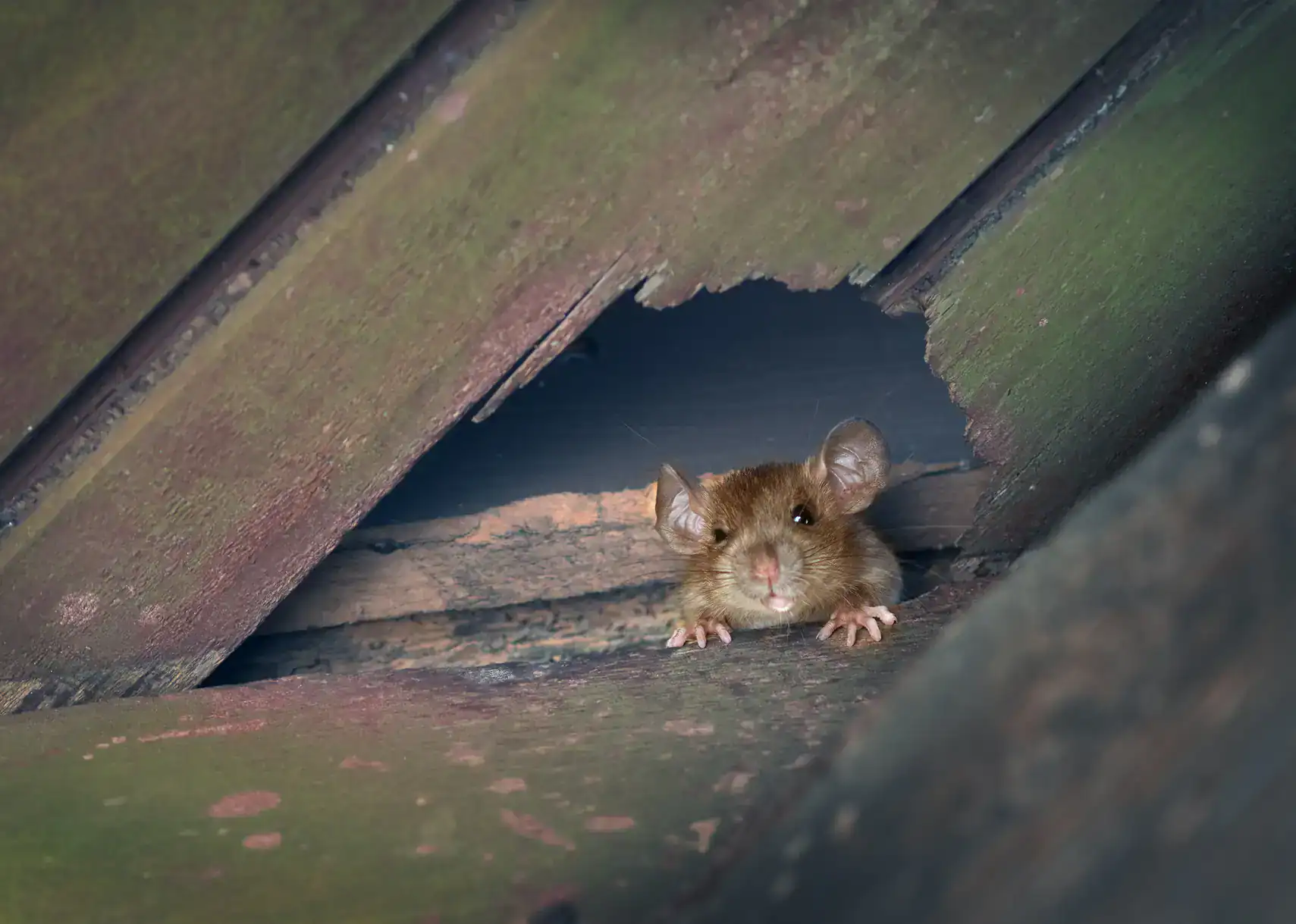
The first call is free. You describe what you’re seeing droppings, sounds, gnaw marks, whatever and one of our specialists will walk you through what’s likely happening and what the next steps look like. No pressure, no obligation, just a straight answer from someone who’s dealt with these situations in NYC buildings for decades. If you want to move forward, we can typically get to you within 48 hours, and same-day service is often available.
On-site, the inspection goes well beyond the room where you spotted the problem. In Harlem’s attached buildings, the source is almost always somewhere in the shared infrastructure the basement, a utility chase, a gap where a pipe enters the foundation wall. Our technician maps the full picture: entry points, nesting areas, active runways, and the environmental conditions that are sustaining the infestation. In buildings near the 125th Street corridor or adjacent to active construction sites, that context matters displaced rat colonies from nearby development don’t just disappear, they relocate, and knowing that changes how the treatment plan is built.
From there, the work is targeted and documented. We use NYS DEC-registered materials applied by licensed technicians, and exclusion work addresses the physical entry points that keep letting rodents back in. If your building is in Harlem’s designated Rat Mitigation Zone and you’re facing a Health Department violation or need documentation for a real estate transaction, we can provide the professional records you need to satisfy those requirements.
Ready to get started?
Rodent control in a Harlem brownstone or multi-unit walk-up is a different job than treating a detached suburban house. The buildings are older, the walls are shared, and the rodent pressure comes from multiple directions at once the subway infrastructure running beneath the streets, the commercial food waste generated along 125th Street and Frederick Douglass Boulevard, and the ongoing construction activity displacing established colonies from development sites across the neighborhood. An effective service has to account for all of it.
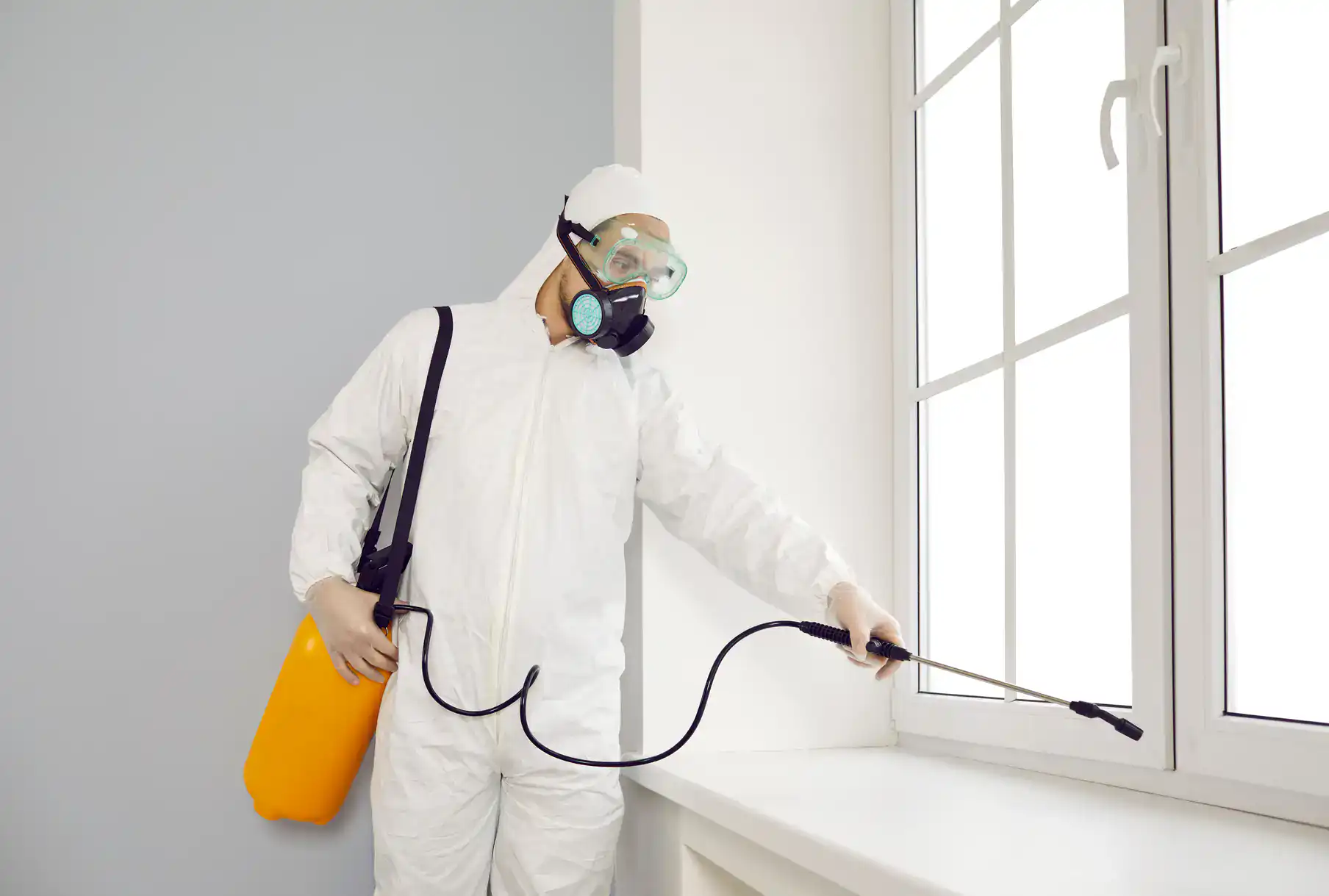
What we deliver is a comprehensive inspection of the full property not just the unit where you saw activity. That means common areas, basements, utility rooms, and exterior foundation points. It means identifying and sealing the entry points that are letting rodents in, not just treating the population that’s already inside. And it means using NYS DEC-registered materials that are safe for the children, elderly residents, and pets that share these buildings with you.
For landlords and property managers operating in Harlem’s Rat Mitigation Zone, we also handle the regulatory side including documentation for NYC Health Code compliance, support for Notice of Violation responses under NYC Administrative Code §17-147, and pre-demolition rodent control certificates required before demolition permits are issued in the city. If you manage buildings in Manhattan Community District 9 or 10, this is not optional paperwork it’s an enforceable requirement, and having a licensed professional on record protects you.
Harlem is one of only four neighborhoods in New York City formally designated as a Rat Mitigation Zone by the NYC Department of Health and Mental Hygiene. That designation exists because the data supports it in 2024, Harlem South alone recorded 442 rat complaints, translating to nearly 94 complaints per 10,000 residents, one of the highest rates in the city. The city has invested $11.5 million in targeted rodent reduction here, and still, 85% of Parks properties in the Harlem RMZ failed initial rodent inspection in the first half of 2025.
The reasons are structural. The subway lines running beneath Harlem’s streets the A, B, C, D, 2, 3, 4, 5, 6, and 1 trains all pass through provide extensive underground habitat for Norway rats year-round. The active commercial corridors along 125th Street, Lenox Avenue, and Frederick Douglass Boulevard generate constant food waste. And the ongoing construction activity across the neighborhood, including Columbia University’s multi-billion-dollar Manhattanville expansion, continuously displaces established rat colonies into surrounding residential buildings. It’s not one problem it’s several converging at once.
Pre-war buildings which make up the majority of Harlem’s residential housing stock are particularly vulnerable to rodent entry because of how they were built and how long they’ve been standing. Over a century of settling, patchwork repairs, and aging materials means that most of these buildings have gaps, cracks, and openings that weren’t there when they were new. Rats can squeeze through a hole the size of a quarter. Mice can get through a gap the width of a pencil eraser. In a building that’s been standing since 1905, those openings are rarely hard to find.
The most common entry points in Harlem’s brownstones and walk-up buildings are around pipe penetrations where plumbing enters foundation walls, gaps in deteriorating mortar joints at the basement level, openings where utility lines run between floors, and spaces beneath exterior doors that have settled unevenly over time. In attached buildings where every structure shares a wall with the next rodents also move laterally through shared wall voids without ever needing to come outside. That’s why a thorough inspection has to look at the full building, not just the unit where activity is visible.
Under NYC Administrative Code §17-147, property owners in New York City are legally required to maintain their buildings free of rodents and take corrective action when a problem is documented. In Harlem’s designated Rat Mitigation Zone, the NYC Department of Health and Mental Hygiene conducts enhanced enforcement activity, which means landlords in this area face a higher likelihood of receiving a Notice of Violation than those in non-RMZ neighborhoods. If your landlord has ignored a documented rodent problem, you have the right to file a complaint with the NYC Department of Health, and the city can issue violations that carry real financial consequences for non-compliant property owners.
If you’re a tenant who needs the problem addressed now regardless of where the landlord-tenant dispute stands we can inspect your unit and the accessible common areas, document the conditions, and provide a professional assessment that you can use as part of a formal complaint or legal process. We’re trusted by attorneys across the five boroughs for exactly this kind of situation, and a professional inspection report carries significantly more weight than a personal complaint alone.
Yes, and the effect cuts both ways depending on your timing. West Harlem Manhattan Community District 9, covering Manhattanville, Hamilton Heights, and Sugar Hill became the first fully containerized trash district in New York City in June 2025. A city pilot program that began containerizing trash in West Harlem in September 2023 saw rat complaints drop 66% within the pilot zone over time. Long-term, removing open trash bags from the street does reduce the food supply that sustains large rat populations.
The short-term dynamic is more complicated. When established foraging routes are disrupted and food sources disappear from one area, rat colonies actively search for new ones and the nearest available building becomes a candidate. If your building hasn’t been inspected and protected before a neighboring property switches to containers, you may find yourself dealing with increased rodent pressure during the transition. Getting a professional exclusion assessment done now, rather than after you start seeing activity, is the smarter sequence. Citywide containerization rules also now require all buildings with 1–9 residential units to use rigid receptacles with tight-fitting lids non-compliance carries escalating fines starting at $50 per offense.
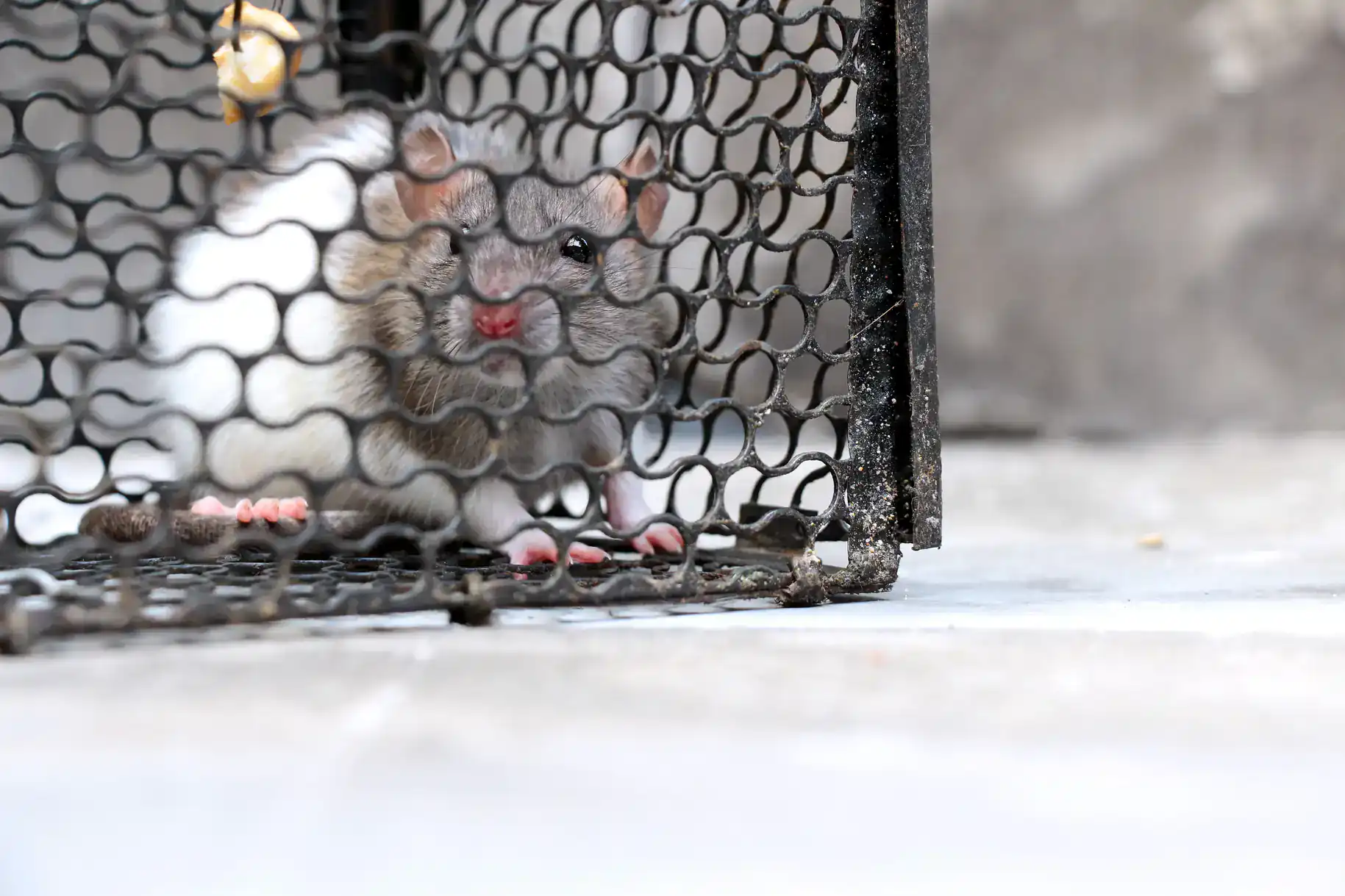
It matters for treatment, yes. Rats and mice behave differently, nest in different locations, and respond to different control methods. Norway rats the dominant species in New York City and the primary rodent in Harlem’s subway-adjacent environment are large, burrowing animals that tend to nest in basements, along foundation walls, and in the ground beneath buildings. They’re cautious around new objects, which is why a snap trap placed in a rat runway often sits untouched for days. House mice are smaller, more exploratory, and more likely to be found in wall voids, behind appliances, and inside cabinets.
You can usually tell the difference by the evidence. Rat droppings are roughly the size and shape of a raisin dark, blunt-ended, and often found along walls or in basement areas. Mouse droppings are much smaller, pointed at both ends, and more likely to appear in kitchen cabinets, pantries, and near food sources. Gnaw marks from rats are larger and rougher; mouse gnawing is smaller and more precise. If you’re not sure what you’re dealing with, a professional inspection will identify the species, locate the nesting sites, and determine the scale of the infestation before any treatment begins which is the only way to build a plan that actually works.
This is one of the most common questions we get from residents in Harlem’s multi-family buildings, and it’s the right question to ask. We apply only NYS Department of Environmental Conservation-registered pesticide materials on every job these are state-regulated substances applied by licensed commercial pesticide applicators, not over-the-counter products applied without training or proper dosing. The difference between a licensed professional application and a DIY approach isn’t just effectiveness it’s the precision of placement, the selection of appropriate materials for the specific environment, and the knowledge of where not to apply treatment in a space shared by children, elderly residents, or pets.
In Harlem’s dense apartment buildings, where a single building might house dozens of families across multiple floors, that precision matters more than it does in a detached single-family home. Our technicians are trained to work in occupied multi-family buildings and will walk you through exactly what was applied, where, and what precautions to take if any before and after the service. There’s no guessing involved, and there’s no pressure to accept a treatment plan you’re not comfortable with. The free phone consultation is specifically designed to give you that information before anyone shows up at your door.
Useful Links
Other Services we provide in Harlem