Hear from Our Customers
You stop hearing it at night. That scratching in the wall, the sound behind the baseboard at 11 PM it stops. But more than the noise, what actually changes is the risk. Rodents chew through electrical wiring, and in a home with decades-old infrastructure the kind common throughout Holliswood’s 1920s Tudor and mid-century housing stock that’s not a minor inconvenience. The National Pest Management Association estimates rodents are behind up to 25% of unexplained house fires in the U.S. annually. That stat hits differently when your home was built before World War II and the wiring inside the walls hasn’t been touched since.
There’s also the health side, which people underestimate. The CDC links rodents to more than 35 diseases and some of them, like hantavirus, don’t require direct contact. Breathing dust from dried droppings in a basement or crawl space is enough. For families with kids at P.S./I.S. 178 or pets in the yard, that’s not a theoretical concern.
And then there’s your property. Holliswood homes regularly sell above $1 million. A rodent infestation found during a pre-sale inspection doesn’t just delay a transaction it changes the number on the table. Getting ahead of it, and having documentation from a licensed, credentialed exterminator, protects what you’ve built here.
We’ve been operating since 1971 founded by Richard Kourbage Sr. and grown by his sons Richard Jr. and Charles, who joined in 1987 and 1989 respectively. That’s not a franchise with a call center somewhere else. We’re a family that has built our reputation one job at a time, across every borough, for over half a century. We’ve served Holliswood and the surrounding Queens neighborhoods throughout that entire span, and we know the specific challenges this area faces from Cunningham Park’s proximity to the dense landscaping that defines these properties.
We hold an A+ rating with the Better Business Bureau of New York State and have maintained BBB accreditation since 1989. Every technician works with NYS Department of Environmental Conservation registered materials. We’re fully licensed, bonded, and insured not as a checkbox, but because the homes we work in, including the large single-family properties along Holliswood’s curving streets near the Grand Central Parkway, deserve that standard.
New York attorneys and real estate brokers refer clients to us regularly. In a neighborhood where property transactions carry serious financial weight, that kind of professional trust isn’t accidental it’s earned.
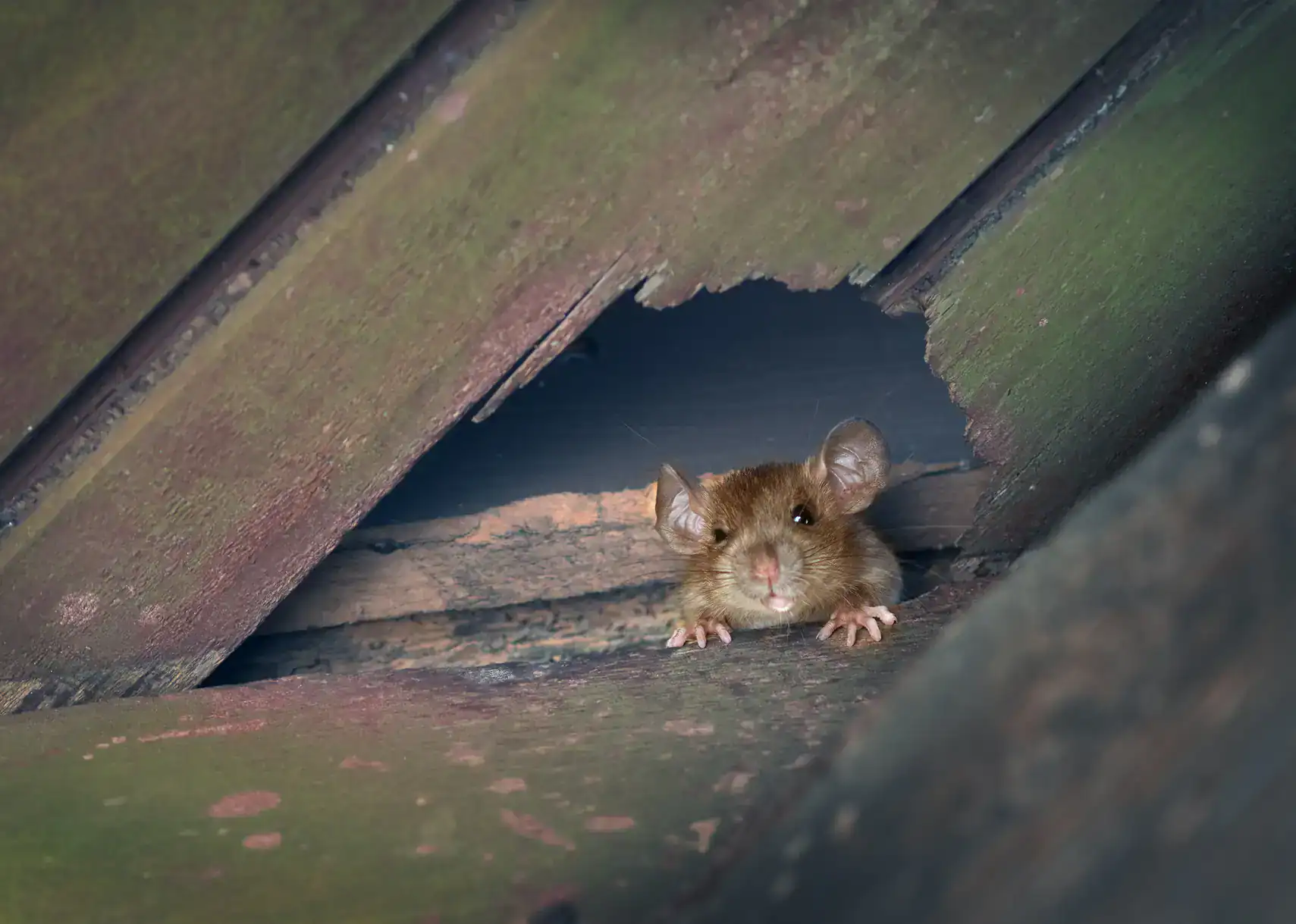
It starts with a thorough inspection and in Holliswood, that means going further than most companies bother to go. We evaluate the exterior first: foundation perimeter, utility penetrations, gaps around gas and plumbing lines, the crawl space if there is one. In homes built in the 1920s and 1940s, which make up a significant portion of Holliswood’s housing stock, these entry points aren’t always obvious. Settling, deteriorating mortar, and decades of small shifts in the foundation create openings that are easy to miss if you don’t know what you’re looking for. Rats can enter through a hole the size of a quarter. Mice need less than that.
We pay attention to the landscaping too. Dense shrubbery along property lines, woodpiles, compost areas, stone garden walls these are harborage sites, and they matter just as much as what’s happening inside the house. Homes along Holliswood’s northern edge, near the Grand Central Parkway green buffer and Cunningham Park, face direct foraging pressure from park-edge rodent populations. Norway rats travel 100 to 150 feet from their nests in search of food. That range puts a lot of Holliswood properties well within reach.
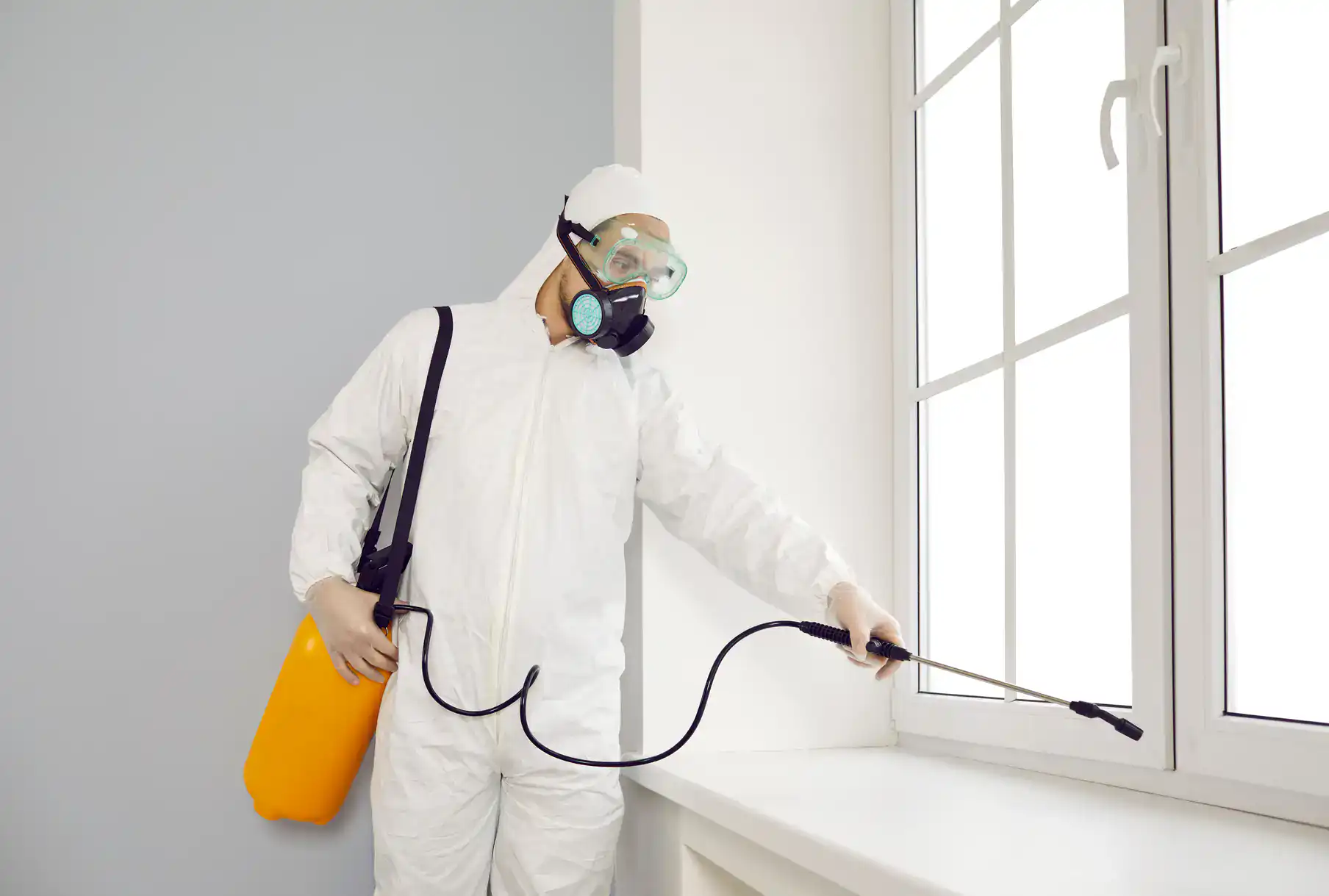
After the inspection, you get a clear picture of what’s happening, where it’s coming from, and what the treatment plan looks like. We use only NYS DEC-registered materials applied correctly, in the right locations, by a licensed applicator. Follow-up is part of our process, not an upsell. Because a single visit rarely tells the whole story, and a real solution accounts for that.
Ready to get started?
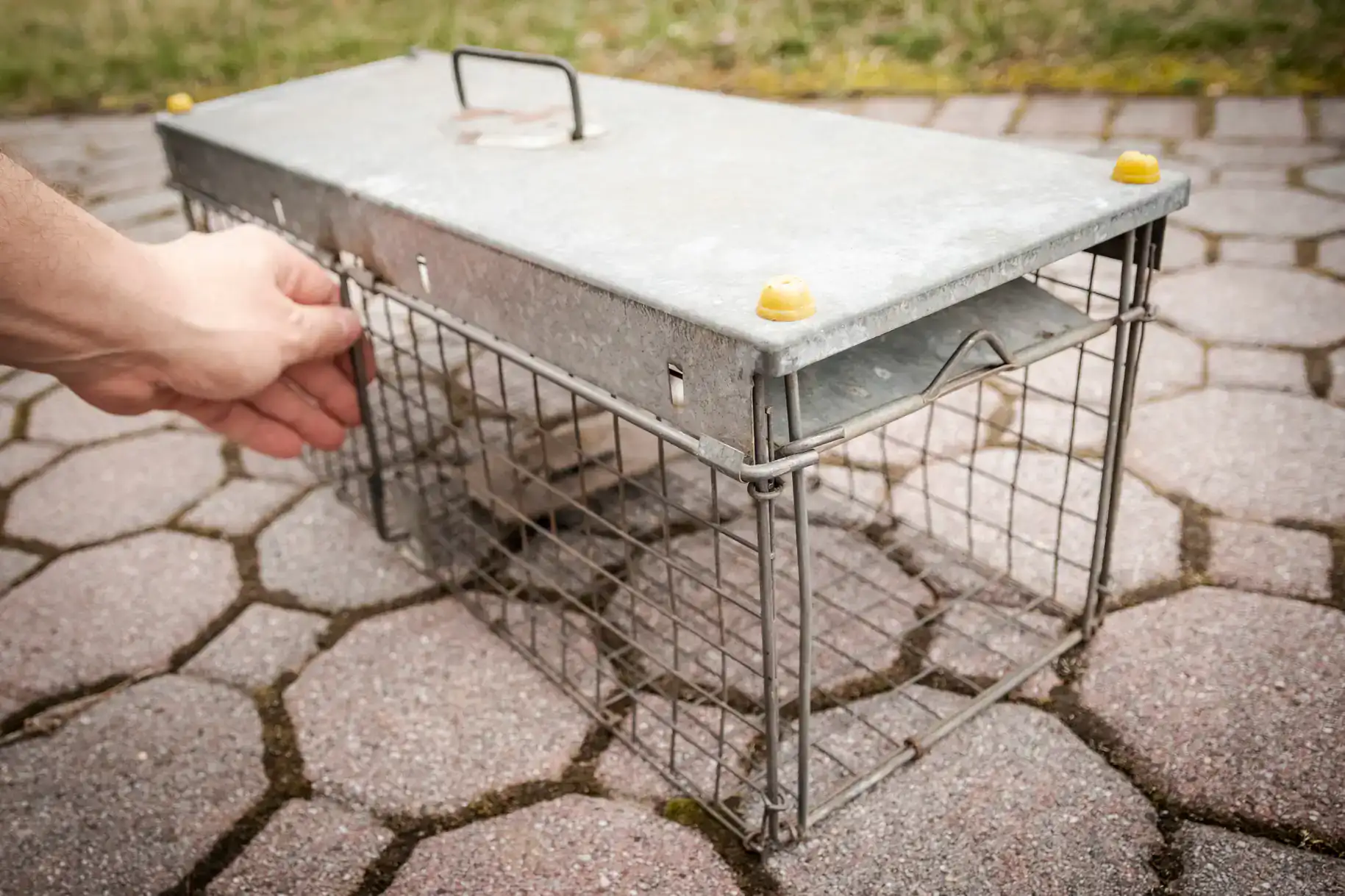
Over-the-counter traps and steel wool are not a plan they’re a delay. What rodent control in Holliswood actually requires is a combination of identification, treatment, and exclusion. Finding out which species you’re dealing with (Norway rats and house mice are the dominant species in this part of Queens), where they’re nesting, how they’re getting in, and what’s drawing them to your property in the first place. Without that foundation, you’re catching individuals while the population behind them keeps growing. A female house mouse can produce up to 10 litters in her lifetime with five or six young each time, reaching breeding age at just two months old.
Our rodent control services in Holliswood include a full interior and exterior inspection, targeted bait and trap placement using NYS DEC-registered materials, and exclusion work to seal the entry points that are letting rodents in. The exclusion piece is where most DIY attempts fall apart because the gap behind the dishwasher, the crack along the foundation where a pipe enters the basement, the deteriorating mortar on a 1940s masonry wall those require a trained eye and the right materials to address properly.
If you’ve received a notice from the NYC Department of Health and Mental Hygiene or a 311 complaint has been filed on your property, we can support the documentation and remediation process that NYC requires for compliance. In a neighborhood covered by Queens Community Board 8, where property standards are taken seriously, having a licensed, A+ BBB-rated exterminator handle that process makes a real difference.
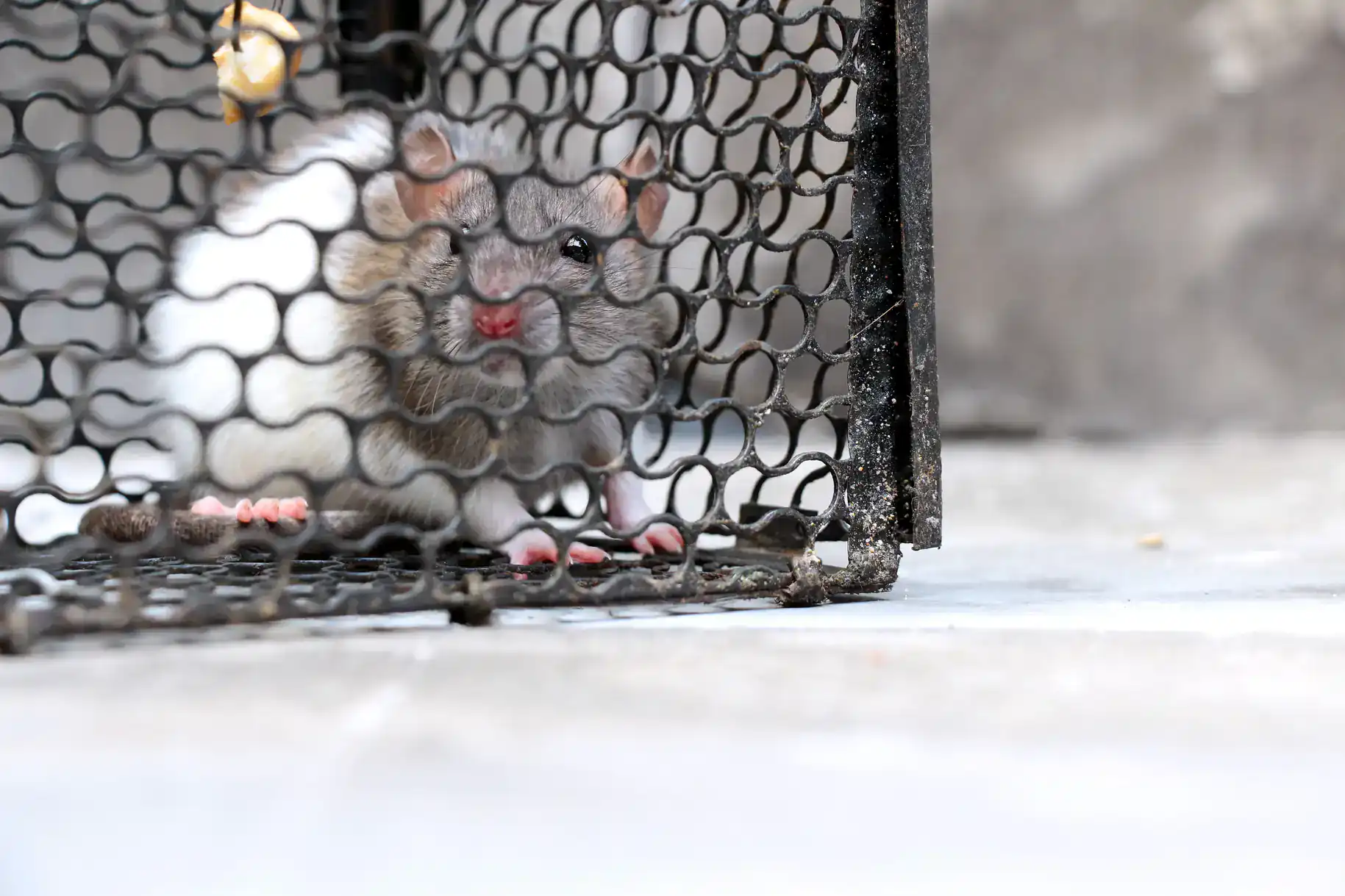
Cunningham Park is 358 acres of continuous green space directly adjacent to Holliswood’s northern boundary. Parks of that size support significant wildlife populations year-round, including Norway rats that establish nests along the park’s edges, drainage corridors, and the vegetated margins of the Grand Central Parkway. These aren’t isolated animals they’re part of active foraging populations that move outward into adjacent residential properties, especially as fall temperatures drop and outdoor food sources thin out.
Norway rats travel 100 to 150 feet from their nests in search of food. That range puts every home along Holliswood’s northern streets well within reach of park-edge populations. Add in the mature landscaping, dense shrubbery, and wooded lot character that defines this neighborhood, and you have ideal conditions for rodents to move from the park into your yard, and from your yard into your home. A one-time treatment won’t change that dynamic. What works is a thorough inspection that accounts for the park adjacency, targeted treatment, and exclusion work that closes off the entry points these animals are using to get inside.
This is one of the most common misconceptions homeowners in Holliswood run into. A well-maintained, beautifully renovated home can still have rodent entry points because the vulnerabilities are often in places that don’t get touched during a kitchen remodel or a bathroom update. Foundation settling over decades creates hairline cracks. Mortar in older masonry walls deteriorates slowly and unevenly. The penetrations where plumbing, gas lines, and electrical conduit enter the basement are almost never perfectly sealed, and they shift over time as the building moves.
A large portion of Holliswood’s housing stock was built in the 1920s, with additional construction through the 1940s and 1960s. Homes of that age regardless of how well they’ve been maintained on the surface have had decades to develop the kinds of gaps that rodents exploit. Rats can enter through an opening the size of a quarter. Mice need even less space than that. Our entry point inspection goes beyond what’s visible from a standing position it covers the crawl space, the foundation perimeter under landscaping, and the utility penetrations that most homeowners never think to check.
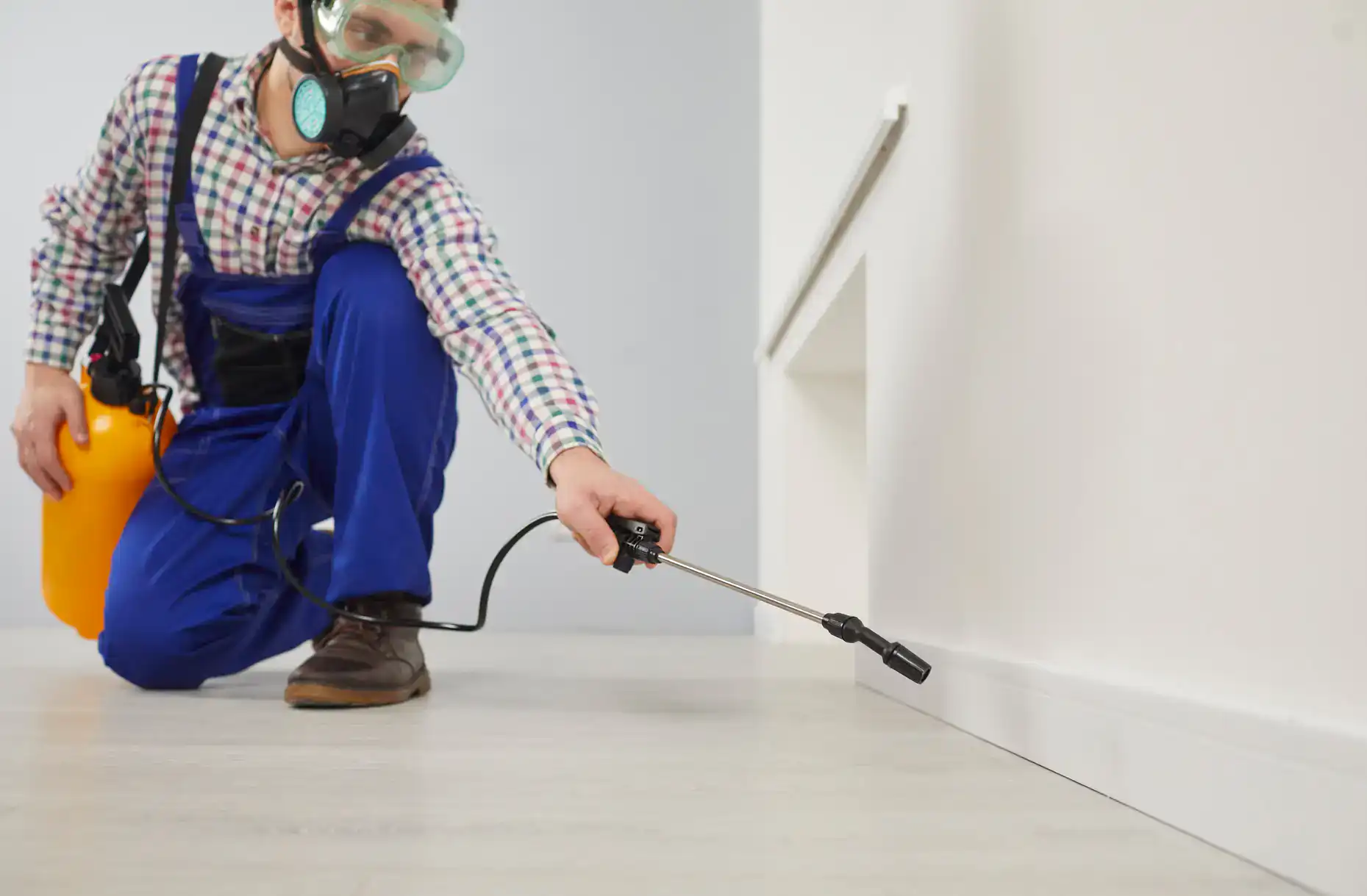
Yes when the work is done by a licensed applicator using properly registered materials, treatment is safe for households with children and pets. We use only NYS Department of Environmental Conservation registered pesticide materials, which have been evaluated and approved by state regulators for both safety and efficacy. The application method matters as much as the product itself. Our licensed technicians place bait and treatment in locations that are inaccessible to children and pets inside wall voids, along foundation edges, in crawl spaces not in open areas where accidental contact is a risk.
What’s actually more dangerous than a professional treatment is leaving an infestation unaddressed. Rodents spread disease through their droppings, urine, and nesting material and some of those diseases, like hantavirus, don’t require direct contact with a live animal. Breathing dust from dried droppings in a basement or crawl space is enough for transmission. For families in Holliswood with young children or pets spending time in the yard, that’s a real and ongoing exposure risk that professional rodent removal addresses directly.
If you’ve received a notice from the NYC Department of Health and Mental Hygiene or if a 311 complaint has been filed regarding rodent activity on your property you’re required under the NYC Health Code to remediate the infestation and demonstrate compliance. That process typically involves a professional inspection, documented treatment, and in some cases follow-up verification that the infestation has been addressed. Fines for non-compliance are real, and the timeline the city gives you to respond is not generous.
We have experience navigating this process. Because we are fully licensed, bonded, and insured and apply only NYS DEC-registered materials our documentation carries the professional weight that the city requires. Working with an unlicensed or uncertified exterminator in this situation can create additional liability rather than resolving it. If you’re in Holliswood and you’ve received a violation notice, the fastest path to resolution is a licensed inspection with proper documentation and that’s exactly what we provide.
It matters significantly, and the signs are different enough that a trained eye can usually tell within the first inspection. Norway rats the dominant species in this part of Queens leave larger droppings (roughly the size of a raisin), tend to burrow along foundation edges and under dense vegetation, and are most active at ground level. House mice leave smaller, more scattered droppings, are more likely to nest inside wall voids and behind appliances, and can fit through gaps that would stop a rat entirely.
The treatment approach differs between the two. Bait station placement, trap type, and exclusion priorities all depend on which species is present and in some cases, both are active in the same property at the same time. In Holliswood, where large landscaped lots and park adjacency create conditions that attract both species, assuming it’s one or the other without a proper inspection is a mistake that leads to incomplete treatment. Our inspection process identifies the species, the activity level, and the nesting and entry points before any treatment is applied so the plan actually matches the problem.
For most residential rodent control jobs, you’re generally looking at somewhere between $180 and $600 for initial treatment, depending on the size of the home, the severity of the infestation, and the extent of the inspection. Exclusion work sealing entry points in the foundation, around utility penetrations, and along the exterior typically adds $200 to $600 on top of that, and in older Holliswood homes with more complex foundation profiles, it’s rarely a small job.
What’s worth keeping in mind is what you’re protecting. In a neighborhood where the average home value exceeds $1 million, the cost of a professional rodent removal is a fraction of what an unresolved infestation can cost you in structural damage, in electrical repair after wiring gets chewed, or in a lower sale price when a buyer’s inspector finds evidence of rodent activity. We offer a free phone consultation and a free estimate with no obligation, so you know exactly what you’re looking at before any work begins. There are no surprise charges, and the estimate reflects what the job actually requires for your specific property.
Useful Links
Other Services we provide in Holliswood