Hear from Our Customers
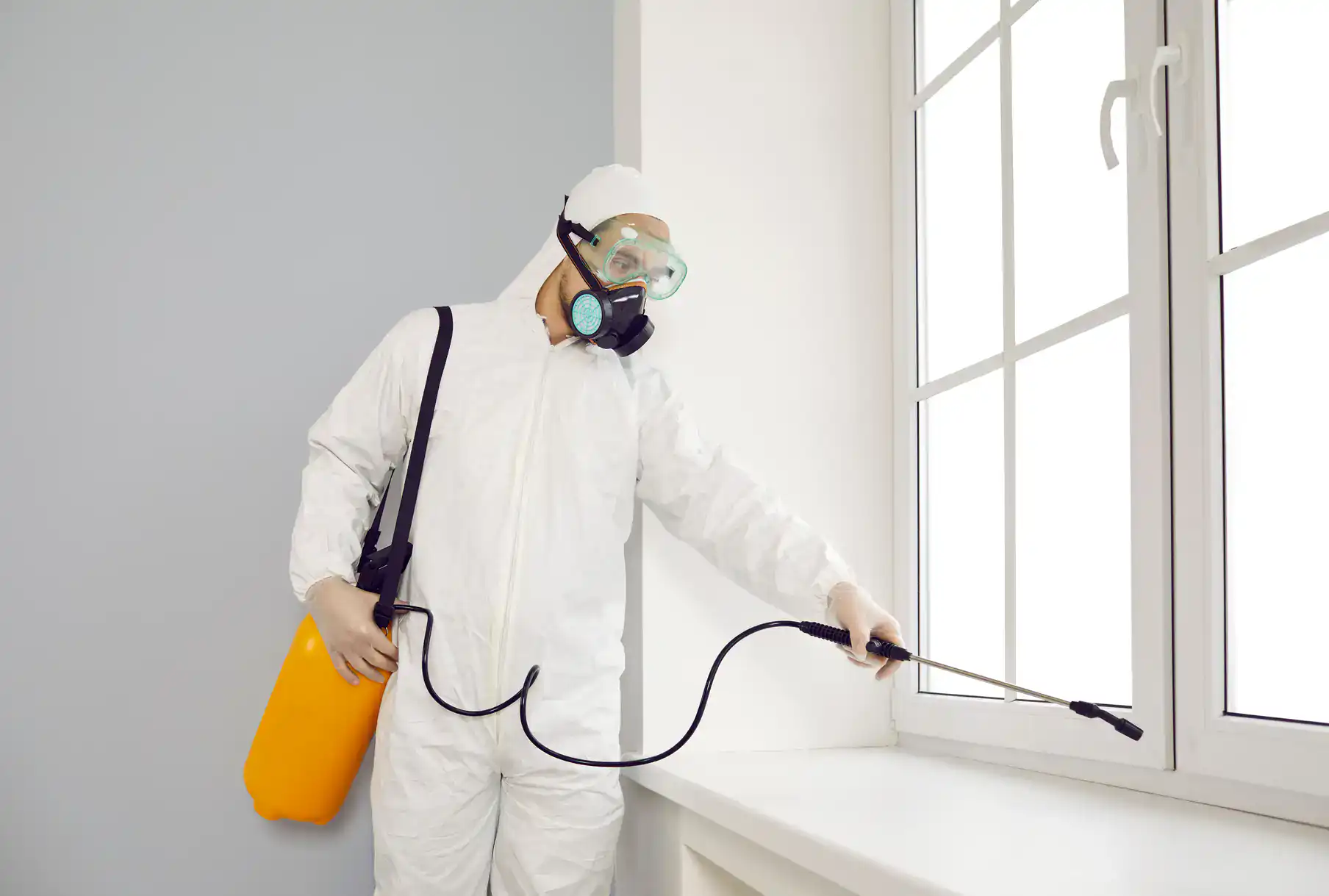
You stop finding droppings behind the stove. The scratching in the walls at night goes quiet. You’re not throwing out contaminated food or wondering what’s moving around while you sleep. That’s what a real rodent removal job looks like not a quick spray and a follow-up call that never comes.
In the Lower East Side, the problem usually runs deeper than a single entry point. These are buildings with a century of settling behind them brick foundations, shared basements, pipe chases that connect unit to unit. When rodents find their way in through a gap the size of a quarter, they’re not staying in one spot. A treatment that doesn’t account for how these buildings actually work is just buying you a few weeks.
There’s also what’s happening outside. The Essex Crossing construction at Delancey and Essex has been breaking up established rodent colonies for years, pushing rats and mice into the surrounding residential blocks. If your building started having problems around the same time that project ramped up, that’s not a coincidence. Knowing that context and treating accordingly is the difference between a fix that holds and one that doesn’t.
We were founded in 1971 by Richard Kourbage Sr. His sons Richard Jr. and Charles joined the business in the late 1980s, and we’ve been family-owned and operated ever since. That’s over five decades of treating rodent infestations across every borough in the kinds of buildings that make up the Lower East Side’s housing stock, from the old tenements on Orchard and Rivington to the NYCHA towers at Baruch Houses and Seward Park.
This isn’t a franchise with rotating technicians and a call center. When you call us, you’re reaching people who have been doing this work in New York City long enough to know how a 1910 tenement behaves differently from a new-construction unit at Essex Crossing and how to treat both effectively.
We hold an A+ rating with the Better Business Bureau, have been BBB-accredited since 1989, and apply only NYS DEC-registered materials. We’re licensed, bonded, insured, and trusted by New York attorneys and real estate brokers which matters in a neighborhood where property transactions involve some of the most complex building histories in the city.
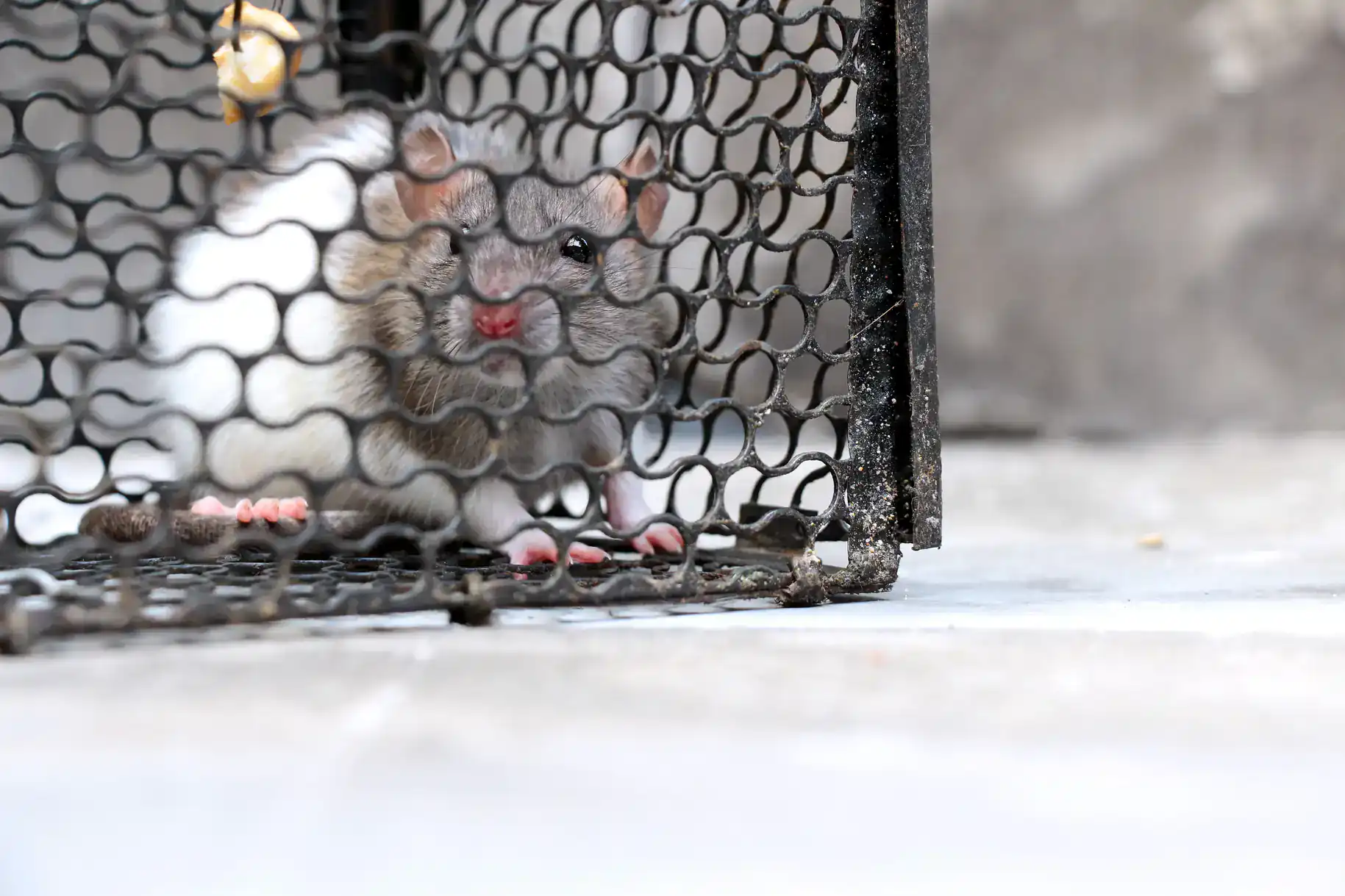
It starts with a real inspection. Not a quick walkthrough a thorough look at the interior and exterior of your space to identify active signs of rodents, entry points, harborage areas, and the conditions that are keeping the infestation going. In older Lower East Side buildings, that means checking basement access points, shared utility corridors, pipe penetrations, and foundation gaps that most people don’t even know exist.
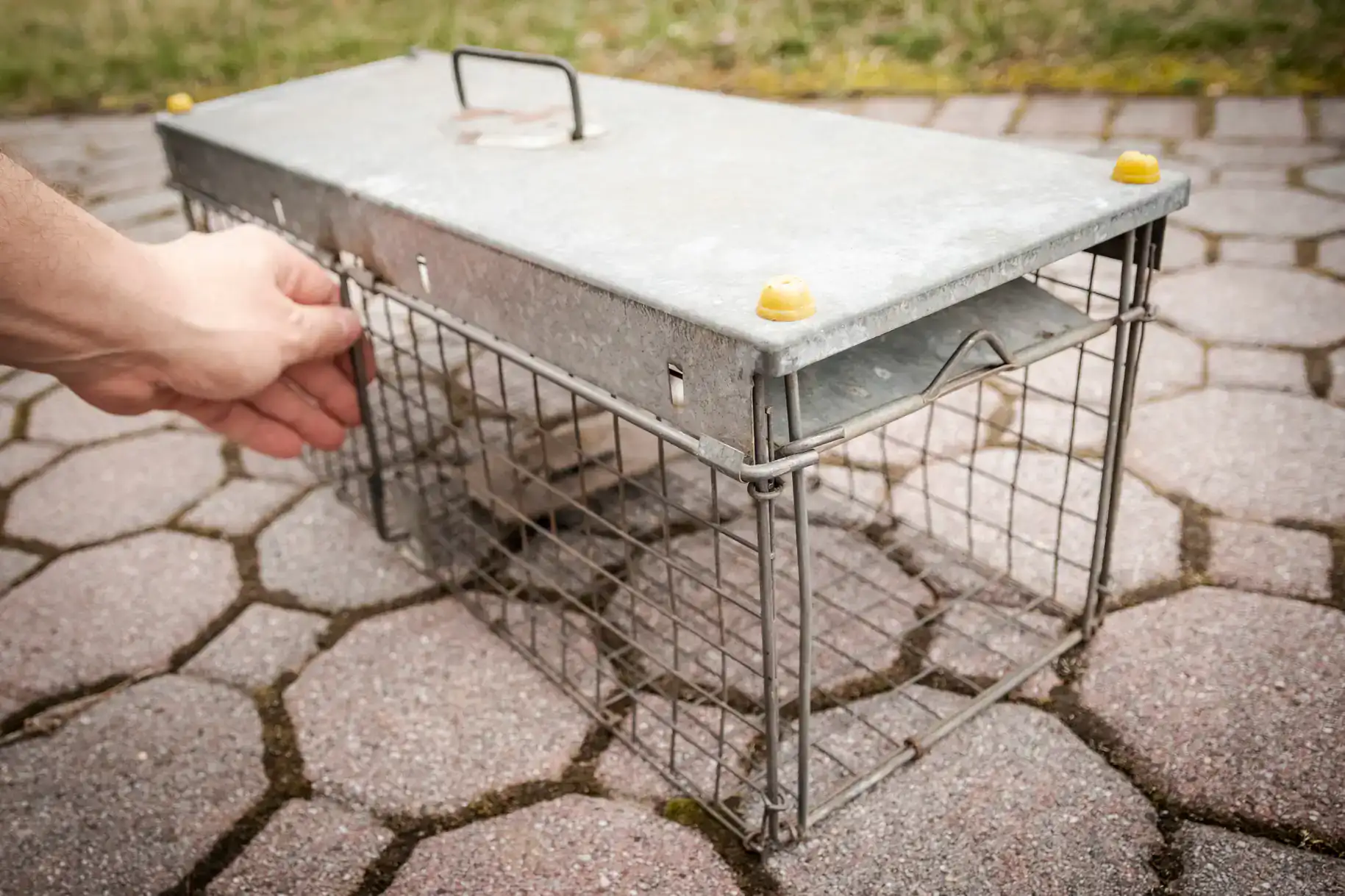
From there, we put together a treatment plan based on what we actually found not a one-size approach applied to every job. That might include tamper-resistant bait stations, mechanical trapping, and targeted application of NYS DEC-registered rodenticides in the areas where activity is confirmed. In buildings where rodents are moving between units through shared spaces, the treatment has to account for that lateral spread otherwise you’re solving the problem in one apartment while it continues next door.
Exclusion work is part of the conversation too. Sealing the entry points that allowed rodents in is what keeps them from coming back. In a neighborhood that sits inside an official NYC Rat Mitigation Zone, ongoing pressure from the surrounding environment is real so the goal isn’t just to clear the current infestation, it’s to make your space a harder target going forward. We’re available 24/7 and can often be on-site the same day you call, with a guaranteed appointment within 48 hours.
Ready to get started?
Our rodent control service covers the full scope of the problem: inspection, treatment, and exclusion guidance. Every job starts with identifying what species you’re dealing with Norway rats and house mice behave differently, nest differently, and respond to different treatment approaches. In the Lower East Side, Norway rats are the dominant species, and they tend to colonize at the foundation and basement level before moving upward through a building’s infrastructure.
For residential customers whether you’re in a rent-stabilized walk-up on Essex Street, a unit at one of the NYCHA developments, or a newer building near the Essex Crossing corridor the service is designed around the specific layout and condition of your space. We work with both tenants and property owners, and can provide written documentation of treatment for landlords, property managers, or anyone dealing with an NYC Health Department citation. That’s especially relevant in the Lower East Side, where the Rat Mitigation Zone designation means inspections are more frequent and violations carry real consequences.
For small business owners restaurants, bars, retail shops along the Delancey and Grand Street corridors we also handle commercial rodent control with the same thoroughness. If you’ve received a Health Department notice or you’re trying to get ahead of one, we can help you document and resolve the issue. All materials we use are NYS DEC-registered, all our technicians are certified, and all work is backed by a company that’s been accountable to New York customers for over 50 years.
The Lower East Side is one of eight neighborhoods in New York City formally designated as a Rat Mitigation Zone by the NYC Department of Health and Mental Hygiene a designation that reflects documented, persistently high rodent activity, not just occasional complaints. Several factors stack on top of each other here. The neighborhood has some of the oldest residential building stock in the city, with pre-war tenements that have accumulated decades of structural gaps and entry points. There’s dense commercial food activity along Delancey, Grand, and the surrounding corridors. And the ongoing Essex Crossing construction has been displacing established rodent colonies directly into the surrounding residential blocks.
The city has targeted the Lower East Side specifically in multiple mayoral rodent reduction initiatives going back to 2017. That history tells you something: this isn’t a problem that resolves on its own. Professional treatment that accounts for the neighborhood’s specific conditions building age, construction displacement, shared basement infrastructure is what actually makes a difference.
The short answer is: through gaps you’d never notice unless you were specifically looking for them. Rats can enter through a hole the size of a quarter. Mice can squeeze through a gap about the size of a pencil eraser. In a tenement building constructed in 1900, 1910, or 1920, there are typically dozens of potential entry points around pipe penetrations, at foundation cracks, along the base of shared walls, through deteriorated mortar joints, and via utility chases that run vertically through the building.
What makes Lower East Side tenements particularly challenging is the connected nature of the buildings. Many share basement spaces, common walls, and utility infrastructure with adjacent structures. That means a rodent entering one building can move laterally into neighboring units without ever going back outside. A professional inspection looks at the full picture not just where you’re seeing activity, but how the building’s layout is enabling the movement. That’s where treatment plans that actually hold up start.
You have options. Under New York City’s Health Code, building owners are required to maintain their properties free of rodent infestations and the conditions that attract them. If your landlord isn’t responding, you can file a complaint through 311 the NYC Department of Health and Mental Hygiene may inspect the building and issue violations with associated fines. In the Lower East Side’s Rat Mitigation Zone, proactive inspections are more common than in other areas of the city, so the regulatory pressure on building owners is real.
As a tenant, you can also arrange individual unit treatment directly without landlord approval. We offer a free phone consultation with no obligation, and can treat your specific unit independently of whatever the building is or isn’t doing. That won’t solve a building-wide infestation on its own, but it can significantly reduce the activity in your space while you pursue the landlord or NYCHA through the appropriate channels. If you’re in one of the NYCHA developments Baruch Houses, Seward Park, Alfred E. Smith Houses the same applies. You don’t have to wait for building management to act.
When it’s done by a licensed professional using the right materials and placement, yes. The key distinction is between professional-grade rodent control and over-the-counter products that get placed without a real understanding of the space. We apply only NYS DEC-registered materials products evaluated and approved by New York State regulators for safety and efficacy. Bait stations used in our treatments are tamper-resistant, meaning they’re designed to prevent access by children and non-target animals while remaining effective against rodents.
Placement matters just as much as the product itself. A professional inspection identifies where rodents are actually active and places treatments in those specific locations not broadly throughout a living space. For families with young children or pets, our technicians will walk you through what was applied, where it was placed, and what precautions apply during and after treatment. That level of transparency is part of the job, not an add-on.
Pricing varies depending on the size of the space, the severity of the infestation, and whether exclusion work is needed in addition to treatment. For a standard residential rodent control job in Manhattan, you’re generally looking at somewhere in the range of $200 to $600 for initial treatment, with exclusion work adding to that depending on what the inspection finds. More complex infestations in multi-unit buildings or commercial spaces will typically run higher.
The more relevant comparison isn’t between pest control companies it’s between professional treatment and the cost of doing nothing or relying on hardware store products. Repeated failed DIY attempts add up. Property damage from rodent gnawing including chewed wiring, which the NPMA estimates contributes to up to 25% of unexplained house fires annually adds up faster. And in the Lower East Side, where NYC Health Department violations in the Rat Mitigation Zone carry real fines, the cost of an unresolved infestation can exceed the cost of professional treatment several times over. We offer a free phone consultation so you can get a realistic picture of what your situation actually requires before committing to anything.
Yes. We serve all five boroughs including Manhattan, and the Lower East Side is well within our regular service area. From our Brooklyn base, the FDR Drive which runs directly along the eastern edge of the Lower East Side and the Williamsburg Bridge provide a direct route into the neighborhood. This isn’t a long-distance service call. It’s a local one.
On availability: We’re reachable 24 hours a day, 7 days a week, and can often provide same-day service depending on scheduling. In every case, we guarantee an appointment within 48 hours. For residents dealing with an active infestation especially in a neighborhood with the rodent pressure the Lower East Side carries that turnaround matters. You’re not waiting a week and a half for someone to show up. Our free phone consultation means you can describe what you’re dealing with, get a real answer about what’s needed, and schedule without any obligation upfront.
Useful Links