Hear from Our Customers
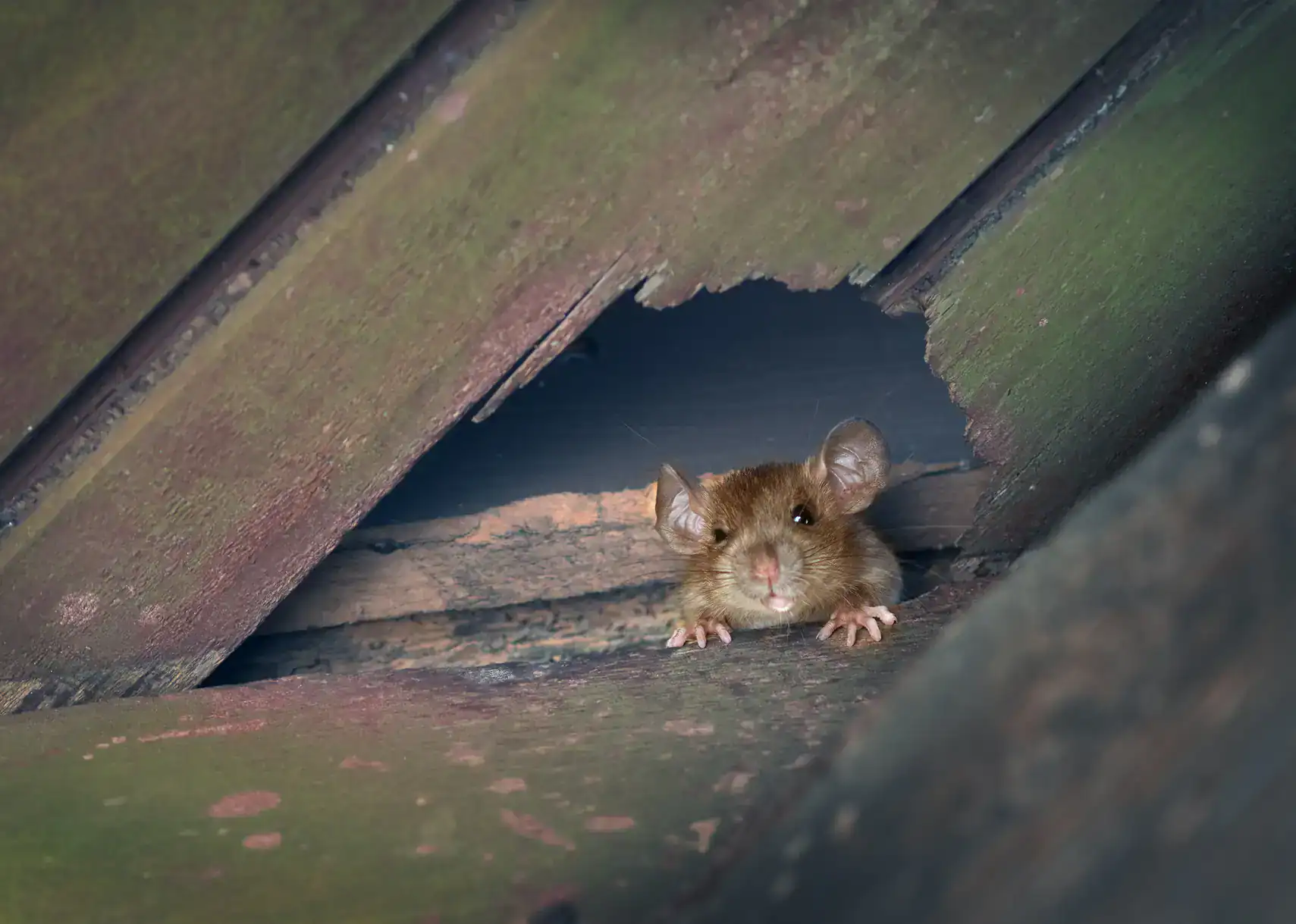
You stop hearing scratching in the walls at 2 a.m. You stop finding droppings behind the stove or in the back of a cabinet. You stop wondering whether whatever got in last week brought something else with it. That’s what a real solution feels like and it’s the only outcome worth paying for.
For Manhattan Beach homeowners specifically, the stakes are higher than most people realize. Homes here were largely built between the 1940s and 1960s, and decades of coastal moisture, freeze-thaw cycles, and the ground movement that comes with bay-adjacent soil mean that foundations settle, utility penetrations loosen, and the gaps rodents need to get inside become easier to find every year. A Norway rat can squeeze through a hole the size of a quarter. A mouse needs less than that. If those entry points aren’t identified and sealed, the problem keeps coming back regardless of what traps or bait you’ve already tried.
There’s also the property value dimension that Manhattan Beach homeowners understand better than most. When your home is worth $2 million or more, a rodent infestation isn’t just a nuisance it’s a real estate disclosure issue, a structural risk, and a health liability. The CDC documents that rats and mice can transmit more than 35 diseases to humans, including leptospirosis and salmonella, through droppings, urine, and contact. Professional rodent control eliminates the immediate problem and addresses the conditions that created it. That’s the difference between a patch and a fix.
We were founded in 1971 by Richard Kourbage Sr. and have been family-operated ever since. Our sons Richard Jr. and Charles joined the business in 1987 and 1989 respectively, and we’ve been headquartered at 2216 Flatbush Avenue in Marine Park roughly two to three miles from Manhattan Beach for decades. That location is deliberate. Manhattan Beach and the surrounding neighborhoods are the area we’ve always served.
We hold an A+ rating with the Better Business Bureau and have maintained BBB accreditation since 1989. We’re fully licensed, bonded, and insured, and we apply only N.Y.S. Department of Environmental Conservation registered pesticide materials. That last part matters in a neighborhood like Manhattan Beach, where families have yards, kids, and pets and where the last thing you need is a careless application from an operator who cut corners on their licensing.
Attorneys and real estate brokers across Brooklyn actively refer clients to us particularly for properties in high-value neighborhoods where a rodent problem can affect a transaction. If you’re near Oriental Boulevard, close to the Kingsborough Community College campus, or backing up to Manhattan Beach Park, you’re in an area we know well and have been protecting for a long time.
It starts with a phone consultation at no charge. You describe what you’re seeing droppings, sounds, entry points you’ve noticed, or just a general concern and we give you an honest read on what you’re likely dealing with before anyone sets foot in your home. If it makes sense to move forward, we schedule an inspection, and in most cases we can get to you within 48 hours. Same-day service is often available.
The inspection is where the real work begins. In Manhattan Beach, that means paying close attention to the things older coastal homes are most vulnerable to: foundation cracks, deteriorating basement window frames, gaps around utility penetrations where water lines and gas pipes enter the structure, and garage door seals that have worn down over the years. Homes built in the 1940s and 1950s weren’t constructed with modern pest exclusion in mind, and decades of bay-adjacent moisture exposure don’t make that any better. We look at all of it.
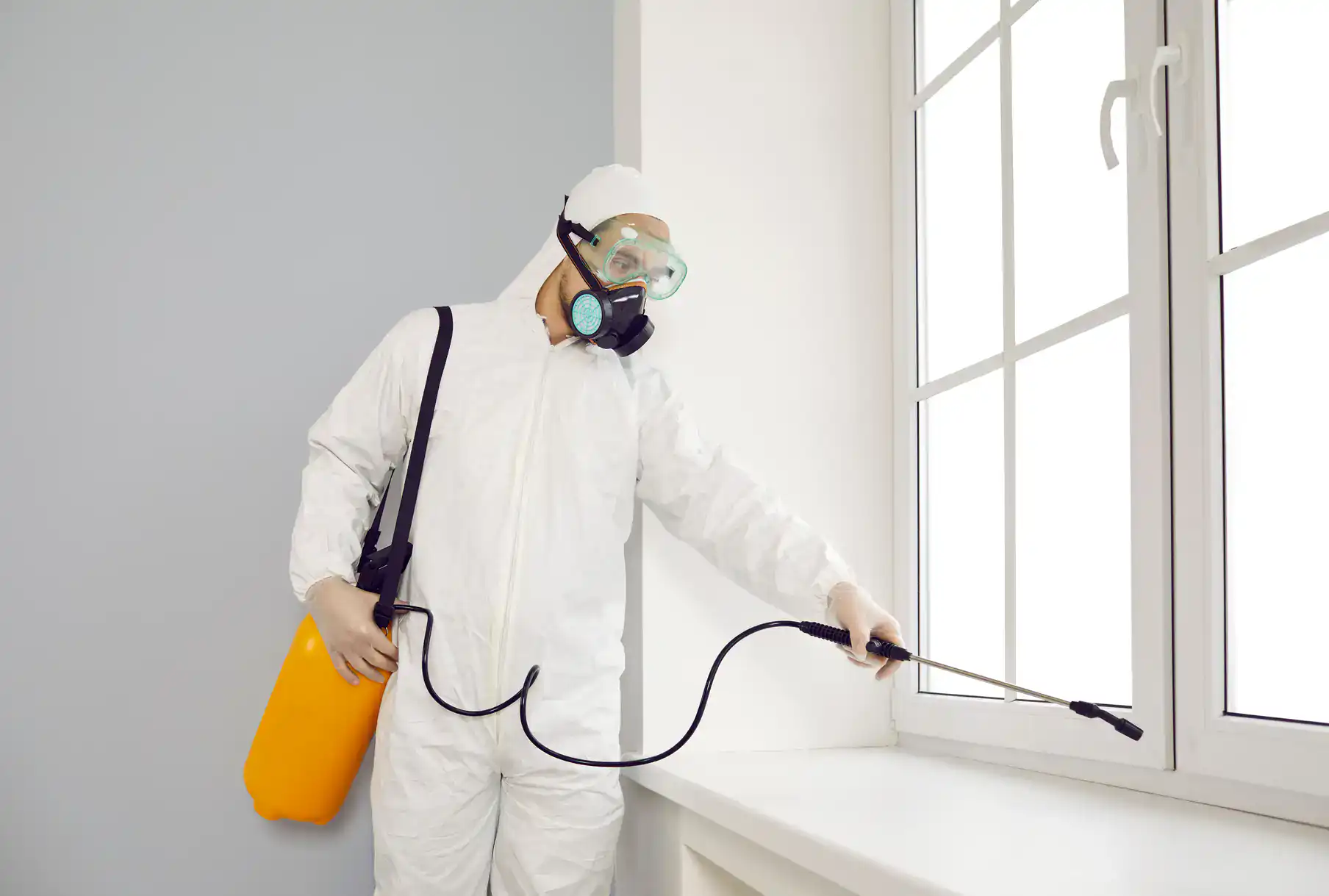
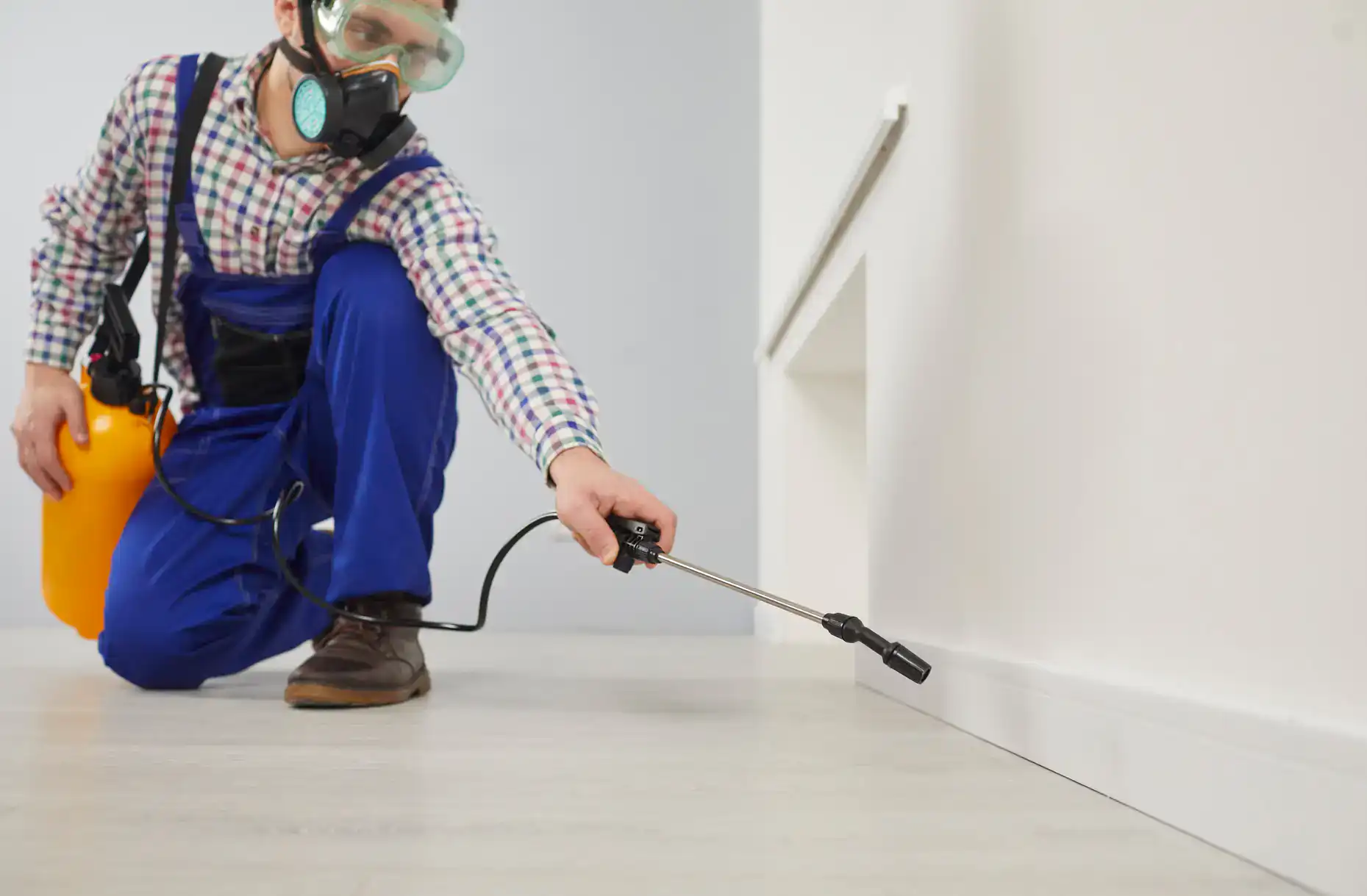
From there, treatment is targeted and controlled not broadcast application. We use NYS DEC-registered materials applied precisely where they’re needed, and we walk you through what was done, what to expect in the days following treatment, and what follow-up looks like. If exclusion work is needed to seal the entry points we identified, we’ll tell you clearly what that involves and why it matters for preventing the problem from recurring. The goal isn’t a one-time visit it’s a home that stays rodent-free.
Ready to get started?
Every rodent control service we provide starts with a thorough inspection not a quick walk-through, but a systematic look at the specific vulnerabilities that Manhattan Beach homes tend to have. That includes the exterior foundation, basement entry points, utility line penetrations, garage structures, and any landscaping or garden areas adjacent to the home that could be providing harborage. If your property is near Manhattan Beach Park or backs up to a green space on the Kingsborough Community College campus perimeter, those adjacencies factor into where we focus.
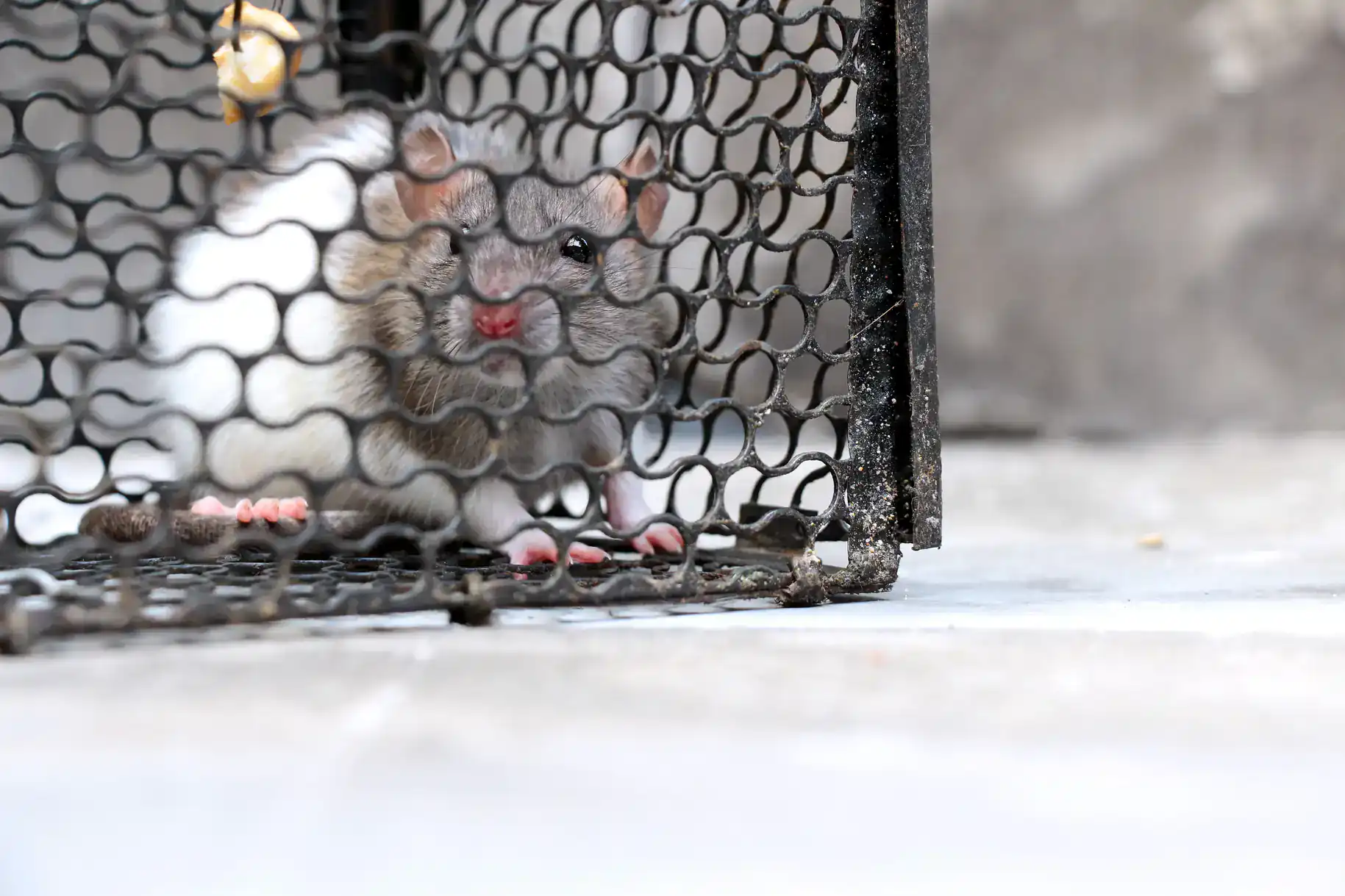
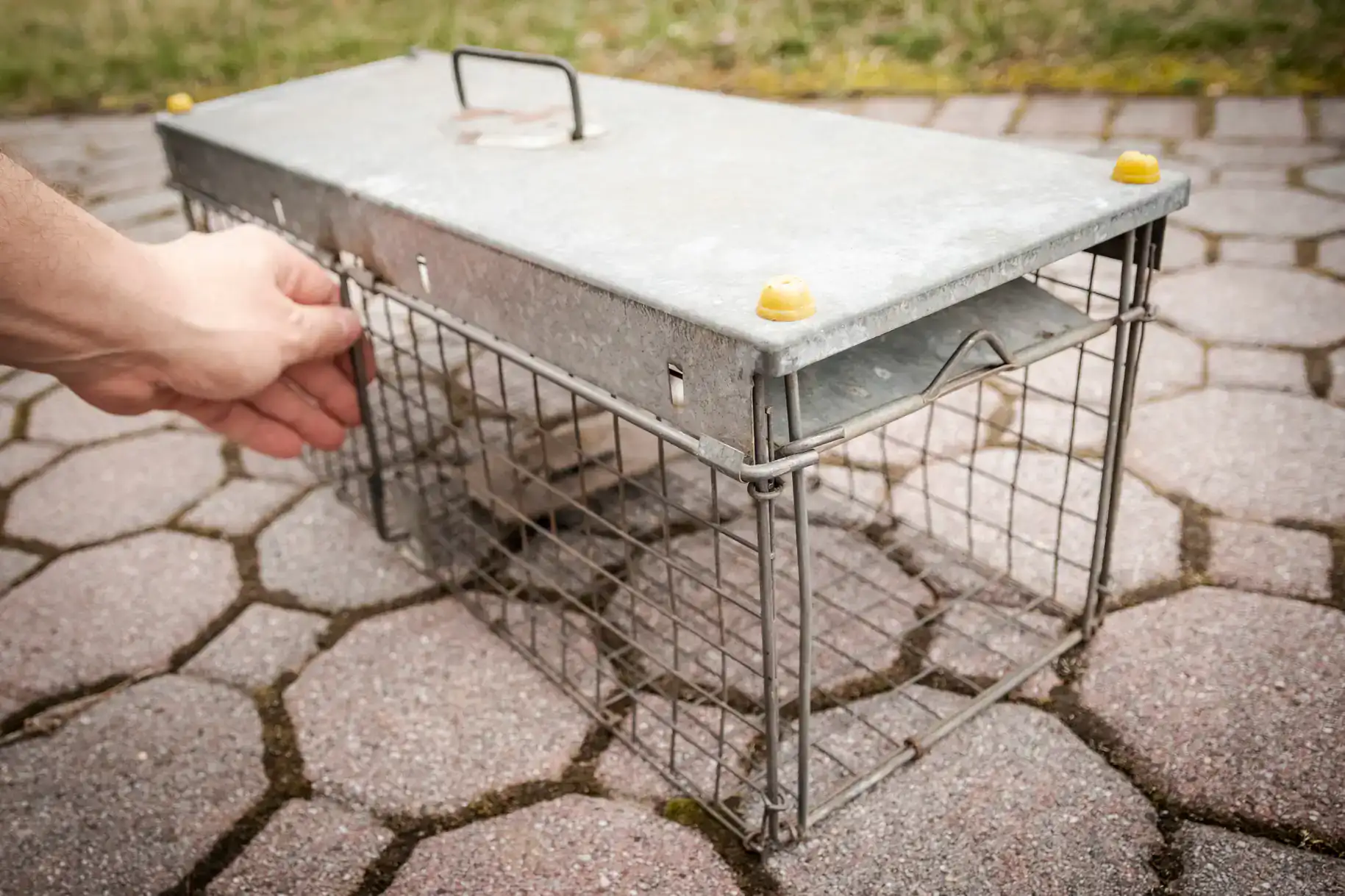
Treatment is applied based on what the inspection actually reveals not a standard package dropped on every home regardless of conditions. We use rodenticide bait stations, snap traps, and glue boards depending on the situation, always placed in locations that are inaccessible to children and pets. For homes with active infestations near the bay side of the neighborhood, where Norway rat pressure from Sheepshead Bay’s waterfront activity tends to be more acute, we adjust accordingly.
Exclusion the physical sealing of entry points is a separate service we offer and one we’ll recommend when the inspection identifies specific vulnerabilities. Under the NYC Health Code, property owners in Manhattan Beach are required to maintain their buildings free of pest conditions, and exclusion work is often the most durable way to stay compliant and keep rodents from returning. We’ll tell you honestly what’s needed and what isn’t. No upselling, no unnecessary work.
The short answer is geography. Manhattan Beach sits between Sheepshead Bay to the north and the Atlantic Ocean to the south and east, and Norway rats the dominant rodent species in New York City are strongly associated with waterfront environments. They burrow along tidal edges, thrive near food sources like the fishing docks and waterfront restaurants along Sheepshead Bay’s shore, and migrate from those established colonies into adjacent residential properties. Homes on the northern edge of Manhattan Beach, closest to the bay, tend to see the most direct pressure from this dynamic.
It’s not just about proximity to water, though. It’s also about what that coastal environment does to your home over time. Moisture, freeze-thaw cycles, and the soil movement that comes with bay-adjacent ground conditions gradually create the cracks and gaps that rodents use to get inside. Older homes and most of Manhattan Beach’s housing stock dates to the 1940s through 1960s are especially susceptible. The combination of waterfront rodent populations and aging housing infrastructure is what makes Manhattan Beach’s rodent challenge genuinely different from inland Brooklyn.
A single sighting doesn’t always mean a full infestation, but it almost always means there’s an entry point and where one rodent got in, others can follow. The signs that point toward an active infestation rather than a one-off event include droppings (small, dark, and pellet-shaped for mice; larger and more capsule-shaped for rats), gnaw marks on food packaging, baseboards, or wiring, grease marks along walls where rodents travel repeatedly, and sounds of movement in walls or ceilings usually most noticeable at night when the house is quiet.
In Manhattan Beach specifically, the fall and winter months tend to amplify these signs. As temperatures drop along the Atlantic coast, rodents that have been living outdoors in burrows near the bay or in the landscaping around Manhattan Beach Park push hard to find warm shelter. If you’re noticing activity in October or November, that’s not coincidental it’s seasonal, and it’s predictable. A phone consultation with us costs you nothing and gives you a clear read on whether what you’re seeing warrants a full inspection.
Yes, and it’s worth understanding why. Manhattan Beach Park is a 40-acre public space with a sandy beach, sports fields, playgrounds, and the 16-acre Dana Borell Garden all of which generate the conditions rodents look for: food sources from picnickers and summer crowds, dense landscaping that provides cover, and irrigated garden areas that support burrowing. Large public parks are well-documented rodent habitat zones, and homes that back up to or sit adjacent to park green space experience a consistent migration pathway from park to property.
This doesn’t mean every home near the park has a rodent problem. It means the risk is elevated and ongoing, not seasonal or one-time. Rodent populations in the park don’t disappear in winter they relocate, and the nearest warm structures are the homes along the park’s residential edge. If your home is in that zone, periodic inspection and proactive exclusion work are the most practical ways to stay ahead of it. Waiting until you see active signs inside the home means the problem has already progressed further than it needed to.
For most residential rodent control services, you’re looking at a range of roughly $180 to $610 depending on the severity of the infestation, the size of the home, and what treatment approach is warranted. Exclusion work the physical sealing of entry points is typically priced separately and can add another $200 to $600 or more depending on how many vulnerabilities are identified and what materials are required to seal them properly.
For Manhattan Beach homeowners, it helps to put that cost in context. You’re protecting a home that’s likely worth $1.5 million or more. The National Pest Management Association estimates that rodents are responsible for up to 25% of house fires in the United States annually from chewing through electrical wiring and that’s before you factor in insulation damage, contaminated HVAC systems, or the impact on a real estate transaction if rodent evidence surfaces during an inspection. The cost of professional rodent control is not trivial, but it’s a fraction of what any one of those outcomes would cost you. We offer a free phone consultation and free estimate so you know exactly what you’re looking at before committing to anything.
This is one of the most common questions we get from Manhattan Beach families, and it’s a completely reasonable one. We apply only N.Y.S. Department of Environmental Conservation registered pesticide materials products that have been evaluated for safety and efficacy by New York State regulators. Application is targeted and controlled, meaning materials are placed precisely where they need to be, in locations inaccessible to children and pets, not broadcast across surfaces or applied carelessly.
The more relevant safety concern is actually the one that exists before treatment: rodent droppings, urine, and nesting material. The CDC notes that hantavirus can be contracted by breathing in dust contaminated with rodent waste even after the rodents themselves are gone. That means the longer an infestation goes unaddressed in a home where children are present, the greater the health exposure. Professional removal and proper remediation eliminate that risk in a way that hardware store traps and consumer-grade rodenticides simply don’t. If you have specific concerns about particular products or application methods, bring them up during the free phone consultation we’ll walk you through exactly what we’d use and why.
Because most people calling about a rodent problem aren’t sure yet what they’re dealing with or what level of service they actually need. Charging for that initial conversation before we’ve provided any real value isn’t something we’re interested in. The free phone consultation exists so you can describe what you’re seeing, get an honest read from someone who knows southern Brooklyn’s rodent conditions well, and decide whether a full inspection makes sense without any pressure to commit before you’re ready.
Manhattan Beach is a neighborhood where residents have high expectations for the service providers they invite into their homes, and rightfully so. The civic culture here reflected in organizations like the Manhattan Beach Community Group, which has been active since 1941 reflects a community that values accountability and transparency. The free consultation is how we start that relationship the right way: by being useful before we ask for anything. If after talking with us you decide to move forward, great. If you need more time or want to get another opinion, we’ll tell you what to look for. That’s the kind of conversation we think you deserve from the start.
Useful Links