
Hear from Our Customers
No more lying awake listening to something scratch inside your walls. No more finding droppings behind the stove or wondering if your kids are safe playing on the floor. When rodent control is done right not just a bait station dropped in the corner you get your home back. That’s what this is actually about.
Middle Village sits next to two of the largest open green spaces in Queens: Juniper Valley Park and Lutheran All Faiths Cemetery. Combined, that’s nearly 300 acres of undisturbed ground where Norway rats burrow, breed, and forage and your home is well within their daily range. Sealing the entry points that connect that outdoor population to your living space is what turns a recurring problem into a resolved one.
The attached brick row houses and two-family homes that make up most of Middle Village also create a specific challenge: rodents move laterally. They travel through shared wall cavities and basement connections between attached properties. A treatment that kills what’s inside but leaves the gaps open just resets the clock. The work that actually matters is identifying every point of entry and closing it for good.
We’ve been operating in the Queens-Brooklyn corridor since 1971. That’s not a marketing number it means our technicians have been inside hundreds of attached homes just like yours in Middle Village, in neighborhoods just like this one, long enough to know exactly where rodents get in and why they keep coming back.
We’re a second-generation, family-owned company. Richard Kourbage Sr. founded Kingsway Exterminating, and his sons Richard Jr. and Charles have been running it alongside him since the late 1980s. We hold an A+ rating with the Better Business Bureau accredited since 1989 and we apply only NYS DEC-registered materials on every job. No shortcuts, no unlicensed technicians, no guesswork.
New York attorneys and real estate brokers refer clients to us by name when a property transaction requires a credible pest inspection. If the professionals who deal with property risk every day trust us with their clients, that should tell you something. We’re fully licensed, bonded, and insured and we guarantee an appointment within 48 hours.
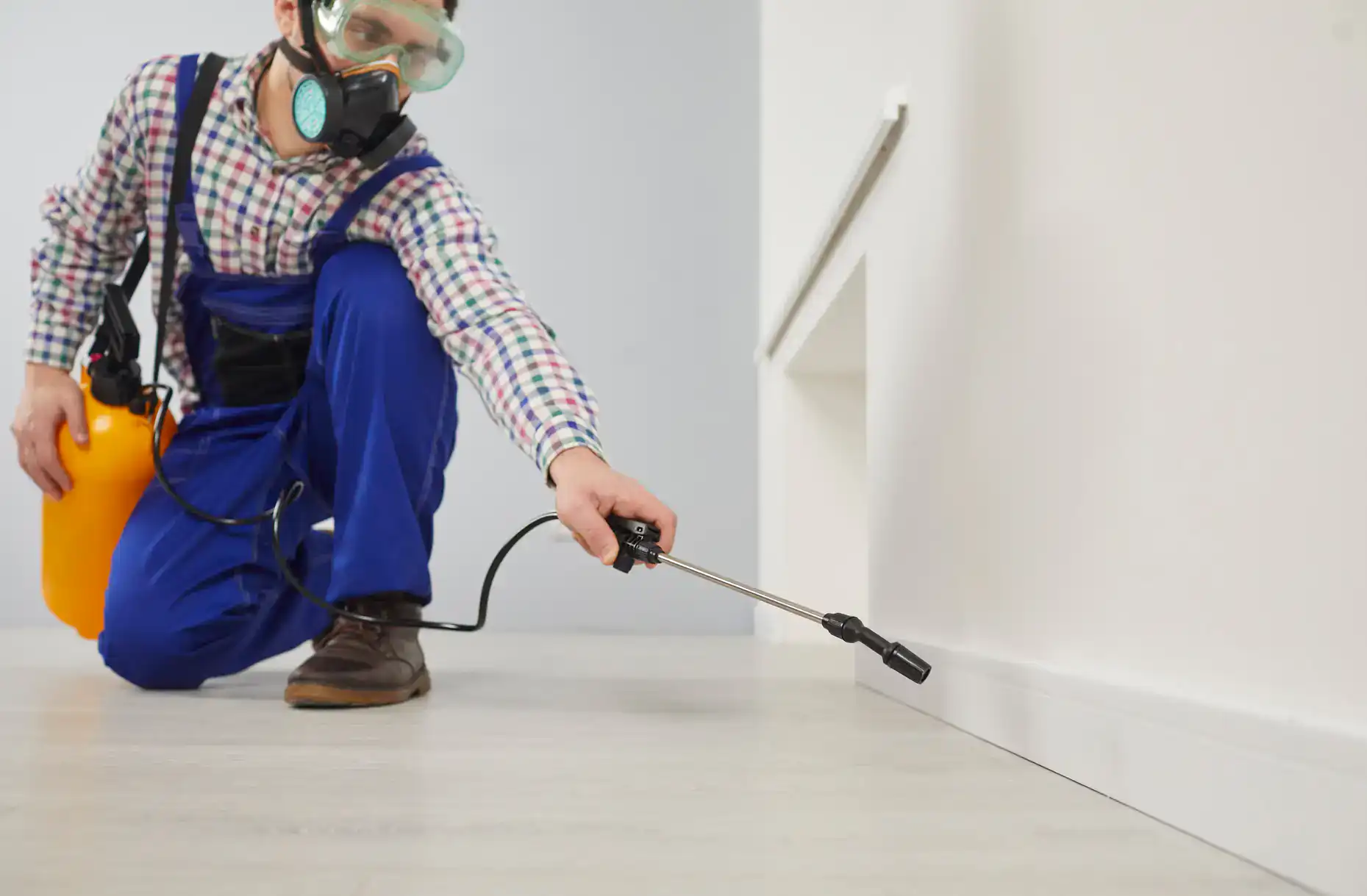
It starts with a thorough inspection not a five-minute walkthrough, but a real look at your foundation, basement, utility penetrations, exterior walls, and any gap or crack larger than a quarter inch. In Middle Village’s older row house stock, the most common entry points are around gas line penetrations, deteriorating mortar at the foundation line, and basement window frames that have shifted over decades. We find them because we’ve found them before, in homes built the same way yours was.
Once we know what we’re dealing with, we put together a treatment plan that addresses both the active infestation and the conditions that created it. That means targeted rodenticide placement where it’s warranted, and exclusion work physically sealing the entry points so the outdoor population from the park or cemetery can’t just move back in after treatment. If you’re on a cemetery-adjacent block or close to the northern edge of the neighborhood near the Maspeth border, we factor that into the scope.
After the initial service, we walk you through what was done, what was found, and what if anything you should monitor going forward. Fall is the highest-risk season in this neighborhood, when outdoor rodent populations start moving toward heat. If you’re calling us in September or October, we’ll also talk about what a follow-up or preventive maintenance visit looks like so you’re not starting over again next year.
Ready to get started?
Rodent control in Middle Village isn’t the same job it is in a detached suburban house. Your home shares walls. It has a foundation that’s been settling since the 1930s or 1940s. It has utility lines running through it that were installed long before modern pest-proofing standards existed. And it sits in a neighborhood where the rodent pressure doesn’t come from one source it comes from the park, the cemetery, and the industrial activity just north in Maspeth, all at once.
Our rodent control service covers the full scope of what that actually requires. That includes a detailed interior and exterior inspection, identification of all active harborage and entry points, targeted treatment using NYS DEC-registered rodenticides, and physical exclusion work to seal the gaps that are letting rodents in. We don’t hand you a bait station and call it done we address the building, not just the symptom.
Under the NYC Health Code, property owners in Queens are responsible for maintaining their homes free of rodent harborage conditions. A violation from the NYC Department of Health carries real fines and mandatory remediation requirements. Hiring a licensed exterminator and having documentation of the work protects you as a homeowner. Every service we perform is conducted by licensed, insured technicians using compliant materials, and we can provide the service records you need if a real estate transaction or city inspection ever requires them.
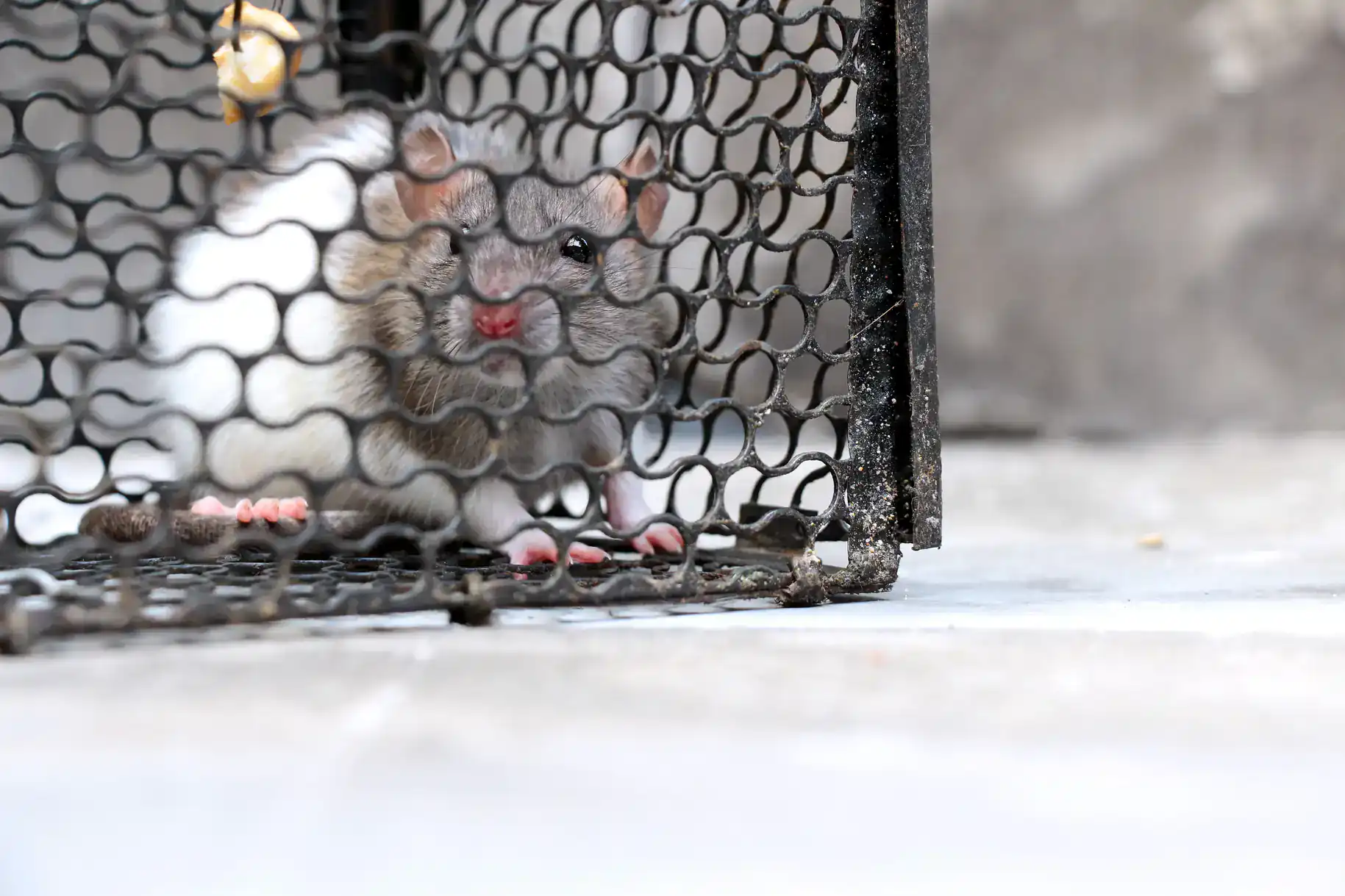
This is the most common frustration we hear from homeowners in Middle Village, and the answer almost always comes down to entry points that were never sealed. Treatment kills the rodents currently in your home it doesn’t stop the next wave from coming in through the same gaps. In Middle Village, that next wave is never far away. Juniper Valley Park and Lutheran All Faiths Cemetery together create hundreds of acres of active rodent habitat within daily foraging range of residential blocks throughout the neighborhood.
The other factor specific to attached homes is lateral movement. If your neighbor’s unit has an active infestation and you share a wall or a basement, rodents can migrate between properties through wall cavities and utility chases. Treating one unit in isolation without addressing shared entry points is a short-term fix at best. Effective rodent control here requires exclusion physically sealing every opening greater than a quarter inch on the exterior of the building not just interior treatment.
Brick looks solid, but the gaps are there if you know where to look. The most common entry points in Middle Village’s older row house stock are around gas and water line penetrations at the foundation, deteriorating mortar joints at the base of the building, gaps between the foundation and the wood sill plate, and basement window frames that have shifted or settled over the decades. Rats can squeeze through a gap the size of a quarter. Mice need even less a hole the size of a pencil eraser is enough.
Roof lines and utility entry points higher up on the building are also worth checking, especially for mice, which are better climbers than most people expect. Our inspection process is specifically designed to find these points in the building types common to Middle Village not a generic checklist, but a targeted look at the specific vulnerabilities of early-to-mid 20th century attached construction. Once we find them, we seal them with materials rated for permanent exclusion, not temporary patching.
It’s a fair question, and the honest answer is yes it’s a contributing factor, though not the only one. Lutheran All Faiths Cemetery covers roughly 225 acres of largely undisturbed ground. That kind of environment tree roots, dense vegetation, minimal human activity across most of the grounds is ideal burrowing and nesting habitat for Norway rats. These are the dominant rat species in New York City, and they’re ground-burrowing animals that thrive in exactly these conditions.
Norway rats forage up to 100 to 150 feet from their nest on a daily basis. For homeowners on blocks that border or sit near the cemetery, that puts your property well within their regular range. The same dynamic applies to Juniper Valley Park, which runs through the heart of the neighborhood. Neither of these spaces is going anywhere, which means the rodent pressure they generate is a permanent condition of living in this part of Middle Village not a temporary spike. That’s why ongoing exclusion and periodic preventive treatment matter more here than in neighborhoods without large adjacent green spaces.
The CDC has identified more than 35 diseases that rodents can transmit to humans, and several of them are relevant to an urban environment like Queens. Leptospirosis is spread through contact with water or soil contaminated by rodent urine a realistic exposure in basement areas or gardens. Salmonella can be transmitted through food or surfaces contaminated by rodent droppings. Rat-bite fever, while less common, is a genuine risk in homes with active infestations. Hantavirus is the one that concerns people most it can be contracted by breathing in dust from dried rodent droppings or urine, which means the risk persists even after the rodents are gone if contaminated areas aren’t properly cleaned.
In a family home especially one where children spend time on floors, or where elderly family members have compromised immune systems these aren’t abstract statistics. They’re reasons to treat an infestation as a health issue, not just a nuisance. If you’ve had an active infestation and the affected areas haven’t been properly cleaned and disinfected, that’s part of the conversation we’ll have when we assess your home.
Fall is the highest-risk period, and it’s consistent year after year in this neighborhood. As temperatures drop in September and October, Norway rats and house mice that have been living in outdoor harborage the park, the cemetery grounds, garden beds, and the green spaces along the northern edge of Middle Village near Maspeth start moving toward heat sources. Your home is one of them. The gaps around your gas line, the crack in the foundation near the basement window, the space under the back door: these are the entry points they’re actively looking for during that seasonal shift.
The practical implication is that a pre-season inspection in late summer or early fall before the migration starts is more effective and less disruptive than calling after you’ve already found droppings in the kitchen. We can identify and seal the entry points while the problem is still outside. If you’ve dealt with rodents in previous winters, that history is a reliable predictor that they’ll try again through the same routes. Getting ahead of it is almost always easier and less expensive than dealing with an established indoor infestation in November or December.
It depends on your specific situation and where your home sits in relation to the neighborhood’s main pressure sources. For a homeowner on a block that directly borders Juniper Valley Park, the cemetery, or the northern edge of the neighborhood near the Maspeth industrial corridor, a one-time treatment is often not a permanent solution. The source population doesn’t go away it just gets reduced temporarily. Homes in those locations tend to benefit from a follow-up visit after the initial treatment and, in many cases, a seasonal maintenance service in the fall when outdoor-to-indoor migration is at its peak.
For homeowners further from those pressure sources who are dealing with a first-time infestation, a thorough one-time service with proper exclusion work is often sufficient provided the entry points are fully sealed and the conditions that attracted rodents in the first place are addressed. We’ll give you an honest read on which situation you’re in after the inspection. If a single visit is genuinely what you need, that’s what we’ll recommend. If your location or building conditions suggest that ongoing service makes more sense, we’ll explain exactly why before you commit to anything.
Useful Links